2027 Art History Degree Coursework Explained: What Classes Can You Expect to Take?

Co-Founder and Chief Data Scientist
Many students pursuing an art history degree face uncertainty about the specific coursework and skills they will acquire. According to the National Center for Education Statistics, over 30% of art history graduates report that understanding the curriculum ahead would have improved their academic planning and career readiness. This gap can hinder effective preparation for specialized roles in museums, academia, or the arts sector. This article clarifies the typical classes included in art history programs and explains how the curriculum fosters critical thinking, research abilities, and cultural literacy, equipping students for diverse professional opportunities in the field.
Key Benefits of Art History Degree Coursework
- Art history coursework sharpens critical thinking and visual analysis skills, essential for careers in museums, galleries, and cultural institutions.
- Studying diverse art periods enhances cultural literacy, improving communication and project management abilities valued by employers.
- Graduates with art history degrees can see a salary premium of up to 12% in related fields like education, curation, and consultancy.
What Types of Class Do You Take in a Art History Degree?
The curriculum for an art history degree is structured to provide students with both broad and specialized knowledge of visual culture through diverse coursework. Over 70% of graduates complete hands-on internships or capstone projects, reflecting the program's strong focus on applied learning and real-world experience.
Below is an outline of the key types of classes you will encounter in an art history degree coursework overview.
- Core Foundational Classes: These classes introduce broad art historical periods, major movements, and essential theories, providing a critical framework for analyzing artworks and understanding their cultural contexts across time and geography.
- Specialization or Elective Courses: Designed to deepen expertise, these courses allow students to focus on specific regions, themes, or artistic mediums such as Renaissance art, modern art, or digital media.
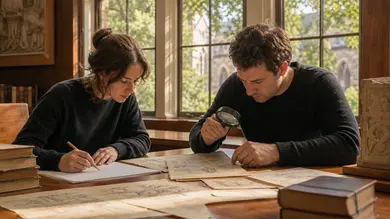
- Research and Methods Courses: Focusing on scholarly inquiry, these courses develop critical thinking and teach students how to conduct research, analyze visual materials, and present well-structured arguments, essential skills for academic and professional success.
- Practicum, Internship, or Capstone Experiences: Offering hands-on learning opportunities, these experiences help students apply theoretical knowledge in real settings like museums or galleries, sharpening practical skills and fostering professional networks.
For students interested in continuing their education beyond the undergraduate level, there are various options including EdD online programs. Exploring the types of classes in art history programs is essential for understanding how this degree prepares graduates for diverse career paths.
What Are the Core Courses in a Art History Degree Program?
Core classes in an art history degree build foundational knowledge and critical skills essential for analyzing visual culture within varied historical and theoretical frameworks. These essential classes develop research proficiency, ensuring students evaluate sources rigorously and gain expertise in applied professional practices relevant to the field.
Within this curriculum, students engage deeply with both theory and practical skills, preparing them to communicate art historical knowledge effectively. The following list highlights core art history courses explained to clarify the essential classes in art history degree programs and show how they prepare students for academic and professional success.
- Introduction to Art History and Visual Culture: Covers basic concepts and vocabulary used to study artworks across cultures and time periods, emphasizing visual literacy and contextual analysis.
- Art Theory and Criticism: Introduces major theoretical frameworks and critical approaches, enabling students to interpret art beyond surface meanings and understand its cultural significance.
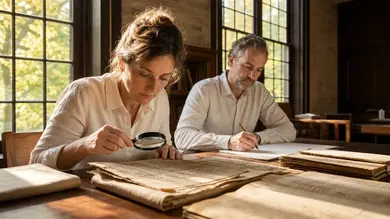
- Research Methods in Art History: Develops rigorous skills in analyzing primary and secondary sources, archival research, and scholarly writing essential for academic inquiry.
- Survey of Western and Non-Western Art: Offers a broad overview of global art history, helping students recognize diverse cultural expressions and artistic traditions.
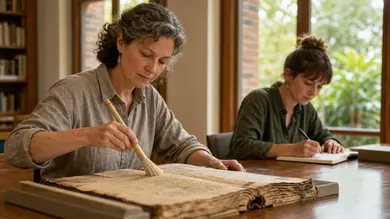
- Museum Studies and Conservation: Focuses on curatorial practices, preservation techniques, and ethical considerations involved in managing art collections and exhibitions.
- Digital Tools for Art Historical Analysis: Teaches the application of technological methods such as digital imaging and databases to enhance research and presentation.
- Professional Practices and Ethics: Prepares students for careers by addressing workplace skills, ethical standards, and effective communication in art-related fields.
Students considering specialized programs may also explore options to accelerate their studies, such as pursuing a fast track psychology degree for complementary interdisciplinary knowledge in human behavior and cognition.

What Elective Classes Can You Take in a Art History Degree?
Elective courses in an art history degree offer students the flexibility to focus on particular interests or career paths. Studies reveal that more than 60% of students select electives to gain deeper expertise in specialized topics, highlighting their growing significance in shaping tailored academic journeys.
Below are some of the popular electives students may choose to enrich their studies and professional preparation.
- Contemporary Art: Emphasizes art from the 20th century onward, enhancing skills in critical thinking and cultural context evaluation, which are crucial for roles in critique and modern art institutions.
- Museum Studies: Covers topics like curation, exhibition planning, and museum operations, equipping students for careers in galleries, public outreach, and cultural management.
- Global Art Traditions: Focuses on non-Western art histories, promoting cross-cultural insight important for international curatorship and research in diverse art markets.
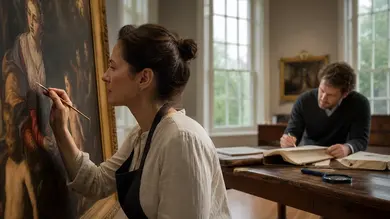
- Art Conservation: Introduces preservation methods and restoration techniques, valuable for students aiming at technical roles in heritage protection and conservation science.
- Digital Art and Media: Explores the convergence of technology and art, training students to manage digital archives and multimedia exhibitions relevant in today's evolving art scene.
Practical experiences in art history programs are designed to bridge classroom learning with real-world settings, offering students hands-on opportunities in cultural institutions. Nearly 60% of these programs recommend or mandate internships or practicums to enhance student engagement and skill development.
The following points outline key aspects of these practical components:
- Program Requirements: While not universal, many art history curricula encourage or require internships or practicums to complement academic studies and provide applied experience.
- Duration and Hours: These experiences often last a semester or a summer and typically involve between 100 and 300 hours of supervised work to ensure meaningful participation.
- Types of Experiences: Students commonly assist with tasks like curatorial support, archival research, conservation projects, and public education activities within museums, galleries, or cultural organizations.
- Skills Developed: Participants gain valuable expertise in documentation, professional communication, project coordination, and research methodologies tied to art collections and historical contexts.
Capstone projects and theses serve as key demonstrations of a student's mastery in art history, combining research, analysis, and communication skills. Nearly 65% of bachelor's programs and almost all graduate programs require some form of these culminating projects for degree completion.
Here is a breakdown of how they differ and what they involve.
- Thesis Structure and Scope: A thesis demands original research presented in a comprehensive academic paper, often exceeding 50 pages. This extensive project requires months of preparation and close faculty guidance to ensure rigor and depth.
- Capstone Flexibility: Capstones typically offer more creative freedom, taking forms such as curated exhibitions, multimedia presentations, or focused research papers. They emphasize practical application of knowledge alongside critical thinking.
- Skills Gained: Both projects sharpen analytical reasoning, scholarly writing, and subject mastery. Theses tend to develop deeper research expertise, while capstones encourage broader communication and project management skills.
- Time Commitment: Completing a thesis usually spans several months, given its in-depth research demands. Capstones might be shorter in duration but require active synthesis of coursework and project coordination.
- Career and Academic Alignment: Students targeting graduate study or academic research benefit from the intensive thesis process, which prepares them for future scholarly work. Those focused on museum careers, education, or public history often find capstones better suited to cultivating relevant professional skills.

Art history coursework typically maintains consistent curriculum, learning objectives, and academic standards whether delivered online or on campus. Both modes cover fundamental topics like visual interpretation, historical contexts, and cultural analysis, ensuring students acquire comparable knowledge and skills. The core educational outcomes remain aligned to prepare students effectively regardless of format.
Differences arise mainly in how instruction is delivered and experienced. On-campus classes offer live discussions, face-to-face lectures, and direct access to galleries or collections, fostering immediate interaction. Online courses rely on video lessons, discussion forums, and virtual museum visits, often requiring greater self-motivation due to asynchronous communication. Scheduling is more flexible online, enabling students to learn at their own pace, while on-campus courses follow set times.
Though practical assignments adapt to virtual tools in online settings, hands-on engagement tends to be more immersive in person. Campus resources like libraries and studios are more accessible onsite, with digital alternatives supplementing virtual programs.
Most students enrolled in art history courses can expect to commit between 8 to 15 hours per week to their studies. This weekly time typically includes about 3 to 5 hours attending lectures or seminars, 4 to 7 hours dedicated to reading academic texts and analyzing art, alongside 2 to 4 hours working on assignments and essay writing. Additionally, group discussions or collaborative projects generally add around 1 to 2 hours, while applied learning experiences such as museum visits or research projects can increase the workload at varying times.
Several key factors influence the specific weekly time commitment for art history courses. Here is a breakdown:
- Enrollment status: Full-time students usually spend more hours studying weekly compared to part-time students, who manage fewer courses alongside other responsibilities.
- Course level: Advanced or upper-level courses often demand more extensive reading and research efforts than introductory options.
- Delivery format: Online courses for psychology degree and art history alike sometimes require more self-study time than on-campus classes due to reduced face-to-face instruction.
- Credit load: The number of credit hours taken each term directly impacts the total weekly hours required for completion.
- Practicum and projects: Practicum or capstone assignments can cause significant spikes in workload, especially near the end of terms.
Students seeking to compare time commitments across disciplines might also explore options like online courses for psychology degree, which vary in structure but share similar considerations for weekly study hours.
Total credit hour requirements directly impact the length of an art history degree program, the student's workload each semester, and graduation scheduling. These requirements vary based on degree level and program structure, making it essential for students to understand how many credits they need to successfully complete their studies. This clarity aids in effective academic planning and managing expectations about time commitment. Credit hours usually fall into several key categories, each contributing to the comprehensive education art history students receive.
Here are the common components of the number of credits needed for art history degree programs:
- Core Coursework: Typically, undergraduate students complete between 120 and 130 credit hours focusing on foundational topics such as art theory, major historical periods, and visual analysis. Graduate programs, requiring 30 to 60 credit hours, deepen specialization in research methods and critical studies.
- Electives: Elective credits allow for exploration of specialized areas like modern art, non-Western art, or museum studies. These electives provide flexibility and help tailor educational experiences to personal interests and career goals.
- Experiential Requirements: Many programs include practicums, internships, capstone projects, or thesis research. These components are often limited in undergraduate programs but play a significant role in graduate studies by fostering independent research and practical experience.
Students seeking accelerated paths may also consider options such as accelerated online bachelor degree programs that can influence credit hour planning and completion time. Understanding detailed credit distributions is important for anyone investigating art history degree credit hour requirements to make informed decisions and stay on track for graduation.
Art history coursework builds a strong foundation for career skills development by combining theoretical knowledge with practical experiences. The skills, knowledge, and applied learning students gain translate directly to professional settings, preparing them to meet workplace demands effectively. According to the U.S. Bureau of Labor Statistics, employment for museum technicians and conservators, roles often requiring art history expertise, is projected to grow 9% over the next decade, reflecting rising opportunities in the field.
- Analytical and Research Skills: Students develop critical thinking and analytical abilities through detailed examination of artworks and cultural contexts. This competency enhances problem-solving skills vital across many professional environments.
- Applied Projects: Many courses involve hands-on projects such as exhibition planning or archival research. These projects teach project management, teamwork, and communication skills that are essential in real-world job settings.
- Industry Tools and Technologies: Coursework often includes training in specialized software for cataloging, digital preservation, and data management. Familiarity with these tools increases job readiness in museum, gallery, and archival roles.
- Cultural Literacy and Communication: Understanding diverse artistic traditions fosters cultural awareness, helping students contribute meaningfully to organizations emphasizing diversity and creativity. Strong written and verbal communication skills are also honed throughout the curriculum.
- Professional Networking Opportunities: Interaction with professors, guest speakers, and internships opens pathways to industry contacts. These connections can lead to internships and job opportunities, supporting career growth.
For those exploring degree options, starting with an associates degree in related fields can provide a practical entry point. This strategy aligns well with students' goals for job opportunities and salary growth in art history and related professions.
Completing art history coursework often enhances earning potential by providing students with specialized knowledge and skills valued across multiple industries. For example, museum curators and art directors-a common career path for art history graduates-earned a median annual salary near $60,000, with compensation increasing alongside experience and additional qualifications. These figures suggest that targeted coursework can positively affect employment outcomes.
The following aspects of art history coursework are particularly influential in boosting salary prospects:
- Development of Critical Skills: Coursework hones analytical thinking and research abilities critical to roles in museums, cultural organizations, and media, making graduates more competitive candidates for well-paying positions.
- Specialized Training: Classes focused on digital curation, art conservation, or similar niche topics equip students for specialized roles often associated with higher salaries within the art sector.
- Applied Experiences: Practicums, internships, and capstone projects provide real-world exposure and professional networking, which can significantly enhance employability and lead to better compensation.
- Leadership and Management Preparation: Courses in project management or art administration prepare students for supervisory and administrative roles, which generally offer increased pay and career advancement.
By selecting coursework that integrates practical experience and leadership development, art history students improve their ability to access higher-paying roles within museums, galleries, educational institutions, and cultural management fields.
What Graduates Say About Their Art History Degree Coursework
- Winslow: "The art history coursework was surprisingly affordable compared to other humanities degrees, with the cost aligning well with my budget expectations. Taking the classes online gave me the flexibility to balance work and study, which was invaluable. Thanks to this degree, I've successfully transitioned into a museum curation role that constantly enriches my passion for art."
- Canyon: "I attended the art history coursework on-campus, which added a vibrant social dimension to my experience despite the higher tuition fees that come with in-person learning. The investment was worth it, as the direct interaction with professors and peers deepened my understanding and appreciation of the subject. This foundation has profoundly shaped my career in art consultancy, providing credibility and expert insight. "
- Kellin: "Reflecting on the cost, the art history coursework was a manageable investment, especially considering the professional benefits it brought. Completing the program online was convenient, though I sometimes missed face-to-face discussions that foster spontaneous ideas. Overall, the degree greatly enhanced my analytical skills, which I now apply daily as a cultural heritage manager. "
Other Things You Should Know About Art History Degrees
Most first-year art history degrees require two survey sequences: Art History I and Art History II, each usually worth 3 credits. These classes cover major periods from ancient art through the modern era and build the vocabulary, visual-analysis, and research skills needed for upper-level seminars.
In 2027, art history students can expect hands-on experiences including museum visits, restoration workshops, and digital curation projects that offer direct interaction with artworks. These practical components help enrich theoretical learning with tangible, experiential insights.
Prerequisites for 2027 art history courses may include introductory art history classes, general education credits, or a related humanities course. Requirements can vary by institution, so it's essential to review specific program guidelines for the most accurate information.
- Art History Track https://arthistory.rutgers.edu/academics/graduate/program-information/master-degree/art-history-track
- Why Study Art History: Culture, History, Society | Careers https://www.nec.ac.uk/insight/why-study-art-history-understanding-culture-history-society-exciting-career-opportunities/
- What jobs can you get with a degree in art history? https://www.iesa.edu/paris/news-events/art-history-jobs
- Art History Internships - Department of Visual Arts https://wagner.edu/art/academic-programs/art-history/node-236/
- Careers | 6 reasons why you should study an Art History degree | Ruth Millington https://ruthmillington.co.uk/why-should-you-study-an-art-history-degree/
- Your degree in Art History https://students.ubc.ca/career/your-degree/arts/art-history/
- Requirements - Department of Art and Art History https://art.georgetown.edu/programs/art-history/requirements/
- Art HistoryMajor https://catalog.college.emory.edu/academics/concentrations/majors/ARTHISTBA.html
- The Art Institute https://www.theartinstitute.co.uk/us/en/blog-art-history-graduates-1
- Career Opportunities with a Degree in Art History & Visual Culture | Lindenwood https://online.lindenwood.edu/blog/career-opportunities-with-a-degree-in-art-history-visual-culture/