2027 Are Online Art History Degrees Respected by Employers?

Co-Founder and Chief Data Scientist
Online art history degrees have surged in popularity as digital learning platforms expand access to higher education. Recent data indicates that over 40% of employers now view online degrees with equal credibility to traditional ones, reflecting shifting attitudes in the job market. This article explores how employers perceive online art history degrees today and identifies the key factors that affect their acceptance, including accreditation and program reputation. Understanding these dynamics can help prospective students make informed decisions about pursuing an online degree and how it may impact their career prospects in the evolving cultural and academic sectors.
Key Benefits of Online Art History Degrees Respected by Employers
- Employers increasingly recognize online art history degrees from accredited institutions as equivalent to traditional degrees, with 68% of hiring managers reporting a positive perception in recent surveys.
- Graduates develop critical thinking, research, and analytical skills that are highly valued in museums, galleries, and cultural institutions, making them competitive candidates.
- Studies show online degree holders in art history experience a 15% higher employment rate within six months post-graduation compared to non-degree holders, reflecting improved career outcomes.
Which Accrediting Bodies Make an Oart History Degree Legitimate?
Accreditation is essential for ensuring that online art history degrees meet rigorous academic standards and are respected by employers and graduate programs. Without recognized accreditation, even well-structured programs can face challenges in credit transferability and career advancement. Understanding which accrediting bodies lend legitimacy to an online art history degree helps students choose programs that truly reflect quality and market value. The main types of accreditation important to online art history degrees include:
- Regional Accreditation: This accreditation validates the entire institution and serves as the foundational marker of legitimacy. Bodies such as the Higher Learning Commission and the New England Commission of Higher Education assess universities comprehensively. Having a regionally accredited online art history program is critical for ensuring that credits transfer easily between schools and that students are eligible for federal financial aid. Graduates from regionally accredited institutions generally enjoy greater employer confidence and smoother academic progression.
- Programmatic Accreditation: Specialized accreditation, such as that from the National Association of Schools of Art and Design (NASAD), specifically addresses the quality of art history curricula. NASAD certification indicates that a program meets discipline-specific standards for preparing students for professional roles in museums, galleries, and cultural organizations. Programs boasting both regional and NASAD accreditation signify a high level of academic and professional rigor.
- Impact on Career Outcomes: Accreditation directly influences hiring decisions in the art and cultural sectors. Employers prioritize candidates who have graduated from accredited programs, as it assures them that these graduates possess core competencies in research methods, critical thinking, and professional practices essential for success. Selecting an accredited online program can also be advantageous for students exploring fastest degree college options for working adults, balancing quality and expediency in their education.
Does University Reputation Affect Employer Views of Online Art History Degrees?
University reputation plays a crucial role in shaping employer views of online art history degrees. Employers tend to trust credentials from institutions that have established prestige, as it signals academic rigor and quality. This is particularly important when considering accredited online art history degree programs, where institutional credibility helps to alleviate doubts about the legitimacy of online education.
Institutional prestige often correlates with faculty expertise, access to valuable collections, and alumni success, all of which contribute positively to employer perceptions. Additionally, accreditation status is a key factor that enhances the standing of any online program, signaling to employers that the curriculum meets established standards. Partnerships with industry and academic networks further boost program credibility, making graduates more attractive candidates.
In the context of art history, university reputation often aligns with art history university rankings in the United States, which many employers consult when evaluating credentials. These rankings reflect broader institutional strengths and the quality of educational resources, indirectly influencing hiring confidence.
It is important to acknowledge, however, that while the university's reputation can open doors, employers ultimately prioritize skills, experience, and demonstrated competency. Research shows that many organizations have become more accepting of online degrees, but professional capabilities remain essential for securing employment. Prospective students who want to explore flexible academic paths might consider exploring easy phd degrees to find a program that fits their goals and lifestyle.
Do Employers Treat Online and On-Campus Art History Degrees Equally?
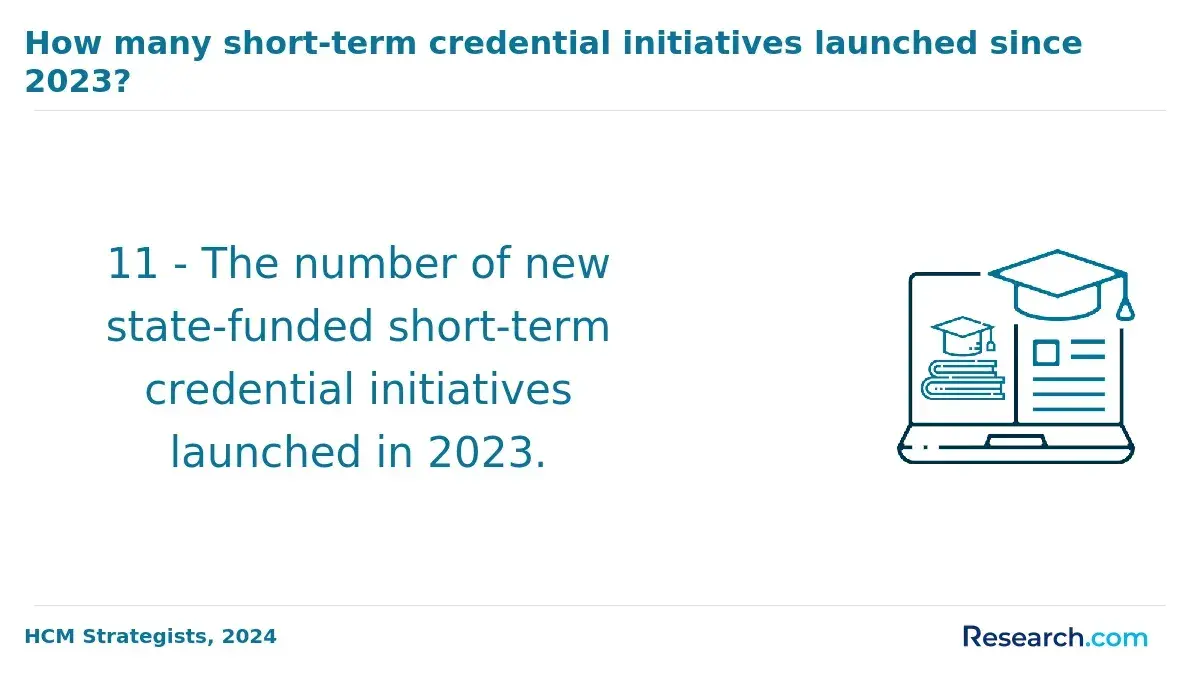
Employer perceptions of online art history degrees have shifted notably in recent years, becoming much more accepting and closer to the regard held for traditional on-campus credentials. Where skepticism once prevailed, the widespread adoption of online education-now encompassing over 25 percent of higher education students taking at least one online course-has helped reduce bias against these programs. Today, many hiring managers recognize online and on-campus art history degrees as equally credible, as long as the online program is offered by an accredited and reputable institution.
When evaluating candidates, employers prioritize several factors that apply equally to both online and traditional degrees. Accreditation remains critical; degrees from regionally or nationally accredited schools carry equal weight regardless of delivery method. University reputation also strongly influences employer views, with degrees from well-known institutions generally favored. Beyond credentials, practical experience like internships, museum work, or research projects plays a major role in a candidate's appeal.
Additionally, as the field evolves, employers increasingly seek candidates with digital skills and interdisciplinary knowledge applicable to art history roles. Graduates who combine a strong academic background with hands-on experience and relevant technical competencies are often the most competitive in the job market. To ensure their online art history degree is viewed as equally credible, students should focus on accredited programs, gain practical experiences, and build versatile skills aligned with industry needs.
AI technologies are significantly enhancing the quality and credibility of online art history education. Adaptive learning systems tailor course content and difficulty based on individual student performance, creating a personalized educational experience that promotes deeper understanding. Virtual simulations immerse students in interactive explorations of historical artworks and museum environments, offering hands-on experiences that were previously unfeasible in online settings.
Additionally, AI tutors provide timely, personalized feedback on assignments and assist in developing critical analysis skills outside traditional classroom hours. Research indicates that students engaging with AI-generated visual content exhibit notably higher levels of classroom participation and learning outcomes compared to those in conventional online courses. These technological advancements address long-standing challenges in teaching art history remotely and allow programs to demonstrate rigor and competency comparable to or exceeding that of in-person instruction.
Employer perceptions of online Art History degrees are evolving in response to AI integration within these programs. Institutional endorsements, such as the American Historical Association's 2025 principles supporting generative AI tools, reflect growing confidence in the effectiveness of technology-enhanced education. Many employers are beginning to recognize the concrete evidence of skill development and competency demonstrated by graduates of AI-powered online programs. However, some skepticism remains, particularly concerning whether online degrees fully prepare candidates for professional roles demanding nuanced art historical analysis and curatorial judgment. Ultimately, while program reputation and demonstrated competencies weigh heavily in hiring decisions, the measurable learning outcomes enabled by AI tools are increasing the acceptance of online art history degrees as valid and valuable credentials in the job market.
Online art history graduates combine strong professional competencies with adaptable soft skills, making them stand out in today's competitive job market. Their experience in remote collaboration, independent research, and effective communication equips them with unique strengths valued by employers across various creative and analytical industries. Among the most sought-after skills these graduates develop, the following highlight critical areas where online art history programs excel in preparing students for success.
- Critical Thinking and Visual Analysis Skills in Art History: Online coursework trains students to analyze and interpret both textual and visual sources carefully, fostering deep critical thinking and visual analysis skills in art history. Employers in museums, galleries, and education prize this ability to make evidence-based evaluations and provide insightful perspectives on art and cultural artifacts.
- Research and Communication Skills for Art History Careers: The digital environment of online programs strengthens research proficiency by requiring the use of diverse archives and databases, while also honing professional writing and communication. Graduates learn to craft clear, persuasive texts suitable for exhibition catalogs, academic papers, and digital platforms, essential for many arts-related roles.
- Digital and Technological Aptitude: Engaging with virtual collaboration tools and specialized software enhances digital fluency and technological aptitude. These skills are increasingly important as employers seek candidates capable of managing digital archives, creating online content, and working within technologically advanced settings.
- Project Management and Organization: Many online courses emphasize time management and coordination through independent and group assignments, helping students develop strong organizational habits. Effective project management skills are crucial in arts administration, curatorial work, and other professional roles within cultural institutions.
- Cultural Awareness and Global Perspective: Exposure to diverse artistic traditions and critical theory promotes cultural literacy and global awareness, enabling graduates to operate confidently in multicultural and international environments-a highly valued trait in today's global job market.
The growing recognition of these skills also corresponds with favorable job outlooks, positioning online art history graduates well for expanding career opportunities. Those interested in maximizing their earning potential might also explore high paying masters degrees related to their field.
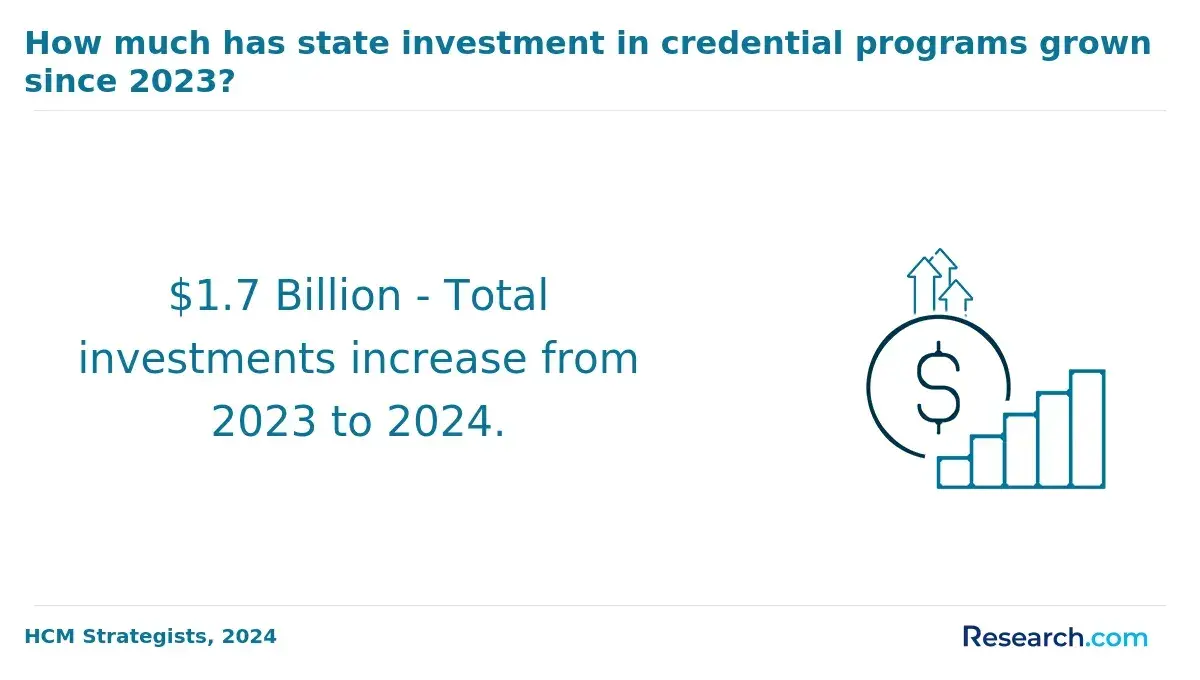
Earning professional certifications can significantly enhance the credibility of an online art history degree by demonstrating industry-specific competencies and validated expertise beyond academic coursework. These certifications provide concrete evidence that graduates possess specialized skills recognized and respected by employers in the arts and cultural sectors. This credibility is particularly important for online degrees, which sometimes face skepticism regarding rigor and practical relevance. The following points outline how professional certifications strengthen the value of online art history degrees in the eyes of employers and support graduates' career prospects.
- Certified Art History Professional (CAHP): This certification signals mastery of major art historical periods, research methodology, and curatorial practices. Holding a CAHP credential assures employers that a candidate is thoroughly prepared for professional roles in museums, galleries, and cultural institutions, reinforcing the practical and scholarly expertise gained through an online degree.
- World Art History Certificate (Smithsonian Associates): Completion of this certificate through a prestigious institution like the Smithsonian Associates highlights ongoing commitment to advanced training. It validates proficiency across global art history topics, enhancing a graduate's credentials and appeal to employers seeking well-rounded candidates.
- Fine Arts Certificate: Offered by programs such as Sessions College, these certifications focus on hands-on artistic skills like painting and photography. They complement theoretical knowledge with practical abilities that make graduates adaptable for diverse roles including teaching, consulting, or managing galleries.
- Professional Recognition: Certifications serve as third-party validation of skills, helping to overcome doubts about the online education format. Graduates who supplement their degrees with certifications are more competitive for positions such as museum curators or art consultants, where professional credibility is crucial.
- Career Advancement: Holding a recognized certification often differentiates candidates in a competitive job market, signaling dedication to professional growth. Employers increasingly value evidence of ongoing development, which can lead to leadership opportunities within the arts sector.
When I spoke with a professional who pursued an online art history program, he shared how certifications truly impacted his career trajectory. Initially worried that his online degree might be undervalued, he invested considerable time earning a Fine Arts Certificate alongside his studies. "It wasn't just about adding letters after my name," he reflected, "but about gaining tangible skills and confidence that employers could see."
Navigating the certification process also deepened his practical expertise, bridging gaps left by the theoretical focus of his degree. He recalled feeling relieved during job interviews when hiring managers recognized his certifications, noting they "gave me credibility and made me stand out." This journey illustrates how professional certifications can transform an online art history degree from a purely academic achievement into a trusted credential embraced by employers.
There is currently no definitive evidence that online art history graduates earn significantly different salaries compared to their on-campus counterparts. National and industry-wide trends show that salary outcomes often depend more on program quality and individual skills than on the mode of education delivery. Several key factors influence the online art history degree salary comparison and determine whether graduates achieve parity with traditional degree holders, including:
- Program Reputation: The prestige of the institution offering the degree plays a crucial role. Graduates from well-known universities, whether online or on-campus, tend to receive better salary offers because employers trust the program's rigor and quality.
- Employer Perception: Employers generally value the skills acquired during the program rather than the format. Strong research, communication, and analytical abilities gained through either pathway are highly sought after in cultural and educational sectors.
- Career Opportunities: Access to comparable job markets influences salaries. US online art history graduate salaries in museums, galleries, or cultural organizations often align closely with those of on-campus graduates when graduates leverage similar networks and experiences.
- Skills and Experience: Practical experience such as internships or portfolio projects greatly impacts earning potential. Online programs that facilitate hands-on learning and networking help graduates compete effectively in the job market.
For students looking to pursue this field, it is also beneficial to consider accredited online non profit universities that are recognized for maintaining strong academic standards and employer credibility.
Earning an online art history degree can significantly influence long-term career advancement and promotion opportunities by equipping professionals with versatile skills applicable across diverse industries. This educational pathway also offers the flexibility needed to balance continuing employment while pursuing higher qualifications, positioning graduates for new leadership challenges. Several key advantages highlight how online art history degrees foster professional growth and open doors to upward mobility:
- Transferable Analytical Skills: Graduates gain advanced visual analysis and critical thinking abilities that are highly sought after in sectors such as finance, marketing, and management. These skills enhance problem-solving with cultural insight, making candidates more competitive for leadership roles requiring strategic decision-making.
- Enhanced Research and Communication Capabilities: The coursework sharpens students' abilities in conducting rigorous research, evaluating data, and communicating effectively through writing and presentations. Such competencies are directly linked to career advancement in corporate, academic, and nonprofit environments.
- Cultural Competency and Global Perspective: Exposure to diverse cultures and international art history cultivates global awareness, preparing graduates to lead cross-cultural teams and manage international projects. These attributes increasingly differentiate professionals in today's globalized workforce.
- Credential for Specialized Advancement: For those in arts-related fields, holding an art history degree serves as a formal qualification essential for roles like museum curation or cultural administration. This credential often distinguishes candidates for specialized positions requiring deep subject expertise.
- Flexible Professional Development: The online format allows learners to maintain employment while upgrading skills, enabling immediate application of new knowledge and enhancing portfolios for promotion consideration. This flexibility supports career growth without workforce interruption.
When asked about her experience, a professional who pursued an online art history program shared how the degree transformed her career trajectory. Initially balancing a demanding job and studies, she emphasized that the flexible online format was critical in helping her continue working without sacrificing academic progress. She recounted taking on increasingly complex projects in her role, crediting the program's emphasis on research and communication skills as pivotal in securing a leadership position within her organization. "I found that the perspectives and methodologies I learned helped me approach challenges more creatively and confidently in meetings," she explained.
Over time, opportunities for cross-departmental collaborations arose, largely because her expanded cultural competency allowed her to connect diverse teams. Reflecting on her journey, she remarked that the degree was more than just an academic credential-it was a transformative tool that empowered her professional growth and opened doors she hadn't imagined before enrolling.
Employers across various industries are increasingly open to hiring candidates with online art history degrees, recognizing the transferable skills these graduates bring to the workforce. This growing acceptance reflects a shift toward valuing competencies such as research, critical thinking, and communication developed through remote education. Below are examples of the types of companies and industry sectors known to employ online art history program graduates:
- Higher education and online learning platforms: Colleges, universities, and digital education companies frequently hire art history graduates as adjunct faculty, online instructors, or course evaluators. These employers value graduates' subject mastery and their ability to engage students effectively in virtual environments, where skills honed in online programs, such as advanced research and clear communication, are essential.
- Museums, galleries, and cultural institutions: Although traditional degrees still dominate, many institutions have increased demand for remote roles like collections managers, registrars, and digital content creators. Art history graduates from online programs bring expertise in art movements and provenance research, adding value to digital exhibitions and expanding online presence.
- Publishing, media, and content creation: Digital publishers, media agencies, and marketing firms seek graduates for writing, editing, and content strategy roles. The ability to contextualize visual culture and historical narratives through well-researched storytelling is particularly prized, leveraging skills sharpened by collaborative and practical projects typical of online degrees.
- Corporate archives and brand heritage firms: Companies with rich histories employ art history graduates as archivists and brand historians to maintain corporate archives, craft heritage campaigns, and produce engaging historical content. These roles require synthesizing historical knowledge with modern communication, a strength of many online graduates.
- K-12 and test preparation services: Tutors, curriculum developers, and virtual school teachers increasingly hire art history graduates for their expertise and familiarity with digital learning tools. These positions demand flexibility and the capacity to convey complex ideas clearly to diverse learners, skills cultivated in online education settings.
While many may wonder which career paths best suit their personality, exploring the best introvert careers can provide helpful insights into roles that align well with the strengths of online art history graduates.
Technology advancements, evolving accreditation standards, and shifting employer attitudes continue to influence how online art history degrees are perceived in the job market. These changes are driving greater acceptance and recognition of digital credentials as viable and credible pathways to careers in the arts and academia. Below are key trends expected to strengthen the legitimacy and recognition of online art history programs in the near future:
- Blockchain-Based Certification Standards: Utilizing blockchain technology for credential verification ensures tamper-proof academic records, allowing employers to quickly authenticate degrees. This increases employer trust by confirming that graduates have completed rigorous, verified coursework.
- Enhanced Digital Learning Platforms: Advanced virtual environments featuring interactive videos, digital archives, and engaging multimedia elevate the quality of education. These innovations signal institutional commitment to providing an experience on par with traditional programs, boosting employer confidence in the skills of online graduates.
- Strengthened Accreditation Frameworks: Federal accreditation bodies are working to unify standards across online programs, assuring consistent educational quality. This standardization helps employers view accredited online art history degrees as meeting established professional and academic benchmarks.
- Global Faculty and Resource Access: Online platforms connect students with international scholars and virtual museum collections, broadening academic perspectives. Exposure to diverse artistic traditions enhances graduate competitiveness in a globally interconnected art world.
Here's What Graduates of Respected Online Art History Programs Have to Say About Their Degree
- Sue: "Completing my online art history degree opened doors I never thought possible. The flexibility allowed me to balance work and study, and now I'm leading educational programs at a local museum. This degree gave me a solid foundation and credibility that employers truly value, especially in the competitive arts field. What excites me most is how I get to share my passion while advancing my career."
- Tyrone: "Studying art history online taught me discipline and expanded my global perspective, which proved invaluable when I transitioned into a role as a cultural consultant. The convenience of online learning let me maintain my full-time job while earning credentials that directly enhanced my professional profile. It's rewarding to see how my expertise helps clients appreciate diverse art traditions, fostering broader social understanding. "
- Delia: "Finishing my art history degree online pushed me into a world where I could merge technology with traditional scholarship. I now work remotely as a digital archivist for an international gallery, a position that wouldn't have been possible without the credibility and specialized knowledge I gained. The experience also deepened my commitment to preserving cultural heritage and mentoring others interested in non-traditional career paths. "
Other Things You Should Know About Respectable Online Art History Degree Programs
Most employers focus on accreditation, coursework, and portfolio quality rather than delivery format. For museum and gallery roles, a degree from a regionally accredited institution, plus internships or curatorial experience, carries more weight than whether classes were online.
Yes, online art history degrees can prepare graduates for careers in museums or galleries, especially when combined with internships or practical experience. Employers value well-rounded candidates who show applied knowledge and hands-on experience in addition to academic credentials.
In 2027, academic employers generally perceive online art history degrees as increasingly credible. While traditional degrees often carry a slight prestige advantage, online programs are recognized for their flexibility and growing quality, depending on accreditation and academic rigor.
- The Art of the Future: Hypotheses and Trends for the Next Ten Years https://medium.com/@masha_hauteart/the-art-of-the-future-hypotheses-and-trends-for-the-next-ten-years-dd5a243ba840
- Evolution https://evolution.com.br/en/history-of-art-free-online-course/
- Best Art History Courses & Certificates [2025] | Coursera Learn Online https://www.coursera.org/courses
- Best Master’s Degrees in Art History Online - 2025 https://www.onlinemastersdegrees.org/best-programs/history/art-history/
- Insights from the Job Demands–Resources Model: AI's dual impact on employees’ work and life well-being - ScienceDirect https://www.sciencedirect.com/science/article/pii/S0268401225000192
- online courses with certificate - art history and heritage conservation - Citaliarestauro https://en.citaliarestauro.com/online-courses-with-certificate/
- Career Opportunities with a Degree in Art History & Visual Culture | Lindenwood https://online.lindenwood.edu/blog/career-opportunities-with-a-degree-in-art-history-visual-culture/
- Jill's Journey From Online Learning To A Career Success In Art History https://www.nec.ac.uk/insight/jills-journey-from-online-learning-to-a-career-success-in-art-history/
- What Employers Think About Online Degrees | Abilene Christian University https://acu.edu/2023/08/29/what-employers-think-about-online-degrees/
- Careers in Art History - For Art History https://forarthistory.org.uk/careers-in-art-history/