2027 Are There Any One-Year Online Art History Degree Programs Worth Considering?

Co-Founder and Chief Data Scientist
If you are searching for a one-year online Art History degree, the key question is not just speed. It is whether a program can be completed quickly while still being accredited, academically credible, affordable, and useful for your next step in museum work, galleries, arts administration, teaching support, research, or graduate study.
The short answer is that a full Art History degree completed entirely in one year is usually not realistic for new college students. Most bachelor's degrees require about 120 credits, and most master's degrees require 30-36 graduate credits. A one-year timeline may be possible only for students who already have substantial transferable credits, or for those choosing a certificate, postgraduate diploma, or other non-degree credential focused on art history, visual culture, museum studies, or the humanities.
This guide explains what “one-year online Art History program” can realistically mean, what options exist, what to verify before enrolling, how costs and financial aid may work, and how to decide whether an accelerated path is worth the workload and trade-offs.
Key Points About One-Year Online Art History Degree Programs
- One-year online Art History degrees offer accelerated study but rarely match the depth of traditional programs, focusing more on survey courses and digital museum resources.
- Students should expect less time for studio or fieldwork, which are crucial for hands-on understanding of art movements and artifacts.
- Demand for such programs is growing among professionals seeking quick upskilling; enrollment trends show increased interest from working adults aged 25-40.
Is It Feasible to Finish a Art History Degree in One Year?
For most students, finishing a full online Art History bachelor's degree in one year is not feasible. A bachelor's degree commonly requires about 120 credit hours, which is why traditional programs usually take four years of full-time study. Even accelerated undergraduate formats usually reduce the timeline to around three years rather than 12 months.
A one-year completion plan becomes more realistic only when the student is not starting from zero. Some institutions allow students to transfer a large amount of previously earned credit, sometimes up to 90 credits. In that case, a student may be completing the final portion of a degree online rather than earning the entire degree in one year.
Several factors determine whether a shortened timeline is possible:
- Transfer credit acceptance: The more eligible credits a school accepts, the fewer courses remain. Credits usually must come from an accredited institution and must fit the degree plan.
- Major requirements: Even with many general education credits, students may still need upper-level Art History courses, research methods, seminars, or electives.
- Course availability: Online courses must be offered in the right sequence. A required course available only once per year can delay graduation.
- Workload: Completing multiple upper-level courses at once requires extensive reading, writing, visual analysis, and research.
- Capstone or research requirements: Programs may require a senior seminar, research paper, portfolio, or practicum that cannot be rushed without approval.
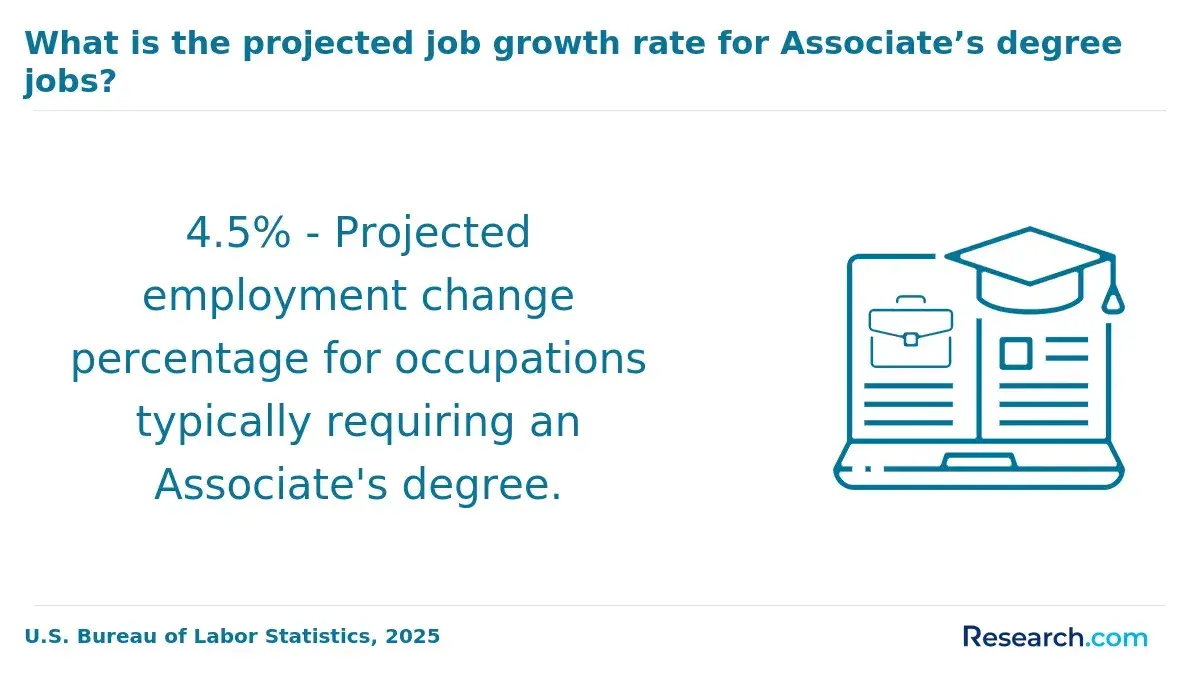
Students without substantial prior college credit should plan for at least two to three years in an accelerated format. Students with an associate degree or extensive previous coursework should request a formal transfer evaluation before assuming a one-year finish is possible.
Are There Available One-year Online Art History Degree Programs?
There are currently no accredited one-year online Art History degree programs in the United States that allow a student to begin and complete a full degree from start to finish in 12 months. Most Art History bachelor's and master's degrees require two to four years of full-time study because the curriculum must cover historical periods, visual analysis, research methods, theory, writing, and cultural context. Undergraduate programs generally require at least 120 credits, while graduate programs commonly require 30-36 graduate credits.
That does not mean students have no accelerated options. It means they should distinguish between a full degree, a degree-completion pathway, and a shorter credential. Students with significant transfer credit may be able to finish the remaining portion of a bachelor's program faster. Others may find that a certificate, museum studies credential, or broader liberal arts program fits their timeline better. Those comparing flexible pathways can also review options for an accelerated online degree for working adults.
Examples of flexible online Art History-related programs include:
- Arizona State University Online Bachelor of Arts in Art (Art History concentration): This program requires 120 credits over 39 courses and uses 7.5-week terms. Coursework covers global art history, research methods, aesthetics, and cultural context. Students complete core courses, electives, and a research seminar before graduation.
- University of Wisconsin Online Bachelor of Arts in Art History: This online program offers over 25 courses, including ancient to contemporary art and archaeology. Students build visual literacy, research, and historical analysis skills within a standard four-year undergraduate timeline.
- Kent State University Bachelor of Arts in Art History: This program includes art history surveys, research and writing, electives, and study abroad options. Completion requires 120 credits over eight semesters, with no accelerated option to finish in one year.
The practical takeaway is simple: no one-year art history bachelor degree online program currently exists as a complete accredited degree pathway for new students. If a school advertises a one-year timeline, ask whether it applies only to transfer students, certificate students, or students taking an unusually heavy course load.
Why Consider Taking Up One-year Online Art History Programs?
Because true one-year online Art History degrees are rare or unavailable, the better question is why a student might consider an accelerated Art History pathway, a degree-completion plan, or a one-year certificate. These options can make sense for learners who already have credits, work in a cultural institution, or need targeted academic training without pausing their career for several years.
An accelerated online format can be useful when the goal is to strengthen art historical knowledge, improve research and writing skills, or prepare for entry-level cultural-sector roles. It can also help students test whether they want to continue into graduate study in art history, museum studies, conservation, arts administration, or education.
- Flexibility for working professionals: Online study can reduce relocation and commuting barriers, which matters for students employed in museums, galleries, libraries, schools, or nonprofit arts organizations.
- Faster career transition: A condensed program may help career changers build relevant vocabulary, research skills, and subject knowledge for arts administration, curation support, education, or cultural programming.
- Transfer credit opportunities: Some institutions accept up to 90 transfer credits, which can make a shorter degree-completion timeline possible for students with prior coursework.
- Lower opportunity cost: A shorter program may allow students to return to full-time work or apply for new roles sooner, although tuition per credit may not be lower.
- Strong fit for independent learners: Art History courses often emphasize reading, image analysis, research, and writing, which can translate well to online learning when digital libraries and archives are strong.
- Access to specialized topics: Online courses can expose students to global art traditions, Renaissance art, contemporary visual culture, theory, museums, digital collections, and cultural heritage topics.
The best candidates for accelerated Art History study are organized, comfortable with intensive reading and writing, and realistic about the credential they are earning. A one-year certificate can add knowledge, but it is not the same as a bachelor's or master's degree. A one-year degree-completion plan can be valuable, but only if transfer credits satisfy the remaining requirements.
What Are the Drawbacks of Pursuing One-year Online Art History Programs?
An accelerated online Art History pathway can save time, but it also compresses demanding academic work into a short period. Art History is not only memorizing artists and movements. Strong programs require close visual analysis, historical interpretation, research, theory, writing, and careful use of evidence. Those skills take time to develop.
Students should weigh the following drawbacks before choosing a one-year or heavily accelerated format:
- Intense workload: Condensed courses often require substantial weekly reading, image study, discussion participation, research, and writing. Students balancing work or caregiving may find the pace difficult.
- Less time for deep specialization: A short timeline may limit opportunities to focus on a region, period, medium, or theoretical approach in depth.
- Fewer internships and field experiences: Museum, gallery, archive, or cultural heritage experience is often important for career readiness. A packed course schedule can make internships harder to complete.
- Reduced networking: Online programs can offer faculty interaction and peer discussion, but compressed formats may provide fewer chances to build long-term academic and professional relationships.
- Transfer-credit limits: Even students with many credits may discover that some do not apply to the major, upper-division requirements, or residency requirements.
- Possible credential mismatch: A certificate or diploma may be helpful, but some employers and graduate programs may require a completed bachelor's or master's degree.
To reduce these risks, ask for a written degree plan before enrolling, confirm internship options, review faculty availability, and estimate weekly study time realistically. If your goal is museum or gallery work, try to pair online coursework with volunteering, internships, part-time work, or professional association events.
What Are the Eligibility Requirements for One-year Online Art History Programs?
Eligibility requirements depend on whether the program is a full degree, a degree-completion pathway, or a shorter certificate. For any program claiming a one-year timeline, the most important requirement is usually prior college credit. Without substantial transferable coursework, completing an accredited bachelor's degree in Art History in 12 months is generally unrealistic.
Common requirements include:
- Transfer credits: Many accelerated completion pathways require at least 60-90 semester units from a regionally accredited institution. Applicants may already have an associate degree or equivalent general education coursework.
- Official transcripts: Schools require transcripts from previous institutions to verify completed coursework, grades, accreditation status, and credit transferability.
- Minimum GPA: Competitive programs usually set GPA thresholds between 2.0 and 3.0. A higher GPA may improve admission chances or scholarship eligibility.
- Prerequisite courses: Applicants may need introductory art history, English composition, humanities, or general education courses before entering upper-level coursework.
- Standardized tests or placement exams: Some programs request ACT or SAT scores, especially when GPA requirements are not met or when applicants have limited college history.
- Professional experience: Relevant arts experience may support an application and, in some cases, may be reviewed for credit. This is less common for undergraduate tracks and should not be assumed.
- Additional requirements: Some programs may ask for a personal statement, interview, writing sample, portfolio, or background check, especially for specialized tracks connected to education, archives, museums, or field placements.
Before applying, ask the admissions office for two separate reviews: an admission review and a transfer-credit review. Being admitted does not guarantee that all previous credits will count toward the Art History degree. Students also considering graduate-level alternatives can compare a low cost master degree online if their goals extend beyond undergraduate study.
What Should I Look for in One-year Online Art History Degree Programs?
When evaluating any accelerated online Art History option, start by verifying legitimacy. A fast program is only useful if the credential is recognized, the curriculum is rigorous, and the format fits your life. Be especially cautious with programs that promise a complete one-year degree without clearly explaining transfer-credit requirements.
- Accreditation: Confirm that the institution is accredited by a recognized agency. Regional accreditation is especially important for transfer credit, graduate admission, employer recognition, and federal financial aid eligibility.
- Clear degree-completion rules: Ask how many credits you must complete through the institution, how many credits may transfer, and whether upper-level Art History credits are required.
- Faculty expertise: Review faculty backgrounds in art history, visual culture, museum studies, archaeology, conservation, or related fields. Strong faculty can improve feedback, mentorship, and research guidance.
- Curriculum quality: Look for coverage across periods, regions, methods, and media. A strong program should go beyond survey courses and include research, writing, theory, and advanced analysis.
- Course delivery format: Compare live online classes, asynchronous lectures, discussion boards, virtual exhibitions, and digital archive assignments. Choose the structure that matches your schedule and learning style.
- Research and writing expectations: Art History is writing-intensive. Review sample assignments, capstone requirements, and library access before enrolling.
- Credit transfer policies: Request a formal evaluation before committing. Ask whether previous art, humanities, language, or general education credits will satisfy requirements.
- Tuition and fees: Compare total cost, not only per-credit tuition. Include technology fees, graduation fees, books, image database access, and any required campus or field components.
- Student support services: Online students should have access to academic advising, writing support, online libraries, career services, disability accommodations, and faculty office hours.
- Career alignment: If your goal is museum work, gallery work, education, or graduate school, check whether the program offers internships, portfolio development, research opportunities, or recommendation-letter support.
A useful screening question is: “What will this program qualify me to do that I cannot do now?” If the answer is unclear, compare broader accredited options, including the best non profit online accredited colleges, before enrolling.
How Much Do One-year Online Art History Degree Programs Typically Cost?
One-year online Art History degrees are uncommon because most bachelor's programs require four years to complete. When students discuss one-year online options, they are often referring to accelerated study, final-year degree completion, certificates, or similar condensed credentials. Costs generally range from about $8,500 to $28,000 for a full year of study, depending on the institution and residency status.
Tuition varies widely. Public universities may charge different rates for in-state and out-of-state students, while private colleges tend to cost more. Online students may avoid housing and commuting expenses, but they may still pay tuition per credit along with technology, graduation, and materials fees. Art History-specific costs may be lower than those for studio art majors because fewer studio materials are usually required.
When comparing costs, focus on total program price rather than the advertised annual amount. A one-year plan may look cheaper only if you already have enough credits to finish quickly. If you need additional prerequisites, upper-level courses, or repeated classes, the final cost can rise.
| Cost factor | Why it matters |
| Transfer credits | Accepted credits can reduce the number of courses you must pay for, but only if they apply to degree requirements. |
| Residency status | Public institutions may charge different tuition for residents and nonresidents. |
| Program type | A certificate, degree-completion pathway, bachelor's degree, and master's degree may have very different prices and aid eligibility. |
| Fees | Technology, graduation, library, and course fees can increase the total cost beyond tuition. |
| Course load | Accelerated study may require more credits in a shorter period, which can affect billing and financial aid timing. |
Compared with traditional four-year degrees, which can cost upwards of $38,000 for in-state public students and over $60,000 at private schools, a one-year online option may represent a smaller expense only when it truly shortens the path to completion. Always ask for an itemized cost estimate before enrolling.
What Can I Expect From One-year Online Art History Degree Programs?
Because traditional one-year online Art History degree programs are not currently available, expectations should depend on the type of program you choose. A bachelor's degree-completion pathway, a certificate, and a postgraduate diploma may all use online Art History coursework, but they do not provide the same credential or academic depth.
In an accelerated online Art History format, students can expect intensive reading, frequent writing assignments, image-based analysis, discussion participation, and research using digital libraries or museum collections. Courses may cover major periods and movements, art theory, global visual culture, methods of interpretation, museum contexts, and historiography.
Some shorter programs may include immersive virtual reality art history courses online or digital exhibition assignments. These tools can make remote learning more interactive, but they should supplement—not replace—serious engagement with primary sources, scholarly writing, and visual evidence.
Students should also expect less downtime between assignments. A condensed term can require steady weekly effort, especially in upper-level courses where papers, presentations, and research projects may overlap. Strong time management is essential.
Depending on the program, likely learning outcomes may include:
- analyzing artworks in relation to historical, cultural, religious, political, and social contexts;
- using art historical vocabulary accurately;
- conducting research with scholarly sources and museum databases;
- writing evidence-based visual and historical analysis;
- comparing artistic traditions across periods and regions;
- understanding how museums, galleries, and cultural institutions interpret and present art.
If your goal is a shorter credential rather than a full degree, compare outcomes carefully. Some learners may also consider certifications online that pay well when they need a practical credential with a narrower career focus.
Are There Financial Aid Options for One-year Online Art History Degree Programs?
Financial aid may be available for online Art History study, but eligibility depends on the institution, credential type, accreditation, enrollment status, and program length. A full degree program at an accredited institution is more likely to qualify for federal financial aid than a short certificate or non-degree program.
Main financial aid options include:
- Federal and State Aid: Students usually begin by completing the Free Application for Federal Student Aid (FAFSA). Grants and loans depend on factors such as financial need, citizenship status, enrollment level, and attendance at an eligible accredited program. State grants may add residency, GPA, or enrollment requirements.
- Scholarships: Scholarships may be offered by universities, private organizations, museums, foundations, or discipline-specific groups. Some support Art History majors, including the Beinecke Scholarship, which considers academic performance and personal essays. Deadlines and eligibility rules vary.
- Employer Tuition Assistance: Working professionals may qualify for employer tuition benefits, especially if the program supports a current or future role. Employers may require continued employment after course completion or may reimburse only approved courses.
- Private grants and competitions: Some arts-related funding opportunities may require portfolios, essays, creative submissions, or evidence of academic goals.
Students considering accelerated formats should check aid timing carefully. A compressed schedule can affect disbursement dates, enrollment intensity, and refund rules. Before committing, confirm whether the program is degree-granting, whether it is aid-eligible, and whether your planned course load satisfies financial aid requirements.
What Art History Graduates Say About Their Online Degree
- Kian: "Completing my one-year online Art History degree was a game-changer for my career. The accelerated format allowed me to quickly gain deep knowledge and apply it to my gallery curation work, all while balancing my job. Considering the average cost of attendance was reasonable, this program offered excellent value for such a transformative experience."
- Leonard: "The competency-based approach of this Art History program truly suited my learning style, enabling me to progress at my own pace and focus on areas I found most challenging. Reflecting on the comprehensive curriculum, I appreciate how it prepared me thoroughly in just 12 months, which was both efficient and rewarding."
- David: "I was impressed by the structure of the one-year online Art History degree, which delivered robust content without overwhelming me. This balance helped me complete the program swiftly while retaining a deep understanding of art movements and cultural contexts, positively influencing my academic and personal growth."
Other Things You Should Know About Pursuing One-Year Art History Degrees
Admission requirements typically include a completed application form, high school transcripts, and sometimes a personal statement or essay. Some programs might also request letters of recommendation or a portfolio. Specific requirements can vary by institution, so check the program's official website for precise details.
Since Art History often involves analyzing visual materials and visiting museums, online programs usually incorporate virtual museum tours, digital galleries, and multimedia resources to simulate practical experiences. Some programs may require occasional on-site visits or collaborations with local museums, but many rely heavily on video lectures, online discussions, and research projects to develop analytical skills remotely.
In 2027, select one-year online Art History programs are recognized by professional organizations like the College Art Association (CAA). Recognition depends on the program meeting specific criteria established by these associations, which often require accredited coursework and faculty expertise in art historical research.
References
- Advantages and Disadvantages of Online Degree Programs - OnlineEducation.com https://www.onlineeducation.com/features/advantages-and-disadvantages-of-online-education
- Online Art History Degree: Bachelor's | Visual Culture | Lindenwood https://online.lindenwood.edu/programs/bachelors-art-history/
- Online Art History Degree https://www.academyart.edu/art-degree/art-history/online-degrees/
- Art History is a useless degree… https://brielee.substack.com/p/art-history-is-a-useless-degree
- 10 Reasons an Online Art Degree May Be Right for You https://theartcareerproject.com/10-reasons-online-art-degree/
- Financial Aid - Yale School of Art https://www.art.yale.edu/about/resources/financial-aid
- What Are The Advantages And Disadvantages Of Studying Online? https://www.nec.ac.uk/insight/advantages-and-disadvantages-of-studying-online/
- Admission to Graduate Studies in Art History: School of Liberal Arts at Tulane University https://liberalarts.tulane.edu/art/art-history/graduate/admission-graduate-studies-art-history