2027 Top Industries Hiring Geoscience Graduates: Demand, Pay, and Growth Trends

Co-Founder and Chief Data Scientist
A prospective geoscience student or recent graduate often faces a challenging question: which industries provide the strongest career opportunities after graduation? Navigating career choices demands more than just an interest in earth sciences; it requires a clear understanding of where geoscience skills are most in demand. Evaluating sectors by hiring volume, salary differences, and growth trends helps identify paths that offer stability and advancement. This insight is particularly crucial for making informed educational investments and setting realistic expectations for career trajectories.
Industries vary significantly in how they utilize geoscience expertise, influence earning potential, and respond to market shifts. Some sectors may offer higher salaries but slower growth, while others expand rapidly yet pay less initially. Employer expectations also evolve, shaping the skills graduates must develop. This article examines the industries that hire the most geoscience graduates, highlights sectors with the highest pay, and identifies where job growth is strongest. It also explores changing employer demands and guides students on aligning their skills with the most promising career opportunities.
Key Things to Know About the Top Industries Hiring Geoscience Graduates
- Energy and environmental consulting employ over 45% of geoscience graduates, reflecting sustained demand for earth resource management and climate impact assessments in policy-driven sectors.
- Mining and petroleum industries offer the highest median salaries, with 2024 data showing a 12% wage growth, signaling robust career trajectory for technical specialization in resource extraction.
- Renewables and carbon capture sectors are rapidly expanding employer base by 18% year-over-year, indicating evolving geoscience roles critical to decarbonization technologies and regulatory compliance.
- Key Things to Know About the Top Industries Hiring Geoscience Graduates Key Things to Know About the Top Industries Hiring Geoscience Graduates
- Which Industries Hire the Most Geoscience Graduates? Top Industries
- Which Industries Offer the Highest Salaries for Geoscience Graduates? Highest Salaries
- Which Industries Have the Fastest Growth for Geoscience Careers? Growth Trends
- Which Employers Commonly Recruit Geoscience Graduates? Top Employers
- Which Skills Are Most In Demand Across Geoscience Industries? In-Demand Skills
- How Do Career Paths Differ Across Industries for Geoscience Graduates? Career Paths
- How Do Industry Trends Affect Future Opportunities for Geoscience Graduates? Industry Trends
- How Can Students Prepare for High-Demand Geoscience Industries? Career Preparation
- How Do Different Geoscience Degree Programs Prepare Students for Industry Careers? How Do Different Geoscience Degree Programs Prepare Students for Industry Careers?
- Which Industry Is the Best Fit for Your Geoscience Career Goals? Which Industry Is the Best Fit for Your Geoscience Career Goals?
Which Industries Hire the Most Geoscience Graduates?
Geoscience graduates find significant employment opportunities across multiple sectors that prioritize their analytical and fieldwork capabilities. Recent workforce data from the U.S. Bureau of Labor Statistics (2024) shows that more than half of geoscience professionals work within four core industries, reflecting both enduring demand and evolving market dynamics.
Understanding where these graduates are predominantly hired offers clarity for those weighing career pathways or considering skill specializations. Below are key industries driving employment for geoscience degree holders.
- Oil and Gas:This sector traditionally absorbs the largest share of geoscience graduates due to its reliance on subsurface analysis, seismic data interpretation, and reservoir modeling. Despite volatility in fossil fuel markets, expertise in geological carbon storage and geothermal energy has expanded roles, especially for those adaptable to energy transitions.
- Environmental Consulting:Firms in this industry depend on geoscience graduates to conduct contamination assessments, soil and water quality testing, and remediation planning. Rising regulatory pressures targeting sustainability and environmental stewardship have steadily increased hiring in this sector, offering stability and growth potential.
- Mining and Mineral Extraction:Demand for rare earth elements and strategic metals has propelled mining companies to intensify recruitment of geoscience graduates skilled in mineral identification, mine design, and environmental compliance. This industry appeals to graduates interested in resource development aligned with clean technology innovations.
- Government Agencies:Agencies such as the U.S. Geological Survey and Environmental Protection Agency employ geoscientists for natural hazard monitoring, resource management, and policy support. Positions here often provide balance between research, public service, and job security, making them attractive especially in geographically diverse roles.
Employment trends in these sectors vary by region, specialization, and economic cycles, but collectively they represent the leading industries hiring geoscience graduates. For example, a graduate focusing on subsurface hydrology might pursue a career in environmental consulting with a strong regional demand for groundwater remediation. Prospective students exploring these opportunities should consider programs like online associate degree programs that can build foundational skills aligned with these high-demand sectors.
Which Industries Offer the Highest Salaries for Geoscience Graduates?
Salary differences across industries for geoscience graduates reflect a complex interplay of technical demands, market dynamics, and funding stability. Industries tied directly to natural resource extraction often command higher pay due to the specialized skills and risks involved, as well as the influence of volatile commodity prices.
Conversely, sectors such as academia and the public sector offer lower starting salaries but provide greater job security and non-monetary benefits, appealing to those prioritizing stability over peak earnings. Understanding which industries align with specific earning goals requires balancing immediate income with long-term career prospects and market fluctuations.
Below are some of the highest paying industries for geoscience graduates, highlighting the forces shaping their salary levels.
- Oil and Gas Extraction:This sector leads in compensation, with median annual wages for geoscience roles exceeding $110,000, according to 2024 U.S. Bureau of Labor Statistics data. Positions often involve exploration, reservoir evaluation, and production optimization, requiring deep technical expertise and readiness to adapt to global commodity price swings that impact budgets and hiring.
- Mining and Geological Exploration:Offering median salaries near $95,000, mining companies rely on geoscientists for resource estimation and site assessments. These roles tend to be capital-intensive and cyclical, with pay influenced by commodity market trends, making timing and economic cycles critical factors for earning potential.
- Environmental Consulting:Median wages typically range from $80,000 to $90,000, reflecting demand driven by regulatory compliance and sustainability initiatives. Geoscientists here analyze environmental impacts and remediation strategies, but compensation can fluctuate due to project funding variability and reliance on government contracts.
- Public Sector and Academia:Although starting salaries often fall between $60,000 and $75,000, these positions are valued for stability, benefits, and opportunities for research or teaching. Graduates weighing these roles should consider the tradeoff between immediate earnings and long-term career fulfillment.
Prospective students seeking pathways that balance cost with advanced credentials may also explore options like the cheapest online master's degree programs in geoscience, which can enhance qualifications for these higher-paying roles without incurring excessive debt.
Which Industries Have the Fastest Growth for Geoscience Careers?
When considering a career in geoscience, understanding which industries are expanding most rapidly is crucial to aligning educational and professional goals with long-term stability and growth. Industry growth affects not only job availability but also salary potential, specialization options, and geographic mobility. Some sectors are aggressively investing in sustainable technologies and infrastructure resilience, creating new roles that demand evolving geoscience expertise. According to the U.S. Bureau of Labor Statistics and recent 2024 analyses, these shifts are reshaping where geoscience graduates will find the strongest demand.
Below are key industries poised for significant growth in geoscience careers.
- Renewable Energy:The renewable sector leads growth due to major investments in solar, wind, geothermal, and energy storage systems. Geoscientists play critical roles in resource assessment and environmental impact evaluation, supporting the transition away from fossil fuels amid global climate targets.
- Geothermal Power:With increasing emphasis on reducing carbon footprints, geothermal energy is growing faster than traditional oil and gas extraction. Geoscience professionals analyze subsurface conditions to optimize sustainable heat and power production, especially in regions pursuing green energy initiatives.
- Environmental Consulting:Tighter regulations on water and soil quality, alongside remediation efforts, create steady demand. Experts conduct hazard mapping, regulatory compliance studies, and site restoration, offering a stable niche with competitive salaries in both public and private sectors.
- Critical Minerals Exploration:Rising demand for rare earth elements and battery metals fuels growth in mining geoscience. Geoscientists must analyze complex geological data to locate and evaluate resources vital for technology manufacturing and electric vehicles, often navigating geopolitical complexities.
- Infrastructure and Urban Planning:Increasing concerns about geological hazards are driving demand for geoscience expertise in resilient infrastructure design. Integration of geotechnical data helps mitigate risks from earthquakes, landslides, and subsidence, especially in vulnerable urban regions.
A recent geoscience graduate recalls how she nearly accepted a traditional oil and gas role but hesitated due to concerns about industry volatility. Instead, she pursued a position with a consulting firm focused on environmental assessments for renewable energy projects. This decision came amid conversations about growing regulatory pressures and clean energy incentives. Reflecting on her choice, she notes the fast-changing landscape requires adaptability and willingness to embrace interdisciplinary skills, which she credits for long-term career satisfaction and opportunity. Her experience underscores the practical need to evaluate industry trajectories beyond immediate job openings.
Which Employers Commonly Recruit Geoscience Graduates?
Recognizing which types of employers routinely hire geoscience graduates is crucial for students and career changers to align their education, practical experience, and job searches with sectors offering tangible opportunities. Hiring demand varies significantly depending on specialization, geographical region, and shifting industry priorities, so understanding these patterns helps set realistic expectations. Data from the U.S. Bureau of Labor Statistics in 2024 highlights that energy sector companies remain primary recruiters, but diverse employment pathways exist outside this core.
The following list outlines key employer categories that consistently seek geoscience expertise.
- Energy Corporations: These firms dominate geoscience employment due to the ongoing need for resource exploration and extraction, particularly in oil and natural gas. Roles span resource evaluation, production optimization, and environmental compliance. Despite volatility in fossil fuel markets, energy companies often offer competitive salaries and stability for graduates with technical and fieldwork skills.
- Environmental Agencies and Firms: Government bodies and private environmental consultancies employ geoscientists to assess ecological impacts, manage contamination, and plan sustainable land use. With growing regulatory emphasis on environmental protection and renewable energy projects, these employers value expertise in site analysis and resource modeling, providing diverse roles in both field investigations and policy support.
- Mining Companies: Mineral exploration and extraction continue to drive demand for geoscience professionals, fueled by expanding markets for critical minerals essential to technology and clean energy sectors. Mining employers often offer project-based work requiring specialized knowledge in geology and geochemistry, appealing to graduates focused on applied resource development.
- Government Geological Surveys: Federal and state surveys provide stable career paths focused on research, hazard assessment, and natural resource management. Positions here often combine scientific inquiry with public service priorities, important for candidates interested in long-term, mission-driven roles within natural disaster preparedness or resource conservation.
Which Skills Are Most In Demand Across Geoscience Industries?
Core skills in geoscience industries tend to remain valuable across sectors because they enable graduates to adapt to shifting market demands and technological advances. Employers consistently seek professionals who combine technical expertise with versatile problem-solving abilities, facilitating both specialized and interdisciplinary roles. For example, a geoscientist working in environmental consulting may rely equally on computational modeling and stakeholder communication to meet regulatory and sustainability objectives. Such transferable competencies help graduates maintain long-term career flexibility amid evolving industry trends.
Below are key skills most in demand across the geoscience industry in-demand technical skills that strengthen employability and resilience:
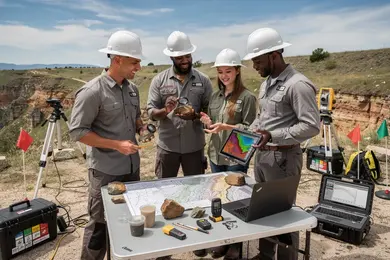
- Geospatial Technology Proficiency: Employers across oil and gas, mining, and government agencies highly prize expertise in Geographic Information Systems (GIS). Developing GIS skills through coursework and hands-on projects enables precise mapping and spatial data analysis critical to resource exploration and environmental management.
- Data Analysis and Programming: Fluency in programming languages like Python, R, or MATLAB equips graduates to handle large geological datasets and run predictive models. These skills support evidence-based decision-making and innovative research, aligning with rising digital transformation in geoscience sectors.
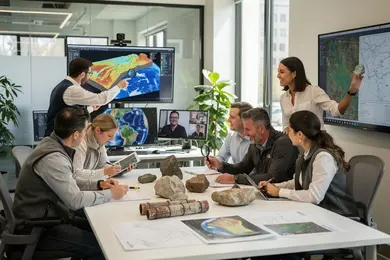
- Communication and Collaboration: The ability to communicate complex scientific findings clearly to multidisciplinary teams and nontechnical stakeholders is essential. Coursework that emphasizes report writing and presentations alongside internships in fieldwork or consulting strengthens this skill, facilitating effective project management.
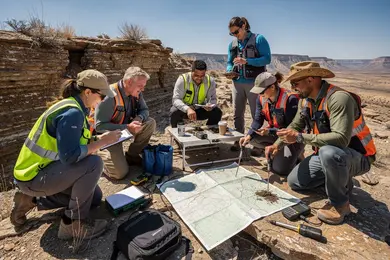
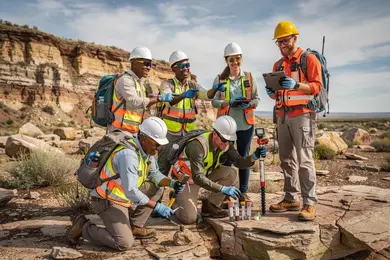
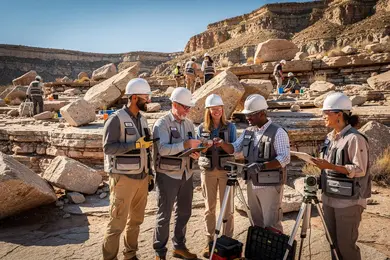
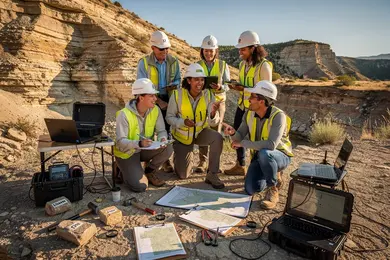
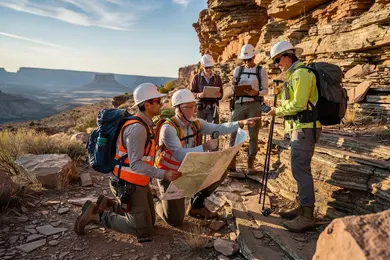
- Fieldwork Expertise: Practical experience collecting and validating geological samples in diverse environments ensures reliability and accuracy in data gathering. Field training remains a cornerstone of geoscience programs and is non-negotiable for roles in exploration and environmental assessment.
- Environmental and Sustainability Focus: Knowledge of hydrogeology, climate modeling, and environmental risk assessment has surged in importance due to regulatory shifts and renewable energy initiatives. Developing this expertise positions graduates to contribute meaningfully to sustainable resource use and policy compliance.
- Project Leadership and Adaptability: With rapid technological and regulatory changes, employers increasingly value professionals who demonstrate leadership in managing complex projects and adapting to evolving priorities. Building these skills through group projects and internships enhances readiness for dynamic work environments.
Recent data from the U.S. Bureau of Labor Statistics highlights that proficiency in GIS and data analytics ranks among the top sought-after skills in geoscience-related occupations, underscoring their cross-industry relevance. Job market analyses also stress cross-functional communication as a key differentiator for salary growth and advancement. Prospective students should invest in building a versatile portfolio of these skills to increase opportunities in electric utility companies, environmental firms, mining industries, and government agencies.
For those exploring advanced educational paths, options like the cheapest online PsyD programs offer alternative routes to develop leadership and behavioral science competencies that complement technical expertise in geoscience careers.
How Do Career Paths Differ Across Industries for Geoscience Graduates?
Choosing an industry after earning a geoscience degree shapes career growth as much as the degree itself. Different sectors value distinct specializations, skillsets, and professional trajectories, meaning where graduates launch their careers influences daily responsibilities, advancement speed, and long-term opportunities. For example, a recent 2024 report from the U.S. Bureau of Labor Statistics highlights that employment volatility and advancement timelines notably differ between oil and gas and environmental consulting roles.
Below are key ways career paths for geoscience graduates diverge across industries, offering a realistic framework for navigating choices aligned with individual goals.
- Advancement Structure: Oil and gas careers tend to follow well-defined promotion stages, moving from entry-level fieldwork to senior exploration roles, with clear milestones. Conversely, environmental consulting favors lateral moves and skill diversification, which may delay traditional hierarchical progress but broaden expertise.
- Skill Specialization: Mining careers reward gaining multidisciplinary field skills and geographic flexibility, often accelerating promotions. In contrast, environmental sectors increasingly emphasize regulatory knowledge and sustainability leadership, requiring a blend of technical and policy competencies.
- Job Stability vs. Volatility: Oil and gas employment is subject to market price fluctuations that can affect job security and advancement timing. Environmental consulting typically offers steadier demand but less linear promotion paths, appealing to those valuing consistency over rapid rises.
- Physical Demands and Mobility: Mining roles often require physical stamina and willingness to relocate, which can fast-track salary growth but potentially limit long-term technical advancement. Those favoring less physical and more office-based work might find environmental or corporate roles more sustainable.
- Project-Based Dynamics: Industries like mining and oil and gas heavily rely on project cycles, creating bursts of career momentum tied to major developments. Environmental work, often ongoing and regulatory-driven, provides more continuous but incremental growth.
- Leadership Pathways: Rapid movers in mining or oil and gas often transition to supervisory or corporate management roles, leveraging broad project experience. Environmental professionals may advance into policy and compliance leadership, reflecting the sector's regulatory orientation.
- Career Satisfaction Factors: No single industry guarantees ideal progression; alignment with personal interests-whether it's fieldwork, policy, or technical specialization-and adapting to evolving labor trends are vital. A 2024 study by the American Geosciences Institute noted that individuals prioritizing interdisciplinary experience tend to report higher job satisfaction across sectors.
How Do Industry Trends Affect Future Opportunities for Geoscience Graduates?
Industry trends critically shape the career landscape for geoscience graduates by influencing which skills employers prioritize and which sectors expand or contract over time. Graduates who anticipate these shifts can better align their expertise with market demands, enhancing both job prospects and earning potential.
For example, as global priorities evolve toward sustainability, traditional roles in fossil fuel extraction may decline while opportunities in renewable energy intensify. Navigating this changing environment requires understanding key trends driving employer demand and workforce needs.
Below are several major trends expected to impact future geoscience careers.
- Sustainability and Renewable Energy:The global push for decarbonization is diversifying geoscience roles beyond oil and gas into areas like geothermal power, carbon sequestration, and climate adaptation projects. This transition heightens demand for graduates skilled in environmental assessments and energy resource management. Developing competencies in remote sensing and environmental data analytics will increase marketability.
- Infrastructure Growth and Disaster Response: Rapid urbanization and climate-induced natural hazards generate demand for geoscientists in infrastructure planning and risk mitigation. Roles in government agencies and engineering firms focus on hazard mapping, mineral resource evaluation, and environmental compliance. Strong interdisciplinary knowledge, combining geology with engineering and policy, is essential.
- Technological Integration: AI, automation, and advanced geospatial tools are transforming traditional geoscience workflows, requiring graduates to master programming, machine learning applications, and 3D modeling. Employers favor candidates who can leverage technology to improve predictive accuracy and operational efficiency, thus staying competitive.
- Competitive Salary Dynamics: According to the American Geosciences Institute's 2024 report, median wages for geoscience professionals have risen notably in sectors tied to energy transition and environmental consulting, reflecting employers' willingness to pay premiums for specialized skills that support new industry demands.
A recent graduate's experience illustrates these complex trends in practice. Initially hesitant to leave a traditional oil and gas internship, they recognized early the shifting priorities toward sustainability and began pursuing certifications in data analytics and GIS technologies. When an environmental consulting firm sought someone fluent in both geoscience fundamentals and emerging tech tools, they secured a role that combined fieldwork with AI-driven modeling. The decision to pivot was stressful, involving uncertainty and urgency to stay relevant, but ultimately opened doors to a more resilient and future-facing career path.
How Can Students Prepare for High-Demand Geoscience Industries?
The evolving landscape of high-demand geoscience industries requires a strategic approach that emphasizes both technical skills and real-world experience. Preparing for careers in geoscience fields involves more than academic success; it demands targeted efforts to gain practical exposure and build professional connections. Data from the U.S. Bureau of Labor Statistics and the American Geosciences Institute indicates that students engaging in internships and cooperative education programs increase their chances of employment by up to 30%.
Below are key strategies students should prioritize to become competitive candidates in geoscience industry jobs.
- Hands-on Internships: Securing internships in sectors like energy or environmental consulting provides vital exposure to industry-specific technologies such as GIS and remote sensing. These experiences enhance problem-solving skills and demonstrate work readiness to employers.
- Technical Proficiency: Developing expertise in data analysis and programming languages such as Python and R is essential as big data and machine learning transform geoscience research and applications. Enrolling in specialized courses or earning certifications sharpens these skills.
- Interdisciplinary Knowledge: Combining geoscience studies with minors or electives in environmental law, policy, or sustainability helps students navigate the growing overlap between science and regulation. This broad understanding increases versatility for climate resilience and disaster mitigation roles.
- Communication Skills: Being able to translate complex scientific data into clear insights for non-technical audiences is critical for roles involving stakeholder engagement and policy advising. Practice through presentations and writing assignments is beneficial.
- Professional Networking: Joining organizations like the Geological Society of America connects students with mentors and industry job boards. Active participation in workshops and conferences supports ongoing professional development.
- Practical Application of Knowledge: Students should pursue cooperative education programs that integrate coursework with work experience. A real-world scenario might involve collaborating on a consulting project that uses remote sensing data to assess environmental risks, fostering critical analytical skills applicable across geoscience fields.
- Flexible Learning Paths: Considering affordable online interdisciplinary studies degrees offers access to diverse skills and knowledge while accommodating varied schedules and career goals. These programs can complement traditional geoscience education.
Students preparing for careers in high-demand geoscience fields must balance rigorous academic work with strategic, practical experiences. One effective way to explore diverse technical and interdisciplinary topics is through affordable online interdisciplinary studies degrees, which provide flexible options to build relevant expertise while gaining hands-on experience.
How Do Different Geoscience Degree Programs Prepare Students for Industry Careers?
Geoscience degree programs vary significantly in how they prepare students for real-world industry challenges, with differing emphases shaping career trajectories. Recent data from the 2024 National Science Foundation report highlights that graduates from programs integrating interdisciplinary skills-such as data analytics combined with geology-tend to have greater versatility for industries like energy, environmental consulting, and government roles.
The U.S. Bureau of Labor Statistics further stresses the importance of technical skills like geographic information systems (GIS) and programming languages such as Python, which are now expected across geoscience specializations. Students should carefully evaluate how each program aligns with their career goals, especially if they plan to gain practical experience, which strongly correlates with higher employment success.
Here are key considerations when comparing geoscience degree programs preparing students for industry careers:
- Curriculum Focus: Different programs emphasize areas like petroleum geology, environmental science, or geospatial technology. This focus affects readiness for specific sectors such as oil and gas versus sustainability. Prospective students should assess how the coursework matches industry demands and personal career interests.
- Technical Skill Integration: Programs vary in their incorporation of technical tools like GIS, remote sensing, and programming. Given the rising industry value of such skills, programs blending these with core sciences better position graduates for diverse roles.
- Applied Research Opportunities: Engagement in fieldwork, laboratory projects, and internships provides hands-on experience vital for transitioning into industry. Data shows students participating in applied research report higher confidence and job placement rates.
- Interdisciplinary Training: Combining geoscience with data analytics or environmental policy prepares students for evolving industry trends, including renewable energy exploration and climate research.
- Industry Partnerships: Universities with established connections to companies and agencies often offer networking and direct employment pipelines, an important factor for practical career entry.
- Regulatory and Policy Exposure: Programs emphasizing environmental assessments and regulatory frameworks enable graduates to meet increasing demand in sustainability and compliance sectors.
- Career Support Services: Access to professional development, mentorship, and job placement assistance can influence long-term career success by helping students navigate industry expectations.
When selecting a geoscience degree, weighing these factors against intended career paths and one's willingness to pursue practical experience is essential. Students interested in expanding their options might also explore related fields through accessible programs like bachelors in Spanish online, which can complement technical expertise with valuable communication skills.
Which Industry Is the Best Fit for Your Geoscience Career Goals?
The best industry fit for geoscience graduates depends fundamentally on individual priorities, not a universal ranking. Factors like preferred work environment, long-term advancement, specialization interests, earning goals, lifestyle, and the desire to create specific impacts shape this decision. For example, one graduate seeking stable employment with opportunities to influence environmental policy might favor environmental consulting, while another aiming for higher immediate compensation and energy sector experience could choose oil and natural gas. Both choices align with valid career trajectories despite differing objectives.
Students can make well-informed industry decisions by researching employer expectations, future job growth, essential skills, internships, and long-term pathways, while reflecting on their strengths and interests. Recent 2024 data from the U.S. Bureau of Labor Statistics and the American Geosciences Institute emphasize employment demand, salary potential, and growth opportunities as critical factors in these choices. The strongest career outcomes arise when personal goals intersect thoughtfully with industry realities, rather than simply pursuing the highest-paying or fastest-growing sector. Successful geoscience careers can be built across diverse industries with appropriate preparation and clarity of purpose.
References
- Online Geoscience Degrees: Top Schools and All Programs in 2026 https://www.gisdegree.org/online/geoscience-degrees/
- 29 Jobs For Geoscience Majors (Shaking Up Paths) https://interviewguy.com/jobs-for-geoscience-majors/
- Geoscience Careers https://education.americangeosciences.org/resources/geoscience-careers/
- Job Sectors https://www.geolsoc.org.uk/Geology-Career-Pathways/Careers/Job-Sectors.html
- Job Offers https://www.gfz.de/en/career/job-offers
- Geoscience Job Boards https://www.grow-geocareers.com/jobboards
- Geoscience Career Guide 2026: Pathways, Salaries, and Resources - https://sciencecareersweb.net/geoscience-career-resources/
- Post Graduation Resources https://www.coloradocollege.edu/academics/dept/geology/resources/postgrad-resources.html
- Geoscience Employment Shows Slight Decline in February 2025 https://www.americangeosciences.org/news/press-releases/2025-march-geoscience-employment/
- Geology/Minerals Graduate Jobs | Gradcracker - Careers for STEM Students https://www.gradcracker.com/search/science/geology-minerals-graduate-jobs
Other Things You Should Know About Geoscience
Industries such as oil and gas exhibit pronounced boom-and-bust cycles heavily influenced by global commodity prices and geopolitical factors. For geoscience graduates, this means employment can fluctuate significantly; periods of high demand and lucrative pay can quickly shift to layoffs and hiring freezes. Graduates prioritizing long-term job stability should be cautious about entering these sectors without diversification strategies, such as gaining transferable skills or pursuing roles in more stable sectors like environmental consulting or government agencies.
Choosing between specialization and diversification depends largely on individual risk tolerance and career goals. Specializing in a niche-such as hydrogeology within mining-can lead to expertise prized by employers, potentially commanding higher pay, but it also narrows opportunities if that sector contracts. Diversifying skills across several industries may safeguard against downturns in any one field but could slow progression into senior or highly technical roles. Graduates should weigh the tradeoff between immediate employment flexibility and long-term career positioning.
Workload intensity varies widely; for example, field-heavy roles in exploration demand irregular hours and extensive travel, whereas environmental monitoring jobs may offer more predictable schedules. These differences affect work-life balance and can influence burnout risk. Graduates must realistically assess their lifestyle preferences against job demands when evaluating industries, as a sector with higher starting pay but grueling hours may not align with long-term well-being or productivity.
Many top hiring industries increasingly require geoscience graduates to work closely with professionals from engineering, data science, or regulatory backgrounds. This demands strong communication and adaptability beyond technical expertise. Graduates should prioritize developing soft skills and interdisciplinary literacy during their education to meet these expectations effectively. Ignoring this trend risks limiting advancement opportunities even in technically focused roles, making collaboration skills an essential complement to core geoscience knowledge.