2027 Geoscience Affordability by State: Where Students Pay the Most and Least

Co-Founder and Chief Data Scientist
Faced with two geoscience programs-one offering in-state tuition at $8,000 annually, the other out-of-state at over $25,000-students often confront more than just sticker price differences. A 2024 study found that state residency policies create tuition disparities exceeding 200% on average, forcing many to weigh immediate costs against long-term debt burdens and potential relocation expenses.
For geoscience students, these gaps influence access to fieldwork, internships, and networking opportunities often tied to local ecosystems or industries. Understanding these financial divides helps clarify which states provide more accessible pathways to degree completion without unsustainable borrowing. This article examines geoscience affordability by state, highlighting where students face the greatest and smallest financial barriers to entry.
Key Things to Know About Geoscience Affordability by State
- States with lower in-state tuition often pair this with higher out-of-state rates, forcing nonresidents to weigh cheaper sticker prices against stronger in-state financial aid networks and local job market integration.
- Employers in resource-rich states tend to favor graduates from local programs, reflecting regional workforce needs and impacting nonresident students' return on investment when studying out-of-state Geoscience.
- High cost-of-living states amplify total attendance expenses; despite affordable online Geoscience options emerging, these can delay hands-on field training critical for employability and timely degree completion.
- Key Things to Know About Geoscience Affordability by State Key Things to Know About Geoscience Affordability by State
- Which States Have the Most Affordable Geoscience Degree Programs? Most Affordable State Programs
- Which States Have the Highest Geoscience Degree Costs? Highest State Tuition Costs
- How Much Does a Geoscience Degree Cost by State? Degree Costs by State
- Why Does Geoscience Affordability Vary So Much Between States? State Affordability Variations
- How Do In-State and Out-of-State Tuition Rates Affect Geoscience Affordability? In-State vs. Out-of-State Rates
- How Does the Cost of Living Impact Overall Geoscience Affordability by State? Living Costs and Affordability
- Which States Offer the Best Value for a Geoscience Degree? Best Value State Degrees
- What Financial Aid and Scholarship Opportunities Can Reduce Geoscience Costs? What Financial Aid and Scholarship Opportunities Can Reduce Geoscience Costs?
- Are Online Geoscience Degree Programs More Affordable Than On-Campus Options? Are Online Geoscience Degree Programs More Affordable Than On-Campus Options?
- Is a Geoscience Degree Worth the Cost Based on Career Outcomes and ROI? Degree ROI and Outcomes
Which States Have the Most Affordable Geoscience Degree Programs?
State-level tuition structures and public funding priorities create significant disparities in the cost of geoscience degree programs, influencing both where students choose to enroll and how they manage their educational expenses. For instance, a student from out of state considering a program in Wyoming might face substantially lower in-state tuition-around $5,200 annually-compared to nearly double that in more expensive states, but only if they qualify for residency benefits or are prepared to absorb higher living costs elsewhere. These pricing differences reflect complex tradeoffs: states with robust public investment typically offer more accessible pathways through sustained subsidies, while others rely heavily on tuition revenue, amplifying costs and debt loads for students without in-state status or targeted financial aid.
When evaluating the top states for affordable geoscience education, it is crucial to consider the intersection of in-state tuition advantages, regional living costs, and the availability of state-funded grants or scholarships aligned with STEM fields. Such financial aid programs can lower net expenses enough to influence decisions like pursuing online degrees to reduce relocation costs or opting for programs known to facilitate lower average student debt. As students weigh these variables, especially those from budget-conscious backgrounds, the affordability calculus extends beyond sticker price to include these practical factors, affecting enrollment choices and the longer-term return on investment. Exploring options like 1 year master's programs may also fit into these affordability strategies by compressing time-to-degree and diminishing cumulative costs.
Which States Have the Highest Geoscience Degree Costs?
States with the highest costs for earning a geoscience degree typically combine elevated tuition rates with substantial living expenses and limited public higher education funding, creating layered affordability challenges. For instance, despite the prestige of institutions found in California or Massachusetts, students face not only tuition exceeding $15,000 annually for in-state public options but also significant housing and general living costs in major urban centers, which often push overall expenses beyond initial expectations. These states' reliance on research-intensive universities and the limited presence of lower-cost alternatives such as community colleges or regional campuses further constrains budget-conscious students' choices. Consequently, prospective learners must carefully weigh these overheads against local job markets and salary trajectories, as high upfront costs do not necessarily guarantee proportionate economic returns within geoscience careers.
Variations in residency policies and public subsidy levels also influence pricing differences, making in-state status a critical factor in affordability and enrollment decisions. A student considering New York, for example, encounters a complex matrix of tuition rates and living costs shaped by local economic factors and uneven state funding that can dramatically alter the financial calculus of pursuing a geoscience degree there. For many, these geographic disparities prompt reconsideration of studying online, out-of-state, or at institutions with more favorable funding models. Financial aid strategies must therefore account for not just tuition sticker prices but also indirect expenses, internship accessibility, and regional hiring patterns that ultimately affect the total value proposition of the degree.
One recent graduate from a high-cost state recalled spending months comparing schools across multiple states, hesitating as she weighted the merits of in-state public options against private or out-of-state programs with variable financial aid offerings. Her uncertainty centered on whether the premium paid in tuition and living expenses could be offset by stronger employment networks or higher starting salaries locally. Facing unexpected costs like relocation fees and reduced opportunities for part-time work compounded her decision-making stress, and ultimately she opted for an extended research into hybrid online programs to mitigate expenses while maintaining access to reputable faculty. This experience underscores the need for grounded, comprehensive evaluation beyond sticker price when navigating expensive geoscience degree pathways.
How Much Does a Geoscience Degree Cost by State?
Tuition costs for a geoscience degree show substantial variation across states due to differences in public versus private institution rates, residency rules, and regional economic conditions. For instance, public universities in states like Wyoming and New Mexico offer in-state tuition around $6,000 annually, while out-of-state fees in populous states such as California can exceed $45,000, often pricing nonresidents out unless offset by significant financial aid. Private institutions push tuition even higher, typically over $35,000 per year, though they produce fewer geoscience graduates, making public colleges more relevant to those prioritizing cost-efficiency.
Beyond tuition, living expenses meaningfully affect total costs, as states with moderate tuition but high housing and transportation costs-like Massachusetts or New York-can create financial strain that challenges budget planning. Meanwhile, regions in the Midwest and South tend to combine lower tuition with cheaper living, which may deliver better overall value despite narrower local job markets in geoscience fields. Additionally, states differ in financial aid availability and public university funding policies, which directly influence net costs and borrowing needs; cuts in state funding have driven up fees in some areas, disproportionately impacting students pursuing specialized degrees like geoscience.
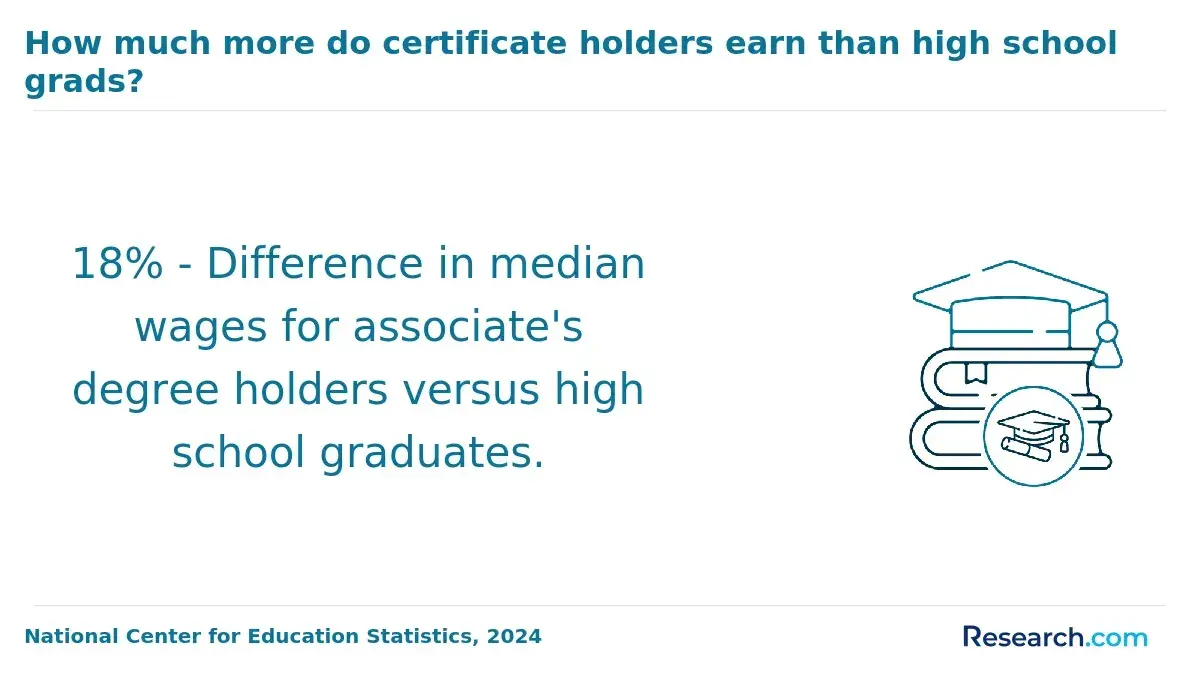
These disparities require prospective students to balance upfront educational costs with longer-term employment prospects and potential relocation costs. Choosing a lower-cost program in a state with limited geoscience job opportunities might save money initially but could necessitate moving post-graduation, adding to total debt or living expenses. Conversely, paying higher tuition in states with strong geoscience job markets might reduce career transition risks. Data from the National Center for Education Statistics in 2024 underscores this complexity, showing the wide tuition spread and highlighting the importance of holistic financial and career planning for geoscience degree seekers.
Why Does Geoscience Affordability Vary So Much Between States?
Variations in geoscience degree cost differences by state largely stem from divergent state funding priorities and institutional mixes that shape tuition expenses and financial aid access. States like Wyoming and New Mexico, which allocate higher public funding per student according to National Center for Education Statistics 2024 data, tend to offer significantly lower in-state tuition, easing affordability for residents. In contrast, states with high living costs such as California and New York pass increased operational expenses onto students, particularly affecting out-of-state enrollees who lack residency subsidies. These funding disparities compel students to weigh tradeoffs between staying in-state to benefit from subsidies versus pursuing potentially more specialized or prestigious programs elsewhere at greater cost.
The balance of public versus private schools offering geoscience degrees also impacts cost profiles, with private institutions driving up average tuition rates and influencing regional affordability metrics. States with larger enrollments at public universities often achieve cost efficiencies, benefiting students through economies of scale, whereas smaller programs in low-population areas may face higher per-student spending. Residency policies and the availability of state-funded financial aid or scholarships further widen affordability gaps, shaping enrollment patterns and prompting some students to consider online or out-of-state options as pragmatic alternatives. Budget-conscious learners comparing geoscience education affordability must navigate these complex variables to optimize educational investment and career outcomes, while considering connected fields like psychology masters online for flexible interdisciplinary pathways.
How Do In-State and Out-of-State Tuition Rates Affect Geoscience Affordability?
Tuition disparities between in-state and out-of-state enrollment fundamentally shape the financial landscape for geoscience students, often dictating institutional choices and geographic flexibility. With data from the 2024 Integrated Postsecondary Education Data System indicating an average in-state tuition of about $11,400 at public four-year schools versus $27,500 out-of-state, students face a substantial premium for crossing state lines. This gap compels many to weigh whether the enhanced program offerings or reputations elsewhere justify the added cost or if pursuing residency reclassification might be a more viable strategy. Additionally, state-specific reciprocity agreements can mitigate these expenses by granting selected out-of-state students access to in-state rates, thereby strategically influencing enrollment decisions, especially within contiguous states where commuting or relocation is practical.
Financial aid policies further compound these dynamics, as many state-funded grants and scholarships prioritize residents, intensifying the effective cost difference beyond sticker price. Private institutions, by contrast, commonly apply a uniform tuition rate irrespective of residency, which often exceeds public out-of-state fees and introduces another economic tradeoff for budget-conscious learners. The availability of online geoscience programs introduces alternative pathways with relatively flat tuition irrespective of residency, though students should consider potential impacts on employer perception and networking opportunities. Overall, understanding how these intertwined factors affect total educational expense and career-readiness requires careful assessment of long-term costs, including debt burden and regional job markets.
One recent graduate recalled grappling with the financial consequences of attending a public university outside their home state. Despite relocating to qualify for in-state tuition after a year, the timing left them responsible for two semesters of out-of-state rates, inflating their debt considerably. They expressed frustration over the opaque residency reclassification rules and wished they had factored these complexities earlier when evaluating program options. Their experience highlighted how nuanced residency policies and timing can have significant, often unexpected, effects on affordability and financial planning for geoscience students navigating interstate educational choices.
How Does the Cost of Living Impact Overall Geoscience Affordability by State?
Cost-of-living differences across states create substantial, often overlooked variations in the total expense of earning a geoscience degree, beyond tuition fees alone. For example, a student attending a program in California or New York may face housing costs more than 50% above the national average, significantly increasing their overall financial burden compared to peers in states like Mississippi or West Virginia, where rent is much lower. These disparities affect budgeting decisions, potentially forcing students in high-cost states to seek larger financial aid packages or work more hours, which can divert time and energy away from academic and career development. The regional living expenses impact on geoscience education costs extends to transportation, as those in sprawling, car-dependent states incur higher fuel and vehicle maintenance expenses, while students in metropolitan areas with public transit networks may reduce commuting costs.
Food and healthcare costs also vary enough to influence long-term affordability and educational planning, especially when combined with utilities that tend to be pricier in northern regions with harsher climates. Students weighing where to enroll must consider how these ongoing living expenses affect debt exposure and degree completion timelines, particularly when multi-year degrees accumulate inflation-driven cost increases. For budget-conscious learners, pursuing a degree through online or hybrid formats-including options like an online masters in communications or comparable programs-can be a strategic approach to mitigate some of these financial challenges while maintaining flexibility. Understanding these real-world tradeoffs is critical for making informed choices about the affordability and practical feasibility of geoscience pathways in different states.
Which States Offer the Best Value for a Geoscience Degree?
Choosing where to pursue a geoscience degree involves weighing more than just tuition rates. States like Wyoming and New Mexico illustrate how public funding models, in-state tuition policies, and cost of living collectively shape a student's financial burden. For example, Wyoming offers annual in-state tuition often below $6,000 combined with a graduation rate above 55%, which enhances value by reducing the risk of extended time to degree. Conversely, some states carry high tuition costs without matching support or clear employment pathways, increasing long-term debt and financial strain for graduates.
Evaluating value also requires scrutiny of regional labor markets and post-graduation income prospects. New Mexico's approach includes accessible financial aid and median wages that rank within the top quartile nationally shortly after degree completion. Meanwhile, North Dakota leverages its energy sector demand to keep student debt comparatively low and boosts hands-on training through state-sponsored apprenticeships, facilitating smoother transitions into the workforce. These factors may outweigh sticker price alone, especially for students weighing relocation, residency qualification, or online study options, as total cost of attendance and likelihood of timely completion impact eventual return on investment.
Ultimately, the cheapest tuition does not guarantee the strongest financial outcome. States with costly programs but limited public support, such as California or Massachusetts, may present attractive institutional reputations but introduce higher risk for students sensitive to debt and completion rates. Prospective geoscience students should analyze public funding nuances, employment trends tied to local industries, and program completion realities to determine which location aligns best with their financial and career goals rather than relying solely on advertised tuition figures.
What Financial Aid and Scholarship Opportunities Can Reduce Geoscience Costs?
Financial aid plays a critical but uneven role in shaping the affordability of a Geoscience degree, with considerable variation depending on state policies and institutional priorities. According to National Center for Education Statistics 2024 data, about 56% of STEM students, including those in Geoscience, receive some form of financial assistance, yet the impact depends heavily on factors like residency status and the interplay between federal, state, and institutional support. For example, students in California or Texas often benefit from state grants that can reduce tuition by up to 40% at public universities, whereas those in less affluent states may face higher out-of-pocket costs with more limited aid, affecting long-term budgeting and enrollment decisions.
Federal programs such as the Pell Grant remain foundational for low-income students but rarely cover full costs, especially in states with steep resident tuition or minimal state grants. Institutional merit-based scholarships can supplement need-based aid but come with competitive eligibility criteria that often prioritize academic performance or alignment with specific research areas. Employer tuition reimbursement and cooperative education programs provide alternative cost-saving and experiential benefits but require juggling work-study commitments and continuous enrollment, which may extend time to degree. Navigating eligibility requirements, renewal conditions, and aid stacking policies across these multiple sources requires proactive, year-to-year financial planning that influences where and how students pursue Geoscience degrees most cost-effectively.
Are Online Geoscience Degree Programs More Affordable Than On-Campus Options?
Online geoscience degree cost comparison reveals that tuition for many online programs runs 15 to 25 percent lower than their on-campus counterparts, but this does not guarantee overall affordability. True cost assessment must factor in savings from eliminated housing and transportation fees alongside additional expenses such as technology needs and software licenses, which can be substantial in specialized fields like geoscience. State residency policies further complicate this picture, as some in-state tuition discounts remain more advantageous for on-campus students, narrowing the cost gap in certain regions.
Budget-conscious learners should weigh how financial aid and research funding opportunities typically favor on-campus enrollment, affecting net costs and hands-on learning prospects crucial for employability in geoscience careers. Additionally, online programs often accommodate working students with family obligations yet may extend time to degree completion, increasing indirect costs. These tradeoffs highlight the importance of analyzing not just sticker price but also the practical realities of how program format, state policies, and individual circumstances intersect for affordable pathways to geoscience degrees.
Those seeking affordable online geoscience programs in the United States may also benefit from exploring related fields, such as an environmental engineering online degree, which shares cost structures and career intersections. Ultimately, deciding where and how to pursue a geoscience degree demands careful consideration of tuition dynamics, residency discounts, financial aid patterns, and opportunity costs to optimize both affordability and long-term career outcomes.
Is a Geoscience Degree Worth the Cost Based on Career Outcomes and ROI?
The return on investment for a geoscience degree varies significantly depending on regional tuition costs, degree completion rates, and labor market conditions. States with higher tuition, such as California and New York, often saddle students with more debt, which can reduce the immediate financial benefits of entering the workforce as a geoscientist. In contrast, pursuing the degree in lower-cost states like Wyoming or Montana may lead to less debt and better alignment with local natural resource industries, offering a potentially stronger outcome for students focused on balancing cost with job prospects. Evaluating the geoscience degree return on investment in the United States requires careful consideration of these geographic and economic disparities rather than relying solely on national averages.
Students should also weigh the impact of graduation rates, as roughly 60% of geoscience undergraduates complete their programs within six years, a factor directly affecting sunk costs and overall ROI. Those who pursue advanced degrees may achieve higher earnings but must balance this with increased expenses and time out of the workforce. Beyond tuition, opportunity costs, geographic mobility, and program quality should factor heavily into decision-making. Career outcomes and earnings for geoscience graduates by state reveal meaningful contrasts that emphasize the importance of localized labor market research. For learners seeking to supplement their credentials or pivot fields, exploring the best cybersecurity courses offers a relevant alternative pathway aligned with growing employment sectors.
References
- 8 things Geoscientists should know about Geoscience in schools https://geoscienceforthefuture.com/8-things-geoscientists-should-know-about-geoscience-in-schools/
- Online Geoscience Degrees: Top Schools and All Programs in 2026 https://www.gisdegree.org/online/geoscience-degrees/
- Study Geology in USA - Top Universities for Masters, MBA, PhD Degree Programs https://studee.com/degree/usa/geology
- This map shows how cost of living varies by state https://finance.yahoo.com/personal-finance/banking/article/cost-of-living-by-state-map-164246259.html
- Geoscience Profession Reports https://profession.americangeosciences.org/reports/
- Importance of Cost of Living | Goldwater Institute https://www.goldwaterinstitute.org/cost-of-living/
- States of Affordability: A series on where and why US households struggle to make ends meet | Brookings https://www.brookings.edu/articles/states-of-affordability-a-series-on-where-and-why-us-households-struggle-to-make-ends-meet/
- Share On Social https://www.northampton.edu/news/online-vs-on-campus-degree-whats-the-best-option-for-me.html
- How Housing Affordability Conditions Vary Across States and Metro Areas https://eyeonhousing.org/2026/02/how-housing-affordability-conditions-vary-across-states-and-metro-areas/
- How the Post-Pandemic Price Surge Reshaped Affordability in America https://www.commonsenseinstituteus.org/oregon/research/jobs-and-our-economy/the-inflation-hangover-how-the-post-pandemic-price-surge-reshaped-affordability-in-america
Other Things You Should Know About Geoscience
State-to-state variation in program structure significantly influences the practical worth of a geoscience degree. Some states emphasize fieldwork and applied research in their curricula, which enhances hands-on skills valued by employers in environmental consulting and energy sectors. Conversely, states with more theoretical or lecture-based programs may reduce direct exposure to industry tools and methods, potentially requiring additional training post-graduation. Prospective students should prioritize states where program design aligns with local industry demands to maximize employability and minimize time-to-competency after graduation.
While tuition may be lower in some states, those states might not have robust geoscience job markets or internship opportunities, limiting practical experience and networking. Conversely, paying higher tuition in states with strong industry clusters can provide essential access to internships, mentorship, and regional employers actively hiring geoscience graduates. Budget-conscious students must weigh immediate cost savings against missed experiential learning and local employment opportunities that can accelerate career entry and advancement.
In states where geoscience programs demand extensive lab, fieldwork, and research commitments, students often face reduced flexibility for part-time jobs or internships. This high workload can restrict income opportunities that might offset tuition costs. Programs with more condensed or online components may offer better scheduling flexibility but could compromise hands-on experience critical for competitive employment. Students needing to finance their education through work should prioritize programs with balanced workloads or structured support for student employment.
Students must consider that the cheaper upfront cost of in-state tuition does not always equate to better long-term value if the program lacks industry relevance or reduces career prospects. Investing in an out-of-state program with stronger employer ties, advanced facilities, or recognized specialization may result in higher starting salaries and job placement rates. For budget-conscious students, it is often wiser to prioritize programs offering robust industry connections and demonstrated outcomes, even if tuition is higher, as this can reduce total lifetime educational and career costs.