2027 Geoscience Tuition Inflation Report: How Fast Are Program Costs Rising?

Co-Founder and Chief Data Scientist
Tuition inflation in geoscience programs reflects unique factors tied to the discipline's evolving demands. Increased investments in advanced laboratory equipment, field-based training expeditions, and software for geological modeling drive operational costs beyond typical academic expenses. Moreover, heightened accreditation standards focused on environmental impact and regulatory compliance necessitate specialized faculty and infrastructure upgrades.
Recent data from the U. S. Geological Survey indicate a 12% growth in workforce demand for geoscientists between 2022 and 2025, influencing program expansion and resource allocation. Enrollment trends reveal a rising number of mid-career students, suggesting shifts in professional development and ongoing education needs within geoscience.
Key Things to Know About Geoscience Tuition Inflation
- Rising tuition in geoscience programs, averaging over 5% per year since 2022, pressures students to weigh extended study durations against escalating debt burdens, impacting long-term financial sustainability.
- Employers increasingly expect practical field experience alongside degrees, so higher tuition without integrated applied training can reduce graduate competitiveness and labor market readiness.
- Faster tuition inflation narrows access windows, disproportionately affecting low-income and non-traditional students, shifting enrollment patterns and delaying degree completion timelines in geoscience fields.
- Key Things to Know About Geoscience Tuition Inflation Key Things to Know About Geoscience Tuition Inflation
- How Much Has Geoscience Tuition Increased Over the Past Decade? How Much Has Geoscience Tuition Increased Over the Past Decade?
- How Does Geoscience Tuition Inflation Compare to Overall Inflation? How Does Geoscience Tuition Inflation Compare to Overall Inflation?
- Which Types of Schools Have Experienced the Fastest Geoscience Tuition Growth? Tuition Growth by School Type
- What Factors Are Driving Rising Costs in Geoscience Degree Programs? Tuition Cost Drivers
- How Does Geoscience Tuition Growth Vary by State and Region? Tuition Growth by State
- Are Online Geoscience Programs Becoming More Affordable Than Campus-Based Programs? Online Program Affordability
- How Have Financial Aid and Scholarships Changed as Geoscience Tuition Has Increased? Impact on Financial Aid and Scholarships
- How Does Rising Geoscience Tuition Affect Student Debt After Graduation? Impact on Student Debt
- Do Higher-Cost Geoscience Programs Deliver Better Career Outcomes or Earnings? Impact on Career Outcomes
- What Do Current Tuition Trends Suggest About the Future Cost of a Geoscience Degree? What Do Current Tuition Trends Suggest About the Future Cost of a Geoscience Degree?
How Much Has Geoscience Tuition Increased Over the Past Decade?
Over the past decade, tuition for geoscience programs in North America has risen sharply, with data from the National Center for Education Statistics and the U.S. Department of Education College Scorecard showing an average increase close to 45% at public institutions between 2014 and 2024. Private colleges have experienced even more dramatic hikes, nearing 60%, reflecting a trend that outpaces general inflation and broader higher education trends. This rise is not just a matter of percentages but highlights significant shifts in how geoscience education is financed and prioritized across different types of institutions. Regional variations also play a role, impacting how prospective students evaluate the true cost and return on investment depending on where they choose to study.
Several factors underpin this tuition growth, including reduced state funding for public universities, which pushes institutions to shift more financial burden onto students. Specialized geoscience labs and fieldwork requirements demand sustained investments in facilities and technology, elevating operating costs. Increased competition for expert faculty and the need to maintain rigorous research output further contribute to rising expenses. Meanwhile, growing interest in geoscience fields, tied to environmental and energy sectors, has driven enrollment changes that influence budgeting and tuition setting. Understanding these dynamics helps explain why tuition rises do not simply mirror inflation but reflect complex institutional priorities and market pressures.
The affordability challenges posed by these trends shape student decisions around borrowing, program choice, and long-term career planning. Rising sticker prices often exceed increases in financial aid, forcing many to rely on loans or personal savings, inflating graduate debt burdens. Students must carefully consider how regional variations in tuition growth affect their return on investment, especially given moderate salary growth in core geoscience-related careers. In this context, exploring alternatives like easy degrees to get online that pay well may factor into strategic decisions for those balancing education costs against employability and financial resilience.
How Does Geoscience Tuition Inflation Compare to Overall Inflation?
Tuition inflation in geoscience degree programs has consistently outpaced general consumer price inflation in recent years. Data from the U.S. Bureau of Labor Statistics shows that the overall Consumer Price Index rose by roughly 3.2% annually in the early 2020s, while tuition rates at public and private universities-including specialized fields like geoscience-increased by an average of 4 to 6% per year according to the National Center for Education Statistics and the College Board. This persistent divergence indicates that geoscience tuition inflation rates in the United States are rising significantly faster than national inflation trends, reflecting specific cost pressures within these programs that go beyond typical economic inflation factors.
The growing gap between geoscience tuition inflation and overall inflation is driven by multiple structural factors within higher education finance and operations. Reductions or stagnation in public funding force universities to compensate by increasing tuition, especially in resource-intensive fields requiring specialized faculty, advanced laboratory equipment, and extensive fieldwork support. Additionally, administrative expenditures, expanded student services, and substantial investments in technology infrastructure contribute to rising operational costs. These institutional behaviors reflect a funding model increasingly reliant on tuition revenue, which amplifies program costs beyond what general inflation indicators would suggest.
For students and families, this persistent tuition inflation gap amplifies affordability challenges, often requiring larger borrowing amounts or more complex financial planning. The rising cost structure influences how prospective students evaluate the value and return on investment of geoscience programs, sometimes prompting consideration of alternatives such as pursuing an affordable online bachelor's degree. Understanding these inflation dynamics is crucial for assessing long-term financial commitments and aligning educational choices with career outcomes amid shifting higher education market realities.
Which Types of Schools Have Experienced the Fastest Geoscience Tuition Growth?
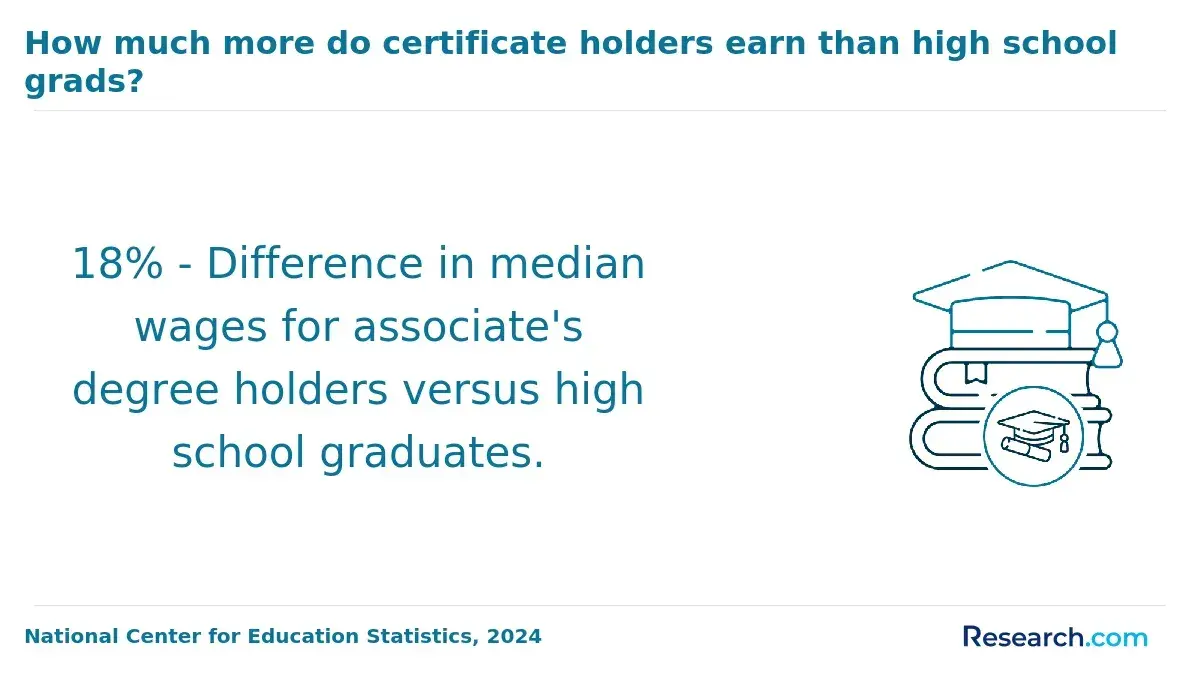
Tuition growth for geoscience degree programs varies notably across institutional types, driven by differences in financial structures, enrollment trends, and program delivery methods. Assessing these distinctions is crucial for understanding shifting cost dynamics and their implications on educational value. Data from 2024 sources like the National Center for Education Statistics highlight that private nonprofit schools are seeing the highest tuition inflation, suggesting underlying economic and strategic factors at play.
- Private Nonprofit Universities: These institutions often rely heavily on tuition revenue due to limited state funding, which incentivizes steady tuition increases. Higher demand for specialized geoscience programs and investments in research facilities also elevate operational costs, pushing tuition growth above 4.5% annually as institutions seek to sustain program quality and prestige.
- Public Universities: Although public funding partially offsets expenses, reductions in state appropriations have forced many public universities to increase tuition moderately, averaging near 3.1% growth. Their broader enrollment bases and political accountability tend to temper increases compared to private peers, but resource-intensive geoscience labs and fieldwork still influence cost pressures.
- For-Profit Institutions: Typically offering more vocationally oriented geoscience concentrations, for-profit schools exhibit slower or stabilized tuition growth. Their reliance on market responsiveness and cost containment strategies leads to more conservative pricing, though concerns remain about program quality and long-term credential recognition.
- Research-Intensive Universities: Elite research-focused institutions often implement steeper tuition hikes to sustain cutting-edge laboratory infrastructure and faculty expertise. High demand for STEM programs, including geoscience, combined with limited public funding, results in above-average tuition escalations aligned with their strategic emphases on innovation and graduate education.
- Regional Colleges: These schools tend to maintain moderate tuition growth due to smaller program scopes and less emphasis on costly research components. Their geoscience offerings are usually more applied and workforce-driven, enabling a balance between affordability and practical training, which constrains aggressive tuition increases.
- Online Universities: Growing availability of hybrid or fully online geoscience programs presents cost advantages, such as reduced facility needs, which contribute to slower tuition escalation. Nonetheless, investment in digital infrastructure and specialized online lab simulations can create variability in pricing trends across providers.
What Factors Are Driving Rising Costs in Geoscience Degree Programs?
The increasing costs associated with geoscience degree programs stem from a complex interplay of institutional and economic forces rather than any isolated factor. Programs must sustain specialized facilities and equipment critical for experiential learning and research, which demand ongoing investments that outpace general inflation. These expenses intersect with broader university budget trends, including rising operational costs and the need to attract and retain skilled faculty whose expertise in geoscience commands competitive salaries amid tightening labor markets. Consequently, tuition escalations reflect a cumulative pressure from these intertwined cost components instead of simple price adjustments.
More specifically, a significant driver behind tuition growth is the decline in state appropriations for public institutions, pushing universities to increasingly rely on tuition revenue to cover essential expenditures. Faculty compensation has expanded in response to market demand for STEM educators, with salary costs rising steadily as reported by industry surveys. Meanwhile, administrative overhead continues to swell, fueled by growing compliance requirements, student support services, and digital infrastructure investments that enable remote learning and sophisticated data analysis-core elements for modern geoscience curricula. A recent survey from a national higher education finance association highlights an annual 4% uptick in these ancillary costs, exacerbating financial burdens that institutions pass on to students.
One graduate recalled the challenge of navigating admission timelines amid these shifting pressures: facing rolling admissions, they hesitated over applications due to uncertainties about program affordability and resource availability. "The delay in deciding wasn't just about finances but waiting to see how funding changes might impact support services and course offerings," they shared. This cautious approach underscored the real-world impact of evolving cost structures on student decisions, reflecting how rising expenses extend beyond tuition alone to influence strategic planning throughout the academic journey.
How Does Geoscience Tuition Growth Vary by State and Region?
Tuition growth for geoscience degree programs in the United States varies substantially by state and region, driven largely by differences in state funding structures, institutional composition, and regional economic landscapes. States with legacy public university systems that rely heavily on state appropriations tend to experience more volatile changes in tuition, particularly where funding has been reduced or stagnant. Meanwhile, regions with a high concentration of private research universities often see tuition increases aligned with investments in specialized facilities and faculty, affecting overall program costs. This uneven pattern of geoscience tuition growth reflects broader disparities in higher education finance and regional economic conditions rather than simple geographic tuition comparisons.
Key drivers of this variation include state appropriations and their shifts over time, which directly influence how public universities price their programs. Regions where public funding has declined require institutions to increase tuition to fill budget gaps, particularly impacting states in the Northeast where tuition inflation for geoscience programs frequently exceeds 5% annually. Cost-of-living differentials further compound these disparities, as states with higher living expenses like New York and Massachusetts face greater pressures to raise tuition. Additionally, labor market demand plays a crucial role-states with expanding geoscience industries, such as oil, gas, and environmental resource sectors, tend to see sharper tuition growth driven by rising enrollment and capital investment. The presence of research-intensive universities or private schools also contributes by setting higher tuition baselines to support advanced research infrastructure.
These regional variations in geoscience tuition growth have important implications for student mobility and affordability. Higher costs in regions with strong employment prospects may offer better return on investment for students able to absorb upfront expenses, whereas more affordable states often align with fewer local industry opportunities, potentially limiting practical employability. Prospective students must weigh these trade-offs carefully, considering how tuition trends intersect with employer expectations and internship availability. Prospective learners exploring options across different fields should also be aware of related cost patterns in other disciplines, such as those reflected in online finance degrees, to more holistically assess educational affordability and outcomes. Understanding regional tuition inflation dynamics can help students make informed decisions that balance academic investment with labor market realities.
Are Online Geoscience Programs Becoming More Affordable Than Campus-Based Programs?
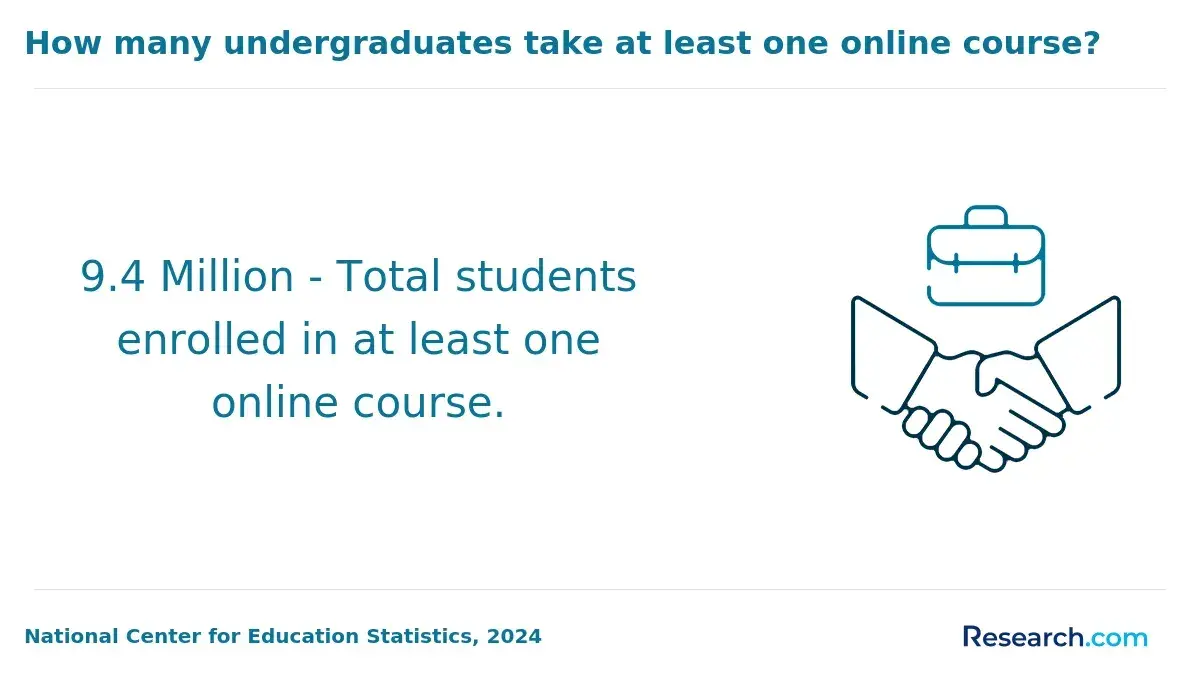
Tuition trends for online geoscience programs versus traditional campus offerings reveal a nuanced shift rather than a straightforward cost advantage. While online geoscience degrees historically presented a lower sticker price, recent data from the National Center for Education Statistics shows this gap is narrowing, with on-campus tuition rising at an average annual rate of 4.3% compared to 2.1% for online programs over the past five years. This convergence reflects evolving pricing strategies that account for the distinct value propositions and cost bases of each format, rather than solely focusing on headline tuition figures.
Institutional cost structures heavily influence these tuition approaches. Online programs eliminate expenses tied to physical campus upkeep-such as facilities, utilities, and on-site administrative support-but demand substantial investment in digital platforms, content development, and faculty training for effective virtual instruction. These technology and instructional design costs tend to be front-loaded and scale differently than campus expenses. Moreover, student services-including advising, tutoring, and technical assistance-must adapt to remote delivery, impacting operating budgets. These dynamics produce a hybrid cost profile where online programs can offer reduced overall pricing but face upward pressure from ongoing digital infrastructure and engagement requirements. The resulting tuition patterns stem from these structural factors rather than temporary market fluctuations, signaling a strategic recalibration of program affordability in alignment with delivery complexity.
A graduate of an online geoscience program shared that during their application process, the rolling admissions calendar introduced uncertainty about when financial aid awards and final tuition estimates would be confirmed. They grappled with timing decisions, wanting to secure enrollment discounts often tied to early commitment but hesitating due to incomplete cost information and the imperative to budget carefully given family obligations. Ultimately, this experience highlighted the importance of flexible planning in the face of evolving price structures and institutional timelines, underscoring that affordability is not solely about sticker price but also about how and when cost clarity emerges within the admissions cycle.
How Have Financial Aid and Scholarships Changed as Geoscience Tuition Has Increased?
Financial aid and scholarship offerings for geoscience programs have shifted notably as tuition costs have surged, particularly at public research institutions where in-state fees have risen sharply. While nominal financial aid totals have grown, increases have not matched tuition inflation, leaving many students with a larger net cost burden. Institutions have expanded aid models beyond traditional grants to include employer-sponsored scholarships and hybrid awards combining merit and need criteria, reflecting a strategic effort to align assistance with labor market demands. New programs often incentivize experiential learning through internships and cooperative education, blending financial support with employability outcomes rather than solely offsetting tuition expenses.
The evolving aid landscape is influenced by several factors, including more competitive enrollment markets and federal policy shifts. Limited growth in Pell Grants relative to tuition inflation has pushed students toward greater loan dependency. Meanwhile, universities increasingly deploy merit-based scholarships funded by private sector partnerships to attract high-achieving applicants, in part to offset funding gaps left by stagnant need-based aid pools. This tuition discounting strategy prioritizes attracting candidates perceived as more likely to succeed or complete programs, potentially reinforcing disparities for economically disadvantaged students. State and federal adjustments have struggled to keep pace, contributing to uneven aid distribution and heightened competition among students with demonstrated financial need.
These dynamics complicate affordability and affect long-term financial outcomes for geoscience students. Although some students benefit from enhanced merit aid and innovative institutional support, the net price after aid often remains elevated, with growing reliance on loans increasing indebtedness risk. The concentration of aid toward workforce-aligned programs may improve graduate employability but can also narrow access for underrepresented populations lacking the resources to compete effectively for limited funds. Consequently, understanding the interplay between rising tuition, shifting aid frameworks, and labor market alignments is critical for making informed decisions about educational investment in geoscience disciplines.
How Does Rising Geoscience Tuition Affect Student Debt After Graduation?
Rising geoscience tuition directly drives higher student borrowing levels as program costs increasingly outpace inflation and available financial aid. As tuition escalates, students rely more heavily on loans to cover not just tuition but also associated expenses such as housing and materials. This reliance magnifies the overall debt burden carried into repayment after graduation, particularly affecting students who lack access to substantial grants or scholarships. These dynamics create a cycle where escalating tuition costs force greater loan dependency, which, in turn, compounds financial strain once students exit their programs. Rising geoscience tuition impact on student loan debt is evident in both traditional students and adult learners, with the latter group often facing more acute affordability challenges due to limited repayment flexibility during study periods.
Key factors contributing to this trend include a widening gap between tuition increases and stagnating financial aid packages, and notable pricing differences between public and private institutions that influence borrowing requirements. Interest accrual during extended study durations further inflates the principal borrowed, adding complexity to repayment obligations. Post-graduation income variability across geoscience fields compounds affordability concerns; entry-level salaries often remain insufficient to favorably offset monthly loan payments, placing upward pressure on repayment periods and default risks. Recent analyses from authoritative government education sources reveal increasing loan defaults and longer repayment timelines among geoscience graduates, underscoring the challenging interaction between tuition inflation and debt management.
This growing debt load shapes graduate financial behavior, frequently delaying critical decisions such as home ownership or pursuing further certifications valued by employers. Rising debts also inform student choices, influencing program selection based on perceived return on investment and affordability. While income-driven repayment plans and loan forgiveness programs offer some relief, their complex eligibility and long-term uncertainty mean many graduates still face substantial repayment burdens. Prospective students should factor these realities alongside career and income prospects, and might explore options such as an accelerated bachelor's degree computer science online for alternative pathways with different cost and debt profiles consistent with their goals.
- Higher tuition leads to greater student loan dependency.
- Increased debt strains early-career financial flexibility.
- Adult learners face compounded affordability challenges.
- Graduates may delay key financial decisions due to repayment burdens.
- Employer expectations emphasize experience but debt limits career mobility.
Do Higher-Cost Geoscience Programs Deliver Better Career Outcomes or Earnings?
Higher-cost geoscience degree programs do not inherently guarantee better career outcomes or substantially higher earnings, reflecting a nuanced relationship between tuition expenditure and educational return. While prestigious institutions may offer superior resources and industry connections, cost alone is a poor predictor of labor market success. Analysis of geoscience tuition career earnings comparison in the United States suggests that many graduates from less expensive or public programs achieve comparable salary levels within a few years post-graduation, highlighting the importance of other determinants over the sticker price.
Employers consistently emphasize practical skills, demonstrated fieldwork, and specific technical competencies more than institutional prestige or program cost. Factors such as internship opportunities, employer partnerships, program specialization depth, and regional industry demand create meaningful differentiation in outcomes. Alumni networks and geographic location also significantly affect both initial employment and long-term earnings trajectories. For students navigating the return on investment for high-cost geoscience degree programs, these elements often outweigh tuition price in shaping career advancement prospects and salary growth.
Prospective students should weigh program affordability against these critical factors and targeted career goals to optimize value. Strategic selection includes assessing experiential learning offerings and industry alignment rather than relying solely on perceived prestige. Combining cost-conscious decisions with relevant experience remains essential to achieving sustainable career outcomes. For those seeking flexible options, examining resources like the best online MPA programs may provide insight into how accelerated pathways align with diverse professional objectives.
What Do Current Tuition Trends Suggest About the Future Cost of a Geoscience Degree?
Recent tuition trends reveal a persistent upward trajectory in the cost of geoscience degree programs, outpacing general inflation and signaling increased long-term expenses for students. The National Center for Education Statistics (NCES) 2024 report highlights a nearly 4.8% rise in STEM undergraduate tuition over two years, indicating that geoscience programs are unlikely to escape these pressures. Historical patterns show that such increases are not merely cyclical but tied to structural shifts in how higher education funds operations and adapts to changing labor market demands.
Key drivers influencing future tuition costs include constrained institutional funding, which often shifts more financial responsibility onto students, and elevated demand for specialized skills requiring investment in advanced lab equipment and faculty research. Additionally, growing enrollment in hybrid and online geoscience programs necessitates funding for technology-enabled learning environments and student support services, pushing costs upward. These elements, combined with administrative overhead, create a complex pricing environment where program quality and delivery format significantly affect tuition trajectories.
For prospective students, this means anticipating consistent tuition growth beyond inflation, which may necessitate stronger financial planning and consideration of non-traditional pathways offering flexible scheduling or industry certifications. Rising costs also affect borrowing patterns and program selection, with many opting for hybrid models that better accommodate employment and family commitments. Interpreting tuition forecasts with awareness of these institutional behaviors and market trends is essential to making informed educational investments in geoscience.
References
- American Geosciences Institute https://www.americangeosciences.org/
- Despite Hard Economic Times, Tuition Fees Rise Faster Than Inflation | Latest Updates | Canadian Federation of Students https://www.cfs-fcee.ca/blog/despite-hard-economic-times-tuition-fees-rise-faster-than-inflation
- Tuition and Fee Charges Versus Inflation at Public and Private Four-Year Colleges (1987 to 2025) https://educationalpolicy.org/epigraph-260505/
- Online Geoscience Degrees: Top Schools and All Programs in 2026 https://www.gisdegree.org/online/geoscience-degrees/
- How college tuition inflation has impacted college costs https://finance.yahoo.com/news/college-tuition-inflation-cost-college-221647962.html
- 8 things Geoscientists should know about Geoscience in schools https://geoscienceforthefuture.com/8-things-geoscientists-should-know-about-geoscience-in-schools/
- ThisIsGeoscience - Geoscience Salaries https://www.thisisgeoscience.com/the-resources/geoscience-salaries
- From tuition hikes to higher student loan borrowing costs, inflation is making college even more expensive https://www.cnbc.com/2022/07/15/inflation-is-suddenly-making-college-more-expensive-than-ever.html
- Tracking College Tuition Growth https://www.richmondfed.org/publications/research/economic_brief/2024/eb_24-23
- Why is the cost of college rising so fast? https://ssti.org/blog/why-cost-college-rising-so-fast
Other Things You Should Know About Geoscience
To handle rising tuition and curriculum demands, students should seek scholarships, consider part-time work, apply for financial aid, and explore online courses for cost savings. Efficient time management and academic advising are crucial to balance financial and educational goals. Here are four relevant questions and answers: **Question** What is the projected average increase in geoscience tuition fees for 2027? **Answer** In 2027, geoscience tuition fees are projected to increase by an average of 4% compared to the previous year, reflecting a steady trend in educational cost growth due to inflation and program demand. **Question** Are tuition increases in 2027 uniform across all geoscience programs? **Answer** No, tuition increases in 2027 vary across geoscience programs depending on factors like program demand, institutional funding, and geographic location, with some specialized tracks experiencing sharper rises. **Question** How does tuition inflation in 2027 impact students' choices in geoscience programs? **Answer** Tuition inflation in 2027 may drive students to choose shorter, more affordable programs or pursue financial aid and scholarships to offset costs, influencing program selection and career pathways. **Question** What role does government funding play in geoscience tuition trends for 2027? **Answer** Government funding plays a significant role in geoscience tuition trends for 2027 by potentially offsetting tuition hikes through grants and subsidies, helping maintain affordability for students.
Specialized tracks in areas like petroleum geology or environmental geophysics often come with premium tuition, reflecting additional resources and faculty expertise. However, the premium does not always translate to broader employability or salary gains, especially if local industry demand is limited. Students should evaluate regional job markets closely and prioritize programs that align specialization costs with concrete employer demand rather than assuming higher tuition will directly improve job prospects.
Accelerated certificate programs offer lower upfront tuition but typically omit the comprehensive theoretical foundation and research opportunities found in longer accredited degrees. This can limit eligibility for advanced roles and graduate-level positions, which employers increasingly expect in geosciences. When deciding, students should weigh immediate cost savings against potential limitations in career advancement and salary growth, favoring full degrees if long-term employment flexibility and upward mobility are priorities.
To mitigate tuition inflation's impact, students should consider hybrid or modular program structures that allow spreading coursework over multiple years without escalating costs. Additionally, prioritizing programs with robust industry partnerships can improve networking and internships, offsetting higher expenses through stronger job placement. Investing in programs with transparent progression milestones can help maintain motivation and minimize wasted tuition on repeated or irrelevant courses, ensuring a better return on investment despite rising price pressures.