2027 Accredited Online Public Relations Degree Programs for Working Adults: Flexible, Part-Time, and Self-Paced Options

Co-Founder and Chief Data Scientist
Choosing an accredited online Public Relations degree while working full time means weighing schedule flexibility, cost, credibility, and career payoff. The field can be financially meaningful: the U.S. Bureau of Labor Statistics reported a May 2024 median annual wage of $69,780 for public relations specialists.
This guide is for adults comparing flexible, part-time, asynchronous, or self-paced PR programs. You will learn how accreditation works, what formats fit different schedules, how much programs may cost, and how to choose an option that supports your long-term communication, media, branding, or corporate relations goals.
Key Things You Should Know
- Choose an institution accredited by an agency recognized by the U.S. Department of Education or CHEA, and treat programmatic accreditation in journalism or mass communication as a quality signal rather than a universal requirement for PR employment.
- Most bachelor's degrees require about 120 credits; working adults taking two 3-credit courses at a time should expect roughly 12 to 18 hours of weekly coursework, while transfer-friendly programs may accept 60 to 90 prior credits and shorten the path substantially.
- Cost varies widely, but 2024-25 College Board benchmarks put average published tuition and fees at $11,610 for in-state public four-year colleges and $43,350 for private nonprofit four-year colleges, so online learners should compare total program cost, not just per-credit tuition.
What Is an Accredited Online Public Relations Degree Program and Why Does Accreditation Matter?
An accredited online Public Relations degree program is a college program delivered fully or mostly online by a recognized institution that teaches strategic communication, media relations, writing, campaign planning, brand reputation, crisis communication, research methods, ethics, and digital communication. Programs may be labeled Public Relations, Strategic Communication, Integrated Marketing Communication, Mass Communication, Communication Studies, or Journalism with a public relations concentration.
Accreditation matters because it is the main quality-control system used in U.S. higher education. For working adults, it affects whether credits are more likely to transfer, whether federal financial aid may be available, whether employers recognize the degree, and whether graduate schools consider the credential legitimate.
There are two accreditation layers to understand. Institutional accreditation applies to the whole college or university and is the most important baseline. Programmatic accreditation, such as accreditation connected to journalism or mass communication, may apply to a specific school or department. Programmatic accreditation can be helpful, but it is not required for most public relations jobs in the same way that licensure-oriented fields require program approval.
The table below summarizes the types of accreditation and why each matters when comparing online PR programs as a working adult.
| Accreditation type | What it reviews | Why it matters for working adults | How much weight to give it |
| Institutional accreditation | The full college or university, including academic quality, governance, finances, and student services. | Usually required for federal financial aid eligibility, credit transfer, and broad employer recognition. | Essential |
| Programmatic accreditation | A specific communication, journalism, or mass communication program. | Can signal stronger curriculum review, faculty standards, and industry alignment. | Helpful but not always required |
| State authorization for online education | Whether a school is approved to enroll online students from your state. | Important if you live outside the school's home state or plan to move while enrolled. | Must verify before enrolling |
A common mistake is assuming that "online" automatically means lower quality. The better question is whether the online program has the same institutional accreditation, faculty oversight, learning outcomes, and transcript recognition as the campus version. Another red flag is a school that avoids clearly naming its accreditor or uses vague phrases such as "internationally approved" without U.S. recognition.
Which Flexible Public Relations Degree Formats Are Best for Working Adults: Part-Time, Full-Time, or Self-Paced?
The best format depends on how predictable your work schedule is, how quickly you want to graduate, and how much structure you need to stay on track. A public relations degree can involve writing-intensive assignments, campaign projects, discussion posts, research, presentations, and team-based work, so "flexible" should not be confused with "easy" or "deadline-free."
Working adults generally compare four online formats: full-time scheduled, part-time scheduled, asynchronous, and self-paced or competency-based. Some schools combine these models, such as asynchronous courses with weekly deadlines or accelerated 7-week sessions.
The table below compares common online PR degree formats in terms of workload, flexibility, and fit. Use it to narrow your search before speaking with admissions advisors.
| Format | Typical structure | Best fit | Trade-off |
| Full-time online | Usually 12 or more credits per term | Students with predictable schedules, strong time management, or a goal to finish faster. | Harder to sustain with full-time work, caregiving, or overtime-heavy jobs. |
| Part-time online | Often 3 to 9 credits per term | Working adults who need a manageable weekly workload. | Longer time to graduation and potentially more terms of fees. |
| Asynchronous online | No required live class meeting times, but weekly deadlines are common | Learners with rotating shifts, family obligations, or time-zone constraints. | Requires self-discipline because there is less live accountability. |
| Self-paced or competency-based | Students move through material faster or slower within term limits | Experienced professionals who can accelerate through familiar content. | Not ideal for students who need frequent instructor reminders or peer interaction. |
| Cohort-based online | Students progress together through a set course sequence | Learners who value networking and structured progression. | Less flexibility if you need to stop out or change pace. |
If speed is a priority, compare PR options with broader lists of accelerated online degrees, but check whether the faster calendar increases weekly writing and project demands. Accelerated terms can work well for adults who can focus on one or two classes at a time, but they can feel overwhelming during busy work seasons.
Before choosing a format, ask schools these questions so you understand the real schedule behind the marketing language:
- Are classes asynchronous, synchronous, or a mix of both?
- How many live sessions, group meetings, presentations, or proctored exams are required?
- Are assignment deadlines weekly, self-paced, or clustered around major projects?
- Can part-time students take only one course during demanding work periods?
- What happens if you need to pause enrollment for a term?
- Are accelerated courses shorter but more intensive than standard courses?
Adults with unpredictable schedules often do best in asynchronous part-time programs. Adults with strong prior experience, completed credits, or a clear graduation deadline may benefit from accelerated or self-paced options. Students who need regular interaction may prefer scheduled online classes even if they are less flexible.
What Are the Admission Requirements for Accredited Online Public Relations Degree Programs?
Admission requirements depend on degree level. Bachelor's programs usually ask for a high school diploma or equivalent, transcripts, and an application. Bachelor's-completion programs often require prior college credits. Master's programs generally require a bachelor's degree, transcripts, a statement of purpose, and sometimes writing samples, references, or professional experience.
Public relations programs value communication readiness. Even when test scores are optional, admissions teams may look for evidence that you can write clearly, manage deadlines, and complete research-based assignments. For adult learners, a resume can help show workplace communication experience, leadership, customer relations, marketing support, sales, media, nonprofit outreach, or military experience.
The table below explains common admissions requirements by degree level so you can identify which path matches your current education history.
| Program level | Common requirements | What working adults should verify |
| Associate degree in communication or PR-related field | High school diploma or GED, placement assessment, application. | Whether credits transfer cleanly into a bachelor's program. |
| Bachelor's degree | High school diploma or GED, official transcripts, minimum GPA policy, application. | Whether the program accepts transfer credits, military credit, or prior learning assessment. |
| Bachelor's-completion program | Prior college credits, transcripts from all colleges attended, sometimes minimum completed credits. | How many credits apply to major, general education, and elective requirements. |
| Master's degree | Accredited bachelor's degree, statement of purpose, resume, writing sample, references, GPA review. | Whether non-communication majors must complete prerequisites. |
Admissions selectivity varies by institution and field. If you are comparing PR with adjacent graduate pathways such as social work, note that resources on MSW programs with high acceptance rate may use different admissions criteria because social work programs often evaluate field placement readiness and professional ethics in a different way.
Working adults should avoid three admissions mistakes. First, do not apply before requesting an unofficial transfer evaluation if you have prior credits. Second, do not assume an "open admission" school will automatically accept every previous course toward the major. Third, do not ignore technology requirements, because online PR coursework often involves presentation tools, content platforms, video recording, analytics dashboards, or portfolio software.
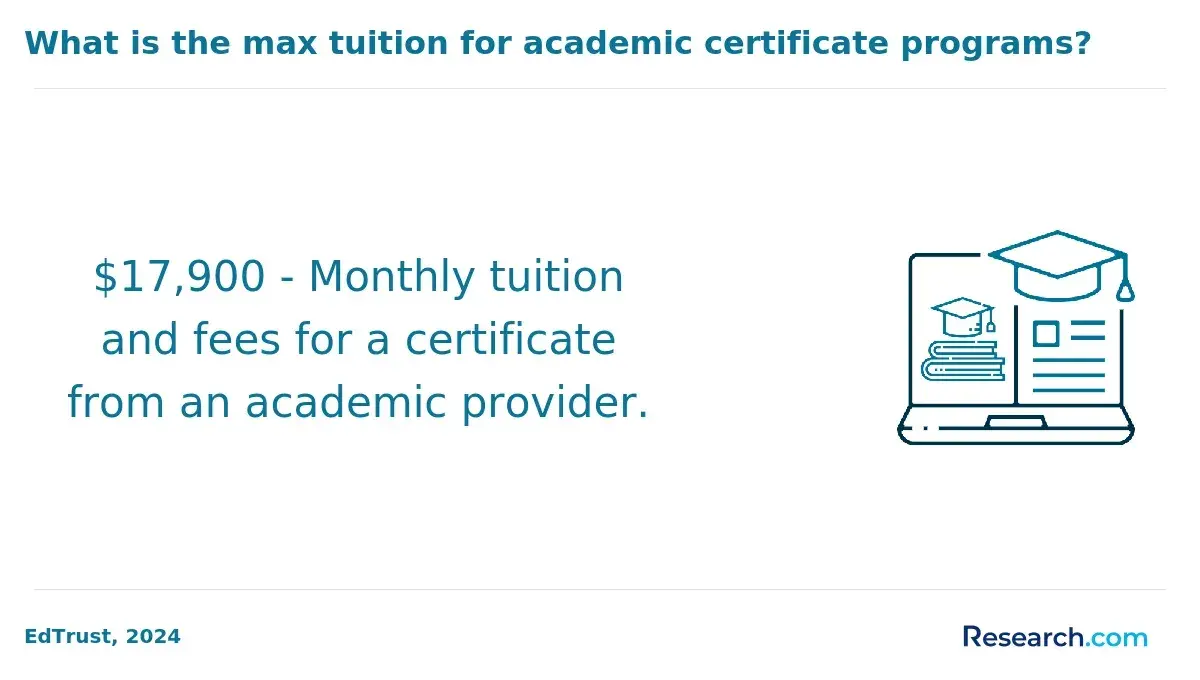
The cost of an online Public Relations degree depends on tuition, fees, transfer credits, residency rules, course load, books, technology, and whether the school is public, private nonprofit, or private for-profit. The most useful comparison is total remaining cost to graduate, not the advertised per-credit rate.
College Board's 2024-25 national pricing benchmarks show why this matters: average published tuition and fees were $11,610 for in-state students at public four-year colleges and $43,350 at private nonprofit four-year colleges. These are not online-specific prices, but they are useful reference points when judging whether an online program's tuition is unusually low, typical, or expensive.
Use the following cost categories to calculate your real price before enrolling:
- Tuition per credit or flat-rate tuition per term.
- Online learning, technology, distance education, or course fees.
- Books, digital access codes, software, media tools, or portfolio platforms.
- Transfer-credit evaluation fees or prior learning assessment fees.
- Graduation, transcript, proctoring, or student service fees.
- Potential travel costs for optional campus events, internships, or required presentations.
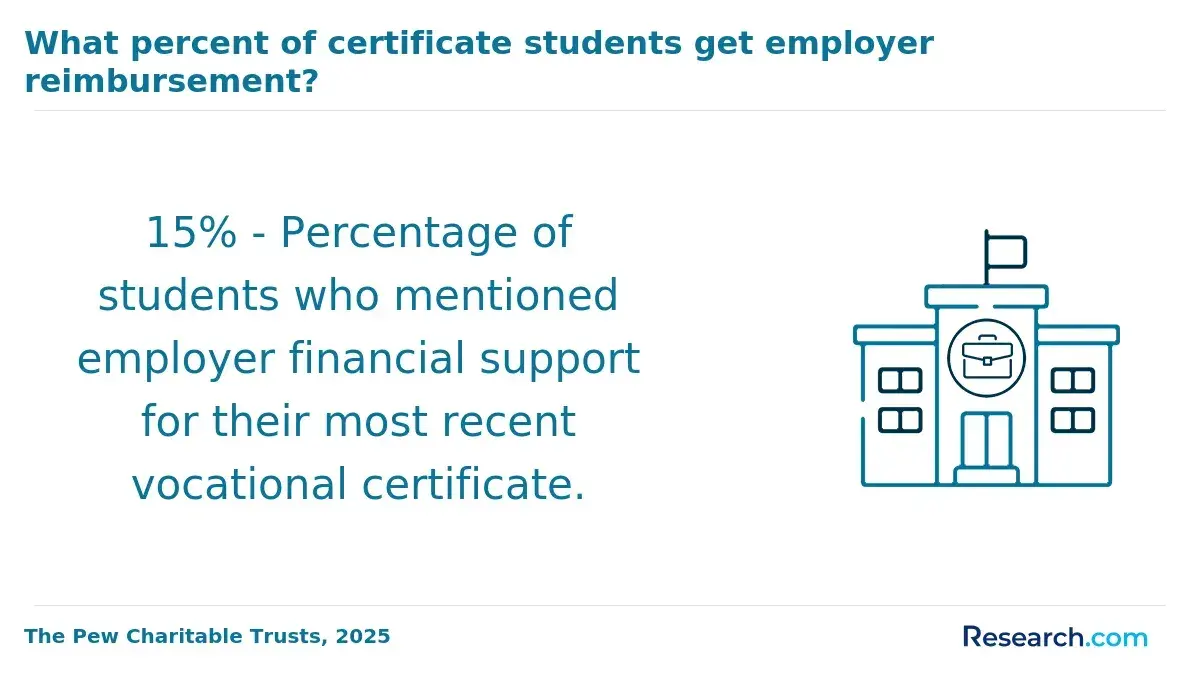
Financial aid may be available if the institution and program meet eligibility rules. The federal Pell Grant maximum award for the 2024-25 award year is $7,395, but the actual amount depends on financial need, enrollment intensity, and federal formulas. Adults should also compare employer tuition assistance, military or veteran education benefits, state grants, scholarships, payment plans, and federal student loans.
If your main goal is career mobility and return on investment, compare PR with other online programs that pay well, but remember that salary potential depends on role, location, experience, portfolio strength, and industry. A lower-cost PR program may be a better investment than a prestigious program if it lets you graduate with less debt and a strong portfolio.
When reviewing financial aid offers, ask the school for a term-by-term cost estimate based on your transfer credits and intended pace. This helps you see whether part-time enrollment changes your aid eligibility, whether fees repeat every term, and whether taking fewer courses could increase total time-based expenses.
A bachelor's degree in Public Relations or Strategic Communication commonly requires about 120 credits. Full-time students entering with no prior college credit often plan for about four academic years, while part-time students may take longer. Adults who already have an associate degree or substantial college credit may finish much faster if the program is transfer-friendly.
Transfer credit is one of the biggest timeline advantages for working adults. Many online bachelor's programs allow some combination of community college transfer credits, prior university credits, military training credit, standardized exam credit, professional certification review, or portfolio-based prior learning assessment. The key is not how many credits the school accepts in theory; it is how many apply to your specific degree plan.
The table below shows how prior credit and course load can change the estimated path. These are planning scenarios, not guarantees, because every school applies transfer credits differently.
| Student profile | Credits remaining | Likely enrollment pace | Planning implication |
| New bachelor's student | About 120 credits | Full-time or part-time | Needs the longest timeline and should compare tuition across the full degree. |
| Adult with some college credit | Often 60 to 90 credits remaining, depending on evaluation | Part-time or accelerated | Should prioritize generous transfer policies and clear degree audits. |
| Associate degree holder | Often around 60 credits remaining if transfer is efficient | Part-time, full-time, or accelerated | May benefit from bachelor's-completion programs. |
| Experienced communicator with eligible prior learning | Varies by school policy | Self-paced or competency-based may help | Should verify limits on prior learning credits before enrolling. |
To use transfer credits strategically, follow this sequence before committing to a program:
- Request official or unofficial transcript evaluations from each school you are seriously considering.
- Ask how credits apply to general education, electives, major requirements, and upper-division requirements.
- Confirm the maximum number of credits that can transfer into the degree.
- Ask whether old credits expire for communication, technology, or statistics courses.
- Compare the number of remaining courses, not just the number of accepted credits.
- Request a written degree plan showing expected graduation term at your preferred pace.
Adults considering speed-focused pathways should also compare PR degree plans with accelerated online degrees in other majors. A faster program is only useful if its workload, credit policies, and course sequencing fit your work calendar.
The best online PR program is not always the cheapest, fastest, or most famous. It is the one that combines recognized accreditation, a realistic schedule, strong writing and campaign training, relevant digital tools, transparent costs, and credible student support.
Start with accreditation and then compare academic fit. A strong PR curriculum should teach writing for media and organizations, audience research, strategic planning, campaign execution, communication ethics, crisis response, digital content, analytics, and portfolio development. Programs that focus only on theory without applied writing or campaign work may leave students underprepared for entry-level PR roles.
The table below summarizes key comparison factors and why they matter for working adults.
| Comparison factor | Why it matters | Red flag |
| Accreditation | Supports aid eligibility, credit transfer, and employer recognition. | The school is unclear about its accrediting agency. |
| Course format | Determines whether you can study around work shifts and family duties. | "Flexible" is advertised but live sessions are frequent. |
| Transfer policy | Can reduce cost and time to completion. | Accepted credits do not apply to degree requirements. |
| Curriculum | Builds job-ready PR, writing, research, and digital communication skills. | Few applied projects or portfolio assignments. |
| Faculty and industry ties | Can improve feedback, mentoring, and professional relevance. | No evidence of current PR, media, or communication experience. |
| Career services | Helps with resumes, internships, portfolios, and networking. | Services are only available during standard business hours. |
| Total cost | Shows real affordability after fees, aid, and transfer credits. | Only per-credit tuition is disclosed. |
Adults comparing majors for long-term earnings may also look at fields such as online finance degrees, but the better choice depends on your strengths. PR may fit you better if you enjoy writing, messaging, audience analysis, reputation management, public-facing campaigns, and fast-moving communication work.
Before enrolling, watch for these common mistakes:
- Choosing the lowest tuition without calculating fees and remaining credits.
- Assuming asynchronous courses have no deadlines.
- Enrolling in a self-paced program without checking maximum completion windows.
- Ignoring whether group projects require evening or weekend meetings.
- Skipping career outcome questions because the program is accredited.
- Failing to review portfolio requirements before the final year.
- Assuming all online courses are mobile-friendly enough to complete from a phone.
A good decision process is simple: verify accreditation, request a transfer evaluation, compare real weekly workload, estimate total cost, review curriculum quality, and ask how the program supports online adults outside regular business hours.
A Public Relations degree can prepare students for communication roles in corporate communication, nonprofit outreach, government affairs, public information, media relations, agency work, healthcare communication, entertainment, sports communication, higher education, technology, and crisis response. It can also support related roles in content strategy, social media management, internal communication, brand communication, and marketing communication.
The labor market increasingly rewards PR professionals who can combine writing, judgment, analytics, and digital fluency. AI tools are changing how teams draft content, monitor sentiment, and analyze audiences, but employers still need people who can verify facts, manage reputational risk, adapt tone, and make ethical communication decisions.
BLS wage data provides a useful salary context, but it should not be treated as a promise. In May 2024, the median annual wage for public relations specialists was $69,780. Actual pay can vary by metro area, employer type, experience, portfolio quality, and whether the role includes management responsibility.
The table below outlines common PR-related career paths and the type of work each role usually involves.
| Role | Typical responsibilities | How a PR degree helps |
| Public relations specialist | Writes press materials, pitches media, supports campaigns, monitors public response. | Builds media writing, campaign planning, and audience research skills. |
| Social media strategist | Plans content, manages brand voice, tracks engagement, responds to audience trends. | Connects messaging strategy with platform-specific communication. |
| Corporate communications associate | Supports internal announcements, executive messaging, newsletters, and stakeholder communication. | Develops professional writing and organizational communication judgment. |
| Communications coordinator | Coordinates events, campaigns, content calendars, and partner communication. | Provides broad training in project-based communication work. |
| Public information officer | Communicates with media and the public for agencies, schools, or public organizations. | Strengthens crisis communication, clarity, and public accountability skills. |
| PR or fundraising manager | Leads teams, campaigns, donor messaging, reputation strategy, or organizational outreach. | Can support advancement after experience and demonstrated leadership. |
The degree is most likely to be worth it if you want a communication-centered career and you are willing to build a portfolio while studying. It may be less suitable if you dislike writing, prefer highly technical work with minimal audience interaction, or expect the degree alone to substitute for internships, samples, networking, and measurable campaign experience.
Balancing an online PR degree with full-time work is possible, but it requires a realistic plan. Public relations coursework is often deadline-heavy because it mirrors professional communication work: writing must be revised, campaigns need planning, and group projects may require coordination. A manageable pace is usually better than starting too aggressively and stopping out after one term.
For many working adults, one or two courses per term is the safest starting point. A typical 3-credit course may require several hours each week for reading, writing, discussion, research, and revision. Writing-intensive PR courses can take longer during campaign, portfolio, or presentation weeks.
Use this planning process before your first term begins:
- Map your fixed obligations, including work shifts, commute time, caregiving, sleep, and recurring appointments.
- Choose weekly study blocks before classes start rather than trying to "find time" later.
- Begin with a lighter course load if you have not taken college classes recently.
- Tell your instructor early if your work schedule may affect group meetings or presentations.
- Use assignment calendars to work backward from major campaign or writing deadlines.
- Save vacation time or lighter work weeks for finals, portfolio submissions, or capstone projects when possible.
- Reassess your pace after the first term and adjust before adding more courses.
Adults should also protect their writing time. PR assignments often improve through revision, so leaving work until the deadline can reduce quality. A better rhythm is to draft early, revise after feedback, and save examples for a professional portfolio.
The biggest red flag is a program that encourages a heavy course load without asking about your job, family responsibilities, or prior college experience. Strong online programs help adults choose a sustainable pace rather than pushing the fastest possible timeline.
Student support can determine whether an online PR program is truly workable for adults. Flexible courses are only helpful if advising, tutoring, library access, technical help, and career services are available when online students need them.
At minimum, expect online access to academic advising, writing support, library databases, technology help, career coaching, disability accommodations, and learning management system orientation. For PR specifically, strong programs should also help students develop writing samples, campaign projects, LinkedIn profiles, resumes, and portfolios.
The table below lists support services that matter most for online PR learners and what to ask before enrolling.
| Support service | Why it matters in PR programs | Question to ask |
| Academic advising | Keeps part-time and transfer students on the right course sequence. | Can I meet outside standard business hours? |
| Writing center | Supports press releases, media pitches, research papers, and campaign copy. | Do tutors review online submissions asynchronously? |
| Career services | Helps translate coursework into resumes, interviews, internships, and portfolios. | Do online students get the same support as campus students? |
| Library and research help | Supports audience research, media analysis, and citation quality. | Can I access communication databases remotely? |
| Technology support | Reduces disruption during presentations, uploads, exams, and group projects. | Is help available during evenings or weekends? |
| Accessibility services | Ensures eligible accommodations apply in online courses. | How are accommodations handled for virtual presentations or timed work? |
A strong online learning environment should include clear weekly modules, instructor presence, timely feedback, accessible materials, discussion expectations, and transparent grading rubrics. In PR courses, feedback quality is especially important because students improve by revising tone, structure, evidence, and audience fit.
Do not overlook peer interaction. Even asynchronous programs should offer ways to collaborate, critique campaigns, discuss media examples, or practice client-style communication. Public relations is a relationship-driven field, so programs that isolate online students may provide less professional preparation.
Do Online Public Relations Degree Programs Include Internships, Practicums, or Other Hands-On Learning Requirements?
Many online Public Relations degree programs include hands-on learning, but the requirement varies. Some require an internship, practicum, capstone, campaign course, senior portfolio, or client-based project. Others make internships optional but strongly encourage them. Working adults should check this early because experiential requirements can affect scheduling, location, and graduation timing.
PR hands-on learning is usually more flexible than licensure-based clinical training. For example, fields such as accelerated mental health counseling programs online often have strict supervised clinical requirements, while PR programs may allow remote internships, workplace-based projects, nonprofit campaigns, agency placements, or faculty-approved professional communication projects.
Common hands-on learning options include the following. These experiences help students build evidence of skill, not just course credits.
- Internships with agencies, nonprofits, corporations, schools, hospitals, government offices, or media organizations.
- Campaign courses where students research an audience, design a strategy, create materials, and present results.
- Portfolio projects that compile press releases, media pitches, social content, case analyses, and campaign plans.
- Capstone courses that require a final strategic communication project.
- Student-run agency work or simulated client projects.
- Workplace-based projects approved by faculty for students already employed in communication-related roles.
Working adults should ask whether internships can be completed remotely, during evenings, through a current employer, or over more than one term. Also ask whether the school helps locate placements or whether students must find their own. A required internship can be valuable, but it can become a barrier if the program assumes weekday availability during business hours.
If you cannot complete a traditional internship, look for programs with capstones, portfolio courses, or approved applied projects. Employers often want to see proof that you can write, plan, measure, and adapt communication for real audiences, so the practical output matters.
Other Things You Should Know About Public Relations
You do not need to be an expert speaker before enrolling, but you should be willing to improve. PR work often involves presentations, client updates, media preparation, or team briefings, so programs commonly build speaking and presentation practice into coursework.
Yes. Many PR courses teach AP Style because press releases, media pitches, and newsroom-facing materials often follow it. Even when an employer uses a house style, knowing AP Style shows attention to professional writing standards.
Yes. A portfolio can be as important as the credential for entry-level PR roles. Save polished examples of press releases, campaign plans, social media calendars, research briefs, crisis statements, and presentations.
They can be useful, especially after you gain experience. Certifications and professional development in analytics, social media strategy, crisis communication, or accreditation through professional associations may strengthen your profile, but they usually complement rather than replace a degree and work samples.
- Society for the Teaching of Psychology https://teachpsych.org/E-xcellence-in-Teaching-Blog/12197763
- M.A. Public Relations and Digital Marketing / Media University https://www.media-university.de/en/study/masters-degree-program/public-relations-and-digital-marketing/
- Adapting Academic Support for Asynchronous Learning https://blog.joinknack.com/adapting-academic-support-for-asynchronous-learning
- Partnership Internship Program https://ourpublicservice.org/about/work-with-us/partnership-internship-program
- The Ultimate Guide to Designing Education Benefits https://guild.com/education-benefits
- Marketing and PR https://akademiata.pl/en/offer/master/marketing-and-public-relations/
- Employer Tuition Assistance for Higher Education - Adult Students - Oklahoma State Regents for Higher Education https://okhighered.org/adult-students/tuition-assistance/
- 2025 Most Affordable Online Public Relations Degrees https://www.onlineu.com/most-affordable-colleges/public-relations-degrees
- Course Schedule and Course Pacing: Does it Affect Student Success in Online Asynchronous Courses? - OJDLA https://ojdla.com/articles/course-schedule-and-course-pacing-does-it-affect-student-success-in-online-asynchronous-courses
- Asynchronous vs. Synchronous Learning | Brookline College https://www.brooklinecollege.edu/blog/asynchronous-vs-synchronous-learning-whats-the-difference-and-which-is-right-for-you/