
2027 How to Become a High School History Teacher in Pennsylvania: Requirements & Certification

Co-Founder and Chief Data Scientist
Becoming a high school history teacher in Pennsylvania requires more than strong content knowledge. You need the right degree, a state-approved educator preparation pathway, supervised classroom experience, required exams, clearances, and certification through the Pennsylvania Department of Education. For many future teachers, the hardest part is not wanting to teach history—it is understanding which steps count toward Pennsylvania certification and which programs actually meet state requirements.
This guide explains the process in a practical, decision-focused way. You will learn how to choose an eligible program, prepare for certification, complete student teaching, compare cost-conscious pathways, understand classroom and curriculum expectations, and plan for career growth. Pennsylvania has also introduced financial support for student teachers, including a $10,000 stipend this year and an additional $5,000 for those working in in-demand areas, which can make the path more accessible for candidates who might otherwise struggle with unpaid clinical experience.
Quick Answer: How Do You Become a High School History Teacher in Pennsylvania?
To become a high school history teacher in Pennsylvania, you generally need to earn a bachelor’s degree from an accredited institution, complete a Pennsylvania-approved teacher preparation program, finish student teaching, pass the required educator exams, complete background clearances, and apply for certification through the Pennsylvania Department of Education’s Teacher Information Management System, known as TIMS. New teachers typically begin with an Instructional I certificate, which is valid for six years, and later move toward the permanent Instructional II certificate after meeting additional requirements.
Key Requirements at a Glance
| Requirement | What It Means for Future History Teachers |
| Licensing agency | The Pennsylvania Department of Education, or PDE, manages educator certification and sets requirements for teachers in the state. |
| Minimum education | Candidates need a bachelor’s degree from an accredited college or university. |
| Teacher preparation | You must complete a state-approved teacher preparation program that includes education coursework and supervised classroom practice. |
| Student teaching | Programs include a student teaching placement; candidates should confirm placement length and school partnerships before enrolling. |
| Testing | Teacher candidates must pass required basic skills and subject-area assessments. Program advisors and PDE resources should be used to confirm the current exam requirements for secondary social studies or history certification. |
| Application system | Certification applications are submitted through TIMS, the Teacher Information Management System. |
| Clearances | Applicants must complete required background checks, including child abuse clearance and criminal history checks. |
| Initial certificate | The Instructional I certificate is the standard starting credential for new Pennsylvania teachers and is valid for six years. |
| Advanced certificate | The Instructional II certificate is a permanent credential available after completing additional professional requirements. |
Contents
- Education requirements for becoming a history teacher in Pennsylvania
- Certification and licensing steps for Pennsylvania history teachers
- Student teaching, internships, and classroom experience
- Pennsylvania standards and curriculum expectations for high school history
- Job market and salary expectations for history teachers in Pennsylvania
- Professional development and continuing education options
- Classroom management and effective history teaching methods
- Career advancement options and specializations
- Additional certifications and endorsements that can strengthen your career
- Affordable ways to earn a Pennsylvania teaching credential
- Legal and ethical responsibilities for Pennsylvania history teachers
- Teaching students from different cultural and socio-economic backgrounds
- Using dual certification in history and special education
- Applying journalism skills to history instruction
- Using early childhood education insights in high school history classes
- Mentorship and networking for career growth
- Collaborating with librarians and other education professionals
- Assessing student learning outcomes in history
- Pennsylvania teacher certification types and requirements
- Adding Pennsylvania local history to your curriculum
- Learning the full path to becoming a history teacher
- Choosing an online history degree for Pennsylvania teacher preparation
- Using certification comparisons to plan your teaching career
- Using digital tools and online resources in history instruction online degree planning local history teaching legal and ethical duties
What are the educational requirements for becoming a history teacher in Pennsylvania?
The most direct route to teaching high school history in Pennsylvania is to complete a bachelor’s degree and an approved educator preparation program that leads to secondary certification. Your major may be history, social studies education, secondary education with a social studies concentration, or a closely related field, but the most important question is whether the program is approved for Pennsylvania teacher certification.
A strong preparation pathway should give you both historical content depth and practical teaching ability. You should graduate able to explain major historical periods, analyze primary sources, design standards-aligned lessons, manage a classroom, assess student learning, and adapt instruction for students with different academic needs.
| Education Component | Why It Matters | What to Check Before Enrolling |
| Bachelor’s degree | This is the baseline academic requirement for Pennsylvania teacher certification. | Confirm that the college is accredited and that the major supports secondary history or social studies teaching goals. |
| History and social studies coursework | High school teachers need broad content knowledge across U.S. history, world history, civics, geography, economics, and historical analysis. | Ask whether the curriculum prepares candidates for the subject-area exam required for certification. |
| Education coursework | Pedagogy courses help you learn lesson planning, classroom management, adolescent development, assessment, and inclusive instruction. | Look for secondary education methods courses, not only general education theory. |
| Approved teacher preparation program | PDE certification depends on completing a recognized educator preparation route. | Ask the school directly whether the program is Pennsylvania-approved for the certificate area you want. |
| Accreditation | Accreditation helps protect the value of your degree and may affect certification, transfer, and financial aid eligibility. | Review institutional accreditation and whether the educator preparation program aligns with Pennsylvania requirements. CAEP accreditation is commonly recognized in teacher preparation. |
| Student teaching | Clinical practice shows that you can teach real students under supervision. | Ask where student teaching placements occur, how mentors are assigned, and whether support is available during placement. |
A master’s degree is not required for initial certification, but some teachers pursue graduate study later to deepen subject expertise, qualify for salary schedule movement where available, or move into leadership roles. If leadership is a long-term goal, an option such as online leadership and organizational change degrees may be worth comparing with graduate education programs, depending on the role you want.
Future teachers should avoid choosing a history degree based only on convenience or price. A general history degree may be academically valuable but may not include the teacher preparation sequence required for certification. If your goal is to teach in Pennsylvania public schools, program approval matters as much as the major name.
The employment chart below shows teacher distribution by school type, which can help you understand where educators work after completing preparation.
What is the certification and licensing process for history teachers in Pennsylvania?
Pennsylvania teacher certification is a sequence. You complete preparation, verify testing and clinical requirements, pass clearances, submit materials through TIMS, and wait for PDE review. The exact test names and requirements can vary by certification area and candidate background, so candidates should rely on their teacher preparation program and PDE guidance before registering for exams.
| Step | What You Do | Practical Tip |
| 1. Complete an eligible degree and preparation program | Earn your bachelor’s degree and finish a Pennsylvania-approved teacher preparation program. | Before enrolling, request written confirmation that the program leads to the correct Pennsylvania certification area. |
| 2. Complete student teaching | Teach under supervision in an approved placement, usually during the final phase of your program. | Use this placement to build lesson samples, observation notes, and references for job applications. |
| 3. Pass required exams | Candidates may encounter basic skills assessments such as PAPA or Praxis Core and subject-area tests such as Praxis Subject Assessments, depending on current PDE rules and program guidance. | Do not assume an older testing list is still current. Confirm the required exam codes with your program advisor before paying test fees. |
| 4. Complete clearances | Submit required background checks, including child abuse clearance and criminal history checks. | Start early because clearances can affect field placement and certification timing. |
| 5. Apply through TIMS | Use the Teacher Information Management System to submit your certification application, transcripts, test results, and related documentation. | Check that your name, program, certificate area, and transcript records match across all documents. |
| 6. Receive certification | Once PDE approves your application, you can use the credential to pursue eligible teaching positions. | Keep copies of all certification records and monitor future requirements for moving from Instructional I to Instructional II. |
Pennsylvania’s initial teaching credential is commonly the Instructional I certificate, valid for six years. After meeting additional professional requirements, educators may apply for the Instructional II certificate, which is a permanent license. Candidates considering broader education career paths should understand these certificate stages early because they affect long-term planning.
-
: "
One Pennsylvania teacher described certification as demanding but manageable: preparing for exams, collecting documents, and waiting for approval took patience, but receiving the credential made the process feel worthwhile because it marked the transition from candidate to classroom teacher.
"
How important is teaching experience and what are the internship opportunities for history teachers in Pennsylvania?
Teaching experience is essential because history teaching is not only about knowing the past. You must know how to help adolescents interpret evidence, discuss difficult topics, write arguments, connect events across time, and see history as more than memorization. Student teaching is where candidates learn how that work feels in a real classroom.
- Student teaching is a core certification requirement. Pennsylvania teacher preparation programs include supervised clinical practice. Many programs identify this as a full-semester experience, and candidates should confirm the exact duration, placement expectations, and evaluation process with their program.
- At least 12 weeks of student teaching may be required in many pathways. Candidates should verify this with their institution and PDE guidance, especially if they are transferring credits, completing an alternative route, or changing from another career.
- Internships and field placements help before student teaching. Observation hours, tutoring, classroom assistance, substitute teaching, and after-school academic support can help you understand student behavior and school culture before you take on full teaching responsibilities.
- Mentor feedback matters. Strong student teachers ask for specific feedback on questioning techniques, pacing, classroom routines, assessment design, and how they handle student misconceptions.
- Experience can clarify your best-fit school setting. Urban, suburban, rural, public, charter, and private schools can differ in curriculum, class size, community expectations, and support systems.
If you are exploring teaching broadly, reviewing different education careers can help you compare classroom teaching with curriculum, counseling, administration, and instructional support roles.
| Experience Option | Best For | Limitations |
| Student teaching | Candidates completing certification requirements | Often intensive and may limit paid work during placement |
| Substitute teaching | Building classroom confidence and district connections | May not provide the same mentoring or planning practice as student teaching |
| Tutoring | Strengthening one-on-one explanation and intervention skills | Does not fully replicate whole-class management |
| Volunteer or after-school programs | Exploring teaching before committing to a program | May not count toward formal certification requirements |
| School-based internships | Learning school routines, professional communication, and student support systems | Availability depends on district and program partnerships |
What are the Pennsylvania state standards and curriculum requirements for teaching high school history?
Pennsylvania history teachers are expected to teach more than dates and names. The state’s history standards emphasize historical thinking, interpretation, evidence, change over time, conflict and cooperation, and the contributions of individuals and groups. For high school teachers, this means designing lessons that require students to evaluate sources, compare perspectives, and explain why events mattered.
- Historical analysis: Students should learn to interpret timelines, examine cause and effect, compare historical interpretations, and support claims with evidence.
- Pennsylvania history: Lessons can include state-specific people, places, documents, artifacts, and historical sites.
- United States history: Teachers cover major events, movements, conflicts, institutions, and individuals that shaped the nation.
- World history: Students should understand global developments and how societies influenced one another across time.
Effective history instruction in Pennsylvania should connect standards to meaningful student work. A strong unit might ask students to examine primary documents, debate competing interpretations, write evidence-based arguments, and connect local events to national or global patterns. This approach supports both content knowledge and analytical skill development.
| Curriculum Goal | Classroom Strategy |
| Build historical interpretation skills | Use primary and secondary sources that show different viewpoints on the same event. |
| Connect Pennsylvania history to larger themes | Link local industry, immigration, civil rights, or military history to national developments. |
| Encourage evidence-based discussion | Require students to cite documents, maps, data, speeches, or images during debates. |
| Support diverse learners | Provide vocabulary supports, guided source questions, visual timelines, and multiple ways to demonstrate understanding. |
| Assess deeper understanding | Use document-based questions, projects, essays, presentations, and reflective writing rather than relying only on recall quizzes. |
What is the job market like and what are the salary expectations for history teachers in Pennsylvania?
The market for high school history teachers in Pennsylvania is generally described as stable, but openings vary by district, region, school type, retirement patterns, and budget conditions. History and social studies positions can be competitive because many candidates are drawn to the subject. Applicants who add in-demand skills, demonstrate strong classroom management, or hold additional endorsements may have a stronger profile.
The average salary for a high school history teacher in Pennsylvania is approximately $60,000 per year. Pay can differ widely by location. Teachers in urban areas such as Philadelphia may earn salaries exceeding $70,000, while teachers in some rural districts may see averages closer to $50,000. Benefits commonly include health insurance, retirement plans, and paid time off, but candidates should compare district contracts rather than relying on statewide averages.
| Salary Factor | How It Can Affect Pay |
| District location | Urban, suburban, and rural districts may use different salary schedules and funding structures. |
| Education level | Some districts compensate teachers differently based on graduate credits or advanced degrees. |
| Years of experience | Public school salary schedules often increase with experience, subject to district agreements. |
| Additional certifications | Special education, ESL, instructional technology, or leadership credentials may expand job options. |
| Extracurricular responsibilities | Coaching, clubs, academic teams, and department duties may offer additional opportunities depending on the district. |
-
: "
A Pennsylvania teacher noted that the biggest surprise early in her career was how much compensation varied by district. Networking with educators helped her understand openings, contracts, and school cultures before applying.
"
What professional development and continuing education opportunities are available for history teachers in Pennsylvania?
History teachers need ongoing professional development to maintain certification, improve instruction, and keep their content knowledge current. Continuing education is also important because history teaching frequently involves new scholarship, changing student needs, digital archives, civic education debates, and evolving instructional technology.
- Workshops and institutes: Organizations such as the Historical Society of Pennsylvania provide teacher-focused programming that can help educators strengthen content knowledge and classroom practice.
- Virtual learning: Online lectures and digital professional learning opportunities allow teachers to study specific historical themes without leaving their districts.
- Podcasts and short-form professional learning: Audio programs can be useful for teachers who want to explore historical topics, classroom ideas, or source analysis strategies during limited planning time.
- Teacher advisory boards: Participating in advisory groups can help educators shape curriculum resources, exchange materials, and learn from colleagues across districts.
- Graduate education: Teachers seeking deeper training or salary advancement opportunities may compare options such as an affordable online master's in teaching.
Before paying for professional development, ask whether the activity counts toward your continuing education obligations, whether documentation is provided, and whether your district reimburses any costs.
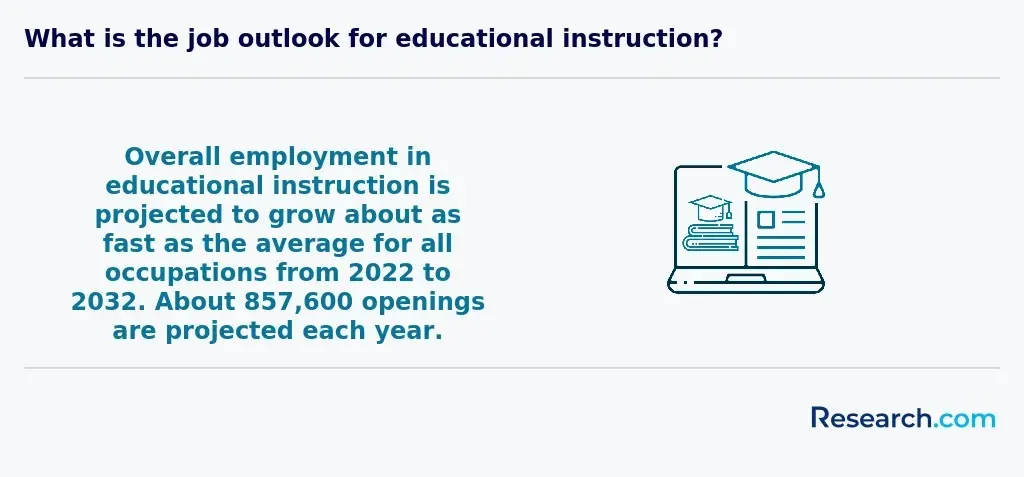
What are effective classroom management strategies and teaching methods for history teachers in Pennsylvania?
High school history classrooms work best when students know the routines, understand why the material matters, and are expected to think actively. The subject can include sensitive topics, political disagreement, complex texts, and emotional historical events, so classroom structure and discussion norms are especially important.
- Set expectations early. Establish routines for entering class, handling materials, discussing controversial topics, submitting work, and participating respectfully.
- Use inquiry-based lessons. Frame lessons around historical questions, not only textbook sections. For example, students can investigate why different groups interpreted the same event differently.
- Mix instruction formats. Combine short lectures, source analysis, maps, timelines, debates, writing tasks, group work, and multimedia resources.
- Teach discussion skills explicitly. Students need practice citing evidence, disagreeing respectfully, asking clarifying questions, and separating historical interpretation from unsupported opinion.
- Use culturally responsive teaching. Include multiple perspectives and connect historical themes to students’ communities without reducing the course to personal opinion.
- Plan for literacy challenges. Many historical documents are difficult. Provide context, vocabulary, guiding questions, excerpts, and modeling before expecting independent analysis.
| Common Classroom Challenge | Better Teaching Response |
| Students see history as memorization | Use document-based questions and debates that require interpretation. |
| Discussions become personal or political | Return to evidence, norms, and historical context. |
| Primary sources are too difficult | Use chunked excerpts, vocabulary supports, and guided questions. |
| Group work becomes unfocused | Assign roles, deliverables, time limits, and accountability checks. |
| Students struggle to connect local and global history | Use Pennsylvania examples as entry points into broader national or world themes. |
What are the career advancement opportunities and specializations for history teachers in Pennsylvania?
History teaching can lead to several career directions beyond the first classroom role. Some teachers deepen their subject specialization, while others move into curriculum leadership, department administration, instructional coaching, policy work, or school leadership.
- Subject specialization: Teachers may focus on American history, world history, civics, government, economics, or broader social studies instruction.
- Department leadership: Experienced teachers may become department chairs, mentor teachers, curriculum leads, or professional learning facilitators.
- School administration: Moving into assistant principal, principal, or district leadership roles usually requires additional preparation and certification, such as Principal Certification.
- Curriculum development: Teachers with strong standards knowledge may help districts design units, select resources, build assessments, or review instructional materials.
- Student support specializations: Credentials in special education, ESL, gifted education, or instructional technology can broaden a teacher’s usefulness and improve support for diverse learners.
-
: "
One Pennsylvania educator described earning Principal Certification as challenging because it required balancing teaching, coursework, and leadership preparation, but the process opened new professional options and strengthened her confidence as an instructional leader.
"
What additional certifications or endorsements can enhance your teaching career in Pennsylvania?
Additional credentials can make a history teacher more flexible and better prepared for diverse classrooms. They do not replace the need for the correct base certification, but they may expand the roles for which you are qualified or improve your competitiveness in certain districts.
| Credential Area | How It Can Help a History Teacher | Best Fit |
| Social studies-related endorsements | Can support broader teaching assignments across history, civics, government, economics, or related subjects. | Teachers who want more scheduling flexibility or a broader content portfolio. |
| English as a Second Language | Helps teachers support students who are developing academic English while learning complex historical content. | Schools with multilingual student populations. |
| Special education | Builds skill in differentiated instruction, accommodations, and inclusive classroom design. | Teachers who want to better serve students with identified learning needs. |
| Instructional technology | Supports effective use of digital archives, learning platforms, multimedia assignments, and online assessment tools. | Teachers interested in blended, online, or technology-rich instruction. |
| Leadership or administration | Prepares teachers for department chair, principal, or school leadership pathways. | Experienced teachers planning to move beyond a classroom-only role. |
| Online teaching credentials | Can strengthen remote teaching, course design, and digital classroom management skills. | Teachers working in virtual, hybrid, or technology-supported programs. |
If you are still at the undergraduate planning stage, comparing a bachelor of education online program with history-focused teacher preparation options can help you decide whether your priority is subject depth, certification alignment, flexibility, or cost.
What are the cost-effective pathways to earning a teaching credential in Pennsylvania?
The cost of becoming a teacher can include tuition, fees, testing, clearances, transportation to field placements, lost wages during student teaching, textbooks, and technology. The student teaching term can be especially difficult because candidates may have limited time for paid work. Pennsylvania’s student teacher stipend program can help eligible candidates reduce that burden.
Cost-conscious candidates should compare programs based on total cost, not tuition alone. A cheaper program that does not lead to Pennsylvania certification can cost more in the long run if you need extra coursework or a second program later.
| Cost-Saving Strategy | Why It Helps | What to Verify |
| Choose a Pennsylvania-approved program | A program aligned with state requirements can reduce the risk of paying for non-applicable credits. | Confirm approval for the correct certificate area before enrolling. |
| Compare online and hybrid options | Online coursework may reduce commuting and scheduling costs. | Make sure student teaching and field placements are available in appropriate Pennsylvania settings. |
| Use transfer credits carefully | Accepted credits can shorten time to completion. | Ask which credits apply to teacher preparation requirements, not just general graduation requirements. |
| Apply for scholarships and grants | Education majors may qualify for institutional, state, or private aid. | Check eligibility, deadlines, and whether funds apply during student teaching. |
| Use the student teacher stipend if eligible | The state began paying student teachers a $10,000 stipend this year, with an extra $5,000 for those in in-demand areas. | Review current eligibility rules, application deadlines, and high-demand area definitions. |
| Compare low-cost credential pathways | Some pathways may meet certification requirements at a lower total price. | Use resources such as affordable online teaching credential programs in Pennsylvania as a starting point, then verify all requirements with PDE and the school. |
What legal and ethical considerations must history teachers follow in Pennsylvania?
History teachers have legal and ethical responsibilities that affect certification, classroom practice, student safety, and professional conduct. These responsibilities are not optional; they are part of working with minors and representing a public trust.
Legal responsibilities
- Maintain proper certification. Teachers must hold the appropriate Pennsylvania teaching certificate for their assignment.
- Complete required background checks. Prospective educators must satisfy clearances, including child abuse clearance and criminal history checks.
- Follow mandated reporting duties. Educators are required to report suspected child abuse or neglect under Pennsylvania law.
- Protect student privacy. Teachers must handle grades, records, and student information professionally and lawfully.
Ethical responsibilities
- Teach history accurately. Students deserve instruction grounded in evidence, context, and fair representation of historical complexity.
- Handle controversial issues carefully. Sensitive topics should be taught through evidence, structured discussion, and respect for multiple perspectives.
- Create an inclusive classroom. Students should see that different communities, experiences, and viewpoints can be studied seriously and respectfully.
- Model professional conduct. Teachers should maintain appropriate boundaries, communicate respectfully, and avoid using the classroom for personal agendas.
Teachers in private schools should also understand how requirements may differ by school type. A related overview of private school teaching in Pennsylvania can help candidates compare expectations across settings.
The chart below compares student-to-teacher ratios across public and private school settings.
How can history teachers in Pennsylvania address cultural and socio-economic diversity in their classrooms?
History classrooms include students with different identities, family histories, languages, economic circumstances, and prior academic preparation. A culturally responsive history teacher does not add diversity as a separate unit and then move on. Instead, the teacher regularly includes multiple perspectives, carefully chosen sources, accessible reading supports, and structured discussion routines that let students examine history with intellectual seriousness.
- Use sources from different communities, including local archives, oral histories, newspapers, maps, and photographs.
- Connect national and global events to Pennsylvania communities when appropriate.
- Avoid assuming students have the same background knowledge, home resources, or political viewpoints.
- Teach students how to disagree with evidence and respect rather than accusation.
- Use differentiated supports so students can access complex texts without lowering expectations.
How can dual certification in history and special education expand teaching effectiveness in Pennsylvania?
Dual preparation in history and special education can make a teacher more effective in inclusive classrooms. History classes often require advanced reading, abstract thinking, writing, and discussion. Special education training can help teachers design accommodations, scaffold primary source analysis, use explicit vocabulary instruction, and collaborate with IEP teams.
Candidates interested in this broader pathway can compare the requirements for becoming a special education teacher in Pennsylvania with secondary history certification expectations. This comparison is especially useful for candidates who want to work in schools where inclusive education and co-teaching are common.
How can interdisciplinary skills from journalism enhance history teaching in Pennsylvania?
Journalism skills fit naturally with history teaching because both fields depend on questioning, sourcing, verification, context, and clear communication. A history teacher who uses journalistic methods can help students distinguish evidence from assertion, evaluate source credibility, and tell historically accurate stories using documents, interviews, timelines, and multimedia.
For students or teachers interested in that connection, exploring whether journalism is a good major can provide useful perspective on research, writing, editing, media literacy, and public communication skills that also support history instruction.
Can insights from early childhood education benefit high school history teachers in Pennsylvania?
High school teachers can learn from early childhood education even though the age group is very different. Clear routines, modeling, storytelling, visual supports, formative feedback, and curiosity-driven learning are not only useful for young children. They also help teenagers engage with difficult historical material.
Looking at preschool teacher assistant requirements in Pennsylvania can give future high school teachers a different perspective on developmental support, classroom observation, and the importance of building learning environments where students feel safe enough to participate.
What role does mentorship and professional networking play in advancing your history teaching career in Pennsylvania?
Mentorship can shorten the learning curve for new history teachers. Experienced educators can help with lesson pacing, parent communication, grading load, classroom routines, difficult discussions, and the transition from student teaching to full responsibility. Networking also helps candidates learn about district openings, school culture, curriculum expectations, and professional development opportunities.
- Ask your student teaching mentor for feedback on specific skills, not only general impressions.
- Join district or regional professional learning communities when available.
- Attend history, civics, social studies, or teacher education workshops.
- Build relationships with librarians, special educators, ESL teachers, and instructional coaches.
- Keep a portfolio of lesson plans, assessments, student work samples where permitted, and observation feedback.
Teachers who want to compare mentoring and early-career pathways across grade levels may also review how to become a kindergarten teacher in Pennsylvania.
How can interdisciplinary collaboration, including insights from librarians, benefit history teachers in Pennsylvania?
Librarians can be valuable partners for history teachers. They can help locate primary sources, teach research skills, guide students in database use, support citation practices, and curate digital or local history collections. Collaboration is especially useful for document-based assignments, National History Day-style projects, local history research, and media literacy lessons.
Teachers who want to understand this skill set more deeply can explore how to become a librarian in Pennsylvania and consider how library science practices can improve historical research assignments.
How can history teachers effectively assess student learning outcomes in Pennsylvania?
Strong history assessment measures both content knowledge and historical thinking. A student may remember an event but still struggle to explain causation, evaluate evidence, or compare interpretations. Pennsylvania history teachers should use a mix of formative and summative assessments to understand what students know and how they reason.
| Assessment Type | What It Measures | Example |
| Exit ticket | Quick understanding of the day’s lesson | Students identify one cause and one effect of a historical event. |
| Document analysis | Source interpretation and evidence use | Students analyze a speech, letter, newspaper article, or image. |
| Reflective writing | Historical connection and metacognition | Students explain how their interpretation changed after reviewing new evidence. |
| Project-based learning | Research, synthesis, and presentation skills | Students create a local history exhibit using primary and secondary sources. |
| Essay or document-based question | Argumentation and evidence-based writing | Students write a claim supported by multiple historical sources. |
| Creative assessment | Interpretation, communication, and engagement | Teachers seeking creative evaluation ideas may find useful parallels in art teacher pathways in Pennsylvania. |
What are the different teacher certification types and requirements in Pennsylvania?
Pennsylvania offers multiple certification pathways depending on a candidate’s preparation, career stage, and subject area. Traditional candidates usually complete an approved college-based teacher preparation program, pass required exams, complete student teaching, and apply for certification. Career changers may need alternative preparation options, depending on their background and the availability of approved routes.
The Instructional I certificate is the initial credential for new teachers and is valid for six years. The Instructional II certificate is a permanent credential earned after additional requirements are met. Specialized certifications or endorsements can expand a teacher’s scope, especially in areas such as special education, ESL, or instructional technology. For a broader overview, review Pennsylvania teacher certification types and requirements.
How can history teachers in Pennsylvania incorporate local history into their curriculum?
Local history helps students see that history did not happen only in textbooks or distant capitals. Pennsylvania offers rich opportunities to connect classroom lessons to communities, historical landmarks, archives, industry, immigration, civil rights, military history, and civic life.
- Use nearby historical sites. Field trips or virtual tours to places such as Independence Hall or Gettysburg can help students connect physical places to historical questions.
- Invite community experts. Local historians, museum staff, archivists, veterans, civic leaders, and elders can add context to classroom study.
- Analyze Pennsylvania primary sources. Letters, photographs, newspapers, maps, diaries, and public records can help students practice evidence-based interpretation.
- Assign community research projects. Students can study their town’s role in industrial development, migration, labor history, civil rights, or local government.
- Connect art and literature to history. Pennsylvania writers and artists can help students understand how historical events shaped culture and identity.
The goal is not to replace U.S. or world history with local stories. The stronger approach is to use local examples as evidence that broader historical forces affected real people and communities.
What is the best way to learn about the path to becoming a history teacher in Pennsylvania?
The best way to plan your path is to compare official requirements, approved program information, and career guidance before enrolling in any degree or certification program. Start by identifying the certificate area you want, then work backward: degree, preparation program, student teaching, exams, clearances, application, and job search.
A focused guide on how to become a high school history teacher in Pennsylvania can help you organize the process, but you should still verify program approval and testing requirements with PDE and the institution you plan to attend.
How to choose the right online history degree for future history teachers in Pennsylvania
An online history degree can be a flexible option for future teachers, but not every online history program leads to certification. This is the most important distinction. A program can be accredited, academically legitimate, and useful for many careers while still not satisfying Pennsylvania teacher preparation requirements.
| Selection Factor | Why It Matters | Question to Ask |
| Accreditation | Accreditation affects degree credibility, transfer credit, and often financial aid eligibility. | Is the institution accredited by a recognized accreditor? |
| Pennsylvania certification alignment | Teacher certification requires more than history coursework. | Does this program lead to Pennsylvania secondary history or social studies certification? |
| Teacher preparation component | You need pedagogy, fieldwork, and student teaching. | Are education courses and supervised placements included? |
| Student teaching placement | Online coursework still requires real classroom practice. | How are Pennsylvania placements arranged, supervised, and evaluated? |
| Curriculum breadth | High school teachers need preparation across U.S. history, world history, civics, and historical analysis. | Does the curriculum prepare me for the required subject-area assessment? |
| Cost and aid | Total cost includes fees, exams, clearances, books, and unpaid placement time. | What is the full estimated cost, and what aid is available during student teaching? |
| Format and flexibility | Online, asynchronous, hybrid, and synchronous formats fit different schedules. | Can I complete coursework while meeting field placement expectations? |
How can comparative certification insights elevate your teaching career?
Comparing certification requirements across subject areas can help future teachers understand which steps are universal and which are subject-specific. For example, comparing social studies preparation with high school math teacher requirements in Pennsylvania can clarify how testing, pedagogy, student teaching, and content knowledge expectations differ by discipline.
This comparison is useful if you are considering dual certification, interdisciplinary teaching, or long-term advancement into curriculum leadership.
How can digital tools and online resources enhance history instruction in Pennsylvania?
Digital tools can strengthen history instruction when they are used to deepen inquiry rather than decorate a lesson. Online archives, interactive timelines, digital maps, virtual museum tours, learning management systems, and multimedia presentations can help students examine sources and see historical connections more clearly.
- Use digital archives to give students access to primary documents beyond the textbook.
- Use interactive timelines and maps to show change over time and geographic patterns.
- Use virtual tours when travel to museums or historic sites is not possible.
- Use digital quizzes and polls for quick formative assessment.
- Teach students how to evaluate online source credibility, authorship, bias, and context.
Teachers interested in curating digital historical materials may find relevant skills in an affordable online library science degree, especially around archives, databases, metadata, and information organization.
What graduates say about becoming a high school history teacher in Pennsylvania
-
: "
Teaching history in Pennsylvania lets me help students understand the places and people that shaped their own communities. When they connect figures like Ben Franklin to the world around them, the subject becomes real. — Seth
"
-
: "
I grew up in a small town, so I know how powerful local history can be. In my classroom, community stories help students see that history is not distant or abstract. — Mike
"
-
: "
Becoming a Pennsylvania history teacher has been deeply meaningful. The best moments happen when students debate events thoughtfully and connect the past to current issues. — Eve
"
Related Articles for Nearby States
- 2027 How to Become a High School History Teacher in New Jersey: Requirements & Certification
- 2027 How to Become a High School History Teacher in Delaware: Requirements & Certification
- 2027 How to Become a High School History Teacher in Maryland: Requirements & Certification
- 2027 How to Become a High School History Teacher in New York: Requirements & Certification
- 2027 How to Become a High School History Teacher in West Virginia: Requirements & Certification
- 2027 How to Become a High School History Teacher in Ohio: Requirements & Certification
- 2027 How to Become a High School History Teacher in Virginia: Requirements & Certification
- 2027 How to Become a High School History Teacher in Connecticut: Requirements & Certification
- 2027 How to Become a High School History Teacher in Rhode Island: Requirements & Certification
- 2027 How to Become a High School History Teacher in Massachusetts: Requirements & Certification
References
- altoona.psu.edu. (n.d.). Careers for History Majors. altoona.psu.edu.
- portal.hsp.org. (n.d.). Watch Now: HSP on the Tamron Hall Show. portal.hsp.org.
- pspc.education.pa.gov. (n.d.). Information for Educators. pspc.education.pa.gov.
- stateboard.education.pa.gov. (18 Jul 2002). A. Contributions of Individuals and Groups B. Documents, Artifacts and Historical Places C. Influences of Continuity and Change D. Conflict and Cooperation Among Groups. stateboard.education.pa.gov.
Key Insights
- Certification alignment is the most important program requirement. A history degree alone may not qualify you to teach in Pennsylvania public schools unless it includes or connects to an approved teacher preparation pathway.
- The usual path includes a bachelor’s degree, approved preparation, student teaching, exams, clearances, and a TIMS application. Candidates should verify current test requirements with PDE and their program before registering.
- Student teaching is both a requirement and a career test. It helps you build classroom confidence, references, lesson materials, and a realistic view of the profession.
- Costs go beyond tuition. Testing, clearances, transportation, materials, and reduced work hours during student teaching matter. Pennsylvania’s $10,000 student teacher stipend, plus an extra $5,000 for in-demand areas, can help eligible candidates.
- History teachers need strong discussion, literacy, and evidence-based instruction skills. The best classrooms teach students how to analyze sources, compare perspectives, and support claims.
- Additional credentials can improve flexibility. Special education, ESL, instructional technology, and leadership preparation may expand opportunities, especially in districts with diverse student needs.
- Do not choose a program based only on rankings, convenience, or low tuition. Ask whether it is accredited, Pennsylvania-approved, aligned with the correct certificate, and able to place you in supervised student teaching.
Other Things You Should Know About Becoming a High School History Teacher in Pennsylvania
Pennsylvania history teacher candidates must pass the Praxis Subject Assessments required for Social Studies, usually the 5081 exam for content knowledge. The Pennsylvania Department of Education also requires a basic skills path and a state-approved preparation program before recommending certification.
In 2027, prospective high school history teachers in Pennsylvania must complete a student teaching experience of at least 12 weeks. This hands-on practice is typically part of an approved teacher preparation program and is supervised by a certified teacher in a public school setting.
To become a high school history teacher in Pennsylvania in 2027, you must earn a bachelor's degree with a history major, complete a teacher preparation program, and pass the Praxis exams. Additionally, obtaining certification from the Pennsylvania Department of Education is required.









