2027 Cheapest Way to Get a Teaching Credential in Pennsylvania: Requirements & Certification

Co-Founder and Chief Data Scientist
The cheapest way to get a teaching credential in Pennsylvania depends on what you already have: no degree, a bachelor’s degree in another field, an out-of-state certificate, or international credentials. The lowest-cost route is usually not the same for everyone. A high school graduate may save money by starting at a community college and transferring into a Pennsylvania-approved bachelor’s program, while a career changer may spend less by using an alternative certification pathway that lets them work while completing requirements.
This guide explains how Pennsylvania teacher certification works, which routes tend to reduce costs, what fees to budget for, how online and alternative programs compare, and what mistakes can make an “affordable” program more expensive later. It is written for first-time college students, recent graduates, substitute teachers, paraprofessionals, career changers, out-of-state educators, and internationally educated applicants who want a practical path into Pennsylvania classrooms without taking on unnecessary debt.
Quick answer: What is the cheapest way to become a teacher in Pennsylvania?
For most candidates, the most affordable route is to choose a Pennsylvania Department of Education-approved program that matches your current education level, use transfer credits when possible, avoid unnecessary add-ons, prepare for required exams with free or low-cost resources, and apply for financial aid before enrolling. If you already have a bachelor’s degree, an alternative certification or teacher intern pathway may be cheaper and faster than earning a second bachelor’s degree. If you do not yet have a degree, completing lower-cost general education credits before transferring into an approved teacher preparation program can reduce total tuition.
Key things to know before choosing a low-cost Pennsylvania teaching credential pathway
- Program approval matters more than sticker price: A low tuition program is only useful if it meets Pennsylvania certification requirements for the grade level and subject you want to teach.
- In-state preparation can reduce certification application fees: Candidates who complete a Pennsylvania-approved educator preparation program pay a $200 application fee, while applicants prepared outside Pennsylvania pay $260.
- Alternative certification can be cost-effective for degree holders: If you already have a bachelor’s degree in a non-education field, a teacher intern or other alternative pathway may help you avoid repeating undergraduate coursework.
- Private and religious schools may have different hiring rules: Some religious schools may hire teachers without formal state certification, but this does not replace a Pennsylvania public school teaching certificate.
- Online programs can save indirect costs: Online and hybrid formats may reduce commuting and relocation expenses, but fieldwork and student teaching still need to meet state expectations.
- Budget for required extras: Exams, background checks, fingerprinting, endorsements, instructional add-ons, and certification applications can add to the total cost.
- Renewal and advancement requirements continue after certification: Act 48 credits, Level II requirements, and post-baccalaureate coursework should be part of your long-term cost plan.
- How much does it cost to become a teacher in Pennsylvania?
- Can a foreigner get a Pennsylvania teaching license?
- Can I get my teaching credential online in Pennsylvania?
- Can I teach in Pennsylvania with an out of state credential?
- How many years do you have to teach in Pennsylvania to retire?
- What happens if my Pennsylvania teaching credential expires?
- How many units is a Pennsylvania teaching credential?
- How much do teachers in Pennsylvania make?
- What is the job outlook of teachers in Pennsylvania?
- What is the career path of a teacher in Pennsylvania?
- What are some alternative teaching credential pathways in Pennsylvania?
- What other careers in education are available in Pennsylvania?
- How can I become a preschool teacher cost-effectively in Pennsylvania?
- Can advanced leadership education boost teachers' careers in Pennsylvania?
- How can I verify the accreditation and quality of affordable teaching credential programs in Pennsylvania?
- How can I assess the quality of an affordable teaching credential program in Pennsylvania?
- What financial assistance options are available for aspiring teachers in Pennsylvania?
- What are the long-term career prospects and benefits for teachers in Pennsylvania?
- How to minimize costs during the teaching credential process in Pennsylvania?
- Does affordability compromise the quality of teaching credential programs in Pennsylvania?
- Are subject-specific certification requirements adequately addressed in affordable programs?
- What are common pitfalls to consider in affordable teaching credential programs in Pennsylvania?
- What are the long-term career impacts of choosing affordable teaching credential programs in Pennsylvania?
- How Do Recent Policy Changes Affect Affordable Teaching Credential Programs in Pennsylvania?
How much does it cost to become a teacher in Pennsylvania?
The total cost of becoming a teacher in Pennsylvania includes tuition, certification fees, testing fees, background checks, materials, transportation, and any unpaid fieldwork time. Tuition is usually the largest cost, but smaller required fees can still affect your budget if you do not plan for them early.
Pennsylvania certification application fees vary by preparation route. If you finish a Pennsylvania-approved educator preparation program, the application fee is $200. If your preparation was completed outside the state, the fee is $260. That difference is one reason many Pennsylvania residents start by checking in-state approved programs before comparing out-of-state or online options.
| Cost item | Amount stated for Pennsylvania applicants | How to think about it |
| Initial application through a Pennsylvania-approved program | $200 | Often the lower application-fee option for candidates who complete approved preparation in Pennsylvania. |
| Application for candidates prepared outside Pennsylvania | $260 | Applies to applicants whose educator preparation was completed outside the state. |
| Endorsements | $100 | Use only when the endorsement supports your career goal or district hiring needs. |
| Instructional Add-Ons | $200 | Can broaden eligibility, but should not be purchased without confirming value for your subject area. |
| Emergency Permits | $5 | A low-cost temporary option when a school has a staffing need, not a substitute for full certification. |
| Level II Certification | $200 | Part of the long-term certification path after initial teaching experience and additional requirements. |
These fees are non-refundable, so it is important to confirm that you are applying for the correct certificate, subject area, and grade band before submitting payment. The cheapest path is not simply the program with the lowest tuition; it is the path that gets you to the correct credential without repeated coursework, failed exams, transfer-credit losses, or avoidable add-ons.
Lower-cost routes by applicant type
| Your starting point | Likely lower-cost strategy | What to verify before enrolling |
| No bachelor’s degree yet | Complete affordable transferable coursework first, then enter a Pennsylvania-approved bachelor’s teacher preparation program. | Transfer policies, field placement requirements, certification area, and total credits needed. |
| Bachelor’s degree in another field | Compare alternative certification and teacher intern options before pursuing another full bachelor’s degree. | Subject eligibility, required exams, supervised teaching requirements, and program approval. |
| Out-of-state certified teacher | Apply through Pennsylvania’s out-of-state credential process if your background fits the requirements. | Whether your certificate is active, whether experience requirements apply, and whether additional documentation is needed. |
| Internationally educated applicant | Start with credential evaluation and Pennsylvania-specific certification review before paying for coursework. | Degree equivalency, English language expectations, citizenship or residency requirements, and approved program needs. |
| Already working in a school | Ask about district partnerships, tuition help, substitute teaching, paraprofessional pathways, or emergency permits. | Whether the role leads to full certification and whether credits count toward state requirements. |
Applicants comparing teacher preparation options in multiple states may also want to review teaching certification in South Carolina requirements to see how Pennsylvania’s process differs from another state’s requirements.
Can a foreigner get a Pennsylvania teaching license?
Yes. A person educated outside the United States may be able to earn Pennsylvania teacher certification, but the process usually requires extra documentation. The most important first step is to determine whether your foreign degree is considered equivalent to a U.S. bachelor’s degree and whether your academic background matches the Pennsylvania certification area you want to pursue.
International applicants should not start by paying for a full program without first reviewing credential evaluation, citizenship or residency rules, testing requirements, and any English language expectations. Careful sequencing can prevent unnecessary tuition costs and delays.
- Confirm degree equivalency: Pennsylvania will need evidence that your academic preparation is comparable to a U.S. bachelor’s degree. This usually requires a credential evaluation from an accepted evaluation agency.
- Identify the correct certification area: Your previous major, coursework, and teaching experience should be matched to the Pennsylvania grade level and subject you plan to teach.
- Choose a certification program only after review: If you need additional preparation, look for a program that satisfies Pennsylvania standards and offers a realistic plan for fieldwork, testing, and documentation.
- Plan for required assessments: Pennsylvania certification assessments may be required. Free and low-cost study tools can reduce exam-preparation expenses.
- Address English language requirements if applicable: Applicants from non-English-speaking backgrounds may need to demonstrate English proficiency. The American Council for the Teaching of Foreign Languages is one testing source mentioned for this purpose.
- Review citizenship criteria early: Permanent residents may need to file a Declaration of Intent to Become a Citizen. Understanding this requirement in advance can reduce processing problems.
Internationally trained educators who are open to related roles may also explore special education technician jobs, especially if they want school-based experience while working toward full teaching certification.
Can I get my teaching credential online in Pennsylvania?
Yes, parts of the Pennsylvania teacher certification pathway can be completed online, and some approved teacher preparation programs use online or hybrid coursework. However, teacher certification is not fully “online-only” in the way some non-licensure degrees are. Field experiences, classroom observations, student teaching, and background checks still need to satisfy Pennsylvania requirements.
Online programs can be a strong cost-control strategy when they are properly approved and designed for Pennsylvania certification. They may reduce commuting costs, allow you to keep working, and make it easier to study without relocating. The risk is choosing a low-cost online program that does not lead to the certificate you need.
| Online credential factor | Why it matters for cost | Question to ask the program |
| Program approval | An unapproved program can force you to pay for additional coursework later. | Is this program approved for Pennsylvania teacher certification in my exact subject and grade level? |
| Field placement support | Delays in placement can extend your timeline and increase living costs. | Will the program help arrange fieldwork near my location? |
| Exam preparation | Repeated testing increases total cost. | What Praxis or Pennsylvania-specific exam support is included? |
| Transfer credit policy | Accepted credits can reduce tuition; rejected credits can make the program more expensive. | How many of my previous credits will apply before I enroll? |
| Schedule flexibility | Flexible formats can help you keep income while studying. | Can I complete coursework part-time, and how are student teaching obligations scheduled? |
Certification exams are another cost to budget for. Pennsylvania candidates may need to take Praxis assessments, and exam fees typically range from $90 to $209. Before paying for commercial prep, start with official exam outlines, library materials, study groups, and free practice resources.
If you are comparing online education programs, Research.com’s guide to online education bachelor's affordable options can help you understand what to look for in a flexible bachelor’s route.
Can I teach in Pennsylvania with an out of state credential?
Possibly. Pennsylvania has pathways for educators who completed preparation or earned certification in another state, but eligibility depends on the type of credential, whether it is valid, your teaching experience, your preparation program, and how your subject area aligns with Pennsylvania requirements.
- Valid professional certificate plus experience: If you hold a valid professional teaching certificate from another state and have at least two years of successful teaching experience in relevant instructional, educational specialist, or supervisory roles, you may qualify for Pennsylvania certification.
- Out-of-state educator preparation: Completing an approved teacher preparation program outside Pennsylvania may support your application, but an inactive out-of-state credential can create extra steps.
- National credentials: Certification from recognized national organizations, including the National Board for Professional Teaching Standards, may help demonstrate professional preparation that aligns with Pennsylvania expectations.
- International preparation: Educators trained outside the United States may need additional documentation, credential evaluation, and Pennsylvania-specific review.
The affordable strategy is to apply through the route that recognizes your existing preparation instead of starting over. Before enrolling in any additional coursework, compare your credentials with Pennsylvania Department of Education requirements and ask whether you truly need a new program, a few missing requirements, or only documentation.
If you discover that you need additional preparation, compare online education degrees with low tuition and confirm that any program you consider supports Pennsylvania certification rather than only general education study.
How many years do you have to teach in Pennsylvania to retire?
There is no single “years taught” answer that applies to every Pennsylvania teacher. Retirement eligibility through Pennsylvania’s public school retirement system depends on the rules that apply to the member, including service, age, employment category, and plan provisions. Teachers should review their own status through the Public School Employees’ Retirement System rather than relying on a general estimate.
From a cost-planning perspective, retirement matters because teacher preparation is a long-term investment. A lower-cost credential pathway can improve your return on investment, but you should also consider salary growth, benefits, pension rules, and whether you plan to remain in Pennsylvania schools for the long term.
How to connect certification choices with long-term retirement planning
- Choose the right certificate area: Entering a field where you are likely to stay can make your credential investment more valuable.
- Understand your district benefits: Salary schedules, health coverage, and retirement participation can vary by employer and role.
- Keep records of service: Save employment, certification, and professional development records so you can resolve questions later.
- Avoid unnecessary debt: Student loan payments can reduce the value of future salary and benefits, especially early in your career.
- Review official retirement guidance: Use PSERS resources when making decisions about timing, service, and retirement eligibility.
Teachers who plan to pursue graduate preparation after initial certification can compare most affordable online teaching master's options to evaluate whether an advanced degree fits their district salary schedule and career goals.
What happens if my Pennsylvania teaching credential expires?
If your Pennsylvania teaching credential becomes inactive or expires, you may need to complete reactivation steps before returning to a certified teaching role. The requirements can include continuing education documentation, updated employment verification, application updates through TIMS, and a reactivation fee.
- Act 48 credits may be required: Pennsylvania educators often need to complete continuing education to maintain or reactivate certification. Free or employer-supported professional development can help control costs.
- Out-of-state certification may help in some cases: If you hold an active certificate in another state, you may have a clearer reactivation path, but you may need to verify employment within the last two years.
- The reactivation fee is $75: This is a specific cost to budget for if your credential must be reactivated.
- TIMS is the main system: Reactivation is handled through the Teacher Information Management System, where educators update certificate information and answer required professional conduct questions.
- Documentation affects processing: Forms such as the PDE 338V may be needed to verify work experience, and missing documents can slow the process.
The cheapest way to handle an expired credential is to prevent expiration whenever possible. Track Act 48 progress, save professional development certificates, and check your TIMS record regularly. If your credential has already lapsed, complete the least expensive approved continuing education options first before paying for coursework you may not need.
How many units is a Pennsylvania teaching credential?
Pennsylvania teacher certification is not measured by a single universal “unit” count the way a short certificate program might be. For most initial certification candidates, the foundation is a bachelor’s degree, which usually includes around 120 credit units. The degree must include the educator preparation, subject training, field experiences, and assessments required for the certification area.
After earning Level I certification, Pennsylvania teachers who move to Level II must complete additional requirements. The Level II pathway includes 24 post-baccalaureate credits after three to six years of satisfactory teaching experience. Those credits must include at least six credits in the teacher’s certification area or in coursework that improves professional practice. Educators must also participate in a Pennsylvania Department of Education induction program verified by the school’s chief administrator.
| Credential stage | Credit or experience requirement stated | Cost-control tip |
| Initial preparation | Bachelor’s degree, usually around 120 credit units | Maximize accepted transfer credits and avoid changing majors late. |
| Level I certification | Completion of approved preparation and required certification steps | Choose a program aligned with your exact certification area. |
| Level II certification | 24 post-baccalaureate credits after three to six years of satisfactory teaching experience | Use district-approved, employer-supported, or lower-cost graduate coursework when available. |
| Required specialization within Level II credits | At least six credits tied to the certification area or improved professional practice | Choose credits that also support salary advancement or future leadership goals. |
| Induction | Participation in a PDE induction program verified by the chief administrator | Confirm district support so you do not pay for unnecessary outside alternatives. |
Because post-baccalaureate credits can vary widely in price, teachers should compare public institutions, online formats, district partnerships, and tuition reimbursement options before enrolling.
How much do teachers in Pennsylvania make?
Teacher pay in Pennsylvania varies by district, role, years of experience, education level, contract, and location. The salary numbers below should be treated as broad planning figures rather than guaranteed outcomes for any individual teacher.
According to the salary information provided, the average salary for a teacher in Pennsylvania is approximately $60,000 per year. Entry-level teachers can expect to earn around $45,000, while experienced teachers and those with advanced degrees may earn upwards of $80,000 annually.
| Career stage | Salary figure stated | What can influence the actual amount |
| Entry-level teacher | Around $45,000 | District pay scale, certification area, local contract, and prior relevant experience. |
| Average teacher salary | Approximately $60,000 per year | Location, years of service, school type, and education level. |
| More experienced or advanced-degree teacher | Upwards of $80,000 annually | Graduate credits, leadership roles, subject shortage areas, and district compensation policies. |
When evaluating whether a credential pathway is worth the cost, compare total program expenses with likely starting salary, loan payments, time out of the workforce, and whether the credential leads to the role you actually want. A cheaper program that delays certification or lacks placement support can be more expensive in the long run.
What is the job outlook of teachers in Pennsylvania?
The employment outlook for teachers in Pennsylvania depends on subject, grade level, region, retirements, student enrollment, and district budgets. For middle school teachers, excluding special and career/technical education, the available projection shows growth from around 22,000 in 2020 to approximately 23,140 by 2030. That equals about 5% growth over the decade.
The same forecast points to around 1,710 job openings each year in Pennsylvania for this middle school teacher category. Openings can come from employment growth, retirements, and teachers leaving the occupation or moving into other roles.
Nationally, the growth rate for teachers is projected at a modest 1% from 2022 to 2032, while the Pennsylvania figure cited here is 5% for the stated middle school category. This does not mean every certification area will have equal demand. Special education, STEM, world languages, early childhood, rural districts, urban districts, and high-need schools may have different hiring conditions.
How to use job outlook when choosing a low-cost program
- Do not choose solely by interest: Interest matters, but you should also research district openings in your intended certification area.
- Check regional demand: A subject in demand in one county may be more competitive in another.
- Ask programs about placement outcomes: Low tuition is less valuable if graduates struggle to secure teaching roles.
- Consider shortage-aligned credentials carefully: High-need areas can improve job prospects, but only if you are prepared to teach that population or subject well.
What is the career path of a teacher in Pennsylvania?
A Pennsylvania teacher’s career usually begins with initial certification, entry-level classroom teaching, induction, and the transition from Level I to Level II certification. Over time, teachers may remain in classroom roles, specialize in a subject or student population, mentor new teachers, move into curriculum work, or pursue leadership and administrative positions.
| Career stage | Typical focus | Cost and credential considerations |
| Pre-certification | Degree completion, field experiences, exams, and background checks | Choose approved preparation and avoid credits that will not transfer. |
| Initial classroom role | Lesson planning, classroom management, assessment, and family communication | Use district induction and mentoring to strengthen practice without paying for unnecessary outside training. |
| Level I to Level II | Professional growth, post-baccalaureate credits, and satisfactory teaching experience | Select credits that count toward Level II and may support salary movement. |
| Experienced teacher | Mentoring, department work, curriculum design, and instructional leadership | Consider graduate study only when it supports pay, leadership, or specialization goals. |
| Leadership or specialist path | Administration, policy, coaching, special services, or district-level roles | Confirm whether additional certification, licensure, or graduate education is required. |
Affordable preparation can support a strong career path if it includes real classroom experience, effective mentoring, exam preparation, and a clear route to Pennsylvania certification. Cutting costs should not mean choosing a program with weak field placements or limited support.
What are some alternative teaching credential pathways in Pennsylvania?
Alternative pathways are designed for candidates who do not follow the traditional undergraduate education major route. They can be especially useful for career changers, bachelor’s degree holders in shortage subjects, paraprofessionals, substitute teachers, and school employees who want a more direct route into the classroom.
Pennsylvania Teacher Intern Certification Program
The Pennsylvania Teacher Intern Certification Program can allow eligible bachelor’s degree holders to teach in their area while completing certification requirements. Because candidates may earn income while completing preparation, this route can reduce opportunity costs compared with leaving work to complete a full-time program.
Emergency permits
Emergency permits allow schools with staffing needs to place individuals in classrooms temporarily. The permit fee listed above is $5, making the application cost low. However, an emergency permit is not the same as full certification, so candidates should use it as a bridge to a complete credential plan rather than as a long-term substitute for licensure.
Residency-style preparation
Residency programs combine coursework, supervised practice, and close work with mentor teachers. They may be attractive for candidates who want strong classroom preparation and structured support. When comparing residencies, ask whether tuition support, stipends, or district commitments are available and whether the program leads directly to the certification area you need.
Private and religious school employment
Some private or religious schools in Pennsylvania may hire teachers without requiring the same state certification expected in public schools. This can provide teaching experience and income, but it may not qualify you for public school positions unless you later complete Pennsylvania certification. Candidates interested in this route can review private school teacher requirements in Pennsylvania.
What other careers in education are available in Pennsylvania?
Teaching is not the only education career available in Pennsylvania. Some students discover that they prefer assessment, therapy, administration, advising, training, or student support rather than full-time classroom teaching. Exploring adjacent roles can prevent spending money on a credential that does not match your strengths.
One example is speech-language pathology, a school- and healthcare-related career that supports people with communication disorders. The pathway is different from teacher certification and includes graduate preparation, clinical experience, and passing the Praxis exam in speech-language pathology. If this direction interests you, review the steps for an SLP license in Pennsylvania.
How can I become a preschool teacher cost-effectively in Pennsylvania?
Prospective preschool teachers should focus on early childhood programs that combine required coursework with supervised field experience in settings that match Pennsylvania expectations. A cost-effective route may include online coursework, local practicum placements, transferable credits, and financial aid aimed at early childhood education students.
Before enrolling, confirm whether the program prepares you for the type of preschool setting where you want to work. Public pre-K, private preschool, childcare centers, and specialized early learning programs can have different hiring expectations. For a focused breakdown, see how to become a preschool teacher in Pennsylvania.
Can advanced leadership education boost teachers' careers in Pennsylvania?
Advanced leadership education can help experienced teachers move beyond classroom instruction into roles involving school improvement, staff development, curriculum leadership, administration, policy, or organizational change. It is not necessary for every teacher, and it should not be pursued only because a program is available or affordable.
Before paying for advanced study, ask whether it will help you qualify for a higher salary lane, a leadership credential, a district role, or a career move that you genuinely want. Teachers considering doctoral-level leadership study can compare options such as an online PhD organizational leadership program to see whether the investment fits their goals.
How can I verify the accreditation and quality of affordable teaching credential programs in Pennsylvania?
Start by confirming that the institution is properly accredited and that the specific teacher preparation program is recognized for Pennsylvania certification. Institutional accreditation alone is not enough if the program does not prepare candidates for the certificate area they need.
- Check Pennsylvania Department of Education approval: Verify that the program is approved for your intended grade level and subject.
- Confirm institutional accreditation: Make sure the college or university has recognized accreditation and is in good standing.
- Ask about certification outcomes: Request information on completion, exam preparation, and graduate employment support.
- Review field placement procedures: Strong programs should explain how classroom experiences are arranged and supervised.
- Compare support services: Advising, tutoring, exam preparation, and career services can affect whether you finish on time.
Subject-specific candidates should also review requirements for their field. For example, prospective social studies educators may want to examine how to become a history teacher in Pennsylvania before choosing an affordable program.
How can I assess the quality of an affordable teaching credential program in Pennsylvania?
An affordable teacher preparation program should still provide rigorous coursework, supervised classroom practice, qualified faculty, exam support, and clear certification advising. Low tuition is an advantage only if the program helps you become eligible, competent, and employable.
| Quality indicator | Why it matters | Warning sign |
| Clear certification alignment | You need a program that leads to the exact Pennsylvania credential you want. | The program describes “education careers” but cannot confirm certification eligibility. |
| Strong advising | Certification errors can add semesters and fees. | You cannot get a written plan showing required courses and exams. |
| Field placement support | Teaching skill develops through supervised classroom practice. | You are expected to find all placements alone with little guidance. |
| Exam preparation | Failed exams add cost and delay employment. | No structured preparation, practice resources, or faculty guidance is provided. |
| Transparent total cost | Fees beyond tuition can change affordability. | The school advertises low tuition but avoids discussing testing, placement, and application fees. |
Some candidates compare accelerated graduate education routes, including the best 1 year online masters in education program, but speed should be evaluated alongside certification fit, fieldwork quality, and workload.
What financial assistance options are available for aspiring teachers in Pennsylvania?
Financial aid can make a major difference in the total cost of teacher certification. The best approach is to combine multiple sources: institutional scholarships, federal aid, state support, work-study, employer help, and possible loan forgiveness if you later meet service requirements.
- Scholarships and grants: Colleges, professional groups, and education organizations may offer awards for aspiring teachers. Pennsylvania State Education Association scholarships are one example mentioned for education students.
- Federal TEACH Grant: The TEACH Grant provides up to $4,000 annually for eligible students who commit to teaching in high-need fields or low-income schools. Recipients must agree to work as a full-time teacher for at least four years within eight years of completing their program.
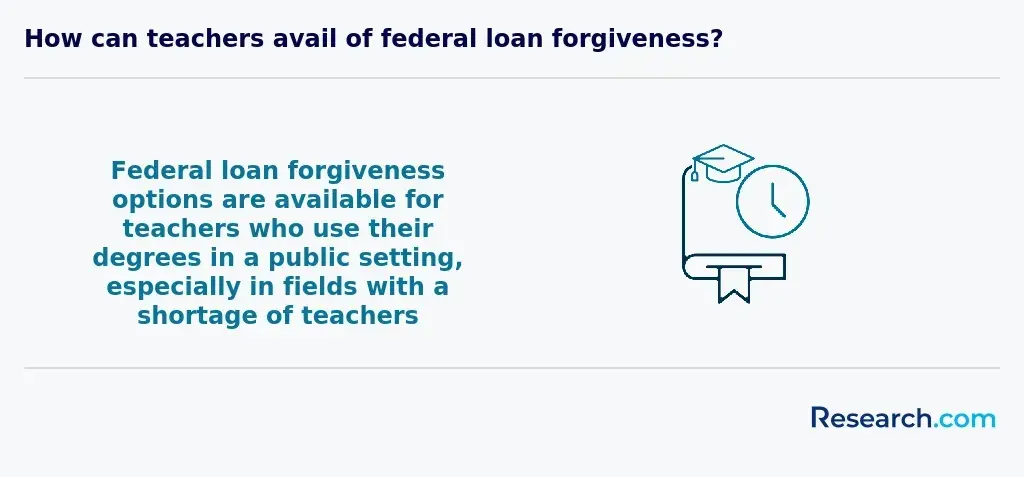
- Loan forgiveness programs: Public Service Loan Forgiveness and the Teacher Loan Forgiveness Program may help eligible teachers reduce federal student loan debt after meeting qualifying employment and service requirements.
- State-based aid: Pennsylvania-related aid mentioned for educator preparation includes the Ready to Teach grant and the Pennsylvania Targeted Grant for high-demand teaching fields.
- Work-study opportunities: Campus jobs can help cover expenses while giving students work experience.
- Employer-sponsored help: Districts may offer tuition support, partnerships, or other assistance for school employees pursuing certification.
Always read service obligations carefully. Grants and forgiveness programs can be valuable, but failing to meet the required teaching commitment may create financial consequences.
What are the long-term career prospects and benefits for teachers in Pennsylvania?
A Pennsylvania teaching credential can lead to a stable education career, but long-term value depends on where you work, how you advance, whether you continue developing professionally, and how much debt you take on during preparation.
Advancement opportunities
- Professional learning: Teachers continue building skills through professional development, graduate credits, mentoring, and district training.
- Instructional leadership: Experienced teachers may become mentors, team leaders, department heads, instructional coaches, or curriculum contributors.
- Administrative pathways: Some educators later pursue principal, superintendent, or district-level roles, usually with additional preparation and credentials.
Benefits to evaluate
- Retirement: Pennsylvania public school teachers may participate in the Public School Employees’ Retirement System, depending on role and eligibility.
- Health and insurance benefits: Many districts offer medical, dental, and vision coverage, though details vary by employer.
- Collective bargaining and job protections: Many Pennsylvania teachers work under negotiated contracts that affect pay, working conditions, and benefits.
Further education support
- Tuition assistance: Some districts support additional study for teachers pursuing graduate coursework or a bachelor of education online program, depending on the teacher’s current role and qualifications.
The long-term payoff of a low-cost credential is strongest when the program leads to a recognized certificate, strong classroom preparation, manageable debt, and a role with room for advancement.
How to minimize costs during the teaching credential process in Pennsylvania?
Reducing certification costs requires more than finding the lowest tuition. The goal is to lower the total cost of completion while still meeting Pennsylvania requirements on the first attempt.
1. Use financial aid and scholarships early
Submit the FAFSA as soon as possible, then ask each program about education-specific scholarships, grants, work-study options, and payment plans. Also check professional associations, district partnerships, and awards for high-need teaching fields.
2. Compare online and hybrid programs carefully
Online coursework can reduce transportation and scheduling costs, especially for working adults. However, make sure field experiences can be completed locally and that the program is approved for Pennsylvania certification.
3. Prepare for exams with low-cost resources first
Before paying for test-prep courses, use official exam guides, library resources, faculty-recommended practice materials, and peer study groups. Free tools such as Quizlet or Khan Academy may also help with general content review, depending on the exam.
4. Ask about waivers, discounts, and employer support
Some applicants may qualify for fee assistance through institutions, districts, military-related benefits, or special programs. Ask directly, because these opportunities are not always visible on the first tuition page.
5. Earn income while gaining classroom experience
Teaching assistant and substitute teaching roles can provide school experience while you complete certification steps. Substitute teachers in Pennsylvania typically earn between $90 to $120 per day, depending on the district, and long-term substitutes can make even more.
6. Avoid unnecessary credentials and add-ons
Endorsements and instructional add-ons can be useful, but they should match real hiring goals. Paying for additional credentials without a plan can increase costs without improving job prospects.
7. Choose credits that serve more than one purpose
When possible, select coursework that helps with certification, Level II progress, salary advancement, or graduate degree requirements. This is especially important for the 24 post-baccalaureate credits required for Level II certification.
If you are still deciding which education route fits your timeline, review the easiest teaching degree to get while remembering that “easiest” should never mean unapproved or poorly aligned with Pennsylvania certification.
Do affordable teaching credential programs in Pennsylvania provide comprehensive mentorship and career support?
Some affordable programs provide strong mentorship and career services, while others keep tuition low by offering limited support. Because teaching is a practice-based profession, mentorship should be treated as a core quality factor rather than an optional bonus.
Before enrolling, ask whether the program includes supervised fieldwork, mentor teacher feedback, career counseling, resume support, mock interviews, district partnerships, and help with certification paperwork. A program that costs less upfront but leaves you unsupported during student teaching or job placement can be a poor financial choice.
Candidates focused on specific subjects should evaluate whether mentoring matches their content area. For example, future math teachers can review middle school math teacher requirements in Pennsylvania to understand how subject preparation and classroom expectations connect.
Does affordability compromise the quality of teaching credential programs in Pennsylvania?
Affordability does not automatically mean lower quality. Public institutions, online formats, transfer-friendly programs, and district partnerships can reduce costs while still meeting strong academic and professional standards. The risk comes from programs that market low tuition but lack approval, field placements, advising, or exam support.
Use Pennsylvania teacher certification requirements as a baseline when comparing any low-cost option. If a program cannot show how its curriculum maps to state certification rules, it should not be treated as a safe bargain.
What real teachers say about affordable Pennsylvania credential routes
-
: "
“The most affordable path for me was the one that let me keep working while I completed my coursework online. I saved on commuting, used my income to cover fees, and finished without taking on the debt I had expected.” – Tara
"
-
: "
“I worried that a lower-cost program would mean less support, but the financial aid office and faculty helped me understand every requirement. That guidance kept me from paying for classes I did not need.” – Randel
"
-
: "
“The biggest savings came from talking with other future teachers. We shared study materials, compared programs, and warned each other about hidden fees before enrolling.” – Emma
"
Are subject-specific certification requirements adequately addressed in affordable programs?
They can be, but you must verify this before enrolling. Pennsylvania certification is tied to specific grade bands and subject areas, so a general education program may not prepare you for the credential you want. Subject-specific coursework, content exams, methods classes, and field placements should match your intended teaching role.
For example, music education candidates should compare program coursework with music teacher education requirements in Pennsylvania. A program that is inexpensive but does not include the required content preparation, performance expectations, or school-based experience may delay certification.
What are common pitfalls to consider in affordable teaching credential programs in Pennsylvania?
Many candidates lose money not because tuition is high, but because they choose a program too quickly. The most common problems are hidden fees, weak advising, credits that do not transfer, poor exam preparation, limited classroom placement help, and unclear certification alignment.
| Common mistake | Why it can become expensive | Better approach |
| Choosing based only on tuition | Low tuition may hide exam, placement, technology, or application costs. | Ask for a full cost estimate from admission through certification. |
| Ignoring PDE approval | An unapproved program may not lead to Pennsylvania certification. | Verify program approval before applying. |
| Assuming online means fully remote | Fieldwork and student teaching still require classroom placements. | Confirm local placement support in writing. |
| Overlooking subject requirements | You may need extra courses or exams later. | Match the program to your exact grade level and subject. |
| Not checking transfer credits first | Rejected credits increase tuition and time. | Request a formal transfer evaluation before enrolling. |
| Skipping exam planning | Retakes add fees and delay certification. | Build a study calendar and use free resources first. |
Early childhood candidates should be especially careful about age-band and setting requirements. If kindergarten is your goal, compare your options with How to become a kindergarten teacher in Pennsylvania? before committing to a general program.
What are the long-term career impacts of choosing affordable teaching credential programs in Pennsylvania?
A well-chosen affordable credential program can improve your financial position for years because it reduces debt while still leading to certification and employment. The long-term impact is positive when the program is approved, respected by districts, strong in field preparation, and connected to career support.
The long-term impact can be negative if the program is cheap but weak. Poor advising can delay certification, limited clinical preparation can make the first teaching year harder, and missing subject requirements can force you to pay for extra coursework. Affordable should mean efficient and credible, not bare-bones.
Teachers who want to build flexible subject-area qualifications can also review how to become a high school history teacher in Pennsylvania to see how certification choices affect future classroom opportunities.
How Do Recent Policy Changes Affect Affordable Teaching Credential Programs in Pennsylvania?
Certification policy, staffing needs, funding priorities, and educator preparation rules can change over time. These changes may affect program design, financial aid, emergency permits, testing expectations, and pathways for career changers. Because even small rule changes can affect cost and eligibility, candidates should rely on official Pennsylvania Department of Education guidance before making enrollment decisions.
The practical move is to check state requirements at the beginning of your search and again before applying for certification. If you are comparing online pathways, review how to become a teacher in Pennsylvania for additional guidance on flexible and cost-conscious routes.
Key Insights
- The cheapest route depends on your starting point: First-time college students, bachelor’s degree holders, out-of-state teachers, and international applicants should not use the same cost strategy.
- Approval is non-negotiable: A low-cost program only makes sense if it leads to the correct Pennsylvania certification for your subject and grade level.
- Application fees are only part of the budget: Pennsylvania fees include $200 for candidates from approved in-state programs, $260 for out-of-state preparation, $100 for endorsements, $200 for instructional add-ons, $5 for emergency permits, $200 for Level II certification, and $75 for reactivation.
- Alternative certification can reduce costs for career changers: If you already hold a bachelor’s degree, compare teacher intern and other alternative pathways before paying for another full undergraduate degree.
- Online programs can save money, but not all are equal: Confirm Pennsylvania approval, field placement support, exam preparation, and transfer credit policies before enrolling.
- Long-term costs matter: Level II requirements include 24 post-baccalaureate credits after three to six years of satisfactory teaching experience, so plan beyond initial certification.
- Use financial aid strategically: Scholarships, grants, the TEACH Grant, loan forgiveness programs, work-study, and district support can reduce out-of-pocket costs if you understand the obligations.
- Avoid false bargains: Hidden fees, weak mentorship, poor placement support, and unclear certification alignment can make a cheap program more expensive than a higher-quality affordable option.
Related Articles for Nearby States
- 2027 Cheapest Way to Get a Teaching Credential in New Jersey: Requirements & Certification
- 2027 Cheapest Way to Get a Teaching Credential in Delaware: Requirements & Certification
- 2027 Cheapest Way to Get a Teaching Credential in Maryland: Requirements & Certification
- 2027 Cheapest Way to Get a Teaching Credential in New York: Requirements & Certification
- 2027 Cheapest Way to Get a Teaching Credential in West Virginia: Requirements & Certification
- 2027 Cheapest Way to Get a Teaching Credential in Ohio: Requirements & Certification
- 2027 Cheapest Way to Get a Teaching Credential in Virginia: Requirements & Certification
- 2027 Cheapest Way to Get a Teaching Credential in Connecticut: Requirements & Certification
- 2027 Cheapest Way to Get a Teaching Credential in Rhode Island: Requirements & Certification
- 2027 Cheapest Way to Get a Teaching Credential in Massachusetts: Requirements & Certification
References:
- accreditedschoolsonline.org (18 Mar 2024). How To Get a Teaching Credential. accreditedschoolsonline.org https://www.accreditedschoolsonline.org/education/certification/
- education.pa.gov (n.d.). Level I to Level II. education.pa.gov https://www.education.pa.gov/Educators/Certification/PAEducators/Pages/LevelItoLevelII.aspx
- NCES. (2023). Report on the Condition of Education 2023. https://nces.ed.gov/pubs2023/2023144.pdf
- onetonline.org (09 Aug 2024). Pennsylvania Employment Trends 25-2022.00 - Middle School Teachers, Except Special and Career/Technical Education. onetonline.org https://www.onetonline.org/link/localtrends/25-2022.00?st=PA
- pa.gov (n.d.). PUBLIC SCHOOL EMPLOYEES’ RETIREMENT SYSTEM (PSERS). pa.gov https://www.pa.gov/en/agencies/psers/member-resources/leaving-employment/retiring.html
- teach.org (n.d.). Find Your Teacher Career Path. teach.org https://www.teach.org/explore/career-paths
- US Department of Education. (2023). 2023 Title II Report: Academic Year 2021-22 Data. https://title2.ed.gov/Public/Home.aspx
Other Things You Should Know About Getting a Teaching Credential in Pennsylvania
To earn the cheapest teaching credential in Pennsylvania in 2027, candidates must pass the Praxis Core Academic Skills for Educators exams. These tests assess skills in reading, writing, and mathematics and are essential for certification. Testing fees may apply.
In 2027, aspiring teachers in Pennsylvania can obtain a teaching credential without a master's degree by completing a bachelor's degree from an accredited institution, passing the required Pennsylvania Educator Certification Tests (PECT), and enrolling in a state-approved teacher preparation program. Candidates must also meet state clearance requirements.
The Pennsylvania Department of Education (PDE) approves teacher credentials and issues certifications through its Bureau of School Leadership and Teacher Quality. Applicants submit materials through PDE’s Teacher Information Management System (TIMS), which is the state’s official certification portal for initial and advanced educator credentials.