2027 Best Sociology Degrees for Working Adults

Co-Founder and Chief Data Scientist
Choosing a sociology degree while working full time is a scheduling, cost, and career decision—not just an academic one. Adult learners need programs that let them study consistently without stepping away from employment, losing income, or taking on unnecessary debt.
Demand for flexible sociology education has grown for good reason. According to the National Center for Education Statistics, the number of adult learners enrolled in online sociology programs grew by 18% between 2015 and 2020. For working adults, that growth reflects a practical need: programs that offer online or part-time study, credible accreditation, useful advising, and coursework that can translate into roles in social services, research, human resources, policy, community development, healthcare, and criminal justice.
This guide explains how to compare sociology degrees for working adults, what admissions teams usually expect, what courses you may take, how long completion can take, what costs to plan for, and how to evaluate career value before enrolling.
Key Things to Know About Sociology Degrees for Working Adults
- Most sociology degree programs for working adults offer flexible online or hybrid formats, enabling students to balance jobs and studies effectively without sacrificing coursework quality.
- Accelerated pacing options are increasingly available, allowing professionals to complete degrees faster, often in two to three years, supporting quicker career advancement.
- Many programs emphasize real-world skills and employer relevance, with internships or projects that enhance employment prospects in social services, education, or policy analysis.
What Are the Best Sociology Degrees for Working Adults?
The best sociology degree for a working adult is one that matches three things: your schedule, your career direction, and your tolerance for cost and time commitment. A strong program should be accredited, offer predictable online or part-time options, provide access to faculty and advising, and include applied coursework rather than only broad theory.
For most working professionals, the right choice is not simply “online versus on campus.” It is whether the program lets you complete courses at a sustainable pace while building skills employers can recognize: research, data interpretation, writing, policy analysis, program evaluation, and an understanding of social systems.
Degree paths that often fit working adults
- Applied Sociology: A practical option for adults who want to work in social services, nonprofit administration, community programs, advocacy, or local government. Look for courses in program evaluation, community research, and social policy.
- Criminology and Sociology: A good fit for professionals in or near law enforcement, corrections, victim services, court administration, or criminal justice policy. Evening, part-time, and online formats can make this path more manageable for shift-based workers.
- Social Research Methods: Best for adults who want stronger research, survey, statistics, and data-analysis skills. This concentration can support work in market research, public agencies, nonprofit evaluation, and policy organizations.
- Healthcare Sociology: Useful for professionals in healthcare, public health, patient advocacy, case management, or health administration who want to understand how social conditions affect health systems and patient outcomes.
How to compare programs before applying
- Check accreditation first. Accreditation affects transfer credit, financial aid eligibility, employer recognition, and graduate school options.
- Ask how often required courses are offered. A program may advertise part-time study, but if required courses rotate infrequently, graduation can be delayed.
- Review internship or fieldwork requirements. These can be valuable, but working adults need to know whether evening, weekend, remote, or workplace-based placements are allowed.
- Compare total cost, not just tuition. Include fees, books, technology costs, transfer-credit limits, and the number of credits you still need.
- Look for adult-student support. Strong advising, online library access, writing help, and career services can make a major difference when you are studying outside standard business hours.
Students comparing the best online sociology degrees for working adults may also look at related credentials if their goals overlap with behavioral services, counseling-adjacent work, or applied human services. For example, bcba master's programs online may be relevant for professionals considering a different but complementary path.
What Are the Admission Requirements for Working Adults in Sociology Degree Programs?
Admission requirements for sociology programs vary by degree level and school, but working adults are usually evaluated on both academic readiness and professional experience. Nearly 40% of graduate students now balance work and study simultaneously, which is why many programs have created more flexible admissions processes for applicants who have been out of school for several years.
Before applying, confirm whether you are seeking a bachelor’s completion program, a full bachelor’s degree, a certificate, or a graduate degree. Requirements can differ significantly.
Common admissions requirements
- Prior college transcripts: Schools typically require official transcripts from every college previously attended. Transfer credit can reduce completion time, so adults should request a transfer-credit review early.
- Minimum GPA expectations: Many programs list a minimum GPA, but some consider applicants with lower GPAs through conditional admission, probationary enrollment, or a review of recent work experience.
- Professional or academic recommendations: Working adults may use letters from supervisors, managers, volunteer coordinators, or professional colleagues when recent faculty references are not available.
- Personal statement or goals essay: This is where applicants should connect sociology to a clear career goal, such as community development, research, human resources, social services, public policy, or criminal justice.
- Resume or work history: Relevant experience in social services, healthcare, education, nonprofit work, corrections, community organizing, research, or administration can strengthen an application.
- Standardized test policies: Some programs may waive GRE or other testing requirements for adult learners with significant professional experience or previous academic performance.
- English proficiency documentation: International applicants or students with prior education outside the United States may need to submit approved language-proficiency results.
Application tips for working adults
- Explain gaps honestly. Time away from school is common for adult learners. Use the application to show readiness, not to apologize for a nontraditional path.
- Ask about credit for prior learning. Some schools evaluate military training, professional certifications, or workplace learning, though policies vary.
- Confirm enrollment flexibility before admission. Being admitted is not enough if required classes are only offered during work hours.
- Request a realistic degree plan. Ask an advisor to map out how long the program could take if you enroll part time.
Applicants still exploring adjacent fields may also compare flexible programs such as an accelerated psychology degree online, especially if their career goals include human behavior, counseling-adjacent services, or organizational work.
What Coursework Is Required in Sociology Degree Programs for Working Adults?
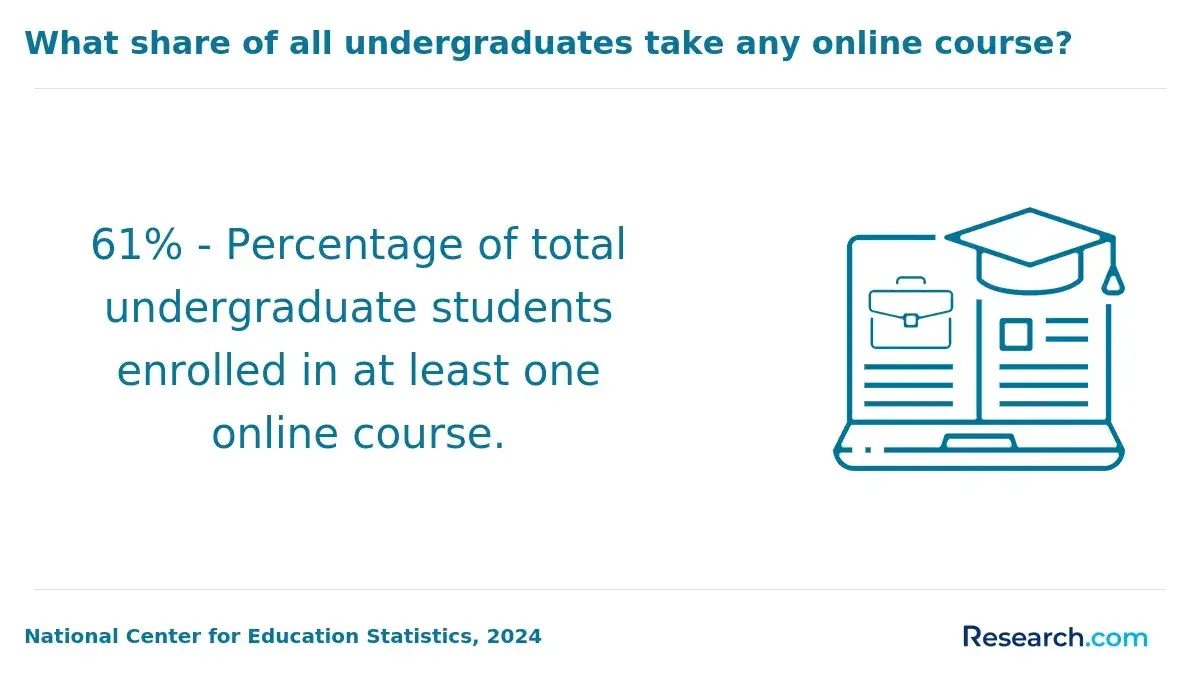
Sociology coursework for working adults should do more than meet graduation requirements. It should build transferable skills: evidence-based reasoning, research design, data interpretation, social analysis, writing, ethical judgment, and the ability to understand institutions and communities. Nearly 60% of sociology students are non-traditional learners over the age of 25, making practical course design especially important.
Most programs combine core sociology theory with research training, electives, and applied learning. The exact curriculum depends on whether the student is completing a bachelor’s degree, entering a graduate program, or pursuing a concentration.
Common required courses
- Introduction to Sociology: Covers major sociological concepts, social structures, institutions, inequality, culture, and social change. This course provides the vocabulary used throughout the degree.
- Sociological Theory: Examines major theoretical frameworks and how they explain social behavior, institutions, conflict, identity, and group life.
- Research Methods: Teaches how to design studies, create surveys, conduct interviews, evaluate evidence, and identify limitations in research findings.
- Statistics or Data Analysis: Builds quantitative reasoning skills that are useful in research, policy, human resources, program evaluation, and nonprofit reporting.
- Cultural and Social Diversity: Explores race, ethnicity, gender, class, immigration, disability, and other dimensions of social inequality and identity.
- Social Institutions: Studies systems such as family, education, religion, work, government, healthcare, and the economy.
- Applied Sociology or Community Engagement: Connects classroom concepts to real-world settings through projects, case studies, service learning, or workplace-based assignments.
- Capstone or Senior Seminar: Often requires a final research project, portfolio, or applied analysis that demonstrates what the student has learned.
What working adults should look for in the curriculum
- Asynchronous options: Courses that do not require live attendance every week are often easier for adults with variable work or family schedules.
- Applied assignments: Projects tied to workplaces, communities, policy issues, or real datasets can help students build portfolio-ready work.
- Clear sequencing: Research methods and statistics may be prerequisites for advanced courses, so students should know when those classes are offered.
- Relevant electives: Choose electives based on career direction, such as criminology, healthcare, organizations, social policy, family studies, education, or inequality.
Some adult learners compare sociology with related graduate study when they want deeper training in behavior, research, or human services. An online masters degree psychology may be worth reviewing if your goals require psychology-specific coursework rather than a sociology framework.
Breakdown of Private Fully Online Nonprofit Schools

For working adults, completion time depends mainly on transfer credits, course load, program format, and how consistently the student can enroll. On average, it takes about five to seven years for part-time students juggling full-time jobs to finish their sociology degree programs.
That timeline can feel long, but it is often more realistic than overloading on classes and stopping out. The best plan is the one you can sustain through busy work seasons, family responsibilities, and unexpected changes.
Factors that affect completion time
- Transfer credits: Previously completed general education or elective credits may shorten the path to graduation if accepted by the new institution.
- Part-time versus full-time enrollment: Working adults often take fewer credits per term, which lowers weekly workload but extends the overall timeline.
- Program format: Online, evening, weekend, and hybrid courses can help students stay enrolled, but course availability still matters.
- Accelerated terms: Shorter sessions may help motivated students move faster, but they can be intense when combined with full-time employment.
- Required fieldwork or capstone projects: These can add scheduling complexity, especially if they require daytime availability.
- Work schedule stability: Rotating shifts, overtime, travel, and caregiving responsibilities can affect how many courses are realistic each term.
How to build a realistic timeline
- Request a degree audit before enrolling. This shows which credits count and which requirements remain.
- Plan two terms ahead. Required courses may not be offered every term, so waiting to register can delay progress.
- Start with a manageable course load. Many adults do better by proving they can handle one or two courses before adding more.
- Use summer or shorter sessions strategically. These can be useful for electives or general requirements, but avoid stacking difficult research and statistics courses if your work schedule is heavy.
A professional who completed an online sociology degree while working described the process as “a balancing act that demanded constant adjustment.” He said that “early on, it was frustrating managing deadlines alongside unexpected work projects,” but that he eventually learned to “prioritize and create a disciplined routine.” The flexibility helped him continue, though he also found the online format isolating at times. His final takeaway was direct: “It wasn't quick, but the sense of accomplishment made the extra years worthwhile.”
The cost of a sociology degree for working adults depends on tuition, transfer credits, enrollment pace, fees, books, and whether the student qualifies for employer support or financial aid. Research shows that adult learners in flexible Sociology programs may pay up to 20% more per credit compared to traditional full-time students, so it is important to compare the full price of completion rather than the advertised per-credit rate alone.
Working adults should budget for both direct education costs and indirect costs, such as reduced overtime, childcare during study hours, transportation for any campus requirements, or technology upgrades for online coursework.
Major cost factors
- Tuition per credit: Most programs charge by credit hour. Public, private, online, in-state, and out-of-state rates can differ widely.
- Number of credits remaining: Transfer credit can reduce total cost, but only if the school accepts prior coursework toward degree requirements.
- Program format: Online programs may reduce commuting and relocation costs, but they may include technology, platform, or distance-learning fees.
- Part-time enrollment: Taking fewer credits at a time may help with cash flow, but it can extend the period during which fees and tuition increases apply.
- Books and materials: Sociology courses often use textbooks, research databases, articles, software, or digital course materials.
- Residency or campus requirements: Hybrid programs may require occasional travel, which should be included in the budget.
- Employer tuition assistance: Tuition reimbursement can reduce out-of-pocket cost, but employees should review grade requirements, annual limits, and repayment obligations if they leave the company.
- Scholarships and grants: Aid for adult learners, transfer students, first-generation students, or specific fields can reduce borrowing.
Questions to ask before committing
- What is the estimated total cost to finish based on my transfer credits?
- Are online students charged different tuition or fees?
- Will tuition assistance be paid upfront or reimbursed after grades are posted?
- Are there extra costs for capstone, fieldwork, graduation, or technology?
- Can I pause enrollment without losing my catalog year, financial aid eligibility, or degree plan?
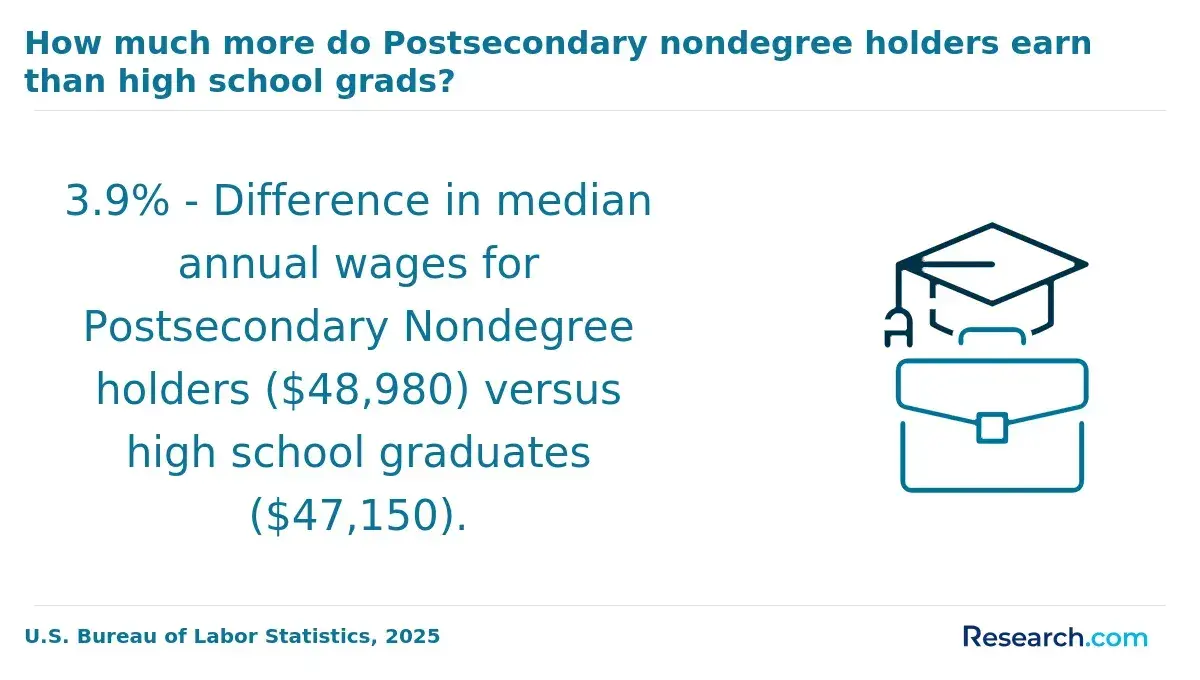
Financial aid can determine whether a working adult can start and finish a sociology degree without taking on unmanageable debt. The strongest funding plan usually combines several sources: federal aid, employer support, scholarships, payment plans, and careful course scheduling.
Because aid rules can depend on enrollment status, program eligibility, and accreditation, adults should speak with a financial aid office before assuming that part-time or online enrollment qualifies in the same way as full-time study.
- Federal financial aid: Students typically begin with the Free Application for Federal Student Aid (FAFSA). Depending on eligibility and enrollment status, aid may include Pell Grants and federal loans. Federal loans often have borrower protections and structured repayment options, but they still must be repaid.
- Employer tuition assistance: Some employers reimburse tuition or pay directly for approved coursework. This can be especially valuable when sociology supports roles in human resources, public service, nonprofit work, healthcare, research, criminal justice, or management. Review annual limits, grade requirements, taxable-benefit rules, and any agreement requiring you to stay with the employer after receiving funds.
- Scholarships for adult learners: These awards may target nontraditional students, transfer students, parents, veterans, first-generation students, or students returning after time away from college. Unlike loans, scholarships do not need to be repaid.
- Grants: State agencies, private foundations, colleges, and community organizations may offer grants based on financial need, merit, demographics, geography, or field of study. Grant availability varies by location and institution.
- Payment plans: Many schools allow students to divide tuition into installments. This can reduce the need for upfront cash, but students should confirm whether setup fees or missed-payment penalties apply.
- Tax benefits: Tax credits such as the Lifetime Learning Credit may reduce the financial impact of education costs for eligible students. Because tax rules are individual, students should consult official IRS guidance or a qualified tax professional.
How to reduce borrowing
- Use transfer credits wisely. Confirm how prior credits apply before enrolling, not after.
- Take only courses that count toward the degree. Extra electives may be interesting but can add unnecessary cost.
- Apply for institutional scholarships every year. Some students stop searching after admission, even though continuing-student awards may be available.
- Coordinate aid with employer reimbursement. Timing matters if reimbursement arrives after tuition is due.
One sociology graduate who worked full time said financial planning made the difference between stopping and finishing. “Balancing my job and studies was exhausting,” she explained, “but knowing my employer would help with tuition motivated me to keep going.” She also used payment plans to manage bills without a large upfront payment. Her experience shows that financial aid is not only about affordability; it can also help students stay enrolled when work and school pressures increase.
Working adults often leave school not because they lack ability, but because the program does not fit their lives. Strong support services can help students manage deadlines, choose the right courses, improve writing and research skills, and connect the degree to career goals.
When comparing sociology programs, ask whether services are available online, during evenings, or outside standard office hours. A support office that only operates during your workday may not be useful, even if the service itself is strong.
- Academic advising: Advisors help students understand degree requirements, sequence courses correctly, avoid unnecessary credits, and choose electives that support career goals.
- Flexible scheduling: Evening, weekend, asynchronous, and part-time options make it easier to continue working while enrolled. Students should confirm whether required courses—not just electives—are offered flexibly.
- Tutoring and writing support: Sociology requires clear writing, source evaluation, theory application, and research interpretation. Writing centers and tutoring can help students who have been away from academic work for several years.
- Library and research support: Online access to journals, databases, citation tools, and research librarians is essential for students completing papers, literature reviews, and capstone projects remotely.
- Career services: Resume reviews, interview preparation, job boards, internship support, and networking events can help adults translate sociology coursework into specific roles.
- Technology support: Online learners need reliable help with learning platforms, video tools, digital submissions, and exam systems.
- Mental health resources: Counseling, stress-management tools, and wellness support can help students manage the pressure of combining employment, family obligations, and coursework.
- Peer or cohort support: Discussion groups, online communities, and cohort models can reduce isolation and help students stay motivated.
Red flags to watch for
- Advising is only available during hours you cannot attend.
- Required courses are not consistently offered online or part time.
- Career services focus only on traditional full-time undergraduates.
- There is little help with research writing, statistics, or capstone planning.
- The program cannot explain how adult learners typically progress to graduation.
Sociology degrees for working adults can be accredited, but students must verify accreditation before enrolling. Accreditation is one of the most important quality checks because it affects financial aid eligibility, credit transfer, graduate school admission, and employer confidence in the degree.
Accreditation evaluates areas such as curriculum quality, faculty qualifications, institutional resources, student support, and academic outcomes. For adult learners balancing school with work and family responsibilities, accreditation also helps reduce risk: it signals that the institution has been reviewed by an outside accrediting body rather than simply marketing itself as flexible or career-focused.
Currently, over 40% of graduate students in the U.S. are adults aged 25 and older, underscoring the demand for reputable, flexible programs. But flexibility alone is not enough. A program should be both accessible and academically credible.
What to verify
- Institutional accreditation: Confirm that the college or university is accredited by a recognized accrediting agency.
- Financial aid eligibility: Federal and state aid often require attendance at an eligible accredited institution.
- Transfer-credit policies: Credits from accredited institutions are generally more likely to be considered for transfer, though acceptance is never automatic.
- Graduate school recognition: If you plan to pursue a master’s degree, law school, public administration, social work, counseling-related study, or another advanced path, accreditation matters.
- Employer acceptance: Many employers, especially public agencies and large organizations, prefer or require degrees from accredited institutions.
Students should also be careful with licensure assumptions. Sociology itself is not the same as a licensed clinical counseling, psychology, or social work degree. If your career goal requires licensure, certification, or a specific professional pathway, confirm those requirements with the relevant state board or credentialing organization before choosing a sociology program.
A sociology degree can support salary growth for working adults, but it does not guarantee a raise by itself. Median annual earnings typically range between $50,000 and $70,000 depending on the role and location. The strongest salary outcomes usually come when the degree helps a professional move into a higher-level role, add research or data skills, qualify for a promotion, or shift into an industry that values sociological analysis.
For adults already employed, the key question is not only “Will this degree pay more?” but “What specific role can this degree help me reach, and what evidence do employers in that field want to see?”
Factors that influence salary impact
- Current experience: A working adult with relevant professional experience may benefit more quickly than someone entering the field for the first time.
- Industry demand: Market research, public policy, social services administration, criminal justice, healthcare organizations, education, and human resources may value sociological training in different ways.
- Role advancement: The degree may help employees qualify for supervisory, analyst, program management, or specialist positions.
- Employer policies: Some organizations have formal pay bands, promotion requirements, or tuition-incentive policies tied to degree completion.
- Specialization: Concentrations such as criminology, healthcare sociology, community development, organizational sociology, or research methods can make the degree more targeted.
- Additional credentials: Some roles may require certifications, graduate study, technical skills, or licensure beyond a sociology degree.
How to judge return on investment
- Compare total program cost with realistic target jobs, not vague promises of advancement.
- Review job postings in your region to see whether employers request sociology, social science, research, policy, or data-analysis skills.
- Ask your current employer whether degree completion affects promotion eligibility or salary bands.
- Choose electives and projects that produce work samples, such as research reports, policy briefs, survey analysis, or program evaluations.
Working adults who want a faster route to degree completion may compare flexible options such as an accelerated bachelor's degree, but speed should be weighed against workload, cost, transfer-credit acceptance, and the ability to keep performing well at work.
A sociology degree can prepare working adults for roles that require understanding people, organizations, communities, inequality, social systems, and data. It is especially useful when combined with prior work experience, strong writing, research skills, and a clear concentration.
The degree can support career movement in several directions, but job titles and requirements vary by employer. Some roles may require graduate education, certifications, public-sector exams, or specialized technical skills.
- Social Research Analyst: Designs surveys, analyzes social data, interprets research findings, and prepares reports for agencies, nonprofits, businesses, or policy organizations.
- Community Program Manager: Plans, coordinates, and evaluates programs that address community needs. This role often requires budgeting, staff coordination, stakeholder communication, and outcomes reporting.
- Human Resources Specialist: Applies knowledge of workplace behavior, diversity, organizational culture, employee relations, and policy to support hiring, training, compliance, or employee engagement.
- Policy Analyst: Reviews social trends, evaluates programs, interprets research, and helps develop policy recommendations. Strong writing and data skills are important for this path.
- Organizational Development Consultant: Uses knowledge of group behavior, communication, institutions, and workplace systems to help organizations improve processes, culture, and change management.
- Case Manager or Social Services Coordinator: Supports clients by connecting them with services, documenting needs, coordinating care, and working with community agencies. Some advanced or clinical roles may require additional credentials.
- Criminal Justice or Reentry Program Specialist: Works with programs related to corrections, rehabilitation, victim services, juvenile justice, or community safety.
- Nonprofit or Advocacy Coordinator: Supports outreach, grant reporting, public education, volunteer coordination, and community campaigns.
Skills employers may value
- Research design and data interpretation
- Clear writing and report preparation
- Understanding of social inequality and diversity
- Program evaluation and needs assessment
- Interviewing, survey, and qualitative research skills
- Policy analysis and community engagement
Working adults can also strengthen a sociology degree with focused training in data tools, project management, human resources, grant writing, public administration, or nonprofit leadership. Shorter certificate programs online may help add job-specific skills alongside the broader sociology credential.
What Graduates Say About Their Sociology Degrees for Working Adults
Graduate experiences vary, but the strongest themes are consistent: flexibility matters, cost planning matters, and the degree is most valuable when students connect coursework to a specific career goal. The following perspectives show how working adults weighed time, affordability, and professional outcomes.
- : "Choosing an online sociology degree program while working full-time was a game-changer for me. The flexibility allowed me to manage my job and studies effectively, and the cost-around $15,000 on average-felt like a worthy investment in my future. Completing the program opened doors to a leadership role in community development, which I hadn't imagined possible before. Daisy"
- : "Reflecting on my time enrolled part-time in a sociology program while maintaining my professional career, I recognized the importance of affordability and quality. With total costs typically ranging between $10,000 and $20,000, budgeting was crucial, but it paid off when I saw how my enhanced sociological understanding improved my policy analysis skills. It truly broadened my career perspective and opportunities. Alice"
- : "Balancing work and a part-time sociology degree was demanding but worthwhile. The average tuition was reasonable for the insights and academic rigor offered, which I found justified every dollar spent. Earning this degree has refined my approach as a human resources specialist, enabling me to better understand workplace dynamics and employee relations. Leon"
These accounts point to an important takeaway: a sociology degree can be worthwhile for working adults when the program is accredited, affordable, flexible, and aligned with a realistic career plan. Before enrolling, compare total cost, time to completion, transfer-credit policies, support services, and the specific jobs you want after graduation.
Other Things You Should Know About Sociology Degrees
Yes, several universities offer accelerated sociology degree programs specifically designed for working adults in 2027. These programs allow students to complete their degrees faster than traditional timelines, often offering condensed courses and accepting prior learning credits to expedite the process.
Programs often require relevant work experience in social services or community organizations. Some may expect 2–5 years of related experience, enhancing the application profile for admission to adult-centered sociology degrees in 2027.
In 2027, working adults pursuing a sociology degree can explore various financial aid options, including federal student loans, grants like the Pell Grant, and scholarships specifically for non-traditional students. Some employers may offer tuition assistance programs, and students should also consider state-specific financial aid programs and private scholarships.
- Specialist support | York St John University https://www.yorksj.ac.uk/study/student-support/specialist-support/
- 20 Great Value Online Colleges for a Sociology Degree (Bachelor’s) https://www.greatvaluecolleges.net/online-colleges-sociology-bachelors/
- Login https://www.britsoc.co.uk/what-is-sociology/sociologist-careers/
- Career Paths https://www.shepherd.edu/sociology/career-paths-and-employment-in-sociology
- Sociology (BSc) - Study - Cardiff University https://www.cardiff.ac.uk/study/undergraduate/courses/course/sociology-bsc
- Social Work Scholarships https://socialworklicensemap.com/social-work-resources/social-work-scholarships/
- Sociology Major https://www.uwp.edu/learn/programs/sociologymajor.cfm
- Bachelor of Arts (BA) in Sociology Online | UW-Parkside https://online.uwp.edu/degrees/undergraduate/bachelor-of-arts-in-sociology/
- Applying Your Sociology Degree to the Business World | NU https://www.nu.edu/blog/applying-your-sociology-degree-to-the-business-world/
- Bachelor of Arts in Sociology Online at William Paterson https://online.wpunj.edu/degrees/undergraduate/bachelor-of-arts-in-sociology/