2027 What Do You Learn in a Sociology Degree: Curriculum, Skills & Core Competencies

Co-Founder and Chief Data Scientist
Many prospective students struggle to understand what a sociology degree truly entails and how it prepares them for today's job market. Recent data shows that over 30% of sociology graduates in the U. S. pursue careers unrelated to their major, often due to unclear expectations about the curriculum and skill sets.
This article clarifies what students learn, focusing on the core competencies such as critical thinking, qualitative and quantitative research methods, and social theory. It explores how the curriculum aligns with workforce demands and helps readers make informed decisions about pursuing sociology and leveraging their education for career success.
Key Benefits of a Sociology Degree
- The sociology curriculum covers social theories, research methods, and the study of institutions, preparing graduates to understand complex societal structures and dynamics.
- Students develop critical thinking, data analysis, and qualitative research skills essential for interpreting social behavior and trends effectively.
- Core competencies include cultural awareness, ethical reasoning, and communication skills, enabling graduates to engage responsibly in diverse professional and community settings.
What Is a Sociology Degree?
A sociology degree is an academic program focused on the systematic study of society, social behavior, and human interactions within the social sciences. It is typically pursued by individuals seeking to understand how societies function and evolve over time.
The primary purpose of this degree is to bridge theoretical perspectives with practical social applications. Programs emphasize research methods, data analysis, and social theory, enabling students to critically analyze social patterns and cultural norms.
What students learn in sociology programs equips them with the ability to examine institutions and group dynamics thoughtfully, which is essential for addressing complex social issues.
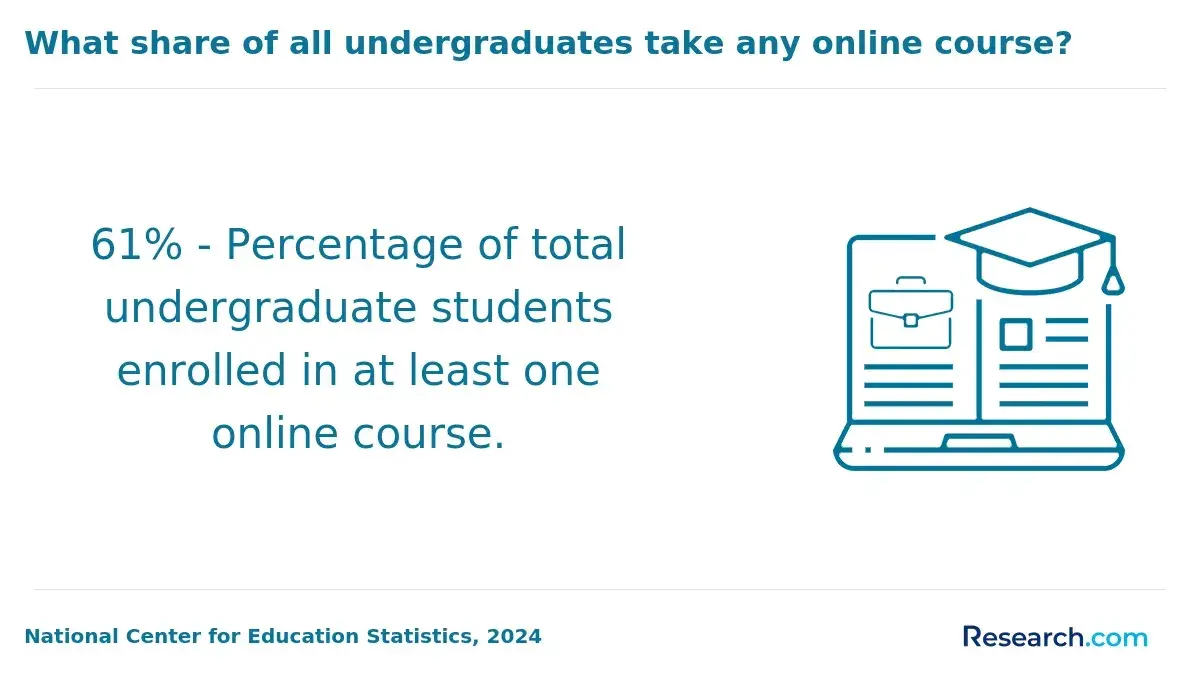
Sociology degrees are offered in various formats, including traditional on-campus, accelerated tracks for faster completion, and online options that cater to working students or those needing flexibility. These adaptable formats support diverse student needs while aligning the degree with current workforce requirements and societal changes.
The benefits of earning a sociology degree extend beyond academic knowledge, fostering analytical and critical thinking skills relevant across many sectors. Students interested in expanding their expertise in related fields may also explore online mba degrees, which complement sociological insight with business acumen.
What Core Courses Are Included in a Sociology Degree?
Knowing the core coursework within a sociology degree is vital when evaluating programs, as these courses build the fundamental framework for understanding societal dynamics. They equip students with both theoretical and practical skills necessary for academic progression and diverse career paths.
The following highlights essential subjects studied in sociology degree programs:
- Introduction to Sociology: This foundational course provides an overview of key concepts and sociological theories that shape the study of social behavior, institutions, and cultural norms. It sets the stage for deeper exploration into how societies function and evolve.
- Social Research Methods: Focused on teaching students to design research studies and analyze data, this course prepares learners for both scholarly research and applied roles in policy analysis or market research. It emphasizes ethical research practices and data collection techniques.
- Social Theory: Diving deeper into the works of influential thinkers like Marx, Weber, and Durkheim, this course sharpens critical thinking and theoretical analysis skills essential to sociology.
- Statistics for Social Sciences: This course offers quantitative tools necessary for interpreting social data, aligning closely with workforce demands for data literacy. Mastery here helps students handle real-world social data accurately and meaningfully.
- Topics in Inequality, Race, and Gender Studies: Reflecting current academic and industry priorities, this coursework addresses social justice, diversity, and systemic inequality, enabling students to engage with pressing societal issues thoughtfully.
These core sociology courses in degree programs cultivate analytical reasoning, ethical inquiry, and effective communication—competencies highly valued by employers across multiple sectors.
For those comparing fields or seeking combined expertise, exploring the cheapest online business management degree programs may provide useful insights into complementary business skills alongside social science knowledge.
What Specializations Are Available in a Sociology Degree?
Specializing in a sociology degree enables students to focus on particular societal issues or professional fields, creating tailored educational paths aligned with individual career goals. The following are several prominent sociology specializations that prepare graduates for diverse roles:
- Social Inequality: Concentrates on disparities involving class, race, gender, and other social divisions. This specialization equips students for careers in policy making, social justice initiatives, and advocacy organizations.
- Criminology: Explores crime, the justice system, and law enforcement practices. Graduates often pursue work in criminal justice agencies, corrections, or forensic research fields.
- Urban Sociology: Examines life in metropolitan areas and community dynamics, providing insight critical to urban development, planning, and public administration careers.
- Medical Sociology: Focuses on health, illness, and medical systems, preparing students for roles in healthcare policy, public health, and related sectors.
- Environmental Sociology: Studies interactions between societies and the environment, fostering careers in sustainability, environmental policy, and advocacy.
With social science jobs projected to grow by more than 12% between 2022 and 2032, specializing enhances employability by developing targeted expertise.
When evaluating a sociology degree, the duration is a key factor affecting time commitment, tuition expenses, and career planning. Different program structures influence how quickly students can earn their degree, which helps tailor education to personal and professional demands.
The following overview highlights common sociology degree formats and their typical completion times.
- Traditional full-time: Usually completed in about four years, this path involves taking a full course load each semester. It's ideal for students who can dedicate themselves fully to their studies without major outside commitments.
- Part-time: Extending often to six years or more, part-time programs allow students to balance work or family obligations. With a reduced number of courses per term, this option provides flexibility but requires a longer timeline.
- Accelerated: Designed to be finished within two to three years, accelerated programs demand heavy course loads and may include summer sessions. This format suits self-driven students prepared for an intensive schedule.
- Online: These programs vary widely in pacing but generally recommend two to four years. Online sociology degrees offer adaptability for working adults, commuters, or those in remote areas, letting students set a personalized rhythm.
A professional who completed a hybrid sociology degree shared insights on the journey, noting that balancing in-person and online classes initially felt overwhelming. He recalled, "Managing deadlines from both formats required strict organization, especially when work deadlines piled up."
He also described how the flexibility helped him stay engaged while accommodating unpredictable work shifts. "There were moments of doubt, but the blend of learning styles kept me motivated." This reflection underscores the impact of program format on the overall experience beyond just time to completion.
Developing technical skills is a fundamental outcome of sociology degree programs, equipping graduates to handle complex social data and support evidence-based decision-making. Expertise in data analysis and research methodologies positions students for roles across market research, public policy, and nonprofit sectors.
Below are the top technical skills learners should develop:
- Statistical software: Proficiency in tools like SPSS, Stata, and R enables quantitative analysis of surveys and large datasets, essential for generating insights in business, policy, and social research.
- Qualitative analysis: Skills with coding and thematic analysis software such as NVivo help interpret interviews and focus group data, supporting careers in community engagement and media.
- Research design: Knowledge of survey creation and experimental methods ensures collection of valid, reliable data for social studies and program evaluations.
- Geographic Information Systems (GIS): Training in GIS fosters spatial analysis abilities, useful for urban planning, public health assessments, and environmental studies.
Soft skills play a crucial role alongside technical expertise for those pursuing sociology, as they enable graduates to navigate complex social situations and excel professionally. These interpersonal and analytical abilities are essential for leveraging academic knowledge in real-world contexts.
Below is an overview of key soft skills cultivated through sociology studies:
- Communication: Sociology students learn to convey complex ideas clearly, present data persuasively, and engage diverse groups effectively. This skill is vital for careers involving social research, advocacy, and policy communication.
- Teamwork: Group projects and collaborative research experiences cultivate the ability to work harmoniously with others, reflecting the interdisciplinary nature of many sociology-related fields. Employers consistently value this cooperative mindset.
- Problem-solving: Analyzing social dynamics and interpreting quantitative and qualitative data encourages creative, evidence-based solutions to societal challenges. This skill sharpens analytical thinking and practical decision-making.
- Critical thinking: Students develop the capacity to assess theories and data rigorously, fostering an objective approach to understanding social phenomena and questioning assumptions.
- Adaptability: Exposure to evolving social issues and technologies trains students to embrace change and learn new perspectives, a quality highly sought after in fast-paced professional environments.
When asked about the soft skills she gained from her sociology studies, a professional graduate reflected on how the program shaped her approach to both work and interpersonal relationships. She recounted facing a challenging internship where conflicting viewpoints among team members required diplomatic communication and flexible problem-solving.
Initially unsure, she found that her training in negotiating social perspectives and synthesizing diverse data helped her mediate discussions and propose balanced initiatives. This experience built her confidence in adapting to unpredictable scenarios and reinforced the importance of listening carefully to others' ideas.
She attributed her ability to successfully manage project dynamics and advance within her organization directly to these competencies developed during her sociology education, underscoring how soft skills are integral to career development beyond academic theory.
About 65% of sociology students engage in experiential learning opportunities such as internships or cooperative education (co-op) programs during their undergraduate studies. These practical experiences may be optional, offered as elective credits, or required for graduation in some programs, especially those focused on professional skills.
Typically, internships and co-ops place students in environments like nonprofit organizations, government offices, research centers, or community initiatives. This hands-on involvement enables learners to apply theoretical concepts and research techniques directly to real-world issues, deepening their understanding beyond traditional classroom settings.
Additionally, such experiences foster critical skills like data collection, analysis, and effective communication.
Participating in internships or co-ops also enhances career preparation by familiarizing students with workplace culture, expectations, and networking opportunities.
These experiences often open doors to professional connections and potential job prospects, which employers tend to value as evidence of initiative and adaptability. Many sociology departments support students through faculty advisors or career services, helping them find placements aligned with their goals.
Overall, these experiential programs serve as a vital link between academic study and employment, equipping sociology students with practical knowledge and relationships that can boost their success after graduation.
Professional certifications can provide valuable practical skills that complement a sociology degree and enhance career readiness. They often bridge the gap between academic theory and applied expertise, making graduates more competitive across various sectors.
While sociology programs primarily emphasize theoretical knowledge and research methodologies, integrating relevant certifications can offer students additional advantages.
Certifications included in sociology degree programs are not typically a formal requirement but may be offered as optional certificates or supplementary training. These often focus on areas such as social research techniques, data analysis, or nonprofit management, aligning with the core curriculum without replacing fundamental coursework.
Many students pursue professional certifications available in sociology curriculum on their own, such as data analytics or project management credentials, which extend their employability.
The benefits of earning certifications alongside a sociology degree include gaining practical research tools, improving competitiveness, validating skills to employers, and enhancing prospects in government, nonprofits, or business fields.
For students seeking advanced interdisciplinary options, exploring a PhD in organizational leadership online can also be a strategic step to broaden opportunities in leadership roles beyond sociology.
Exploring career options related to a sociology degree is essential for students to align their academic interests with future job prospects. Sociology graduates have a unique advantage with skills in research, critical thinking, and social analysis, which open doors to diverse roles.
Here are the common careers graduates pursue:
- Social Research Analyst: These professionals collect and analyze social data to identify trends and patterns influencing communities. They often work in government, academic institutions, or private sector research firms, utilizing the qualitative and quantitative research methods emphasized in sociology programs.
- Community Service Manager: Managing programs aimed at improving community well-being, community service managers coordinate resources and evaluate service effectiveness. Many graduates find roles in public agencies and non-profit organizations promoting social justice and public policy initiatives.
- Human Resources Specialist: Applying knowledge of social dynamics, human resources specialists focus on recruiting, training, and enhancing workplace culture. Their understanding of organizational behavior and communication supports employee engagement and retention.
- Policy Analyst: These analysts assess and develop policies to address societal challenges. Sociology graduates bring evidence-based perspectives to government or private sectors where data-driven solutions shape public and organizational policy.
- Other Career Paths: Many sociology graduates pursue careers in education, criminal justice, counseling, and market research, fields that benefit from expertise in social behavior and advocacy skills.
For those interested in pursuing cost-effective academic options, the cheapest online bachelor's degree programs in sociology can offer a flexible pathway to build these valuable competencies.
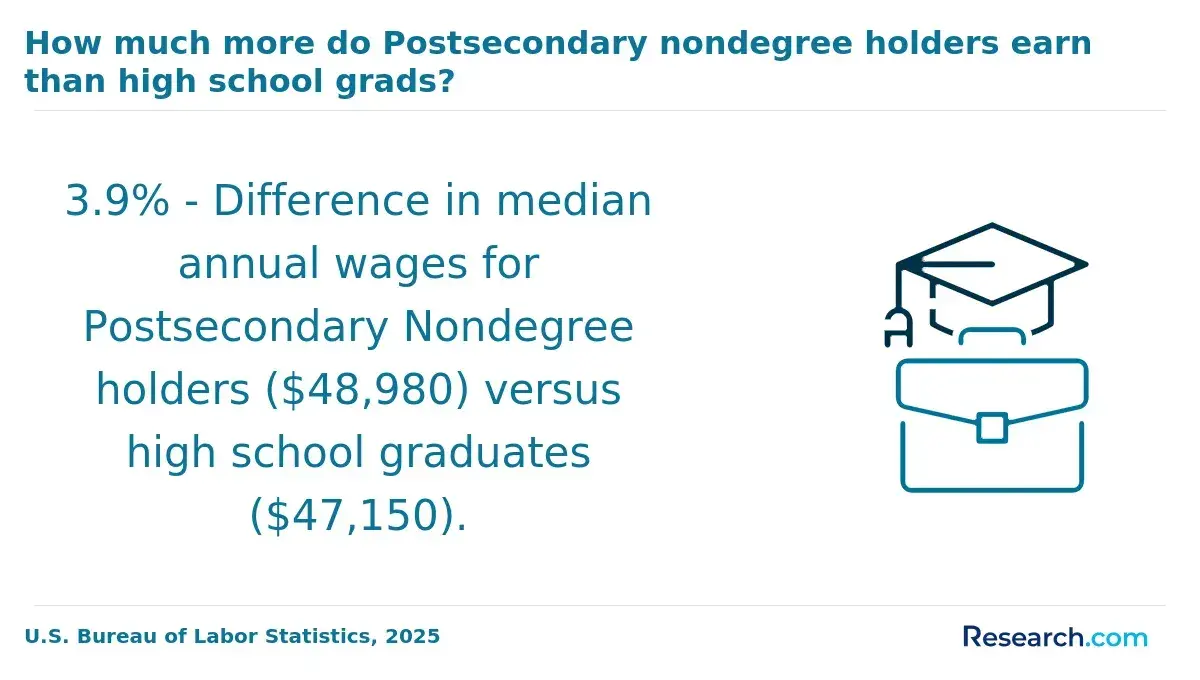
Understanding potential salary outcomes is essential when evaluating the return on investment of a sociology degree. Average sociology degree graduate salary figures provide insight into career prospects and financial growth. According to the U.S. Bureau of Labor Statistics, the median annual wage for sociologists was approximately $89,000.
This overview highlights the typical earnings for sociology majors and the factors shaping them:
- Early-career salaries: Graduates just starting their careers often earn between $40,000 and $55,000 annually. Entry-level roles generally include research assistant positions, social services, or community program coordination, where practical experience is gained.
- Mid-career potential: With several years of experience and further qualifications, salaries can increase to a range of $60,000 to $85,000. Positions during this stage commonly involve managerial duties or specialized analyst roles within various organizations.
- Influencing factors: Earnings vary significantly based on industry sector, with government and private research organizations tending to offer higher pay than nonprofit or educational institutions. Geographic location also plays a key role, as urban centers and regions with a higher cost of living typically provide better compensation packages. Additionally, credentials such as master's or doctoral degrees in sociology or related fields often open doors to advanced roles and increased salary opportunities.
Prospective students and professionals interested in maximizing their career outcomes can benefit from exploring the best degrees to get online to complement their sociology education, enhancing both skills and earning potential.
What Graduates Say About Their Sociology Degree
- Miko: "The sociology degree program gave me a solid foundation in understanding social behavior and structures, covering everything from research methods to social theory. I developed critical thinking and data analysis skills that have been invaluable in my role as a community outreach coordinator. Despite the average cost of attendance, I believe the investment was worthwhile for the practical competencies I gained. "
- Charles: "Reflecting on my sociology studies, I appreciate how the curriculum challenged me to explore complex social issues through both qualitative and quantitative lenses. These skills have been essential in my career as a policy analyst, where interpreting social data shapes real-world decisions. The program's focus on ethics and cultural awareness continues to guide my professional approach. "
- Lila: "In a highly competitive job market, my sociology degree equipped me with versatile abilities like critical inquiry, statistical analysis, and effective communication. The coursework on social institutions and inequality has helped me succeed in corporate research and human resources. Considering the investment involved, the degree has significantly enhanced my career trajectory. "
Other Things You Should Know About Sociology Degrees
In 2027, sociology programs emphasize a blend of traditional qualitative methods like interviews and ethnography, with quantitative skills such as statistical analysis. Increasingly, digital research methods, including data mining and social network analysis, are being integrated to keep pace with technological advancements.
In 2027, the sociology curriculum primarily emphasizes understanding social behavior, cultural dynamics, and societal structures. Students explore core subjects like social theory, social research methods, and data analysis, while developing critical thinking and analytical skills essential for careers in social research, policy analysis, and public administration.
Sociology degrees teach both quantitative and qualitative research methods. Students usually learn surveys, interviews, observations, statistical analysis, and basic research design, with many programs requiring a methods module and a capstone or independent research project in the final year.
- Certificate Programs https://www.colorado.edu/sociology/students/undergraduate-students/certificate-programs
- Certificate Programs https://sociology.uccs.edu/academics/certificates
- Sociology https://www.careerpilot.org.uk/job-sectors/subject/sociology
- Skills https://www.ualberta.ca/en/sociology/zzz-ug-archive/careers/skills.html
- Soft Skills in Sociology that are Valuable to Employers https://appliedworldwide.com/soft-skills-in-sociology-that-are-valuable-to-employers/
- SOCIOLOGY - University College of Enterprise and Administration https://en.wspa.pl/sociology-graduate-program/
- Careers and Salaries for Sociology Majors https://www.mtsac.edu/sociology/careersandsalariesinsociology.html
- Sociology https://www.whatuni.com/advice/subject-guides/sociology/
- Sociology Degree Timeline | ValidGrad https://validgrad.com/blog/how-long-does-it-take-to-get-a-sociology-degree/
- Sociology Internship Program https://sociology.rutgers.edu/academics/undergraduate/internships