2027 How to Become an English Teacher in North Carolina: Requirements & Certification

Co-Founder and Chief Data Scientist
If you want to teach English in a North Carolina public school, the main decision is not simply choosing an English major. You need a degree path, teacher preparation experience, exams, licensure paperwork, and a realistic job-search plan that aligns with North Carolina Department of Public Instruction expectations.
This guide explains how to become an English teacher in North Carolina, including education requirements, certification steps, student teaching, curriculum standards, salary expectations, professional development, alternative pathways, and ways to strengthen your teaching credentials. It is written for high school students planning a teaching career, college students choosing a major, career changers with an English-related degree, and current educators considering additional certifications.
Quick Answer: How Do You Become an English Teacher in North Carolina?
To become an English teacher in North Carolina, you generally need to earn a bachelor’s degree, complete a state-approved educator preparation program, pass the required exams, apply for licensure through the North Carolina Department of Public Instruction, complete student teaching or comparable supervised experience, and meet renewal requirements after you begin teaching. The most common pathway leads to an initial Standard Professional 1 license, followed by a Standard Professional 2 license after additional experience.
Key Things You Should Know About Becoming an English Teacher in North Carolina
- North Carolina is experiencing a notable need for English teachers, especially in rural communities where schools may have more difficulty filling vacancies. For qualified candidates, that can create more entry points into the profession.
- The average salary for English teachers in North Carolina is approximately $54,000 per year, although pay can differ by district, years of service, credentials, and local salary supplements.
- The employment outlook for English teachers in North Carolina remains positive, with continued demand expected as schools work to strengthen literacy, writing, and communication outcomes.
- North Carolina’s cost of living is generally lower than the national average. Housing costs in cities like Charlotte and Raleigh are often described as more manageable than in many larger metropolitan areas, though affordability varies by neighborhood and district.
- English teaching in the state is changing as schools place more emphasis on instructional technology, literacy across the curriculum, differentiated instruction, and innovative classroom strategies.
- Steps to become an English teacher in North Carolina
- Education requirements for North Carolina English teachers
- Certification and licensure process
- Student teaching, internships, and field experience
- English standards and curriculum expectations
- Job market, salary, and hiring outlook
- Professional development and license renewal
- Classroom management and teaching strategies
- Related teaching paths for English teachers
- Types of North Carolina teaching certificates
- Interdisciplinary certifications for English teachers
- Using art to strengthen English instruction
- Substitute teaching as a pathway into the classroom
- Library science and research skills for English teachers
- Additional subject certifications to consider
- Career advancement and specialization options
- Using English teaching experience to move into other subjects
- Job-search and interview strategy
- Adding ESOL certification
- Typical certification timeline
- Support for new English teachers
- Choosing the right degree path
- Specialized certifications that can complement English teaching
How can you become an English Teacher in North Carolina?
The clearest route to becoming an English teacher in North Carolina is to plan backward from licensure. Your degree, field experience, exams, and job applications should all support the same goal: qualifying to teach English language arts in the grade level you want.
| Step | What to do | Why it matters |
| 1. Choose the right degree | Earn a bachelor’s degree in English education, English, education, or a related field that supports teacher licensure. | North Carolina expects teachers to demonstrate both subject knowledge and preparation in teaching methods. |
| 2. Complete teacher preparation | Enroll in a state-approved educator preparation program with coursework in pedagogy, assessment, classroom management, and English language arts instruction. | This is the formal training that connects English content knowledge to real classroom practice. |
| 3. Gain supervised classroom experience | Complete student teaching, clinical practice, internship hours, or an approved alternative pathway experience. | Schools want evidence that you can plan lessons, manage students, assess learning, and adjust instruction. |
| 4. Pass required exams | Take the Praxis or other required assessments for English language arts and teaching skills, as applicable to your pathway. | Exam results are used to verify subject competency and readiness for licensure. |
| 5. Apply through NCDPI | Submit transcripts, test scores, required documentation, and licensure materials through the North Carolina Department of Public Instruction process. | You cannot teach as a fully licensed public school English teacher without state approval. |
| 6. Search strategically | Apply through district websites, local school job boards, educator networks, and hiring fairs. | Openings vary by district, grade level, and local staffing needs. |
| 7. Maintain your license | Complete renewal requirements, professional development, and continuing education after you begin teaching. | North Carolina teaching licenses must be renewed periodically to remain active. |
- Start with licensure in mind: Before choosing a program, confirm that it can lead to North Carolina teacher licensure for the grade level and subject area you want to teach.
- Build a focused resume early: Include tutoring, writing center work, substitute teaching, youth programs, literacy initiatives, classroom observations, and student teaching.
- Prepare for hiring before graduation: Draft a teaching philosophy, collect lesson artifacts, ask mentor teachers for feedback, and practice explaining how you teach reading, writing, grammar, discussion, and literary analysis.
- Plan for renewal: After becoming licensed, North Carolina teachers must renew their licenses every five years, typically through approved continuing education and professional development activities.
What are the educational requirements for becoming an English teacher in North Carolina?
At minimum, prospective English teachers in North Carolina need a bachelor’s degree and preparation that satisfies state teacher licensure requirements. The degree should not only cover literature and writing; it should also train you to teach adolescents or younger learners, assess student work, manage a classroom, and adapt instruction for students with different literacy levels.
A common pathway is a bachelor’s degree in English education. This type of program usually combines English coursework with education classes and supervised field placements. Students often study American literature, British literature, world literature, composition, rhetoric, grammar, adolescent literacy, assessment, educational psychology, and instructional planning.
Some candidates major in English and then complete a teacher preparation program separately. This can work, but it requires careful advising. A strong literature or writing background does not automatically equal eligibility for a teaching license, so students should confirm the licensure pathway before investing time and tuition.
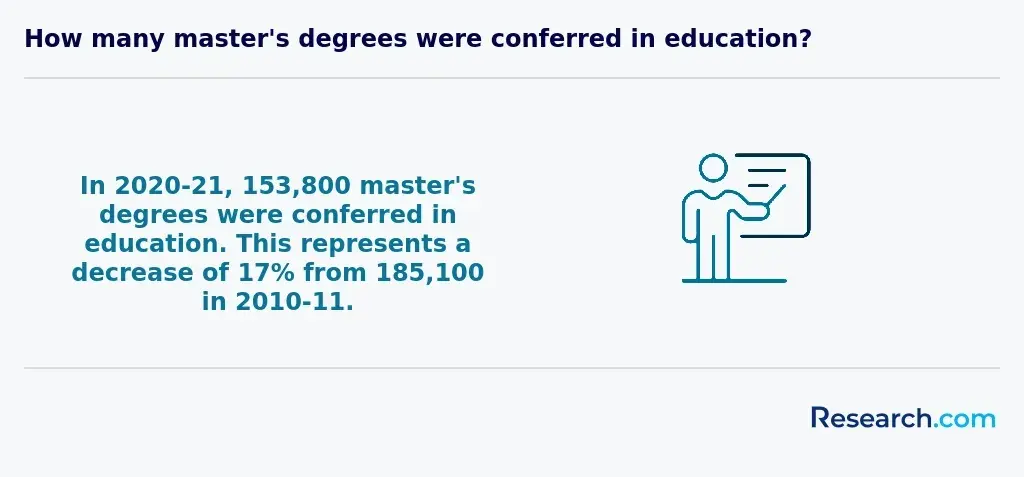
Graduate study can also be useful, particularly for educators who want to specialize in literacy, curriculum design, TESOL, instructional coaching, or community college teaching. However, a master’s degree is not the first requirement for most beginning English teachers. Licensure eligibility should come first.
| Degree or preparation option | Best fit | Important caution |
| Bachelor’s in English education | Students who know they want to teach English in K-12 schools | Confirm that the program is state-approved for North Carolina licensure. |
| Bachelor’s in English plus teacher preparation | English majors who decide to teach after choosing their major | You may need extra education courses, exams, and student teaching. |
| Alternative licensure pathway | Career changers with a bachelor’s degree in English or a related field | Requirements differ by pathway, district, and state approval rules. |
| Master’s in teaching or English education | Graduates who need preparation or teachers seeking deeper expertise | Check whether the program leads to initial licensure or is designed for already licensed teachers. |
| TESOL or ESL-focused graduate study | Teachers who want to support multilingual learners | Verify how the program aligns with North Carolina endorsement or licensure requirements. |
Accreditation is a major decision point. Enrolling in an accredited institution and an approved educator preparation program helps protect your eligibility for licensure, transfer credit, financial aid, and future employment. If you are comparing English-related career paths beyond teaching, Research.com’s guide to skills required for historians can also help you understand how literacy, research, writing, and interpretation skills transfer across education and humanities careers.
What is the certification and licensing process for an English teacher in North Carolina?
North Carolina’s licensure process verifies that you have the academic background, professional preparation, subject knowledge, and student-safety clearance needed to teach. Requirements can vary depending on whether you complete a traditional educator preparation program, enter through an alternative pathway, or already hold a license from another state.
After meeting education requirements, candidates typically complete required exams. These may include the Praxis Core Academic Skills for Educators, which measures foundational skills in reading, writing, and mathematics, and Praxis Subject Assessments related to English. These exams help document your readiness to teach English language arts and support your application for certification.
Once coursework, field experience, and testing requirements are complete, candidates apply for licensure through the North Carolina Department of Public Instruction. The application generally requires official transcripts, test scores, educator preparation documentation, and other required materials. Applicants should also budget for exam costs, application fees, and background-check expenses.
Fingerprinting and a criminal background check are also part of the process. This requirement is designed to support student safety and is separate from your academic qualifications.
The initial Standard Professional 1 (SP1) license is valid for three years. The Standard Professional 2 (SP2) license lasts five years and generally requires additional teaching experience and continued eligibility for renewal.
| Licensure component | What it proves | What to check before applying |
| Educator preparation program | You completed approved teacher training. | Whether the program is approved for North Carolina English licensure. |
| Praxis or required exams | You meet subject-area and/or basic skills expectations. | Which exams apply to your grade level and pathway. |
| Student teaching or clinical experience | You have practiced teaching under supervision. | Whether your placement meets state and program requirements. |
| Background check and fingerprinting | You satisfy student-safety screening requirements. | Fees, processing time, and submission instructions. |
| License renewal | You continue professional learning after initial licensure. | Renewal deadlines and accepted continuing education activities. |
Teachers who want to work with multilingual learners may benefit from graduate-level preparation in TESOL. If that is part of your long-term plan, compare TESOL graduate programs carefully and confirm whether each option supports your licensure or endorsement goals in North Carolina.
How important is teaching experience and what are the internship opportunities for English teachers in North Carolina?
Teaching experience is not a formality. It is where aspiring English teachers learn how classroom routines, student motivation, reading levels, writing instruction, parent communication, and assessment actually work in a school setting.
North Carolina candidates must accumulate a minimum of 10 weeks of student teaching experience to qualify for certification. Many teacher preparation programs structure this experience as a semester-long placement, allowing candidates to observe, co-teach, plan units, deliver lessons, assess student work, and gradually assume more responsibility.
Student teaching is usually arranged through your college or university. Education programs often partner with local school districts to place candidates with experienced mentor teachers. The North Carolina Department of Public Instruction also provides information that can help candidates understand expectations for field experience and internships.
To get the most from student teaching, treat it like a long interview. Show up prepared, ask your mentor for direct feedback, collect examples of lesson plans and student assessments, reflect after difficult lessons, and practice explaining how your instructional choices support student learning.
- Before student teaching: Observe different grade levels, tutor students, volunteer in literacy programs, and practice lesson planning.
- During student teaching: Request feedback on pacing, questioning, classroom transitions, behavior expectations, and how you respond to student writing.
- After student teaching: Turn your strongest lessons, assessments, and reflections into a teaching portfolio for interviews.
Alternative experience can also help. Substitute teaching, after-school programs, summer enrichment, writing camps, library programs, and tutoring can strengthen your classroom judgment before you become the teacher of record.
What are the standards and curriculum requirements for teaching English in North Carolina?
English teachers in North Carolina align instruction with the North Carolina English Language Arts Standard Course of Study. These standards describe what students are expected to know and be able to do in reading, writing, speaking, listening, language, and literacy-related skills from kindergarten through high school.
For English teachers, the standards affect daily lesson planning. A literature unit, for example, should not only ask students to read a novel. It should also develop skills such as textual evidence, analysis, vocabulary, discussion, argument writing, research, and clear communication.
North Carolina’s English language arts expectations also emphasize literacy across subjects. That means English teachers may collaborate with history, science, arts, and career-technical educators to support reading comprehension, writing, and communication beyond the English classroom.
| Curriculum area | What English teachers should plan for | Example classroom practice |
| Reading | Close reading, comprehension, analysis, and evidence-based interpretation | Students annotate a passage and defend an interpretation using textual evidence. |
| Writing | Argument, explanatory writing, narrative writing, revision, and editing | Students draft, peer review, revise, and submit an analytical essay. |
| Speaking and listening | Discussion, presentation, collaboration, and academic conversation | Students participate in a Socratic seminar or literature circle. |
| Language | Grammar, vocabulary, conventions, and style | Students study how sentence structure affects tone and meaning. |
| Research and media literacy | Source evaluation, citation, synthesis, and digital literacy | Students compare sources before writing a research-based argument. |
Teachers who want to bring more creative writing, literature, or composition depth into their classroom may also consider graduate-level study. For affordability-focused options, Research.com’s guide to inexpensive online MFA degrees can help teachers compare programs that support writing-focused professional goals.

What is the job market like and what are the salary expectations for English teachers in North Carolina?
The market for English teachers in North Carolina varies by district, grade level, and location. Rural districts and high-need schools may have more urgent hiring needs, while urban and suburban districts may receive more applicants for certain openings.
As of recent data, the average salary for an English teacher in North Carolina is around $54,000 annually. Location can make a meaningful difference. Teachers in urban areas like Charlotte or Raleigh may earn upwards of $60,000, while teachers in some rural regions may see salaries closer to $50,000.
The demand for English teachers is influenced by teacher turnover, district budgets, enrollment patterns, local supplements, and statewide efforts to address staffing needs. North Carolina has also pursued legislative efforts aimed at improving teacher pay, although candidates should review current district salary schedules before accepting an offer.
Compensation usually includes more than base salary. Public school teachers commonly receive health insurance, retirement benefits, paid leave, and access to professional development. However, benefit details can differ by employer, so applicants should read the full employment package.
| Factor | How it affects salary or hiring | What candidates should ask |
| District location | Urban, suburban, and rural districts may offer different salary supplements and hiring incentives. | What is the local supplement in addition to the state salary schedule? |
| Experience level | Years of teaching may affect placement on the salary schedule. | How will previous teaching or related experience be counted? |
| Advanced credentials | Additional endorsements or graduate education may improve competitiveness. | Does the district offer pay recognition for advanced credentials? |
| School need | High-need schools may have more openings or faster hiring timelines. | What support is available for new teachers in hard-to-staff schools? |
| Benefits | Insurance, retirement, leave, and professional development affect total compensation. | What benefits begin immediately, and which require waiting periods? |
One North Carolina teacher described the job market this way: “When I first started, I was surprised by the variety in salaries across the state. I remember feeling a mix of excitement and anxiety as I navigated the hiring process.” She added that rural positions may pay differently, but the school culture and community relationships can be a major part of job satisfaction. “Ultimately, it’s about finding the right fit for your career and personal life,” she said.
What professional development and continuing education opportunities are available for English teachers in North Carolina?
Professional development matters because English instruction changes over time. Teachers must respond to new literacy expectations, curriculum updates, instructional technology, multilingual learners, student writing needs, and school improvement goals.
North Carolina teachers can use state, district, university, and professional organization resources for continuing education opportunities. These activities can support license renewal while also improving classroom practice.
- Online professional learning: Self-paced courses can help teachers study topics such as classroom management, digital instruction, differentiated learning, and culturally responsive teaching.
- Continuing education credits: Licensed teachers must complete required professional learning to renew their credentials and remain in good standing.
- Workshops and seminars: Districts, colleges, and education organizations often offer training on writing instruction, literacy interventions, standards alignment, assessment, and curriculum planning.
- Action research: Teachers can study their own classrooms by testing instructional strategies, analyzing student outcomes, and adjusting practice based on evidence.
- Professional associations: English teacher organizations can provide conferences, lesson resources, networking, publications, and leadership opportunities.
Professional learning should be strategic, not random. Choose training that supports your current students, your license requirements, and your long-term career goals. If you are still exploring where a teaching background can lead, Research.com’s overview of careers in education explains options inside and outside traditional classroom roles.
What are effective classroom management strategies and teaching methods for English teachers in North Carolina?
Strong English teachers do more than assign books and essays. They build classroom systems that help students read closely, write clearly, speak thoughtfully, and participate respectfully. Classroom management and instruction work together; weak routines can undermine even a well-designed lesson.
- Set expectations early: Students need to know how discussions work, how writing conferences are handled, what respectful disagreement looks like, and what happens when deadlines are missed.
- Use positive reinforcement carefully: Recognizing productive habits can improve participation and motivation. Research cited in the original article indicates that positive reinforcement can lead to a 30% increase in student engagement.
- Mix instructional formats: Direct instruction, discussion, independent reading, peer review, writing workshops, small-group analysis, and project-based learning each serve different purposes.
- Differentiate without lowering expectations: Support struggling readers with scaffolds, models, vocabulary work, and chunked texts while still asking them to think deeply.
- Teach revision as a process: Students often need explicit instruction in planning, drafting, feedback, revising, editing, and reflection.
- Use technology with a purpose: Tools such as Google Classroom and educational apps can support collaboration, feedback, organization, and digital literacy when they are tied to clear learning goals.
| Common classroom challenge | Weak response | Stronger teacher move |
| Students do not complete reading | Give a quiz every day without addressing barriers. | Use reading checks, guided questions, audio support when appropriate, and structured in-class reading routines. |
| Class discussions are dominated by a few voices | Call only on volunteers. | Use discussion roles, written prep, turn-and-talk, and equitable participation tracking. |
| Student essays are disorganized | Mark every error after submission. | Teach outlining, model thesis development, use peer review, and conference before final drafts. |
| Behavior interrupts instruction | React inconsistently each time. | Use clear procedures, predictable consequences, relationship-building, and documented communication. |
| Students rely on AI or copied work | Ban all technology without teaching process skills. | Require drafts, in-class writing samples, source notes, oral explanations, and transparent writing-process checkpoints. |
What other teaching paths can English teachers in North Carolina consider?
An English teaching background can support several education careers. Some teachers remain in secondary English classrooms for their entire careers, while others move into elementary education, literacy support, curriculum work, school libraries, ESL instruction, instructional coaching, or education administration.
If you enjoy teaching younger learners and want a broader subject-area role, reviewing how to become an elementary school teacher in North Carolina can help you compare grade-level expectations, licensure requirements, and classroom responsibilities. English teachers may also consider literacy coaching, educational consulting, assessment development, curriculum writing, tutoring, or district-level instructional support.
What types of teaching certificates are available in North Carolina?
North Carolina offers different routes into teaching depending on a candidate’s education, experience, and licensure status. The traditional pathway is usually best for students who know early that they want to become teachers. Alternative pathways may work better for career changers who already hold a bachelor’s degree.
| Certificate or pathway type | Who it may fit | Main consideration |
| Initial Standard Professional license | New teachers completing approved preparation | Requires the right degree, preparation, exams, and application materials. |
| Alternative licensure route | Career changers with relevant bachelor’s degrees | May combine employment, coursework, and testing requirements. |
| Additional endorsement or subject area | Licensed teachers expanding their teaching options | May require coursework, exams, or documented competency. |
| Advanced credentials | Teachers pursuing leadership, ESL, literacy, or specialist roles | Should align with district needs and long-term career goals. |
Cost and flexibility can vary significantly by route. If you are comparing licensure options, Research.com’s guide to types of teaching certificates in North Carolina can help you think through eligibility, program structure, and affordability.
Can interdisciplinary certifications enhance my effectiveness as an English teacher in North Carolina?
Interdisciplinary credentials can make an English teacher more versatile, but they should be chosen with a clear purpose. The best additional certification is one that helps you serve your current students, qualify for a role you genuinely want, or move toward a defined specialization.
Training in language development, special education, speech and communication, instructional technology, or literacy intervention can help English teachers identify learning barriers and adjust instruction. For example, studying concepts connected to online SLP programs may help educators better understand communication challenges, even though teaching and speech-language pathology remain separate professional roles with different licensure requirements.
Can integrating art into your English curriculum boost creativity and engagement?
Art can strengthen English instruction when it supports—not replaces—reading, writing, analysis, and communication goals. Visual projects can help students interpret symbolism, mood, character, theme, and narrative structure. They can also give students another way to demonstrate understanding before translating ideas into academic writing.
Useful examples include visual annotations, one-pager literary responses, graphic interpretations of poems, illustrated argument maps, storyboard adaptations, and museum-style exhibits tied to research projects. Teachers who are interested in a more formal arts pathway can review how to become an art teacher in North Carolina to understand how art education requirements differ from English licensure.
Can substitute teaching pave a smoother entry into English teaching careers in North Carolina?
Substitute teaching can be a practical way to test your interest in teaching before committing to a full licensure pathway. It exposes you to classroom routines, school culture, student behavior, lesson delivery, and the realities of different grade levels.
Substitute teaching is especially useful for career changers, college students, and recent graduates who want school-based experience. It can also help candidates build relationships with administrators and teachers who may later serve as references. Before applying, review substitute teacher career requirements so you understand local qualifications and application procedures.
How can integrating library science and interdisciplinary skills benefit your teaching career?
Library science connects naturally with English instruction because both fields emphasize reading, research, information literacy, source evaluation, citation, and student inquiry. English teachers who collaborate with school librarians can improve research projects, media literacy lessons, independent reading programs, and source-based writing assignments.
This skill set can also support career flexibility. Teachers interested in literacy leadership, school library roles, or research-heavy instruction may want to explore how to be a school librarian in North Carolina and compare those requirements with English teaching credentials.
What additional subject certifications can enrich your teaching portfolio?
Additional subject certifications can expand your teaching options, but they should not be collected randomly. Each added area should support a real instructional or career goal, such as teaching interdisciplinary electives, leading arts-integrated projects, or qualifying for hard-to-staff roles.
English teachers sometimes pair their background with art, music, history, theatre, digital media, journalism, ESL, or library science. For example, teachers interested in creative interdisciplinary learning can review music teaching qualifications in North Carolina to see how music education preparation differs from English education.
What are the career advancement opportunities and specializations for English teachers in North Carolina?
English teachers in North Carolina can advance without leaving education. The right next step depends on whether you want deeper classroom expertise, leadership responsibilities, a specialist role, or broader influence over curriculum and policy.
| Advancement option | What the role involves | Preparation that may help |
| Department chair | Supports English teachers, coordinates curriculum, and helps align instruction. | Strong classroom results, collaboration skills, and curriculum knowledge. |
| Instructional coach | Helps teachers improve lesson design, classroom practice, and student outcomes. | Experience, coaching training, and evidence of instructional effectiveness. |
| Literacy specialist or coach | Focuses on reading, writing, intervention, and literacy across subjects. | Graduate study or specialized literacy preparation may be useful. |
| ESL or multilingual learner specialist | Supports English learners and language acquisition. | ESOL certification or TESOL-focused coursework. |
| Curriculum developer | Designs units, assessments, instructional resources, and standards-aligned materials. | Curriculum experience, assessment knowledge, and writing skill. |
| School administrator | Leads teachers, manages school operations, and supports student achievement. | A Master’s degree in Educational Leadership or a Principal’s license may be required. |
Some teachers also contribute to committees, professional organizations, district curriculum work, and statewide education initiatives. These activities can expand influence beyond one classroom.
One North Carolina educator described that transition this way: “I started as a classroom teacher, but I always felt a pull towards leadership.” While completing graduate study, she found the workload challenging but manageable with support. “It was tough, but the support from my colleagues made all the difference,” she said. Her conclusion was clear: “Now, I’m not just teaching; I’m helping shape the future of our school.”
Can my English teaching experience open doors to other subjects?
English teaching experience can transfer well into subjects that depend on reading, writing, discussion, interpretation, and research. History is one common example because both English and history require students to analyze texts, evaluate evidence, and build written arguments.
Teachers should not assume, however, that experience alone qualifies them to teach another subject. Additional coursework, exams, or endorsements may be required. If you are considering social studies or humanities teaching, Research.com’s guide on how to become a high school history teacher in North Carolina can help you compare requirements.
How can I optimize the job search and interview process for English teaching roles in North Carolina?
A strong English teacher application should show more than subject passion. Hiring teams want evidence that you can teach standards, manage a classroom, support struggling readers, improve writing, collaborate with colleagues, and communicate with families.
- Customize your resume: Highlight student teaching, tutoring, literacy work, lesson planning, assessment, classroom technology, and any experience with diverse learners.
- Prepare a teaching portfolio: Include lesson plans, writing prompts, rubrics, student-work examples if permitted, reflection notes, and evidence of feedback cycles.
- Research each district: Study the school’s curriculum, student population, improvement goals, and recent initiatives before the interview.
- Practice specific examples: Be ready to explain how you teach a difficult text, support reluctant writers, manage discussion, handle plagiarism, and use assessment data.
- Ask informed questions: Ask about mentoring, planning time, curriculum resources, class sizes, professional development, and support for beginning teachers.
Looking at related subject guides can also help you frame your competencies clearly. For example, Research.com’s overview of high school history teacher requirements in North Carolina shows how subject-specific preparation can be described in a hiring context.
How can I integrate ESOL certification into my teaching credentials?
ESOL preparation can be valuable for English teachers who work with multilingual learners. It can strengthen your ability to teach academic language, scaffold complex texts, support vocabulary development, and design instruction that respects students’ linguistic and cultural backgrounds.
Adding ESOL certification usually involves additional requirements focused on language acquisition, assessment, culturally responsive instruction, and strategies for English learners. Requirements can change, so teachers should verify the current process before enrolling in coursework. For a focused overview, review North Carolina ESOL certification requirements.
How long does the certification process typically last in North Carolina?
The time required to become certified depends on your starting point. A first-time college student completing a bachelor’s degree and educator preparation program will follow a longer route than a career changer who already has a bachelor’s degree and qualifies for an alternative pathway.
Several factors can affect the timeline: degree completion, acceptance into teacher preparation, student teaching placement, exam scheduling, background-check processing, transcript submission, and NCDPI application review. Candidates should build in extra time for retaking exams, resolving transcript issues, or meeting additional program requirements.
For a fuller planning timeline, review how long does it take to get a teaching certificate in North Carolina. That resource can help you map the order of major steps and avoid preventable delays.
What resources and support are available for new English teachers in North Carolina?
New English teachers need support in three areas: classroom practice, licensure compliance, and emotional sustainability. The first years of teaching can be demanding, especially when teachers are developing curriculum, managing classroom routines, learning school systems, and responding to varied student needs at the same time.
North Carolina emphasizes beginning-teacher support through induction structures, mentoring, and oversight connected to Regional Education Facilitators and Public School Units. The North Carolina Beginning Teacher Support Standards outline expectations for supporting new educators as they enter the profession.
Mentorship is especially important. A strong mentor can help a new English teacher plan units, interpret standards, design assessments, respond to student writing, manage parent communication, and navigate school culture.
- District induction programs: Help new teachers understand policies, evaluation, curriculum resources, and school procedures.
- Mentor teachers: Provide practical feedback on lesson planning, classroom management, and professional expectations.
- Professional learning systems: Offer training tied to state standards, evaluation, and classroom needs.
- English teacher networks: Provide lesson ideas, book recommendations, assessment strategies, and peer support.
- Graduate and continuing education options: Can help teachers deepen expertise after they understand their classroom needs.
Teachers considering additional study should compare cost, licensure alignment, and flexibility. Research.com’s guide to online teaching degrees low cost can help educators evaluate affordable options for further preparation.
How to Choose the Right Degree Path to Meet North Carolina’s Teaching Standards
The best degree path is the one that leads efficiently to the license and classroom role you want. A program may be academically strong, but if it does not meet North Carolina licensure expectations, it can create delays, extra costs, or additional coursework later.
| Question to ask before enrolling | Why it matters |
| Is the educator preparation program approved for North Carolina licensure? | This is the most important question for public school teaching eligibility. |
| Does the program prepare students for English language arts licensure at my target grade level? | Elementary, middle, and secondary pathways can have different expectations. |
| How much supervised field experience is included? | Strong placements help you build classroom skill and interview evidence. |
| What exams will I need to pass? | Testing requirements affect cost, timeline, and graduation planning. |
| Can I transfer credits? | Transfer policies can significantly affect time to completion and total cost. |
| Is online study available, and does it still meet licensure requirements? | Online convenience is useful only if the program satisfies state and field-placement rules. |
| What job-placement support does the program provide? | Partnerships with districts, resume help, and hiring fairs can improve your transition into teaching. |
Students who want to teach secondary English should prioritize programs with strong English language arts coursework, adolescent literacy preparation, classroom management training, and substantial student teaching. Candidates who want ESL-focused classrooms should look for TESOL or ESOL-related options, but they must confirm how those credentials fit North Carolina rules.
Advanced degrees can be valuable, especially for teachers pursuing specialization or leadership. Still, they should be chosen after checking licensure alignment, total cost, scheduling demands, and practical classroom value. If you are unsure which degree is required for teaching in the state, Research.com’s guide to What degree do you need to be a teacher in North Carolina? can help you compare common routes.
Should I pursue specialized certifications to complement my teaching expertise?
Specialized certifications can strengthen your teaching career when they solve a real instructional problem or support a clear career move. For English teachers, valuable add-ons may include ESOL, literacy, special education-related training, instructional technology, gifted education, library science, or leadership preparation.
Do not pursue a certification only because it looks impressive. Ask whether it will help you teach your current students better, qualify for a position you want, meet a district need, or move toward a long-term specialization.
| Specialized area | How it can help an English teacher | Decision caution |
| ESOL | Supports multilingual learners and language development. | Confirm endorsement and licensure rules before enrolling. |
| Literacy coaching | Builds expertise in reading intervention and writing support. | May require experience and graduate-level preparation. |
| Instructional technology | Improves digital writing, collaboration, feedback, and media literacy. | Technology should support learning goals, not replace instruction. |
| Speech-language related study | Can improve awareness of communication challenges in the classroom. | Speech-language pathology is a separate licensed profession. |
| Educational leadership | Prepares teachers for department, school, or district leadership. | Administrative roles often require additional credentials. |
Teachers interested in communication-focused specialist roles should carefully distinguish classroom teaching from speech-language pathology. For requirements in that field, review North Carolina SLP license requirements.
What do graduates have to say about becoming an English teacher in North Carolina?
- Teaching English in North Carolina has been deeply meaningful for me. I have found strong support among colleagues and in the community, and I have watched students improve not only as readers and writers but also as more confident thinkers. I appreciate having room to design creative lessons and bring in literature connected to local experiences. For anyone considering this career, I would say the work is demanding, but the growth you see in students makes it worthwhile. Vincent
- My students’ different backgrounds make the classroom richer every day. Teaching English here has pushed me to keep improving, and the professional development options have helped me refine my approach. Collaboration with other teachers has been one of the strongest parts of the job. If you care about literature, writing, and helping young people find their voices, this path can be a strong fit. Diane
- Becoming an English teacher in North Carolina gave me opportunities I did not expect. I have been able to use project-based learning, connect with students through meaningful texts, and help them build critical thinking skills. The educator community is generous with ideas and resources. The impact can be significant when you are willing to keep learning and adapting. Riley
Common Mistakes to Avoid When Becoming an English Teacher in North Carolina
- Choosing a degree without checking licensure alignment: An English degree alone may not satisfy teacher preparation requirements.
- Looking only at tuition: Exam fees, background checks, transportation to field placements, books, lost work hours, and application costs can affect total cost.
- Assuming online means easier: Online programs can be flexible, but they still must meet fieldwork, testing, and licensure requirements.
- Waiting too long to prepare for exams: Testing delays can push back graduation, licensure, or hiring timelines.
- Treating student teaching as a requirement instead of a career launch: Mentor feedback, lesson artifacts, and references can directly affect job prospects.
- Ignoring district differences: Salary supplements, mentoring, planning time, curriculum resources, and school culture vary widely.
- Assuming salary outcomes are guaranteed: The average salary for English teachers in North Carolina is around $54,000 annually, but individual pay depends on district, experience, credentials, and role.
- Relying only on rankings: A highly visible program is not necessarily the best fit if it lacks licensure alignment, field placement support, or affordability.
Key Findings and Decision Points
- The North Carolina Department of Public Instruction reported that as of 2023, there were approximately 2,500 English teachers employed in public schools across the state, showing continued need for qualified English educators.
- Recent data places the average salary for an English teacher in North Carolina at around $54,000 annually, though pay differs by location, district supplement, experience, and credentials.
- North Carolina has alternative licensure programs that allow individuals with a bachelor’s degree in English or related fields to pursue teaching credentials through a more streamlined route.
- A survey conducted in 2023 indicated that 70% of English teachers in North Carolina reported feeling well-prepared for their roles, reflecting the importance of comprehensive teacher preparation.
- The North Carolina Teacher Working Conditions Survey reported that 85% of English teachers feel supported by their administration, an important factor for retention, morale, and student learning conditions.
Related Articles for Nearby States
- 2027 How to Become an English Teacher in South Carolina: Requirements & Certification
- 2027 How to Become an English Teacher in Virginia: Requirements & Certification
- 2027 How to Become an English Teacher in Georgia: Requirements & Certification
- 2027 How to Become an English Teacher in Tennessee: Requirements & Certification
- 2027 How to Become an English Teacher in West Virginia: Requirements & Certification
- 2027 How to Become an English Teacher in Kentucky: Requirements & Certification
- 2027 How to Become an English Teacher in Florida: Requirements & Certification
- 2027 How to Become an English Teacher in Maryland: Requirements & Certification
- 2027 How to Become an English Teacher in Alabama: Requirements & Certification
- 2027 How to Become an English Teacher in Pennsylvania: Requirements & Certification
References:
- englishteacheredu.org (2015). Education Requirements for Becoming an English Teacher in North Carolina.
- North Carolina Department of Public Instruction (n.d.). Beginning Teacher Support.
- North Carolina Virtual Public School (2021). Professional Development Courses for Educators.
Key Insights
- Becoming an English teacher in North Carolina requires more than English subject knowledge; you need an approved preparation pathway, supervised classroom experience, required exams, background clearance, and NCDPI licensure.
- The safest first step is to choose a degree or alternative licensure route that is explicitly aligned with North Carolina teaching standards for the grade level you want to teach.
- Student teaching is one of the most important parts of the process because it builds the evidence, confidence, and references you will use during the hiring process.
- Salary and job availability vary by district. Compare base pay, local supplements, benefits, mentoring, workload, and school culture before accepting a position.
- Additional credentials such as ESOL, literacy, library science, instructional technology, or leadership preparation can improve career options, but only if they match your goals and state requirements.
- A strong job candidate can explain not just what literature they love, but how they teach reading, writing, discussion, revision, language, research, and critical thinking to real students.
Other Things You Should Know About Becoming an English Teacher in North Carolina
In 2027, international candidates can work as English teachers in North Carolina if they meet state certification requirements, including visa eligibility, equivalent degree evaluations, and passing necessary exams. It's essential to contact the North Carolina Department of Public Instruction for the latest certification updates.
To become an English teacher in North Carolina in 2027, you must earn a bachelor's degree in English or a related field, complete a state-approved teacher preparation program, pass the required Praxis exams, apply for a North Carolina teaching license, and undergo a background check.