2027 Cheapest Library Science Degree Programs for Working Adults

Co-Founder and Chief Data Scientist
Choosing a low-cost library science degree is not just a tuition decision. Working adults also have to judge whether a program is accredited, flexible enough for a full-time schedule, transfer-friendly, and credible with employers in libraries, archives, schools, government agencies, and information organizations.
The best affordable options are usually online or hybrid programs with clear per-credit pricing, asynchronous coursework, generous transfer policies, and access to financial aid. That combination matters because employment in library and information science is projected to grow by 9% through 2032, but not every inexpensive program offers the same career value.
This guide explains how to compare the cheapest library science degree programs for working adults, what costs to expect beyond tuition, how to verify legitimacy, which flexibility features matter most, and what career paths a library science credential can support.
Key Things to Know About the Cheapest Library Science Degree Programs for Working Adults
- Cheapest library science degree programs often feature low per-credit tuition, online asynchronous classes, generous transfer credit policies, and flexible scheduling designed for working adults balancing multiple responsibilities.
- Low-cost programs provide accessibility and accreditation but may trade off broader employer recognition or slower career advancement compared to prestigious institutions offering higher tuition.
- Evaluate total program cost, available financial aid, state eligibility, institutional accreditation, student support, and career outcomes before enrolling to ensure long-term value and feasibility.
What Are the Cheapest Accredited Library Science Degree Programs Online?
The cheapest accredited online library science degree programs are typically those that combine low tuition with strong transfer credit policies, flexible course delivery, and recognized institutional or programmatic accreditation. For working adults, the lowest advertised tuition is not always the lowest total cost; the more useful measure is how much you will pay to finish the degree you actually need.
With over 40% of postsecondary students now enrolled exclusively in online courses, many schools have designed programs for learners who cannot attend campus during standard weekday hours. The strongest affordable programs make it easy to confirm accreditation, estimate total tuition, apply previous credits, and plan a realistic pace of study.
What to compare before choosing a low-cost program
- Accreditation Status: Confirm that the institution is properly accredited and that any required professional or programmatic accreditation matches your career goal. Accreditation affects employer confidence, credit transfer, financial aid eligibility, and admission to future graduate study.
- Tuition and Fee Structure: Compare the full cost, not just the per-credit rate. Review online learning fees, technology fees, course materials, graduation fees, and whether online students pay in-state, out-of-state, or flat-rate tuition.
- Transfer Credit Acceptance: A program that accepts more prior credits can be cheaper than a program with a lower per-credit price but strict transfer limits. Ask for a written transfer evaluation before committing whenever possible.
- Scheduling Flexibility: Asynchronous courses are usually best for adults with work shifts, caregiving duties, or unpredictable schedules. Synchronous courses may provide more direct interaction but can be harder to sustain if attendance times conflict with work or family responsibilities.
- Financial Aid Opportunities: Affordable programs should still participate in appropriate aid options, including scholarships, grants, payment plans, and employer tuition assistance when available. Strong advising can help students avoid borrowing more than necessary.
Students comparing graduate-level options may also want to review affordable masters in library science online pathways, especially if their target roles require advanced preparation. The same cost-and-flexibility comparison can apply to other adult-focused online degrees, such as an RN to BSN no clinicals program.
How Much Does an Online Library Science Degree Cost for Working Adults?
The cost of an online library science degree for working adults depends on the school’s tuition model, required credits, transfer policy, residency rules, enrollment pace, and fees. A program that looks inexpensive per credit can become costly if it accepts few transfer credits or requires extra campus visits, while a higher-priced program may cost less overall if it shortens the path to graduation.
According to the National Center for Education Statistics, approximately 44% of all college students attend part-time. That matters for working adults because part-time enrollment can make school manageable, but it may also extend the number of terms in which fees are charged.
Cost factors that affect the final price
- Tuition Models: Per-credit tuition gives part-time students more control over each term’s bill. Flat-rate tuition can be cost-effective for students who can take a heavier course load, but it is less helpful if work or family obligations limit enrollment.
- Transfer Credit Acceptance: Prior college coursework, military training, professional certifications, or approved experiential learning may reduce the number of credits you must complete. This can lower both tuition and time in school.
- Financial Aid Opportunities: Federal aid, grants, scholarships, and employer tuition support can reduce out-of-pocket costs. Adults should check whether aid eligibility changes with part-time enrollment.
- Technology and Fees: Online programs often charge technology, platform, library, assessment, or student service fees. These costs should be included in any program comparison.
- Program Format and Scheduling: Fully asynchronous programs usually offer the greatest flexibility. Hybrid or synchronous formats can work well for some students but may create travel, childcare, or scheduling costs that are easy to overlook.
How to estimate your real cost
- Request the total number of credits required after transfer evaluation.
- Multiply remaining credits by the correct online tuition rate.
- Add all mandatory fees for each term or course.
- Subtract grants, scholarships, employer benefits, and other aid that does not need to be repaid.
- Compare the total estimated cost against the program’s completion timeline and career value.
Working adults searching for affordable online library science degree programs for working adults should evaluate both direct costs and schedule-related costs. Similar comparison methods are useful in other online fields, including online programs for healthcare administration.
Are Cheap Library Science Degree Programs Legitimate and Respected by Employers?
Cheap library science degree programs can be legitimate and respected when they are properly accredited, academically rigorous, and aligned with the roles graduates want to pursue. Affordability by itself is not a warning sign. The real concern is whether the program meets recognized academic standards and prepares students for the expectations of libraries, archives, information centers, and related employers.
For instance, studies show that over 70% of employers now accept accredited online degrees as comparable to traditional programs. Employers generally care less about whether courses were online and more about whether the school is credible, the curriculum is relevant, and the graduate can demonstrate practical information-management skills.
How to tell whether an affordable program is credible
- Institutional Accreditation: Regional or national accreditation indicates that the school has been reviewed against recognized standards. It also affects financial aid eligibility and whether other institutions may accept transfer or graduate credits.
- Programmatic Standards: For some library and information science career paths, professional recognition matters. Accreditation from professional bodies like the American Library Association can signal that the curriculum meets field expectations.
- Employer Recognition of Online Degrees: Online degrees are increasingly accepted when they come from accredited institutions. A low-cost online program should still provide transcripts, faculty access, advising, and career support comparable to other formats.
- Curriculum Relevance: Look for coursework in information organization, cataloging, reference services, digital resources, archives, data management, user services, and emerging technologies where relevant to your goals.
- Faculty Qualifications: Faculty with academic credentials and professional experience can connect theory to current library and information work. Review faculty profiles, not just program marketing pages.
Red flags to avoid
- Unclear or unverifiable accreditation claims.
- No transparent tuition and fee information.
- Promises of unusually fast completion without explaining credit requirements.
- Limited access to advising, faculty, or student support.
- Curriculum that does not match common library and information science roles.
A library science degree graduate shared that the program helped build more than technical knowledge. Communication, critical thinking, adaptability, and time management became just as important, especially while balancing coursework with full-time work.
The graduate also noted that these soft skills came up often in interviews. Employers wanted evidence of reliability, problem-solving, and service orientation, not only academic performance.
What Are the Best Library Science Degree Programs for Working Adults?
The best library science degree programs for working adults are affordable, accredited, flexible, transfer-friendly, and supported by advising that understands nontraditional students. Cost matters, but a program is only a good value if it helps you finish without sacrificing academic quality or career credibility.
Online and hybrid learning options have widened access, with nearly 40% of postsecondary students engaging in online coursework. For adult learners, the most useful programs are built around predictable scheduling, clear expectations, and support services that do not assume students are available on campus during business hours.
Features that make a program strong for working adults
- Accreditation and Credibility: Choose programs recognized by appropriate accrediting bodies. This protects degree value and may affect eligibility for advancement, graduate study, or specialized roles.
- Flexible Scheduling: Asynchronous courses, evening options, part-time plans, and multiple start dates can make the difference between enrolling and actually finishing.
- Transfer Credit Policies: Strong programs help adult learners apply previous academic work where appropriate. This can reduce both tuition and time to completion.
- Financial Aid and Affordability: Transparent tuition, clear fee disclosures, scholarships, payment plans, and employer-friendly billing options can make a program easier to budget.
- Student Support Services: Look for online academic advising, library access, writing help, career counseling, technical support, and responsive faculty communication.
Best-fit questions to ask admissions
- Can I complete the program fully online, or are campus visits required?
- Are courses asynchronous, synchronous, or a mix of both?
- How many credits can I transfer, and when will I receive an official evaluation?
- What support is available after standard work hours?
- What roles do graduates commonly pursue after completing this program?
For students who need a shorter route to completion, a fast track bachelor degree option may be worth comparing, provided the program remains accredited, manageable, and aligned with library and information science career goals.
Which Library Science Degree Programs Offer the Most Flexible Schedules?
The most flexible library science degree programs are usually online programs with asynchronous coursework, part-time enrollment options, multiple start dates, and clear policies for students who need to pause or reduce their course load. Flexibility is especially important for adults managing full-time work, caregiving, commuting, or changing weekly schedules.
According to the National Center for Education Statistics, approximately 35% of graduate students taking online classes are adults balancing work and family commitments. For these students, flexibility should be evaluated before price because a low-cost program can become impractical if it requires frequent live attendance or inflexible deadlines.
Schedule features that help working adults
- Asynchronous Coursework: Recorded lectures, discussion boards, and deadline-based assignments allow students to study outside traditional class hours. This is often the best format for shift workers and caregivers.
- Part-Time Enrollment: Part-time plans reduce weekly workload and can lower stress. The trade-off is a longer completion timeline, so students should ask how long they have to finish the degree.
- Multiple Start Dates: Programs with more than one annual entry point let students begin when finances, work schedules, and family obligations are more manageable.
- Online or Hybrid Delivery: Fully online programs reduce commuting and relocation barriers. Hybrid programs may offer useful in-person experiences but require careful planning around travel and attendance.
- Accelerated Formats: Shorter sessions, such as eight-week courses, can help motivated students progress faster. They can also be intense, so adults should avoid overloading during demanding work periods.
One professional with a library science degree recalled that balancing full-time work and family initially felt overwhelming.
She described the relief she felt after finding a program with asynchronous classes and multiple start dates. “Being able to watch lectures late at night and submit assignments whenever my schedule allowed was a game-changer,” she shared.
The option to enroll part-time also helped her keep working without burning out. Looking back, she said the self-paced structure allowed her to remain engaged and make steady progress even during demanding periods at work and home.
What Are the Fastest and Cheapest Library Science Degree Programs?
The fastest and cheapest library science degree programs are usually those that accept substantial transfer credit, offer accelerated terms, provide asynchronous courses, and keep tuition and fees transparent. Speed should not come at the expense of accreditation or learning quality, especially if the degree is meant to support a career change or advancement.
Many accredited programs serving working adults use flexible schedules, compressed terms, and prior learning options to reduce both time and cost. Around 70% of adult students nationally use transfer credits or prior learning assessments, highlighting a growing trend in accelerated degree completion.
Ways programs can reduce time and cost
- Asynchronous Scheduling: Courses without fixed login times allow students to complete weekly work around employment and family responsibilities. This can help motivated students maintain momentum without leaving their jobs.
- Accelerated Course Formats: Condensed terms, usually lasting between six to eight weeks instead of traditional semesters, may let students complete more courses in less time. The trade-off is a faster pace and heavier weekly workload.
- Transfer Credit Acceptance: Applying prior college credits or approved professional experience can reduce the number of courses required. This is often one of the most effective ways to lower total cost.
- Competency-Based Education Models: Some programs allow students to progress by demonstrating mastery rather than spending a fixed amount of time in class. This model may benefit adults with strong prior knowledge and disciplined study habits.
- Multiple Start Dates: Several enrollment periods throughout the year can prevent long delays and help students begin when they are ready financially and personally.
When faster is not better
An accelerated program may not be the best choice if your work schedule is unpredictable, you have major caregiving responsibilities, or you are new to online learning. Before choosing the fastest option, ask how many hours per week each course typically requires and whether you can reduce your course load without penalties.
These strategies can help working adults complete library science degrees faster and at lower cost, but the best choice is the program that balances affordability, pace, support, and recognized academic standards.
Which Schools Accept the Most Transfer Credits for a Library Science Degree?
Schools with generous transfer credit policies can significantly reduce the time and cost of a library science degree. For working adults, transfer credit may come from prior college coursework, military training, professional certifications, or approved prior learning experiences.
Transfer rules vary by institution, accreditation standards, degree level, and program requirements. According to the National Center for Education Statistics, nearly 41% of undergraduates who transfer credits do so to accelerate degree completion or lower educational expenses.
Transfer policy features to examine
- Accreditation Compatibility: Schools are more likely to accept credits from institutions with recognized accreditation. If your prior credits came from a different type of institution, ask how they will be reviewed.
- Transfer Equivalency Evaluations: Programs with course-by-course reviews or transfer databases give students a clearer sense of what will count before enrollment. This reduces the risk of repeating similar coursework.
- Residency Requirements: Many schools require students to complete a minimum number of credits through the degree-granting institution. Strict residency rules can limit savings from transfer credits.
- Articulation Agreements: Formal agreements with community colleges or partner institutions can make transfer pathways more predictable. These are especially useful for students who already hold an associate degree.
- Prior Learning Assessments (PLAs): PLAs may award credit for military, workplace, or professional training when it matches academic outcomes. Policies differ, so ask what documentation is required.
Questions to ask before enrolling
- What is the maximum number of credits I can transfer?
- Will transfer credits apply to major requirements, electives, or only general education?
- Do older credits expire or require additional review?
- Is there a fee for transcript evaluation or prior learning assessment?
- Can I receive an official transfer decision before I accept admission?
What Financial Aid Options Are Available for Library Science Students?
Library science students may be able to use federal aid, scholarships, grants, employer tuition assistance, military and veteran benefits, payment plans, and institutional awards to reduce out-of-pocket costs. The best aid strategy depends on the student’s degree level, enrollment status, school accreditation, income, employer policies, and career goals.
Affordability is often a deciding factor for adults returning to school, and about 70% of undergraduate students receive some form of federal aid. However, aid availability varies by school and student profile, so applicants should verify eligibility directly with the financial aid office before enrolling.
Common financial aid options
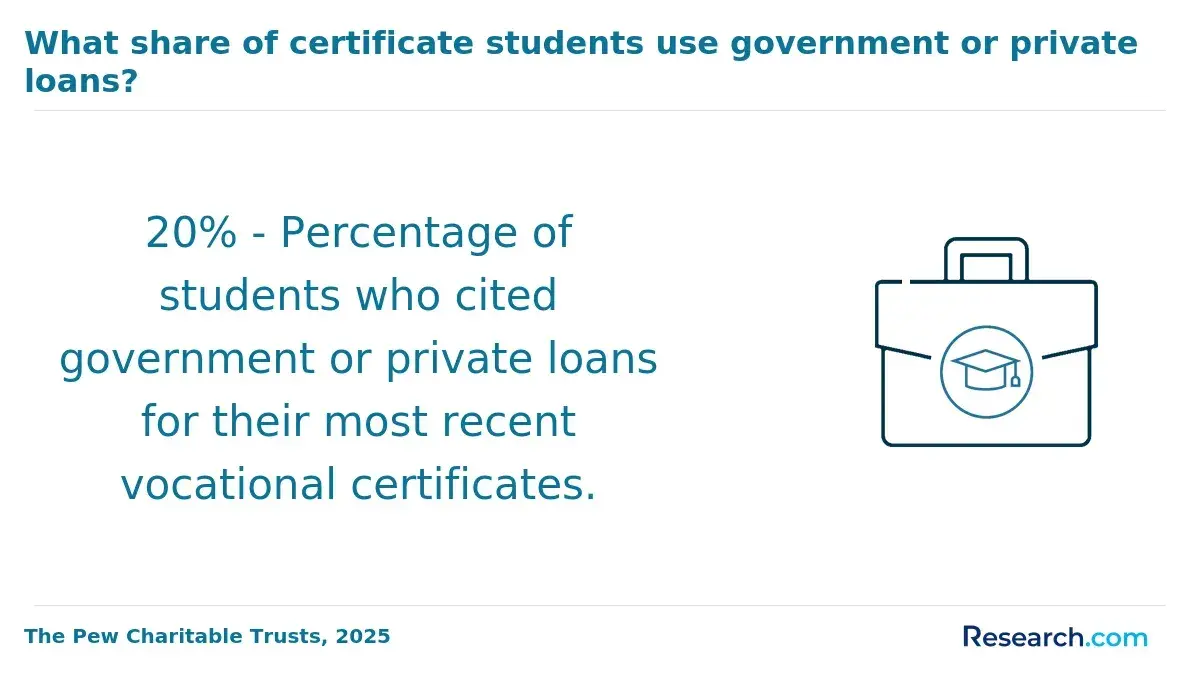
- Federal Grants and Loans: Programs like Pell Grants and subsidized loans can help eligible students cover tuition and related costs. Grants do not need to be repaid, while loans should be borrowed cautiously and only after reviewing repayment obligations.
- Employer Tuition Assistance: Some employers provide reimbursement or direct tuition support for education connected to professional development. Ask whether your employer requires a minimum grade, continued employment, or preapproval before courses begin.
- Scholarships for Adult Learners: Scholarships may be based on financial need, academic merit, career goals, community service, or interest in library and information science. Adult learners should search both school-based and external awards.
- Military and Veteran Benefits: Veterans or active-duty military personnel may qualify for GI Bill® benefits or similar programs. Confirm how benefits apply to online enrollment and part-time study.
- Institutional Support Programs: Payment plans, tuition discounts, emergency grants, and prior learning assessments can reduce immediate financial pressure or shorten the path to completion.
How to lower borrowing
- Submit required financial aid forms as early as possible.
- Ask whether scholarships are renewable or one-time awards.
- Use transfer credits and approved prior learning to reduce required coursework.
- Compare part-time and full-time aid eligibility before choosing a pace.
- Borrow only what is needed after grants, scholarships, employer support, and personal payment plans are considered.
Working adults looking for financial aid for online library science students should focus on accredited programs with clear aid policies and advising that understands part-time enrollment. Students comparing flexible degree options in other fields can also review resources such as the best online biology degree programs for examples of how online learners manage cost, speed, and financial support.
What Jobs Can You Get With a Library Science Degree?
A library science degree can lead to roles in public libraries, school libraries, academic libraries, archives, digital collections, records management, research support, information services, and specialized organizational settings. The exact jobs available depend on degree level, experience, state or employer requirements, technical skills, and whether a role requires a graduate credential.
Flexible and affordable degree pathways can help working adults move into the field, advance from support roles, or shift toward digital information work. Employment for librarians and related occupations is projected to grow about 9% from 2022 to 2032, reflecting steady demand in the sector.
Common career paths
- Support and Administrative Roles: These positions may include circulation support, cataloging assistance, patron services, shelving coordination, and daily library operations. They can be entry points for students still completing a degree.
- Technical and Specialized Positions: Digital libraries, archives, metadata, records management, and data curation roles often require stronger technology skills and familiarity with information organization standards.
- Management and Supervisory Tracks: Experienced professionals may move into roles overseeing staff, budgets, programs, collections, policies, and community services.
- Community and Educational Outreach: These roles focus on literacy, programming, instructional support, youth or adult services, and outreach to diverse populations in public or school settings.
- Industry-Specific Careers: Library science skills can also apply in corporate, government, legal, medical, nonprofit, and research environments where organizations need professionals to manage information resources.
Skills employers often value
- Information organization and retrieval.
- Research assistance and user support.
- Digital resource management.
- Communication and public service.
- Technology fluency and adaptability.
- Project coordination and attention to detail.
Adult learners considering flexible education options may also compare related professional pathways, such as a degree in healthcare management, which can also accommodate working professionals through adaptable schedules and credit transfer options.
What Should Working Adults Look for When Choosing a Library Science Degree Program?
Working adults should choose a library science degree program by weighing accreditation, total cost, scheduling flexibility, transfer credit, career alignment, student support, and long-term value. The right program is not always the cheapest or fastest; it is the one you can complete successfully and use toward your intended career path.
Nearly 70% of today's college students are part-time or nontraditional learners, which means many schools now offer more flexible pathways. Still, program quality varies, so adults should verify claims carefully before applying.
Decision checklist for working adults
- Accreditation: Confirm institutional accreditation and any programmatic recognition relevant to your career goal. This affects credibility, aid eligibility, and future academic options.
- Scheduling Flexibility: Look for asynchronous courses, part-time plans, multiple start dates, and policies that allow you to slow down if work or family demands increase.
- Transfer Credit Policies: Ask for a formal review of prior coursework, certifications, military training, or professional learning. Transfer credit can be one of the biggest cost-saving tools.
- Affordability and Financial Aid: Compare total program cost, not just tuition. Include fees, books, technology expenses, and how long you will be enrolled.
- Online Learning Accessibility: Make sure the learning platform, advising, library resources, tutoring, and technical support are accessible remotely and at times that work for adult students.
Common mistakes to avoid
- Choosing based only on the lowest advertised tuition.
- Assuming all online programs are asynchronous.
- Enrolling before receiving a transfer credit estimate.
- Ignoring employer or licensure-related requirements for your target role.
- Underestimating the weekly time commitment of accelerated courses.
Before committing, request a degree plan, estimated total cost, transfer evaluation, and sample course schedule. Those documents make it easier to compare programs on practical fit rather than marketing language.
What Do Students Say About Affordable Library Science Degree Programs?
- Emmanuel: "Choosing an affordable library science program means more than just the price tag. I focused on accredited programs that accepted transfer credits, so I wouldn't lose the progress I had already made in my education. Balancing work and study was critical, so programs with evening and weekend classes really made all the difference for me."
- Gage: "Finding a flexible library science degree that fit around my full-time job was a game-changer. Online courses were essential to keep up with assignments during busy weeks without compromising my income. I also learned to verify whether the cheaper programs were truly respected by employers, which saved me from wasting time on degrees that wouldn't advance my career."
- Isaac: "Reflecting on my journey, I believe working adults should prioritize programs that align with their long-term career goals in library science. I found that transparent accreditation and a curriculum aligned with industry standards are vital. The ability to transfer credits and study on my own schedule gave me peace of mind and made the whole experience manageable and worthwhile."
Other Things You Should Know About Library Science Degrees
In 2027, many affordable library science degree programs offer financial assistance for working adults through options like scholarships, grants, employer tuition reimbursement, and work-study opportunities. Prospective students should check program-specific financial aid offerings to reduce costs further.
Some low-cost library science programs include practical components such as internships or practicum experiences, though these vary by institution. Practical experience is crucial for skill development and employability, so verify whether the program facilitates local internship placements or virtual practicum opportunities. Programs without built-in experiences may require students to seek them independently.
Yes, many affordable library science programs for working adults in 2027 offer part-time options. These programs typically allow students to complete coursework in the evenings or weekends, accommodating a working schedule and enabling adults to balance education with their professional commitments.
For inexpensive library science programs in 2027, admission requirements typically include a bachelor's degree, basic computer literacy, and a statement of purpose. Some may require work experience in libraries or related fields, and proof of English proficiency for non-native speakers.
References
- 30 Best Online MLIS (Library Science) Programs For 2025 https://librarysciencedegreesonline.org/30-best-online-library-science-degrees/
- Online MLIS Flexibility, Community, and Choice https://www.libraryjournal.com/story/online-mlis-flexibility-community-and-choice
- Choosing the Right Library Science Program: Factors to Consider https://www.librariancertification.com/choosing-the-right-library-science-program-factors-to-consider/
- 20 Best Affordable Master’s in Library Science - The Best Master's Degrees https://www.bestmastersdegrees.com/top/affordable-masters-in-library-science/
- Library Science Degrees | Best MLIS Programs, Updated for 2025 https://www.librarysciencedegrees.org/
- Most Affordable Library Science Degree Programs Online https://careerkarma.com/blog/cheapest-online-library-science-degree/