2027 Cheapest Accelerated Library Science Degree Programs Online

Co-Founder and Chief Data Scientist
Choosing an accelerated online library science program is a cost, time, and credibility decision. Working adults, career changers, transfer students, and nontraditional learners need a degree path that is affordable enough to justify the investment, flexible enough to fit real life, and legitimate enough to support library, archive, information management, or academic support roles.
The stakes are practical. With 65% of library science graduates employed in public or academic libraries earning a median annual wage near $60,000, finishing sooner can affect promotion timelines, job eligibility, and long-term financial stability. But the cheapest option is not always the best option if it lacks accreditation, limits transfer credit, adds hidden fees, or does not align with employer expectations.
This guide explains how to compare accelerated online library science degrees by total cost, pacing, accreditation, transfer credit, prior learning options, scheduling, and financial aid. It is designed to help you identify programs that save time and money without creating avoidable risks.
Key Things to Know About the Cheapest Accelerated Library Science Degree Programs Online
- Accelerated online library science programs cut time and tuition by offering flexible schedules, transfer credit options, and fast-track formats-ideal for working adults balancing multiple commitments.
- Compare accreditation, total costs, financial aid availability, and potential hidden fees carefully to ensure true affordability beyond advertised tuition rates.
- Verify transfer policies, pacing rules, residency requirements, and career or licensure outcomes before enrolling to avoid unexpected obstacles and maximize degree value.
What Are the Cheapest Accelerated Library Science Degree Programs Online?
The cheapest accelerated online library science programs are usually found at accredited public universities, transfer-friendly institutions, and schools with competency-based or condensed-term formats. These programs reduce cost in two ways: they lower the price per credit and help students complete fewer credits or finish faster. According to recent statistics, students who pursue accelerated degrees can finish their programs up to 30% faster than traditional schedules, often saving thousands on overall costs.
Affordability should be measured by total program cost, not advertised tuition alone. A low per-credit rate can become expensive if the school accepts few transfer credits, requires extra fees, or forces students into a longer sequence than expected.
- Public university programs: State universities often offer the strongest value, especially when online students qualify for in-state or reduced distance-learning tuition. Some accelerated online formats can be completed in as little as 12 to 18 months, which may reduce both tuition exposure and opportunity cost.
- Competency-based programs: These programs allow students to move ahead after demonstrating mastery instead of waiting for a fixed semester to end. They can be cost-effective for learners who already have experience with research, information organization, archives, digital systems, or educational support services.
- Transfer-friendly programs: Schools that accept prior college coursework, certificates, or approved professional learning can shorten the degree plan. This is especially important for adult learners who do not want to repeat general education or introductory coursework they have already completed.
- Fully online programs: Online delivery can reduce commuting, relocation, and campus-related expenses. The best low-cost programs combine asynchronous coursework with predictable course sequencing so working adults can plan ahead.
Students comparing library science with other flexible fields may also notice similar cost-saving structures in online degrees in AI, where transfer credit, accelerated terms, and online delivery can affect the final price.
How Much Does an Accelerated Online Library Science Degree Cost?
Accelerated online library science degree programs often cost $200 to $400 per credit hour, with some master’s programs totaling approximately $10,000 to $15,000 within two years. The actual amount a student pays depends on residency rules, required credits, fees, transfer credit, course load, and whether tuition is charged per credit or per term.
Do not compare programs only by tuition rate. A slightly higher per-credit program may be cheaper overall if it accepts more transfer credit, offers flat-rate terms, or has fewer mandatory fees. Students researching an online mlis should request a personalized cost estimate before enrolling.
- Public university tuition: Public institutions may offer lower rates for residents, and some extend competitive online tuition to out-of-state distance learners. Flat-rate tuition can be valuable for students who can handle a heavier accelerated course load.
- Competency-based pricing: Competency-based models can reduce cost when students complete more coursework within the same billing period. Programs like those at Western Governors University use fixed-term tuition structures, with caps around $3,500 per term, which can help self-paced learners manage expenses.
- Transfer credit savings: Accepted transfer credits lower both tuition and time in school. Before applying, students should ask whether credits are accepted as electives only or whether they replace specific degree requirements.
- Online fees and hidden costs: Online programs may charge technology, library, graduation, proctoring, or course material fees. These costs may be smaller than relocation or commuting expenses, but they still belong in the total budget.
For perspective, students who compare prices across online professional programs may find similar pricing patterns in the cheapest engineering degree options, where public tuition, transfer credit, and delivery format also influence total cost.
Are Cheap Accelerated Library Science Degree Programs Accredited and Legitimate?
Yes, cheap accelerated online library science programs can be legitimate, but only if the institution is properly accredited and authorized to serve online students. Low tuition alone is not a warning sign. The real risks are unclear accreditation, weak transfer policies, poor student support, and programs that overpromise fast completion without explaining requirements.
With online enrollment surging by over 20% in recent years, students should verify quality before paying an application fee or submitting financial aid documents. Accreditation affects federal aid eligibility, credit transfer, employer recognition, and in some cases professional advancement.
- Regional accreditation: Regional accreditation applies to the institution as a whole and indicates that the university meets recognized academic and administrative standards. It is often important for federal financial aid, graduate admissions, and employer confidence.
- Programmatic endorsements: Library-related recognition from organizations such as the American Library Association can matter for certain roles, especially in public, academic, and school library settings. Students should confirm whether their target employers require or prefer specific programmatic recognition.
- State authorization: Online programs must be authorized to enroll students in eligible states. This matters because a school may be accredited but still unable to enroll students from certain locations.
- Transparency: Legitimate programs clearly publish tuition, fees, course requirements, faculty information, student support services, and completion expectations. Be cautious if a program avoids direct answers about accreditation or credit transfer.
A practical rule: verify accreditation through official sources, then ask the program how its degree is viewed by employers in the library or information setting where you want to work.
What Are the Fastest Online Library Science Degree Programs?
The fastest online library science programs usually use competency-based learning, generous transfer credit, year-round condensed courses, or prior learning assessment. With online education enrollment surging by over 30% in recent years, more schools now offer accelerated formats for adults who cannot pause work or family responsibilities.
Speed is useful only when the workload is realistic. A program that can be completed quickly may require intensive weekly reading, research, group projects, fieldwork, or technology assignments. Students should ask how many hours per week each course typically requires before committing to the fastest route.
- Competency-based education: Students progress by proving mastery rather than sitting through a fixed course calendar. Highly motivated learners with relevant experience may finish in about a year, but success depends on discipline and available study time.
- Transfer-credit pathways: Some programs allow prior coursework to cover up to 75% of degree requirements. For transfer students, this can reduce the remaining timeline to roughly 18-24 months.
- Year-round 8-week courses: Condensed terms let students complete more courses per year than a traditional semester calendar. This model can support bachelor’s or master’s completion within 12 to 24 months, depending on credit requirements and course load.
- Prior learning assessment: Portfolio review, exams, or documented professional learning can reduce required coursework for students with relevant work experience.
The fastest program is not always the best program. Students should balance completion time with accreditation, course availability, advising quality, and whether the accelerated plan is sustainable with their work schedule. Similar flexible structures can also be found in data science degrees, where accelerated online formats serve working professionals who need predictable pacing.
Which Online Library Science Degree Programs Are Best for Working Adults?
The best online library science programs for working adults combine flexibility, predictable deadlines, strong advising, and clear degree maps. Recent data shows that over 40% of adult learners enroll in flexible online education to meet their unique time constraints, which makes scheduling design just as important as tuition.
Working adults should prioritize programs that make it possible to keep earning income while studying. That usually means asynchronous coursework, multiple start dates, part-time options, and support services available outside standard business hours.
- Asynchronous delivery: Students can complete lectures, readings, discussions, and assignments without attending class at a fixed time. This is often the best fit for full-time workers, caregivers, and students with rotating schedules.
- Competency-based models: These programs can reward prior knowledge and let experienced learners move faster. They work best for students who are self-directed and comfortable managing deadlines independently.
- Transfer-friendly colleges: Adult learners often bring prior college credit. Schools that evaluate transfer credit quickly and apply it meaningfully can reduce both cost and time to completion.
- Flexible part-time scheduling: Part-time enrollment may be slower, but it can prevent burnout. For many working adults, a steady pace is more realistic than an overloaded accelerated term.
- Career-focused support: Look for online access to advising, library databases, technology help, internship guidance, and career services. These supports matter more in accelerated programs because students have less time to recover from delays.
What Flexible Scheduling Options Are Available in Accelerated Library Science Programs?
Accelerated online library science programs may offer several scheduling models, including asynchronous classes, evening or weekend meetings, rolling starts, condensed terms, and competency-based pacing. Recent data shows that over 70% of adult learners prefer programs offering adaptable pacing and online accessibility to fit complex life commitments.
The right schedule depends on how much structure a student needs. Some learners thrive with self-paced coursework, while others need live meetings and weekly deadlines to stay accountable.
- Asynchronous coursework: Students access materials and complete assignments on their own schedule. This is the most flexible option, but it requires strong time management.
- Competency-based progression: Learners move forward after demonstrating mastery. This can accelerate completion for experienced students or allow a more controlled pace for busy adults.
- Synchronous evening and weekend classes: Live sessions outside typical work hours provide direct faculty interaction and peer discussion. They are less flexible than asynchronous formats but can create helpful structure.
- Rolling enrollment: Multiple start dates throughout the year reduce waiting time and help students begin when work and family obligations allow.
- Condensed terms: Intensive 8-week courses shorten the academic calendar. They can speed progress, but students should expect a heavier weekly workload than in a traditional term.
Before enrolling, ask whether courses are offered every term, how group projects are scheduled, whether any campus visits are required, and what happens if you need to pause for a term.
Which Accelerated Library Science Degree Programs Accept the Most Transfer Credits?
Programs that accept the most transfer credits typically have formal articulation agreements, adult degree completion pathways, prior learning assessment policies, military credit procedures, and participation in statewide transfer systems. According to the National Center for Education Statistics, roughly 38% of college students transfer credits from other institutions, so credit mobility is a major affordability issue.
Students should ask not only how many credits can transfer, but how those credits apply. Credits that count only as electives may not reduce the number of required major courses. The most useful transfer policies apply prior credits directly to degree requirements.
- Community college articulation: Formal agreements between community colleges and universities help students transfer general education and lower-division coursework without repeating classes.
- Military-friendly programs: Some schools evaluate military training through the Joint Services Transcript or American Council on Education recommendations. This can reduce requirements for veterans and active-duty service members.
- Prior learning assessments: PLA policies may award credit through exams, portfolios, certifications, or documented professional experience. These options are valuable for adults who have learned relevant skills outside a college classroom.
- Adult degree completion programs: These programs are built for students with previous credits. They often provide faster evaluations, flexible residency rules, and advising focused on the shortest legitimate route to completion.
- Statewide transfer systems: Public universities in the same state may participate in transfer frameworks that make credits easier to apply across institutions.
Before choosing a program, request a written transfer evaluation. It should show accepted credits, remaining requirements, estimated graduation date, and any residency requirement that must be completed at the enrolling institution.
Can Prior Learning or Work Experience Reduce the Time and Cost of a Library Science Degree?
Yes. Prior learning, work experience, military training, certifications, and previous college coursework can reduce the time and cost of a library science degree when the school has formal policies for evaluating them. Studies show that nearly 60% of adult learners benefit from transfer credits or prior learning assessments, accelerating their graduation timeline.
The value of prior learning depends on documentation. Schools usually need transcripts, exam scores, professional certifications, military records, portfolios, or employer-verified evidence before awarding credit.
- Transfer credits: Credits from accredited colleges may apply to general education, electives, or major requirements. The strongest savings occur when transfer credit replaces required courses.
- Competency-based models: Students may move faster by demonstrating skills through assessments, projects, or exams. This can benefit career changers with research, technology, education, archival, or information management experience.
- Standardized exams: CLEP and DSST exams may allow students to test out of introductory coursework, depending on institutional policy.
- Military training credit: Schools may award credit based on ACE evaluations and official military transcripts, helping military-affiliated learners avoid repeating training they have already completed.
- Portfolio assessments: A portfolio can document workplace learning, projects, certifications, and professional responsibilities. This option can be useful but may require fees, faculty review, and detailed evidence.
Policies vary widely, especially around residency requirements, maximum transferable credits, and whether prior learning can apply to upper-level or graduate coursework. Students comparing fast-track options in other fields, such as an accelerated business administration degree online, can use similar questions when evaluating credit for prior learning.
What Financial Aid Options Are Available for Online Library Science Students?
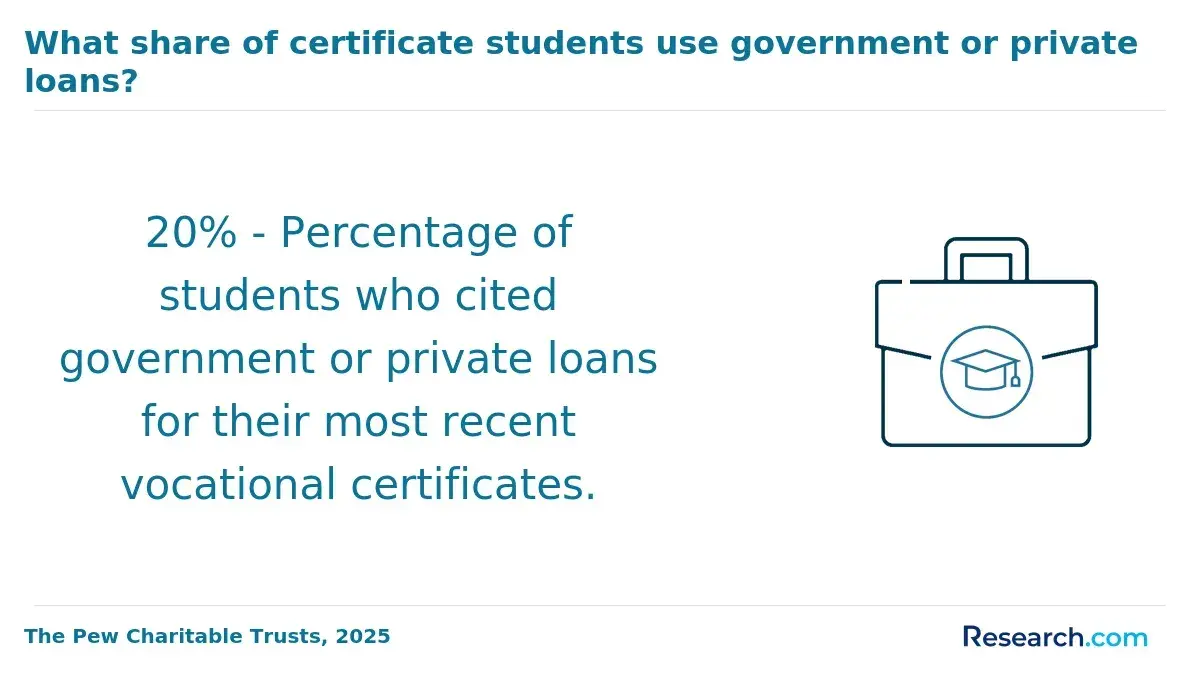
Online library science students may qualify for federal aid, institutional scholarships, employer tuition assistance, military education benefits, and workforce retraining funds. Financial aid remains important even in lower-cost accelerated programs, as nearly 60% of online students rely on some form of financial assistance to manage costs.
Students should confirm that the school is accredited and eligible for federal aid before assuming loans or grants are available. They should also ask whether accelerated enrollment affects aid disbursement, satisfactory academic progress rules, and renewal requirements.
- Federal grants and loans: Pell Grants and federal loans through the U.S. Department of Education can help eligible students cover tuition and fees. Grants do not require repayment, while loans must be repaid under applicable terms.
- Institutional scholarships: Schools may offer merit-based, need-based, or program-specific awards for online and accelerated learners. Deadlines may come earlier than admission deadlines.
- Employer tuition assistance: Employers may reimburse tuition or pay directly for education connected to career advancement. Students should check grade requirements, annual caps, and repayment obligations if they leave the employer.
- Military education benefits: Veterans, active-duty service members, and eligible dependents may use GI Bill benefits or related military tuition programs for approved online degrees.
- Workforce retraining programs: State and local programs may fund education for career changers or workers entering high-need fields, depending on eligibility and local rules.
Financial aid works best when paired with cost controls: transfer credit, prior learning assessment, careful course planning, and avoidance of unnecessary withdrawals. Students comparing affordability across technology-focused online programs may also review online CS degree options to understand how accelerated scheduling and aid policies interact.
What Should Students Look for When Choosing an Affordable Accelerated Library Science Program?
Students should choose an affordable accelerated library science program by evaluating accreditation, total cost, transfer policy, schedule design, student support, and career fit. Nearly 70% of online learners seek flexible options that balance affordability with career readiness, so the best choice is usually the program that fits both budget and life circumstances.
- Accreditation: Confirm institutional accreditation recognized by the U.S. Department of Education. For certain library roles, also check whether employers prefer specific programmatic recognition.
- Total cost: Review tuition, fees, books, technology charges, graduation fees, and any required campus visits. Ask for a full cost estimate based on your transfer evaluation.
- Transfer and prior learning policies: Look for clear rules on maximum transfer credits, PLA options, military credit, and residency requirements.
- Accelerated format: Decide whether you can handle 8-week terms, self-paced competency work, or heavier course loads. A fast format should be challenging but manageable.
- Student support: Online learners need responsive advising, library access, technology support, writing help, and career services. Weak support can delay graduation and increase cost.
- Career alignment: Review electives, practicum options, technology training, archives coursework, school library preparation, or academic library pathways based on your goal.
- Outcome indicators: Ask about graduation rates, job placement information, alumni networks, and employer partnerships when available.
A strong program should be able to answer direct questions clearly. If admissions staff cannot explain accreditation, total cost, transfer credit, or the realistic accelerated timeline, keep comparing options.
What Do Students Say About Cheap Accelerated Online Library Science Degree Programs?
- : "Balancing a full-time job and family life, I found the flexible schedules of accelerated library science programs truly invaluable. Many affordable options I explored also offered generous financial aid tailored for online students, which helped ease the financial burden. Choosing a program that combined both cost-efficiency and flexibility made continuing my education realistic and rewarding. — Emmanuel"
- : "As someone transitioning careers, I was especially cautious about investing in a degree that could offer quick results without compromising quality. The cheapest accelerated library science programs online not only allowed me to finish faster but also provided solid financial aid resources. Reflecting on my choice, affordability paired with the chance to learn at my own pace was crucial in making this change possible. — Gage"
- : "Pursuing an accelerated library science degree as a nontraditional student meant I needed programs that recognized my unique circumstances. Affordability was a top priority, but I also valued institutions that offered comprehensive financial aid options for online learners. The ability to select an accelerated path with flexible scheduling ultimately helped me stay motivated and complete my studies efficiently. — Isaac"
Other Things You Should Know About Library Science Degrees
Yes, many accelerated library science degree programs are designed for full online completion. These programs use virtual classrooms, digital libraries, and online discussion forums to deliver coursework. However, some may require local internships or practicums to meet professional standards, which must be completed in person.
The biggest factor affecting tuition fees for online accelerated library science programs in 2027 is often whether the institution is public or private. Public universities typically offer lower tuition rates for in-state students, making them a more affordable option compared to private universities.
Affordable accelerated library science programs often provide career services such as resume reviews, job placement assistance, and networking events. Many include access to online career portals and connections to library associations. While service availability varies, programs aimed at working adults usually emphasize practical career support to enhance job prospects after graduation.
Yes, while all accredited library science programs cover foundational skills, some accelerated options offer concentrations like digital archives, youth services, or information technology. Choosing a program with a curriculum tailored to specific career goals can improve employment opportunities. Students should review course descriptions closely to ensure alignment with their professional interests.
References
- Choosing the Right Library Science Program: Factors to Consider https://www.librariancertification.com/choosing-the-right-library-science-program-factors-to-consider/
- 20 Best Affordable Master’s in Library Science - The Best Master's Degrees https://www.bestmastersdegrees.com/top/affordable-masters-in-library-science/
- Library and Information Sciences BS-MLIS https://online.usm.edu/accelerated-masters/library-accelerated-masters/
- 2025's Most Affordable Library Science Degrees (MLIS) Online https://librarysciencedegreesonline.org/affordable-library-science-programs/
- 2025 Best Online MLIS Programs that are ALA Accredited https://www.librarysciencedegrees.org/programs/online/best-mlis-ala-accredited
- Experience Required https://www.libraryjournal.com/story/experience-required
- Tuition + Finance https://www.ualberta.ca/en/school-of-library-and-information-studies/study/tuition-finance/index.html
- Most Affordable Library Science Degree Programs Online https://careerkarma.com/blog/cheapest-online-library-science-degree/
- Balancing Full Time Work and a Professional Master’s Degree: Renee on Librarianship, Learning Design, and Student Support https://www.anotherdegree.com/post/working-full-time-in-graduate-school
- Financial Aid and Scholarships for Library Science Students - Master's in Library Science MLS & MLIS Programs Online https://www.mastersinlibraryscience.org/financial-aid-scholarships-mls-students/