2027 Highest-Paying Jobs You Can Get With a Library Science Degree

Co-Founder and Chief Data Scientist
A library science degree is usually a career investment, not just an academic credential. The key question is whether the degree, required graduate study, possible licensure, and time out of the workforce can lead to stronger earnings and better long-term job options than entering the field with a lower credential or choosing another path.
The answer depends heavily on role, employer, specialization, location, and degree level. Data shows that professionals with a master's in library science earn approximately 15% more than those without formal graduate training in the field, but that wage premium is not automatic. It is strongest when the degree leads to professional librarian roles, management responsibility, or specialized work in legal, medical, archival, technical, or corporate information settings.
This guide explains what a library science degree can qualify you to do, which jobs tend to pay the most, how bachelor's, master's, and doctoral pathways compare, and how certifications, geography, specialization, and leadership experience shape salary potential.
Key Things to Know About the Highest-Paying Jobs You Can Get With a Library Science Degree
- Graduate credentials in library science often yield a wage premium of 15-25% over bachelor-level qualifications-significantly boosting long-term earning potential in specialized roles.
- Professional licensure and certifications-such as the Academy of Certified Archivists credential-can increase salaries by up to 20%, particularly in information management and archival positions.
- Compared to alternative pathways, a library science degree offers competitive return on investment, with median salaries rising faster than many vocational certifications or associate degrees.
What Exactly Does a Library Science Degree Qualify You to Do in Today's Job Market?
A library science degree prepares graduates to organize, preserve, retrieve, evaluate, and deliver information for public, academic, corporate, legal, medical, government, and cultural institutions. The degree is broader than traditional library work. It can lead to roles involving digital collections, metadata, archives, research support, database searching, user instruction, records management, and knowledge systems.
Employers value the credential because it signals more than general workplace experience. Graduates typically study cataloging, classification, information ethics, collection development, digital systems, research methods, and user services. According to the U.S. Bureau of Labor Statistics and the American Library Association, this combination of technical, analytical, and public-service skills is central to modern librarian and information professional roles.
- Professional librarian roles: A library science degree can qualify graduates for public, school, academic, special, and research librarian positions, although many professional roles prefer or require a master's-level credential.
- Archives and preservation roles: Graduates may work with physical records, rare materials, institutional archives, digital preservation systems, and cultural collections.
- Information systems work: The degree can support careers in metadata, digital repositories, discovery systems, database management, and information architecture when paired with technical skills.
- Research and user support: Many graduates help students, faculty, attorneys, physicians, corporate teams, or the public find reliable information and use specialized databases effectively.
- Limits of the degree: A library science degree does not license someone for unrelated professions such as teaching, counseling, law, or information technology. Additional certification, licensure, or degrees may be required depending on the role and state or employer rules.
The strongest job-market outcomes usually come from matching the degree to a clear professional lane. A bachelor's-level background may help with assistant or technician roles, while advanced credentials are more closely tied to professional librarian, director, digital archivist, and specialized information roles. Students comparing this field with other options can also review broader guidance on college majors to understand how major choice connects to income, graduate study, and career flexibility.
Which Library Science Jobs Command the Highest Salaries Right Now?
The highest-paying library science jobs are usually not entry-level public service roles. They tend to combine graduate education with specialized subject expertise, technology skills, management responsibility, or work in higher-paying sectors such as law, medicine, government, academia, and corporate information services.
Medical librarians
Medical librarians are among the strongest salary options for library science graduates. The median annual wage is around $60,000, rising to about $75,000 at the 75th percentile and surpassing $90,000 for top earners. These professionals support hospitals, medical schools, research institutions, and pharmaceutical companies by locating clinical evidence, managing health databases, training users, and supporting systematic reviews. Knowledge of medical terminology, research methods, and health information systems can improve competitiveness.
Law librarians
Law librarians also command strong salaries because legal research is specialized, time-sensitive, and high-stakes. Median wages approach $65,000, climb near $80,000 at the 75th percentile, and exceed $100,000 for the highest earners. Roles are common in law firms, courts, government agencies, and academic law libraries. A Juris Doctor alongside a library science degree can strengthen access to higher-paying legal information roles, especially in large metropolitan markets.
Archivists and curators
Archivists and museum curators with a library science background report median salaries near $55,000. Seasoned professionals reach $75,000 or more at the 75th percentile and can surpass $90,000 at the top tier. Higher pay is more likely in major museums, universities, government repositories, and cultural institutions with large or complex collections. Certifications or graduate study in archival science or museum studies may improve advancement prospects.
Library directors and administrators
Library directors and administrators often sit at the upper end of the salary range because they manage budgets, staff, facilities, technology, policy, and community or institutional strategy. Median salaries exceed $70,000, rise to around $85,000 at the 75th percentile, and reach over $110,000 for top earners. These roles generally require a graduate library science credential plus years of supervisory, budget, and operational experience.
Information systems librarians
Information systems librarians earn competitive wages as libraries and organizations rely more heavily on digital platforms. Median salaries hover near $65,000, increase to $85,000 at the 75th percentile, and top $100,000 for experienced professionals. These roles may involve digital libraries, discovery tools, data curation, repository management, authentication systems, or IT collaboration. Graduates with both library science training and technical fluency are better positioned for these jobs.
What pushes salaries higher?
- Degree level: Master's and doctoral credentials are more closely linked to professional, leadership, and specialized roles.
- Specialized expertise: Law, medicine, archival science, data curation, and information systems can carry salary advantages.
- Employer type: Corporate, legal, medical, federal, and large academic employers often pay more than smaller public or rural libraries.
- Location: Major metropolitan areas may offer higher nominal salaries, though cost of living can reduce the real advantage.
- Management responsibility: Supervising staff, managing budgets, and leading institutional strategy typically raise compensation.
The main lesson is that the degree has the strongest financial return when it is paired with a salary-conscious specialty. Credential-based career planning matters in many professions; students comparing professional pathways may also examine CACREP-accredited programs as another example of how accreditation and credentials can shape career access.
How Does Degree Level-Bachelor's vs. Master's vs. Doctoral-Affect Library Science Earning Potential?
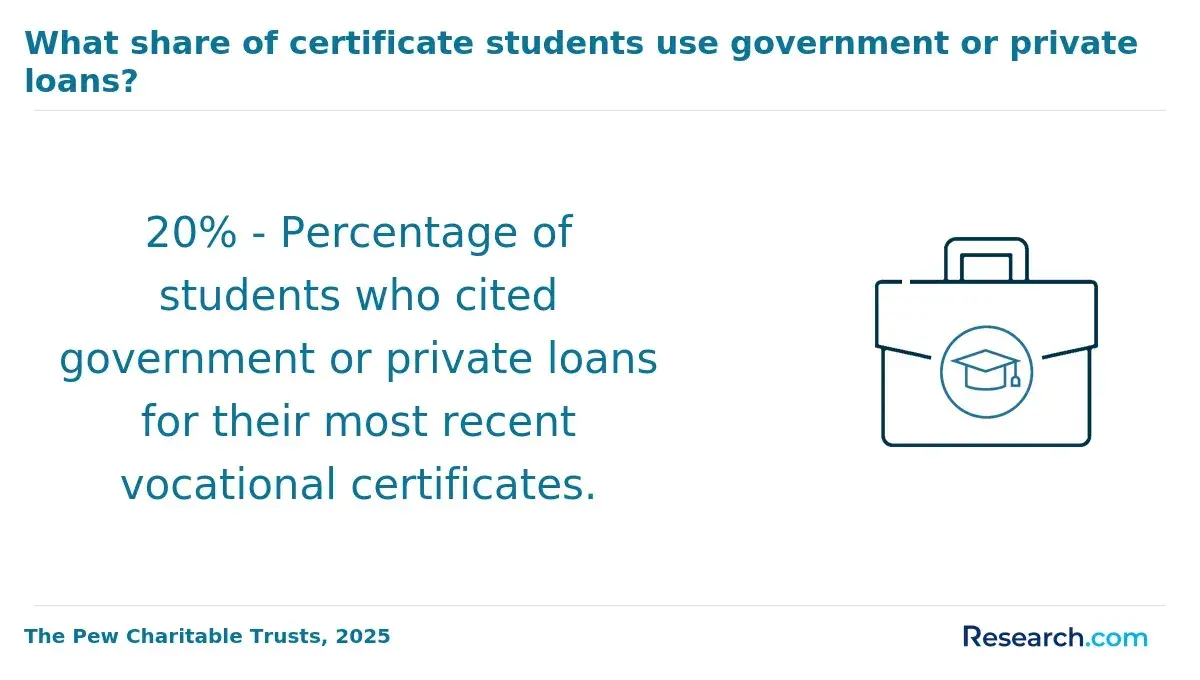
Degree level has a major effect on library science earning potential because many higher-paying roles use the master's degree as the professional entry point. A bachelor's degree can help a candidate enter the field, but a master's degree is typically the credential that opens access to professional librarian, specialist, and supervisory positions. Doctoral study is less common and usually pays off best for academic, research, executive, or consulting careers.
Bachelor's degree
Library science roles accessible with a bachelor's degree, such as library assistants or archival technicians, offer median salaries between $40,000 and $50,000 annually. These jobs can be good entry points for gaining experience, confirming interest in the field, and building references. However, advancement can be limited when employers reserve professional librarian or management roles for candidates with graduate credentials.
Master's degree
A master's degree is typically required for professional librarian roles and can raise median earnings to around $60,000-$80,000. It can qualify graduates for public and academic librarian positions, digital curator roles, information systems positions, and supervisory pathways. The master's degree often provides the clearest return for students who want professional status without committing to a research doctorate. Students comparing delivery formats and cost should evaluate whether an online library science degree can meet employer expectations while fitting their budget and schedule.
Doctoral degree
Doctoral qualifications, whether professional or research-focused, are less common in library science but can support higher income potential in academia, research institutions, and consulting. Salaries commonly exceed $90,000 in these sectors. Doctoral credentials may be important for university-level teaching, senior research leadership, and specialized policy or consulting roles, but the financial payoff usually takes longer because of the added time and cost.
Return on investment
Prospective students should compare tuition, fees, living costs, debt, and lost wages against the likely salary increase. A master's degree often pays off within 3 to 5 years due to $15,000-$30,000 annual raises, especially when it leads directly to professional or specialized roles. Doctoral programs require a longer time horizon and are most practical when the target career specifically rewards advanced research credentials.
Choosing the right level
- Choose a bachelor's pathway if you want a lower-cost entry point, are still testing the field, or plan to work while deciding on graduate study.
- Choose a master's pathway if your goal is to become a professional librarian, digital archivist, academic librarian, public librarian, or information specialist.
- Choose a doctoral pathway if you are aiming for faculty work, advanced research, senior institutional leadership, or specialized consulting.
A professional who completed the library science degree reflected on the experience, sharing, "Juggling coursework with my job was demanding-especially balancing assignments, internships, and family time. The master's program challenged me intellectually but also expanded my network in ways I hadn't anticipated. After graduation, the salary boost justified the sacrifice, though the decision wasn't easy at first. Understanding exactly how the degree level impacted my earning potential helped me stay motivated through tough periods."
Which Industries and Employers Pay Library Science Graduates the Most?
Library science salaries vary by employer because organizations value information work differently. A community library, a federal agency, a hospital, a law firm, and a technology company may all hire people with library science training, but the budgets, job duties, and salary ceilings can differ sharply.
- Private sector: Corporate research firms, technology companies, consulting organizations, and specialized information management businesses often offer the highest compensation. These employers may pay annual wages from $75,000 up to $100,000 for roles tied to competitive intelligence, taxonomy, digital asset management, data governance, or enterprise knowledge systems.
- Government agencies: Federal, state, and local agencies can provide stable employment and competitive pay for librarians, records managers, archivists, and information policy specialists. Federal librarians can earn between $60,000 and $95,000, depending on experience, clearance needs, agency level, and job complexity.
- Academic institutions: Colleges and universities employ academic librarians, subject specialists, digital scholarship professionals, archivists, and systems librarians. Pay often improves with faculty status, advanced subject expertise, technical responsibility, or leadership duties.
- Medical and legal employers: Hospitals, medical schools, law firms, courts, and law schools can pay more because information accuracy and speed have direct professional value. These settings often favor candidates with subject-specific training or dual credentials.
- Nonprofit sector: Nonprofit salaries are often below private-sector and government levels, but some historical preservation groups, foundations, archives, museums, and research nonprofits may offer stronger packages. Executive-level librarians can earn $50,000 to $80,000, depending on funding and organizational scope.
- Self-employed and consulting work: Consultants in knowledge management, taxonomy, digital archiving, records policy, or information governance may exceed $100,000 annually, but income can fluctuate. This path requires business development, client management, and a clear niche.
Students who want higher earnings should look beyond job title alone. The same title may pay differently depending on sector, region, union status, grant funding, institutional size, and technical responsibility. Building skills in data analytics, digital curation, privacy, metadata, project management, and vendor systems can help graduates compete for stronger-paying roles.
When comparing graduate credentials, the same cost-benefit logic applies across fields. For example, someone weighing library science against a psychology degree online cheap should compare not only tuition but also licensure requirements, salary ceilings, job availability, and the time needed to qualify for professional roles.
What Geographic Markets Offer the Best-Paying Library Science Jobs?
Geography affects library science salaries in two ways: the salary posted by the employer and the actual purchasing power after housing, taxes, transportation, and local expenses. A higher salary in an expensive market may not produce a better standard of living than a moderate salary in a lower-cost region.
- San Francisco Bay Area, California: This market benefits from academic institutions, technology employers, corporate research needs, and specialized information roles. Salaries can be strong, but the steep cost of living must be weighed carefully.
- Washington, D.C. Metro Area: Federal agencies, museums, archives, law-related employers, universities, and research institutions support demand for credentialed library science professionals. Specialized government and policy roles can improve earning potential.
- Boston, Massachusetts: Boston's concentration of universities, hospitals, research organizations, and cultural institutions makes it attractive for academic, medical, archival, and research librarianship.
- Seattle, Washington: Technology employers, public libraries, universities, and digital information roles create opportunities for graduates with systems, metadata, and digital resource skills.
- Texas Metro Areas (Austin, Dallas, Houston): Raw wages may be more moderate than in some coastal cities, but lower living costs and growing government, education, and corporate sectors can produce favorable adjusted income for master's-level professionals.
Remote and hybrid work have changed the geographic calculation for some library science careers. Roles involving digital resource management, metadata, systems support, digital repositories, and information governance may offer more location flexibility. By contrast, archivists, public librarians, school librarians, and community-facing roles often require on-site work because they involve physical collections, facilities, or direct user service.
Before relocating, candidates should compare salary, rent or mortgage costs, commuting, professional growth, partner or family needs, and the availability of future employers in the region. The best-paying market is not always the city with the highest advertised salary; it is the place where compensation, advancement, and quality of life align.
A professional who launched her career with a library science degree shared that navigating these geographic and financial layers was initially daunting. "I had offers from several cities but found that a nominally higher salary didn't always translate into better living standards," she explained. "Choosing remote work allowed me to maintain steady earnings while living in a more affordable area, which boosted my quality of life." She reflected on the importance of weighing intangible factors-community ties, work environment, and career growth-beyond just numbers. Her experience underscores how understanding regional wage adjustment and remote flexibility can guide smarter geographic career choices in library science.
How Do Professional Certifications and Licenses Boost Library Science Salaries?
Professional certifications and licenses can strengthen a library science career when they are tied to a specific role, employer requirement, or salary scale. They are most valuable when they prove expertise that the degree alone does not fully demonstrate, such as public library administration, archival practice, information management, or specialized services.
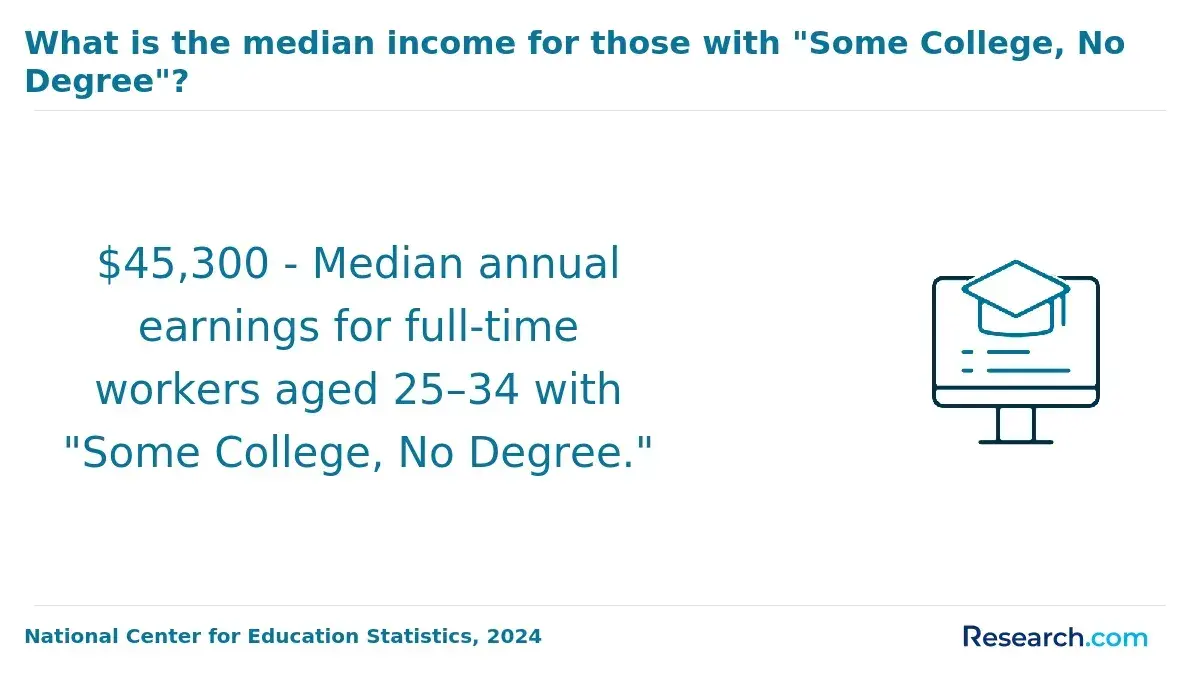
Professional certifications and licenses can markedly increase earnings for those with a Library Science degree-often boosting median salaries by 10% to more than 20%, according to studies from organizations such as the American Library Association and the Special Libraries Association. The actual salary effect depends on the employer, state requirements, bargaining agreements, specialization, and whether the credential is required for advancement.
- Certified Public Librarian (CPL): Typically granted by state agencies or professional organizations, CPL certification may require a master's in Library Science, successful completion of a licensure exam, and continuing education for renewal. Costs usually range from $100 to $300. Salary enhancements for CPL holders commonly fall between 10% and 15% above those without certification.
- Academy of Certified Archivists (ACA): This credential is designed for archivists and generally requires at least a bachelor's degree and passing a comprehensive exam. Renewal involves professional development activities. ACA certified professionals see about a 12% increase in wages based on compensation reports.
- Special Libraries Association (SLA) Certifications: These credentials focus on specialized information management roles. Applicants usually need relevant work experience and must pass credentialing exams. Fees vary from $250 to $500. Salary impacts vary by specialization, but increases often exceed 10%.
When a credential is worth it
A certification is usually worth considering when it is listed in job postings, required by a state or employer, tied to a promotion ladder, or recognized by the professional community you want to enter. It is less useful if it is expensive, poorly recognized, unrelated to your target role, or pursued before you have enough experience to use it.
Candidates should budget not only for exam fees but also for preparation materials, continuing education, renewal costs, and time away from paid work. The best strategy is to choose credentials that reinforce a clear salary goal, such as public library leadership, archival advancement, legal research, medical librarianship, or digital information management.
What Is the Salary Trajectory for Library Science Professionals Over a Full Career?
Library science salaries typically grow through a combination of experience, specialization, supervisory responsibility, and strategic job changes. The biggest jumps often happen when a professional moves from assistant or entry-level work into credentialed professional roles, then later into management or specialized technical positions.
- Early career: Entry-level roles such as assistant librarians, archivists, catalogers, or related support positions typically earn median salaries around $45,000 to $55,000 annually, according to data from the BLS and industry surveys. The first five years are often used to build practical experience, learn systems, develop service skills, and add targeted credentials such as Certified Archivist certification or specialized digital librarianship training.
- Mid-career growth: Around ten years in, salary growth can accelerate as professionals move into roles such as library managers, curators, systems librarians, subject specialists, or information specialists. Median pay climbs to $60,000-$75,000. Advanced master's degrees, niche expertise, and moves into medical librarianship, legal research, or data curation can produce a notable wage premium.
- Senior positions: Peak earnings usually occur between 15 and 25 years of experience. Library directors, chief knowledge officers, senior librarians, and senior information managers can command $80,000 to upwards of $100,000 annually. Employer type, location, budget authority, and institutional size strongly influence compensation.
What accelerates salary growth?
- Specialization: Health sciences, legal research, information architecture, metadata, digital preservation, and data governance can move professionals into stronger-paying labor markets.
- Leadership: Supervising staff, managing budgets, writing grants, leading technology projects, and building partnerships are common differentiators for higher earners.
- Professional reputation: Publishing, presenting, committee work, association leadership, and consulting can improve visibility and lead to senior opportunities.
- Mobility: Changing employers or sectors may produce faster salary growth than waiting for step increases in a single organization, though stability and benefits should also be considered.
These longitudinal insights-drawn from BLS earnings data, Georgetown Center on Education and the Workforce lifetime earnings research, and professional association surveys-can help current and prospective library science degree holders set realistic expectations. The degree can support a stable career, but the highest income outcomes usually require deliberate specialization and leadership development.
Which Library Science Specializations and Concentrations Lead to the Highest-Paying Roles?
The highest-paying library science concentrations usually connect the core discipline of information organization with a specialized domain that employers are willing to pay for. The strongest options tend to involve technical systems, legal or medical research, digital preservation, archives, information governance, or user experience in knowledge environments.
Archival science and digital preservation
Archival science can lead to higher-paying roles when it involves rare collections, institutional records, digital archives, compliance-sensitive materials, or preservation strategy. Employers value professionals who can manage both physical and digital records while protecting long-term access and authenticity.
Health sciences librarianship
Health sciences librarianship can be lucrative because it requires comfort with medical terminology, clinical databases, research evidence, and regulatory expectations. Hospitals, medical schools, research institutions, and pharmaceutical employers may pay more for librarians who can support clinicians, researchers, and students with specialized information needs.
Law librarianship
Law librarianship offers strong pay prospects because legal research requires precision, speed, and familiarity with legal databases and authority. Law firms, courts, government agencies, and academic law libraries may reward candidates who combine library science training with legal knowledge or a Juris Doctor.
Information architecture and digital systems
Information architecture, metadata, digital libraries, repository management, and systems librarianship can move graduates beyond traditional library settings. These roles are valuable because organizations need people who can structure information so users can find, understand, and apply it efficiently.
Data curation and information governance
Data curation and information governance are increasingly important as organizations manage large digital assets, privacy obligations, retention schedules, and research datasets. These pathways can be especially attractive for graduates who combine library science with analytics, records management, compliance, or technology training.
- Return on Investment: Top online library science programs combine affordability with strong employer recognition, maximizing graduates' earning potential.
- Wage Premiums: Graduate credentials and specialized certifications often yield a 15%-30% salary increase compared to entry-level degrees.
- Career Flexibility: Concentrations in STEM-related and legal fields expand opportunities beyond traditional libraries, accessing higher-paying sectors.
Students already enrolled in a general program can improve salary outcomes through internships, capstone projects, certificates, conference participation, and part-time work in a target specialty. Those comparing digital career paths outside library science may also consider how a social media marketing degree leads to different technology-focused opportunities.
How Does the Library Science Job Market's Growth Outlook Affect Long-Term Earning Stability?
The library science job market is expected to grow moderately-around 4% over the next decade according to the U.S. Bureau of Labor Statistics (BLS)-which suggests stable but not explosive demand. For students, that means the field can offer long-term career stability, but salary growth is more likely to depend on specialization, credentials, and employer choice than on rapid overall market expansion.
Public and academic libraries continue to need professionals who can support research, digital access, community programming, collection development, and user instruction. At the same time, automation and digital platforms are changing the work. Routine cataloging, clerical tasks, and repetitive processing may face more pressure, while roles involving research strategy, digital preservation, user engagement, information ethics, and complex decision-making are harder to automate.
Long-term earning stability is strongest for graduates who develop technology literacy alongside traditional library science expertise. Digital curation, data management, metadata, privacy, records policy, and information systems can help professionals stay relevant as institutions change how they store and deliver information.
Students concerned about cost can also think in stages. Some may begin with lower-cost study or related 2 year degrees before committing to graduate-level library science education. The important point is to plan backward from the job requirements in the state, sector, or institution where you want to work.
What Leadership and Management Roles Are Available to High-Earning Library Science Graduates?
High-earning library science graduates often move into leadership roles after building experience in services, systems, collections, archives, or specialized information work. These jobs pay more because they involve decision-making, budgets, staffing, policy, technology planning, and accountability for institutional outcomes.
- Library Director: Oversees strategy, budgets, staffing, facilities, public services, collections, partnerships, and long-term planning for a library system or institution.
- Head Librarian: Leads a department, branch, subject area, or functional unit such as reference, technical services, youth services, archives, or digital resources.
- Archivist Manager: Supervises archival programs, preservation strategy, records workflows, staff, access policies, and digitization projects.
- Chief Information Officer or senior information leader: Works in larger institutions where information governance, digital access, records policy, and knowledge systems are central to operations.
Compensation: According to Bureau of Labor Statistics data, managers in this field earn 20% to 40% more than individual contributors, with median salaries commonly ranging from $70,000 to over $100,000 annually depending on the organization's size and location. Higher pay reflects responsibility for budgets, staff, policy implementation, technology decisions, and service quality.
Credentials: Leadership roles usually require a master's degree in library science and may be strengthened by additional education in business, public administration, nonprofit management, education leadership, or information management. Certifications such as Certified Public Librarian and active professional association involvement can improve promotion prospects.
Experience: Most leaders progress through five to ten years of increasingly responsible work. Strong candidates can document project management, staff supervision, budget participation, vendor management, technology implementation, assessment, grant work, and community or stakeholder engagement.
Career path: Professionals aiming for top roles should seek management tasks before they formally hold a management title. Leading committees, supervising interns, managing a collection budget, writing grants, coordinating a system migration, or directing outreach programs can demonstrate readiness for executive responsibility.
Which Emerging Library Science Career Paths Are Positioned to Become Tomorrow's Highest-Paying Jobs?
Emerging library science careers are being shaped by digital collections, artificial intelligence, privacy regulation, data growth, research infrastructure, and user experience expectations. These roles may become higher-paying because they apply library science principles to problems that organizations urgently need to solve: how to organize, preserve, govern, retrieve, and trust information at scale.
- Data Curation Specialists: These professionals organize, document, preserve, and maintain large digital datasets. They are especially relevant in scientific research, healthcare, universities, and data-intensive organizations.
- Digital Preservation Experts: These specialists protect digital collections from format obsolescence, loss, corruption, and access failure. Their work is important for libraries, archives, museums, government agencies, and research institutions.
- Information Governance Professionals: These roles focus on policies for records, privacy, retention, access, compliance, and ethical data handling. Demand is supported by the growing importance of data privacy and regulatory accountability.
- User Experience (UX) Designers in Knowledge Environments: These professionals improve how people search, navigate, and use digital research platforms, library websites, repositories, and knowledge systems.
- AI-Assisted Knowledge Analysts: Library science graduates who understand classification, metadata, information quality, and AI tools may help organizations evaluate, structure, and retrieve knowledge more effectively.
Students interested in these paths should not rely on the library science degree alone. Supplemental education such as coding boot camps, data science certificates, digital humanities workshops, privacy training, or project-based technical experience can improve readiness. Practical evidence of skill matters: portfolios, repository projects, metadata work, database experience, documentation samples, and internships can make a candidate more credible.
There is also risk in chasing emerging roles too early. Some titles may change, grow slowly, or merge with adjacent fields such as IT, compliance, analytics, or UX. The safest strategy is to build durable skills: information organization, research evaluation, metadata, digital preservation, privacy awareness, project management, and communication with technical and nontechnical users.
Maintaining awareness through organizations like the American Library Association and labor market intelligence services such as Lightcast, Burning Glass, or LinkedIn Economic Graph can help professionals track which emerging skills are appearing in real job postings. That evidence is more useful than following trend language alone.
What Graduates Say About the Highest-Paying Jobs You Can Get With a Library Science Degree
- Emmanuel: "Completing my library science degree truly paid off-the wage premium for graduate credentials in this field is quite impressive. I found that having my degree opened doors to higher-paying jobs, especially when paired with professional licensure. For anyone considering alternatives, the return on investment for a library science degree far exceeded what I expected compared to other career paths."
- Gwyneth: "Reflecting on my journey, the impact of professional certification on salary in library science roles was a game changer for me. While the degree laid the foundation, the specialized credentials made a noticeable difference in my paycheck. Also, I learned that industry type and geographic location heavily influence salary, so choosing a dynamic urban area boosted my earnings significantly."
- Isaac: "From a professional standpoint, one of the most important insights I gained was how the type of industry you work in within library science-academic, public, or corporate-can dramatically affect salary. Pairing that with the fact that wages also vary considerably by location gave me a strategic edge in targeting the best opportunities. The degree, when combined with these factors, created a solid economic return compared to jumping straight into the workforce."
Other Things You Should Know About Library Science Degrees
The return on investment (ROI) for a library science degree typically exceeds that of many alternative credentials, especially over the long term. Graduates with master's degrees in library science tend to earn substantially higher salaries than those with only bachelor's degrees or certificate programs. The degree also opens doors to advanced roles in information management and specialized sectors, which often require formal graduate credentials.
Certifications like the Certified Information Professional (CIP) and Digital Archives Specialist (DAS) can boost salary potential for library science graduates. These credentials demonstrate advanced skills in information management and digital preservation, making candidates more competitive for high-paying roles in 2027.
Industries such as academia, government research, and private archives offer the best salaries for library science graduates in 2027. Positions within tech companies that value information management skills are also highly lucrative, providing competitive compensation packages and advancement opportunities.
Internships and practicums integrated into library science programs greatly enhance graduates' competitiveness in the job market. Early work experience demonstrates practical skills and professional readiness, leading employers to offer higher starting salaries. Candidates with documented practicum experiences often secure positions faster and have access to better negotiation leverage.
References
- Types of Library & Information Science Degree Programs https://www.librariancertification.com/types-of-library-information-science-degree-programs/
- Factors Hindering Career Growth and Prospects Of Library And Information Science (LIS) Professionals https://www.academia.edu/103155021/Factors_Hindering_Career_Growth_and_Prospects_Of_Library_And_Information_Science_LIS_Professionals
- 5 Concentrations For A Master’s In Library Science Degree - GradSchoolHub.com https://www.gradschoolhub.com/lists/5-concentrations-masters-library-science-degree/
- How to Develop Leadership Skills in Any Library Role https://www.nicheacademy.com/blog/how-to-develop-leadership-skills-in-any-library-role
- Library Science Questions and Answers https://practicetestgeeks.com/library-science/library-science-careers/amp
- Library Science Salary Guide 2026 | CollegeTuitionData https://www.collegetuitiondata.com/salary/library-science
- Explore Librarian Salary, Jobs, and Careers in Library Science https://teach.com/online-ed/education-degrees/online-masters-library-science/librarian-careers/
- How’s the Math Now? Looking at the lack of library job growth over the last decade https://hiringlibrarians.com/2022/10/31/hows-the-math-now-looking-at-the-lack-of-library-job-growth-over-the-last/
- Best Librarian Careers for Library Science Degree Graduates https://www.librarysciencedegrees.org/librarian-careers