
2027 Environmental Science Degree Master's Programs You Can Get Into Right Now (Eligibility-Based Matches)

Co-Founder and Chief Data Scientist
The main question for many prospective environmental science graduate students is not whether the field matters—it is whether they can enter it with the academic record, work history, schedule, and budget they already have. Career changers, working professionals, and applicants from adjacent disciplines often need programs that are flexible, realistic about prerequisites, and transparent about admissions requirements.
Online and part-time environmental science master’s programs can make that transition more practical, especially for students who cannot pause work or relocate. Enrollment in such programs is increasing by 15% annually among mid-career changers, reflecting demand for accredited pathways that support professional mobility without requiring a full-time campus experience.
This guide explains how to evaluate environmental science master’s programs based on eligibility: GPA expectations, field experience, test requirements, recommendation letters, deadlines, prerequisites, financial aid, flexible enrollment formats, and career outcomes. Use it to build a focused school list—one that includes programs you are qualified for now, programs you can become eligible for with targeted preparation, and options that fit your long-term career goals.
Key Benefits of Eligibility-Based Environmental Science Degree Master's Programs
- Eligibility-based environmental science master's programs offer flexible scheduling options, enabling working professionals to balance studies with career and personal commitments effectively.
- These programs prioritize accelerated learning paths, allowing students to acquire specialized skills and complete degrees faster than traditional formats.
- Students gain access to extensive global networks of faculty and peers, fostering collaborative opportunities and diverse professional connections across environmental sectors.
What Is the Minimum GPA Requirement for Environmental Science Master's Programs?
Most environmental science master’s programs use GPA as an initial readiness measure, but the stated minimum is not always the same as the GPA that makes an applicant competitive. Many programs set a minimum GPA between 2.75 and 3.0 on a 4.0 scale, while stronger applicant pools often include admitted students with GPAs between 3.3 and 3.5.
That difference matters. A minimum GPA tells you whether your application may be reviewed; it does not guarantee admission. Programs also consider preparation in science and quantitative coursework, research or professional experience, recommendation letters, and the strength of your statement of purpose.
- Common minimum range: Many programs list a minimum GPA between 2.75 and 3.0. For example, the University of Oregon accepts candidates with a 2.75 GPA if they strengthen the application with substantial research experience or persuasive recommendation letters.
- Firm cutoffs versus flexible review: Some schools use the GPA requirement as a hard screen. Top-tier schools like North Carolina State University enforce a firm 3.0 GPA cutoff and rarely review applications below that level. Other programs treat the minimum as one part of a broader review.
- Holistic admissions: Programs such as Colorado State University may weigh professional experience, personal statements, and academic trajectory alongside GPA. This can help applicants whose undergraduate record does not fully reflect their current readiness.
- Minimum GPA versus admitted-student profile: A program may accept applications at 3.0, but if most admitted students fall between 3.3 and 3.5, applicants closer to the minimum should strengthen other parts of the application.
- How to use GPA in your school list: Build a balanced list. Include programs where your GPA is above the typical threshold, a few where your experience may offset a lower GPA, and avoid programs with hard cutoffs you do not meet unless the admissions office confirms an exception.
According to a recent survey by the Council of Graduate Schools, around 68% of environmental science master’s programs require a minimum GPA of 3.0 for full consideration. Applicants below that level should look for programs that explicitly mention conditional admission, professional experience review, or prerequisite-based pathways.
If you are comparing interdisciplinary options, an artificial intelligence degree online may also be relevant for students interested in environmental data analysis, modeling, remote sensing, or sustainability technology.
Which Environmental Science Master's Programs Accept Students Without Direct Field Experience?
Yes, some environmental science master’s programs accept applicants without direct environmental field experience. These programs are often designed for career changers, recent graduates from related academic areas, and professionals whose experience connects to environmental issues through policy, data, education, public health, planning, engineering, or nonprofit work.
The key is to distinguish between programs that require prior fieldwork and programs that mainly require academic readiness. If you lack direct experience, look for programs that provide structured ways to close knowledge gaps before or during the first part of the degree.
- Bridge courses and foundational classes: Some programs offer preparatory coursework in ecology, chemistry, environmental systems, statistics, GIS, or research methods. These courses may be completed before enrollment, during a summer term, or in the first semester.
- Provisional or conditional admission: Certain universities may admit applicants conditionally if they complete specified courses with minimum grades. This gives students a formal pathway into the program while proving readiness for graduate-level work.
- Prerequisite waivers: Applicants with coursework or experience in biology, geography, public policy, public health, planning, engineering, or data analysis may be able to satisfy some requirements even without a traditional environmental science background.
- Admissions language that welcomes career changers: Look for program pages that explicitly say direct field experience is not required or that applicants from diverse academic backgrounds are encouraged to apply.
- Graduate certificates and non-degree study: A certificate can help build academic evidence before applying to a full master’s program, especially if your undergraduate transcript lacks science or quantitative coursework.
A 2023 survey by the National Association of Graduate Admissions Professionals found over 40% of environmental science programs report flexible experience requirements. Applicants without field experience should not pretend to have it. Instead, they should show transferable strengths: analytical ability, project management, scientific curiosity, writing skills, policy understanding, GIS or data skills, and a clear reason for moving into environmental science.
If you need to build credentials before applying, short certificate programs that pay well can help you compare practical, skills-focused options that may complement a future graduate application.
Are There Environmental Science Master's Programs That Do Not Require the GRE or GMAT?
Yes. Many environmental science master’s programs no longer require the GRE or GMAT, and others use test-optional or waiver-based policies. This shift became more common after the COVID-19 pandemic, but policies still vary by institution and can change from one admissions cycle to the next.
Applicants should not assume that “no GRE required” means admissions are easier. Test-optional programs often place greater weight on GPA, prerequisite coursework, recommendation letters, professional experience, writing samples, and the statement of purpose.
- No-test-required programs: Some programs have fully removed GRE or GMAT requirements and evaluate applicants through transcripts, recommendations, experience, and written materials.
- Test-optional programs: Applicants may submit scores if they believe the scores strengthen the application. Not submitting scores should not count against the applicant when the policy is truly optional.
- Conditional waivers: Some programs waive testing only for applicants who meet conditions, such as a minimum GPA around 3.0 or relevant professional or research experience.
- Temporary suspensions: A few schools paused testing requirements during pandemic-related disruptions and may revise policies later. Always verify the current requirement on the program’s official admissions page.
- When submitting scores may help: If your GPA is below the program average but your quantitative or analytical score is strong, test scores may help offset concerns. If your scores are weak and optional, it may be better to rely on stronger application components.
Before paying for an exam, create a list of target programs and check each policy. If most of your realistic options are test-optional or no-test-required, your time may be better spent improving prerequisites, securing stronger recommenders, revising your statement, or contacting faculty whose work matches your goals.
How Many Letters of Recommendation Do Environmental Science Master's Programs Typically Require?
Environmental science master’s programs typically require two to three letters of recommendation. The strongest letters do more than confirm that you were a good student or employee; they provide specific evidence that you can handle graduate-level analysis, research, writing, collaboration, and problem-solving.
Choose recommenders based on what they can prove, not only on their job title. A detailed letter from a professor, supervisor, or research mentor who knows your work well is usually stronger than a vague letter from someone with a prestigious title.
- Typical number: Most programs ask for two or three letters. More competitive or research-focused programs may require three to understand your academic, professional, and research potential.
- Academic recommenders: Professors are especially useful if they can discuss your performance in science, statistics, methods, writing-intensive, or research-based courses.
- Professional recommenders: Supervisors can be strong choices for working applicants if they can describe relevant skills such as data analysis, environmental compliance, policy work, field coordination, project management, or technical communication.
- What strong letters include: Admissions committees value concrete examples—research independence, analytical reasoning, persistence, teamwork, writing quality, ethical judgment, and readiness for graduate study.
- Timing: Ask at least four to six weeks before the deadline. Provide your résumé, transcript, draft statement of purpose, program list, and a short explanation of what each program emphasizes.
- Submission rules: Many programs require confidential letters through an online portal. Confirm whether letters must arrive by the main deadline or whether recommenders have a separate submission window.
If you are still comparing graduate pathways, reviewing which degrees make the most money can provide context as you weigh admissions requirements against long-term return on investment.
What Are the Typical Application Deadlines for Environmental Science Master's Programs?
Application deadlines for environmental science master’s programs depend on the start term, delivery format, and funding structure. For fall enrollment, many deadlines fall from November through February, but scholarship, fellowship, and assistantship deadlines may come earlier than the general application deadline.
Applicants should treat the earliest relevant deadline as the real deadline. Waiting until the final regular deadline may reduce access to funding, faculty review, and available seats.
- Early decision deadlines: These often appear around November. They may benefit applicants who have a clear first-choice program, but students should understand whether the commitment is binding.
- Priority deadlines: These commonly fall between December and January. Meeting priority deadlines may improve access to scholarships, assistantships, and earlier review.
- Regular deadlines: Many programs accept regular applications through late winter for fall entry. By this point, some funding may already be allocated.
- Rolling admissions: Programs with rolling admissions review applications as they arrive. Applying early is still important because seats and aid may fill before the final closing date.
- Document deadlines: Transcripts, recommendation letters, test scores if required, and supplemental materials may have separate timing rules. A complete application is what usually matters.
A practical approach is to create a tracker with five dates for each program: application deadline, funding deadline, recommendation deadline, transcript deadline, and decision release period. Also note whether the program requires faculty contact before applying, especially for thesis-based tracks.
Which Environmental Science Master's Programs Offer Part-Time or Online Enrollment Options?
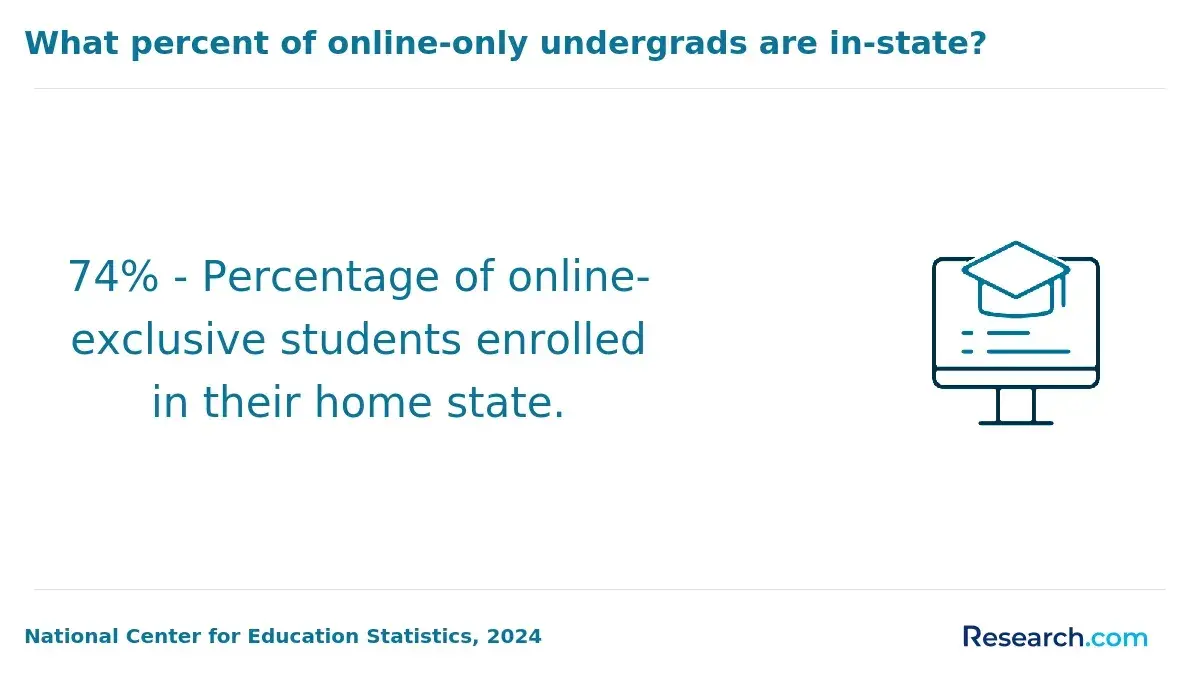
Many environmental science master’s programs now offer part-time, online, hybrid, evening, or weekend formats for students who need flexibility. These options can be especially useful for working professionals, parents, military-affiliated students, and career changers who cannot relocate for a full-time residential program.
The best format depends on your career goal. A fully online program may work well for policy, sustainability, environmental management, or data-oriented roles. A hybrid or campus-based program may be stronger if you need laboratory training, fieldwork, research supervision, or local professional networks.
- Fully online programs: These offer maximum location flexibility and may reduce commuting and housing costs. Confirm how the program handles field methods, labs, group projects, advising, and career services.
- Hybrid programs: These combine online coursework with campus visits, field sessions, labs, or residencies. Hybrid formats can preserve hands-on learning while still limiting time away from work.
- Part-time programs: Part-time enrollment helps students manage workload, but it can extend the time to graduation. Longer timelines may affect total cost, aid eligibility, and career progression.
- Evening or weekend options: These are useful for students near campus who want in-person access without leaving full-time employment.
- Accreditation and degree equivalence: Verify that the institution is accredited and that online or part-time students earn the same credential as campus students. Also confirm whether the transcript or diploma distinguishes delivery format.
- Employer perception: Employers increasingly recognize online graduate degrees from accredited institutions, but roles requiring field, lab, or regulatory experience may still require evidence of applied skills.
Examples include the University of Florida’s online MS in Environmental Science and Policy and Oregon State University’s part-time evening master’s option, both offering accredited credentials identical to their campus equivalents. Before applying, ask whether online and part-time students have equal access to faculty advising, internships, career services, research opportunities, and assistantships.
What Prerequisite Courses Are Required for Admission Into Environmental Science Master's Programs?
Environmental science master’s programs often expect applicants to have prior coursework in science, math, research methods, or policy-related subjects. Requirements vary because environmental science is interdisciplinary: one program may emphasize ecology and chemistry, while another may focus on policy, sustainability, geospatial analysis, or environmental management.
Before applying, compare your transcript against each program’s stated prerequisites. If you are missing a requirement, ask whether you must complete it before admission, before enrollment, or during the first term.
- Hard prerequisites: These must usually be completed before enrollment or admission. Common examples include core environmental science concepts, statistics, research methods, and foundational science coursework.
- Soft prerequisites: These may be recommended rather than required, or they may be completed early in the program. They often help students succeed in specialized graduate courses.
- Common subject areas: Many programs expect background in biology, chemistry, environmental policy, mathematics including statistics, and sometimes earth sciences.
- Research preparation: Thesis or research-focused tracks may expect stronger preparation in methods, statistics, data analysis, fieldwork, or laboratory techniques.
- Ways to fill gaps: Missing coursework may be completed through community college classes, accredited MOOCs, non-degree university courses, or certificate programs, depending on what the program accepts.
- Waivers and substitutions: Some programs may accept professional experience or related coursework as a substitute. Do not assume this will happen automatically; request a written evaluation from the program advisor or admissions office.
Applicants from non-science backgrounds should focus on the highest-impact prerequisites first. Statistics, biology, chemistry, and environmental systems coursework often provide the clearest evidence that you can manage graduate-level environmental science material.
What Financial Aid, Scholarships, or Assistantships Are Available for Environmental Science Master's Students?
Environmental science master’s students may fund their degree through institutional scholarships, departmental fellowships, teaching assistantships, research assistantships, external scholarships, employer support, and federal financial aid when eligible. Funding varies widely by program, enrollment status, residency, and whether the degree is thesis-based, professional, online, or part-time.
Recent data show that over 60% of environmental science master’s students receive some type of financial support. Still, funding is not automatic. Applicants should apply early, ask direct questions, and compare net cost rather than advertised tuition alone.
- Institutional scholarships: These are usually university-level awards based on merit, need, or both. They often require applications by priority deadlines, which may be earlier than regular admission deadlines.
- Departmental fellowships: Environmental science departments may offer competitive awards to applicants with strong academic records, research potential, or a clear fit with departmental priorities. Awards may include partial or full tuition support and stipends.
- Teaching assistantships: TA roles may provide tuition discounts and stipends in exchange for grading, lab instruction, discussion sections, or course support. They usually require strong communication skills and relevant academic preparation.
- Research assistantships: RA funding is often tied to faculty grants and research projects. Applicants interested in RA roles should contact potential faculty mentors early and explain how their skills match current research needs.
- External awards: Organizations such as the Ecological Society of America, the National Environmental Health Association, and the Environmental Research & Education Foundation offer discipline-related funding with separate criteria and deadlines.
- Part-time and online considerations: Some assistantships may be limited to full-time or campus-based students. Online and part-time applicants should confirm eligibility before assuming they can access the same funding as residential students.
When comparing offers, calculate the full cost of attendance: tuition, fees, books, technology expenses, travel or residency costs, health insurance if applicable, and lost income if you reduce work hours. Then subtract confirmed grants, scholarships, assistantships, and employer support. A program with a higher sticker price may be more affordable if it provides stronger funding.
Students comparing cost across graduate fields may also find resources such as a library science degree online useful for understanding how online programs, scholarships, and financial aid strategies can affect affordability.
How Do I Write a Strong Statement of Purpose for Environmental Science Master's Programs?
A strong statement of purpose explains why you are prepared for graduate study, what environmental problems you want to work on, and why the specific program is a good fit. It should not read like a general essay about caring for the planet. Admissions committees need evidence of focus, readiness, and alignment.
The best statements are specific. They connect your past preparation to your proposed graduate work and your future goals. They also show that you understand what the program actually offers.
- Open with a focused motivation: Start with a specific experience, question, project, or problem that shaped your interest. Avoid broad openings that could apply to any applicant.
- Define your academic or professional direction: Name the environmental issues you want to study or address, such as conservation, water quality, environmental policy, sustainability, climate adaptation, geospatial analysis, or environmental health.
- Show evidence of preparation: Discuss coursework, research, fieldwork, professional experience, data skills, writing projects, community work, or policy exposure that supports your readiness.
- Explain program fit: Reference specific faculty, labs, courses, field opportunities, centers, or applied projects. This section should make clear why this program—not just any environmental science program—matches your goals.
- Address weaknesses carefully: If your GPA, prerequisites, or experience are uneven, briefly explain what changed and what evidence now shows your readiness. Do not make excuses or overexplain.
- Revise for clarity: Strong statements normally require at least three drafts. Remove vague language, passive phrasing, and unsupported claims. Ask mentors, writing centers, or trusted colleagues for feedback.
A useful structure is: motivation, preparation, goals, program fit, and closing contribution. Keep the statement direct and evidence-based. If you are applying to several programs, customize the program-fit paragraph for each one.
Prospective applicants comparing online graduate planning across fields may also review resources such as video game programs to see how program format, cost, and admissions requirements differ by discipline.
What Are the Career Outcomes for Graduates of Environmental Science Master's Programs?
Career outcomes for environmental science master’s graduates depend on specialization, location, prior experience, program format, internship access, and whether the curriculum is research-oriented or professionally focused. Before enrolling, applicants should look beyond broad job claims and ask for evidence.
Reliable outcome data may come from first-destination surveys, institutional graduate outcome reports, alumni profiles, LinkedIn alumni filters, career services offices, and direct conversations with recent graduates. No single source is perfect, so compare several.
- Employment rate within six months: This helps show how quickly graduates secure relevant work after completing the degree. Ask whether the rate includes only respondents or the full graduating class.
- Median starting salary: Salary data can help estimate return on investment, but it varies by region, sector, experience level, and specialization. Compare program-reported data with independent sources when possible.
- Common job titles: Alumni may work as environmental analysts, sustainability coordinators, environmental consultants, conservation specialists, policy analysts, GIS specialists, or research staff, depending on training and prior experience.
- Sector distribution: Review whether graduates work in government agencies, private consulting firms, corporations, nonprofits, academia, or research organizations. A program’s employer pattern should match your target career path.
- Internships and applied experience: Programs with field projects, consulting practicums, capstones, or employer partnerships may help students without prior field experience build marketable evidence.
- Data quality: Be cautious if a program reports only selected success stories. Stronger reports explain sample size, response rate, job relevance, and graduate school placement.
Applicants should also contact alumni directly when possible. Ask what helped them get hired, what skills they wish they had developed earlier, whether the program supported internships, and how employers viewed the degree. Alumni feedback can reveal strengths and gaps that official pages do not show.
How Can You Use Eligibility-Based Matching Tools to Find the Right Environmental Science Master's Program?
Eligibility-based matching helps you find environmental science master’s programs where your current profile is likely to be considered seriously. Instead of beginning with rankings, this approach starts with fit: GPA, prerequisites, test requirements, field experience, enrollment format, budget, location, and career goals.
Tools such as Peterson’s, Niche, GradCafe, and professional association directories can help you create an initial list, but they should not replace official program research. Admissions policies change, especially around GRE waivers, prerequisite flexibility, online enrollment, and holistic review.
- Peterson’s: Useful for filtering programs by admissions criteria and degree type, including GPA and GRE-related information when available.
- Niche: Helpful for understanding student reviews and general program environment, though review-based data should be weighed carefully.
- GradCafe: Provides peer-shared admissions experiences, which can offer informal insight but may not be verified or representative.
- Professional association directories: These can help identify relevant programs and accreditation-related information, but they may not provide personalized matching.
Use matching tools as a first screen, then verify every requirement on the official program website. If anything is unclear, email admissions with a concise summary of your GPA, degree background, missing prerequisites, experience, and intended enrollment format.
A strong eligibility-based search process includes four steps: gather your transcripts and résumé, filter programs using multiple tools, confirm requirements directly with schools, and divide your list into likely, target, and reach options. This gives you a more realistic application strategy than relying on reputation alone.
What Graduates Say About Eligibility-Based Environmental Science Degree Master's Programs
- : "Choosing an eligibility-based environmental science master’s degree was a strategic decision to pivot my career toward sustainability consulting. The affordability of the program made it accessible without creating overwhelming debt, which was critical for me at that stage. Earning this degree enhanced my professional credentials and aligned with my goal of making a tangible environmental impact. Mordechai"
- : "Reflecting on my experience, the environmental science master’s program offered through eligibility criteria allowed me to balance work and study effectively. The cost was reasonable compared to other options, which reduced financial stress and let me focus on advancing my expertise. Ultimately, this degree helped me pursue leadership roles in environmental policy and fulfill long-held career aspirations. Casen"
- : "My decision to enroll in an eligibility-based environmental science master’s degree came from a desire to deepen my understanding of ecological systems while building a career in academia. The program’s cost-efficiency was a decisive factor, supporting my commitment without sacrificing quality. Now, this degree is a cornerstone in achieving my goal of contributing to innovative research and education in the environmental field. Walker"
Other Things You Should Know About Environmental Science Degrees
Application deadlines for Environmental Science master's programs in 2027 vary by institution, but many programs have deadlines between March and July. Check individual program websites for specific dates to ensure timely submission of your application materials.
Yes, many Environmental Science master's programs in 2027 require standardized tests like the GRE for admission. However, some programs may waive this requirement based on your academic background or professional experience, so it's crucial to check the specific criteria of each program.
References
- 11 Tips for Writing a Powerful Statement of Purpose [Sample SOP Included] - CrunchPrep GRE https://crunchprep.com/gre/powerful-statement-of-purpose
- How to Apply to the Master's Programs https://environment.yale.edu/admissions/masters/apply
- Client Challenge https://www.scribd.com/document/869294178/Statement-of-Purpose
- Graduate School Application Guidance https://www.geology.pitt.edu/graduate-school-application-guidance
- Environmental Science | Career Zone | University of Exeter https://www.exeter.ac.uk/students/careers/research/explore/degree/environmentalscience/
- Writing a killer Statement of Purpose https://graduate.rice.edu/news/current-news/writing-killer-statement-purpose
- Top 60 Environmental Science Scholarships to apply for in 2025 https://bold.org/scholarships/by-major/environmental-science-scholarships/
- Masters degree without GRE or GMAT | MS in USA - MBA Crystal Ball https://www.mbacrystalball.com/blog/2016/04/06/masters-degree-without-gre/
- How to choose a graduate program in STEM https://sueishaqlab.org/2021/01/12/how-to-choose-a-graduate-program-in-stem/
- Eligibility requirements | MESPOM https://mespom.eu/eligibility-requirements





