2027 Environmental Science Degree Master's Programs Accepting Students Now

Co-Founder and Chief Data Scientist
Career changers aiming to enter environmental science often face uncertainty about the relevance of their previous experience and how to swiftly gain expertise. This challenge is pressing as the U. S. Bureau of Labor Statistics projects a 15% growth in environmental science jobs through 2030, highlighting expanding opportunities for new professionals. However, navigating the application process, program formats, and accreditation can be overwhelming without clear guidance. This article reviews current master's programs accepting students now, focusing on flexible, accredited pathways that accommodate diverse backgrounds and accelerate transition into environmental science careers.
Key Things to Know About Environmental Science Degree Master's Program Accepting Students Now
- Many environmental science master's programs offer flexible schedules and online options to accommodate working professionals balancing career and study.
- Accelerated pathways enable students to gain practical skills within 12 to 18 months, supporting quicker workforce entry.
- Programs emphasize global networking, connecting students with international researchers and industry leaders for broader career opportunities.
What Are Environmental Science Master's Programs, and Who Are They Designed For?
A master's program in environmental science typically spans two years and is offered in on-campus, fully online, or hybrid formats, accommodating those balancing work or personal commitments. Unlike bachelor's degrees, which provide a broad foundation, a master's emphasizes critical thinking, data analysis, and practical problem-solving, while doctoral degrees focus on original research and academic careers.
- Target Audiences: Programs attract diverse students such as recent graduates, working professionals, and those transitioning careers, ensuring tailored learning suitable for different backgrounds.
- Program Duration and Formats: Most master's degrees require about two years full-time study, with part-time and online options providing flexibility for working students, including some of the best environmental science master's degrees for working professionals.
- Curriculum Focus: Coursework integrates natural sciences, policy analysis, technology, and management, often combined with internships or applied projects to enhance practical skills.
- Admission Criteria: Typical requirements include related bachelor's degrees, minimum GPA thresholds, professional experience, and sometimes GRE scores.
- Advanced Skill Development: Emphasis on research methods, interdisciplinary approaches, and data interpretation prepares students for complex environmental challenges.
Demand for advanced environmental science qualifications is growing, with the U.S. Bureau of Labor Statistics projecting a 5% job growth for environmental scientists and specialists from 2022 to 2032. Prospective students can explore flexible options, such as an online speech pathology masters program, illustrating wider availability of accessible online graduate degrees.
Exploring programs accepting students now can help meet the needs of those seeking masters in environmental science programs accepting students now.
Which Environmental Science Master's Programs Are Currently Accepting Applications?
The landscape of environmental science master's programs currently accepting applications in the United States shifts each semester, so it is essential for prospective students to verify current availability directly with universities. Top accredited environmental science graduate programs open for enrollment may vary in admission cycles, with some operating on fixed deadlines and others offering rolling admissions.
Checking university websites and accrediting bodies remains the best way to access the most up-to-date information. Keep in mind that "accepting applications now" could refer to fall, spring, or summer enrollment depending on the institution.
Representative types of environmental science master's programs include:
- Thesis-Based Master's Programs: These focus on original research and often prepare students for doctoral studies or scientific careers. Applicants usually face fixed deadlines and must propose and defend a research project in environmental science.
- Professional Master's Programs: Targeted at working professionals seeking career advancement or change, these programs feature applied curricula without a thesis. Many offer rolling admissions and multiple start terms for flexible enrollment.
- Accelerated Master's Tracks: Designed to complete degrees faster, these options include summer or intensive courses. Admissions may be more frequent but often require earlier application submissions.
- Online and Hybrid Programs: Fully online and hybrid options allow year-round applications, helping career changers balance work and study schedules effectively.
- Interdisciplinary Environmental Science Degrees: Integrating environmental science with policy, management, or technical fields, these programs accommodate diverse undergraduate backgrounds and follow varied admissions calendars.
Prospective students interested in the easiest online degrees to pursue environmental science may find valuable guidance at easiest online degrees.
What Are the Admission Requirements for a Environmental Science Master's Program?
Admission to master's programs in environmental science generally requires applicants to submit official undergraduate transcripts demonstrating a completed bachelor's degree and relevant coursework in sciences or related fields. Admissions committees rely on these transcripts to verify foundational knowledge and prerequisite classes, which may include ecology, chemistry, or statistics.
Letters of recommendation are another critical element, with most programs requesting two or three references from professors or employers who can speak to the applicant's academic abilities and professional potential. These letters offer valuable perspectives on the candidate's work ethic and readiness for graduate-level challenges.
A clearly written statement of purpose is essential for illustrating an applicant's motivation, career goals, and alignment with the chosen program. Alongside this, a detailed resume or CV documenting educational background, internships, research, and relevant work experience helps admissions committees evaluate the candidate's preparedness.
The role of standardized tests like the GRE or GMAT has evolved since the COVID-19 pandemic; many institutions have made these optional or waived them entirely, though some programs still require scores. Additionally, certain programs may demand discipline-specific prerequisites such as portfolios, certifications, or completion of specialized technical courses, which vary widely by school.
Prospective students should carefully review individual program admissions pages to understand the specific requirements and ensure they submit a complete application.
- Undergraduate Transcripts: Official records verifying bachelor's degree completion and prerequisite coursework are fundamental to demonstrate academic readiness.
- Letters of Recommendation: Typically two to three references from academic or professional contacts help assess the applicant's qualifications and potential for graduate study.
- Statement of Purpose: This essay explains the applicant's interest in environmental science, career objectives, and fit with the program, showcasing their motivation.
- Resume or CV: A comprehensive overview of education, relevant work, internships, and research experiences outlines the candidate's background.
- Standardized Tests and Prerequisites: While many programs have waived GRE or GMAT scores post-pandemic, some still require them along with discipline-specific materials like portfolios or certifications.
Most environmental science master's programs typically require a minimum GPA of 3.0 on a 4.0 scale, although more competitive programs often expect higher academic performance, sometimes 3.5 or above. Applicants whose GPA falls below these thresholds may still be considered if their academic records show consistent improvement or if they possess substantial relevant professional experience. This approach allows admissions committees to evaluate potential beyond numeric cutoffs.
Some institutions provide conditional admission for applicants with borderline GPA scores, requiring them to meet specific academic criteria early in the program. This option acknowledges that GPA alone doesn't always reflect an applicant's readiness or capabilities for graduate study.
- Typical GPA Threshold: Most programs set a 3.0 GPA minimum, though some competitive programs expect 3.5 or higher.
- Upward Trends and Experience: Admissions committees may weigh improving grades and relevant work experience positively.
- Conditional Admission: Some schools accept students conditionally, contingent on early academic success.
- Direct Admissions Communication: Engaging with admissions staff can reveal options for applicants near GPA cutoffs.
- Recent Flexibility Trends: A 2023 survey found that 40% of programs have relaxed GPA requirements to accommodate diverse applicants.
Prospective students nearing the minimum GPA requirements for environmental science master's programs are advised to contact admissions offices directly. Doing so can clarify options for supplemental materials or alternative pathways and provide insight into unique program policies. Additionally, in 2023, over 40% of graduate programs became more flexible with GPA cutoffs due to the growing diversity of applicants.
For those exploring programs, consider factors like affordability by investigating the least expensive online bachelor's degree options as foundational steps toward advanced study.
Completing a master's in environmental science typically takes one to two years of full-time study, while part-time students often spend two to four years finishing their degree. Accelerated programs lasting about 12 months and combined bachelor's/master's (4+1) options are available at select schools, offering faster degree completion. The choice between thesis and non-thesis tracks impacts duration, with thesis routes usually requiring more time due to research and writing demands, whereas non-thesis paths focus on coursework and practical experience.
Course load also plays a crucial role: heavier semesters can reduce overall time but increase workload intensity. Students may shorten their studies by transferring applicable credits from prior graduate coursework. Internship or fieldwork components, essential for hands-on learning, can extend program length, so careful planning is important.
- Program Length and Flexibility: Full-time programs generally last one to two years, while part-time options can take up to four years, providing options for working students.
- Accelerated and Combined Degree Options: Some institutions offer 12-month intensives or integrated bachelor's/master's tracks to accelerate graduation timelines.
- Thesis vs. Non-Thesis Choices: Thesis tracks involve extended research components; non-thesis paths emphasize coursework and internships.
- Course Load and Credit Transfer: Taking more courses per term can shorten studies, and accepted transfer credits may reduce required semesters.
- Internship and Fieldwork Commitments: Hands-on experiences add essential training but might lengthen the overall completion period.
Ultimately, prospective students should balance the time commitment with the quality of education, available resources, and career goals to select the best fit.
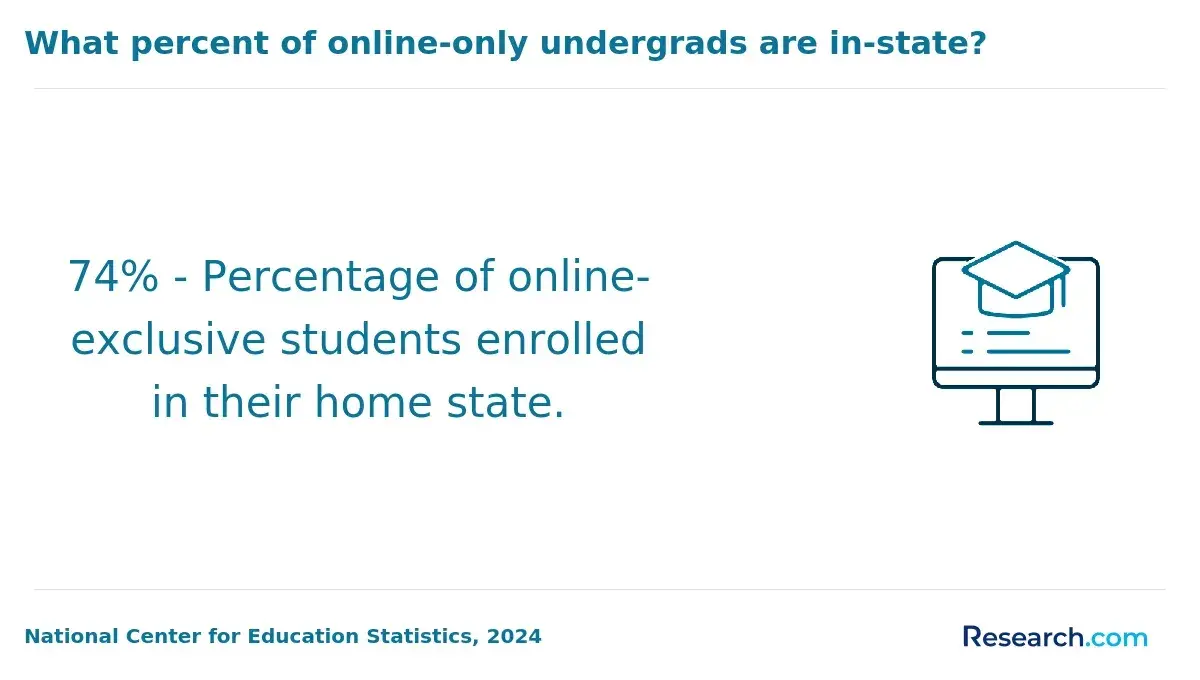
Tuition for a environmental science master's program is typically calculated per credit hour, with public institutions charging lower fees for in-state students compared to out-of-state attendees, who often pay nearly double. Private universities generally have higher tuition regardless of residency. Many online programs offer a consistent tuition rate for all enrollees, eliminating residency-based cost differences and simplifying financial planning.
Additional expenses beyond tuition include mandatory fees such as technology charges to maintain online platforms and lab fees for practical coursework. These can add several hundred to a few thousand dollars annually. For those studying on-campus, living costs like housing, food, transportation, and personal expenses significantly increase the overall financial commitment.
- Per-Credit Tuition Rates: Public universities charge lower rates for residents, with out-of-state and private schools demanding higher fees; rates often vary based on credit hours taken.
- Additional Program Fees: Technology and lab fees support essential resources and can add hundreds or thousands to annual expenses.
- Living Expenses for On-Campus Students: Housing, meals, transportation, and personal costs represent significant additional financial commitments beyond tuition and fees.
- Uniform Online Tuition: Many online environmental science programs provide a flat tuition fee for all students, removing residency-based cost disparities.
- Net Cost vs. Sticker Price: Financial aid and scholarships often considerably reduce actual costs, meaning the net amount paid is frequently much less than initial tuition estimates.
Nationally, the total cost for obtaining a environmental science master's degree usually falls between $20,000 and $60,000, depending on factors such as school, program length, and delivery method.
However, the advertised sticker price rarely reflects the actual out-of-pocket cost, as most students receive financial aid, scholarships, or assistantships that reduce their net expenses. This makes understanding the breakout of costs essential before exploring funding options.
Graduate students pursuing a master's degree in environmental science face a unique financial aid landscape that differs from undergraduate funding. The essential first step is completing the Free Application for Federal Student Aid (FAFSA), which unlocks eligibility for federal loans and may be required for some institutional scholarships and assistantships.
Compared to undergraduates, master's candidates generally have fewer grant options, often leaning more on loans and graduate assistantships to finance their studies. Many universities and environmental science departments offer institutional grants and fellowships based on academic merit or research focus. Graduate assistantships provide tuition remission and a stipend in exchange for part-time teaching or research work, making them a valuable financial and professional opportunity.
Employer tuition benefits are also notable for students working in related fields or government roles, frequently covering part or all of their tuition expenses. Additionally, private scholarships, often awarded by professional organizations within the environmental science community, and state-funded aid programs should be carefully explored to supplement funding.
- Federal Loans Through FAFSA: Completing the FAFSA is crucial for accessing federal student loans, which offer fixed interest rates and flexible repayment plans, making them the cornerstone of graduate funding.
- Institutional Grants and Fellowships: Merit-based grants and fellowships may be available from specific universities or environmental science programs, providing funding that does not need to be repaid.
- Graduate Assistantships: These positions offer tuition waivers and stipends in return for research or teaching services, combining financial assistance with relevant experience.
- Employer Tuition Benefits: Employees in environmental science-related industries often receive partial or full tuition reimbursement, encouraging career advancement.
- Private Scholarships and State Aid: Specialized scholarships from professional bodies and state-funded graduate aid programs can provide crucial additional support, so active research into these options is recommended.
Scholarships for environmental science master's programs generally fall into two categories: institutional scholarships and external scholarships. Institutional awards are provided by universities and often include research or teaching assistantships that offer tuition waivers and stipends. These support graduate students financially while giving valuable academic and professional experience. External scholarships typically come from professional associations, foundations, government agencies, and nonprofit organizations focused on environmental fields, targeting specific research areas, career goals, or demographics.
Students seeking financial aid opportunities for environmental science master's programs should begin their search on the websites of relevant environmental professional associations and scholarship aggregator tools. Platforms like the U.S. Department of Education's Federal Student Aid site, Fastweb, and Scholarships.com are vital resources to uncover scholarships aligned with graduate-level science funding. It is important to carefully review each opportunity's eligibility criteria, application requirements, award amounts, and deadlines to ensure the best fit with your qualifications.
Many scholarships in environmental science are renewable, providing multi-year financial support if students maintain satisfactory academic progress. Recently, there has been a marked increase in scholarships promoting diversity and inclusion in STEM fields, reflecting broader efforts to foster equity in graduate education.
- Institutional Scholarships: Directly awarded by universities, often including assistantships that provide tuition remission and stipends while enhancing research or teaching skills.
- External Scholarships: Offered by professional organizations and government bodies, usually with targeted eligibility focusing on specific environmental topics or underrepresented groups.
- Where to Search: Utilize professional association websites, federal financial aid tools, and reputable scholarship search engines designed for graduate science funding.
- Important Considerations: Review eligibility, application details, award value, and deadlines carefully to increase chances of success.
- Renewability and Duration: Many scholarships can be renewed annually to provide consistent support throughout the duration of a master's program.
Prospective students may also want to consider cost-effective study options by researching the cheapest online bachelor's degree in psychology as part of broader planning for their educational path.
When exploring the top accredited online environmental science master's programs, it's essential to evaluate credibility through multiple dimensions beyond rankings. Regional or programmatic accreditation guarantees academic quality and qualifies the program for federal financial aid, making it a foundational factor to verify before applying. Faculty credentials also significantly impact the learning environment; instructors actively engaged in research and possessing advanced degrees help ensure a rigorous and current curriculum.
Additionally, robust student support services-such as academic advising, tutoring, and technical assistance-are vital for success, especially in remote learning settings where on-campus resources are unavailable.
The best flexible environmental science graduate degrees online offer notable advantages for working adults and international students by providing schedule flexibility to balance studies with other commitments. This accessibility makes graduate education feasible for many who might be excluded by traditional formats. However, this flexibility may come with trade-offs, including fewer opportunities for in-person networking and direct engagement with peers and faculty, which some students find limiting.
- Accreditation and Quality Assurance: Verify that a program holds recognized regional or specialized accreditation to ensure degree acceptance and access to financial aid.
- Faculty Expertise: Faculty involvement in relevant research and professional activities enriches course content and student learning.
- Student Support Services: Effective advising, tutoring, and technical support are essential to help students navigate online learning challenges and complete degrees.
- Career Outcomes: Strong programs demonstrate high job placement rates and internship opportunities within environmental science sectors.
- Flexibility and Accessibility: Online programs accommodate varied schedules but may reduce networking chances and face-to-face interaction.
For those interested in related fields, consider exploring affordable alternatives such as the online construction management degree for additional career pathways and flexible study options.
Regional accreditation assesses an entire institution, ensuring it meets wide-ranging academic and administrative standards, while programmatic accreditation evaluates the quality and relevance of specific environmental science programs. Attending a program with both accreditations enhances a graduate's credibility, improves chances of licensure, and boosts employer recognition.
Moreover, federal financial aid eligibility depends on enrollment in regionally accredited institutions, making accreditation pivotal for managing education costs. Specialized accrediting organizations, such as the Society for Environmental Toxicology and Chemistry (SETAC) and the Accreditation Board for Engineering and Technology (ABET), provide program-specific recognition that aligns with industry expectations.
- Institutional vs Programmatic Accreditation: Institutional accreditation covers the entire university, while programmatic accreditation focuses on environmental science curricula and faculty expertise, guaranteeing specialized quality standards.
- Licensure and Employer Recognition: Graduating from accredited programs is often required for professional certification and signals to employers that candidates meet industry benchmarks.
- Federal Financial Aid Access: Federal grants, loans, and scholarships are generally available only to students enrolled in regionally accredited institutions, which support funding graduate education.
- Field-Specific Accrediting Bodies: Organizations like SETAC and ABET offer targeted accreditation for environmental science programs that reflect both academic and professional criteria.
- Verification of Accreditation: Checking credentials via the U.S. Department of Education's database ensures programs are legitimately accredited and protects students' educational investments.
Prospective students should independently verify accreditation status using the U.S. Department of Education's Database of Accredited Postsecondary Institutions and Programs to ensure the program's authenticity and safeguard their investment.
Graduates holding a master's degree in environmental science have access to diverse career paths within government agencies, private industry, consulting firms, and nonprofits. The Bureau of Labor Statistics reports that environmental scientists and specialists earn a median annual salary near $79,000, with an expected job growth rate of 8% through 2032, surpassing the average across occupations.
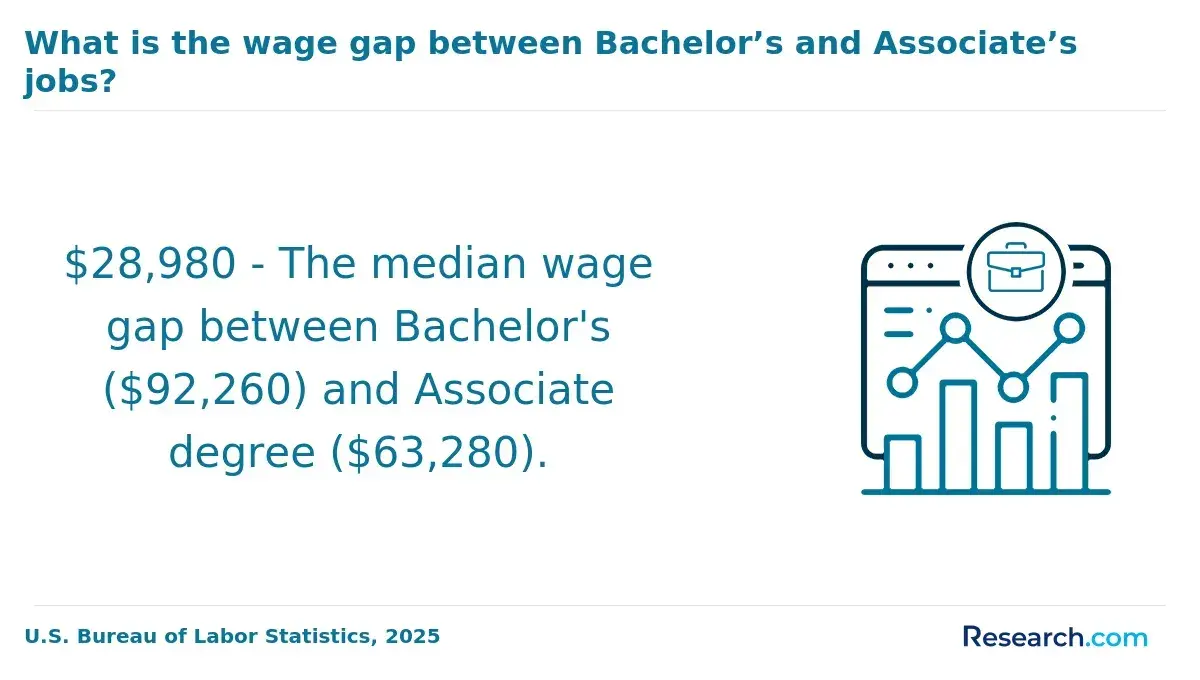
Compared to bachelor's degree holders, those with a master's degree typically enjoy higher starting salaries and accelerated advancement due to their advanced expertise and research skills. Alumni networks and career services in graduate programs also provide valuable resources for job placement and professional growth, easing the transition into the workforce.
- Salary Premium And Career Growth: A master's degree often leads to better pay and quicker promotions by equipping graduates with specialized analytical and research abilities beyond the undergraduate level.
- Employment Across Multiple Sectors: Graduates find roles in various sectors such as government, private consulting, nonprofits, and industries like energy and agriculture, reflecting the interdisciplinary scope of environmental science.
- Positive Employment Forecast: Strong demand driven by climate change, sustainability initiatives, and regulatory needs supports steady job growth in related fields.
- Leadership And Specialist Positions: Advanced degrees open opportunities for management, policy advisory, and technical expert roles requiring graduate-level knowledge and skills.
- Supportive Career Networks: Career services and alumni connections offer essential guidance, networking, and job resources aiding career development and transitions.
What Graduates Say About Their Environmental Science Degree Master's Program
- Mordechai: "Choosing the environmental science master's degree was driven by my passion for sustainable development and the need to make a tangible impact on conservation efforts. Despite the significant cost of the program, the investment proved worthwhile as it opened doors to leadership roles in environmental consulting. This degree truly transformed my career by providing both credibility and a specialized skill set that employers highly value."
- Casen: "Reflecting on my decision to pursue a master's in environmental science, I can say the affordability of the program was a decisive factor given my limited budget. Beyond that, the comprehensive curriculum equipped me with practical tools for research and policy-making, which have been invaluable in my work with governmental agencies. This degree paved the way for a fulfilling career dedicated to addressing climate change challenges."
- Walker: "Professionally, earning a master's in environmental science has been instrumental in accelerating my career progression within nonprofit organizations focused on ecosystem restoration. I chose this program for its strong emphasis on data analysis and fieldwork, which are crucial in my daily responsibilities. The initial costs were overshadowed by the long-term benefits of expanded networks and advanced expertise."
Other Things You Should Know About Environmental Science Degrees
Most programs require 12–18 undergraduate credits in biology, chemistry, geology, ecology, or environmental science. Many also expect statistics and a minimum 3.0 GPA, plus transcripts and a statement of purpose. Some schools waive one prerequisite for applicants with relevant work or research experience.
Many environmental science master's programs accepting students in 2027 have application deadlines ranging from late winter to early spring 2027. Exact deadlines vary by institution and some schools offer rolling admissions. Always check with individual programs for the most accurate and current deadline information.
Many accredited programs offer flexible options including part-time enrollment, online coursework, and evening classes to accommodate working professionals. Balancing work and study requires strong time management and communication with faculty. It is important to confirm the program's format and workload before enrolling to ensure it fits your schedule.
- Admissions | Department of Environmental Sciences and Policy https://envsci.ceu.edu/ms-admissions
- Master’s Admissions FAQ https://environment.yale.edu/admissions/masters/faq
- Master of Environmental Sciences https://www.uoguelph.ca/programs/master-of-environmental-sciences/
- Environmental Sciences https://dein-studium.uni-hohenheim.de/en/applying-and-enrollment/applying/application-for-masters-in-environmental-sciences-soil-water-biodiversity
- Going Green: Scholarships for the Environmentally Friendly https://www.mefa.org/article/going-green-scholarships-for-the-environmentally-friendly/
- Environmental Sciences MS https://www.umb.edu/academics/program-finder/environmental-sciences-ms/
- What Can I Do with an Environmental Science Degree? https://www.snhu.edu/about-us/newsroom/stem/what-can-i-do-with-an-environmental-science-degree
- Environmental Science and Technology, M.Sc. https://www.tu.berlin/en/studying/study-programs/all-programs-offered/study-course/environmental-science-and-technology-m-sc-1
- master opportunities in environmental science in poland | Programs, Scholarships & Opportunities https://www.applykite.com/search/positions/master/poland/environmental-science
- Sustainability Scholarships for Graduate Students https://leadthechange.bard.edu/blog/sustainability-scholarships-for-graduate-students