2027 Different Types of Environmental Science Master's Degrees: Specializations, Careers, and Salaries

Co-Founder and Chief Data Scientist
Choosing the right master's degree specialization in environmental science can be overwhelming. Over 60% of professionals in this field report difficulty aligning their education with emerging industry demands, particularly when pursuing online degrees. The environmental science workforce is expected to grow by 8% over the next decade, emphasizing the need for targeted skills and knowledge.
Salary outcomes vary widely depending on specialization and credential quality, creating additional uncertainty for career changers and working adults. This article explores key environmental science master's degree specializations, relevant career paths, and salary expectations, guiding prospective students to make informed decisions that maximize their investment and long-term success.
Key Points About the Different Types of Environmental Science Master's Degrees
- Many online environmental science master's programs feature open or minimal admission criteria, enabling greater access; data shows a 20% rise in enrollments linked to simplified requirements.
- Flexible online formats allow students to balance studies with work, supporting a 15% annual growth in distance education within STEM-related fields including environmental science.
- Graduates earn a median annual salary exceeding $70,000, reflecting strong industry demand and a 10% projected job growth rate through 2030 in environmental science careers.
What Are the Different Types of Environmental Science Master's Degrees Available?
Choosing the right environmental science master's degree program can significantly impact your career trajectory by matching your interests with the appropriate academic or professional focus. Knowing the main categories helps clarify which path suits your learning style and long-term goals. Below is an overview of core Environmental Science master's degree types to consider when exploring types of Environmental Science master's degree programs.
The main degrees fall into academic- and professional-focused categories:
- Master of Science (MS): Primarily research-oriented, the MS emphasizes laboratory work, data analysis, and thesis development, preparing students for doctoral studies or research careers in environmental science.
- Master of Arts (MA): Often interdisciplinary, the MA blends environmental topics with social sciences or humanities, focusing on theory and policy rather than lab research.
- Master of Public Health (MPH): With an environmental health concentration, the MPH trains students in public policy, community health, and regulatory issues, addressing applied skills for environmental health roles.
- Master of Business Administration (MBA): Concentrating on environmental management, this degree integrates business strategies, leadership, and sustainability tailored to environmental industries.
- Master of Education (MEd): Designed for those interested in environmental education careers, it merges teaching methods with environmental content.
According to the National Center for Education Statistics (NCES), roughly 35% of master's students in science and engineering fields pursue research or thesis-based degrees, highlighting the balance between practical skills and research expertise in these programs. Prospective students who prioritize hands-on learning or career transitions can explore options like affordable online MSW programs for interdisciplinary benefit and career flexibility.
What Specializations Are Available in Environmental Science Master's Degrees?
Examining career outcomes is essential for students selecting environmental science master's degree specializations in the United States, as these areas shape future roles and salary potential. The field is projected to grow 8% from 2022 to 2032, outpacing many other occupations, driven by a rising demand for expertise in sustainability and environmental management. Below are five popular, in-demand concentrations that align with diverse industries and career paths:
- Environmental Policy and Management: Focuses on creating regulations and strategies to address environmental challenges. Graduates typically contribute to sustainable initiatives within governmental, nonprofit, or consulting sectors.
- Environmental Health and Toxicology: Investigates how environmental factors impact human health. This specialization suits careers in public health, regulatory bodies, or pharmaceutical fields.
- Climate Science and Sustainability: Centers on studying climate change effects and promoting sustainable solutions. Professionals in this area often collaborate with tech companies and international organizations on mitigation efforts.
- Natural Resource Management: Emphasizes conserving ecosystems through responsible stewardship. Graduates often find roles in wildlife management, forestry, or environmental education.
- Environmental Data Science: Combines data analytics with environmental problem solving. This rapidly growing field connects with tech industries and businesses focusing on environmental assessments.
Prospective students interested in affordable educational paths may explore the cheapest online colleges that accept FAFSA, which can support their pursuit of top environmental science master's degree concentrations for career growth.
How Long Does It Take to Complete Each Type of Environmental Science Master's Degree?
Pursuing a master's degree in environmental science requires a clear understanding of the time commitment involved, especially for those aiming at high-paying roles. With acceptance rates averaging around 30%, planning your timeline strategically is essential. The following points outline key factors affecting how long you can expect to study.
- Full-time programs: Typically range from one to two years. Standard tracks balance coursework, electives, and research or thesis work, while accelerated options can compress completion into about one year for highly motivated students.
- Part-time options: Designed for working professionals, these programs can extend over three or more years. Flexibility comes at the cost of a longer overall duration, accommodating varied schedules and commitments.
- Thesis vs. non-thesis tracks: Thesis-based degrees generally take longer because of the time required for research and writing. Non-thesis programs may finish sooner but often include capstone projects or comprehensive exams to demonstrate mastery.
- Specializations and requirements: Fields like environmental policy or ecology may add time due to internships or fieldwork. These hands-on experiences deepen expertise but extend program length.
A graduate of a environmental science master's degree program shared that balancing the intensive thesis research with professional responsibilities was demanding but rewarding. They recalled how the iterative process of developing their thesis challenged them to refine both analytical and communication skills extensively. Though the program took nearly two years full-time, the sense of accomplishment upon defending their work made the extended commitment worthwhile. Their experience illustrates how timelines vary yet remain manageable with focused effort and clear goals.
Program duration plays a critical role for students aiming to enter the environmental science workforce quickly, especially for those seeking careers where current skills and rapid deployment are essential. Accelerated environmental science master's degree programs help reduce the time needed to graduate, allowing for faster transitions into higher-paying or more specialized roles. Here are some common ways these programs shorten completion time:
- Heavier course loads: Students take more classes each term, which compresses the curriculum timeline. This approach suits highly motivated individuals who can manage a rigorous study schedule alongside other commitments.
- Year-round classes: Offering courses during summer and winter sessions eliminates long breaks between semesters. This continuous enrollment accelerates degree progress without sacrificing credit requirements.
- Combined bachelor's-master's pathways: These integrated programs allow undergraduate students to begin graduate coursework early. This overlap reduces total credit hours needed and shortens overall program length.
- Flexible online or hybrid formats: Many fast track environmental science graduate programs use online components, helping students balance studies with work and personal life. Greater scheduling flexibility can speed up completion by avoiding delays common in traditional formats.
Accelerated programs are especially suitable for working adults and career changers who want to minimize time away from employment while targeting in-demand environmental science roles. Such adaptability supports timely entry into a fast-evolving job market where having one of the highest earning degrees in STEM fields can shape long-term career success.
Many prospective students weigh the difficulty and overall experience when choosing between online and on-campus environmental science master's programs. Completion rates offer insight: about 58% of fully online graduate students finish within six years, slightly below the 61% rate for those attending in person. This difference points to challenges in motivation but also shows that success is attainable online.
Several factors influence the credibility of online environmental science degrees:
- Accreditation: Programs accredited by recognized bodies like the Council on Education for Public Health or regional agencies maintain standards equivalent to traditional programs, ensuring academic rigor and quality.
- Employer recognition: Accredited online degrees are increasingly accepted by employers, especially with the growing trend toward remote work and digital education platforms.
- Flexibility benefits: Online formats offer self-paced schedules perfect for working professionals and international learners, eliminating commute times and often providing enhanced access to digital resources and networking.
- Completion considerations: Though slightly lower, completion rates show many online students achieve their goals, highlighting the importance of discipline and self-motivation in virtual settings.
- Practical experience limits: The reduced opportunities for hands-on lab and fieldwork in online programs may require supplementary arrangements to meet certain learning objectives.
When asked about the credibility of his online master's in environmental science, a graduate shared his perspective: "I worried the lack of in-person labs might put me at a disadvantage, but the program offered virtual simulations and connected me with local projects. Balancing work and studies was much easier without commuting every day. At times, staying motivated was tough, but the flexibility allowed me to fit education into my hectic schedule. It didn't feel any less rigorous than traditional programs-I actually felt more empowered managing my own learning pace." This experience underscores how well-designed online programs can provide credible and effective education in environmental science.
Tuition costs play a crucial role for prospective students weighing the benefits and feasibility of pursuing a master's degree in environmental science. Balancing affordability with program quality and flexibility is key to making a well-informed decision. Recent data shows that tuition for environmental science master's degrees generally falls within a broad range, influenced by delivery format and institutional type.
The following points outline typical costs and contributing factors.
- Cost ranges: Environmental science master's programs usually charge between $15,000 and $40,000 for full completion. Fully online programs tend to be less expensive, often ranging from $15,000 to $25,000, due to lower overhead and more streamlined course delivery.
- Delivery format differences: Hybrid programs that mix online and in-person coursework typically have higher fees, commonly between $25,000 and $40,000, reflecting added expenses for campus facilities and administrative support.
- Public vs. private institutions: Public universities frequently offer lower tuition rates for in-state students, whereas private institutions generally have higher fees regardless of residency, which affects overall affordability and must be factored into planning.
- Program length and credits: Master's degrees that require more credit hours or additional research can increase tuition costs. Programs typically span from 1.5 to 3 years, so longer durations and extensive requirements contribute to higher total expenses.
- Additional fees and expenses: Beyond tuition, students may encounter enrollment fees, technology costs, and material charges that can add hundreds or thousands of dollars. Opportunity costs, such as time away from work, should also be considered.
Assessing career opportunities is crucial when considering a master's degree in environmental science to ensure alignment with professional goals and return on investment. The U.S. Bureau of Labor Statistics reports a median annual wage of about $76,000 for environmental scientists and specialists, with leadership roles often exceeding six figures depending on experience and location. Below are key career paths linked to common environmental science master's degree specializations and their employment sectors.
- Environmental policy and management: Graduates often become environmental analysts, sustainability coordinators, or compliance officers. These roles offer growing leadership potential as organizations enhance environmental accountability, and a master's degree is essential for management or advisory positions.
- Environmental toxicology and chemistry: Careers such as environmental health scientists and industrial hygienists require advanced technical expertise in chemical safety and pollution impacts. A master's degree is typically a prerequisite, reflecting the specialized knowledge employers seek.
- Conservation and ecosystem management: Positions like natural resource manager, wildlife biologist, or environmental consultant provide flexibility across public and private sectors. Advanced degrees often correlate with higher salaries and increased influence on environmental planning and restoration projects.
Choosing a program that matches your career ambitions and industry demands can help maximize job outcomes. Prospective students interested in leadership within environmental fields may also consider advancing beyond a master's; some explore pathways such as a doctorate in leadership to further enhance their qualifications.
These insights into environmental science master's degree career opportunities demonstrate that specialized education improves role flexibility and leadership chances, while also clarifying when the degree is preferred versus required.
Salary ranges for master's degrees in environmental science vary widely based on specialization, industry demand, geographic location, and experience level. These variations are important for prospective students aiming to make informed choices about their education investments and career paths. According to the U.S. Bureau of Labor Statistics, environmental scientists and specialists earn a median annual wage around $76,000, though this figure shifts based on the specific master's degree focus.
Understanding how salaries differ by environmental science master's degree type can guide decisions on specialization and career development. Key factors influencing salary ranges include:
- Specialization impacts pay: Degrees in environmental engineering, environmental data science, or policy analysis tend to offer higher salaries due to the technical expertise and critical skills required. These specializations command more competitive compensation than fields like conservation or forestry, reflecting industry demand and complexity.
- Industry sector: Government roles generally provide stable, mid-range salaries, favoring job security and benefits. In contrast, private sector positions in consulting, renewable energy, or the energy industry often offer higher pay, though they may involve greater job variability.
- Geographic location: Salaries tend to be higher in metropolitan areas or regions with significant industrial activity or stringent environmental regulations. These areas demand specialized skills and often have more funding available for environmental initiatives.
- Experience and certifications: Advanced certifications and years of experience increase earning potential regardless of degree specialization. Graduates with versatile environmental science training can leverage emerging sectors like climate risk management for accelerated salary growth.
Prospective students interested in aligning their educational investments with earning potential may benefit from exploring specialized online degrees, such as the best online construction management degree, which illustrates how targeted programs can combine affordability with marketable skills.
Choosing the right master's degree in environmental science involves careful consideration of several critical factors to ensure that educational investment aligns with personal and professional goals. Balancing cost, time commitment, and expected career outcomes is essential for maximizing the value of the program. Evaluating accreditation and program format can further impact flexibility and quality.
Below are key elements to guide your decision-making:
- Career alignment: Identify how the program supports your specific goals, whether in sustainability, policy development, or resource management. Tailored academic advising and relevant coursework can significantly enhance your preparedness for targeted roles.
- Program format and flexibility: Consider options offering online or hybrid classes to fit your work and family life. Flexible pacing helps maintain momentum while accommodating personal schedules without unnecessary delays.
- Accreditation and reputation: Select programs recognized by reputable bodies like the Society of Environmental Toxicology and Chemistry (SETAC) to ensure curriculum meets industry standards and is valued by employers.
- Support services: Robust academic support, including tutoring, writing assistance, and access to digital research libraries, can improve learning outcomes and help build essential research and communication skills.
- Time management resources: Look for programs that provide coaching or workshops to help navigate the demands of graduate study alongside other responsibilities, reducing stress and improving success rates.
- Cost and return on investment: Evaluate tuition fees against median salary prospects; environmental scientists often earn competitive wages over $80,000 annually, making strategic investment in your education worthwhile.
Choosing the right environmental science master's program is crucial for those aiming to build a rewarding career and achieve long-term success. Aligning your education with your career goals ensures better outcomes in both job satisfaction and financial returns. Consider the following factors when evaluating your options:
- Career advancement: Many senior and leadership positions favor candidates with a master's degree, enhancing your chances for promotions and greater responsibility.
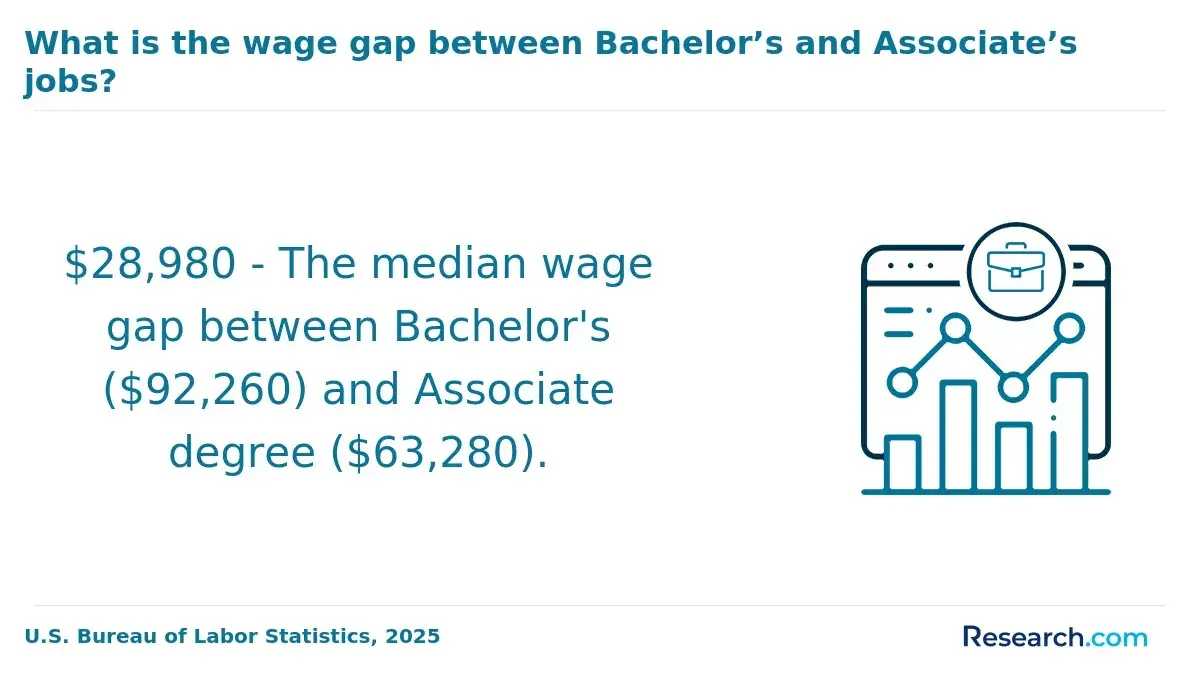
- Salary growth: Specialized master's degrees in fields such as environmental engineering often lead to higher earnings compared to bachelor's degree holders, although this can depend on the industry and location.
- Industry expectations: Some sectors now require a master's for entry into advanced roles, making this degree a strategic investment in meeting employer demands.
- Program value: Practical experience and networking opportunities offered by the program can be critical in building a professional reputation and finding job placements.
- Financial considerations: Balancing tuition costs with potential debt and future income is essential to avoid undue financial burden.
What Graduates of Environmental Science Master's Degree Programs Say About Their Specialization, Career, and Salary
- Devon: "I pursued my master's degree in environmental science after volunteering in conservation projects, which ignited my passion for the field. Despite the program's steep cost, around $30,000 total, the investment was worth every penny given the career opportunities it unlocked. Since graduating, my salary has increased significantly, and I'm now working with a leading environmental consultancy."
- Chloe: "Reflecting on my journey, enrolling in an environmental science master's program was a calculated decision driven by my desire to impact policy. The cost, which averaged about $28,000, felt daunting initially but was manageable with scholarships and part-time work. This degree has broadened my perspective and boosted my earning potential, opening doors to roles in sustainable development."
- Walter: "My entry into an environmental science master's program was fueled by industry demand and my goal to advance professionally. Although the tuition, approximately $32,000, was a considerable financial commitment, the knowledge and credentials gained have propelled my career forward. I now enjoy a stronger salary and greater job stability in environmental project management. "
Other Things You Should Know About Environmental Science Degrees
In 2027, Environmental Science graduates can explore emerging opportunities in renewable energy, urban planning focused on sustainability, and climate change mitigation. As environmental regulations tighten, demand grows for experts in environmental policy and compliance, leading to diverse career paths. Salaries vary across these fields, often reflecting the level of expertise required.
In 2027, rapidly growing specializations include Climate Change Science, Sustainability Management, and Environmental Data Science. Careers range from climate policy advisor and sustainability consultant to environmental data analyst. Each path offers unique opportunities in consultancy, government, and private sectors.
To enroll in a master's program in Environmental Science in 2027, candidates typically need a bachelor's degree in a related field, a minimum GPA of 3.0, and GRE scores, although some programs may waive this requirement. Prerequisites can vary by institution.
- WaterJobsIntel | 500+ Water Engineering Jobs Daily https://jobs.watertechintel.com/blog/environmental-science-career-outlook
- Environmental Science and Sustainability MS https://gpem.luc.edu/portal/abm
- Master of Science in Environmental Engineering | Gdańsk University of Technology https://pg.edu.pl/en/admission/master-studies/study-programs-english/master-science-environmental-engineering
- Cost of Attendance https://environment.yale.edu/admissions/masters/funding-your-degree/cost
- Environmental Studies MA - FGCU https://www.fgcu.edu/degree/master/environmental-studies-ma/
- Master of Science in Environmental Sciences and Policy https://www.ceu.edu/academics/degrees/ms-environmental-sciences-policy
- Masters Degree in Environmental Practice | ECO Canada https://eco.ca/environmental-professionals/lifelong-learning-for-professionals/higher-education/masters-in-environmental-practice-rru/
- Master of Science (MSc) in Environmental Science - University of Copenhagen https://www.ku.dk/studies/masters/environmental-science
- What Is Environmental Science? Complete Guide To Careers & Education [2025] https://solartechonline.com/blog/what-is-environmental-science-guide/