
2027 How to Become a History Teacher in North Carolina: Requirements & Certification

Co-Founder and Chief Data Scientist
Becoming a history teacher in North Carolina requires more than liking the subject. You need the right degree, an approved teacher preparation route, required exams or assessments, a state teaching license, and a realistic understanding of pay, classroom expectations, and job conditions. The decision matters because North Carolina continues to need new educators: in 2023, 3,406 individuals earned their initial teaching licenses in North Carolina, and 92% of teachers who started teaching within three years of completing their programs stayed for at least two years—up 4.2% from the prior year.
This guide explains how to become a history teacher in North Carolina in 2026, including licensure requirements, certification routes, scholarships, salary expectations, reciprocity for out-of-state teachers, professional development, technology use, and the practical questions you should ask before choosing a program or accepting a teaching position.
Quick Answer: How do you become a history teacher in North Carolina?
To teach history in a North Carolina public school, you generally need a bachelor’s degree, completion of an approved Educator Preparation Program, required licensure exams or assessments, a background check, and an Initial Professional License from the North Carolina Department of Public Instruction. Candidates who already hold a bachelor’s degree may qualify through alternative options such as a Master of Arts in Teaching or an approved Residency Licensure program.
Key Things to Know Before You Start
- North Carolina’s career readiness in reading is only 31%, which makes literacy, document analysis, and source interpretation important parts of history teaching.
- History teachers in the state earn an average of $51,000 annually, although pay varies by district, experience, grade level, and credentials.
- The job outlook for history teachers is projected to grow by 7% to 8% through 2030, supported by retirements and student enrollment needs.
- North Carolina classrooms include students from many cultural, regional, and socioeconomic backgrounds, which can make history instruction richer but also requires careful planning and inclusive teaching.
- This career can be meaningful for educators who want to strengthen civic knowledge, historical thinking, reading comprehension, and evidence-based discussion.
- North Carolina history teacher requirements
- Scholarships and grants for future history teachers
- Special certifications and licensure expectations
- Out-of-state license reciprocity in North Carolina
- History teacher salary in North Carolina
- Career options for history educators
- Professional development for history teachers
- Next steps for aspiring history teachers
- Communication strategies for stronger history teaching
- Using graduate education to improve instruction
- Interdisciplinary approaches in history classrooms
- Working with libraries and museums
- Using school libraries for history education
- Elementary teaching options for history educators
- Private school teacher requirements
- History and English collaboration
- Certification pathways in North Carolina
- Art integration in history courses
- Best resources for North Carolina history teachers
- Whether North Carolina is a good state for teachers
- Challenges of teaching history in North Carolina
- Technology in North Carolina history classrooms
- Key insights for future history teachers
What are the requirements to become a history teacher in North Carolina?
The standard route to becoming a public school history teacher in North Carolina is to earn a bachelor’s degree, complete an approved educator preparation pathway, meet testing or portfolio requirements, and apply for state licensure through the North Carolina Department of Public Instruction. The exact route depends on whether you are an undergraduate student, a career changer, a graduate student, or an out-of-state licensed teacher.
| Step | What it means | Why it matters |
| Earn a bachelor’s degree | Complete an undergraduate degree, preferably in history, social studies education, or a closely related field. Institutions such as the University of North Carolina at Chapel Hill and North Carolina State University offer relevant academic preparation. | Your degree builds the subject knowledge expected of a history or social studies teacher. |
| Complete an Educator Preparation Program | Enroll in an approved EPP that includes pedagogy, classroom management, content teaching methods, and student teaching. Career changers may consider a Master of Arts in Teaching or an approved Residency Licensure program. | North Carolina public school licensure depends on completing an approved preparation pathway. |
| Gain supervised classroom experience | Complete student teaching, internships, or district-based field experiences. Programs such as Teach for America and local school districts may provide structured classroom opportunities. | History teachers need practice turning historical content into lessons that students can read, discuss, question, and apply. |
| Pass required exams or assessments | Complete the state-required content and teaching assessments, which may include a history or social studies assessment and a teaching portfolio assessment. | These requirements verify both subject knowledge and readiness to teach. |
| Apply for a North Carolina teaching license | Submit transcripts, assessment results, preparation program documentation, and other required materials through the North Carolina Department of Public Instruction Online License System. | The license is required for standard public school teaching positions in the state. |
Before enrolling in a program, confirm that it is approved for North Carolina teacher licensure. A history degree alone may not satisfy public school licensure requirements unless it is paired with the required teacher preparation component.
This chart shows the educational attainment of history teachers in the U.S.
Are there grants or scholarships available for aspiring history teachers in North Carolina?
Yes. Future history teachers in North Carolina may qualify for state, federal, institutional, and service-based aid. The best option depends on your financial need, school, residency status, academic record, and willingness to teach in a North Carolina public school or low-income school after graduation.
| Funding option | Available amount stated | Best fit | Important condition |
| NC Teaching Fellows Program | Up to $5,000 per semester | Students preparing for teaching careers in high-need areas, including history | Recipients commit to teaching in North Carolina public schools for a specified period after graduation. |
| North Carolina Education Lottery Scholarship | Typically $100 to $4,000 per academic year | North Carolina college students with financial need | Award amount varies based on need. |
| TEACH Grant | Up to $4,000 per year | Students willing to teach in high-need fields at low-income schools | If the service obligation is not met, the grant can become a loan. |
| Golden LEAF Scholarship | Up to $14,000 | Students from rural and economically distressed areas of North Carolina | Eligibility depends on location and program rules. |
| University-specific scholarships | Amounts may range from a few hundred to several thousand dollars | Education majors at schools such as Appalachian State University and the University of North Carolina at Charlotte | Each institution sets its own application deadlines and criteria. |
When comparing aid packages, look beyond the headline award. Ask whether the award is renewable, whether it requires full-time enrollment, whether it creates a service obligation, and what happens if you change majors or delay student teaching. Students comparing state requirements may also find it useful to review how Virginia teaching credentials are structured, especially if they are considering employment across state lines.
Do history teachers need special certifications in North Carolina?
North Carolina does not require a separate “history teacher certification” beyond the appropriate public school teaching license. However, you must hold the correct license area for the grade level and subject you intend to teach. For most public school history roles, that means completing a state-approved preparation route and meeting the licensure requirements tied to history, social studies, or the relevant teaching field.
To qualify for an Initial Professional License, candidates typically need to:
- Complete an approved Educator Preparation Program.
- Pass the required Praxis exams, including the Subject Assessment connected to history or social studies when applicable.
- Submit proof of degree completion, preparation program completion, and required documentation to the North Carolina Department of Public Instruction.
Private schools, charter schools, and postsecondary institutions may use different hiring criteria. A private school may place more emphasis on content expertise or prior teaching experience, while a college or university usually expects advanced graduate study.
Is there certification reciprocity for history teachers in North Carolina?
North Carolina does not automatically accept every teaching license from another state through a blanket reciprocity agreement. Instead, out-of-state applicants are reviewed individually to determine whether their preparation, license, assessments, and experience meet North Carolina’s standards.
Out-of-state history teachers should be prepared to document the following:
- Degree completion: A bachelor’s degree from an accredited institution is required, preferably with a history, social studies, or related academic background.
- Teacher preparation: A state-approved educator preparation program with supervised teaching experience is typically expected.
- Licensure assessments: Applicants may need to show passing scores on relevant exams, such as Praxis assessments, if required for the license area.
- Background clearance: A criminal background check is required for applicants.
Some applicants with credentials, including assessment scores, that are equivalent to North Carolina’s expectations may receive an initial North Carolina license. Applicants with several years of experience or National Board Certification may also be eligible for an initial license after verification.
| Applicant type | Likely issue to check first | Practical advice |
| Licensed teacher from another state | Whether your current license area matches North Carolina’s subject and grade-level expectations | Gather official transcripts, test scores, license records, and employment verification before applying. |
| Career changer with a bachelor’s degree | Whether you need an approved Residency Licensure program or graduate preparation route | Contact approved programs before assuming your degree alone is enough. |
| Experienced teacher with National Board Certification | How North Carolina verifies your credentials and service | Ask NCDPI what documentation is required before accepting a job offer. |
How much do history teachers make in North Carolina?
History teacher pay in North Carolina depends on grade level, district, years of service, education level, supplements, and additional credentials. The latest state data show middle school teachers earning an average annual salary of $52,830, while high school educators earn $53,920. Entry-level positions commonly begin around $40,000 to $45,000 annually, and experienced educators may reach up to $65,000.
Teachers who move into higher education can earn more. History professors in higher education make $77,850 each year. Advanced degrees, National Board Certification, district supplements, and work in hard-to-staff schools may affect compensation, but salary outcomes are not guaranteed.
| Role or level | Salary figure stated | What can affect pay |
| History teachers overall | Average of $51,000 annually | District, experience, location, and credentials |
| Middle school teachers | $52,830 annually | District pay schedules, years of service, and local supplements |
| High school educators | $53,920 annually | Advanced coursework, experience, and assigned responsibilities |
| Entry-level teachers | Typically $40,000 to $45,000 annually | Starting salary schedule and district supplements |
| Experienced educators | Up to $65,000 | Years in the profession, credentials, and district policies |
| History professors in higher education | $77,850 each year | Graduate degree level, institution type, research expectations, and appointment type |
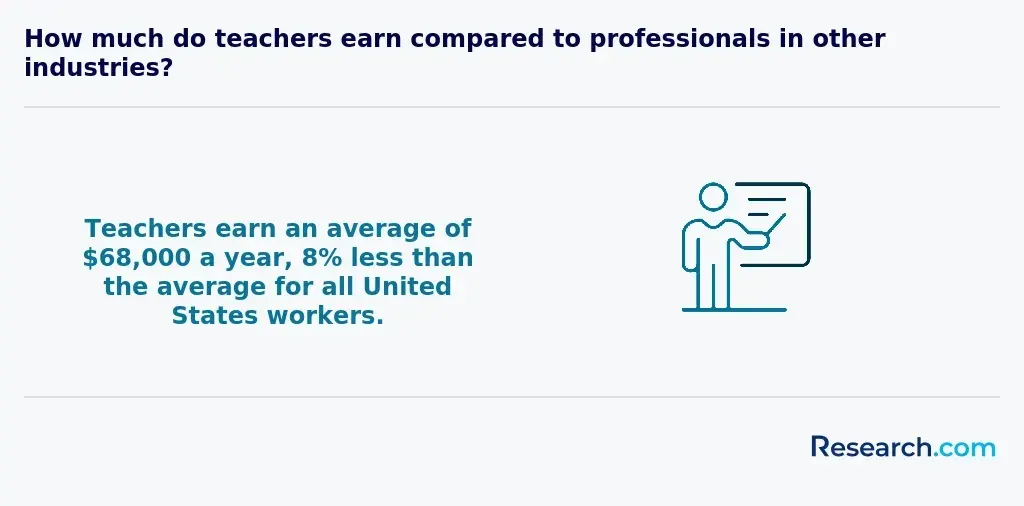
Compensation is an important trade-off. While teachers across the U.S. earn an average of $68,000—about 8% less than the national average for all workers—North Carolina’s starting and average educator salaries rank 42nd and 38th, respectively. Prospective teachers comparing state systems may want to review Louisiana teacher education programs as a point of comparison for credentialing and career planning.
What career paths are available for history teachers in North Carolina?
A North Carolina history teaching background can lead to several education and public history roles. Some require only public school licensure and classroom experience, while others require graduate study, administrative credentials, or specialized museum and archival skills.
| Career path | Typical setting | When this path makes sense |
| High school history teacher | Public, charter, or private high schools | You want to teach U.S. history, world history, civics, government, or related social studies courses. |
| Middle school social studies teacher | Middle schools across North Carolina | You enjoy helping younger adolescents build reading, writing, and historical thinking skills. |
| University lecturer or professor | Colleges and universities such as the University of North Carolina at Chapel Hill and North Carolina State University | You are willing to earn advanced degrees and pursue teaching, research, or academic service. |
| Curriculum developer | School districts, education publishers, or the North Carolina Department of Public Instruction | You want to design lessons, standards-aligned materials, assessments, or instructional supports. |
| Educational administrator | Schools or district offices | You want to move into roles such as principal, department chair, instructional coach, or district coordinator. |
| Museum educator or historian | Museums, historical societies, and sites such as the North Carolina Museum of History | You want to teach the public through exhibits, programs, archives, and community history projects. |
Teachers interested in blending instruction with digital learning, training, or learning design can also explore broader education career paths. This can be especially useful for history teachers who enjoy curriculum technology, online resources, instructional coaching, or educational media.
What professional development opportunities are available for history teachers in North Carolina?
Professional development matters because history teachers are expected to teach content, literacy, civic reasoning, classroom discussion, source analysis, and often controversial topics. Ongoing training can also help educators manage curriculum changes, integrate technology, and support students with different reading levels.
- Attend local and national workshops: Conferences and content-specific institutes can help teachers update lessons, find primary sources, and learn new instructional strategies.
- Pursue advanced education: Graduate study can deepen content knowledge, support leadership goals, and prepare teachers for specialized roles.
- Use online learning opportunities: Digital workshops can provide flexible training in North Carolina history, document-based instruction, and classroom applications.
- Build a professional network: Collaboration with other history and social studies teachers can reduce isolation and improve lesson planning.
- Partner with cultural institutions: Museums, archives, historic sites, and libraries can provide primary sources, guest speakers, and field-based learning opportunities.
What are the next steps for aspiring history teachers in North Carolina?
If you are ready to move from research to action, start by identifying which licensure route fits your current education level. High school students and undergraduates should compare bachelor’s programs with approved teacher preparation. College graduates should ask whether a Master of Arts in Teaching, Residency Licensure program, or other approved pathway is the better fit. Candidates who specifically want secondary education can review this guide on how to become a high school history teacher in North Carolina.
- Confirm the grade level and subject area you want to teach.
- Choose an approved North Carolina Educator Preparation Program or alternative pathway.
- Ask the program how student teaching, testing, and licensure support are handled.
- Estimate total cost after grants, scholarships, loans, fees, and unpaid fieldwork time.
- Review district salary schedules and local supplements before accepting a job.
- Build experience with tutoring, substitute teaching, museum education, coaching, or youth programs.
How can interdisciplinary communication strategies enhance history teaching in North Carolina?
History teachers spend much of their time helping students read complex texts, explain evidence, discuss competing interpretations, and write clear arguments. Communication strategies borrowed from speech, language, and literacy fields can make lessons more accessible for multilingual learners, students with disabilities, and students who struggle with academic vocabulary. Educators who want to understand communication support from a different professional angle may find this overview of how to become a speech pathologist in North Carolina useful.
How can advanced education elevate history teaching effectiveness in North Carolina?
Graduate education can help history teachers move beyond lecture-based instruction and design lessons that use research, digital tools, assessment data, and inquiry-based learning. A teacher who wants to lead online learning initiatives, build digital archives, or create interactive history projects may benefit from studying educational technology. For a broader look at this option, review online master’s degrees in education technology.
How can interdisciplinary strategies benefit history teaching in North Carolina?
Strong history instruction often overlaps with reading, writing, geography, economics, mathematics, civics, and the arts. For example, students can interpret population data, map migration patterns, compare economic trends, or evaluate voting patterns as part of historical inquiry. Teachers who want to strengthen quantitative classroom activities may find useful perspective in this guide on how to become a middle school math teacher in North Carolina.
How can partnerships with local libraries and museums enhance history teaching in North Carolina?
Local libraries, archives, museums, and historical societies can give history teachers access to primary sources, photographs, oral histories, maps, newspapers, and community experts. These partnerships help students connect state and local history to national events. Teachers developing research projects or source-based lessons may also benefit from understanding library science careers, especially when collaborating with archivists and librarians.
How can school libraries enhance history education in North Carolina?
School libraries can support history instruction by curating age-appropriate primary sources, teaching research skills, guiding students through databases, and helping classes evaluate source credibility. A school librarian can also help history teachers build inquiry projects, create reading lists, and teach students how to distinguish evidence from opinion. Educators interested in deeper collaboration can explore how to become a school librarian in North Carolina.
Is it advantageous for history teachers to explore elementary teaching roles in North Carolina?
Some history educators may benefit from elementary teaching experience, especially if they enjoy teaching broad foundational skills rather than one subject all day. Elementary classrooms can strengthen a teacher’s ability to teach reading, writing, classroom routines, and developmental skills. However, this path usually requires a different licensure focus, so candidates should review how to become an elementary school teacher in North Carolina before making the switch.
What distinguishes private school teacher requirements in North Carolina?
Private schools in North Carolina may use hiring requirements that differ from public school licensure rules. Some private institutions may prioritize a strong history background, teaching experience, graduate education, mission fit, or specialized expertise. That flexibility can help some candidates enter the classroom sooner, but requirements vary by school. Review individual job postings carefully and compare them with private school teacher requirements in North Carolina.
How can collaboration between history and English educators enhance student achievement in North Carolina?
History and English teachers can work together to improve reading comprehension, writing quality, argumentation, and evidence use. Joint projects might ask students to analyze historical speeches, compare historical fiction with primary sources, or write document-based essays. This collaboration is especially valuable when students need support interpreting complex texts. Teachers interested in literacy-focused instruction can also review how to become an English teacher in North Carolina.
What are the different certification pathways for history teachers in North Carolina?
North Carolina offers more than one route into teaching. The traditional path is an approved undergraduate teacher preparation program. Candidates who already hold a bachelor’s degree may pursue alternative certification options, including approved Residency Licensure routes. Experienced educators may have additional options if they hold credentials such as National Board Certification. For a broader comparison, see North Carolina teacher certification types and requirements.
How can integrating art into history curricula enhance student engagement in North Carolina?
Art can help students understand historical periods through images, symbols, architecture, political cartoons, posters, murals, and material culture. A history lesson on reform movements, war, propaganda, or state identity can become more memorable when students analyze visual evidence rather than relying only on textbook summaries. Teachers who want to build stronger art-history connections may find this guide to requirements to be an art teacher in North Carolina helpful.
What are the best resources for history teachers in North Carolina?
Effective history teachers need reliable content sources, curriculum standards, primary documents, local history materials, and professional networks. The following resources can support lesson planning and classroom practice.
- North Carolina Department of Public Instruction: Use this source for licensure guidance, curriculum standards, policy updates, and professional learning information.
- North Carolina Historic Sites: These sites can support field trips, local history lessons, educator guides, and place-based learning.
- TeachingHistory.org and the National Council for History Education: These platforms offer lesson ideas, instructional strategies, and historical documents. Free resources can be especially important because 36.6% of teachers carry student loan debt.
- Museums, libraries, and historical societies: Institutions such as the North Carolina Museum of History can provide classroom-ready context, exhibits, and educator programs.
- Teacher blogs and educator groups: Peer communities can help new teachers find practical lesson ideas, classroom routines, and honest advice.
Teachers planning long-term advancement can also compare in-demand education careers to see how history teaching can connect to curriculum, leadership, instructional technology, or student support roles.

Is North Carolina a good state to teach in?
North Carolina can be a good state for history teachers who value public service, local history, classroom diversity, and opportunities to enter the profession through multiple pathways. It also presents real challenges, especially around pay, attrition, classroom behavior, and policy debates about curriculum. The best decision depends on your financial situation, preferred district, support network, and tolerance for public school pressures.
| Factor | Why it may help | Why it may be challenging |
| Job demand | The state projects annual needs of 1,920 middle school teachers, 2,340 high school educators, and 80 history professors through 2030. | Openings may vary by district, grade level, and local budget conditions. |
| New teacher support | The North Carolina New Teacher Support Program offers mentoring and resources for beginning educators. | Support quality can vary depending on district implementation and school leadership. |
| Licensure flexibility | Applicants may begin teaching while completing licensure requirements, and the State Board of Education has suggested eliminating the entry exam as a way to attract more teachers. | Teaching while completing requirements can be demanding for new educators. |
| Professional advocacy | The North Carolina Association of Educators advocates for teachers’ rights and working conditions. | Educators may still face concerns around compensation, workload, and policy change. |
| Curriculum relevance | North Carolina history and current events can make lessons more connected to students’ lives. | Teachers may need extra time to adapt materials for diverse classrooms. |
| Attrition | Retention among early career teachers has improved in some measures. | NCDPI reported an 11.5% teacher attrition rate for 2022-23, up from 7.8% in 2021-22, with higher turnover among new teachers. |
This chart shows why teachers voluntarily transfer schools.
What are the challenges of teaching history to students in North Carolina?
History teachers in North Carolina must balance academic standards, student literacy needs, classroom management, community expectations, and policy constraints. The work can be rewarding, but new teachers should enter with a realistic picture of the classroom environment.
- Curriculum restrictions: Recent legislative actions have limited how some history topics, including race and racism, may be taught. This can make it harder for teachers to address complex events with full historical context.
- Reading readiness: With career readiness in reading at only 31%, many students may need explicit support with vocabulary, primary source interpretation, and argument writing.
- Student behavior and attendance: Educators report concerns such as disrespect, tardiness, and skipping class, which can affect lesson pacing and classroom climate.
- Time pressure: History teachers often need to cover broad content while also teaching reading, writing, discussion, and civic reasoning skills.
- Community sensitivity: Some historical topics may prompt disagreement among students, families, or community members, requiring careful facilitation and clear alignment to standards.
New teachers should not rely only on passion for history. They should build classroom management skills, learn how to teach reading-heavy content, and ask districts how they support teachers when controversial topics arise. Cross-field career resources, including those on jobs in interior design, can also remind educators that project design, visual thinking, and audience awareness are useful transferable skills in the classroom.
How can technology enhance history teaching in North Carolina?
Technology can make history instruction more interactive, source-rich, and accessible when it is used with a clear instructional purpose. It should not replace historical thinking; it should help students examine evidence, ask better questions, and communicate conclusions.
- Virtual site exploration: Google Arts & Culture and Smithsonian Learning Lab can help students examine artifacts, museums, and historical places that are not physically accessible.
- Interactive learning tools: Nearpod and Kahoot can support formative checks, multimedia lessons, and review activities.
- Digital timelines and maps: These tools help students see sequence, causation, movement, and connections across events.
- North Carolina-specific archives: The North Carolina Digital Heritage Center and NCpedia provide photographs, documents, oral histories, and other state history materials.
- Personalized video lessons: Edpuzzle can help teachers embed questions into assigned videos and check student understanding.
- Professional training: Programs offered by the North Carolina Center for the Advancement of Teaching can help educators integrate digital tools more effectively.
Artificial intelligence and digital tools are also changing how students research and write. History teachers should explicitly teach source evaluation, citation habits, fact-checking, and responsible use of AI-generated summaries. Candidates trying to limit preparation costs can compare options such as the cheapest way to get a teaching credential in North Carolina while still choosing a pathway that meets licensure requirements.
Common mistakes to avoid when becoming a history teacher in North Carolina
| Mistake | Why it can hurt you | Better approach |
| Choosing a history degree without checking licensure alignment | A content degree may not include an approved teacher preparation component. | Confirm that the program leads to North Carolina teacher licensure before enrolling. |
| Looking only at tuition | Fees, unpaid student teaching, exam costs, transportation, and lost work hours can change the real cost. | Compare total program cost and ask about scholarships, grants, and paid residency options. |
| Assuming online programs automatically qualify | Not every online program is approved for North Carolina licensure. | Verify approval with the program and NCDPI before applying. |
| Ignoring district salary supplements | Teacher pay can vary by location even within the state. | Review district salary schedules before ranking job offers. |
| Waiting until graduation to prepare for licensure exams | Testing delays can slow your license application and job search. | Ask your program for the recommended exam timeline early. |
| Underestimating classroom literacy demands | History classes require heavy reading, writing, and document interpretation. | Build strategies for vocabulary, primary source scaffolding, and structured discussion. |
What history teachers in North Carolina say about their careers
- “Teaching history in North Carolina lets me connect students to the places, people, and decisions that shaped their communities. The work is challenging, but the moment students realize history explains something about their own lives is deeply rewarding.” - Natalie
- “What I value most is helping students form their own evidence-based opinions. North Carolina’s history gives us many opportunities to talk about identity, citizenship, conflict, and change in ways that feel real to students.” - Ray
- “Some of my strongest lessons happen outside the textbook, through field trips, local archives, and conversations with other educators. When students discover a piece of history connected to their own town, their curiosity changes.” - Wallace
Related Articles for Nearby States
- 2027 How to Become a History Teacher in South Carolina: Requirements & Certification
- 2027 How to Become a History Teacher in Virginia: Requirements & Certification
- 2027 How to Become a History Teacher in Georgia: Requirements & Certification
- 2027 How to Become a History Teacher in Tennessee: Requirements & Certification
- 2027 How to Become a History Teacher in West Virginia: Requirements & Certification
- 2027 How to Become a History Teacher in Kentucky: Requirements & Certification
- 2027 How to Become a History Teacher in Florida: Requirements & Certification
- 2027 How to Become a History Teacher in Maryland: Requirements & Certification
- 2027 How to Become a History Teacher in Alabama: Requirements & Certification
- 2027 How to Become a History Teacher in Pennsylvania: Requirements & Certification
Key Insights
- To become a public school history teacher in North Carolina, you generally need a bachelor’s degree, an approved Educator Preparation Program, required assessments, a background check, and state licensure.
- Alternative routes such as a Master of Arts in Teaching or approved Residency Licensure program can help candidates who already hold a bachelor’s degree move into teaching.
- Financial aid options include the NC Teaching Fellows Program, North Carolina Education Lottery Scholarship, TEACH Grant, Golden LEAF Scholarship, and university-specific scholarships.
- North Carolina does not automatically accept every out-of-state teaching license; applicants are reviewed individually based on preparation, assessments, credentials, and experience.
- Average pay figures include $52,830 for middle school teachers, $53,920 for high school educators, and $77,850 for history professors in higher education, but salary varies by district and credentials.
- The profession offers meaningful work and projected openings, but candidates should weigh compensation, attrition, curriculum limits, reading readiness challenges, and classroom management demands.
- The strongest history teachers combine content knowledge with literacy instruction, source analysis, technology skills, and the ability to lead respectful discussion about complex topics.
References:
- MyFutureNC. (2024, February 15). The 2024 State of Educational Attainment in North Carolina. https://www.myfuturenc.org/2024stateofattainment
- National Education Association. (2024). Educator Pay Data. Retrieved September 2024, from https://www.nea.org/resource-library/educator-pay-and-student-spending-how-does-your-state-rank
- North Carolina Department of Public Instruction. (2024a, May 3). EPP Dashboard Table of Contents. Retrieved September 2024, from https://bi.nc.gov/t/DPI-EducatorRecruitmentandSupport/views/EPPDashboardHome_17084645192250/EPPDashboardHome?%3Aembed=y&%3AisGuestRedirectFromVizportal=y
- North Carolina Department of Public Instruction. (2024b, April 3). 2022-23 Teacher Attrition Data Indicates Need for More Beginning Teacher Support. https://www.dpi.nc.gov/news/press-releases/2024/04/03/2022-23-teacher-attrition-data-indicates-need-more-beginning-teacher-support
- North Carolina Department of Public Instruction. (2024c, April 30). Over 90 Percent of North Carolina Educators Indicate their School is a Good Place to Work and Learn, According to Statewide Working Conditions Survey Results. https://www.dpi.nc.gov/news/press-releases/2024/04/30/over-90-percent-north-carolina-educators-indicate-their-school-good-place-work-and-learn-according
- Schoenbaum, H. (2023, March 23). North Carolina House passes bill limiting racial teachings. AP News. https://apnews.com/article/north-carolina-education-critical-race-theory-977e16970f4710ba079cc3b40b06d2b8
- U.S. Bureau of Labor Statistics. (2024, April 3). May 2023 state occupational employment and wage estimates - North Carolina. Occupational Employment and Wage Statistics. https://www.bls.gov/oes/current/oes_nc.htm
- Walkenhorst, E. (2024, July 12). NC should drop entry exam requirements for prospective teachers, State Board of Education recommends. WRAL News. https://www.wral.com/story/nc-should-drop-entry-exam-requirements-for-prospective-teachers-state-board-of-education-recommends/21520717
Other Things You Should Know About Becoming a History Teacher in North Carolina
In 2027, aspiring history teachers in North Carolina can pursue online credential programs that meet state standards. These programs typically require a bachelor's degree, completion of virtual coursework, and passing standardized exams like Praxis. Online programs provide flexibility but must be accredited by recognized organizations.
In 2027, individuals without a teaching degree can pursue North Carolina’s Residency License program. This route requires a bachelor’s degree, enrollment in an approved educator preparation program (EPP), and passing the state licensure exams. It allows you to teach while completing coursework.
To teach history in North Carolina in 2027 without a traditional teaching degree, you can pursue an alternative licensure route. This often involves having a bachelor's degree in history or a related field, completing an approved teacher preparation program, and passing the relevant Praxis exams.


