2027 How to Become a Special Education Teacher in Oregon: Requirements & Certification

Co-Founder and Chief Data Scientist
Becoming a special education teacher in Oregon is a meaningful career path, but it is not a simple “get a degree and apply” process. You need the right educator preparation, field experience, Oregon licensure, background clearance, and ongoing professional development. The decision also deserves careful planning because special education teachers carry substantial legal, instructional, and collaboration responsibilities.
The need is real. According to the National Center for Education Statistics (NCES, 2024), approximately 15% of students receive special education services. Oregon also continues to report shortages and staffing pressure in special education, which means well-prepared teachers are important to student access, district compliance, and inclusive education.
This guide explains how to become a special education teacher in Oregon, what the timeline looks like, how licensure works, what salaries and job demand look like, and how to decide whether this path fits your goals. It also covers advanced career options, scholarships, common mistakes, and related fields that can expand your long-term opportunities.
Quick answer: How do you become a special education teacher in Oregon?
To become a special education teacher in Oregon, you generally need to complete a bachelor’s degree, finish a state-approved teacher preparation program with special education preparation, complete supervised student teaching, pass required licensure exams, clear fingerprinting and background checks, and apply for licensure through the Oregon Teacher Standards and Practices Commission. Some candidates enter through alternative pathways, especially if they already hold a degree in another field.
| Step | What it involves | Why it matters |
| Complete a degree | Earn a state-recognized degree or complete an approved educator pathway connected to special education preparation. | Oregon requires teachers to show academic preparation before licensure. |
| Finish teacher preparation | Complete an approved program that includes special education coursework and classroom practice. | This prepares candidates for IEPs, disability-specific instruction, assessment, and collaboration. |
| Complete student teaching | Work in a special education setting under supervision, usually for three to six months. | Fieldwork helps candidates practice instruction, behavior support, documentation, and family communication. |
| Meet licensure requirements | Pass required exams, complete fingerprinting and background checks, and submit academic verification. | Licensure is required for public school teaching roles in Oregon. |
| Keep learning | Complete professional development for license renewal and career growth. | Special education law, instructional strategies, and assistive technology continue to evolve. |
Key things you should know about becoming a special education teacher in Oregon
- Oregon reports a continuing need for qualified special education teachers, with job growth projected between 2% and 11% through 2030, depending on school level and setting.
- Special education teacher pay in Oregon varies widely by role, experience, location, and district funding, with average salaries ranging from about $50,000 to $91,000 annually in the figures cited in this guide.
- Professional organizations, including the Oregon Council for Exceptional Children (CEC), can help teachers access training, workshops, networking, and classroom resources.
- Large public school employers such as Portland Public Schools, Beaverton School District, and Salem-Keizer School District are among the districts commonly associated with special education hiring needs.
- This career is best suited for people who can manage legal documentation, individualized instruction, collaboration with families and specialists, and emotionally demanding classroom situations.
- Educational requirements for Oregon special education teachers
- How long the Oregon pathway usually takes
- Licensing requirements in Oregon
- Demand for special education teachers in Oregon
- Salary expectations in Oregon
- Professional development options
- Advanced career roles
- Major challenges in the field
- Mentorship and support systems
- Advanced degrees and career growth
- Oregon special education laws
- Digital literacy and online learning
- Scholarships and grants
- School psychology and special education
- Substance abuse counseling as a transition option
- Early childhood education connections
- Leadership and professional networks
- BCBA certification
- Other specialized education roles
- Private school opportunities
- Cost-effective credential options
- Emerging instructional trends
- Collaboration with school counselors
What are the educational requirements to be a special education teacher in Oregon?
Oregon special education teachers need academic preparation, supervised classroom experience, and training in how to serve students with disabilities. The exact route can vary by program and prior education, but most candidates complete a bachelor’s degree and an Oregon-approved teacher preparation program that leads to the appropriate special education endorsement or licensure pathway.
- Degree preparation: Candidates typically complete a state-recognized degree in special education, education, or a closely related area. Portland State University and the University of Oregon are examples of institutions that offer preparation connected to supporting learners with disabilities.
- Approved teacher preparation: A degree alone is usually not enough for public school teaching. Candidates must complete an approved educator preparation program that includes pedagogy, assessment, classroom management, disability law, and special education methods.
- Student teaching: Programs normally require a supervised internship or student teaching placement in a special education setting. This is where candidates learn to write and implement IEP goals, adapt lessons, coordinate with specialists, and manage real classroom routines.
- Academic performance: Many programs expect applicants or enrolled candidates to maintain a minimum cumulative GPA, often around 3.0. This standard helps programs confirm that candidates can handle the academic demands of teacher preparation.
- Alternative pathways: People who already hold a bachelor’s degree in another field may be able to enter through post-baccalaureate, graduate, or alternative teacher preparation options designed for career changers.
The most important decision is not simply which degree to choose. Candidates should confirm that the program is approved for Oregon educator licensure and that it prepares them for the specific special education level or endorsement they want.
| Pathway | Best for | Key consideration |
| Bachelor’s degree with teacher preparation | First-time college students who know they want to teach special education. | This is often the most direct route if the program is Oregon-approved. |
| Post-baccalaureate teacher preparation | Career changers who already have a bachelor’s degree. | Ask whether the program leads to Oregon licensure and special education endorsement eligibility. |
| Graduate-level special education program | Candidates seeking advanced preparation or a credential upgrade. | An online master's in special education may support advancement, but candidates should verify licensure alignment before enrolling. |
The chart below shows national educational attainment levels among special education teachers.
How long does it take to become a special education teacher in Oregon?
The standard route usually takes several years because candidates must complete both academic coursework and supervised teaching experience. The total timeline depends on whether you are starting college for the first time, already have a bachelor’s degree, or choose to pursue graduate study.
- Bachelor’s degree: A bachelor’s program in special education, education, or a related field generally takes four years.
- Teacher preparation program: Oregon licensure requires completion of a state-approved teacher education program. Some candidates complete this within their bachelor’s degree, while others complete it afterward.
- Student teaching internship: Most programs require a supervised placement lasting between three to six months.
- Optional master’s degree: Candidates who want advanced training may add one to two years, depending on program design and enrollment pace.
| Candidate starting point | Estimated timeline using cited program lengths | What to plan for |
| No college degree yet | About four years for a bachelor’s degree, plus required student teaching built into or added to the program. | Choose an Oregon-approved program early so credits and field placements support licensure. |
| Bachelor’s degree in another field | Timeline depends on the teacher preparation route and required coursework. | Ask programs how prior credits transfer and whether special education endorsement preparation is included. |
| Licensed teacher adding special education preparation | Varies by endorsement program and district requirements. | Confirm requirements with the Oregon Teacher Standards and Practices Commission and your preparation provider. |
| Candidate adding a master’s degree | One to two additional years, depending on the program. | Make sure the graduate degree supports your intended role, not just general professional development. |
A practical timeline should also include application deadlines, testing windows, background check processing, and job hiring cycles. Many Oregon districts hire for the next school year before the current academic year ends, so candidates should begin licensure paperwork early.
What are the licensing requirements for special education teachers in Oregon?
Public school special education teachers in Oregon must be licensed. Licensure confirms that a candidate has completed required preparation, passed applicable assessments, cleared safety checks, and met state standards for professional practice.
- Licensure exams: Candidates must pass required exams that measure teaching knowledge and special education competency. The exact assessments can vary by pathway and endorsement area.
- Background checks and fingerprinting: Oregon requires applicants to complete student safety screening, including fingerprinting and background checks.
- Academic verification: Applicants must submit documentation showing completion of the required degree, teacher preparation, and special education training.
- License renewal: Oregon teaching licenses are valid for five years. Renewal requires professional development and ongoing compliance with state expectations.
- Out-of-state teachers: Teachers already licensed elsewhere may be eligible for Oregon reciprocity or a transfer pathway, but they still need to meet Oregon-specific requirements.
Before enrolling in any program, candidates should verify that it is accepted for Oregon licensure. This is especially important for online programs, out-of-state programs, and alternative routes. A program can be academically useful but still fail to meet Oregon licensure requirements.
| Licensure question to ask | Why it matters |
| Is this program approved for Oregon teacher licensure? | Approval affects whether your coursework can lead to a public school teaching license. |
| Does the program prepare candidates for special education specifically? | General education preparation may not qualify you for special education roles. |
| What exams are required for my pathway? | Testing requirements affect timeline, cost, and readiness to apply for jobs. |
| Are student teaching placements arranged by the school? | Placement support can make the licensure process smoother. |
| How does renewal work after the first license? | Teachers must plan for professional development before the five-year license period ends. |
What is the demand for special education teachers in Oregon?
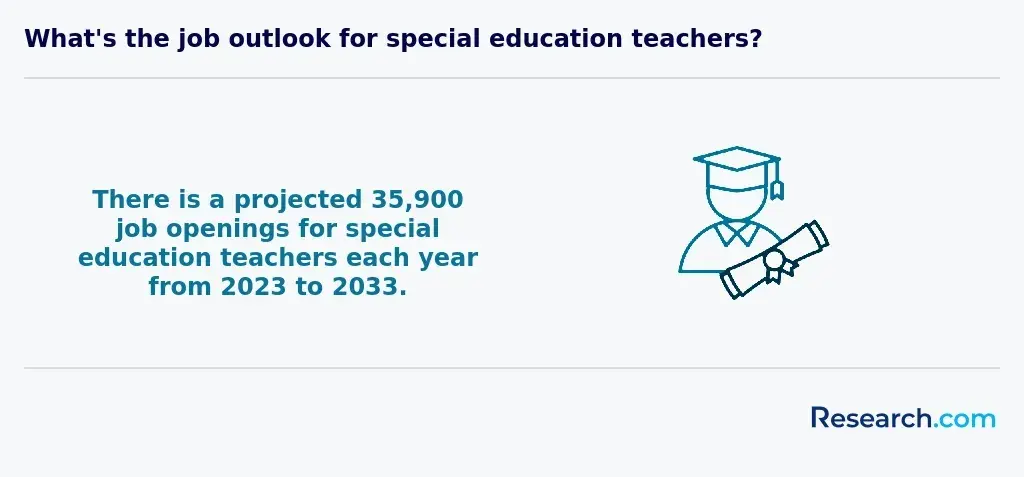
Oregon’s demand for special education teachers is driven by student need, staffing shortages, retirements, and the legal requirement to provide appropriate services to students with disabilities. The state has approximately 4,300 special education teachers working across educational settings.
Recent job outlook data projects 2% employment growth for special education teachers across kindergarten, elementary, middle, and secondary schools by 2032. Preschool special education roles are projected to grow by 11%, while special education teachers in other sectors may see 9% growth.
Oregon is expected to have between 280 and 1,000 job openings for special education teachers. These openings may come from replacement needs, retirements, staffing changes, and expansion of services for students with disabilities.
| Setting | Projected growth cited | What it suggests for candidates |
| Kindergarten, elementary, middle, and secondary schools | 2% by 2032 | Demand exists, but openings may vary by district, location, and funding. |
| Preschool special education | 11% | Early childhood special education may offer stronger growth among the categories cited. |
| Other special education sectors | 9% | Teachers with specialized skills may find options beyond traditional K-12 classrooms. |
Demand does not mean every job is easy to get or that every district offers the same working conditions. Candidates should compare caseload expectations, induction support, salary schedules, planning time, and access to specialists. Looking at other state pathways, such as Nevada teacher preparation programs, can also help candidates understand how Oregon’s process compares.
How much do special education teachers in Oregon earn?
Special education teacher salaries in Oregon depend on role, grade level, district salary schedule, years of experience, education level, and local funding. Urban districts may offer higher pay than some rural districts, although cost of living should be considered when comparing offers.
- Entry-level special education teachers generally earn approximately $49,000 per year.
- Teachers with one to three years of experience can expect to earn between $50,000 and $55,000.
- Mid-career teachers with four to 10 years of experience often earn between $60,000 and $70,000.
- Teachers with more than a decade of experience may earn upwards of $75,000.
The following 2024 average annual wages are cited in the original state-based salary data used for this guide:
| Special education role | Average annual wage in 2024 |
| SPED teachers, preschool | $57,496 |
| SPED teachers, kindergarten/elementary school | $93,338 |
| SPED teachers, middle school | $86,277 |
| SPED teachers, secondary school | $87,299 |
| SPED teachers, all others | $93,184 |
When evaluating salary, do not look only at the starting number. Review the district’s salary schedule, health benefits, pension rules, tuition reimbursement, special education stipends, mentoring support, and workload expectations. A higher salary may not produce better career satisfaction if caseloads are unsustainable or support is limited.
The chart below shows Oregon’s position among states with high salaries for special education teachers.
What professional development opportunities are available for special education teachers in Oregon?
Professional development is not optional in special education. Teachers need to stay current on disability law, IEP compliance, behavior supports, inclusive instruction, assistive technology, trauma-informed practice, and family collaboration. It also supports license renewal.
- Oregon Department of Education workshops: State-sponsored training can help teachers understand Oregon rules, evidence-based practices, and updates related to special education services.
- Oregon Education Association: The OEA provides professional learning for educators at different career stages, including topics such as equity, leadership, and special education practice.
- CEC Learning Library: The Council for Exceptional Children offers webinars and online courses that can be accessed live or on demand, giving teachers flexible options for continuing education.
Professional development should be chosen strategically. New teachers may need classroom management, IEP writing, and parent communication support. Experienced teachers may benefit more from leadership, assistive technology, data-based intervention, or behavior analysis training. Educators who want broader perspective can also review pathways in other states, such as becoming an educator in Oklahoma, to compare preparation and professional learning models.
Are there advanced roles for experienced special education teachers in Oregon?
Special education can lead to several career paths beyond a classroom teaching position. Some teachers remain in direct instruction and specialize further, while others move into administration, behavior analysis, consulting, advocacy, or related student support roles.
| Advanced role | What the role focuses on | Who it may fit |
| Experienced special education teacher | Continued classroom instruction, often with deeper expertise in disability categories, intervention models, or grade bands. | Teachers who want to stay close to students while taking on mentoring or team leadership. |
| Director of Special Education | Program administration, legal compliance, budgeting, staffing, and districtwide service coordination. | Teachers interested in systems leadership and policy implementation. |
| Board Certified Behavior Analyst (BCBA) | Behavior assessment, intervention planning, and data-driven behavior support. | Educators drawn to autism services, behavioral intervention, and consultative practice. |
| Education consultant | Advising schools, districts, or organizations on special education systems and instructional practice. | Experienced teachers with strong communication, compliance, and training skills. |
Public school districts such as Portland Public Schools and Beaverton School District regularly need qualified special education teachers, while administrative opportunities may appear in districts such as Salem-Keizer Public Schools. Organizations such as Autism Spectrum Therapies (AST) in Oregon may also be relevant for professionals interested in behavior-focused roles.
Before moving into an advanced role, compare the added education, certification, supervision requirements, salary potential, and day-to-day work. Leadership roles can increase influence, but they may also reduce direct time with students.
What are the biggest challenges faced by special education teachers in Oregon?
Special education teaching can be deeply rewarding, but candidates should understand the pressures before entering the field. The work combines instruction, legal documentation, family communication, crisis response, collaboration, and advocacy.
- Heavy caseloads: Many teachers must balance individualized services for multiple students, each with distinct goals, accommodations, and documentation requirements.
- Limited resources: Teachers may face shortages of materials, technology, paraprofessional support, planning time, or specialist availability.
- High turnover: Special education teachers experience some of the highest turnover rates compared to other educators, according to Oregon Department of Education reporting cited for 2023.
- Emergency staffing: More than 130 emergency licensed teachers have been used as special education instructors, affecting services for around 80,000 students with disabilities in Oregon, according to Baumhardt (2023).
- Compliance pressure: IEP timelines, service minutes, progress reporting, and family communication create high-stakes responsibilities beyond lesson planning.
| Common challenge | What to ask before accepting a job |
| Caseload size | How many students will I serve, and what disability categories and service levels are included? |
| Support staff | Will I have paraprofessionals, specialists, co-teachers, or behavior support staff? |
| Planning time | How much protected time is available for IEP writing, progress monitoring, and team meetings? |
| Mentorship | Is there a formal mentor for first-year or new-to-district special education teachers? |
| Legal compliance | What systems does the district use for IEP documentation, timelines, and service tracking? |
Learning how other states structure licensure and support can help candidates evaluate Oregon’s system more clearly. For comparison, review the West Virginia teacher licensure process.
What mentorship and support systems are available for special education teachers in Oregon?
Mentorship can make a major difference for new special education teachers. A strong mentor can help with IEP writing, classroom routines, behavior plans, family meetings, assistive technology, and district procedures. Without support, new teachers may feel isolated quickly because special education work is both instructional and compliance-heavy.
Oregon teachers may find support through district induction programs, building-level mentors, special education coordinators, union networks, professional associations, and peer collaboration teams. Candidates should ask whether mentoring is formal, how often mentors meet with new teachers, and whether the mentor has special education experience.
Teachers who want to broaden their instructional toolkit may also benefit from learning how other subject-area educators prepare for Oregon classrooms. For example, Research.com’s guide on how to become an English teacher in Oregon can help special education teachers understand literacy-focused preparation and cross-disciplinary collaboration.
How can pursuing advanced degrees enhance career development for Oregon special education teachers?
An advanced degree can deepen a teacher’s expertise and may support movement into leadership, specialist, or consulting roles. For special education teachers, graduate study is most valuable when it builds practical skills in assessment, intervention design, child development, instructional coaching, research, or program leadership.
A masters in child development may be useful for educators who want stronger grounding in developmental milestones, early intervention, family systems, and learning differences. However, candidates should distinguish between degrees that support professional growth and degrees that lead to specific licenses or endorsements. Not every graduate program automatically changes licensure status.
| Advanced study option | Potential value | Important caution |
| Master’s in special education | Can deepen knowledge of disability categories, interventions, IEPs, and inclusive instruction. | Verify whether the program aligns with Oregon licensure or endorsement goals. |
| Master’s in child development | Can strengthen understanding of developmental needs and early learning supports. | May not by itself qualify someone for special education licensure. |
| Educational leadership study | Can support roles in administration, program coordination, or district leadership. | Administrative roles may require separate credentials or experience. |
How do Oregon’s special education laws impact teachers?
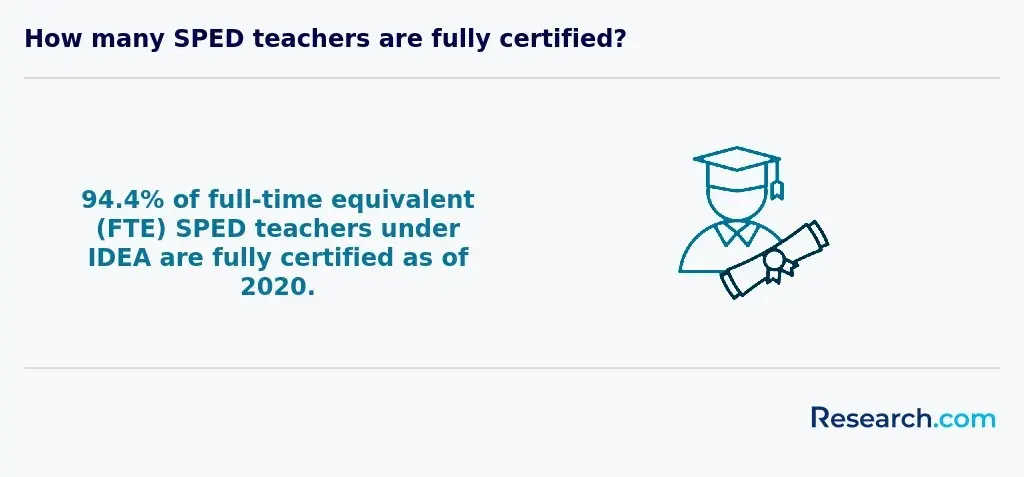
Special education teachers work within a legal framework that affects nearly every part of the job. In Oregon, teachers must follow state requirements as well as federal rules under the Individuals with Disabilities Education Act (IDEA). These rules shape eligibility, IEP development, service delivery, family rights, documentation, and compliance expectations.
IDEA requires eligible students with disabilities to receive a free and appropriate public education, often referred to as FAPE. For teachers, this means instruction must connect to the student’s individualized education program, and services must be documented carefully.
Oregon districts must also provide assurances that they comply with special education regulations. This matters to teachers because district systems, administrative support, and documentation tools affect whether services are delivered and tracked correctly.
Legal compliance should not be viewed as paperwork separate from teaching. IEP goals, accommodations, progress monitoring, and service minutes are part of how students receive legally required support. Teachers who understand the law are better prepared to advocate for students and protect themselves professionally.
How can digital literacy and online learning enhance special education teaching in Oregon?
Digital tools can help special education teachers personalize instruction, track progress, communicate with families, and create accessible learning materials. Technology may support IEP implementation through text-to-speech tools, visual schedules, adaptive assessments, collaborative documents, and multimedia lessons.
Online professional development can also help teachers keep up with instructional strategies and compliance updates without needing to travel. However, technology should be selected based on student need, accessibility, privacy, and evidence of usefulness—not because a platform is new or popular.
Teachers who want to strengthen communication, literacy instruction, and online teaching skills may find value in exploring the best online English degree program, especially if their work involves reading support, writing instruction, or digital content design.
Are there scholarships and grants available for special education teachers in Oregon?
Cost can be a barrier for aspiring special education teachers, especially for candidates completing a bachelor’s degree, post-baccalaureate licensure program, or graduate coursework. Oregon students should compare scholarships, grants, employer tuition support, and federal aid before borrowing.
- Oregon Teacher Scholars Program (OTSP): This program offers financial support for education students, with a focus on candidates committed to teaching in high-need areas, including special education. The scholarship can cover up to $12,000 per year, depending on financial need and commitment to teaching in Oregon.
- Oregon Opportunity Grant (OOG): This need-based grant provides up to $7,000 to more than 30,000 students each year. Applicants must pursue an associate or bachelor’s degree at an accredited institution in Oregon.
- Oregon School Employees Association (OSEA): The union offers two $1,000 scholarships in each of its seven zones for OSEA members pursuing education at an accredited institution.
Financial aid should be evaluated alongside licensure fit. A low-cost program is not a good deal if it does not qualify you for the Oregon credential you need. Candidates comparing educator support systems in other states may also review Arkansas teacher induction programs.
Can school psychology enhance a special education career in Oregon?
School psychology can complement special education because both fields focus on learning needs, behavior, assessment, intervention, and student support. A special education teacher who understands psychological assessment and behavior systems may collaborate more effectively with multidisciplinary teams.
This path may appeal to teachers interested in evaluation, mental health support, crisis response, behavioral consultation, or student intervention systems. It is not simply an extension of teaching, however. School psychology has its own training and credential requirements. Review school psychologist requirements Oregon before assuming that teaching experience alone is enough.
Should special education teachers consider transitioning to substance abuse counseling?
Some special education teachers develop skills that transfer to counseling-related work, including behavior support, crisis response, documentation, family communication, and individualized intervention planning. Substance abuse counseling may be a possible transition for educators who want to work more directly with behavioral health and recovery services.
This is a career change, not a simple lateral move. Candidates need to understand counseling education, supervised experience, ethics, and licensure rules. Research.com’s guide on how to become a substance abuse counselor in Oregon explains the steps for that pathway.
How can early childhood education enrich special education practices in Oregon?
Early childhood education is highly relevant to special education because early identification and early intervention can shape later learning outcomes. Special education teachers who understand preschool development, play-based learning, family engagement, and transition planning may be better prepared to support younger students with disabilities.
This background is especially useful for educators working with developmental delays, communication needs, sensory differences, and early social-emotional development. Candidates interested in younger learners can review preschool teacher requirements in Oregon to understand the early childhood pathway.
How can special education teachers expand their leadership and professional networks in Oregon?
Leadership in special education often begins before a formal title change. Teachers can lead IEP teams, mentor new educators, guide paraprofessionals, coordinate interventions, present professional learning, or participate in district committees.
Networking through professional associations, conferences, union events, and district learning communities can help teachers find mentors, learn about job openings, and stay current on policy and practice. Educators who want stronger general teaching foundations may also review how to become an elementary school teacher in Oregon, especially if they work with inclusive elementary teams.
Should special education teachers pursue a BCBA certification in Oregon?
BCBA certification may be a strong option for special education teachers who want advanced expertise in behavior assessment, intervention planning, and data-based decision-making. It can be especially relevant for teachers who work with students with autism, significant behavior needs, or intensive intervention plans.
The credential requires a specific pathway, so teachers should not assume classroom experience alone is sufficient. Before investing time and money, review the requirements and career fit in Research.com’s guide on how to become a BCBA in Oregon.
| BCBA may make sense if... | BCBA may not be the best next step if... |
| You want to specialize in behavior intervention and consultation. | You prefer curriculum design, literacy instruction, or classroom teaching as your main focus. |
| You are comfortable using data to design and adjust behavior plans. | You do not want additional credential requirements or supervised practice obligations. |
| You want roles that may extend beyond a traditional classroom assignment. | Your district role does not involve intensive behavior support. |
What other specialized education roles are available to special education teachers in Oregon?
Special education teachers may eventually move into related fields that support students with disabilities from different professional angles. Options can include speech-language pathology, school psychology, behavior analysis, counseling, assistive technology support, instructional coaching, and special education administration.
Speech-language pathology is one related path for educators interested in communication disorders, language development, and therapy-based services. To compare requirements, review how to become a speech language pathologist in Oregon.
What opportunities exist for special education teachers considering private school roles in Oregon?
Private schools can offer another employment route for special education teachers in Oregon. Some private schools have smaller class sizes, specialized missions, flexible instructional models, or programs focused on students with learning differences or disabilities.
The trade-off is that private school requirements may differ from public school licensure rules. Some private schools may require licensed teachers, while others may prefer licensure without making it mandatory. Teachers should ask about student support services, IEP-like planning processes, family expectations, staffing ratios, and salary structure.
If this option interests you, review how to become a private school teacher in Oregon to understand qualifications, hiring expectations, and differences from public school teaching.
How can you pursue a cost-effective teaching credential in Oregon?
The cheapest pathway is not always the best pathway. A cost-effective credential is one that is affordable, accepted for Oregon licensure, fits your schedule, includes required fieldwork, and helps you qualify for the job you actually want.
- Check whether the program is approved for Oregon educator licensure before comparing tuition.
- Ask how many credits you can transfer from prior coursework.
- Compare total program cost, not just per-credit tuition.
- Include testing fees, background checks, books, commuting, unpaid student teaching time, and technology costs.
- Ask districts whether tuition reimbursement, grow-your-own programs, or conditional hiring support is available.
For a deeper cost comparison, review Research.com’s guide to teaching credential programs in Oregon.
What are the emerging trends in special education pedagogy in Oregon?
Several instructional trends are shaping special education practice in Oregon and nationally. Teachers are increasingly expected to use evidence-based interventions, data-informed progress monitoring, Universal Design for Learning, inclusive classroom models, assistive technology, and stronger collaboration with general education teachers.
Digital learning tools can support accessibility, but they should not replace relationship-based teaching, explicit instruction, or individualized intervention. Teachers should evaluate whether each tool helps students access content, communicate, practice skills, or demonstrate learning.
Educators who want to strengthen online communication and literacy-focused instruction may again find the best online English degree program useful as a related professional development option.
How can collaboration with school counselors enhance special education outcomes in Oregon?
Special education teachers and school counselors often support the same students from different angles. Teachers focus on instructional access and IEP implementation, while counselors may support social-emotional development, crisis response, family communication, and schoolwide intervention systems.
Collaboration can improve behavior planning, transition support, attendance interventions, peer relationships, and mental health referrals. The strongest teams clarify roles early so that academic, behavioral, and emotional supports are coordinated rather than duplicated.
Teachers who want to understand the counseling side of student support can review school counselor requirements in Oregon.
Common mistakes to avoid when becoming a special education teacher in Oregon
| Mistake | Why it can hurt you | Better approach |
| Choosing a program without checking Oregon approval | You may complete coursework that does not lead to the license you need. | Confirm licensure alignment with the program and Oregon Teacher Standards and Practices Commission. |
| Comparing only tuition | Low tuition can hide fees, travel costs, testing costs, or unpaid fieldwork burdens. | Compare total cost and ask about scholarships, grants, and district support. |
| Assuming online programs automatically qualify | Some online or out-of-state programs may not meet Oregon licensure requirements. | Get written confirmation that the program supports your Oregon credential goal. |
| Ignoring caseload and support questions during interviews | A job offer may come with workload conditions that are difficult to sustain. | Ask about caseload size, paraprofessional support, planning time, and mentorship. |
| Assuming salary outcomes are guaranteed | Pay varies by district, experience, role, and salary schedule. | Review the district salary schedule and benefits before accepting an offer. |
| Waiting too long to plan for renewal | Licenses are valid for five years and require professional development for renewal. | Track professional learning hours from the beginning of your career. |
Questions to ask before choosing this career path
- Am I prepared for both teaching and legal documentation responsibilities?
- Do I want to work with a specific age group, disability category, or service model?
- Does my chosen program lead to Oregon licensure in special education?
- Can I manage the financial and time demands of student teaching?
- What type of district support do I need to succeed in my first year?
- Do I prefer direct classroom teaching, or am I eventually aiming for administration, behavior analysis, counseling, or consulting?
- How will I handle emotionally demanding situations, family meetings, and crisis response?
References
Related Articles for Nearby States
- 2027 How to Become a Special Education Teacher in Washington: Requirements & Certification
- 2027 How to Become a Special Education Teacher in California: Requirements & Certification
- 2027 How to Become a Special Education Teacher in Idaho: Requirements & Certification
- 2027 How to Become a Special Education Teacher in Nevada: Requirements & Certification
- 2027 How to Become a Special Education Teacher in Montana: Requirements & Certification
- 2027 How to Become a Special Education Teacher in Utah: Requirements & Certification
- 2027 How to Become a Special Education Teacher in Wyoming: Requirements & Certification
- 2027 How to Become a Special Education Teacher in Arizona: Requirements & Certification
- 2027 How to Become a Special Education Teacher in Colorado: Requirements & Certification
- 2027 How to Become a Special Education Teacher in New Mexico: Requirements & Certification
References:
- Baumhardt, A. (2023, April 13). Oregon schools hired 100-plus emergency teachers for special education, potentially breaking federal law. Oregon Live. https://www.oregonlive.com/education/2023/04/oregon-schools-hired-100-plus-emergency-teachers-for-special-education-potentially-breaking-federal-law.html
- National Center for Education Statistics. (2024, May). Students with Disabilities. Condition of Education. https://nces.ed.gov/programs/coe/indicator/cgg/students-with-disabilities
- Oregon Department of Education. (2023, November 30). Oregon Statewide Report Card 2022-23. https://www.oregon.gov/ode/schools-and-districts/reportcards/Documents/rptcd2023.pdf
- Oregon Educator Advancement Council. (2024, September). 2024 Oregon Educator Equity Report. https://core-docs.s3.us-east-1.amazonaws.com/documents/asset/uploaded_file/2764/EAC/4748115/FINAL_Educator_Equity_Report_2024_rev.pdf
- Oregon Employment Department. (2023, November 10). Oregon Occupational Employment Projections 2022-2032. https://www.qualityinfo.org/data
- Oregon Teacher Standards and Practices Commission. (n.d.). First Time License. Retrieved October 28, 2024, from https://www.oregon.gov/tspc/LIC/Pages/First-Time-License.aspx
Key Insights
- Oregon special education teachers generally need a bachelor’s degree, approved teacher preparation, supervised student teaching, exams, background checks, and state licensure.
- The fastest route depends on your starting point. First-time students often need about four years for a bachelor’s degree, while graduate study can add one to two years.
- Job demand is supported by student need and staffing shortages, with cited projections ranging from 2% growth in many K-12 settings to 11% in preschool special education.
- Salary varies significantly. The cited 2024 averages range from $57,496 for preschool special education teachers to $93,338 for kindergarten/elementary special education teachers.
- Program approval matters more than convenience. Before enrolling, confirm that any online, graduate, or alternative program supports Oregon licensure.
- Strong candidates evaluate working conditions before accepting a job, including caseload, planning time, paraprofessional support, mentorship, and compliance systems.
- Long-term career options can include special education leadership, BCBA certification, school psychology, counseling-related fields, speech-language pathology, private school roles, and consulting.
Other Things You Should Know About Becoming a Special Education Teacher in Oregon
In 2027, special education teachers in Oregon are required to complete ongoing professional development to maintain their teaching licenses. This typically includes attending workshops, taking additional coursework, and participating in seminars focused on current educational strategies and technologies to support special education students.
To become a special education teacher in Oregon in 2027, you must pass the Oregon Educator Licensure Assessments (ORELA). This includes both the civil rights exam and the specific subject area test for special education, ensuring you meet statewide educational standards.
Yes, Oregon requires special education teachers to have a valid teaching license with a Special Education Endorsement. Candidates must complete an accredited educator preparation program, pass required exams, and apply through the Teacher Standards and Practices Commission to obtain certification in 2027.