2027 Statistics Transfer Credit Trends: How Schools Are Adapting for Adult Learners

Co-Founder and Chief Data Scientist
When a working professional returning to college discovers that their calculus and introductory statistics credits from ten years ago don't transfer, the financial and time costs can derail a carefully planned degree completion timeline. Recent data from the National Student Clearinghouse Research Center shows that only 65% of transfer credits are accepted by receiving institutions in 2024, down from 72% just five years earlier. This decline signals tighter credit evaluation standards alongside evolving curricular requirements, creating a challenging environment for adult learners seeking to leverage prior coursework in statistics-related fields.
Understanding these shifting policies is critical for students aiming to reduce redundancy and costs. This article examines current credit transfer trends, institutional adaptations in credit acceptance and prior learning assessment, and offers guidance for navigating these complexities within statistics programs efficiently.
Key Things to Know About Statistics Transfer Credit Trends for Adult Learners
- Recent data shows 62% of institutions now accept nontraditional credits like workforce training for statistics majors, reducing time to degree but requiring careful scrutiny of transfer equivalencies to avoid gaps in core competencies.
- Expanded recognition of military and prior learning credits reflects employer demand for verifiable skills, influencing admissions policies and mandating clearer documentation to ensure alignment with industry standards.
- Technology-enabled transcript evaluation expedites transfer decisions, improving access but creating tradeoffs as automated systems may overlook nuanced course content, affecting credit acceptance consistency across programs.
- Key Things to Know About Statistics Transfer Credit Trends for Adult Learners Key Things to Know About Statistics Transfer Credit Trends for Adult Learners
- How Are Statistics Programs Changing Transfer Credit Policies for Adult Learners? Evolving Adult Transfer Policies
- Why Are More Statistics Schools Accepting Credit for Prior Learning and Work Experience? Prior Learning Credit Benefits
- How Do Statistics Colleges Evaluate and Award Transfer Credits Today? Transfer Credit Evaluation Process
- Which Alternative Credits Are Most Commonly Accepted by Statistics Programs? Accepted Alternative Credits
- How Are Statistics Schools Improving Transfer Pathways for Community College Students? Improved Community College Pathways
- How Can Transfer Credits Help Statistics Students Graduate Faster? Accelerating Degree Completion
- How Much Money Can Students Save Through Statistics Transfer Credit Opportunities? Cost Saving Through Transfers
- How Are Statistics Programs Supporting Military Students and Workforce Learners Through Transfer Credits? How Are Statistics Programs Supporting Military Students and Workforce Learners Through Transfer Credits?
- What Transfer Credit Innovations Are Shaping the Future of Statistics Education? What Transfer Credit Innovations Are Shaping the Future of Statistics Education?
- How Can Adult Learners Maximize Transfer Credits in a Statistics Program? Maximizing Your Transfer Credits
How Are Statistics Programs Changing Transfer Credit Policies for Adult Learners?
Statistics programs are increasingly adapting transfer credit policies to reduce unnecessary delays and financial burdens on adult learners, reflecting a broader shift toward flexibility in higher education. Many institutions now accept a wider range of transfer credits from accredited community colleges and alternative providers, directly addressing the needs of working professionals and military-affiliated students who typically resume education after time away. For example, a military service member returning to school might benefit from specialized pathways that combine formal transcript evaluations with credit for prior learning assessments, accelerating degree completion while balancing service commitments. However, students must navigate institutional variability, as some rigorous programs cap transferable credits to maintain curriculum standards, forcing careful academic planning to optimize course sequencing and credit acceptance without extending time-to-degree.
The evolving landscape of statistics transfer credit acceptance and evaluation trends involves greater recognition of non-traditional coursework and workforce experience, reflecting calls for standardized assessments like those advocated by adult learning organizations. Updated transfer articulation agreements now often include explicit mappings for statistics courses such as data analysis and probability, safeguarding against common credit loss scenarios that historically prolong studies and increase costs for adult learners. Despite advances, limitations exist because alternative credentials like online certifications can be inconsistently evaluated, creating uncertainty for students trying to leverage all prior learning options. Those comparing programs should weigh policies carefully, especially as flexible pathways and clear credit mobility often dictate affordability and access, as seen in parallel fields with increasing demand across healthcare systems and related professions exemplified by online speech pathology programs.
Why Are More Statistics Schools Accepting Credit for Prior Learning and Work Experience?
The expanding acceptance of credit for prior learning and work experience in statistics programs signals a fundamental shift in institutional strategies aimed at addressing the unique needs of adult learners and nontraditional students. This trend is less about loosening transfer rules and more about aligning academic offerings with workforce realities, such as recognizing industry certifications, military training, and competency-based assessments. For example, a data analyst transitioning from military service can leverage formalized assessments and prior training to bypass entry-level courses, reducing time to degree without compromising rigor. However, schools must balance this with ensuring foundational knowledge critical for advanced statistical methods, which means some learners still face tradeoffs between accelerated credit and course prerequisites essential for success in complex quantitative subjects.
Workforce demand for demonstrable skills in statistical software, data interpretation, and project management further motivates institutions to expand credit pathways, aligning academic credentials with employer expectations. According to a 2024 study by the Council for Adult and Experiential Learning, programs awarding prior learning credit show nearly a 19% increase in graduation rates among adult students, underscoring improved retention and faster degree completion. Yet, institutional variation in how rigorously credits are evaluated remains substantial, requiring prospective students to carefully navigate transfer policies and plan for potential gaps in certification recognition or portfolio assessments. This evolving landscape fosters greater enrollment accessibility and persistence but also demands thoughtful academic advising to manage expectations around credit applicability and progression milestones.
One working professional pursuing a statistics degree found herself uncertain when submitting military training transcripts and industry certificates for credit evaluation. Initially facing skepticism from admissions staff unfamiliar with specific certifications, she documented course syllabi and completed a portfolio review to substantiate her experiential learning. While the process delayed her enrollment decision, successful recognition of prior credits ultimately shortened her time to graduation. Her experience illustrates both the promise and complexity of these expanded credit policies, highlighting the necessity of detailed documentation and proactive communication with institutions adapting to diverse learner backgrounds.
How Do Statistics Colleges Evaluate and Award Transfer Credits Today?
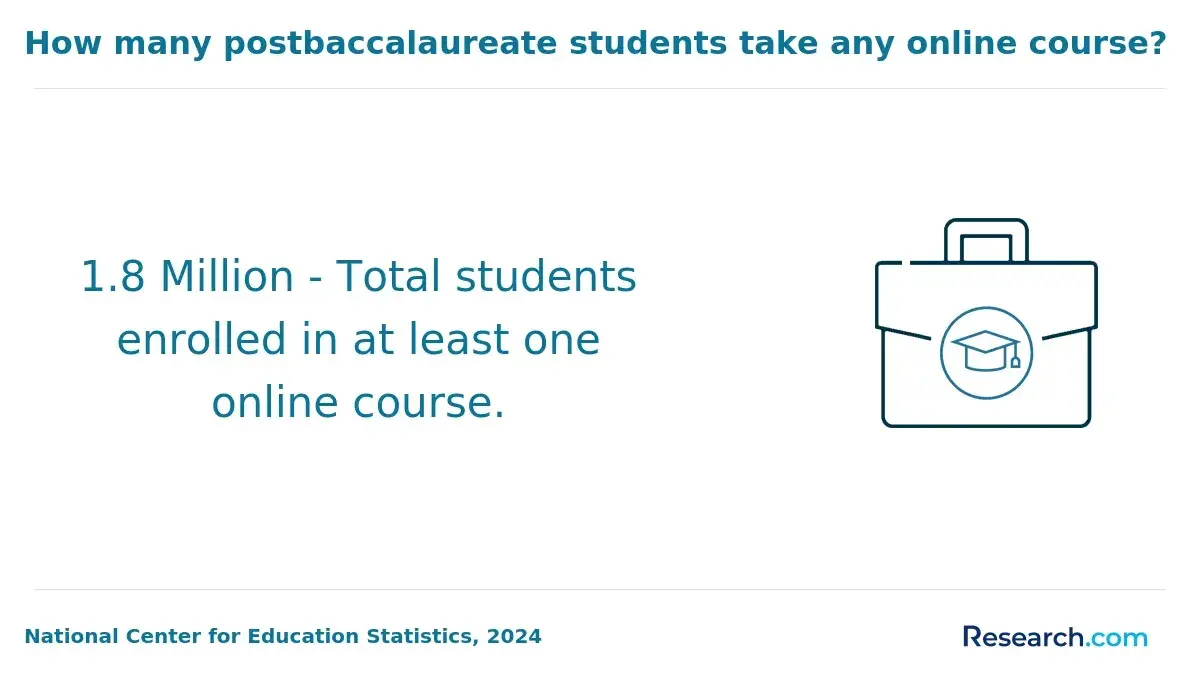
Transfer credit evaluation in statistics programs has shifted from a routine administrative checkpoint to a strategic aspect of student retention and accelerated degree completion. Institutions prioritize not just transcript verification but a comprehensive assessment of course equivalencies, program learning outcomes, and accreditation status-most notably favoring credits from regionally accredited colleges, a factor cited by 87% of schools in recent National Center for Education Statistics data. For adult learners and military-affiliated students, this means prior coursework, workforce certifications, and military training are rigorously compared against core and upper-division requirements, influencing how many credits apply toward specialized topics such as regression analysis or statistical computing.
Practical implications are significant: while many institutions now include credit-for-prior-learning options, the applicability of such credits often determines a student's pace and cost to degree completion. For example, credits accepted solely as electives extend time to graduation and increase tuition costs compared to those fitting major requirements. Transfer articulation agreements and faculty committees further complicate decisions, as they aim to standardize equivalencies yet may impose stricter judgments to preserve program rigor-especially important in statistics fields where methodological competencies matter. Adult learners from community colleges or military backgrounds must anticipate varied acceptance policies impacting academic planning, making early transcript review and alignment with residence or grade criteria essential to avoid surprises that could delay entry into advanced coursework.
Which Alternative Credits Are Most Commonly Accepted by Statistics Programs?
Acceptance of alternative credits in statistics programs has evolved into a strategic approach enabling adult learners to shorten degree timelines while balancing work and education. Credit for Prior Learning (CPL), particularly through military training and validated workplace experiences, frequently serves as a cornerstone for recognizing practical knowledge. However, the transferability of these credits often hinges on factors such as accreditation compliance, course equivalency evaluations, and institutional residency policies. For instance, a working professional with workforce certifications may find some credits accepted but face limitations on upper-division credits, requiring careful planning to optimize transfer credit for prior learning with minimal impact on program rigor.
Standardized assessments like CLEP or DSST remain common routes for foundational statistics coursework, with recent data from the National Student Clearinghouse Research Center showing about 58% of colleges integrate such exam credits into their transfer frameworks, although requirements for high scores introduce variability. Additionally, competency-based assessments and employer-sponsored learning pathways reflect a growing emphasis on demonstrated mastery rather than seat time, but these alternatives can differ widely in acceptance depending on program-specific policies. These variables impact affordability and flexibility for transfer students, underscoring the importance of thorough institutional review before committing credit. Adult learners aiming to navigate alternative credits accepted by statistics programs would benefit from resources highlighting comparative acceptance patterns or systems like those guiding the easiest MSW to get into options to inform realistic transfer and completion strategies.
How Are Statistics Schools Improving Transfer Pathways for Community College Students?
Improving transfer pathways has become a strategic priority for statistics programs because timely degree completion directly impacts student success and workforce readiness. Schools are increasingly formalizing articulation agreements that clarify which community college courses align with their curricula, reducing guesswork and credit loss. These agreements, alongside expanded block transfer policies for aligned associate degrees, help maintain academic momentum by accepting larger credit packages rather than evaluating courses piecemeal. However, students must still navigate variability in course rigor and focus-some applied statistics classes may not fulfill theoretical program requirements, potentially extending time to degree despite transfer-friendly policies. The National Student Clearinghouse Research Center's 2024 data shows institutions with formal articulation agreements see up to a 20% increase in credit acceptance, underscoring the tangible impact of these efforts on transfer efficiency.
Transfer advising plays a crucial role in these adaptations, especially for adult learners balancing work and study. Dedicated counselors help map credits early, incorporating prior learning assessments when applicable, which can shorten degree timelines if recognized correctly. Some programs participate in statewide consortia standardizing course numbering to reduce systemic barriers, but limitations remain, notably in how institutions interpret course equivalencies and pre-requisites. Consequently, prospective transfer students must actively verify transfer policies and plan contingencies for potential credit rejections, as misalignment may delay graduation or require retaking content, impacting both cost and career progression.
A community college student pursuing a statistics degree encountered conflicting information about credit transfer eligibility between their campus and the target university. Initial campus advising was optimistic, suggesting most credits would transfer under a recently updated articulation agreement, but the university's transfer office flagged several courses as non-equivalent due to differences in course content emphasis. After multiple transcript evaluations and recommendations from a dedicated transfer advisor, the student identified a pathway accepting their core statistics courses but requiring additional theoretical coursework not covered at the community college. Though relieved to have clarity, the student remained cautiously navigating course selection to avoid unexpected delays in degree completion.
How Can Transfer Credits Help Statistics Students Graduate Faster?
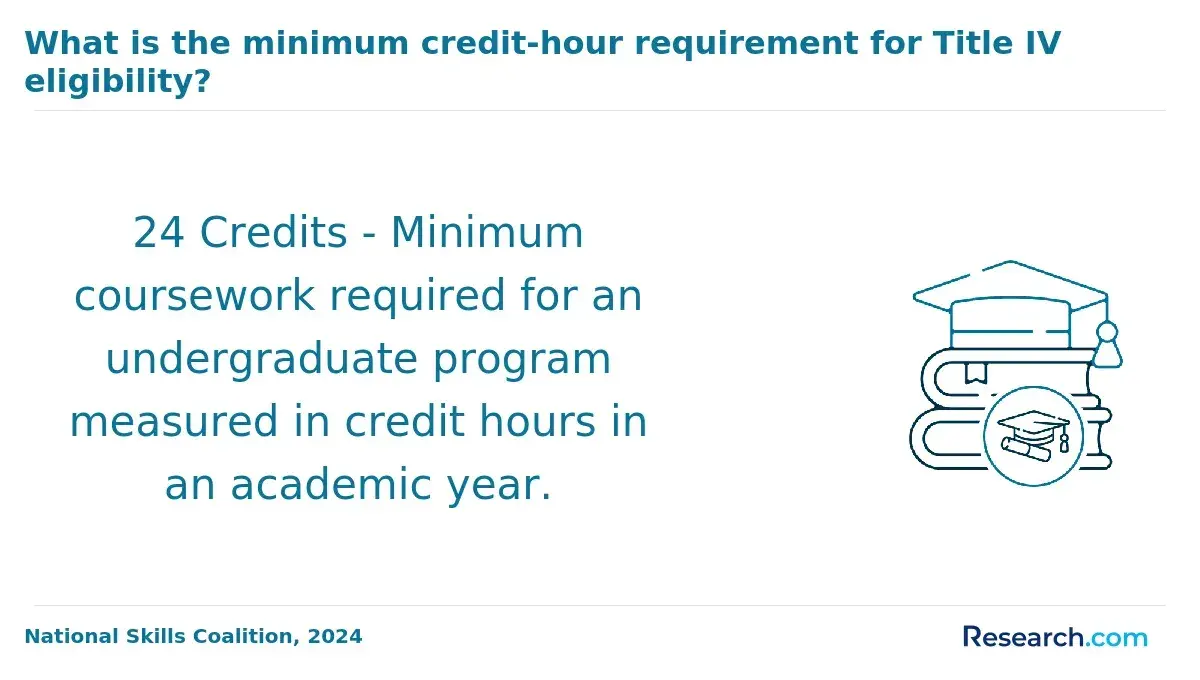
Transfer credits can meaningfully reduce the time to degree completion for students pursuing statistics programs, but this acceleration depends heavily on how institutions evaluate and apply those credits. For adult learners balancing work or family responsibilities, the ability to transfer credits from community colleges or workforce training providers often hinges on the credits' relevance to core statistics competencies, particularly upper-division courses required for graduation. A military-affiliated student with training in quantitative methods might receive credit through prior learning assessment, yet still face residency or sequencing rules that limit how many transferred credits fulfill specialized major requirements. Understanding these nuances is essential for effective academic planning.
Many statistics programs have expanded articulation agreements and flexible credit transfer policies to support students entering with substantial prior credits, impacting enrollment strategies and affordability by reducing redundant coursework. However, acceptance rates of transfer credits vary widely, with a 2024 report indicating only about 62% of transferred credits in STEM fields apply directly to major requirements, often relegating the rest to elective status. Adult learners and transfer students must therefore carefully assess how their credits align with degree requirements to avoid unexpected extensions of study time. This context explains why transfer credits are not a uniform shortcut but a strategic tool that requires navigation of program-specific criteria.
These evolving credit mobility trends inform how students weigh the value of accelerated statistics degrees versus completing complementary fields such as a masters in organizational leadership. For professionals considering career pivots or advancement, integrating transferable credits can reduce tuition costs and enable earlier workforce re-entry, provided institutions support credit evaluation processes aligned with practical skills and certifications. This landscape underscores that transfer credit policies affect not only time to degree but also broader labor market and educational investment decisions.
How Much Money Can Students Save Through Statistics Transfer Credit Opportunities?
Transfer credit acceptance can materially lower the cost and duration of Statistics degrees, but the extent varies sharply across institutions and student profiles. For adult learners or military-affiliated students leveraging credits from community colleges or technical training, recognizing prior coursework or service-based learning often reduces tuition exposure by a margin approaching 30%, according to the National Student Clearinghouse Research Center's 2024 data. However, these savings rely heavily on the receiving program's transfer policies, particularly limits on the percentage of credits accepted and strict equivalency rules that may exclude key statistics courses, necessitating retakes that undercut both cost and time benefits.
Consider a student transferring associate-level Statistics and mathematics credits from a community college: savings materialize only if those credits satisfy major requirements at the four-year institution, but residency mandates frequently block all transferred credits from counting toward upper-division or capstone classes. Additionally, prior learning assessments and certifications can supplement but are inconsistently evaluated, creating uneven outcomes for students aiming to shorten their academic trajectory. Consequently, transfer strategies must be calibrated to anticipate credit caps, institutional review rigor, and potential misalignment between transfer credits and program demands, as failure to do so often results in extended enrollment and added tuition rather than streamlined completion.
This dynamic positions students and working professionals to weigh actual cost reduction against possible tradeoffs in academic pacing and credential integrity. While the option to apply military, workforce, or nontraditional credits influences overall educational investment, the fragmented landscape of transfer credit policies means that maximizing prior learning recognition is as much about navigating institutional frameworks as it is about accumulating applicable credits. In practice, those intending to leverage transfer credit within a Statistics degree should engage directly with program advisors and review credit articulation agreements to ensure real-world savings materialize without compromising degree validity or prolonging time to labor market reentry.
How Are Statistics Programs Supporting Military Students and Workforce Learners Through Transfer Credits?
Statistics programs' growing acceptance of military training and workforce credentials reflects a tangible shift toward recognizing experiential learning in academic planning. Military-affiliated students and adult learners often possess relevant skills in data analysis and applied mathematics, yet the degree to which these competencies translate into transfer credits varies significantly. For example, even with the American Council on Education showing that 65% of institutions now accept military credits, many students confront varied implementation practices-ranging from intensive portfolio assessments to standardized tests-that affect how much coursework they can bypass. This inconsistency requires careful academic advising to ensure that prior learning accelerates degree completion without compromising essential coursework.
Empirical data highlights the practical impact: the National Center for Education Statistics found that students benefiting from credit recognition for military training complete degrees approximately 20% faster. However, this advantage may be offset by persistent articulation gaps between community colleges and four-year programs, particularly in Statistics curricula that demand a high level of quantitative rigor. Adults juggling professional responsibilities thus must weigh the benefits of transferred credits against additional classes employers expect for clear demonstration of analytical competence, which sometimes leads to extended degree timelines despite credit mobility. Flexible degree pathways incorporating competency-based education can help, but only when aligned with clearly defined learning outcomes and employer expectations.
What Transfer Credit Innovations Are Shaping the Future of Statistics Education?
Transfer credit innovations are reshaping degree mobility and accessibility for adult learners in statistics education by streamlining credit evaluation and expanding recognition of diverse learning experiences. The adoption of AI-assisted transcript evaluation, for example, has reduced credit assessment times by up to 40%, enabling working professionals and military-affiliated students to more quickly map prior coursework to degree requirements. However, discrepancies in credit acceptance across institutions persist, forcing students to navigate complex transfer pathways and plan strategically to avoid redundant courses and delays in degree completion. Incorporating competency-based education (CBE) further complicates decisions, as it prioritizes demonstrated skills over traditional seat time, which may improve degree completion rates but challenges standard credit articulation processes.
Emerging technology-driven credit assessment methods for statistics programs also include digital credentialing and micro-credentials that provide stackable certificates relevant to workforce demands. While these options offer flexibility, many institutions still hesitate to fully integrate such credentials into conventional credit systems, raising questions about their long-term value and employer recognition. Statewide articulation agreements and transfer pathways increasingly encompass military and workforce credit, but uneven application limits widespread impact. Adult learners must weigh these evolving policies in terms of both immediate degree acceleration and alignment with long-term career goals. Prospective students interested in optimizing credit transfer while managing financial and temporal constraints should also consider cost-effective options like the best online masters in finance as a related pathway in quantitative fields.
How Can Adult Learners Maximize Transfer Credits in a Statistics Program?
Maximizing transfer credits in a statistics program requires deliberate navigation of institutional policies and credit equivalency frameworks, especially as many programs cap transferable credits to around 60. An adult learner transferring from community colleges or military training should anticipate potential barriers where prior coursework or experiential learning is accepted only as electives, limiting degree progress despite completed credits. For example, a student with extensive workforce certifications may find these count partially toward the degree under credit for prior learning policies, but must still complete core statistics courses in residence, affecting time-to-degree and overall educational costs. Understanding these transfer credit strategies for adult statistics students is essential to avoid last-minute credit denials and unnecessary course repetition.
Nearly half of colleges have expanded credit for prior learning in vocational fields of study, making documentation of military or professional training vital to maximize credit recognition and expedite degree completion. Proactive engagement with transfer advisors and early transcript evaluations helps align previous coursework with statistics core requirements, mitigating loss of credits categorized only as general electives. Balancing credit maximization with program-specific competency acquisition is critical, as employers increasingly prioritize relevant, market-ready skills over credit accumulation. Adult learners can also explore flexible pathways, including competency-based education, and find options among online colleges starting soon to supplement gaps efficiently.
References:
- Adult learners: who they are and what they want out of college | EAB https://eab.com/resources/blog/adult-education-blog/adult-learners-who-they-are-what-they-want-college/
- Policy Brief: Strengthening California’s Transfer Pathway - Public Policy Institute of California https://www.ppic.org/publication/policy-brief-strengthening-californias-transfer-pathway/
- Higher Education Technology: Innovations and Implementation Strategies https://www.edvisorly.com/university-insights/higher-education-technology-innovations
- How Prior Learning Can Help Students Accelerate Into the Future of Work https://www.cael.org/resouces/pathways-blog/how-prior-learning-can-help-students-accelerate-into-the-future-of-work
- Improving the Share of Adult Learners at Four-Year Institutions - Ithaka S+R https://sr.ithaka.org/blog/improving-the-share-of-adult-learners-at-four-year-institutions/
- Adult Postsecondary Learners: Reviewing the Data and Evidence https://www.jff.org/idea/adult-learners/
- Transferology https://www.transferology.com/
- The Importance of Understanding Transfer Credit Policies https://www.sophia.org/blog/higher-education/understanding-transfer-credit-policies/
- www.degreesight.com: Verifying that you are not a robot... https://www.degreesight.com/news/transfer-credit-evaluation-the-key-to-unlocking-enrollment-growth/
- 2.04 – Transfer and Exam-based Credit | Ozarks Technical Community College https://ozarkstech.edu/policy/2-04-transfer-of-credit/
Other Things You Should Know About Statistics
Accepting transfer credits in statistics often involves foundational or introductory coursework, which may reduce exposure to the nuanced methodologies and problem-solving skills typically developed on campus. This tradeoff can leave gaps when students reach advanced courses that assume a solid grasp of core concepts through in-depth study. Adult learners should prioritize programs that require competency assessments or supplemental modules to ensure transferred credits align with curriculum rigor, preserving preparedness for higher-level material.
While employers generally value degrees from accredited institutions, excessive reliance on transfer credits-particularly from less rigorous or unrelated programs-can raise concerns about technical proficiency in statistics. This is especially relevant in fields requiring strong quantitative acumen, where mastery of software tools, statistical theory, and applied analysis is crucial. Students should seek programs with transparent credit evaluation processes and opportunities to demonstrate skills via portfolios or capstone projects, which better signal workforce readiness.
Transfer credits might shorten time-to-degree but can inadvertently create uneven course loads, where students face compressed schedules in advanced statistics classes due to missing intermediate groundwork. This can elevate stress and reduce opportunities for collaborative learning or faculty interaction, which are key for mastering complex concepts. Prospective students should assess whether programs offer flexible pacing options or integrated support services to balance accelerated progression with quality learning.
Selective application of transfer credits often yields better long-term outcomes because it prioritizes depth and relevance over speed. Applying fewer but more targeted credits can ensure foundational knowledge is solid and that learners engage fully with critical coursework, which improves concept retention and practical skill development. Adult students are generally advised to evaluate credit acceptance policies carefully and consult academic advisors to align transfer credit decisions with both educational and career objectives.