2027 Statistics Degree Completion Time Report: How Long Students Actually Take to Graduate

Co-Founder and Chief Data Scientist
Degree completion timelines for statistics students often extend beyond standard program durations due to complex real-world challenges. Many learners balance coursework with employment, family responsibilities, or transfer credits, which alter their progression. According to the National Student Clearinghouse Research Center's 2024 report, nearly 40% of bachelor's degree seekers extend their studies past six years, a trend reflecting layered academic and personal priorities rather than simple delays. The quantitative rigor of statistics programs and the integration of practical data skills require additional time for mastery. This report explores actual completion patterns, key influencing factors, and decision-making implications for prospective students mapping their educational journey.
Key Things To Know About Statistics Degree Completion Time
- Tracking the exact timeline for your degree lets you build a strategic runway toward high-demand quantitative roles like data analyst, biostatistician, or market research analyst. Knowing when you will finish your coursework ensures you can time the job market perfectly, coordinating your applications with active corporate and research hiring cycles.
- Anticipating your graduation timeframe allows you to confidently map your entry into a lucrative analytical sector where statisticians command a median annual salary of $103,300. Pinpointing this exact window helps you calculate your overall educational costs and accurately measure when you will begin yielding a strong return on your investment.
- Discovering your specific completion window helps you evaluate if an online format is right for you, as these distance-learning programs frequently offer accelerated schedules or self-paced pathways. This flexibility lets you balance existing professional work or data internships while moving through your credit requirements at a faster pace.
- What Is the Average Graduation Time for Statistics Students? Average Graduation Timeline
- What Factors Have the Biggest Impact on Graduation Speed? Graduation Timeline Factors
- How Does Full-Time Versus Part-Time Enrollment Affect Graduation Timelines? Full-Time vs. Part-Time Graduation Timeline
- Do Online Statistics Students Graduate Faster Than Campus-Based Students? Do Online Statistics Students Graduate Faster Than Campus-Based Students?
- How Many Months or Years Can Transfer Credits Save? How Many Months or Years Can Transfer Credits Save?
- Do Accelerated Statistics Programs Significantly Reduce Completion Time? Accelerated Program Timeline
- Which Statistics Program Requirements Most Often Extend Graduation Timelines? Factors Extending Graduation Timeline
- Does Taking Longer to Graduate Increase the Cost of a Statistics Degree? Impact on Program Cost
- Does Graduating Faster Improve Career Prospects? Impact on Career Prospects
- Which Scheduling Mistakes Commonly Delay Graduation? Mistakes to Avoid
What Is the Average Graduation Time for Statistics Students?
Students pursuing a statistics degree generally complete their studies in four to five years when enrolled full-time, a timeframe consistent with typical STEM degrees requiring approximately 120 to 130 credit hours over eight semesters. Part-time students, often balancing employment or personal responsibilities, may extend their studies beyond six years due to reduced course loads per term. This variation in the average time to complete a statistics degree is influenced by enrollment status and program flexibility, with many institutions offering online courses or adaptable schedules that accommodate different pacing but can lengthen overall duration.
Differences in graduation timelines often stem from factors like credit transfer policies, curriculum structure, and experiential learning requirements. Students switching majors or transferring may face additional prerequisite courses in mathematics or computer science before tackling core statistics classes, whereas those with advanced placement credits might accelerate completion. Internship opportunities and co-op placements integrated into many programs contribute practical skills valued by employers but can also extend academic timelines. The growing availability of accelerated EdD programs demonstrates that flexible pathways exist but require strategic planning to avoid delayed entry into the workforce.
Understanding these dynamics is crucial for realistic academic planning and financial decision-making, as extended time to degree impacts tuition costs and delays in career entry. Employers often prioritize candidates with both robust theoretical knowledge and applied experience, which may justify longer study periods when balanced against workforce readiness. Consequently, the typical graduation timelines for statistics students should be considered fluid rather than fixed, shaped by a complex interplay of academic policies, student circumstances, and evolving industry demands.
What Factors Have the Biggest Impact on Graduation Speed?
Graduation speed in statistics master's programs results from a complex interplay of academic planning, program design, and personal circumstances rather than a single determinant. The ways students manage enrollment status, navigate curriculum requirements, and balance external obligations significantly influence how quickly they progress. Institutional policies around credit transfer and course availability further shape timelines, making it crucial for students to understand these dynamics when choosing course loads, formats, and pacing strategies.
- Enrollment Status and Course Load: Full-time enrollment accelerates degree completion by allowing students to amass credits each semester faster, while part-time students often extend timelines due to reduced course loads. The National Center for Education Statistics reports only about 35% of part-time students graduate within six years compared to roughly 60% of full-time students, reflecting the trade-off between flexibility and duration inherent in many statistics master's degree graduation time factors.
- Transfer Credit Acceptance: The ability to transfer previously earned credits into a statistics program can shorten study duration, but inconsistent credit recognition can create delays. Many institutions require alignment of transferred courses with specific program requisites, and students losing credits during transfer may see their completion time extend by up to 1.5 years, according to recent higher education transfer data.
- Curriculum Sequencing and Program Flexibility: Sequential prerequisite requirements and limited course offerings per term often slow progress by forcing students to wait for required classes. Conversely, programs with accelerated courses, online delivery options, or flexible scheduling support faster accumulation of credits. Students must balance these structural factors against demands of intensive study and potential burnout within a statistics degree program.
- Financial Constraints and Work Commitments: Limited financial resources typically compel students to reduce course loads or take breaks, resulting in longer degree timelines. Data shows that reliance on scholarships and financial aid correlates with faster graduation rates, while working students frequently extend their time to degree completion to manage employment responsibilities alongside academic work.
- Internships and Experiential Learning Integration: Pursuing relevant internships or practical work experience during the program can extend graduation time but enhances employability in a competitive job market. Many employers in fields requiring statistics expertise value hands-on experience, making the trade-off between rapid completion and career readiness a critical consideration in student planning.
How Does Full-Time Versus Part-Time Enrollment Affect Graduation Timelines?
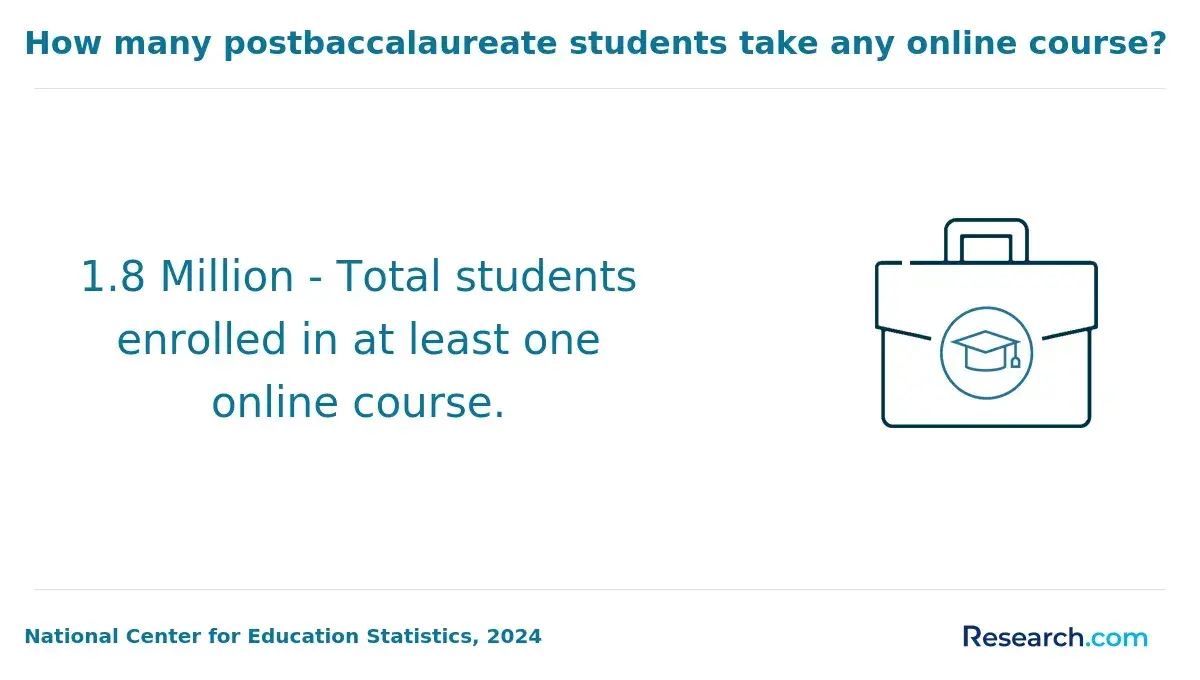
Graduation timelines for statistics degrees differ significantly between full-time and part-time enrollment, with full-time students typically completing their programs within four to five years, while part-time students often extend beyond six years. This divergence reflects the pace at which students accumulate credits, as full-time enrollment usually involves taking 12 to 15 credits per semester, enabling steady progression through required courses. In contrast, part-time students, balancing reduced course loads under 12 credits each term, face elongated timelines that can stretch completion to six or more years, a pattern supported by recent data from the National Center for Education Statistics. These timelines reflect how enrollment intensity directly impacts academic momentum and degree completion speed in statistics programs.
The length of time to graduate is shaped by numerous structural and personal elements beyond mere credit load. The rigid sequencing of prerequisite courses in many statistics curricula means that stretching terms can delay access to advanced classes, complicating planning for part-time students. Delivery formats also matter; hybrid or online program options may increase flexibility but sometimes extend duration due to less frequent course offerings or asynchronous pacing. External obligations-such as full-time employment, caregiving, and financial constraints-often dictate part-time enrollment and contribute to interruptions that slow academic progress, underscoring how non-academic factors intertwine with institutional structures to influence graduation timelines.
Enrollment decisions carry long-term implications for financial planning and career trajectory. Full-time learners face intensive academic demands but benefit from earlier degree completion, which can accelerate workforce entry and reduce cumulative tuition costs amid rising education prices. Conversely, part-time study offers necessary life balance at the expense of protracted time in school, which may increase overall educational expenses and delay income growth tied to degree attainment. Employers generally emphasize the completion of relevant qualifications rather than enrollment status, but the ability to graduate sooner often enhances competitiveness in fast-evolving fields reliant on statistics expertise—a key factor for students choosing between on-campus tracks or an online math degree—making these timing tradeoffs critical in strategic academic and career planning.
Do Online Statistics Students Graduate Faster Than Campus-Based Students?
It is commonly assumed that students pursuing statistics degrees online finish faster than those attending traditional campus programs. Data from the National Center for Education Statistics 2024 report shows about 65% of online statistics students complete their degrees within four years, compared to roughly 50% of campus-based students. However, this gap does not imply uniform acceleration across all online learners; many factors, including individual circumstances and institutional policies, impact how quickly students graduate. Not every online student progresses at a rapid pace, and some even take longer than full-time campus students due to competing demands on their time.
The primary drivers behind completion speed differences relate to course scheduling flexibility and program design. Online programs often offer accelerated terms and asynchronous coursework, allowing motivated students to tailor their load more intensively than campus learners bound by fixed semester schedules. Yet, online students frequently juggle work and family responsibilities, which can reduce weekly study hours or necessitate part-time enrollment, ultimately extending degree timelines. Campus programs may require in-person internships, cohort-based courses, or prerequisite sequences that limit rapid progression but provide structured, immersive experiences that some students find beneficial. Both modalities present tradeoffs between flexibility and discipline-specific requirements, influencing time-to-degree in distinct ways.
Choosing between modalities also affects how students develop time management skills critical for navigating academic and career transitions. While the online format can help students enter the workforce sooner if they accelerate coursework, the reduced face-to-face interaction may challenge some learners' ability to maintain momentum. Conversely, campus-based students might gain richer networking opportunities and clearer access to advising, which can streamline decision-making but also prolong time to graduation if they take lighter course loads to balance outside commitments. The modality choice thus shapes not only graduation timelines but also the timing of entry into statistics-related roles and the nature of practical preparation.
One statistics graduate recalled hesitating during the rolling admissions period, uncertain whether to apply immediately or wait for better scheduling options. Their decision was influenced by work obligations and the unpredictability of course availability each term, factors that created a sense of urgency but also cautious pacing. This student ultimately enrolled in the online program after a delay, appreciating the ability to shift between full- and part-time status depending on workload, yet experiencing some frustration over uneven term offerings. Their experience highlights how admissions timing and program flexibility can be as pivotal as course content in shaping the overall speed of degree completion.
How Many Months or Years Can Transfer Credits Save?
Transfer credits can significantly shorten the overall duration needed to complete a statistics degree, often reducing the timeline by several months up to more than a year. According to data from the National Student Clearinghouse Research Center in 2024, students who transfer between 12 and 30 semester hours typically save approximately 6 to 18 months compared to those starting as first-time freshmen. The extent of this time saved depends on how well the transferred coursework aligns with core requirements, especially foundational courses in mathematics, probability, and introductory statistics that constitute the backbone of statistics programs. This variability in transfer credit impact on statistics degree completion time underscores that not all credits transfer equally or accelerate progress uniformly across institutions.
Several key factors influence the months saved by transfer credits in statistics programs. Compatibility between the accreditation and curriculum of the sending institution and the receiving institution plays a critical role in the acceptance of credits. Additionally, course equivalency evaluations determine whether completed classes fulfill specific major or general education requirements, shaping how many credits count toward degree progression. Institutional policies, including maximum allowable transferred credits and residency requirements mandating a minimum number of courses completed on campus, can limit the practical acceleration of degree timelines. These policies can also affect academic planning, requiring students to sequence coursework strategically to maintain timely progression toward graduation.
Effectively utilizing transfer credits requires careful academic advising to balance quicker degree completion with maintaining subject matter depth and meeting employer expectations for advanced preparation. For example, accelerated timelines might compromise exposure to elective courses or hands-on experiences often valued in workforce settings. Financially, saving 6 to 18 months in a statistics program can reduce tuition and opportunity costs, an important consideration for working adults and transfer students managing complex schedules. Those considering pathways in related fields-such as exploring art therapy certification programs-should similarly evaluate transfer policies and institutional requirements to optimize their educational outcomes.
Do Accelerated Statistics Programs Significantly Reduce Completion Time?
Accelerated statistics programs are structured to condense the traditional two- or three-year graduate curriculum into a shorter timeframe, sometimes as brief as a single year. The intention is to reduce the overall duration by increasing course load intensity each term and streamlining program requirements. These accelerated formats typically compress lectures, assignments, and assessments into tighter schedules, aiming to expedite progression through foundational and advanced topics. Program designs often maintain core academic standards but attempt to minimize downtime between courses to facilitate faster completion.
Whether these programs actually shorten degree timelines depends heavily on multiple operational factors. Higher credit density per term increases workload demands and leaves less room for scheduling flexibility, which may challenge students balancing employment or family obligations. Additionally, prerequisite sequencing and unchanged internship or capstone requirements can create structural rigidity, limiting how much the timeline can be compressed despite faster term pacing. Institutional support and advising tailored to accelerated cohorts also play a critical role in sustaining student momentum, as does the student's preparedness to manage intensified academic pressures.
There are notable trade-offs involved with accelerated pathways, including reduced opportunities for experiential learning and reflection that contribute to deeper mastery. Increased pace can exacerbate burnout risks and restrict time for electives or applied projects, potentially affecting long-term career readiness. While expedited completion may appeal to highly motivated students with clear goals, it is often less suited for those needing a balanced workload or exploration time within their graduate experience.
One accelerated statistics graduate shared that navigating admissions was more difficult than anticipated due to rolling deadlines and prerequisite verification delays. Despite a strong academic background, this individual hesitated to submit early applications while waiting for final course completions and test scores. The uncertainty extended decision timelines, causing tension about whether the accelerated cohort start date could still be met. Ultimately, timely advisor communication and last-minute documentation submission enabled enrollment, but the compressed timeline left little room for error or delay preparation earlier in the process.
Which Statistics Program Requirements Most Often Extend Graduation Timelines?
Extended graduation timelines in statistics degree programs often stem less from total credit requirements and more from embedded curriculum elements that impose scheduling and pacing constraints. These components are integral to maintaining academic rigor and aligning learning outcomes with workforce expectations but can create bottlenecks that slow student progression. Understanding how these requirements affect time to degree is essential for students navigating varying institutional frameworks and balancing external commitments.
- Advanced Theoretical Coursework: Courses focusing on probability theory, statistical inference, and regression modeling demand intensive mathematical skill development and conceptual mastery, often requiring significant out-of-class effort. The sequencing of these courses frequently depends on prerequisites, limiting flexibility and potentially extending the time students need to enroll in or repeat challenging classes.
- Research Projects and Theses: A sizable share of programs mandate a capstone research experience or thesis involving experimental design and comprehensive data analysis. These projects necessitate months of independent work beyond scheduled classes, often delaying graduation; for example, a 2023 Lightcast report found 60% of statistics students undertaking a thesis require at least an additional semester to complete this component.
- Computing Proficiency Requirements: Proficiency in statistical software such as R, Python, SAS, or MATLAB is increasingly required, with some students needing remedial training or repeated practice to meet proficiency standards. This can lead to extra coursework or self-study outside normal academic terms, adding to the time needed for program completion.
- Internship and Cooperative Education Mandates: Practical work components, while valuable for employability, may necessitate time-consuming placements occurring outside standard academic schedules. Mandatory or strongly encouraged internships can overlap with coursework, forcing students into part-time enrollment or extended program durations.
These curricular elements reflect the tension between comprehensive training and timely graduation, with their impact varying based on institutional policies and student circumstances. Planning with awareness of these factors and their typical sequencing delays is critical, especially for nontraditional students balancing work or transfers facing credit acceptance issues.
Does Taking Longer to Graduate Increase the Cost of a Statistics Degree?
Extending the time to complete a statistics degree generally increases total tuition and related expenses, especially when institutions charge fees by term or credit hour. Each additional semester may require payment for extra credits not covered by initial financial aid, creating incremental tuition costs. Beyond tuition, longer enrollment means more cumulative expenses for housing, textbooks, and campus services, each adding to the overall burden. Loss of eligibility for certain time-sensitive scholarships or aid programs can further amplify costs. This dynamic plays a critical role in understanding average statistics degree completion cost and how financial structures affect long-term affordability.
However, the impact of extended graduation timelines on expenses is not uniform across all programs. Some institutions use flat-rate tuition models or offer employer tuition assistance that can moderate or negate additional charges associated with extra semesters. Part-time enrollment pricing and flexible pacing policies may allow students, particularly working adults or transfer students, to spread coursework without incurring proportional cost increases. Administrative decisions regarding enrollment status and course loads indirectly influence cumulative expenses and opportunity costs. These nuances illustrate why assessing the impact of extended graduation time on statistics degree expenses requires attention to program-specific cost models and individual enrollment behavior. Those weighing degree options may also consider related fields with differing cost structures, such as an online theoretical physics degree, to compare practical implications.
Does Graduating Faster Improve Career Prospects?
Graduating faster from a statistics degree program can influence early workforce entry, potentially allowing students to start gaining professional experience sooner. Data on statistics degree completion and career advancement timeframes show that earlier graduation places candidates in the labor market ahead of peers, which may be advantageous in sectors with strong demand. However, employers rarely assess application strength based solely on how quickly a degree was completed; hiring decisions emphasize demonstrated skills and relevant experience over mere speed of completion.
The impact of faster graduation on statistics careers in the US depends heavily on several critical factors, including internship experience, portfolio quality, and mastery of technical competencies. Graduates who accelerate their studies but lack practical projects or applied internships may find their early entry provides limited leverage compared to peers who graduate later but with richer experiential credentials. Networking opportunities and alignment with evolving industry needs also play pivotal roles in hiring competitiveness, often outweighing the nominal advantage of finishing early.
Trade-offs between rapid degree completion and developing depth through internships, research, or certification are significant. Extended academic timelines can enhance long-term career trajectories by fostering problem-solving skills and professional connections valued in data-driven roles. Prospective students should evaluate their priorities carefully, balancing the benefits of saving time and tuition against the criticality of experiential learning for sustained employability. For those exploring alternative pathways, programs such as a doctorate degree online no dissertation offer different models to consider in the context of career planning.
Which Scheduling Mistakes Commonly Delay Graduation?
Delays in graduation from statistics programs often stem less from academic difficulty and more from systemic scheduling and enrollment missteps. These errors disrupt the carefully sequenced nature of statistics curricula, which rely heavily on prerequisite chains and credit hour planning. Such issues affect students across undergraduate and graduate levels, on both traditional and part-time tracks. Recognizing these pitfalls is crucial for maintaining steady progress towards degree completion without unnecessary extension.
- Misaligned Course Sequencing: Enrolling in advanced statistics courses before completing necessary prerequisites causes enrollment blocks or repeated semesters. This issue arises because statistics curricula are built progressively, and failing to follow the exact course order impedes credit accumulation and timely progress.
- Improper Credit Load Management: Taking too many credits while managing external responsibilities can lead to burnout, dropped courses, and incomplete terms. Conversely, an overly light course load elongates the timeline, with some students doubling expected duration due to cautious underloading.
- Transfer Credit Conflicts: Transfer students risk delayed progression when incoming credits do not align with degree requirements or sequencing, necessitating additional courses and semesters. This bottleneck is common given variances in curriculum compatibility and institutional policies.
- Neglecting Summer and Alternative Sessions: Avoiding summer terms or online offerings reduces scheduling flexibility and can stall momentum in highly structured programs where missed opportunities to accelerate coursework are costly.
- Infrequent Academic Advising: Failure to seek regular guidance results in missed prerequisite updates, registration deadlines, and misunderstood requirements, increasing the risk of enrollment errors and prolonging time to degree.
A 2024 National Center for Education Statistics report highlights that nearly 35% of undergraduates citing prolonged degree completion attribute it primarily to poor course planning, underscoring the practical impact of these enrollment dynamics. Understanding these scheduling challenges helps prospective and current statistics students develop realistic timelines that align with both academic frameworks and personal obligations.
Other Things You Should Know About Statistics
Working while pursuing a statistics degree often extends graduation timelines, as students must juggle job responsibilities with demanding coursework and projects. Since statistics programs frequently involve quantitative analysis and software proficiency requiring sustained study periods, part-time employment can reduce available time for deep learning, slowing progress. Students should realistically evaluate their weekly time budget and consider prioritizing fewer work hours or flexible jobs to avoid compromising mastery of critical skills, which are essential for employability in data-focused roles.
The 2027 Statistics Degree Completion Time Report reveals that students focusing on course scheduling ease generally graduate faster. However, those prioritizing specialization depth might take longer, potentially gaining more comprehensive expertise, leading to advantageous career prospects in specialized fields.
Incorporating internships or research projects into the statistics curriculum typically adds time to degree completion but enhances practical skills and professional networks significantly. Although this may delay graduation by a semester or more, the tradeoff is a stronger résumé and potentially smoother transition into competitive job markets demanding real-world data problem-solving experience. Students should weigh the value of apply-through experience against the urgency of entering the job market, with a slight extension often proving advantageous for career advancement.
Switching concentrations mid-degree usually extends completion time because credits from initial tracks may not fully transfer, requiring additional tailored coursework. This delay can impact financial planning and time-to-employment but may better align skills with evolving labor market demands, such as shifting from theoretical statistics to applied machine learning. Students should carefully assess whether a pivot justifies longer study, prioritizing alignment with current industry needs over rigid timelines for smoother integration into desired job sectors.