2027 Statistics Degree Growth by State: Where Interest Is Rising the Fastest

Co-Founder and Chief Data Scientist
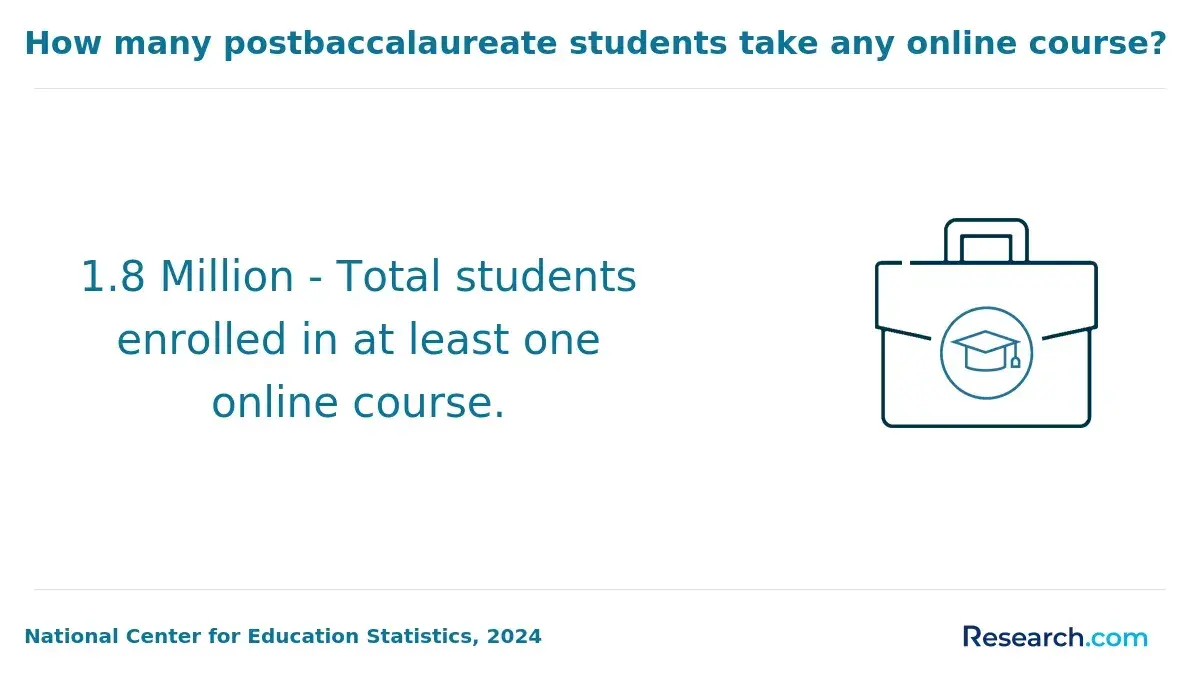
States with surging demand for data expertise face unique challenges shaping Statistics degree enrollment. Economic shifts, such as tech sector growth in the Southeast or regulatory changes expanding data-related roles in the West, push local interest unevenly. According to the National Center for Education Statistics in 2024, programs with flexible online options saw a 15% boost in adult learner enrollment, reflecting how accessibility impacts regional growth differently. These patterns are crucial for prospective students aligning education with evolving labor markets and mobility, highlighting where timing and program delivery directly influence career pathways in Statistics across the U. S.
Key Things to Know About the State Where Statistics Degree Interest Is Rising the Fastest
- States with growing tech hubs, like Washington, see increased Statistics enrollment driven by robust data science job markets, but higher living costs force students to weigh immediate affordability against long-term employment prospects.
- Midwestern states expanding online and hybrid graduate Statistics programs improve access for adult learners balancing work, yet reduced in-person interaction limits networking vital to employer connections in data analytics roles.
- Regulatory shifts in states like New York demand advanced statistical expertise for compliance-heavy industries, boosting program interest while pressuring graduates to attain certifications quickly to meet stringent workforce timelines.
- Which States Are Seeing the Fastest Growth in Statistics Degree Enrollment? States with Fastest Growth
- What Does Enrollment Growth in Statistics Programs Actually Tell Prospective Students? Interpreting Enrollment Growth
- How Do Regional Job Market Conditions Drive Statistics Degree Demand by State? Regional Job Market Conditions
- Which States Have Added the Most New Statistics Degree Programs in the Last Five Years? States with New Programs
- How Has the Rise of Online Education Changed Which States Lead in Statistics Program Interest? Role of Online Education
- What Demographic Trends Are Fueling Statistics Degree Growth in Specific States? Demographic Trends Fueling Growth
- How Do State Funding Levels for Statistics Services Influence Degree Program Growth? Role of State Funding
- Which States Are Emerging as Unexpected Leaders in Statistics Degree Interest? Leaders in Growth
- How Does State Population Size Affect the Interpretation of Statistics Degree Growth Data? Role of State Population
- What Role Do State Licensing Requirements Play in Driving or Suppressing Statistics Enrollment? Role of State Licensing
Which States Are Seeing the Fastest Growth in Statistics Degree Enrollment?
Recent enrollment trends for statistics degree programs reflect a national surge linked directly to workforce demand shifts and regional economic transformations. While the rise in participation spans both undergraduate and graduate levels across the country, states experiencing the fastest growth merge local industry needs with expanding academic capacity. This dynamic shapes not only where students apply but also the practical return on their investment in terms of job placement and skill relevance. For example, a professional returning to school in Texas may find programs closely aligned with healthcare analytics and tech that are less prevalent elsewhere, highlighting important tradeoffs in geographic flexibility versus specialized opportunity. Understanding where statistics degree enrollment accelerates most rapidly can reveal these strategic considerations for prospective students and career changers alike, particularly those weighing data-informed decisions about graduate and masters degrees online.
- California: With unparalleled higher education infrastructure and proximity to Silicon Valley, California's rapid enrollment gains reflect its role as a hub where predictive modeling skills meet real-world tech innovation demands.
- North Carolina: The Research Triangle fuels a biotechnology and pharmaceutical analytics workforce, driving up statistics program participation to supply employers in these data-heavy sectors.
- Texas: Enrollment growth clusters in Austin and Houston, cities where burgeoning health systems and emergent tech firms require analytical talent versed in applied statistics.
- Michigan: Diversification from manufacturing to data-driven fields has triggered expansion in graduate statistics programs that meet rising corporate demand for advanced quantitative skills.
- Massachusetts: The strong concentration of biomedical research institutions anchors high program growth, reflecting an ecosystem reliant on rigorous data analysis expertise.
This spread illustrates that fastest growing statistics degree programs by state are not confined to one region but rather align with localized industry shifts, policy environments, and academic investments. Subsequent parts of this article will explore how labor market expectations, licensing trends, and institutional strategies further explain why these states lead enrollment momentum-and why such patterns matter when assessing program quality, funding, and career trajectories in statistics education.
What Does Enrollment Growth in Statistics Programs Actually Tell Prospective Students?
Enrollment growth in statistics programs often reflects more than just rising interest; it signals varied program qualities and regional economic factors that directly affect graduate outcomes. Without scrutinizing what underlies these numbers, prospective students risk misjudging the long-term value of their investment.
Raw enrollment figures provide a snapshot but omit essential components needed to assess program effectiveness and workforce alignment. Growth fueled by genuine labor market demand tends to coincide with strong job placement, solid retention, and graduation rates, whereas increases driven primarily by recruitment tactics or relaxed admissions standards can mask weaker academic rigor and fewer employer connections. Understanding these nuances helps students navigate tradeoffs between immediate access and sustainable career trajectories.
- Retention Rates: High enrollment combined with low retention often indicates academic or support challenges, diminishing the actual value of initial growth.
- Graduation Rates: Effective programs must not only attract but also guide students to completion, reflecting real educational success rather than transient intake spikes.
- Job Placement Outcomes: Employment rates post-graduation reveal how well a program aligns with evolving industry needs, particularly important in data-driven fields where practical skills matter.
- Licensure Pass Rates: For those pursuing credentialing, these rates critically signal program efficacy beyond classroom instruction.
- Recruitment vs. Quality: Rapid enrollment growth based on aggressive marketing or lower entry barriers can jeopardize academic standards and employer reputation.
- Labor Market Alignment: Sustainable program expansion reflects authenticity in meeting regional demands rather than short-term incentives or promotional cycles.
- Direct Student Feedback: Conversations with current students and alumni provide indispensable insights into the practical experience and real-world outcomes behind enrollment statistics.
- Multiple Data Points: Enrollment trends must be considered alongside academic metrics and workforce data to form a comprehensive picture that informs confident, career-focused decisions.
How Do Regional Job Market Conditions Drive Statistics Degree Demand by State?
Regional job market conditions are a decisive factor shaping demand for statistics degree holders, influencing where graduate enrollment surges. States with expanding healthcare systems, growing public sector roles, and active employer incentives cultivate a tangible need for professionals capable of sophisticated data analysis and modeling. For instance, expanding hospital networks and increasing government data programs create consistent openings for statisticians, benefiting students able to align educational choices with such labor market dynamics.
- California: Combines a booming tech sector with healthcare growth and strong public sector hiring, resulting in robust employer incentives for statisticians in both urban and suburban markets.
- Texas: Fueled by rapid population and healthcare facility expansion plus education sector reforms, it offers rising opportunities for statistics professionals, particularly in metropolitan areas.
- Florida: An aging population drives demand for biostatisticians and health data analysts, supported by workforce initiatives promoting graduates' employment in public agencies.
- North Carolina: Growing life sciences and government data programs foster a steady increase in statistics job openings accompanied by employer-led training incentives.
- Washington: Technology-driven economic growth and an expanding public sector reliance on data-backed decision-making propel significant hiring surges for statistics graduates.
Examining Bureau of Labor Statistics projections alongside state workforce reports reveals these economic and institutional factors directly fuel statistics degree program enrollment growth where job prospects are strongest. This regional variability means students who research their target state's workforce demand can better secure practicum placements and internships-critical for competitive post-graduate positioning. Furthermore, familiarity with local labor market conditions enhances negotiating power in salary discussions, unlike peers in less dynamic states where work opportunities may lag despite enrollment increases. To navigate this landscape effectively, prospective students should consider how regional workforce demand for statistics graduates aligns with their academic and career goals, possibly exploring options such as an affordable online bachelor's degree to build foundational skills before advancing.
Which States Have Added the Most New Statistics Degree Programs in the Last Five Years?
The surge in new statistics degree programs across certain U.S. states reveals how regional economic forces and institutional strategies shape educational landscapes. This growth is not merely about quantity but reflects nuanced responses to workforce demands, funding incentives, and competitive academic ecosystems. For prospective students, understanding these dynamics can affect how they weigh program selection against practical career outcomes and financial considerations.
- California: California's expansion stems largely from strategic incorporation of online options into established statistics programs complemented by fresh launches funded through targeted STEM grants. This approach addresses the persistent demand from Silicon Valley employers for data specialists, while also attracting working professionals seeking flexible scheduling.
- Texas: Texas combines greenfield degree introductions with increased capacity in current programs, stimulated by state policies labeling analytics roles as shortage occupations. This has encouraged universities to emphasize applied curricula aligned with immediate labor market needs and peer institutional rivalry.
- Florida: New programs in Florida mostly capitalize on online delivery to serve employed adults. Their growth aligns with regional efforts to fill data-intensive roles in healthcare and finance sectors, supported by workforce development initiatives emphasizing accessible certification paths.
- New York: In New York, growth favors expanding enrollment at legacy universities and diversifying offerings into niche areas like public policy analytics. Competitive pressures drive program innovation and scholarship opportunities, responding to the complex demands of finance and technology industries.
- North Carolina: Expansion here targets both enrollment boosts and specialized new degrees focusing on bioinformatics and environmental statistics. State-level accreditation facilitation and funding targeted toward research-driven sectors encourage universities to tailor programs tightly to evolving labor market priorities.
These localized expansions carry tradeoffs for students. States with multiple new and expanded programs offer broader academic specialization choices and often increased scholarship availability due to tuition competition. Yet this also demands greater scrutiny during the application phase to identify discrepancies in program rigor, delivery style, and financial aid packages. Careful comparison within states can clarify which institutions best align with individual career goals and financial constraints rather than assuming more options automatically equate to better outcomes.
One graduate recalled navigating enrollment decisions amid the rolling admissions from these expanding programs. Initially hesitant, they delayed applying while weighing the timing and financial aid offers across programs in Texas and North Carolina. The unpredictability of acceptance windows and scholarship notifications generated anxiety, but ultimately, that pause allowed them to better match their professional timeline with a program offering both specialized bioinformatics training and manageable debt. Their experience underscored how strategic timing and targeted research in states with rapid program growth can materially influence educational and career trajectories.
How Has the Rise of Online Education Changed Which States Lead in Statistics Program Interest?
The expansion of fully online statistics programs has fundamentally altered the landscape of graduate enrollment by dissolving the traditional geographic constraints that once limited students to nearby universities. Now, states offering highly regarded online statistics degrees have emerged as hubs attracting large numbers of out-of-state students, reshaping enrollment patterns based on program reputation, accreditation, and affordability rather than local population size. For example, a working professional relocating across states can continue pursuing a respected online statistics degree without interruption, benefiting from access to institutions once inaccessible due to distance. This shift challenges institutions in historically high-enrollment states to compete nationally, while providing students with broader choices aligned to their career goals and financial circumstances.
- Decoupling Enrollment From Geography: Online availability removes location barriers, enabling programs to draw a nationwide student body rather than a primarily regional one.
- Program Reputation And Accreditation: States hosting well-established, accredited online statistics programs gain disproportionate appeal, drawing students whose employers and professional networks value recognized credentials.
- Tuition Cost Impact: Competitive pricing models, including in-state versus out-of-state tuition differentials, heavily influence decisions, especially among financially constrained or career-switching students.
- Implications For Students: While program access widens, students must carefully assess state-specific licensure and certification requirements pertinent to statistics-related professional roles to ensure credentials translate locally.
- Effects On States And Institutions: States with prominent online offerings effectively become national education centers, influencing workforce distribution and necessitating institutional strategies responsive to a more diverse, geographically dispersed cohort.
What Demographic Trends Are Fueling Statistics Degree Growth in Specific States?
Enrollment growth in statistics degree programs is not evenly distributed across the United States but instead closely tracks distinct regional demographic shifts that reshape workforce demands. Understanding these localized trends provides pragmatic insight for students weighing where to pursue advanced statistics study, particularly as state-specific conditions influence long-term career prospects more than national averages reveal.
- Population Aging: States like Florida and Arizona face rapidly aging populations, creating elevated demand for statistics professionals skilled in healthcare analytics, epidemiology, and social services evaluation. For example, increased chronic disease prevalence requires statisticians to optimize healthcare resource distribution, contributing to sustained program growth aligned with hospital system and government public health needs.
- Immigration Patterns: In states including California and Texas, substantial immigrant inflow has complicated socioeconomic data landscapes, driving demand for expertise in public health outcomes, economic integration, and education assessment. University programs in these locations expand as employers seek analysts capable of unpacking multifaceted immigrant population trends influencing public policy.
- Urbanization: Growing metropolitan centers such as New York and Illinois intensify requirements for analytics in urban planning, transportation, and market research. Dense, diverse populations generate complex data challenges that fuel demand for regional statistics education closely tied to municipal and corporate analytics roles.
- K-12 Enrollment Growth: States like Utah and North Carolina experiencing significant K-12 student population increases necessitate education-focused statistics expertise. The amplified need for data-driven policy and outcome evaluation directly supports the expansion of related programs, reflecting growing employment opportunities in education agencies.
- Rising Rates of Diagnosed Mental Health Conditions: Colorado and Washington, with higher diagnosed mental health incidences linked to improved healthcare access and awareness, see stronger demand for biostatisticians and epidemiologists. This trend particularly boosts enrollment in applied statistics and public health programs targeting mental health service research and intervention modeling.
Prospective students examining statistics degree enrollment growth by state demographics should prioritize states where these underlying demographic factors suggest stable rather than transitory demand. Such strategic alignment improves the likelihood of sustained employability after graduation, particularly in healthcare, public policy, and education sectors. Moreover, those considering a transition or return to education would benefit from programs responsive to these demographic realities.
For those interested in expanding administrative skillsets alongside statistical expertise, exploring options such as an office administration degree online may complement career flexibility and adaptiveness amid fluctuating workforce demands.
How Do State Funding Levels for Statistics Services Influence Degree Program Growth?
State investment in publicly funded statistics services shapes the landscape for statistics degree programs by directly influencing local employment opportunities and institutional growth. States that allocate ample resources to Medicaid reimbursements, block grants, school-based mental health programs, and community health centers build demand for skilled statisticians, creating predictable hiring pipelines that encourage universities to expand and refine their offerings. Conversely, states with limited funding often see slower program growth or stagnation as graduates seek better prospects elsewhere, reinforcing a cycle of talent loss and diminished academic investment.
- Employment Pipeline: Robust public funding supports a consistent job market, motivating academic institutions to align curricula with real-world workforce needs and grow enrollment accordingly.
- Retention Challenges: Inadequate financial backing for statistics-related public services frequently results in graduates relocating to higher-investment states, weakening local program viability.
- Program Development: Funding availability impacts an institution's ability to recruit experienced faculty, upgrade resources, and adapt content to evolving regulatory and employer expectations.
- Career Environment Insight: Prospective students should scrutinize their state's recent legislative appropriations toward statistics services to assess the sustainability of local career paths before committing to a program.
- Graduate Outcomes: Requesting data on the percentage of alumni employed within the state five years post-graduation provides a tangible metric of market stability and program relevance.
A recent graduate recalled the delicate timing involved in applying to graduate statistics programs amid uncertain funding landscapes. With rolling admissions, the graduate hesitated to commit early without clarity on state budget adjustments affecting program resources and subsequent job availability. Delays in legislative decisions created a suspenseful admissions window, forcing last-minute swings between safer choices in well-funded states and riskier local options. Ultimately, the graduate's decision to wait paid off when a mid-cycle state investment announcement bolstered confidence in the local program's growth and in-state employment prospects, underscoring the practical weight of funding decisions on both applications and outcomes.
Which States Are Emerging as Unexpected Leaders in Statistics Degree Interest?
States without traditional prominence in graduate statistics education have started capturing significant interest through strategic adaptations that align with evolving labor demands and economic shifts. This pattern highlights that prospective students and career changers choosing emerging markets must weigh whether growth is rooted in durable infrastructure or tied to transient funding and policy cycles. For instance, while enrollment spikes offer access advantages like less competitive admissions and lower tuition, they may also introduce volatility in program sustainability and local hiring trends.
- North Carolina: The state's surge in statistics degree programs stems from expanding affordable, accredited online options at public universities paired with strong biotech and finance industry ties. Its membership in regional academic compacts fosters easier credit transfers, supporting a steady influx of students aligned with ongoing industry demand in the Research Triangle, making growth here relatively sustainable.
- Ohio: Ohio leverages state funding focused on STEM workforce development aimed at analytics roles within manufacturing and healthcare sectors. While applied statistics tracks have reduced entry barriers, a notable portion of enrollment growth links to pandemic-era stimulus funds, raising questions about the permanence of this upward trend once temporary investments conclude.
- New Mexico: Historically low graduate enrollment is offset by STEM education prioritization and interstate academic exchange agreements, attracting interest due to lower living costs and burgeoning tech sectors. However, program capacity constraints limit large-scale enrollment expansion, framing this as a niche but strategically positioned growth area.
- Kentucky: Curriculum updates emphasizing statistics within broader data science pathways have appealed to working professionals seeking local upskilling. Healthcare analytics workforce grants triggered enrollment spikes but reliance on short-term funding introduces risk of post-grant decline.
These trends reflect a broader pattern of fastest growing statistics degree programs by state, where emerging regions balance affordability and localized hiring incentives against funding stability and program scale challenges. This dynamic also exemplifies considerations for students eyeing geographic mobility or career shifts, as well as working professionals requiring flexible, accredited paths to upgrade skills without relocation. For those comparing graduate options, discerning whether a program's rise is sustained by structural demand or ephemeral stimulus funding is crucial when evaluating long-term employability potential.
To explore related education opportunities, especially for those interested in parallel fields of applied counseling and therapy, resources like masters in therapy programs can provide additional career pathway insights.
How Does State Population Size Affect the Interpretation of Statistics Degree Growth Data?
Interpreting statistics degree growth data without considering state population size risks misleading conclusions about genuine market dynamics. For example, a large state producing 2,000 new statistics graduates annually may seem dominant compared to a smaller state adding 300. Yet the bigger state's vast population base can dilute per-capita growth, suggesting market saturation rather than robust demand expansion. Conversely, the smaller state's 300 graduates might represent significant localized growth relative to population size, signaling a stronger emerging labor market. Evaluating statistics degree enrollment relative to state population size clarifies these nuances by emphasizing per-capita growth, which better reflects where demand truly outpaces supply and job competition is less intense.
Beyond enrollment, workforce saturation is a key factor influencing employability in emerging markets. States with a low ratio of licensed statistics professionals to population often indicate underserved areas where early-career hiring prospects are stronger as employers seek to close skills gaps. Prospective students or career changers assessing growth patterns should combine absolute and per-capita metrics with an analysis of existing workforce density and local economic conditions to identify sustainable opportunities rather than superficially attractive volumes.
- Population Impact: Bigger states may show high absolute growth but less meaningful per-capita gains, masking market saturation.
- Absolute Vs. Per-Capita: Raw numbers can be misleading; per-capita ratios more effectively gauge real expansion.
- Workforce Saturation: Assessing existing licensed professionals per capita helps identify underserved, potentially lucrative markets.
- Hiring Prospects: Regions with below-average statistics professional density often provide stronger entry points for new graduates.
- Regulatory Complexity: Some states impose restrictive acceptance criteria and licensure requirements, influencing practical employability despite growth.
Students and professionals aiming to optimize their career trajectory in statistics should also consider regulatory environments that affect qualification recognition and employment feasibility. Moreover, those evaluating graduate program affordability and accessibility might explore resources detailing specific options, such as MFA online offerings, which, while from a different discipline, illustrate how program cost and format can impact decisions in higher education broadly.
Overall, interpreting statistics degree growth requires balancing absolute numbers with demographic context and workforce metrics to avoid surface-level assumptions and identify markets with the strongest practical potential for new entrants.
What Role Do State Licensing Requirements Play in Driving or Suppressing Statistics Enrollment?
The clarity and rigidity of state licensing requirements significantly influence where aspiring statisticians commit to graduate programs. States with transparent, stable licensure pathways reduce uncertainty, making it easier for students to plan their educational and professional journeys. For instance, an applicant weighing programs in two states might favor the one with clearly defined exam procedures, supervised practice hours, and renewal standards, since ambiguous or frequently changing rules can delay credentialing and limit early-career employment opportunities.
Employers in states with well-established licensing frameworks tend to require or strongly prefer licensed candidates, directly shaping local hiring practices. This demand incentivizes enrollment in programs aligned with licensure standards, contributing to growth in those graduate statistics programs. Moreover, these dynamics create a feedback loop where program expansion bolsters advocacy for regulatory improvements, reinforcing state infrastructure and enhancing career pathways.
Prospective students must examine the whole licensing pathway-not only degree prerequisites but also exam difficulty, post-degree supervision, renewal policies, and interstate reciprocity. For example, a state offering easier reciprocity can provide greater geographic mobility, a crucial factor for those planning flexible careers or relocations. Salary data often reflect this: jurisdictions with robust licensure tend to offer wider salary ranges, reflecting the premium placed on certified expertise. This complexity underscores the strategic advantage of choosing programs within states where the licensure timeline and costs align with one's career goals.
- Transparency: Clear, consistent licensing criteria reduce barriers and attract more graduate students by enabling reliable career planning.
- Employer Influence: Licensing boards shape job markets by prioritizing credentialed candidates, indirectly driving program demand and enrollment.
- Feedback Loop: Strong licensure frameworks foster program growth, which in turn supports regulatory advocacy and system stability.
- Comparative Evaluation: Assessing the licensure process across states helps identify paths with manageable requirements and better mobility.
- Practical Considerations: Realistic expectations about exam difficulty, costs, and renewals influence students' willingness to invest in graduate statistics education.
References
- Inside the Minds of Grad Students: 5 Key Findings from Our Latest Study on Graduate Enrollment - Collegis Education https://collegiseducation.com/insights/graduate-enrollment-study-insights/
- Demographic Mega-Trends Impacting CRE | Summit Journal https://www.afire.org/summit/capdynamics/
- College Enrollment Statistics [2026]: Total + by Demographic https://educationdata.org/college-enrollment-statistics
- Shifting Demographic and Education Trends and Their Impact on the U.S. Workforce — The Burning Glass Institute https://www.burningglassinstitute.org/bginsights/shifting-demographic-and-education-trends-and-their-impact-on-the-us-workforce
- UPDATE: Analysis shows 40% growth in number of higher ed programs offered nationwide https://edsource.org/updates/analysis-shows-40-growth-in-number-of-higher-ed-programs-offered-nationwide
- Effect size - Wikipedia https://en.wikipedia.org/wiki/Effect_size
- An Overview of State Higher Education Funding Approaches - Ithaka S+R https://sr.ithaka.org/publications/an-overview-of-state-higher-education-funding-approaches/
- National 50-state population projections: 2030, 2040, 2050 | Cooper Center https://www.coopercenter.org/research/national-50-state-population-projections-2030-2040-2050
- How Occupational Licensing Requirements Affect Access to Middle-Skills Pathways - R Street Institute https://www.rstreet.org/
- Lawrence University to launch Data Science & Statistics major https://www.lawrence.edu/articles/lawrence-university-launch-data-science-statistics-major
Other Things You Should Know About Statistics
Employers in states experiencing rapid growth in statistics degree interest often demand candidates with a strong blend of theoretical knowledge and practical data skills, reflecting sectors like healthcare analytics, finance, and tech expansion. These employers prioritize graduates who have demonstrated experience with real-world data projects, proficiency in programming languages such as R or Python, and the ability to communicate complex findings clearly. Consequently, prospective students should seek programs offering applied learning and internship opportunities aligned with dominant local industries to enhance job placement prospects.
High tuition combined with expensive living costs can deter enrollment despite strong job markets, pushing some students to target states with more affordable programs and lower living expenses. States with rising interest in statistics degrees but moderate costs often attract geographically mobile students balancing budget constraints and employment potential. Therefore, prospective students should weigh total education costs against expected regional salary premiums, as choosing a lower-cost state may yield better net outcomes even if the job market is less robust.
Rural and underserved states are increasingly developing or expanding statistics programs to stem workforce shortages by tailoring curricula toward regional economic drivers like agriculture, public health, and environmental management. However, such programs may have fewer resources and less industry integration compared to urban centers. Students interested in these areas should carefully evaluate how well programs connect with local employers and consider potential tradeoffs in networking opportunities versus access to emerging niche roles.