2027 Mental Health Counseling Tuition Inflation Report: How Fast Are Program Costs Rising?

Co-Founder and Chief Data Scientist
The cost of mental health counseling programs reflects unique structural and operational demands that distinguish it from other academic fields. Increasing accreditation standards now require extensive clinical hours and specialized faculty with licensure credentials, raising instructional expenses.
Technology integration, including telehealth training and data management systems, adds to infrastructure costs. Between 2020 and 2024, enrollment in mental health counseling master's programs grew by over 15%, intensifying the need for more supervision and diverse practicum placements.
This growth, combined with evolving state licensing requirements, drives tuition inflation beyond routine institutional increases. Notably, a rising proportion of mid-career students suggests shifting workforce needs and increased demand for accessible program models.
Key Things to Know About Mental Health Counseling Tuition Inflation
- Tuition for mental health counseling programs has risen over 7% annually since 2021, outpacing general inflation, limiting timely degree completion for students balancing work and family obligations.
- Employers increasingly expect advanced credentials, so rising tuition can pressure candidates to weigh the cost-benefit of additional certifications versus direct workforce entry or alternative training.
- Higher costs disproportionately affect underrepresented populations, exacerbating access gaps and potentially narrowing workforce diversity in mental health fields, with long-term effects on cultural competency in care delivery.
- Key Things to Know About Mental Health Counseling Tuition Inflation Key Things to Know
- How Much Has Mental Health Counseling Tuition Increased Over the Past Decade? Tuition Increase
- How Does Mental Health Counseling Tuition Inflation Compare to Overall Inflation? Tuition Inflation
- Which Types of Schools Have Experienced the Fastest Mental Health Counseling Tuition Growth? Tuition Growth by School Type
- What Factors Are Driving Rising Costs in Mental Health Counseling Degree Programs? Tuition Cost Drivers
- How Does Mental Health Counseling Tuition Growth Vary by State and Region? Tuition Growth by State
- Are Online Mental Health Counseling Programs Becoming More Affordable Than Campus-Based Programs? Online Program Affordability
- How Have Financial Aid and Scholarships Changed as Mental Health Counseling Tuition Has Increased? Impact on Financial Aid and Scholarships
- How Does Rising Mental Health Counseling Tuition Affect Student Debt After Graduation? Impact on Student Debt
- Do Higher-Cost Mental Health Counseling Programs Deliver Better Career Outcomes or Earnings? Impact on Career Outcomes
- What Do Current Tuition Trends Suggest About the Future Cost of a Mental Health Counseling Degree? Tuition Trends
How Much Has Mental Health Counseling Tuition Increased Over the Past Decade?
Over the last decade, tuition for mental health counseling programs has risen sharply, outpacing both general inflation and broader higher education cost trends. According to the National Center for Education Statistics and other 2024 data sources, average graduate tuition for counseling degrees has increased by roughly 35% to 45% in inflation-adjusted terms since 2014.
This rise reflects not only sticker price inflation but also growing divergence in costs by region and institution type, highlighting significant variation in mental health counseling tuition inflation rates over the last ten years. Such price growth impacts prospective students unevenly, depending heavily on program location and funding structure.
Several interconnected factors drive these tuition increases. Public institutions have reduced state appropriations more aggressively, forcing schools to shift more costs onto students while maintaining low faculty-to-student ratios critical for clinical training demands. Private nonprofit and for-profit programs often respond with steeper tuition hikes to fund investments in technology, expanded curricula, and clinical placement support amid rising market competition.
Additionally, growing demand for qualified mental health professionals across healthcare systems has encouraged program expansion but pushed costs higher, particularly in specialized offerings. These trends complicate affordability and frequently necessitate greater borrowing or alternative enrollment strategies, such as part-time study or selecting in-state public programs to mitigate expenses.
For students and families assessing mental health counseling pathways, such tuition trends underscore the importance of scrutinizing program outcomes and cost-effectiveness relative to potential earnings and debt. The rising financial burden requires weighing long-term return on investment carefully, especially given variability across institutions and regions.
Those navigating these tradeoffs might also consider complementary options, such as exploring the best online RN to BSN programs, known for flexible and cost-conscious structures, when planning sustainable career routes. Ultimately, understanding both the pattern and drivers behind these tuition hikes is essential to making informed decisions about training routes in this evolving field.
How Does Mental Health Counseling Tuition Inflation Compare to Overall Inflation?
Recent data from the National Center for Education Statistics and the College Board indicate that tuition inflation for mental health counseling programs has consistently outpaced the general inflation rate measured by the Consumer Price Index from the U.S. Bureau of Labor Statistics.
Over the past decade, mental health counseling tuition costs have risen annually by approximately 3% to 5%, whereas general consumer price inflation has remained closer to 2% to 3%. This divergence highlights that the financial burden on students pursuing counseling education grows faster than the typical household budget pressures reflected by broad inflation indexes, emphasizing growing concerns around educational affordability in this specialized field.
The structural reasons behind this tuition inflation gap are multifaceted, rooted in evolving higher education funding models and institutional cost behavior. Declines in state funding for public universities have shifted more financial responsibility onto tuition revenue, while administrative and compliance-related overheads have expanded.
Institutions also invest heavily in enhanced student support services, technological infrastructure, and faculty specialized in clinical training to meet accreditation and workforce demand standards. These sector-specific cost drivers differ substantially from general inflation, which largely reflects household consumption patterns rather than the fixed, input-intensive operations of mental health counseling programs.
For prospective and current students, understanding this tuition inflation dynamic is critical as it influences borrowing needs and perceived value in program selection. Persistent tuition increases that outpace inflation can strain affordability and extend debt repayment timelines, especially when wage growth in related professions fails to keep pace.
Evaluating career outcomes alongside program costs can support decisions informed by pragmatism rather than assumption, including consideration of factors like clinical training reputation or regional demand variations. Those examining educational investments should also be aware of workforce trends such as the evolving medical coder salary landscape, which may indirectly affect employment opportunities and compensation within allied health fields connected to counseling.
Which Types of Schools Have Experienced the Fastest Mental Health Counseling Tuition Growth?
Tuition growth rates for mental health counseling programs differ notably across institutional categories due to varied funding mechanisms, enrollment shifts, and program cost structures. Public vs. private financial models heavily influence pricing strategies, as do institutional missions and competitive positioning within the higher education marketplace.
Recognizing how these structural factors intersect provides clarity on why some schools see steeper tuition increases, which is critical for assessing both affordability and long-term return on investment in these programs.
- Public Universities: Often relying on state appropriations that have tightened over recent years, public universities have experienced moderate tuition increases averaging around 2-3% annually. Reduced public funding has prompted these institutions to partially shift costs to students, but enrollment caps and political pressures tend to constrain steep tuition inflation despite growing demand for mental health counseling.
- Private Nonprofit Universities: These institutions generally maintain stable yet gradually rising tuition driven by their need to fund comprehensive student services, faculty specialization, and research activities. The balance between tuition revenue and endowment support moderates price hikes, resulting in moderate increases but typically higher sticker prices compared to public counterparts.
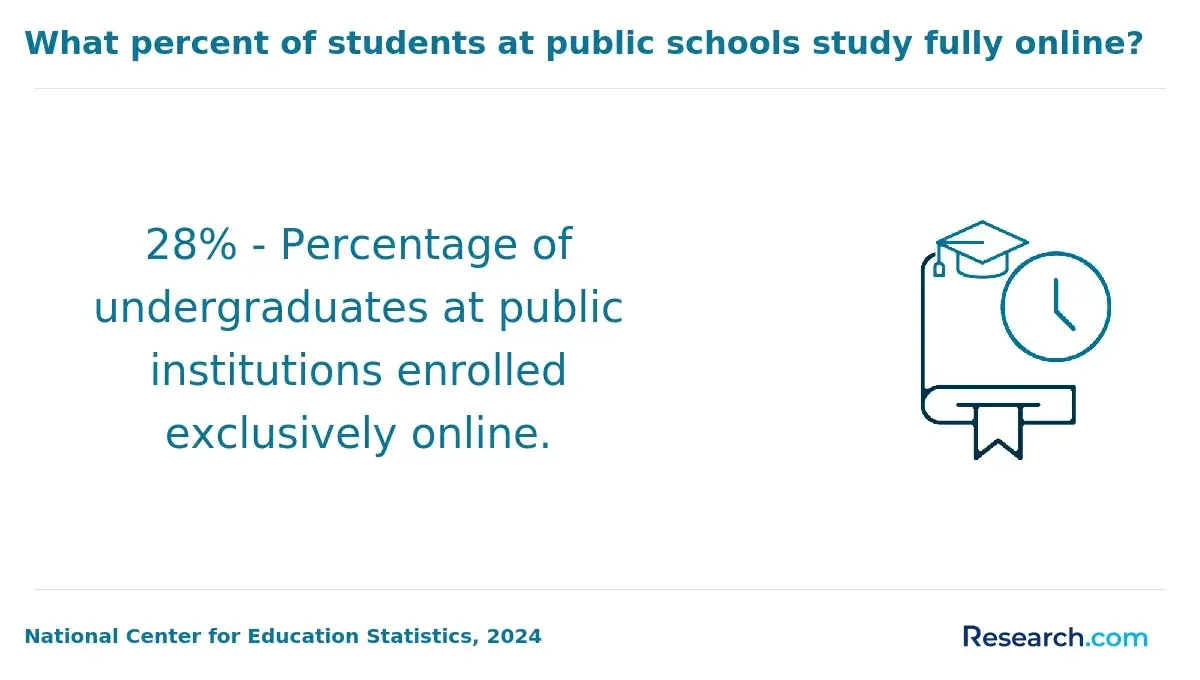
- For-Profit Institutions: For-profit schools have recorded the fastest tuition growth, about 6% annually over recent years according to data from the National Center for Education Statistics in 2024. Their business models prioritize flexible program expansion, aggressive marketing, and higher per-credit fees, exploiting less regulated financial aid access and targeting nontraditional adult learners willing to pay for convenience and accelerated paths.
- Research-Intensive Universities: These universities often embed mental health counseling programs within broader health sciences, with tuition growth influenced by expensive faculty expertise and advanced clinical training resources. While tuition increases exist, sizable research grants and cross-subsidization can offset some direct costs, producing a complex pricing dynamic dependent on institutional priorities.
- Regional Colleges: Typically focused on serving local or state populations, regional colleges have slower tuition growth due to constrained budgets and competitive pressures from community colleges. Their emphasis on accessible education results in restrained program cost escalation, often aligning with community needs rather than national market trends.
- Online Universities: Growing demand for flexible learning formats has prompted many online universities to raise tuition in pursuit of investment in digital platforms and support services. However, competitive pressures in the online education market can cap excessive increases, balancing affordability with the costs of maintaining scalable virtual infrastructure.
What Factors Are Driving Rising Costs in Mental Health Counseling Degree Programs?
Rising costs in mental health counseling degree programs stem from a complex interplay of institutional priorities, economic pressures, and evolving educational requirements rather than a singular factor. These programs are increasingly shaped by the demands of meeting accreditation standards that require highly qualified faculty and extensive clinical training components, which drive up personnel expenses.
Simultaneously, programs must navigate regulatory shifts and incorporate new evidence-based practices, contributing to ongoing administrative burdens. These operational needs, coupled with the specialized nature of counseling education, create a cost landscape influenced by both internal institutional decisions and external market forces.
Key contributors to tuition increases include diminishing public funding for state institutions, which compels greater dependence on student fees to sustain program quality and resources. Faculty salaries have escalated as schools seek experienced clinicians with advanced credentials, aligning compensation with workforce market expectations.
Administrative functions, especially those related to compliance with licensing and training standards, have expanded, necessitating additional staff and infrastructure. Investment in technology, such as telehealth platforms and simulation labs, is essential for modern training but further inflates expenses.
A 2024 report from a national education statistics center highlights a 12% rise in instructional technology spending in graduate health fields over two years, underscoring this trend toward costly innovation necessary to maintain program relevance and graduate employability.
One recent graduate recalled the tension of navigating program applications amid rising costs and administrative complexity. With rolling admissions delaying clear financial aid offers, they hesitated to commit early, fearing early acceptance might lock in higher expenses without sufficient preparation to cover mounting fees.
The uncertainty around practicum placement timelines and evolving curriculum requirements added pressure to finalize decisions quickly while securing adequate resources. Ultimately, the graduate found that balancing timing, preparation, and financial realities became a crucial, if stressful, part of pursuing the degree in an environment where institutional cost structures are increasingly volatile and opaque.
How Does Mental Health Counseling Tuition Growth Vary by State and Region?
Tuition growth for mental health counseling programs varies substantially across U.S. states and regions due to complex interactions among state funding policies, institutional types, and local economic conditions. Public university systems in some states benefit from stronger state appropriations, which can temper tuition increases, whereas others face funding shortfalls that compel higher tuition growth.
Additionally, private institutions and research universities concentrated in certain regions often charge higher tuition and experience accelerated growth to sustain specialized curricula and clinical training components. This phenomenon contributes to regional differences in the affordability and accessibility of mental health counseling programs beyond simple geographic cost comparisons.
The principal drivers behind these regional tuition variations include state budget allocations for higher education, labor market demand for licensed counselors, and local cost-of-living pressures. For instance, states like California, New York, and Massachusetts report mental health counseling tuition increases averaging 4% to 6%, reflecting elevated operational costs and competitive academic markets with numerous private and research-focused institutions.
In contrast, many Midwestern states such as Ohio and Indiana maintain lower annual tuition growth, often under 3%, supported by larger public university networks and more conservative tuition-setting approaches aligned with relatively stable state funding. The Southern region exhibits a mixed pattern, where expanding program offerings in states like Florida and Texas coincide with tuition growth near 4%, while other states rely on subsidies to keep tuition more stable.
These differences illuminate how regional variations in funding models, workforce demand, and institutional strategies collectively shape mental health counseling tuition increases by region.
These disparities hold significant implications for prospective students weighing program costs against potential employment outcomes. Higher tuition inflation in certain states elevates total educational debt and can impact long-term return on investment, potentially limiting student mobility and access to quality clinical experiences.
Conversely, regions with slower tuition growth may offer more predictable financial commitments but could face constraints in program capacity or clinical practicum diversity, affecting workforce readiness. For those exploring advanced practice pathways, understanding regional tuition dynamics is essential, including how designated programs like MSN to DNP programs align with these market factors and regional workforce integration strategies.
Are Online Mental Health Counseling Programs Becoming More Affordable Than Campus-Based Programs?
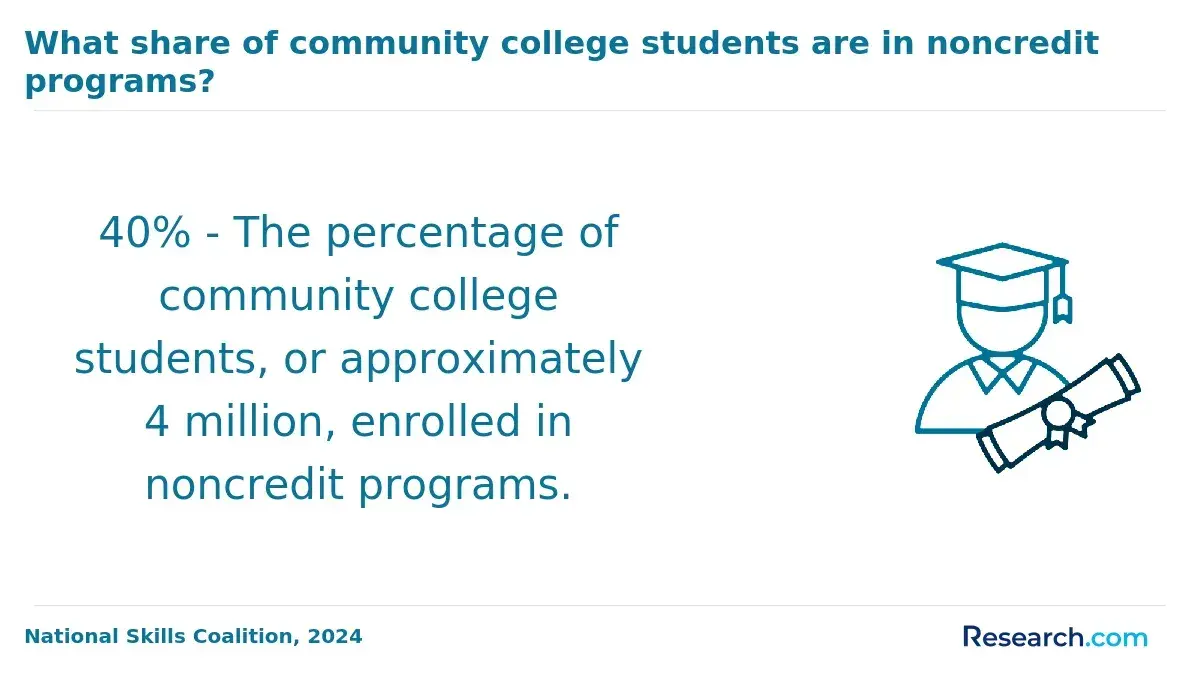
Recent tuition data from the National Center for Education Statistics shows that online mental health counseling programs are generally experiencing slower cost increases compared to their campus-based counterparts. Campus programs typically report steady annual tuition inflation around 3.5%, while many online alternatives see more moderate rises near 2%.
This divergence in price trends reflects fundamental differences in how institutions structure and manage program delivery rather than merely a difference in sticker prices. Online programs often use scalable digital platforms that reduce reliance on physical infrastructure, but they incorporate unique expenses related to technology, faculty training, and specialized online student services that moderate potential savings.
The reduced overhead of campus facilities, such as classrooms and housing, lowers fixed costs for online programs, but institutions must recoup investments in instructional design, software licensing, and robust technical support systems essential for quality digital learning environments. Faculty workload models also shift, with online instructors frequently engaging in asynchronous content development alongside synchronous sessions, increasing upfront instructional design expenses despite smaller recurring classroom costs.
Meanwhile, student services like career counseling and practicum placements require adaptations for remote learners, sometimes adding indirect costs to the overall price structure. These factors combine to create affordability differences that are structural and tied to evolving institutional strategies for digital delivery rather than temporary price variations.
A graduate of an online mental health counseling program shared that applying during a rolling admissions cycle brought unexpected delays. They initially hesitated to submit documents hastily, uncertain about application priority or financial aid availability for online cohorts.
Weeks passed before acceptance confirmation, forcing a last-minute rush to secure placement and funding. This experience underscored how timing and institutional processing protocols affect perceived affordability and decision confidence, demonstrating that cost considerations extend beyond tuition figures to encompass enrollment strategy and administrative responsiveness in online program pathways.
How Have Financial Aid and Scholarships Changed as Mental Health Counseling Tuition Has Increased?
As tuition for mental health counseling programs continues to climb, financial aid and scholarship structures have shifted in ways that do not necessarily keep pace with rising costs. While there is a modest increase in total funding allocated toward aid, much of this growth is absorbed by tuition inflation rather than reducing students' net expenses.
Institutional aid now more frequently targets retention goals or clinical participation metrics, narrowing access rather than broadly mitigating affordability challenges. This evolving model reflects a move from predominantly need-based assistance toward a blend of merit-based and performance-linked awards, complicating how students navigate available support relative to program costs.
The changing financial landscape is shaped by multiple factors, including intensified competition among programs for a limited pool of strong candidates and adjustments in government funding mechanisms. Federal aid programs such as Pell Grants and graduate-specific loans remain foundational but offer limited increases in grant amounts, prompting schools to rely more heavily on merit scholarships aimed at attracting top applicants.
Loan forgiveness tied to service in underserved areas has expanded but primarily influences long-term debt management rather than immediate affordability. Consequently, institutions employ nuanced tuition discounting strategies and bundled aid packages, which blend loans, grants, and scholarships but may create complex debt profiles that require careful student scrutiny.
These trends culminate in a scenario where net price stability is elusive for many mental health counseling students, who may face rising debt burdens despite nominal aid growth. The interplay of shifting aid priorities and tuition hikes increases the importance of strategic decision-making about program selection, especially as educational debt affects career choices within public or private practice settings.
Recognizing the limitations of current financial aid responses is crucial for prospective students and families assessing the full cost implications and long-term investment value of mental health counseling education.
How Does Rising Mental Health Counseling Tuition Affect Student Debt After Graduation?
Rising tuition costs for mental health counseling programs significantly impact how much students must borrow to complete their degrees. Higher tuition often leads to greater reliance on loans due to the insufficient coverage of financial aid relative to escalating expenses.
This increased borrowing results in larger initial loan balances, extending repayment periods and compounding interest accruals. Such dynamics are critical to understand within the broader context of how tuition inflation elevates the total debt burden graduates face after completing their studies.
Key factors contributing to mounting student debt include the widening gap between rising tuition prices and stagnant financial aid, particularly pronounced in private versus public institutions where costs vary substantially. Accumulating interest while students are enrolled can further inflate debt, complicating repayment once graduates enter the workforce.
For mental health counseling graduates, variations in post-graduation income play an essential role. Many enter positions with median salaries that do not keep pace with increased debt, intensifying the repayment strain. This financial mismatch shapes decision-making around educational investments, especially considering the broader context of post-graduate student debt trends for mental health counseling graduates.
Repayment challenges prompted by growing debt influence not only individual financial wellbeing but also program selection and career trajectories. Some borrowers may benefit from income-driven repayment plans or loan forgiveness initiatives, yet rising debt levels create pressure that can dissuade students from pursuing lower-paying but impactful roles in public health or nonprofit sectors.
Prospective students should incorporate awareness of real-world incomes and loan repayment structures into their educational planning. For related insights on income expectations across healthcare fields, the health information management bachelor degree salary provides a useful comparative reference.
Do Higher-Cost Mental Health Counseling Programs Deliver Better Career Outcomes or Earnings?
Higher-cost mental health counseling programs do not consistently lead to better career outcomes or higher earnings. A 2024 report from the National Center for Education Statistics (NCES) indicates that while graduates from private institutions with steep tuition fees sometimes report starting salaries about 5%-10% above the national median, this advantage tends to diminish within five years of graduation.
Employment rates between public and private program graduates tend to align over time, suggesting that tuition costs alone are not reliable predictors of long-term career success or return on investment for mental health counseling degrees in the United States.
Several complex factors influence career and salary outcomes beyond program cost. Institutional prestige, availability of specialized clinical internships, and established employer partnerships often play significant roles. Geographic location affects demand and salary scales, while specialization depth and active alumni networks can facilitate access to job opportunities and career advancement.
Longitudinal data from the Bureau of Labor Statistics (BLS) emphasizes that clinical experience and licensure remain paramount criteria for employers, frequently outweighing the perceived prestige linked to higher tuition programs.
For prospective students, balancing tuition inflation against potential debt and expected career outcomes requires careful analysis beyond sticker price. Debt burdens from higher-cost programs may delay wealth accumulation despite modest income gains. Considering factors such as licensure pass rates, practical experience opportunities, and program affordability is crucial.
Those interested in alternative pathways might explore online accelerated nursing programs for non nurses as part of diversified healthcare career options, reflecting the broader trend of examining education ROI through multifaceted lenses rather than relying solely on cost-based assumptions.
What Do Current Tuition Trends Suggest About the Future Cost of a Mental Health Counseling Degree?
Recent tuition trends reveal a consistent upward trajectory in the cost of mental health counseling degree programs, with increases frequently outpacing general inflation and many other academic fields. Data from the National Center for Education Statistics 2024 report highlights an average annual tuition inflation rate of 4.7% in counseling-related graduate programs over the past five years, indicating sustained growth pressures that could potentially double tuition in 15 years if maintained.
Adjusted for inflation, this suggests that these programs are not only becoming more expensive in nominal terms but also increasingly costly relative to broader economic benchmarks, complicating affordability for future students.
Key drivers behind rising tuition include constrained public funding for higher education, growing demand for mental health professionals with specialized training, and the expansion of online and hybrid learning modalities which require institutional investments in technology and student support infrastructure.
While online program models offer broader accessibility, they often carry hidden costs related to tech platforms and compliance with accreditation standards, contributing to upward tuition pressures. Institutions balancing budget shortfalls with the imperative to maintain quality are likely to continue passing costs to students, especially in fields with strong labor market demand like mental health counseling.
This tuition inflation raises significant affordability challenges, particularly for adult learners who may face limited financial aid options compared to traditional college-age students. Increasing cost burdens generally translate into higher student loan amounts and longer repayment periods, influencing program selection and enrollment patterns.
Prospective students should interpret tuition growth projections within this complex context, recognizing that institutional pricing behavior reflects multiple financial and operational pressures rather than straightforward market forces, and that long-term cost considerations should weigh alongside projected employment outcomes and licensure requirements.
References
- Mental Health Counselor Salary and Career Outlook https://teach.com/online-ed/counseling-degrees/online-masters-mental-health-counseling/careers-and-salary/
- Confronting Our Costly Mental Health Epidemic: Community-Led Prevention is Key to Cutting Expenses & Building Wellness https://www.ctipp.org/post/confronting-our-costly-mental-health-epidemic-community-led-prevention-is-key-to-cutting-expenses
- College Affordability for Counseling Students https://www.counselingschools.com/blog/college-affordability-guide
- Cost of living crisis and mental health - Money and Mental Health https://www.moneyandmentalhealth.org/cost-of-living-crisis-and-mental-health/
- Is a master's degree in counseling worth it? | edX https://www.edx.org/resources/is-a-masters-in-counseling-worth-it
- Mental Health Counselor Salary | University of Bridgeport https://www.bridgeport.edu/news/how-much-do-mental-health-counselors-make/
- Online Counseling Degree Programs - Most Affordable https://www.edumed.org/online-schools/counseling-degrees/most-affordable/
- Financially Stressed Students https://www.luminafoundation.org/topics/todays-students/financially-stressed-students/
- College Mental Health Toolkit: Facts, Tips & Resources for Students - The Mental Health Coalition https://www.thementalhealthcoalition.org/college-mental-health-toolkit/
Other Things You Should Know About Mental Health Counseling
Rising tuition often coincides with programs increasing clinical hours or extending duration, which directly affects the total cost and time commitment. Students should prioritize programs that balance rigorous, accredited clinical training with cost efficiency rather than focusing solely on sticker tuition. A slightly higher tuition may be justified if it results in fewer total semesters or better clinical placement support, reducing indirect costs like lost income or living expenses during study.
As tuition escalates, spreading the cost over a longer period through part-time enrollment can initially seem appealing to manage financial burdens. However, extended enrollment increases overall tuition paid and delays entry into the workforce, reducing long-term career earnings. Full-time enrollment, if feasible, often leads to lower total program costs and faster credentialing, helping graduates capitalize sooner on employment opportunities despite higher immediate tuition expenses.
Programs offering numerous specializations tend to charge premium tuition reflecting added faculty expertise and resources, which can inflate costs substantially. Students should weigh whether specialization tangibly enhances employability in their target job markets against the added financial burden. For many, choosing a solid general mental health counseling program with strong internship pathways delivers comparable career outcomes at more sustainable tuition levels.
With rising costs, it becomes critical to choose programs with accreditation recognized by key employers and licensing boards to ensure credential value. Investing higher tuition in non-accredited or less recognized programs risks limited employment prospects and wasted expenses. Prioritizing accredited programs can safeguard long-term ROI by aligning education with employer expectations and easing licensure hurdles, making selective tuition inflation a strategic tradeoff worth considering.