2027 Mental Health Counseling Degree Oversupply or Undersupply? Student Volume vs Employer Demand

Co-Founder and Chief Data Scientist
This article compares mental health counseling student volume with employer demand, job growth, industry needs, regional conditions, and skill gaps to help readers judge whether the field offers sustainable opportunities or rising competition.
Key Things to Know About Mental Health Counseling Graduate Supply and Employer Demand
- Graduate completions rose 12% between 2021 and 2024, outpacing job openings growth of 7%, underscoring increased entry-level competition that pressures students to differentiate through specialization or experience.
- Employers report a strong preference for candidates with trauma-informed and integrated care skills, revealing a skill mismatch that challenges generalist graduates' employability despite growing overall demand.
- Regional disparities concentrate demand in urban centers, creating access and timing tradeoffs where pursuing programs near high-demand markets accelerates employment but may increase educational costs.
- Key Things to Know About Mental Health Counseling Graduate Supply and Employer Demand Key Things to Know About Mental Health Counseling Graduate Supply and Employer Demand
- Is There an Oversupply or Undersupply of Mental Health Counseling Graduates? Graduate Oversupply or Shortage
- How is Mental Health Counseling Degree Enrollment Changing? Degree Enrollment Trends
- How Many Mental Health Counseling Graduates Enter the Workforce Each Year? Annual Graduate Workforce Entry
- Does Job Growth Support the Rising Supply of Mental Health Counseling Graduates? Job Growth Versus Supply
- How Competitive is the Entry-Level Market for Mental Health Counseling Graduates? Entry-Level Market Competition
- Which Industries Have the Greatest Demand for Mental Health Counseling Graduates? Top Hiring Industries
- Where are Mental Health Counseling Graduates Most in Demand? Top Geographic Demand
- Which Mental Health Counseling Specializations and Degree Levels Face the Strongest Demand? Which Mental Health Counseling Specializations and Degree Levels Face the Strongest Demand?
- Are Employer Skill Gaps Affecting Demand for Mental Health Counseling Graduates? Are Employer Skill Gaps Affecting Demand for Mental Health Counseling Graduates?
- What is the Future Supply-and-Demand Outlook for Mental Health Counseling Graduates? Future Supply-Demand Outlook
Is There an Oversupply or Undersupply of Mental Health Counseling Graduates?
The current landscape for mental health counseling graduate supply versus employer demand reveals a nuanced imbalance rather than a straightforward surplus or shortage. Nationally, the rapid increase in graduates producing master's degrees in mental health counseling has outpaced the 13% projected job growth indicated by the U.S. Bureau of Labor Statistics, creating heightened competition for available roles, especially in urban areas where many graduates cluster.
Employer demand is not uniform across specialties or geographies, amplifying the supply-demand mismatch. Specializations in addiction, trauma, and adolescent mental health present stronger employment opportunities, as these areas exceed graduate supply, while more generalist counseling roles tend to saturate local markets. This creates tangible tradeoffs for graduates deciding between enhancing niche skills or competing broadly in metropolitan regions with dense applicant fields.
Additionally, the credentialing and supervised clinical hours required to qualify for many positions slow workforce entry and skew labor market signals, often challenging graduates' alignment with employer expectations. Prospective students and current degree holders must therefore assess geographic, licensure, and specialization factors carefully rather than rely on simple totals, especially given enrollment growth distortions that affect job availability compared to graduate volume over time.
Interpreting these dynamics alongside occupational demand data and real-world outcomes points to a career calculus beyond degree completion alone. For those evaluating routes into mental health counseling or educators shaping curricula, it is crucial to recognize how supply-demand patterns vary significantly by location, credential status, and practical experience.
These factors influence whether graduates encounter bottlenecks or openings, making decisions about specialization, clinical experience, and even considering alternative paths such as online PharmD programs as a pivot for some practitioners. Understanding these subtleties enables more informed decision-making aligned with long-term employability rather than generalized academic trends or raw graduate-to-job ratios.
How is Mental Health Counseling Degree Enrollment Changing?
Enrollment in mental health counseling graduate programs has expanded notably, particularly through online formats, contributing to a broader graduate supply that may heighten competition for entry-level roles in many regions. However, this growth is uneven across degree levels; while master's programs show steady increases as they align closely with licensure requirements like LMHC or LPC, doctoral-level enrollment remains flat or declining, signaling student and employer preference for terminal master's credentials.
This dynamic impacts workforce planning, as geographic concentration of graduates with varying clinical training and program rigor affects local labor markets differently, making national enrollment figures a blunt instrument for predicting true employer demand or shortages.
The rise in online programs has lowered traditional access barriers, attracting working professionals and non-traditional students but introducing variability in practical training that employers scrutinize heavily. Concurrently, modest demographic diversification suggests some progress toward workforce representation matching community needs, though it remains uneven nationally.
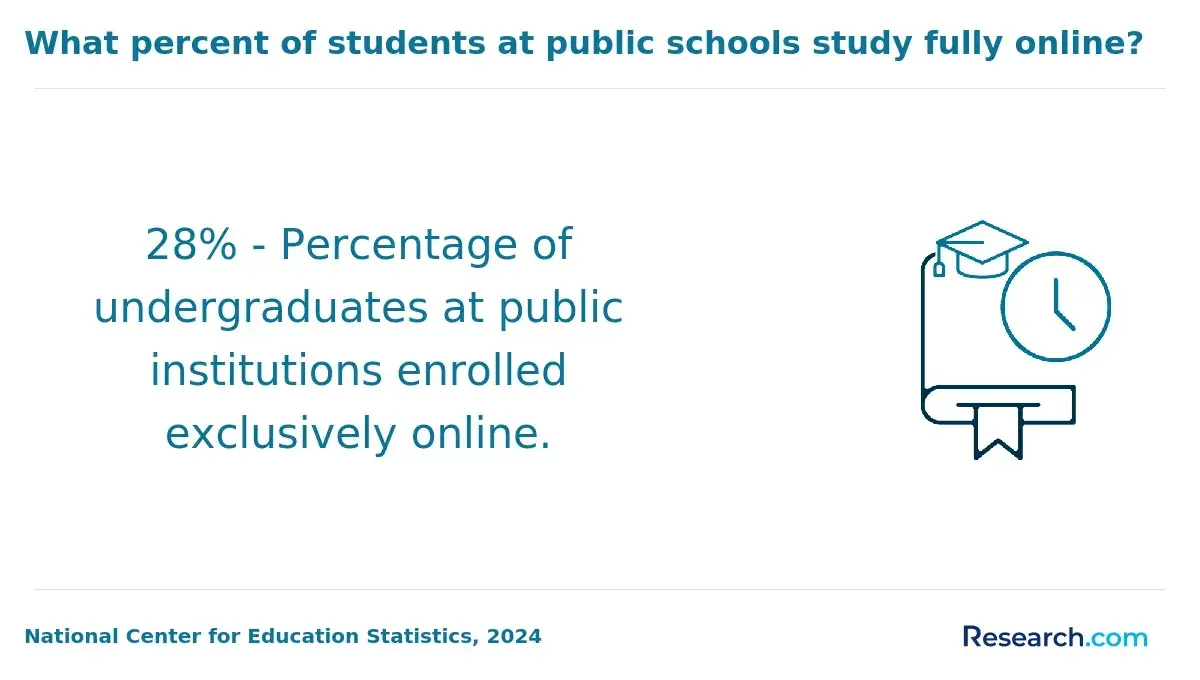
Misinterpreting enrollment surges as automatic oversupply risks overlooking persistent gaps in underserved areas or specialties, while underestimating the effect of credentialing standards and program quality may leave graduates ill-prepared for licensure and employment, despite growing graduate numbers. According to 2024 data from the National Center for Education Statistics, the volume of master's enrollments in this field has increased over 20% in the past five years, underscoring these nuanced supply-demand tensions.
One current master's student described their program cohort doubling in size following the launch of a new hybrid online track, which broadened accessibility but raised concerns among classmates about increased competition for practicum placements and post-graduation job opportunities. They noted that while the program expanded clinical course sections to accommodate more students, some felt uncertain whether this growth reflected better job prospects or simply a more crowded market.
The student also observed a more diverse class demographic than in earlier years but questioned if all students were equally prepared for the demanding licensure process, highlighting the complex trade-offs embedded in contemporary enrollment trends.
How Many Mental Health Counseling Graduates Enter the Workforce Each Year?
Annual graduation numbers alone do not provide a definitive picture of supply and demand in the mental health counseling workforce. While national data from the National Center for Education Statistics and Integrated Postsecondary Education Data System indicate around 8,000 to 10,000 master's degree completions in this field each year, this figure only captures those finishing licensure-aligned programs and not those progressing smoothly into employment roles. For example, about 60% to 70% of these graduates obtain licensure within two years, delaying entry into independent practice and smoothing workforce inflow over time rather than creating immediate competition.
Moreover, workforce entry is complicated by variable state licensing rules, graduates transitioning into related professions, and differing regional employer demands. The U.S. Bureau of Labor Statistics estimates approximately 26,000 counseling-related job openings annually, a number reflecting both new positions and turnover, yet not all graduates vie for the same roles simultaneously or possess uniform qualifications. Misinterpreting raw graduate totals without accounting for these staggered licensure timelines, non-clinical career moves, and localized hiring conditions risks overestimating the degree of market saturation and underestimating employment opportunities.
Measuring mental health counseling supply requires integrating enrollment, licensure attainment, and real-time labor market data. Many graduates face practical barriers such as supervised clinical hours and exam passage that affect when and where they become employable. Consequently, prospective students and workforce planners should rely on nuanced, multi-source evidence rather than raw degree counts to evaluate alignment between graduate output, requisite credentials, and employer demand across regions and specialties.
Understanding the types of counseling degrees available can help prospective students distinguish between pathways that lead to clinical practice, specialized counseling roles, or broader behavioral health careers. Comparing degree levels and licensure requirements is especially important because career eligibility and timelines can vary substantially by specialization and state.
Does Job Growth Support the Rising Supply of Mental Health Counseling Graduates?
Projected job growth in mental health counseling, while robust at about 23% through 2032 according to the U.S. Bureau of Labor Statistics, may not fully keep pace with the rising supply of graduates entering the field. Many employers seek candidates with licensure, clinical experience, or specialized skills, creating barriers for recent graduates despite overall growth. Geographic factors also matter significantly: strong employer demand is concentrated in urban hubs like California and New York, whereas rural areas often experience saturation, leaving many new professionals faced with underemployment or having to accept roles outside their preferred specialties.
Many mental health counseling graduates confront a competitive environment where replacement demand and job openings are unevenly distributed, complicating their entry into the workforce. For instance, a graduate with limited geographic flexibility or a narrow focus may struggle to find positions aligned with their training, even amid increasing societal mental health awareness. This dynamic highlights the importance of strategic career planning and acquiring diverse competencies; otherwise, graduates risk extended job search periods or settling for less relevant roles. Those comparing alternative educational paths might also consider fields with varying supply-demand balances, such as healthcare administration, where degree costs and job availability differ substantially from mental health counseling.
Understanding these nuanced labor market signals is critical for students and educators assessing the employer demand for mental health counseling graduates, emphasizing that strong occupational growth does not uniformly translate into ample entry-level opportunities. Graduates should weigh the tradeoffs between specialization, licensure timeframes, and geographic mobility to better navigate this complex landscape and avoid oversupply pitfalls.
How Competitive is the Entry-Level Market for Mental Health Counseling Graduates?
The entry-level job market for mental health counseling graduates in 2024 remains moderately competitive, shaped by a complex interplay of graduate supply, employer demand, and credential expectations. While job openings have increased with greater mental health awareness, the number of graduates entering the field far exceeds available roles, resulting in applicant-to-opening ratios commonly between 5:1 and 8:1.
Employers increasingly stress relevant practicum or internship experience, creating hurdles for fresh graduates without supervised clinical hours. This dynamic suggests that competition is less about pure oversupply and more about uneven regional demand, credentialing timelines, and skill alignment across diverse practice settings.
Key factors influencing job market competition include the following:
- Applicant Volume: The robust graduation rates flood the job market, intensifying competition. Graduates should assess local data on openings versus applicants to gauge realistic hiring odds before applying widely.
- Experience Requirements: Many employers prioritize candidates with supervised clinical practica or internships, often requiring experience beyond academic completion. This often delays entry for those without these qualifications.
- Industry Demand Variability: Demand concentrates in outpatient and community-based agencies, with fewer openings in institutions, meaning graduates must tailor their job search to sectors with stable or growing hiring needs.
- Geographic Concentration: Urban and high-need regions typically offer more jobs but also attract denser applicant pools, while rural areas may have fewer openings yet less competition.
- Licensure and Certification Processes: Variation in state licensure timelines and telehealth credentialing complicates readiness, affecting candidates' ability to start clinical roles promptly.
- Telehealth and Digital Skills: Growing reliance on virtual counseling has elevated the importance of technology proficiency, distinguishing candidates in a crowded market.
- Specialization Match: Graduates focusing on in-demand specialties like trauma or substance use disorders may find better employment prospects, reflecting shifting employer priorities.
One recent mental health counseling graduate shared that despite submitting over 50 applications within six months, most required at least 500 clinical hours beyond the master's practicum. She faced repeated rejections in her metropolitan area due to saturated applicant pools and competing candidates with digital counseling certifications. Pivoting to smaller suburban clinics with slightly lower pay but fewer applicants provided her a tentative offer, highlighting how practical experience, regional flexibility, and willingness to compromise on setting can influence early-career outcomes in this challenging market.
Which Industries Have the Greatest Demand for Mental Health Counseling Graduates?
Employer demand for mental health counseling graduates remains concentrated in specific sectors where structural factors create sustained hiring needs. Healthcare and social assistance dominate due to their extensive infrastructure and integration of mental health support within multidisciplinary teams. Meanwhile, education and government roles offer alternative pathways but tend to demand specialized credentials or security clearances that can affect accessibility and competition levels. A graduate deciding among these options must weigh differences in entry barriers, job volume, and career progression opportunities, balancing practical realities against personal goals.
Industries generating the strongest employer demand for mental health counseling graduates include:
- Healthcare Sector: This sector leads demand, driven by rising rates of mental health disorders and expanded insurance coverage. Positions range from entry-level counseling roles in outpatient care centers to advanced clinical therapy within hospitals and rehabilitation facilities. Employers prioritize licensure, clinical experience, and ability to collaborate in multidisciplinary teams.
- Social Assistance Services: Residential mental health facilities and individual and family services organizations face steady demand due to community-based care models. Roles often require trauma-informed approaches and crisis management skills, with advancement linked to specialization in areas like substance abuse counseling.
- Educational Institutions: K-12 and higher education increasingly adopt mental health programs supporting socio-emotional learning, though roles like school counselors typically require additional state certification. Growth is gradual but consistent, with competition higher in well-resourced districts and universities.
- Government Agencies: State mental health departments and Veterans Affairs recruit counselors with expertise in trauma-sensitive care and crisis intervention. These roles offer relative stability and benefits but often mandate security clearances or licensing beyond typical counselor credentials.
- Private Practice and Nonprofits: Demand fluctuates here based on local economic conditions and funding. While job openings may be fewer and competition stronger, these settings appeal for their flexibility and entrepreneurial opportunities, requiring self-motivation and business skills for sustainability.
Prospective students and professionals evaluating the mental health counseling graduate demand by industry should recognize that top industries hiring mental health counseling graduates reflect both volume and hiring odds shaped by credential requirements and economic factors. Those weighing degree paths might also consider alternative options where certification pathways differ, such as exploring accelerated BSN programs for non nurses California, for cross-sector mobility, or backup plans in healthcare fields.
Where are Mental Health Counseling Graduates Most in Demand?
National figures on demand for mental health counseling graduates often mask sharp regional disparities driven by employer concentration and workforce needs. For example, a graduate targeting densely populated metro areas with large healthcare systems may face intense competition despite higher job volumes, as seen in states like New York or California.
Conversely, rural and smaller states, although offering fewer positions overall, frequently report critical counselor shortages, presenting potential for quicker employment—but often with tradeoffs such as limited clinical resources, lower salaries, and fewer advanced training opportunities. Graduates must weigh these factors alongside local licensure requirements and specialization matches to navigate the complexities of supply and demand effectively.
Industry trends also influence geographic demand patterns; outpatient centers and telehealth providers are increasingly prominent, particularly in regions with lower in-person provider availability. This expansion can mitigate some urban-rural divides but also drives employer expectations for candidates to demonstrate clinical practicum experience and eligibility for licensure in target states.
For instance, a graduate in the Midwest might encounter an oversupply relative to projected job growth despite educational program prevalence, whereas candidates pursuing telehealth roles in underserved areas may find enhanced prospects but must adapt to virtual service delivery. Balancing job market saturation, cost of living, and employer demands means location decisions should prioritize realistic opportunity alignment rather than headline job posts alone.
Ultimately, mental health counseling graduates benefit from strategic choices based on nuanced labor market intelligence rather than broad state-level statistics. A well-informed professional will consider how urban centers' diverse patient populations and competitive environments contrast with rural areas' immediacy of need but constrained infrastructure.
According to 2024 data from government labor agencies and workforce studies, optimizing employability requires assessing where one's licensure status, clinical specialization, and willingness to engage with telehealth or community-based settings best correspond to genuine hiring demand, ensuring that training investments translate into sustainable career integration.
Which Mental Health Counseling Specializations and Degree Levels Face the Strongest Demand?
Demand in mental health counseling is concentrated rather than uniform across different specialties and degree levels, reflecting the complex interplay of licensure requirements, workforce shortages, and employer priorities. For example, a graduate specializing in substance abuse counseling with a master's degree and appropriate licensure may find significantly more openings and competitive salary offers than a doctoral-level candidate focused on academic research or a school counseling graduate confronting local hiring freezes.
Insights from the U.S. Bureau of Labor Statistics and Lightcast underscore that roles requiring clinical licensure at the master's level often yield faster workforce entry and more abundant opportunities. Below are key specialization and degree-level combinations where demand is proving strongest:
- Clinical Mental Health Counseling Master's: High demand centers on licensed master's-level clinicians capable of independent practice. Employers seek LPC or LCSW credentials due to their portability and recognized clinical competencies in diverse settings, including outpatient clinics and private practice.
- Substance Abuse Counseling Master's: This specialization addresses persistent workforce shortages tied to the opioid crisis and broader addiction treatment needs. Employers prioritize candidates with specialized training and certification to meet regulatory compliance and patient care standards.
- Trauma Counseling Master's: Positions in veteran services and trauma-focused community health programs drive demand. Licensure plus trauma-informed care expertise distinguishes candidates in these growing, underserved sectors.
- School Counseling Master's: Despite relatively high graduate volume, demand is uneven due to budget constraints and hiring freezes in many school districts, leading to localized oversupply in this specialization.
- Doctoral-Level Research and Academia: While essential for clinical research and teaching, doctoral degrees do not guarantee a swift transition into clinical roles and often have narrower job availability compared to master's-level clinical positions.
Are Employer Skill Gaps Affecting Demand for Mental Health Counseling Graduates?
Despite ongoing demand for mental health counseling graduates, a true shortage of qualified candidates often reflects not graduate volume but employer skill gaps. Hiring managers prioritize applied competencies such as trauma-informed care, evidence-based therapeutic approaches, and proficiency with specialized certifications that signal readiness for community and clinical roles. For example, a regional employer may leave entry-level positions unfilled when recent graduates lack supervised clinical hours or specific cultural competency training aligned with local populations, illustrating how skill mismatches distort perceptions of graduate oversupply despite underlying practitioner shortages.
Regional demand for mental health counseling graduates with specific credentials varies, heavily influenced by how well candidates demonstrate relevant hands-on experience, digital proficiency, and communication skills tailored to evolving industry standards. This mismatch often intensifies hiring competition, especially in entry-level roles where employers weigh internship quality and specialization over degree holders' numbers alone. Prospective students and current degree holders benefit by strategically selecting programs emphasizing applied training and by pursuing internships that develop these prioritized skills, improving alignment with sector needs and mitigating the risk of underemployment common in crowded job markets.
This analysis parallels workforce dynamics seen in other credential-sensitive fields, such as the accelerated growth of 3 year PharmD programs, where credentialing and specialization critically determine employability beyond degree completion. Attention to skill calibration, rather than degree attainment alone, remains essential to decode employer demand signals accurately and to position graduates competitively within mental health counseling hiring landscapes shaped by nuanced employer expectations.
What is the Future Supply-and-Demand Outlook for Mental Health Counseling Graduates?
Targeted job searches consistently yield better outcomes for mental health counseling graduates than submitting numerous unfocused applications. A graduate concentrating on entry-level titles aligned closely with their qualifications—such as "intake counselor" or "behavioral health technician"—can streamline efforts and improve interview conversion. Prioritizing industries and locations with documented hiring needs, particularly underserved regions identified in regional job market trends for mental health counseling employment, reduces competition and increases the chances of timely placement.
Conversely, graduates who apply broadly without tailoring resumes to employer language or highlighting relevant practical skills often face prolonged job searches or underemployment, as employers increasingly seek evidence of job readiness demonstrated through specific projects or internships.
Understanding how supply and demand interact is crucial; despite a steady rise in mental health counseling graduate volumes, oversupply in some urban centers contrasts with shortages in rural and low-income areas. Prospective graduates must perform market research, utilize timing strategically, and focus applications where their credentials meet stated requirements to avoid competing in oversaturated markets. Those exploring specialization or flexible geographic preferences stand to benefit more, aligning precisely with localized employer demand.
For students evaluating programs, considering the balance of graduate volume versus employer hiring patterns enhances decision-making beyond generic advice, as reflected in data from the National Center for Education Statistics and labor market analyses. Detailed insights into program outcomes and job market alignment also help when comparing specialized pathways such as marriage and family masters programs.
References
- Mental Health Workforce Shortage: What It Means for Counselors https://www.counselingpsychology.org/articles/mental-health-workforce-shortage/
- Online Degrees https://onlinecounselingprograms.com/online-counseling-degrees/
- The most in-demand jobs in the mental health industry https://www.torrens.edu.au/stories/blog/health/the-most-in-demand-jobs-in-the-mental-health-industry
- The Growing Demand For Counselling Jobs https://www.mindspacefoundation.co.uk/the-growing-demand-for-counselling-jobs/
- A Workforce Under Pressure: Preparing the Behavioral Health Workforce for Today and Tomorrow https://www.thenationalcouncil.org/behavioral-health-workforce-under-pressure-preparing-today-tomorrow/
- 9 Mental Health Careers You Can Pursue with a BA https://www.nec.edu/news/9-mental-health-careers-you-can-pursue-with-a-ba
- Call to Action https://www.amhca.org/advocacy/takeaction
- 10 Things You Should Know About Becoming a Clinical Mental Health Counselor https://www.ucumberlands.edu/blog/10-things-you-should-know-about-becoming-clinical-mental-health-counselor
- Mental Health Counseling Careers | Licensure and Degree Requirements https://www.publichealthonline.org/mental-health-counselor-resource/
- Mental Health Counselor Salary and Career Outlook https://teach.com/online-ed/counseling-degrees/online-masters-mental-health-counseling/careers-and-salary/
Other Things You Should Know About Mental Health Counseling
Programs that require more supervised clinical hours typically produce graduates who are better prepared for real-world counseling demands, which employers often prioritize. In an oversupplied market, this practical experience can differentiate candidates significantly. Therefore, prospective students should prioritize programs with rigorous, well-structured clinical components to improve job readiness and reduce early career employment challenges.
While program reputation can open networking opportunities and influence employer perception, a specialized curriculum focusing on in-demand skills or populations arms graduates with unique qualifications that can be more impactful long-term. In tight job markets, graduates with targeted expertise-such as trauma-informed counseling or substance abuse-can access niche roles less affected by broad competition. Prioritizing specialization aligned with emerging needs often outweighs general prestige.
Students obtaining degrees in areas where demand is limited may face prolonged job searches and may need to consider relocation or accepting roles outside their preferred settings. This geographic mismatch can also pressure graduates to accept lower salaries or part-time positions. Understanding local market dynamics and flexibility in work location or client population focus is crucial to navigate these limitations effectively.
Programs that offer substantial support with state licensing requirements, exam preparation, and job placement can materially affect how quickly graduates transition into practice. Considering the complexity and variability of licensure across states, assistance in these areas reduces administrative burdens and facilitates quicker workforce entry. Students should carefully assess this support when choosing programs, especially where supply outpaces demand, to sustain competitive advantage.