2027 Mental Health Counseling Student Debt Report: Borrowing, Monthly Payments, and Repayment Risk

Co-Founder and Chief Data Scientist
The educational trajectory for mental health counseling often involves extended graduate-level study, rigorous licensing requirements, and substantial internship hours. These components shape borrowing behavior uniquely compared to other disciplines. The time intensive nature of practicum and supervised clinical experience delays full workforce entry, affecting when graduates begin repayments. According to National Center for Education Statistics (2024), over 65% of mental health counseling students rely on federal loans, reflecting the discipline's relative affordability but also persistence of debt. Younger enrollees dominate, suggesting evolving access and workforce replenishment, while older students' presence points to career changers navigating complex financial and professional tradeoffs.
Key Things to Know About Mental Health Counseling Student Debt
- Student debt for mental health counseling often extends repayment beyond typical career entry, creating timing challenges that affect early-career financial stability and delay wealth accumulation.
- High monthly payments relative to entry-level earnings lead many graduates to seek income-driven repayment plans, which can prolong debt presence but reduce default risk and employer turnover.
- A 2024 study shows 40% of mental health counseling graduates risk repayment delinquency within five years, highlighting the sector's systemic borrowing-to-earnings gap impacting workforce retention and credential choice.
- Key Things to Know About Mental Health Counseling Student Debt Key Things to Know About Mental Health Counseling Student Debt
- How Much Student Loan Debt Do Mental Health Counseling Graduates Typically Have at Graduation? Average Studen Loan Debt
- What Factors Have the Biggest Impact on Mental Health Counseling Student Loan Debt? Student Debt Key Factors
- What Is the Average Monthly Student Loan Payment for Mental Health Counseling Graduates? Average Monthly Payment
- How Do Repayment Rates Compare Between Public and Private Institutions? Public vs. Private Institution Repayment Rates
- Do Online Mental Health Counseling Graduates Have Different Repayment Outcomes Than Campus-Based Students? Online vs. On-Campus Student Loan Repayment
- Which Industries Provide the Best Financial Return Relative to Borrowing Costs? Which Industries Provide the Best Financial Return Relative to Borrowing Costs?
- Does Student Debt Affect Which Jobs Mental Health Counseling Graduates Accept? Does Student Debt Affect Which Jobs Mental Health Counseling Graduates Accept?
- What Factors Increase Student Loan Repayment Risk for Mental Health Counseling Graduates? Loan Repayment Risk Factors
- How Can Mental Health Counseling Students Reduce Student Loan Debt While Earning Their Degree? Tips to Reduce Student Debt
- How Should Prospective Students Evaluate Borrowing Risk Before Enrolling? Evaluating Student Debt Risk
How Much Student Loan Debt Do Mental Health Counseling Graduates Typically Have at Graduation?
Graduates of mental health counseling programs typically accumulate student loan debt ranging from approximately $40,000 to $70,000 by the time they complete their degrees. Recent data from the College Scorecard and the National Center for Education Statistics highlights that this borrowing reflects not only tuition and fees but also living expenses during the two- to three-year graduate training period. Debt levels tend to be higher than those observed in undergraduate programs but remain lower than for many professional degrees such as medicine or law. These figures underscore essential distinctions in financial commitment related to the nature of mental health counseling education and extended clinical practicum requirements.
Debt variation among mental health counseling graduates is strongly influenced by institutional factors such as whether the program is offered by public or private colleges, as well as residency status affecting tuition costs. Public in-state students generally face lower borrowing than out-of-state or private institution attendees, where tuition can be substantially higher. Availability of scholarships, grants, and other financial aid plays an important role in moderating student loan burden, while students enrolled part-time may extend their education and incur additional costs, altering total debt profiles. Regional cost-of-living differences further contribute to borrowing disparities, especially when students must cover housing and related expenses during intensive clinical training phases. Prospective students navigating borrowing decisions should also be aware of program length and scheduling constraints, which can limit opportunities for paid employment and increase reliance on loans.
The typical student loan debt amounts for mental health counseling graduates create repayment challenges balanced against moderate starting salaries in the field. Income-based repayment plans offer some mitigation, but high debt loads often require careful financial planning to avoid long-term stress. Understanding the financial dynamics of mental health counseling education is critical, as borrowing levels can influence post-graduation decisions, including licensure pursuit and employment settings. For students seeking alternatives that reduce clinical burden and potentially lower costs, exploring options such as RN to BSN no clinicals pathways may provide useful comparative insights into structuring health-related graduate education finances more sustainably.
What Factors Have the Biggest Impact on Mental Health Counseling Student Loan Debt?
Student loan debt levels among mental health counseling students arise from a complex interaction of institutional cost structures and individual financial decisions rather than a single factor. Borrowing reflects both the pricing frameworks set by colleges and universities and how students manage program demands, living expenses, and financial aid opportunities. Understanding these dynamics helps clarify why debt burdens vary widely across similar degree programs, influencing long-term repayment challenges and workforce entry. Contextualizing debt in terms of these interconnected factors reveals tradeoffs that impact affordability beyond tuition sticker prices.
- Program Length and Format: The duration of mental health counseling programs, often extending two to three years or more with required practicum and internship components, significantly increases cumulative educational costs. Extended enrollment increases living expenses and delays income generation, pushing students to borrow more. Part-time or interrupted enrollment patterns further magnify debt by prolonging exposure to fees and housing costs. This factor intersects strongly with borrowing as longer programs introduce greater cumulative debt, particularly if financial aid does not scale proportionally.
- Institutional Pricing and Type: Students attending private or for-profit institutions generally face higher tuition rates than those at public universities, driving up student loan balances. According to 2024 NCES data, graduate students in counseling fields report an average debt near $66,000, with private institution attendees borrowing substantially more. This cost difference compounds disparities in debt outcomes since many private schools offer limited institutional aid, forcing deeper reliance on loans. Institutional pricing also interacts with state and federal aid availability, influencing net borrowing requirements.
- Geographic Location and Living Expenses: Urban programs typically demand higher tuition and significantly elevated living costs compared to rural counterparts, heightening total borrowing needs. Geographic variation also affects access to state-funded grants or scholarships, which can reduce loan dependence in some regions. These cost differentials contribute to the mental health counseling student loan borrowing differences seen nationally, as students in high-cost states often accumulate steeper debt to cover the gap between aid and expenses.
- Financial Aid Availability and Student Financial Behavior: The interplay between institutional aid offerings, federal and private loan access, and students' financial strategies strongly shapes borrowing levels. Students from lower-income or underrepresented backgrounds often rely more heavily on loans due to limited upfront resources, and many take additional loans for certification or post-graduate training requirements. The Institute for College Access & Success (2024) highlights a median monthly loan repayment of approximately $500 among social service graduate borrowers, underscoring substantial debt burdens relative to early-career incomes in mental health counseling.
- Enrollment Decisions and Additional Educational Costs: Choices such as enrolling part-time, interrupting studies, or pursuing supplemental certifications increase the total cost and borrowing risk. Extra expenses for supervised clinical hours and state licensure exam fees frequently require additional borrowing beyond standard program tuition. These decisions, often influenced by work-life balance needs or local job market timing, affect the ultimate debt load and repayment timelines for mental health counseling graduates.
Many prospective students navigate these factors by considering alternative pathways, including accelerated formats that can reduce total program length. For those evaluating such options, examining fast track degree programs may offer a route to lower cumulative borrowing and earlier workforce entry, although these formats bring their own intensity tradeoffs and financial planning considerations.
What Is the Average Monthly Student Loan Payment for Mental Health Counseling Graduates?
Recent data from the U.S. Department of Education indicates that mental health counseling graduates generally face monthly student loan payments between $300 and $500. This range corresponds with typical borrowing levels needed to complete master's degree programs common in the field. Payments closer to $500 tend to reflect standard 10-year repayment schedules on higher loan balances, often upward of $50,000. Conversely, graduates with smaller debts or those using income-driven repayment plans frequently see monthly charges nearer to $300, reflecting adjustments based on discretionary income rather than fixed installments.
Variations in monthly payments stem from several financial factors. Higher principal balances and standard repayment terms drive larger fixed monthly amounts but may reduce total interest paid versus extended plans. Income-driven plans, while easing monthly burden for lower-earning counselors-whose median starting salaries range around $45,000 to $55,000-can prolong debt duration and increase cumulative interest. Interest rates and personal income growth prospects further complicate repayment dynamics, making it essential for borrowers to balance manageable monthly payments with long-term debt costs, especially since counseling salaries often limit discretionary cash flow in more expensive regions.
One graduate recalled pausing before applying to mental health counseling master's programs due to uncertainty around admission timelines with rolling decisions. "I wasn't sure if waiting a few weeks for one school's final offer was worth risking a spot at another program accepting applications immediately," they said. Eventually, the choice to submit an early application helped ease their financial planning, giving them more clarity on loan amounts and potential repayment strategies well before classes started.
How Do Repayment Rates Compare Between Public and Private Institutions?
Data from the U.S. Department of Education's College Scorecard and the 2024 Federal Reserve student loan report reveal that graduates of public institutions offering mental health counseling programs tend to achieve higher loan repayment rates within the initial five years of repayment compared to their private institution counterparts. Specifically, around 62% of public university graduates demonstrate measurable progress on their federal student loans within four years, while only about 48% of private school alumni attain similar benchmarks. This disparity highlights distinct financial outcomes that extend beyond mere institutional categorization and signal broader differences in cost structures and debt management among mental health counseling graduates.
The underlying reasons for these repayment contrasts are largely rooted in variances in tuition pricing, borrowing behavior, and income trajectories post-graduation. Public universities generally offer lower tuition rates and more substantial access to state-funded aid, reducing graduates' dependency on loans and consequently lowering their overall debt load. In contrast, private institution graduates often face higher average debt burdens that can impede steady repayment. Additionally, slightly higher average starting salaries associated with public university graduates-potentially driven by factors such as employer perceptions, institutional reputation, and networking opportunities-can enhance debt affordability. These economic differentials combine with demographic and institutional characteristics to shape repayment capacity and the risk profile of borrowers coming from these distinct educational environments.
From a longer-term perspective, these repayment patterns affect not only borrower financial stability but also broader assessments of program value and institutional responsibility. Graduates with heavier debt burdens and slower repayment progress may experience prolonged financial stress, limiting economic mobility and potentially influencing their professional decisions within the mental health field. Consequently, understanding these structural drivers offers critical insight for prospective students evaluating educational investments, as well as for stakeholders assessing program effectiveness in delivering sustainable career outcomes amid evolving workforce demands.
Do Online Mental Health Counseling Graduates Have Different Repayment Outcomes Than Campus-Based Students?
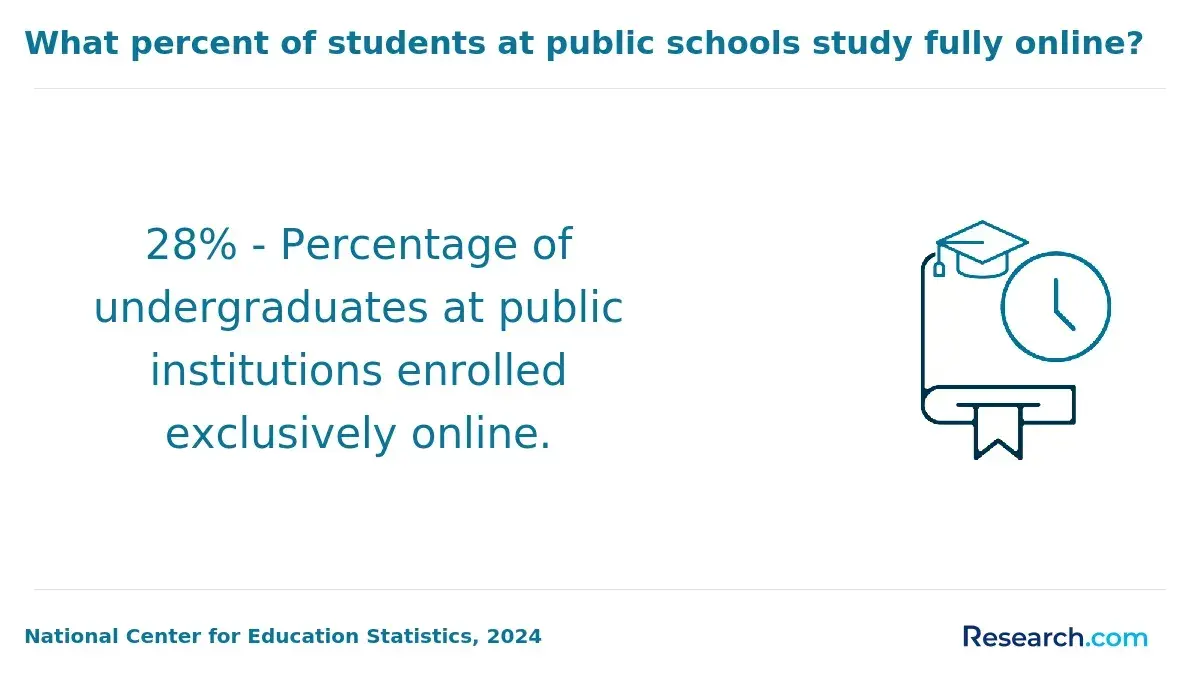
Repayment rates for graduates of mental health counseling programs vary notably between public and private institutions, as reflected in recent data from authoritative sources such as the National Center for Education Statistics and the Department of Education's College Scorecard. On average, public university graduates exhibit repayment rates near 55% three years into repayment, whereas private institution graduates, which often include many online mental health counseling graduate loan repayment programs, tend to have rates closer to 45%. This gap persists despite similar employment outcomes, highlighting deeper financial dynamics beyond initial placement success. These differences underscore that repayment performance is not solely a function of educational quality but is strongly tied to institutional pricing and borrowing patterns within these sectors.
The primary drivers behind lower repayment rates in private institutions include higher tuition and consequently larger student loan balances at graduation. Graduates from these for-profit or private nonprofit schools face increased debt burdens that are less often offset by proportional increases in earnings, particularly when compared to many public school attendees who benefit from in-state tuition discounts and more substantial financial aid. Employment outcomes in mental health counseling tend to emphasize licensure and clinical experience rather than the education mode, leading to comparable labor market prospects, but the heavier debt loads borne by private institution graduates strain their ability to manage repayments promptly. These factors compound to create repayment stress and longer debt servicing periods, influencing how prospective students weigh the true cost and value of available educational options.
This disparity in repayment rates has broader implications for long-term financial health and perceptions of institutional accountability within mental health counseling education. Graduates facing delayed or incomplete loan repayment often experience constraints on financial mobility, impacting creditworthiness and wealth accumulation. Such outcomes challenge policymakers and prospective students to look beyond enrollment convenience or program novelty-such as the expanding presence of online mental health counseling offerings-and consider tangible repayment data when assessing program viability. For those evaluating alternatives, exploring options like online accelerated nursing programs may offer insights into how program structure and affordability intersect with career goals and debt management strategies.
Which Industries Provide the Best Financial Return Relative to Borrowing Costs?
Financial return on mental health counseling degrees varies markedly across industries, shaped by the interplay between typical salary progression and the debt load students carry upon graduation. Rather than focusing solely on initial wages, a realistic assessment of return on investment (ROI) accounts for ongoing income growth, job stability, and how quickly graduates can manage loan repayments relative to their earnings. Industry environments that support faster career advancement or offer targeted loan repayment assistance tend to offset borrowing costs more effectively, improving financial sustainability for graduates.
- Healthcare Services: This sector consistently offers strong hiring demand paired with steady salary increases, especially within integrated clinical settings. Median wages near $52,000 early in 2024 combined with relatively stable employment provide a foundation for manageable loan repayments. Many healthcare employers also offer benefits that indirectly reduce financial pressure, such as health insurance and retirement plans.
- Social Assistance: Including community mental health organizations, this industry balances modest starting salaries with reliable employment opportunities. While entry wages may be lower compared to private practice, the presence of structured career tracks often allows earnings to rise at a pace sufficient to cover average counseling program debt, which typically ranges from $40,000 to $50,000.
- Public Sector Health Programs: Positions funded by government initiatives often include loan forgiveness or repayment support, enhancing ROI by directly reducing outstanding debt burdens. Although base pay can lag behind private healthcare roles, these loan assistance programs, paired with job stability, significantly improve candidates' ability to maintain favorable debt-to-income ratios.
- School Counseling: Employment in educational institutions combines steady demand with structured salary scales and increasing experience-based pay. Strong union representation and state-backed repayment aid programs further ease repayment challenges for those carrying typical counseling loan debt.
- Nonprofit Organizations: Although nonprofit roles tend to offer lower salaries and slower income growth, they occasionally provide loan assistance benefits. However, tighter financial margins often mean graduates allocate a higher proportion of income to debt service, making these positions riskier from a borrowing cost perspective unless supplemented by forgiveness programs.
According to the Bureau of Labor Statistics, the median annual wage in these fields provides a practical context for most graduates, but the variation in loan repayment assistance availability and career advancement speed critically influences industry-specific ROI. Prospective mental health counseling students should analyze these dynamics alongside borrowing levels when considering educational investment and career pathways.
Does Student Debt Affect Which Jobs Mental Health Counseling Graduates Accept?
Graduate debt levels heavily influence the initial employment choices of mental health counseling graduates, as substantial monthly student loan payments necessitate prioritizing roles with competitive salaries or loan repayment benefits. According to the 2024 U.S. Department of Education report, nearly 62% of indebted graduates base their job decisions primarily on compensation rather than aligning with preferred specialties or workplace settings. This financial imperative often sidelines opportunities within lower-paying environments such as community centers or nonprofits, pushing graduates instead toward clinical or private practice positions that provide greater immediate financial stability. Consequently, the need to meet debt obligations can restrict salary flexibility and delay engagement in roles that might better support long-term career growth and specialization.
Beyond immediate salary concerns, differences in debt burden significantly affect broader career behaviors and mobility. Graduates with higher debt loads show reduced geographic and sector mobility, as they must secure positions that offer reliable income streams, sometimes limiting their ability to pursue training or roles in underserved areas. Conversely, those with lower debt may afford more risk tolerance in selecting jobs aligned with their career goals or values. Structural factors also play a role, with limited availability of qualifying positions for federal loan forgiveness programs influencing employment patterns. Over time, these constraints can push debt-heavy graduates into narrowly defined career paths, impacting their professional development and potential for diversification within the mental health counseling field.
One graduate described feeling caught between urgency and hesitation during the rolling admissions at their chosen program. Delays in application decisions and the pressure to secure funding amid looming student loan payments compelled them to weigh programs not only by curricular fit but by available tuition deferral options and the timing of financial aid disbursements. They recalled hesitating on a preferred program while accepting an offer elsewhere to avoid delaying entry and compounding debt, illustrating how fiscal realities during the admissions phase can shape career trajectories well before job selection begins.
What Factors Increase Student Loan Repayment Risk for Mental Health Counseling Graduates?
Student loan repayment risk for mental health counseling graduates is influenced by multiple financial, academic, and labor market factors that intertwine to affect long-term financial stability. This risk reflects not only the size of accumulated debt but also the variability and reliability of income after graduation. Understanding these interconnected elements is critical for prospective and current students addressing student loan repayment challenges for mental health counseling programs.
- Modest Entry-Level Salaries Relative to Debt: Median starting salaries for mental health counselors hover around $45,000 annually, while educational debt often exceeds $50,000. This imbalance strains repayment capacity, particularly when loan interest accrues faster than salary growth, limiting affordable monthly payments and heightening default risk.
- Employment Stability and Income Variability: Many graduates begin with internships, part-time contracts, or roles in underserved areas with unpredictable hours and lower pay. Such inconsistent employment disrupts steady loan repayment patterns, increasing delinquency risks, especially without substantial emergency savings or repayment plan flexibility.
- Extended Borrowing Periods and Accrued Interest: The requirement for master's-level education lengthens time in school and borrowing duration. This prolongs interest accumulation, expanding total debt beyond initial principal and amplifying repayment burdens post-graduation.
- Limited Awareness or Use of Repayment Assistance: Access to income-driven repayment plans or forgiveness programs could mitigate financial strain but remains underutilized. Insufficient knowledge or complexity of these options leaves many graduates exposed to full loan obligations they may struggle to meet.
A notable 2024 study from the U.S. Department of Education reports nearly 30% of mental health counseling graduates face repayment delinquency within five years, underscoring how these factors compound to impact financial stability.
Students should weigh borrowing amounts carefully against realistic income expectations and explore resources, including less conventional pathways such as BCBA programs, which may offer alternative career or financial outcomes.
How Can Mental Health Counseling Students Reduce Student Loan Debt While Earning Their Degree?
Reducing student loan debt while earning a mental health counseling degree demands proactive planning and informed decision-making throughout the academic journey. It requires balancing academic efficiency, financial aid optimization, and practical resource use to minimize borrowing without sacrificing program quality or career alignment. Effective strategies must integrate enrollment choices, institutional offerings, and work opportunities to tangibly lower total debt load. According to 2024 data from the National Center for Education Statistics, average borrowing by counseling students frequently surpasses $40,000, underscoring the urgency of targeted debt reduction planning.
- Work Part-Time in Related Fields: Engaging in roles such as peer support or case management while studying allows students to offset living expenses and reduce reliance on loans. This approach may extend program completion time but produces income and valuable experience employers expect.
- Choose Accredited, Cost-Effective Programs: Selecting institutions with lower tuition and flexible delivery formats-such as online or hybrid options-can sharply reduce overall costs by eliminating commuting or relocation expenses. Students can explore offerings like easy MPH online programs for comparably affordable models in related health fields.
- Pursue Targeted Scholarships and Grants Early: Applying aggressively for scholarships and grants specific to mental health disciplines captures funding often overlooked, directly decreasing loan amounts needed. Timing applications early boosts chances of receiving aid before tuition commitments.
- Utilize Federal Loan Forgiveness and Repayment Programs: Programs like the National Health Service Corps Loan Repayment incentivize graduates to serve underserved populations, effectively reducing long-term debt and shaping borrowing strategies from enrollment onward.
- Plan Academic Load and Progress Strategically: Balancing course loads to maintain steady progression while integrating work commitments helps avoid excess borrowing from extended enrollment periods. Students should carefully assess program pacing to optimize both financial and educational outcomes.
- Leverage Institutional Financial Counseling and Resources: Accessing school-based financial aid advisors and budgeting support promotes informed borrowing decisions and maximizes available aid packages, reducing unnecessary loan accumulation.
- Consider Geographic and Living Cost Factors: Choosing study locations with lower living expenses, or pursuing remote learning, lightens the financial burden that often contributes significantly to debt accumulation in mental health counseling programs.
Each of these strategies aligns with reality-based tradeoffs between time, cost, and employability in mental health counseling education. By intentionally integrating work-study options, institutional supports, and federal programs into their financial planning, students can materially lower borrowing levels and ease repayment challenges after graduation. This approach is crucial given how student loan debt heightens repayment risk in this profession and how strategic financial management can improve career-long economic outcomes.
How Should Prospective Students Evaluate Borrowing Risk Before Enrolling?
Evaluating borrowing risk before enrolling in a Mental Health Counseling degree program is critical for understanding the long-term financial impact of education debt. The core challenge lies in balancing total expected student loan debt with realistic post-graduation earnings, which often start near or below $50,000 annually according to the U.S. Department of Education's College Scorecard (2024). Without this analysis, students may underestimate repayment burdens or accumulate unsustainable debt relative to their income prospects.
- Comprehensive Cost Assessment: Analyze all program-related expenses, including tuition, fees, and additional costs like licensing or clinical supervision. This full cost accounting is essential to estimate total borrowing needs accurately and avoid surprise debt beyond tuition.
- Projected Earnings Analysis: Investigate median starting salaries and salary growth in your target region or practice setting. Understanding realistic income trajectories informs how quickly debt can be repaid and whether monthly payments remain manageable.
- Repayment Scenario Modeling: Use loan calculators to estimate monthly payments across different plans and interest rates. Comparing income-driven repayment versus standard plans helps identify feasible payment structures that align with expected earnings.
- Debt-to-Income Ratio Considerations: Aim to keep loan payments below 10-15% of your projected monthly income to reduce default risk and financial stress. This benchmark guides borrowing limits and enrollment decisions based on affordability.
- Loan Forgiveness and Assistance Programs: Explore opportunities for federal or employer-sponsored loan forgiveness relevant to counseling roles. Factoring these into your repayment strategy can significantly mitigate long-term debt burdens.
- Program Outcomes and Employment Demand: Assess program graduation rates, licensure success, and local mental health workforce needs. Strong alignment with high-demand labor markets enhances the likelihood of timely employment and stable earnings necessary for repayment.
- Alternative Funding and Enrollment Strategies: Consider part-time study, lower-cost schools, or scholarships as means to limit borrowing. Balancing educational goals with financial prudence preserves long-term stability.
This analytical framework helps prospective students move beyond generic budgeting advice to a nuanced, data-driven borrowing risk assessment. By rigorously weighing debt exposure against practical earning potential and institutional factors, students can make informed enrollment choices that safeguard financial health throughout their Mental Health Counseling careers.
References
- Mental Health Counselor Salary: Is it Worth the Student Debt? https://www.studentloanplanner.com/mental-health-counselor-salary-worth-student-debt/
- Student Loan Debt is Creating a Physical and Mental Health Crisis for Millions of Americans - Network for Public Health Law https://www.networkforphl.org/news-insights/student-loan-debt-is-creating-a-physical-and-mental-health-crisis-for-millions-of-americans/
- Does student loan repayment have negative health consequences? https://www.openaccessgovernment.org/student-loan-repayment-negative-health-consequences-cardiovascular-mental-illness/134761/
- The Hidden Cost of Student Debt: How Universities Can Help Break the Cycle - iGrad Financial Wellness | Enrich https://enrich.org/insights/2050/the-hidden-cost-of-student-debt-how-universities-can-help-break-the-cycle
- Average Physical Therapy Student Loan Debt (2026 Data) https://www.highbarhealth.com/average-physical-therapy-student-loan-debt/
- The Long-Term Effects of Student Loans | ACE Blog https://ace.edu/blog/the-long-term-effects-of-student-loans/
- Is Rising Student Debt Harming the U.S. Economy? | Council on Foreign Relations https://www.cfr.org/backgrounders/us-student-loan-debt-trends-economic-impact
- Student Loan Forgiveness for LPCs and Mental Health Professionals https://www.tateesq.com/learn/student-loan-forgiveness-mental-health-professionals
- Homepage https://onlinecounselingprograms.com/
- Improving Student Mental Health within Higher Education https://moderncampus.com/blog/student-mental-health.html
Other Things You Should Know About Mental Health Counseling
The delay between graduation and stable employment significantly impacts repayment risk. Mental health counseling programs often require licensure and supervised hours post-degree, which can extend the time before earning a full salary. Graduates who postpone entering the workforce or who work part-time in lower-paying roles during this interim face higher debt burdens relative to income, increasing the likelihood of default or prolonged repayment. Prioritizing programs with strong clinical placement support or employer connections can reduce this risk by accelerating job readiness and income growth.
Federal loans typically offer income-driven repayment plans and forgiveness options tied to public service employment, which are crucial for mental health counseling graduates often working in community or government settings. Private loans, while sometimes necessary to cover all costs, usually lack these protections and carry fixed payment schedules, increasing financial strain if income is unstable. Students should prioritize maximizing federal borrowing first to access these safety nets and reduce long-term repayment risk in a field with variable salary trajectories.
Longer programs with extensive practicum requirements often lead to higher total borrowing but can result in stronger licensure outcomes and job readiness. However, the increased debt can be burdensome if the salary gains do not proportionally compensate for the added financial risk. Students must weigh the value of additional training time against repayment capacity post-graduation, especially if licensure requirements vary by state. For those prioritizing quicker entry into the workforce, shorter accredited programs can reduce borrowing but may limit some clinical opportunities.
Balancing work and intensive clinical placements is a major challenge that can affect academic success and licensure progression. While part-time employment can meaningfully offset borrowing and reduce post-graduation debt levels, excessive work hours may delay degree completion or reduce learning quality, ultimately affecting employment prospects. Students should carefully prioritize paid opportunities related to their field or flexible roles that do not interfere with clinical hours to ensure both manageable debt and optimal career preparation.