2027 Mental Health Counseling Degree Growth by State: Where Interest Is Rising the Fastest

Co-Founder and Chief Data Scientist
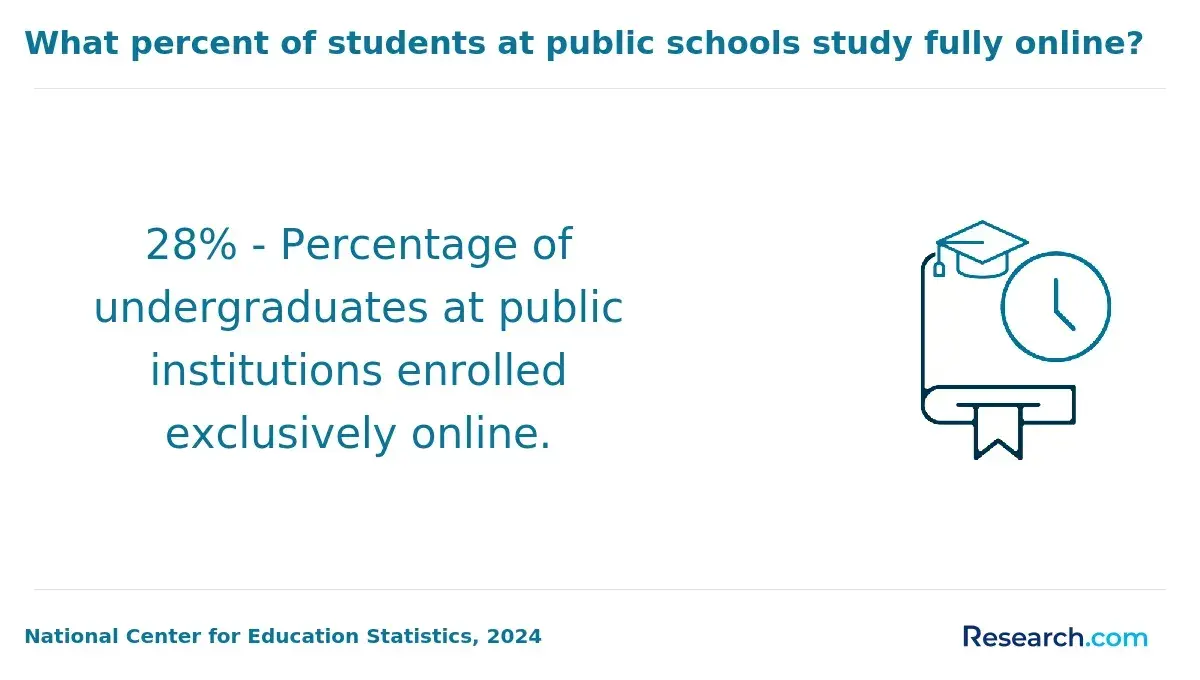
In several states, rapid growth in mental health counseling degree enrollment highlights shifting workforce demands and evolving regulatory environments. For example, regions with expanding urban centers and increasing investments in community health services show surges in master's program interest. According to recent data from the National Center for Education Statistics, flexible online options have boosted enrollment among adult learners by over 15% since 2022, reflecting broader behavioral shifts toward accessible graduate pathways. Understanding these state-driven trends reveals how economic development, licensure portability, and institutional capacity influence where prospective students may find both educational opportunity and strong career prospects in mental health counseling.
Key Things to Know About the State Where Mental Health Counseling Degree Interest Is Rising the Fastest
- States like Texas see rapid growth driven by expanding telehealth policies, facilitating licensure reciprocity but requiring graduates to navigate varied state-specific practice regulations-a tradeoff impacting mobility and job market entry timing.
- Florida's aging population fuels employer demand for mental health counselors, increasing program enrollment; however, the workforce competition is intensifying, requiring graduates to differentiate through specialized skills or certifications.
- California's investment in hybrid and online programs enhances adult learner access amid high tuition costs, allowing flexible upskilling but elongating degree completion times for working professionals balancing economic constraints.
- Which States Are Seeing the Fastest Growth in Mental Health Counseling Degree Enrollment? States Seeing the Fastest Growth in Enrollment
- What Does Enrollment Growth in Mental Health Counseling Programs Actually Tell Prospective Students? Interpreting Enrollment Growth
- How Do Regional Job Market Conditions Drive Mental Health Counseling Degree Demand by State? Role of Regional Job Market Conditions
- Which States Have Added the Most New Mental Health Counseling Degree Programs in the Last Five Years? States That Have Added the Most Programs
- How Has the Rise of Online Education Changed Which States Lead in Mental Health Counseling Program Interest? Role of Online Education in Increased Program Interest
- What Demographic Trends Are Fueling Mental Health Counseling Degree Growth in Specific States? Demographic Trends Fueling Growth
- How Do State Funding Levels for Mental Health Counseling Services Influence Degree Program Growth? Role of State Funding Levels
- Which States Are Emerging as Unexpected Leaders in Mental Health Counseling Degree Interest? States Emerging as Unexpected Leaders in Growth
- How Does State Population Size Affect the Interpretation of Mental Health Counseling Degree Growth Data? Role of State Population Size
- What Role Do State Licensing Requirements Play in Driving or Suppressing Mental Health Counseling Enrollment? Role of State Licensing Requirements
Which States Are Seeing the Fastest Growth in Mental Health Counseling Degree Enrollment?
Mentally health counseling degree enrollment growth by state reflects more than just academic preferences-it reveals shifting workforce needs and policy responses that directly affect career pathways and regional employment landscapes. While national figures indicate steady increases in graduate and undergraduate mental health counseling education, the distribution of this growth is uneven, signaling underlying economic and regulatory factors that prospective students must consider when targeting long-term career opportunities. The most dramatic enrollment expansions have been recorded in states where educational access, funding priorities, and demographic trends intersect to create robust pipelines for new professionals entering the field.
- North Carolina: The state's enrollment surge is closely tied to expanded programming at flagship universities and augmented state investments aimed at integrating behavioral health services within community clinics. This creates advantages for working professionals balancing return-to-school decisions with job retention, as flexible scheduling and location accessibility become crucial.
- Arizona: Enrollment growth here is propelled by demographic changes such as an aging population and rising mental health demands within Indigenous communities, augmented by an increasing number of hybrid and fully online program options that address geographic barriers to workforce entry.
- Florida: With its diverse and populous urban centers, Florida's increased interest in mental health counseling programs responds to employer demand for counselors skilled in cultural competence and rural outreach, reflecting complex patient needs across its labor market.
- Minnesota: Progressive licensure reforms paired with enhanced public health funding have reduced traditional entry barriers to graduate programs, accelerating growth and simultaneously altering workforce expectations around qualifications and clinical readiness.
- Nevada: Concentrated around the metropolitan hubs of Las Vegas and Reno, enrollment rises here are linked to targeted workforce development initiatives designed to bolster community mental health capacity, influencing the supply of entry-level professionals in hospitality and service-driven economies.
These patterns confirm that states experiencing the fastest rising mental health counseling program interest are not confined to a particular region but span diverse geographic and socioeconomic contexts. Subsequent sections will dissect the interplay of economic conditions, demographic pressures, and licensing frameworks underpinning these trends, offering a practical lens through which to evaluate why enrollment momentum should inform student choices. For those comparing program costs and formats, understanding how factors like state-specific licensure reciprocity and online program availability impact both education affordability and employability is essential-especially for candidates weighing options such as how much does online nursing school cost alongside mental health counseling pathways to optimize their investment.
What Does Enrollment Growth in Mental Health Counseling Programs Actually Tell Prospective Students?
Rising enrollment in mental health counseling programs often signals growing interest, but it does not guarantee program quality or career readiness. Prospective students face critical tradeoffs: choosing programs with robust outcomes versus those simply expanding numbers to meet demand or revenue goals.
Raw enrollment data offers limited insight without considering broader context. Supplemental information such as retention, graduation, job placement, and licensure pass rates reveals whether growth reflects genuine academic strength and workforce alignment or merely aggressive recruitment or lowered standards. For example, a rapidly expanding program with low licensure success may disadvantage graduates competing in regulated job markets.
Distinguishing quality growth from quantity-driven expansion is essential. Real academic and labor market demand growth sustains rigorous preparation and aligns with employer expectations, whereas programs relying on relaxed admissions risk undermining long-term career prospects.
Enrollment growth should be treated as one indicator among several and combined with direct contact with current students and alumni. This approach provides qualitative insights into curriculum rigor, institutional support, and practical readiness that raw numbers alone cannot capture.
- Retention: High enrollment only benefits students if they remain and progress; low retention may indicate structural or support issues within the program.
- Graduation Outcomes: Enrollment gains must translate into timely completion to ensure student investment yields career opportunities.
- Job Placement: Growth tied to strong employer networks and regional demand offers a better signal of employment prospects post-graduation.
- Licensure Pass Rates: Since licensure is mandatory to practice, programs must demonstrate effective exam preparation alongside enrollment expansion.
- Recruitment Versus Quality: Sustainable growth balances academic rigor and market needs rather than pursuing numbers through lowered standards.
- Direct Outreach: Engaging with current students and alumni uncovers real-world program strengths and challenges beyond statistical data.
How Do Regional Job Market Conditions Drive Mental Health Counseling Degree Demand by State?
State-level labor market dynamics profoundly shape demand for mental health counseling degrees, influencing where prospective students choose to enroll. Regions with expanding healthcare infrastructure commonly experience sharper growth in mental health counselor roles, driving increased graduate program interest. For example, areas investing heavily in integrated outpatient services not only create more job opportunities but also improve practicum availability, a critical factor for degree progression and licensure.
- Healthcare Expansion: States prioritizing behavioral health facility growth generate substantial employment gains, drawing candidates who expect stronger career pipelines post-graduation.
- Public Sector Growth: Enhanced funding for mental health programs within government agencies, including veteran affairs and community centers, results in stable job openings with competitive benefits, incentivizing enrollment.
- School District Demand: Rising emphasis on student mental wellness has expanded school counseling roles, attracting those targeting educational settings combined with counseling expertise.
- Incentive Programs: State-sponsored loan forgiveness and employer signing bonuses make specific markets more appealing and can redirect enrollment patterns to states where economic factors reduce professional financial burdens.
- Top States by Job Opening Projections: According to the Bureau of Labor Statistics and state workforce reports, California, Texas, Florida, New York, and Pennsylvania lead the nation in projected mental health counseling job growth over the coming decade.
Engaging closely with regional workforce demand for mental health counseling degrees enables students to align their programs with labor market realities. Robust local employment prospects enhance practicum and internship availability, critical for clinical experience and licensure prerequisites. Beyond immediate training benefits, higher-demand states often afford graduates stronger leverage in negotiating salaries and benefits. An informed assessment of state-specific economic and policy factors is therefore essential for navigating the complex tradeoffs that affect long-term professional outcomes in mental health counseling.
Candidates who are mobile or considering a change in career path might also explore complementary educational options such as LPN programs near me to expand or diversify their skill sets in alignment with regional workforce needs.
Which States Have Added the Most New Mental Health Counseling Degree Programs in the Last Five Years?
States leading the expansion of mental health counseling degree programs combine factors such as regulatory flexibility, workforce needs, and institutional competition to influence where new offerings surface and how established programs adapt. Growth is most often propelled by demands from local healthcare ecosystems alongside incentives like streamlined accreditation processes and targeted funding directed at addressing counselor shortages.
- California: Program proliferation here is driven by a mix of new launches and expansion of online tracks, responding to acute workforce vacancy rates statewide. State grants and accreditation support lower barriers to entry for institutions, yet students must weigh the tradeoff between program accessibility and variable tuition levels across diverse regions.
- Texas: Established schools capitalize on growing online options and introduce varied specializations to capture a broad spectrum of student needs while navigating strong competition among public and private providers. This dynamic expands capacity but may also fragment financial aid availability.
- Florida: New program creation coupled with scaling enrollments reflects demographic trends and targeted scholarship incentives. Students encounter greater curricular innovation aimed at licensure readiness but face differing costs shaped by how institutions leverage funding tied to workforce demand.
- New York: Growth emphasizes augmenting existing programs with online modalities and increased cohort sizes, influenced by regulatory emphasis on clinical placement success. This environment tends to favor programs demonstrating measurable hands-on training, impacting tuition structures and financial support options for applicants.
- Ohio: Growth balances between startups and existing program expansions, fueled by state investments and inter-collegiate partnerships supporting a competitive market. Student benefits include more varied program choices and competitive pricing, though discerning quality differences requires careful review.
Expansion decisions reflect a complex interplay of accreditation incentives, formal workforce shortage designations, and peer institution responses that affect program diversity and scholarship landscapes. For prospective students, the abundance of options within a state often entails deeper analysis to identify programs that align best with both career goals and economic realities. Comparing multiple offerings in one geographic area can illuminate meaningful distinctions in clinical experience access, tuition competitiveness, and specialist concentration availability.
One recent graduate recalled the difficulty of navigating rolling admissions amid these rapid program changes. They applied to several programs in a state experiencing fast growth, only to encounter staggered acceptance timelines and unclear decisions on enrollment limits during the process. This uncertainty required waiting for multiple months, managing financial and relocation planning without firm assurances. Eventually, a final program offer arrived just weeks before the term started, underscoring the practical challenges applicants may face balancing strategic timing with evolving institutional capacities in states actively expanding mental health counseling education.
How Has the Rise of Online Education Changed Which States Lead in Mental Health Counseling Program Interest?
The expansion of fully online mental health counseling programs has fundamentally altered the traditional geographic patterns of graduate enrollment. Previously, students' options were constrained by the need to relocate or commute, limiting them to local institutions. Now, states hosting well-regarded online programs attract substantial numbers of out-of-state students, driven by factors like program reputation, accreditation status, and competitive tuition rates. This shift has created virtual hubs of enrollment that often diverge from historical regional demand or population centers, reshaping the national distribution of future counselors.
- Decoupling: Enrollment is increasingly untethered from physical proximity as students prioritize program quality and fit over location, benefiting states with nationally recognized online offerings that draw a diversified student body.
- Access: Online formats expand availability for prospective students in states lacking affordable or CACREP-accredited in-person programs, enabling working adults and career changers to enroll without geographic disruption.
- Program Reputation: Outcomes, faculty expertise, and licensure support strongly influence student choice, with highly ranked online programs becoming national "centers of excellence" that serve learners well beyond their state borders.
- Tuition and Financial Factors: More favorable out-of-state online tuition makes programs in certain states more attractive, contrasting with traditional public institutions that often charge higher nonresident rates or provide fewer online options.
- Licensure Complexity: Despite broader online access, students must carefully confirm that curricula and clinical training meet the mental health licensure requirements of their intended state of practice to avoid costly credentialing delays.
- Implications for States: States hosting top online programs gain influence as primary suppliers of the counseling workforce nationwide, while those with limited online presence risk workforce shortages if local demand outpaces accessible graduate training.
What Demographic Trends Are Fueling Mental Health Counseling Degree Growth in Specific States?
Growth in mental health counseling degree enrollment is unevenly distributed across states, reflecting distinct demographic and workforce dynamics that power localized demand. This variation means prospective students and career changers must analyze state-specific population trends as reliable indicators of enduring employment opportunities rather than temporary spikes. For example, states like Florida with aging populations must cultivate professionals skilled in geriatric mental health, whereas states with growing youth demographics require expertise in child and adolescent counseling. These regional differences directly influence program structures and licensure requirements, making geographic targeting critical to maximizing return on educational investment.
- Population Aging: States such as Florida and Arizona see expanded enrollment driven by increasing needs to manage age-associated mental health challenges including dementia and late-life depression, which demands counseling programs emphasize gerontology and caregiving competencies.
- Immigration Patterns: In diverse states like California, Texas, and New York, rising immigrant populations produce demand for culturally responsive mental health counseling, encouraging expansion of programs focused on multicultural competence and bilingual services.
- Urbanization: Rapid growth in urban centers, for instance in Colorado and North Carolina, correlates with higher incidence of stress-related disorders, requiring counseling professionals who navigate complex social determinants affecting urban clients.
- K-12 Enrollment Growth: States with increasing youth populations, including Utah and Idaho, push for more school-based counselors adept at developmental and adolescent mental health to meet escalating needs in educational settings.
- Rising Rates of Diagnosed Mental Health Conditions: Locations like Oregon and Massachusetts face heightened prevalence of anxiety, depression, and substance use disorders, influencing state health agencies to invest in workforce capacity and expand graduate enrollment accordingly.
These demographic forces produce highly localized hotspots of mental health counseling degree enrollment growth that national averages cannot capture, making state-specific analysis essential for selecting training programs aligned with stable, long-term job markets. Prospective graduates should weigh how demographic shifts in their states project workforce demand, licensure complexity, and wage trends to avoid overconcentration in saturated or transiently buoyed fields. Those exploring flexible education options might also consider online ASN programs to complement their geographic mobility while maintaining employment eligibility. Understanding these nuanced drivers enables a strategic approach to advanced mental health counseling education that transcends surface-level enrollment trends and foregrounds real-world career sustainability.
How Do State Funding Levels for Mental Health Counseling Services Influence Degree Program Growth?
State investment in mental health counseling services directly shapes the availability and expansion of related degree programs, influencing both the labor market and student decisions. States that allocate substantial public funds-through mechanisms like Medicaid reimbursement, block grants, and support for school and community programs-create a steady demand for licensed counselors. This reliable pipeline encourages universities to increase enrollment capacity and develop specialized curricula. In contrast, states with inadequate or stagnant funding often experience a brain drain, where graduates move to regions with better funding and job prospects, resulting in program contraction or limited growth locally.
- Funding Stability: Consistent or enhanced financial support bolsters public mental health services, which in turn sustains employment openings that motivate prospective students to pursue or continue graduate studies within the state.
- Medicaid and Reimbursement: More generous Medicaid rates incentivize healthcare providers to employ licensed counselors, forming a more dependable job market that justifies expanding training programs at nearby institutions.
- Workforce Retention: States with stronger funding retain a higher share of graduates, limiting talent migration that otherwise weakens local industry demand and discourages program growth.
- Policy Impact: Legislative commitments to school-based initiatives and community health services diversify practical training environments and increase graduate placement options, influencing degree specialization focus and appeal.
- Program Transparency: Prospective students benefit from scrutinizing state funding dynamics and querying programs about graduate employment rates within the state after five years to realistically assess the career terrain they will face post-graduation.
A recent graduate observed that during her application process, uncertainty about a state's mental health funding climate delayed her decision to commit to a program. The rolling admissions cycle added pressure, as she awaited clarity on funding cuts rumored to affect practicum placements critical to licensure. Balancing the risk of late application deadlines with the need for secure field experiences, she ultimately chose a program in a state known for stable mental health funding, which reassured her about completing the degree on time and securing employment locally.
Which States Are Emerging as Unexpected Leaders in Mental Health Counseling Degree Interest?
The surge in mental health counseling degree interest in states previously underrepresented in graduate education reflects strategic responses to workforce shortages and legislative shifts rather than purely organic demand. For example, programs in some emerging states see accelerated enrollment in late admissions cycles, suggesting applicants target less competitive, affordable options where licensure compacts expand career mobility. This dynamic implies tradeoffs where lower competition and cost must be weighed against potential volatility in local job markets and policy support sustaining program growth.
- Arkansas: Arkansas's growth stems from targeted workforce development grants and state incentives expanding accredited mental health counseling programs. Its role in regional licensure compacts enhances interstate practice flexibility, appealing to graduates intending geographic mobility. However, much expansion relies on policy-driven funding, which risks stagnation if legislative priorities shift.
- West Virginia: New university partnerships addressing rural Appalachian mental health and state funding for opioid crisis responses have stimulated program growth. While demand aligns with clear community health needs, enrollment may fluctuate as federal and state healthcare budgets change, reflecting the fragility of relying on crisis-driven investments.
- Mississippi: This state benefits from new accredited programs and easing interstate practice restrictions, combined with relatively low tuition and incentives for serving underserved populations. Yet evolving licensure regulations and policy uncertainty mean recruitment gains could be temporary unless regulatory frameworks stabilize.
- Idaho: Idaho's recent entrance into interstate compact membership and local program capacity expansions respond to rising rural mental health demands. The market remains modest and sensitive to public funding, indicating that student and employer prospects depend heavily on sustained support rather than short-term growth spurts.
For students considering these fastest growing states for mental health counseling degrees, less competitive admissions and lower costs are attractive. Still, pragmatic evaluation of local employer demand, licensure portability, and policy durability is critical. Prospective students should also look into cheap psych NP programs as complementary routes in mental health professions to broaden both educational and career flexibility.
How Does State Population Size Affect the Interpretation of Mental Health Counseling Degree Growth Data?
Interpreting mental health counseling degree growth without adjusting for state population size risks obscuring true workforce dynamics and labor market conditions. A state graduating 2,000 new professionals annually may seem robust compared to one with only 300, but per-capita growth tells a different story. The smaller state's faster rate relative to its population could signify a sharper expansion in service capacity and unmet demand. Absolute growth alone neglects variations in baseline workforce saturation and population density, which are critical to understanding where degree growth translates into actual career opportunities.
Per-capita ratios, such as licensed professionals per 100,000 residents, more accurately reflect markets where demand genuinely outpaces supply. States with below-average mental health counseling professional density typically present stronger early-career hiring prospects due to lower workforce saturation. When evaluating regional enrollment trends in mental health counseling programs, one should weigh these against population shifts and economic variables that influence job viability, not just raw enrollment increases.
Other factors impacting market interpretation include:
- Regulatory Complexity: States with stringent licensure exams and extended supervised experience requirements slow workforce entry despite high graduate numbers.
- Baseline Workforce Size: Rapid percentage growth from a small professional base can misrepresent actual market capacity.
- Population Shifts: Fast-growing states may experience growing demand even if mental health counseling degree growth is moderate.
- Economic Conditions: Funding levels and insurance reimbursements shape employment accessibility independent of graduate output.
Prospective students with geographic flexibility should consider markets where licensure ratios indicate unmet needs, balancing degree program growth against these broader workforce factors. For those comparing programs, especially in specialized allied fields, exploring CAHIIM accredited health information management programs online can provide insight into accreditation impacts on career readiness and regional demand patterns.
What Role Do State Licensing Requirements Play in Driving or Suppressing Mental Health Counseling Enrollment?
The complexity and transparency of state licensing requirements significantly shape the decision-making and enrollment patterns of prospective mental health counseling graduate students. When licensure pathways are well-defined and consistently applied, students are more likely to invest in programs within those states, confident that their credentials will lead to viable employment. In contrast, states with opaque or frequently revised licensing standards tend to suppress enrollment, as uncertainty about clinical hour expectations, examinations, and timelines creates tangible barriers to licensure completion and delays entry into the workforce. This dynamic is critical given that employers increasingly prioritize candidates holding valid licenses, which often correlate with salary differentials-licensed mental health counselors in many regions earn 10-20% more than unlicensed counterparts, reinforcing market incentives tied directly to state regulatory frameworks.
- Transparency: States providing clear, accessible licensing information-detailing supervised clinical experience and exam requirements-lower the perceived risk for students and encourage steady program growth by reducing credentialing ambiguity.
- Stringency: Excessively rigorous or inconsistent processes elevate both time and financial cost of licensure, prompting some candidates to seek programs in jurisdictions with more manageable or predictable frameworks.
- Employer Expectations: Licensing boards shape labor market demand indirectly; where licensure is systematically enforced, employers give preference or require licensed mental health counselors, fostering stronger enrollment to meet workforce needs.
- Feedback Loop: Robust licensure systems cultivate sustainable program expansion by producing graduates who meet workforce standards, thereby increasing professional advocacy and regulatory stability.
- Informed Decision-Making: Prospective students must evaluate the entire licensure trajectory in their state of interest-including post-degree steps-balancing feasibility against alternatives to optimize career mobility and credential value.
References
- Licensing Requirements for Counselor Careers https://agentsofchangeprep.com/blog/licensing-requirements-for-counselor-careers/
- Emerging Leaders 2025-2026 — NCACES https://www.ncaces.net/emerging-leaders-20252026
- Challenges and Disparities in Providing Mental Health Services through School Counseling Programs in the United States on Policy Interventions at the State Level to Improve Access and Effectiveness: An Overview https://www.scirp.org/journal/paperinformation
- For Students - CACREP https://www.cacrep.org/for-students/
- Thomas College Launches New Graduate Program in Clinical Mental Health Counseling, Plans to Address Behavioral Health Needs in Rural Maine https://www.thomas.edu/thomas-college-launches-new-graduate-program-in-clinical-mental-health-counseling-plans-to-address-behavioral-health-needs-in-rural-maine/
- How Online Education is Affecting the Mental Health of Students - Higher Education Digest https://www.highereducationdigest.com/how-online-education-is-affecting-the-mental-health-of-students/
- History of Mental Health Counseling https://online.sbu.edu/blog/history-mental-health-counseling
- Can a Therapist Do Telehealth Across State Lines? Navigating Licensure, Ethics, and Risk Management https://www.blueprint.ai/blog/can-a-therapist-do-telehealth-across-state-lines-navigating-licensure-ethics-and-risk-management
- Best Online Counseling Degree Programs 2025 https://www.psychology.org/rankings/best-online-counseling-programs/
- Emerging Professionals Award https://www.amhca.org/about/awards/emergingprofessionals
Other Things You Should Know About Mental Health Counseling
Employers in states with rapid growth in mental health counseling degrees often prioritize graduates with strong clinical experience and specialized skill sets, such as trauma-informed care or substance abuse counseling. This focus increases the demand for programs that integrate practical internships with community partners. Consequently, job placement rates depend heavily on whether programs align their curriculum with employer needs and provide networking opportunities within local health systems, rather than simply on degree availability.
Rural states with historically limited access to mental health services are expanding degree programs primarily through online and hybrid formats to overcome geographic barriers. However, these expansions face challenges in providing adequate hands-on clinical training locally, which affects graduate preparedness and licensure success. Programs emphasizing partnerships with rural clinics and schools tend to improve mental health service access and graduate placement, making such collaborations a key factor in workforce development under these conditions.
Rising enrollment in a state signals growing interest but doesn't always translate into high employment rates or program quality. Prospective students should consider how well programs integrate with local employers and state licensure requirements alongside growth trends. Prioritizing states with not only increasing enrollment but also stable mental health funding and clear pathways to licensure will better position graduates for sustainable careers, rather than relying solely on where interest is rapidly expanding.