2027 Marriage & Family Counseling Tuition Inflation Report: How Fast Are Program Costs Rising?

Co-Founder and Chief Data Scientist
Marriage & family counseling programs face unique cost pressures tied to their clinical training demands and evolving accreditation standards. Expanded requirements for supervised practicum hours and technologically equipped simulation labs drive institutions to invest heavily in specialized faculty and infrastructure.
Licensing boards increasingly emphasize evidence-based treatment competencies, prompting programs to integrate intensive research and analytics tools. These factors contribute to tuition growth patterns distinct from other disciplines.
Notably, a 2024 report from the Council for Accreditation of Counseling & Related Educational Programs highlights a 7% increase in average tuition over two years, reflecting rising operational costs in this field. The predominance of mid-career enrollees suggests shifting workforce needs and impacts future accessibility in counseling education.
Key Things to Know About Marriage & Family Counseling Tuition Inflation
- Tuition for marriage & family counseling programs rose by over 7% nationally between 2022 and 2024, outpacing general graduate education inflation and forcing candidates to balance costlier debt against program specialization benefits.
- Employers increasingly prioritize practical clinical experience over degree prestige, making higher tuition investment less indicative of job market advantage and emphasizing program fit with hands-on training opportunities.
- Rising costs extend time-to-completion risks as students may reduce course loads to manage expenses, delaying licensure eligibility and postponing career entry in an already time-sensitive mental health field.
- Key Things to Know About Marriage & Family Counseling Tuition Inflation Key Things to Know About Marriage & Family Counseling Tuition Inflation
- How Much Has Marriage & Family Counseling Tuition Increased Over the Past Decade? How Much Has Marriage & Family Counseling Tuition Increased Over the Past Decade?
- How Does Marriage & Family Counseling Tuition Inflation Compare to Overall Inflation? How Does Marriage & Family Counseling Tuition Inflation Compare to Overall Inflation?
- Which Types of Schools Have Experienced the Fastest Marriage & Family Counseling Tuition Growth? Tuition Growth by School Type
- What Factors Are Driving Rising Costs in Marriage & Family Counseling Degree Programs? Tuition Cost Drivers
- How Does Marriage & Family Counseling Tuition Growth Vary by State and Region? Tuition Growth by State
- Are Online Marriage & Family Counseling Programs Becoming More Affordable Than Campus-Based Programs? Online Program Affordability
- How Have Financial Aid and Scholarships Changed as Marriage & Family Counseling Tuition Has Increased? Impact on Financial Aid and Scholarships
- How Does Rising Marriage & Family Counseling Tuition Affect Student Debt After Graduation? Impact on Student Debt
- Do Higher-Cost Marriage & Family Counseling Programs Deliver Better Career Outcomes or Earnings? Impact on Career Outcomes
- What Do Current Tuition Trends Suggest About the Future Cost of a Marriage & Family Counseling Degree? What Do Current Tuition Trends Suggest About the Future Cost of a Marriage & Family Counseling Degree?
How Much Has Marriage & Family Counseling Tuition Increased Over the Past Decade?
Tuition for marriage and family counseling degree programs has risen markedly over the last decade, with increases varying between 40% and 60% depending on the type of institution and region, according to recent data from the National Center for Education Statistics and the U.S. Department of Education College Scorecard.
Public universities have generally experienced growth on the lower end of that range, closer to 30% to 45%, while private institutions tend to exhibit the steepest tuition hikes.
This divergence reflects broader trends in higher education pricing but carries specific implications for prospective students assessing the long-term affordability and value of marriage and family counseling degrees.
The rise in tuition is driven by multiple interrelated factors, including inflationary pressures that outpace general wage growth, reductions in state funding for public institutions, and enhanced institutional spending on faculty specialized in clinical training essential for marriage and family counseling.
Additional costs stem from meeting accreditation standards and investing in technology and facilities that support hands-on education, which are crucial for workforce readiness. Such elements combine to amplify regional marriage and family counseling program cost growth rates, underscoring the complex financial landscape behind tuition increases rather than a simple market-driven rise.
These rising costs intensify challenges around program selection, student borrowing, and return on investment, especially for those without extensive financial backing. As employers increasingly prioritize practical experience and licensure readiness alongside academic credentials, students must weigh the total cost of education against realistic career earnings and alternative pathways.
In parallel, transparent pricing and financial guidance become critical to help students navigate these trends. For individuals exploring accelerated routes in related healthcare fields, options like a medical assistant degree online 6 weeks may offer faster, lower-cost entry points into counseling-adjacent roles while planning for comprehensive marriage and family counseling training.
How Does Marriage & Family Counseling Tuition Inflation Compare to Overall Inflation?
Tuition inflation for marriage & family counseling programs has consistently outpaced general consumer price inflation, with recent data from the U.S. Bureau of Labor Statistics showing that the Consumer Price Index (CPI) rose around 3.2% annually while marriage & family counseling tuition increased closer to 5% per year according to the National Center for Education Statistics.
This disparity highlights a sector-specific cost escalation that exceeds broader economic inflation rates and typical household expense growth. Such a gap is especially relevant given the comparison of marriage & family counseling program costs to national inflation, underscoring a diverging affordability trajectory that places unique pressures on students pursuing these specialized degrees.
The structural drivers behind this tuition inflation gap reflect fundamental shifts in higher education funding and institutional cost structures rather than purely market inflation. Declines in state and federal subsidies have compelled institutions to recover lost revenue through tuition increases, while rising administrative expenses, expanded student support services, and the need for advanced clinical training facilities in counseling programs push costs further upward.
Additionally, technology investments and compliance with accreditation standards contribute to operational expenses that do not align with standard consumer inflation measures, all fueling the pronounced divergence in program pricing.
The widening gap between tuition inflation and overall inflation has practical consequences for students, intensifying affordability challenges and often leading to higher borrowing levels that impact long-term financial outcomes.
These pressures influence decisions around program length, credit requirements, and even the choice of institution or degree format, with some turning to more flexible or accelerated pathways to mitigate costs, as noted in analyses of the best accelerated programs. Understanding how tuition rises relative to the broader economic context is crucial for prospective marriage & family counseling students making informed choices about their educational investments and career trajectories.
Which Types of Schools Have Experienced the Fastest Marriage & Family Counseling Tuition Growth?
Tuition growth for marriage & family counseling programs varies markedly across institutional types due to differences in funding structures, enrollment pressures, and program delivery models. Understanding these disparities is vital for prospective students assessing cost trajectories and weighing long-term affordability against educational value.
Recent data from the National Center for Education Statistics highlights that private nonprofit institutions have seen higher tuition increases than public counterparts, but the underlying reasons extend beyond headline figures to encompass resource allocation and market positioning.
- Private Nonprofit Universities: These institutions experience some of the fastest tuition growth in marriage & family counseling programs, driven by reliance on tuition revenue amid declining state support and investments in specialized curricula. Their focus on smaller class sizes, extensive clinical placements, and faculty with advanced credentials increases operational costs, which are then passed to students through higher tuition rates.
- Public Universities: Generally exhibiting more moderate tuition increases, public universities benefit from state subsidies and broader enrollment pools. However, tightening government budgets and rising demand for counseling professionals can push these schools to raise tuition gradually, balancing affordability with expanding program capacity and quality.
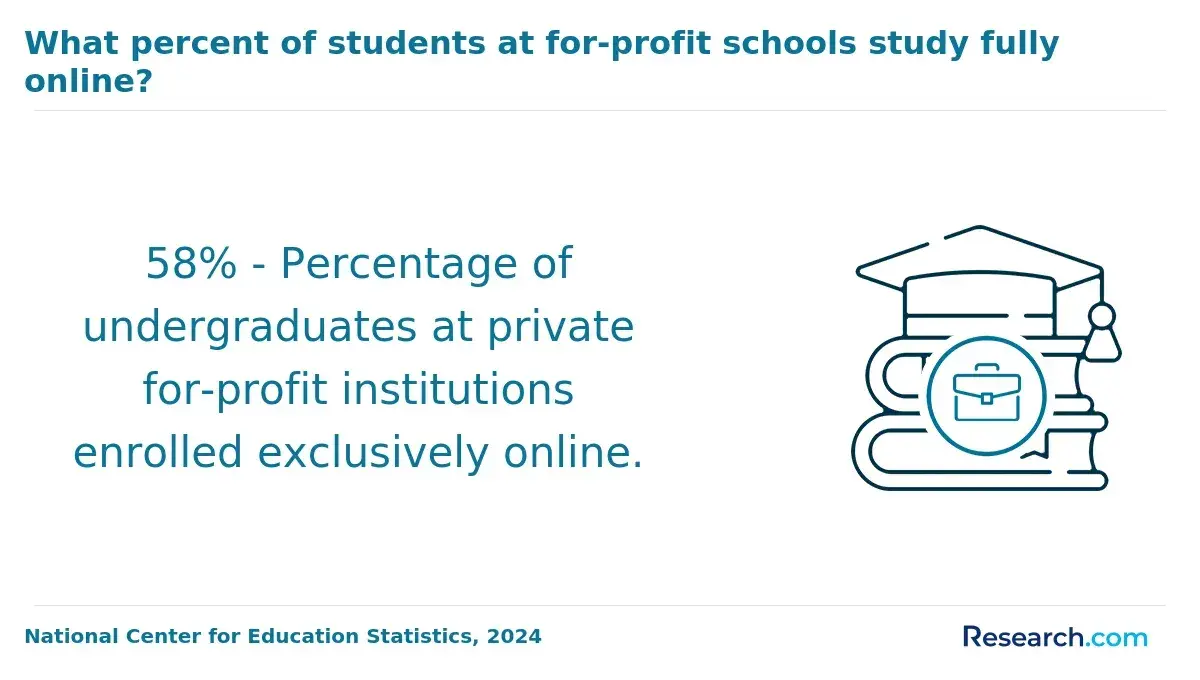
- For-Profit Institutions: Often leveraging flexible online formats, for-profit schools may have variable tuition trends influenced by market competition and regulatory scrutiny. While some can maintain stable pricing to attract working adults, they occasionally adjust tuition upward to support marketing efforts and technology investments needed for distance learning.
- Research-Intensive Universities: These universities charge premiums tied to their prestige and advanced research facilities that support evidence-based counseling practices. The integration of interdisciplinary resources and faculty-led clinical research contributes to higher costs, which can translate into steeper tuition hikes for specialized counseling degrees.
- Regional Colleges and Community Institutions: Typically showing slower tuition growth, these schools focus on accessible, applied training with streamlined program offerings. Their lower overhead and emphasis on serving local communities help contain price escalation, making them cost-effective options for adult learners balancing work and family commitments.
What Factors Are Driving Rising Costs in Marriage & Family Counseling Degree Programs?
Rising costs in marriage & family counseling degree programs reflect a complex interplay of institutional and economic pressures rather than a single straightforward cause. These programs increasingly face financial demands tied to their operational scope, including higher faculty salaries, expanded administrative roles, and enhanced student support services.
The growth in specialized clinical training required by accreditation bodies further complicates budgeting, as partnerships with healthcare providers necessitate significant coordination and resource allocation. This intricate cost structure is compounded by general inflationary trends impacting campus facilities and digital infrastructure, making tuition adjustments a multifaceted response to sustaining program quality and compliance in a competitive educational environment.
Key drivers pushing costs upward include shrinking state funding for public institutions, which compels many to lean more heavily on tuition revenue to cover essential expenses. Faculty compensation continues to rise, with salaries reported to grow at rates near 4.5% annually according to recent national education data, increasing program payroll obligations.
Administrative expansion to manage accreditation standards, student services, and clinical placements adds another layer of fixed and variable costs.
Additionally, investments in telehealth technology and simulation software, now integral to modern counseling curricula, demand ongoing financial commitment. These factors collectively influence tuition pricing behavior, with more than half of public institutions recently raising fees due to reduced governmental support, illustrating how external funding shifts directly translate into student cost burdens.
A recent graduate recalled the challenge of navigating the application timeline amid these financial pressures. With rolling admissions, they hesitated to commit early, weighing options while trying to secure affordable financing.
The uncertainty around program costs and potential tuition increases fostered a cautious approach, delaying submission of final materials despite strong qualifications. Only after a late acceptance and a clearer financial picture did they move forward, highlighting how evolving cost structures and institutional policies intersect with personal decision-making in marriage & family counseling educational pathways.
How Does Marriage & Family Counseling Tuition Growth Vary by State and Region?
Marriage & family counseling tuition growth exhibits considerable variation across U.S. states and regions due to divergent state funding models, institutional types, and local economic conditions. These differences shape how rapidly program costs rise, influencing affordability and access over time.
Areas with diverse higher education landscapes-combining public universities, private institutions, and specialized research centers-often see fluctuating tuition inflation reflecting their unique financial and competitive pressures. Such variability demands that prospective students carefully consider long-term cost implications in light of the evolving higher education finance systems affecting marriage & family counseling tuition inflation by region.
Key drivers behind state-level marriage & family counseling program cost increases include variations in state appropriations and public university funding formulas, which directly affect how much tuition must cover operational expenses. States with reduced state support for higher education generally compel institutions to raise tuition more aggressively, especially where regional labor markets show strong demand for counseling professionals.
Additionally, differences in cost of living and the density of private or research-intensive universities amplify these trends, as institutions in higher-cost regions like the Northeast and West can justify steeper tuition hikes based on their operational expenses and competitive positioning. Conversely, Midwestern states with more stable public funding and lower living costs typically report more moderate tuition growth, balancing institutional sustainability with affordability concerns.
These regional disparities have broader implications for student mobility and program selection, as tuition growth rates influence perceptions of return on investment and financial risk. Students weighing options across states must evaluate not only sticker price increases but also how local job markets, licensure requirements, and funding policies impact actual educational value and future earnings.
Affordability gaps tied to geographic location can limit access to high-demand counseling programs or push students toward alternative pathways, including those seen in growing sectors such as online medical assistant programs, which occasionally offer more predictable pricing structures. Understanding how these multifaceted factors play into regional variations helps stakeholders anticipate and adapt to shifting educational cost landscapes.
Are Online Marriage & Family Counseling Programs Becoming More Affordable Than Campus-Based Programs?
Recent data from the National Center for Education Statistics reveals that while tuition inflation for campus-based marriage & family counseling programs has risen by 5.1% over the last two years, fully online programs saw a more modest increase of 2.7%. This divergence signals a gradual shift in relative affordability favoring online formats, though the gap is far from uniform across institutions.
Differences in pricing strategies reflect distinct cost structures: traditional programs often carry escalating expenses tied to physical campus upkeep, centralized facilities, and in-person service delivery, whereas online offerings can leverage scalability and operational flexibility to temper price increases.
Several structural factors underpin these cost disparities. On-campus programs bear the burden of maintaining classrooms, labs, and student amenities, which inflate overhead costs and necessitate steady tuition growth.
Conversely, online marriage & family counseling degrees rely heavily on digital infrastructure, requiring upfront investment in learning management systems, video production, and ongoing platform maintenance, which can stabilize long-term expenses through economies of scale.
However, these savings may be offset by specialized instructional design needs, faculty training for virtual delivery, and enhanced remote student support services that are crucial for learner success but add layers of recurring costs. These dynamics suggest that affordability differences between online and campus programs reflect evolving institutional strategies more than temporary pricing fluctuations.
An alumna of a fully online marriage & family counseling master's program recalls hesitating during the rolling admissions cycle. She was unsure whether the lower visible tuition justified delaying her application while awaiting financial aid decision updates. Despite initial apprehension, she found that the transparent online fee structure and absence of ancillary campus costs allowed her to plan expenses more precisely.
Ultimately, the online path proved financially feasible without sacrificing critical clinical requirements. This pragmatic timing enabled her to navigate institutional complexities realistically. Her experience highlights how cost considerations in online programs extend beyond sticker price to encompass admissions timing and support resources.
How Have Financial Aid and Scholarships Changed as Marriage & Family Counseling Tuition Has Increased?
As tuition costs for Marriage & Family Counseling programs have surged beyond general inflation rates, financial aid and scholarship landscapes have responded unevenly. Institutions increasingly rely on expanding merit-based scholarships and targeted fellowships to attract competitive applicants, though these forms of aid often come with restrictive eligibility standards and limited award quantities.
While federal and state grants remain essential funding sources, their real value diminishes over time due to tuition hikes outpacing incremental increases in need-based aid such as Pell Grants. Some programs have introduced supplementary measures like practicum stipends and partial tuition offsets, yet these typically do not fully mitigate the growing out-of-pocket expenses students face.
The drivers behind these shifts include heightened competition among programs to enroll academically strong candidates and evolving federal and state financial aid policies that have not kept pace with price inflation. Institutions are increasingly adopting tuition discounting tactics focused on merit aid rather than broad-based need, which can intensify inequities by prioritizing high-performing students over those with more significant financial need.
Meanwhile, the limited growth in need-based funding relative to rising costs pressures students to combine multiple aid sources, such as federal loans, institutional scholarships, and private funds, to manage affordability. This complex interplay often results in stagnant or rising net prices despite nominal increases in total aid allotments.
These funding dynamics influence student decisions regarding program choice and enrollment intensity, with many balancing cost, time to degree, and financial aid availability against long-term career returns. Given that comprehensive aid packages rarely neutralize tuition inflation fully, students should anticipate ongoing debt burdens and consider part-time enrollment or graduate assistantships to offset expenses, acknowledging these may prolong degree completion.
The growth of specialized scholarships aimed at diversity and inclusion offers promising access avenues but covers a narrowing portion of the overall financial gap. Consequently, understanding the nuanced relationship between financial aid expansion and escalating tuition remains critical for assessing the investment value of Marriage & Family Counseling education pathways.
How Does Rising Marriage & Family Counseling Tuition Affect Student Debt After Graduation?
Rising tuition costs in marriage & family counseling programs significantly increase student borrowing levels, making loans a primary means to cover tuition, fees, and related educational expenses. As program expenses often rise faster than inflation and wage growth, students face escalating debt amounts upon graduation.
This trend is particularly pronounced given the moderate entry-level salaries typical in marriage & family counseling compared to other healthcare sectors, which places tighter constraints on borrowers' capacity to repay. Increasingly, students-including adult learners balancing work and family-must rely on a mix of federal, private, and personal loans, amplifying their overall debt burden as program costs climb.
These dynamics highlight how marriage & family counseling program cost increases and student loan repayment challenges are intertwined, shaping borrowing behavior in ways that extend beyond initial amounts borrowed.
Several factors intensify the impact of tuition inflation on graduate finance. Widening gaps between rising program costs and available financial aid often leave students funding more of their education through debt.
The discrepancy between public and private institution pricing further complicates affordability, with private programs generally charging more and thus producing heavier debt loads. Interest accumulation during study periods can substantially increase total debt, especially when repayment is deferred or extended.
Additionally, post-graduation income variations within marriage & family counseling fields influence repayment feasibility, with many graduates entering public or nonprofit sectors encountering salary limitations that amplify repayment strain. According to data from 2024 research sources, such structural financial challenges mean rising tuition costs do not just raise debt-they alter its long-term manageability and cost.
Consequently, heightened debt levels drive prolonged repayment periods, higher monthly payments relative to early-career earnings, and increased use of refinancing or income-driven repayment plans. These pressures contribute to psychological stress and may constrain career mobility if graduates feel compelled to prioritize higher-paying counseling roles over preferred specialties to manage loans effectively.
Awareness of these financial realities is crucial for those evaluating different educational pathways or considering 5-year accelerated speech pathology programs as alternatives or complementary options. Prospective and current students must weigh how tuition inflation impacts not only immediate affordability but also long-term career trajectories and financial goals in the marriage & family counseling landscape.
Do Higher-Cost Marriage & Family Counseling Programs Deliver Better Career Outcomes or Earnings?
Examining whether higher-cost marriage & family counseling programs deliver better career outcomes or earnings reveals a nuanced reality: program price alone is an unreliable predictor of employment success or salary growth.
Data from the U.S. Department of Education's 2024 College Scorecard highlights that many affordable programs yield early-career salaries and job placements comparable to, or sometimes exceeding, those from pricier counterparts. This calls into question assumptions about tuition inflation directly correlating with enhanced career trajectories in this field.
Key factors influencing employment outcomes extend beyond cost. Institutional prestige can matter but often takes a backseat to licensure alignment, internship pipelines, and employer partnerships that provide essential practical experience. Programs embedded in regions with strong industry networks or that offer specialized tracks may boost long-term career prospects regardless of sticker price.
Moreover, alumni networks and community-based practicum opportunities significantly affect job placement, underscoring the importance of tangible connections over program expense in shaping earnings impact of marriage & family counseling tuition inflation.
Prospective students must weigh financial investment against program features like licensure preparation, hands-on training, and local market fit to evaluate true return on investment. Considering these elements alongside tuition is critical to optimize career outcomes amid rising education costs.
For those exploring pathways in social sciences, comparing core program strengths and outcomes remains more informative than simply seeking higher-cost options. Additional context on affordability and degree options can be found in resources such as sociology bachelor degree online, which offer insight into related disciplines and educational choices.
What Do Current Tuition Trends Suggest About the Future Cost of a Marriage & Family Counseling Degree?
Current tuition trends for marriage & family counseling degree programs reveal a sustained upward trajectory in costs, outpacing general inflation and reflecting broader changes in higher education financing.
National Center for Education Statistics data from early 2024 show that tuition for counseling and social work graduate programs has risen by an average of 4.5% annually over the past five years. This historical growth suggests that future costs will continue their upward path, adjusted for inflation and institutional budgeting practices, making it critical for students to anticipate higher investment requirements over time.
Key drivers influencing tuition increases include intensified demand from both traditional college-age students and adult learners, as well as expanded program offerings that incorporate specialized tracks and experiential learning components. Many institutions have also increased investments in online education technology and student support services, particularly for part-time adult learners who often face premium pricing structures due to flexible or accelerated formats.
These funding dynamics, combined with shrinking public support in some regions, contribute to institutional decisions that press tuition upward despite broader economic uncertainties.
For prospective students, these trends underscore affordability challenges compounded by the slower growth of median counselor salaries relative to tuition inflation in many areas. Increasing costs may shift enrollment patterns toward non-degree credentials or continuing education alternatives, particularly among adult learners balancing career and financial constraints.
Understanding these nuanced tuition projections allows students to more accurately assess return on investment and the practical affordability of marriage & family counseling degree pathways.
References
- Most Affordable Online MFT Programs for 2025 https://www.onlinemastersdegrees.org/most-affordable/mft-programs/
- How Much Is Family Counseling? Breakdown and Important Insights https://ccanorthtexas.com/how-much-is-family-counseling/
- Our List of the Most Affordable Online MFT Programs https://www.edumed.org/online-schools/marriage-and-family-therapy-mft-programs/most-affordable/
- How college tuition inflation has impacted college costs https://finance.yahoo.com/news/college-tuition-inflation-cost-college-221647962.html
- How Much Does Marriage Counseling Cost? https://www.growingself.com/how-much-does-marriage-counseling-cost/
- Divorce Rates and the Need for Marriage and Family Therapists https://www.tuw.edu/school-news/divorce-rates-marriage-and-family-therapists/
- Cost of family therapy by state https://cost.sidecarhealth.com/c/family-therapy-cost
- How Much Does Couples Therapy Really Cost (And How To Make It Worth Every Penny) A Helpful Guide | Marriage & Family Institute https://marriageandfamilyinstitute.net/blog/how-much-does-couples-therapy-really-cost-and-how-to-make-it-worth-every-penny-a-helpful-guide/
- Affordable MFT programs | edX https://www.edx.org/masters/psychology/online-mft-programs/affordable
- Master's in Marriage and Family Therapy: What Are We Fit For? - Family Therapy Magazine https://ftm.aamft.org/masters-in-marriage-and-family-therapy-what-are-we-fit-for/
Other Things You Should Know About Marriage & Family Counseling
When considering rising tuition costs, it is critical to evaluate program duration and workload relative to price increases. Programs with compressed timelines or higher credit requirements often push students to pay more upfront but might reduce the total time to degree completion.
Students should prioritize programs where the tuition inflation does not disproportionately increase per credit hour or semester, especially if extended enrollment risks greater accumulated costs and opportunity loss. A modestly higher tuition but a shorter, more intensive curriculum can sometimes offer better value by accelerating entry into the workforce.
Tuition inflation has pressured many programs to reconsider resource allocation between classroom instruction and fieldwork supervision. As costs rise, programs may limit hands-on practicum hours or reduce access to quality supervision, impacting skill development and employment readiness.
Students should investigate whether higher tuition correlates with preserved or expanded clinical training opportunities, as real-world counseling experience strongly influences employer preference and licensure success. Prioritizing programs that maintain robust practical components despite inflation often yields stronger career outcomes.
Higher tuition can intensify the financial strain on students who rely on internships or part-time study to balance earning income with education. Since counseling programs typically require extensive clinical hours, students forced to reduce work hours may face higher overall costs through lost wages or added debt.
Tuition inflation thus complicates carefully budgeting time and income, making programs with flexible scheduling or financial planning resources more practical choices. Prospective students should assess whether the program's structure supports manageable workload balance alongside rising costs.
Increasing tuition costs do not necessarily align with evolving employer standards for certification or continuing education in marriage & family counseling. Some higher-cost programs may cover more recent licensure requirements or offer direct access to post-degree credentials, while others inflate prices without meaningful alignment to job market demands.
Students should weigh whether tuition hikes correspond to enhanced preparation for credentialing exams, or if lower-cost alternatives supplemented by targeted external training could meet employer expectations more cost-effectively. Strategic selection based on credential relevance rather than price alone can improve long-term return on investment.