2027 Marriage & Family Counseling Degree Completion Rates by Format: Online, Hybrid, and Campus Programs Compared

Co-Founder and Chief Data Scientist
Choosing between online, hybrid, or campus formats to complete a marriage & family counseling degree presents a critical challenge for many prospective students. Each option offers distinct benefits and demands, from the flexibility of online learning to the structured environment of traditional campus settings. Yet, these differences extend beyond convenience, directly affecting a student's ability to persist and finish the program.
Key Things to Know About Marriage & Family Counseling Degree Completion Rates by Format
- Completion rates for campus-based marriage & family counseling programs average around 75%, reflecting structured environments that support sustained engagement and peer collaboration, which often translate into stronger clinical skill development.
- Hybrid formats show slightly lower completion rates, near 68%, as they require balancing asynchronous learning with in-person obligations, demanding high self-regulation and effective time management from students.
- Online programs report roughly 60% completion rates, indicating challenges with fewer direct faculty interactions and reduced cohort cohesion; this can impact practical training crucial for counseling competencies.
- Key Things to Know About Marriage & Family Counseling Degree Completion Rates by Format Key Things to Know About Marriage & Family Counseling Degree Completion Rates by Format
- How Do Completion Rates Compare Across Online, Hybrid, and Campus Marriage & Family Counseling Programs? Completion Rate Comparison
- What Factors Have the Greatest Impact on Marriage & Family Counseling Degree Completion? Degree Completion Factors
- Which Marriage & Family Counseling Degree Format Is Hardest to Complete? Completion Difficulty
- How Does Each Marriage & Family Counseling Learning Format Affect Student Success? How Does Each Marriage & Family Counseling Learning Format Affect Student Success?
- How Does Enrollment Status Affect Marriage & Family Counseling Completion Rates? How Does Enrollment Status Affect Marriage & Family Counseling Completion Rates?
- Can Transfer Credits Improve Marriage & Family Counseling Degree Completion? Transfer Credits
- What Student Support Services Improve Marriage & Family Counseling Completion Rates? Student Support Services
- How Do Marriage & Family Counseling Completion Rates Affect Career Outcomes? Impact on Career Outcomes
- How Should Students Choose the Best Marriage & Family Counseling Learning Format? Choosing the Best Format
- What Are the Long-Term Pros and Cons of Each Marriage & Family Counseling Learning Format? Learning Format Pros & Cons
How Do Completion Rates Compare Across Online, Hybrid, and Campus Marriage & Family Counseling Programs?
Completion rates for marriage and family counseling degree programs serve more as reflections of student populations than direct measures of program quality. Factors such as learners' life circumstances, prior academic experience, and motivations heavily influence these statistics. For instance, campus programs often enroll more traditional, full-time students with fewer external obligations, which can contribute to higher completion percentages compared to fully online formats.
Differences in completion rates between online, hybrid, and campus formats frequently stem from varying demands on students' time and access to resources. Online learners, juggling work and family, benefit from flexibility but may face challenges like isolation or less immediate academic support. Hybrid programs offer a compromise-combining remote coursework with face-to-face interaction-that can better engage students while accommodating practical training needs essential in marriage and family counseling. Ultimately, student success hinges on balancing enrollment intensity, scheduling flexibility, and the ability to leverage available support regardless of format.
Prospective students should view completion rates alongside their personal learning preferences, external responsibilities, and career objectives to choose the format best suited for their success. Those needing structured environments with direct faculty access might favor campus options, while individuals requiring adaptability might lean toward hybrid or online routes. Exploring comparable fields, such as online FNP programs, reveals similar patterns where persistence correlates closely with personal circumstance and institutional support rather than delivery mode alone.
What Factors Have the Greatest Impact on Marriage & Family Counseling Degree Completion?
Degree completion in marriage & family counseling programs hinges on more than individual motivation; it requires a complex balance of personal circumstances, academic preparation, and institutional resources. Success depends on a student's ability to navigate these interacting factors, which can either support or hinder their persistence through the curriculum. Completion rates vary notably by learning format, but the strongest influences are often the underlying conditions that shape a student's experience rather than the format itself. The following key factors frequently determine whether students finish their marriage & family counseling degrees and reach their professional goals.
- Academic preparedness and foundational skills: Students entering with strong critical thinking, writing, and research skills typically navigate course demands more effectively. Those lacking these skills, particularly in rigorous graduate counseling programs, risk falling behind without early academic support. Strengthening study habits and seeking tutoring can bolster completion prospects.
- Financial stability and access to aid: Economic challenges are a major barrier, especially for fully online students who might face limited financial counseling and emergency aid. Students with stable funding sources and informed financial planning are more likely to persist through costly, multi-year programs.
- Quality and availability of academic advising: Proactive advising helps students plan coursework, manage clinical practicum placements, and stay on track for graduation. Programs with integrated career services and robust mentorship typically see higher completion rates because students feel guided and connected.
- Social engagement and peer support networks: The demand for in-person interaction is a key difference among online, hybrid, and campus formats. Students isolated in fully virtual environments often struggle with motivation and retention. Those who cultivate study groups or tap into social resources fare better in maintaining momentum.
- Time management and competing responsibilities: Many marriage & family counseling students juggle work, family, and school commitments. Effective time management skills are critical, particularly in self-paced online programs where flexibility can also lead to procrastination. Structured schedules and prioritization strategies enhance completion odds.
- Availability of mental health and wellness resources: The emotional intensity of counseling studies demands comprehensive student support services. Access to counseling and wellness programs helps students cope with stress and avoid burnout, directly impacting degree completion.
- Format flexibility matching student lifestyles: Hybrid formats tend to offer an optimal balance by combining the engagement benefits of campus sessions with online convenience. Students selecting formats aligned with their schedules and learning preferences tend to persist better through program demands.
For example, a working parent enrolled in an online marriage & family counseling program may experience difficulty completing courses without nearby peers or regular face-to-face mentoring. However, if their program offers strong academic advising and accessible mental health resources, they can establish a structured routine and receive timely support that offsets feelings of isolation. This practical mix of factors often proves more consequential than motivation alone. Considering the impact of learning formats on counseling degree graduation success alongside these individual and institutional factors can guide students toward choices that improve their chances of finishing.
National data from the National Center for Education Statistics shows that degree completion is most strongly predicted by a blend of academic readiness, financial security, and institutional support, regardless of whether students attend online, hybrid, or campus programs. Prospective students must weigh these factors carefully rather than focusing solely on format convenience. Those who proactively address these challenges find higher success rates, reflected in enhanced completion and long-term employability outcomes within marriage & family counseling careers. For those exploring flexible options, reviewing offerings at self paced online college programs can provide insights into how different formats cater to diverse needs and risks.
Which Marriage & Family Counseling Degree Format Is Hardest to Complete?
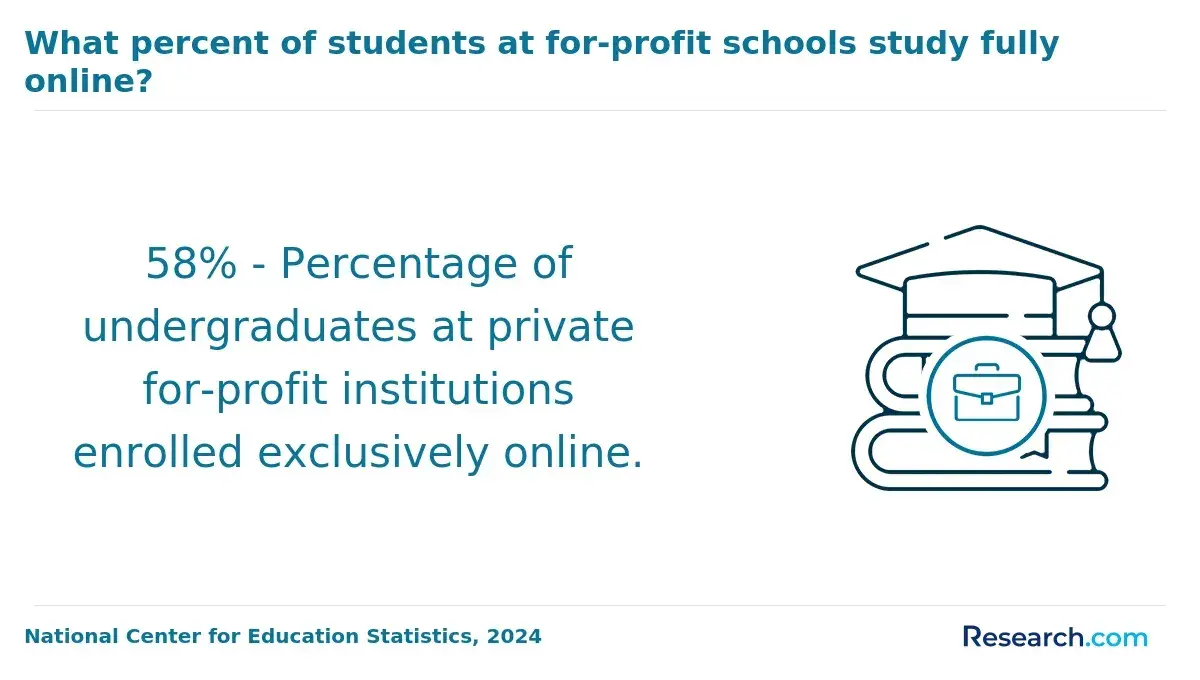
Completion rates for marriage & family counseling degree programs vary notably by delivery format, with fully online options generally showing lower persistence. According to 2024 data from the National Center for Education Statistics, online formats lag approximately 10 to 15 percentage points behind campus-based programs, primarily due to diminished social interaction and structured accountability. Hybrid programs fall between these extremes, offering a blend of flexibility and face-to-face engagement that supports retention without the constraints of full-time campus attendance.
Campus programs achieve the highest completion rates, often surpassing 70%, aided by their immersive environments and accessible campus resources. Yet, these formats can pose challenges for students balancing geographical or scheduling limitations. Choosing the "hardest" format to complete depends heavily on individual circumstances-while online learners wrestle with isolation and time management, campus students confront logistical hurdles. Hybrid models provide compromise but may still require navigating complex schedules and self-motivation.
A graduate who pursued a hybrid marriage & family counseling degree recalled struggling early on with the competing demands of work, family, and in-person session obligations. Initially hesitant about committing to on-campus meetings, they found that these regular face-to-face encounters offered crucial motivation and mentorship absent from their prior fully online experience. Although the hybrid format required meticulous planning and occasional stress, this structure ultimately provided a manageable balance between flexibility and engagement, allowing the graduate to persist through moments when purely online options felt isolating and "too easy to pause."
How Does Each Marriage & Family Counseling Learning Format Affect Student Success?
Student success in marriage & family counseling degree programs hinges less on the mode of instruction itself and more on how well the learning format aligns with individual study habits, time availability, and life demands. For example, a working parent juggling family responsibilities might find campus programs impractical despite their proven effectiveness. Conversely, a self-directed learner with strong time management may thrive in a fully online program, even if overall completion rates are lower in that format. Recent data from the National Center for Education Statistics and the National Student Clearinghouse Research Center (2024) indicates campus-based programs achieve the highest graduation rates, followed by hybrid, with fully online formats trailing but gradually improving. Below are key factors shaping student success across these formats.
- Structured Academic Environment: Campus programs offer consistent, scheduled classes and in-person accountability, which benefit students needing clear routines. This environment fosters direct faculty interaction and peer collaboration, which can drive persistence among those less likely to manage independent study.
- Flexibility for Nontraditional Students: Online programs provide unmatched flexibility, accommodating students balancing work, childcare, or other commitments. However, this freedom requires high self-motivation and time-management skills, or students risk disengagement and increased attrition.
- Quality and Accessibility of Support Services: In-person students often have immediate access to academic advising, counseling, and tutoring, while online learners may face delays or limited availability despite virtual support improvements. Effective advising in hybrid programs enhances retention through periodic direct contact.
- Peer Interaction and Cohort Cohesion: Hybrid and campus formats facilitate stronger social bonds and peer learning, which sustain motivation and accountability. Fully online programs struggle to replicate these dynamics, potentially impacting students who rely on social engagement.
- Technology Proficiency and Resource Availability: Online learners must navigate digital platforms confidently and manage technical issues independently, which can pose barriers. Campus students benefit from onsite tech support and infrastructure, easing the learning experience.
- Balance of Personal Responsibility and Structure: Hybrid models strike a middle ground by blending face-to-face interaction with remote work, appealing to students who seek flexibility without sacrificing external accountability. This format can particularly aid those returning to education after a long hiatus.
How Does Enrollment Status Affect Marriage & Family Counseling Completion Rates?
Enrollment status remains one of the most influential factors affecting marriage & family counseling degree completion rates, but its impact extends beyond simply the number of courses a student takes. Whether full-time or part-time, individual circumstances such as work commitments, family obligations, and program format shape how enrollment affects graduation outcomes. Recognition of these nuances allows prospective students to select an enrollment pace aligned with their capacity to persist and succeed. Below are key ways enrollment status shapes degree completion.
- Academic immersion intensity: Full-time students typically engage more deeply with coursework due to a concentrated schedule. This immersion fosters stronger momentum toward completion, especially in demanding marriage & family counseling curricula. Students who can dedicate substantial weekly hours often benefit most from this intensive approach.
- Flexibility vs. structure tradeoff: Part-time enrollment favors students balancing work or family by offering scheduling flexibility. Online and hybrid formats enhance this option, enabling learners to adjust study times around responsibilities. However, less structured pacing can lead to reduced academic immersion, impacting long-term retention.
- Scheduling challenges in hybrid and campus formats: Part-time students face distinct barriers where rigid on-campus session requirements exist. Hybrid programs blend online and in-person elements, but mandatory face-to-face meetings can complicate scheduling, often placing part-time enrollees in a similar risk category for attrition as campus-based students.
- Resource accessibility and support utilization: Full-time students often access institutional resources more readily, such as advising and counseling services, which assist in navigating program hurdles. Part-time students with limited campus presence may miss timely support, potentially slowing degree progress in marriage & family counseling.
- Time-to-degree implications: Data from the National Center for Education Statistics indicates full-time students graduate at rates nearly 30% higher within standard timeframes compared to part-time counterparts. Extended program duration in part-time paths increases exposure to life events that can disrupt progression.
- Practical application and experiential learning: Intensive full-time enrollment better aligns with immersive practicum placements integral to marriage & family counseling training. Part-time students may experience delays securing these critical hands-on opportunities, which can impede licensure readiness and career entry.
- Personal circumstance adaptation: Prospective students must realistically assess their external obligations and choose enrollment status accordingly. For example, a working professional with caregiving duties may prioritize part-time online study despite the longer timeline, accepting completion tradeoffs for flexibility.
These factors frame the impact of enrollment status on marriage & family counseling degree completion rates by enrollment status. Selecting full-time or part-time paths involves balancing momentum, flexibility, resource access, and time to degree, all affecting graduation outcomes and eventual workforce integration. Prospective students should consider these dynamics alongside their individual life context and goals to optimize educational planning.
For those considering flexible pathways that support balancing multiple responsibilities, exploring options such as an MBA healthcare management program online may provide insights into structuring advanced degrees under similar constraints.
Can Transfer Credits Improve Marriage & Family Counseling Degree Completion?
Transfer credits can meaningfully shorten the time required to complete a Marriage & Family Counseling degree, but their effectiveness hinges on several nuanced factors. By applying previously earned credits-whether from earlier college courses, military training, or professional development-students may bypass repetitive introductory classes and focus on advanced material. For example, a student entering a hybrid program with 30 transfer credits could reduce their course load by nearly a third, enabling faster progression through the curriculum compared to those starting without credits. However, this advantage depends on the transferability and relevance of those credits toward the specific program requirements.
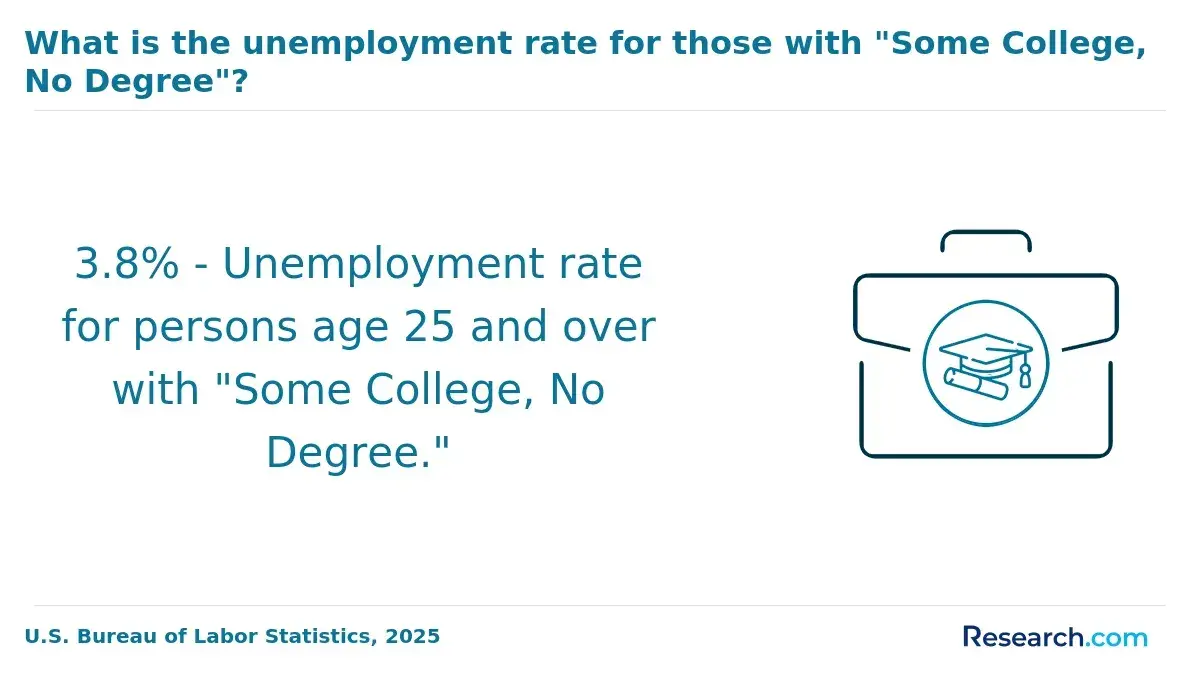
Institutional transfer policies vary notably between campus, hybrid, and online formats. Campus-based programs often enforce stricter limits on how many credits can be accepted, which may diminish time-saving opportunities despite offering in-person academic support. Conversely, online and hybrid programs tend to more readily incorporate transfer credits, reflecting a broader recognition of diverse learner backgrounds and prior experiences. According to 2024 data from the National Center for Education Statistics, students who transfer credits graduate up to 30% faster, and programs with more transfer-friendly policies report a 15% higher overall degree completion rate compared to their more restrictive counterparts.
Transfer credits improve completion odds by aligning prior learning with current degree requirements, but this is not automatic. Effective academic advising is essential to avoid issues with non-equivalent courses or unmet prerequisites that could delay graduation. Prospective students should request official credit evaluations and carefully compare how many credits they still need relative to their planned enrollment pace. For example, a student who anticipates working full time should confirm whether their transfer credits sufficiently reduce course load to maintain steady progress without burnout.
Ultimately, transfer credits represent one important lever among several influencing graduation success in Marriage & Family Counseling programs. While they frequently ease financial and time constraints, students must assess institutional policies, program formats, and personal circumstances to determine if credit transfer will genuinely accelerate their path to degree completion.
What Student Support Services Improve Marriage & Family Counseling Completion Rates?
Completion rates for marriage & family counseling degrees vary notably depending on how well student support services align with the learning format-online, hybrid, or campus. These services serve as critical scaffolding that helps students navigate academic and personal challenges, directly influencing whether they persist through to graduation. Evidence from 2024 EDUCAUSE and National Center for Education Statistics data confirms that students who utilize robust support systems improve their likelihood of finishing by double-digit percentages. Key support mechanisms that positively impact degree completion include the following.
- Proactive academic advising: Timely, individualized advising enables students to map out course sequences effectively and preempt obstacles that could cause delay or withdrawal. Face-to-face advising benefits campus learners through personal rapport, while virtual advising combined with prompt communication channels supports online and hybrid students. Frequent advisor contact correlates with a 15-20% increase in graduation rates.
- Accessible mental health counseling: Given the emotionally intense nature of marriage & family counseling studies, mental health services are vital. Online students rely on teletherapy to counter feelings of isolation, while hybrid models can blend in-person visits with remote support. Campus students may have easier physical access yet face stigma, making confidential counseling programs essential. Availability of such services can raise persistence by up to 12%.
- Peer mentoring and cohort engagement: Social integration through mentoring and group activities enhances retention by building a sense of belonging. Campus students have direct networking advantages; hybrid programs leverage both online and occasional in-person meetups, but online learners need structured, instructor-facilitated interactions to replicate these effects.
- Technology assistance and platform reliability: For online and hybrid students, uninterrupted access to learning platforms and prompt tech support prevent frustration and disengagement that often lead to dropout. Dependable technology infrastructure is thus a fundamental factor for remote learners' success.
- Career and licensure guidance: Supporting students in understanding licensure requirements and career pathways specific to marriage & family counseling prevents confusion and helps maintain motivation by linking coursework to real-world professional goals.
- Flexible scheduling and accommodations: Hybrid and online formats benefit from services that allow adjustments for work, family, or unexpected life events, which can otherwise derail progress.
An experienced online marriage & family counseling graduate recalls struggling midway through the program when balancing a full-time job and caregiving duties. What made the difference was accessible academic advising that helped reorganize her course load and mental health counseling that provided strategies for managing stress remotely. The peer mentoring groups, though initially daunting, became a crucial support network, offering shared perspectives on managing the unique challenges of online learning. Without these layered supports tailored to the online format, her decision to continue instead of pausing or dropping out felt uncertain-but with them, her completion felt achievable rather than hypothetical.
How Do Marriage & Family Counseling Completion Rates Affect Career Outcomes?
Completion rates in marriage & family counseling degree programs critically shape long-term career outcomes by influencing licensure eligibility, employment stability, and advancement opportunities. Students who persist to graduation often find smoother transitions into professional roles, while those who exit prematurely face barriers, including delays in meeting state-specific credentialing requirements. A notable 2024 study from the National Center for Education Statistics found that graduates with completed bachelor's degrees are 25% more likely to secure employment within six months compared to those who do not finish. The following points illustrate key ways completion impacts career success for prospective students weighing online, hybrid, or campus formats.
- Licensure and Professional Eligibility: Degree completion is essential to fulfilling the state-mandated educational prerequisites for licensure exams and supervised clinical hours. Without the diploma, students cannot progress to these critical milestones, resulting in delayed entry to counseling practice. Those in structured campus programs or well-supported hybrid models often navigate these requirements more efficiently.
- Employment Stability and Starting Salaries: Graduates holding complete marriage & family counseling credentials tend to experience more stable employment and command higher entry-level salaries. This correlation reflects employer preferences for candidates who have demonstrated persistence and mastery through successful program completion rather than mere enrollment.
- Advanced Education and Career Mobility: Completing the degree significantly increases the likelihood of pursuing graduate education, which opens access to specialized roles and supervisory positions. Students planning long-term careers in healthcare or social services benefit most from programs that emphasize degree completion as a pathway to further academic and professional milestones.
- Adaptability to Delivery Formats: Completion rates differ across online, hybrid, and campus programs, impacting career outcomes accordingly. While campus formats generally yield higher completion due to fixed schedules and resource access, flexible online and hybrid models offer advantages for working adults, though they require strong self-discipline and peer engagement strategies.
Understanding how these factors connect to real-world situations is critical. For example, a student balancing full-time work and family may opt for a hybrid program but must proactively leverage support services to avoid persistence challenges. Additionally, professionals seeking acute care NP certification illustrate the interplay between targeted credentials and specialized clinical education, underscoring how completion in a focused program enhances competitiveness in allied health fields.
Integrating completion data into decision-making helps prospective students realistically assess their ability to meet program demands and align their educational paths with career objectives in marriage and family counseling degree completion rates impact on career success.
How Should Students Choose the Best Marriage & Family Counseling Learning Format?
Selecting the most effective learning format for a marriage & family counseling program requires analyzing how different educational delivery modes align with personal and professional realities. Data from higher education research in 2024 emphasizes that student success and degree completion rates significantly reflect the match between the chosen format and individual circumstances. For example, a working parent with limited daytime availability may struggle with purely on-campus schedules but thrive in hybrid models that blend flexible online coursework and scheduled campus interactions. The following points highlight crucial factors to consider when choosing the best marriage and family counseling program format.
- Self-discipline and Time Management: Online programs demand strong self-regulation as students must balance coursework amid distractions. Without effective time management skills, attrition rates tend to rise. Prospective students should honestly assess their ability to work independently before opting for fully online formats.
- Access to Experiential Learning: Practical skill development, critical in marriage & family counseling, often requires hands-on opportunities more readily available in campus and hybrid settings. Programs offering fieldwork or supervised practice improve employability long-term.
- Work and Family Commitments: Adult learners juggling employment or caregiving responsibilities frequently benefit from the flexibility of hybrid or online formats. Aligning program schedules with these obligations reduces stress and supports persistence.
- Community Interaction and Support: Campus-based programs facilitate peer networking and faculty mentorship, which enhance motivation and accountability. Students valuing in-person relationships may complete their degrees more successfully in these environments.
- Student Age and Academic Background: Younger, full-time students may excel in immersive campus settings, while older students with prior education or work experience might find hybrid or online formats more accommodating to their learning preferences.
- Long-term Career Preparation: The ability to apply theory through supervised practice often correlates with better outcomes in hybrid or campus programs, impacting readiness for licensure and employment in counseling roles.
- Program Reputation and Resources: Evaluating the quality and support services of a marriage & family counseling program-including those specializing in communication sciences and disorders programs-can help students identify formats that maintain rigorous standards regardless of delivery mode.
What Are the Long-Term Pros and Cons of Each Marriage & Family Counseling Learning Format?
Choosing between online, hybrid, and campus formats for a marriage & family counseling degree shapes not only how students learn but also their odds of completing the program and succeeding professionally. Data from the National Center for Education Statistics and the Online Learning Consortium highlight distinct patterns in completion rates and career preparedness. Here are key long-term considerations students should keep in mind when evaluating these learning formats:
- Completion Rates and Accountability: Campus programs show higher completion rates due to structured schedules and direct faculty engagement, benefiting learners who thrive with routine and in-person support.
- Flexibility for Non-Traditional Students: Online formats offer unmatched scheduling freedom, ideal for those balancing work or family, but they may experience isolation and slower progress without immediate feedback.
- Balanced Engagement and Accessibility: Hybrid programs combine online convenience with occasional in-person interactions, supporting both flexibility and hands-on practice, though they require managing logistics around campus visits.
- Skill Development for Client Interaction: Campus learning fosters direct client engagement skills, crucial for clinical counselors, while online students might need extra effort to gain equivalent practical experience.
- Technology and Resource Demands: Hybrid and online students must navigate technology requirements and possibly inconsistent access, potentially disrupting learning continuity if not well supported.
- Long-Term Career Impact: Graduates from campus and hybrid programs often report stronger readiness for counseling roles requiring face-to-face interaction, whereas online graduates benefit from adaptable skillsets suited to remote or evolving settings.
References
- Online Master's in Marriage and Family Therapy https://onlinecounselingprograms.com/online-counseling-degrees/online-mft-masters-programs/
- Master's in Marriage and Family Therapy Degree Guide https://www.counselingdegreeguide.org/degrees/marriage-family-therapy/
- Master’s in Marriage and Family Therapy: What Are We Fit For? - Family Therapy Magazine https://ftm.aamft.org/masters-in-marriage-and-family-therapy-what-are-we-fit-for/
- Family Therapy: Principles, Models, Techniques, Pros and Cons - Better Life Recovery https://www.betterliferecovery.com/therapy/family/
- What Types of Marriage Counseling Are Most Effective for Lasting Relationships — Pivotal Counseling, LLC https://www.pivotalcounseling.com/blog/effective-marriage-counseling-types
- Online MFT Programs - Master’s in Marriage and Family Therapy Programs https://www.onlineeducation.com/counseling/mft-programs
- What type of therapist is best for marriage counseling? | Brian Heydon - Kansas City therapist https://brianheydon.com/what-type-of-therapist-is-best-for-marriage-counseling/
- [PDF] The Impact of Marriage and Family Therapy Training on Students ... https://digitalcommons.luthersem.edu/cgi/viewcontent.cgi
- Best Online Marriage and Family Therapy Master’s Programs for 2025 https://www.onlinemastersdegrees.org/best-programs/counseling/marriage-and-family-therapy-mft/
- [PDF] The Impact of Counselor Education Training on Student-Parents https://www.pacounseling.org/aws/PACA/asset_manager/get_file/113397
Other Things You Should Know About Marriage & Family Counseling
The higher level of direct interaction and scheduled sessions in campus marriage & family counseling programs often supports steady academic progress, reducing dropout risks tied to procrastination. However, this structure can also increase pressure for students juggling work or family, sometimes leading to withdrawals. Prospective students who need strict accountability and thrive on in-person engagement tend to benefit in completion rates from campus formats, but those requiring flexibility might see better persistence online despite fewer live interactions.
Hybrid marriage & family counseling students must navigate the demands of both online self-discipline and in-person commitments, which can complicate time management. The need to coordinate schedules for occasional campus visits while sustaining online coursework increases logistical complexity potentially lowering completion rates if support is weak. For candidates balancing professional and personal obligations, hybrid programs demand rigorous planning; thus, prioritizing schools with strong integration of their modalities can improve the likelihood of finishing.
Yes. Many employers in marriage & family counseling prioritize graduates with demonstrated client interaction skills, often more readily available in campus and hybrid programs that embed practicum settings. Online-only programs that lack robust, supervised hands-on components may extend time to completion due to additional requirements or limit employability post-graduation. Thus, students should weigh how format-related experiential opportunities align with local licensing standards and employer preferences to avoid delayed career progression.
Students employed full-time commonly find online programs more adaptable, improving completion odds through asynchronous learning that fits irregular schedules. However, the isolation from peers and faculty may reduce motivation and increase the risk of withdrawal without proactive engagement strategies. Campus and hybrid setups typically imply set class times and additional commute demands, raising dropout risk but also providing clearer structure. Therefore, working adults should prioritize formats offering flexible pacing combined with accessible support networks to optimize completion chances.