2027 Best Online Environmental Science Degree Master's Programs for Working Professionals

Co-Founder and Chief Data Scientist
Balancing career advancement with ongoing employment remains a significant challenge for professionals seeking a master's degree in environmental science. Nearly 60% of prospective students cite work commitments and program rigidity as primary barriers to enrollment. Meanwhile, demand for environmental science experts is projected to grow 8% through 2032, intensifying competition for flexible, accredited programs. This article addresses these obstacles by examining key factors such as admission criteria, curriculum design, cost, and program flexibility. It also evaluates career outcomes and support services to guide working professionals toward selecting an online environmental science master's program that fits their unique goals and schedules.
Key Things to Know About the Best Online Environmental Science Degree Master's Programs for Working Professionals
- Eligibility typically requires a bachelor's degree with relevant coursework; application procedures often involve submitting transcripts, resumes, and letters of recommendation to assess professional and academic readiness.
- Programs offer flexible, part-time structures with asynchronous courses designed to accommodate work schedules while emphasizing core environmental science competencies and research skills.
- Comparing cost, accreditation, faculty expertise, career services, and alumni outcomes helps identify programs that balance affordability, reputation, and effective career advancement support for working professionals.
What Are the Best Online Environmental Science Master's Programs Available for Working Professionals Today?
Working professionals seeking career advancement in environmental science benefit from programs that offer flexibility, rigorous academics, and practical skill development. Employment for environmental scientists and specialists is expected to grow 8% from 2022 to 2032, reflecting growing opportunities in sustainability and policy-related fields. Below is a focused list of top accredited environmental science graduate programs online, carefully selected for their delivery formats, reputations, and outcomes.
- Johns Hopkins University Environmental Science: This part-time online Master of Science emphasizes data analytics and policy. The curriculum is project-based, promoting applied learning, and supported by a strong alumni network that aids career progression.
- Colorado State University Environmental Science: CSU offers an asynchronous program tailored for full-time professionals, covering ecological science and environmental management with a comprehensive curriculum.
- University of Florida Environmental Science: Providing full online MS degrees with specialization in environmental policy and public health, UF is renowned for research excellence and robust career support services.
- Northeastern University Environmental Science: This program blends online coursework with optional experiential learning locally, leveraging industry partnerships for internships and networking geared toward working adults.
- Oregon State University Environmental Science: Featuring a flexible, cohort-based design, OSU focuses on natural resource management and sustainability science while encouraging collaboration among peers.
These programs were selected based on national accreditation, curriculum relevance, faculty expertise, and outcomes such as graduate employment and salary growth. Their varying delivery methods align well with the needs of professionals balancing work and studies. Those considering the best online environmental science master's programs for working professionals should also explore financial aid options and evaluate faculty credentials and student support. Additionally, examining affordability can be enhanced by looking at related fields such as an AI online degree to understand cost structures and financial planning strategies.
What Accreditation Standards Should an Online Environmental Science Master's Program Meet?
Accreditation is essential for ensuring that an online environmental science master's program meets rigorous academic standards, enhancing credential recognition, employer acceptance, and eligibility for federal financial aid. With employment for environmental scientists projected to grow 8% from 2022 to 2032, choosing an accredited program is more important than ever. Here are key accreditation considerations for prospective students:
- Regional Accreditation: This verifies the overall quality and governance of an institution, typically from bodies like the Southern Association of Colleges and Schools Commission on Colleges (SACSCOC) or the Higher Learning Commission (HLC). Regional accreditation ensures credits transferability and access to federal aid, crucial for students pursuing accredited online environmental science master's degrees in the US.
- Specialized Accreditation: While environmental science programs rarely have their own specialized accreditors, STEM-related accreditations can indicate program rigor and relevance.
- Verification Resources: Students should confirm accreditation status using the U.S. Department of Education's database or the Council for Higher Education Accreditation (CHEA) directory to avoid diploma mills and unaccredited institutions.
- Red Flags: Warning signs include missing accreditation information on websites, unusually low tuition without transparent fees, unrealistic program timelines, and pressure tactics to enroll.
- Program Selection Advice: Carefully evaluate schools based on faculty credentials, student support, and alumni outcomes, and compare costs and flexibility to find the best fit. For professionals seeking efficient advancement, exploring options like one year MSW programs can also be insightful for comparison in accelerated degree structures.
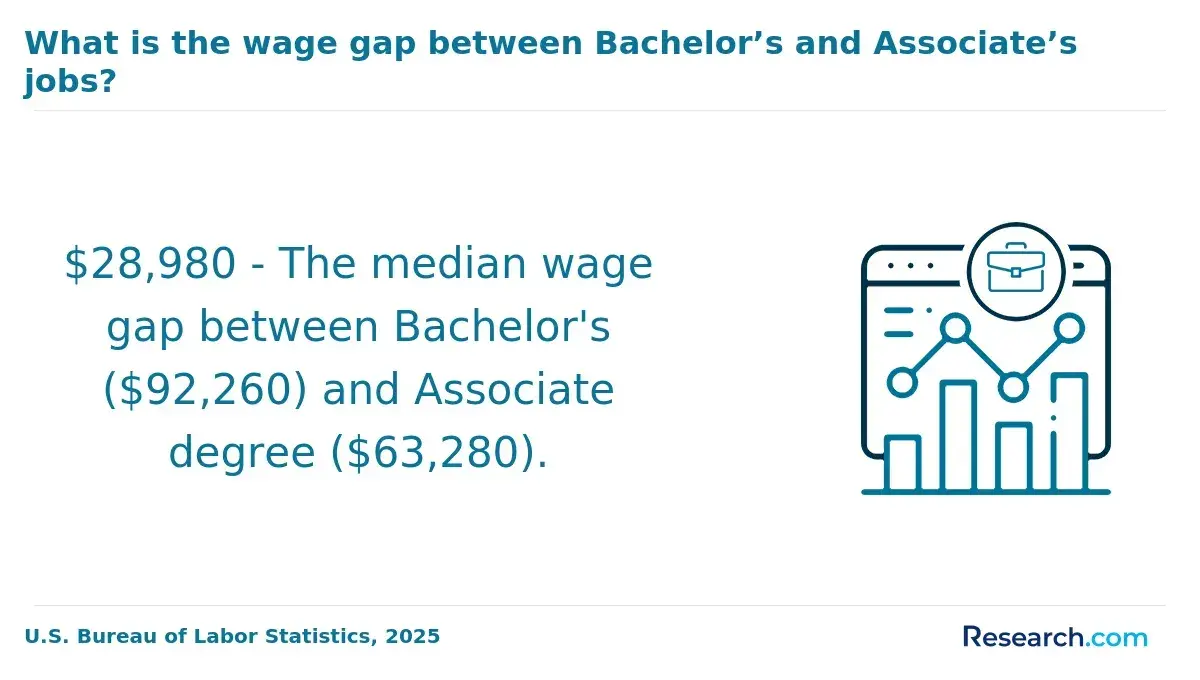
What Is the Minimum GPA Requirement for an Online Environmental Science Master's Program?
For working professionals aiming to advance their careers through an online environmental science master's degree, knowing admission GPA requirements helps set realistic expectations and optimize application strategies. A 2023 survey by the Council of Graduate Schools found that about 65% of these programs use a holistic review process, looking beyond grades alone. Below are several key considerations related to GPA and admissions:
- Typical GPA Threshold: Most programs expect a minimum GPA around 3.0 on a 4.0 scale, aligning with standard graduate-level readiness. Applicants slightly below this may still qualify under conditional admission, requiring additional coursework or professional experience.
- Holistic Admissions Approach: Beyond GPA, considerable weight is placed on work experience, quality recommendation letters, and personal statements. This evaluation method offers flexibility for applicants with less competitive GPAs but strong overall profiles.
- Strengthening Applications: Candidates with lower GPAs can pursue post-baccalaureate science or statistics classes and obtain certifications like the Certified Environmental Professional to enhance their credentials.
- Selective vs. Accessible Programs: Highly selective programs often set GPA cutoffs at 3.3 or higher, whereas more accessible programs may admit students near 2.8 GPA if other qualifications compensate.
A graduate I spoke with shared that despite entering with a GPA slightly under 3.0, the emphasis on her extensive environmental consulting experience and compelling recommendations helped her gain admission. She recalled feeling anxious during the process but found that showcasing practical expertise and completing supplemental science courses proved vital. This approach not only strengthened her application but also prepared her well for the rigorous curriculum, ultimately supporting her career growth in sustainability management.
Prospective students aiming to advance in an online environmental science master's program should carefully evaluate their prior educational background and how it aligns with common prerequisites. This step ensures they meet admissions standards and are positioned for academic success. Below is a checklist highlighting key areas applicants should consider before enrollment.
- Relevant Undergraduate Degree: Most programs expect a bachelor's degree in environmental science, biology, chemistry, geology, or a related natural science. Degrees in adjacent fields such as engineering or geography may be accepted but often require additional coursework to bridge gaps.
- Foundational Coursework: Essential prerequisite classes usually include biology, chemistry, physics, calculus, and statistics. Candidates without these foundational courses might need to complete leveling or bridge courses prior to graduate-level coursework, especially if their prior studies focused on non-science fields.
- Bridge or Leveling Courses: Many programs recognize diverse academic backgrounds by offering structured bridge courses designed to fill vital knowledge gaps. This flexibility supports working professionals who hold degrees outside of strictly natural sciences but want to pivot into environmental science.
- Professional Experience: In some professionally oriented programs, relevant work experience in environmental consulting, policy, or management can offset missing academic prerequisites. This approach values applied knowledge and can be critical for those seeking career advancement without traditional science degrees.
- Prerequisite Audit Checklist: Applicants should review transcripts to ensure completion of key science and math classes, verify degree alignment, and consider any relevant professional experience to identify if further preparation is needed.
For professionals coming from fields like engineering, additional resources or preparatory courses may be available to ease the transition; exploring reputable options for engineering degrees can also help in understanding how adjacent disciplines relate to environmental science graduate studies.
When considering eligibility for an online environmental science master's program, it's important to understand how the curriculum is structured to fit working professionals' needs. Programs often blend essential coursework with flexible delivery formats to enable career advancement without interrupting current employment. The following points outline typical curricular components and models you may encounter.
- Core Coursework: Foundational subjects frequently include ecosystem management, environmental policy, data analysis, and sustainability. These courses establish a broad scientific and practical basis necessary for advanced study and professional application.
- Electives and Specializations: Students often tailor their studies through electives or focused tracks such as climate change, natural resource management, or environmental health. This customization supports career-specific goals and evolving environmental challenges.
- Capstone or Thesis Options: Many programs provide a culminating project or thesis, allowing students to conduct research directly relevant to their profession. This element integrates academic knowledge with real-world problem-solving skills.
- Practicum or Internship: Hands-on experiences are sometimes incorporated, with options designed to accommodate tight schedules through flexible timing or virtual participation.
- Flexible Scheduling: Curricula are commonly organized into short, 8-week sessions, weekend intensives, or fully asynchronous courses. These formats let working adults juggle education with professional and personal commitments.
- Competency-Based Education (CBE) vs. Credit-Hour Models: CBE focuses on mastering skills for advancement and can speed up completion for experienced learners. In contrast, traditional credit-hour pathways suit those preferring fixed timelines and structured peer interactions.
- Advising and Syllabus Review: Carefully examining sample syllabi and consulting academic advisors helps ensure alignment between the program's offerings and one's career ambitions and learning preferences.
A graduate I spoke with shared that pursuing an online environmental science master's degree while working full-time initially felt overwhelming. She found it tough to allocate time for research and projects amidst job responsibilities and family life. However, the modular 8-week courses and asynchronous lectures became a lifeline, allowing her to absorb complex concepts on her schedule. The option to select a capstone topic related directly to her workplace challenges made the learning highly relevant and motivating. She noted, "Having that flexibility didn't just help me stay on track; it made the whole experience more manageable and deeply connected to what I do daily."
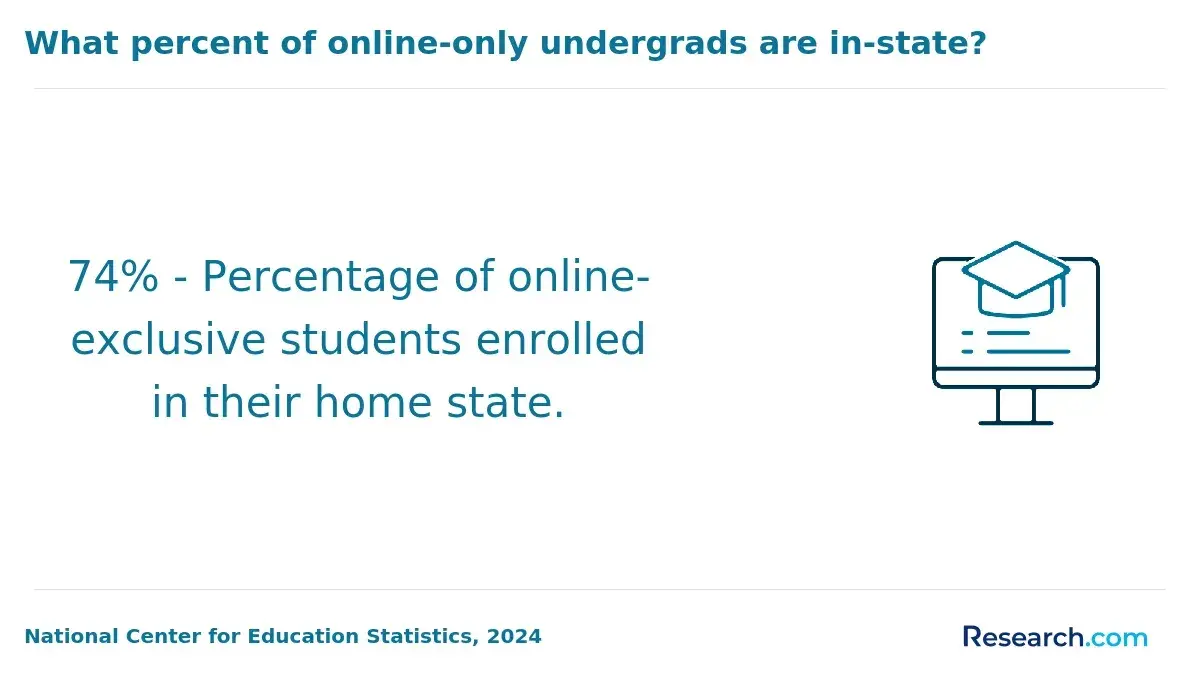
Online Environmental Science master's degrees typically range from about 12 months in accelerated tracks to 2-3 years for part-time students balancing work and life. Full-time enrollment generally leads to completion within 12 to 18 months. Various options like credit transfer, prior learning assessment, and dual-enrollment can reduce the time needed for degree completion. Below are key factors that influence completion time and strategies for working professionals to manage their schedules effectively.
- Program Pace and Structure: Full-time students often finish in 12 to 18 months by taking a heavier course load each term. Part-time learners, commonly working professionals, may extend their studies to two or three years to balance commitments without overloading.
- Credit Transfer and Prior Learning: Many programs allow transfer of relevant credits or recognize prior learning experiences, which can shorten degree duration significantly. Dual-enrollment in related courses might also speed up progress by overlapping prerequisites.
- Common Delays: Challenges like work-life balance, unexpected financial issues, or updated program requirements frequently extend the timeline. Thesis or capstone projects and internship obligations can add several months, especially when original research or practical experience is involved.
- Planning for Success: Establishing a realistic graduation timeline aligned with professional and personal responsibilities is essential. Students should monitor academic progress and financial aid eligibility, as about 40% of master's candidates nationwide enroll part time, often to maintain employment while advancing education.
The financial investment for an online environmental science master's degree varies significantly, with costs typically ranging from $400 to over $1,200 per credit hour depending on the institution. Many online programs now simplify budgeting by offering a flat tuition rate irrespective of residency, which benefits working professionals who seek consistent tuition expectations without out-of-state surcharges. Total expenses of online environmental science master's programs for career advancement usually fall between $20,000 and $50,000, reflecting the 30 to 40 credit hours generally required to graduate.
Additional fees can contribute substantially to the overall cost. Students should consider technology fees, which may range from $50 to several hundred dollars per semester, as well as thesis submission fees and occasional residency requirements for intensives or fieldwork. Indirect costs often overlooked in initial budgeting include textbooks, software subscriptions, memberships in professional organizations, and certification or exam fees, sometimes adding several hundred dollars annually. These variables make careful financial planning essential.
Graduate enrollment in environmental and related science programs has increased by about 8% over the last five years, signaling growing demand for specialized sustainability and conservation expertise. Below are key factors to help prospective students evaluate program costs and quality before committing.
- Tuition Structure: Many state universities and colleges now offer a flat online tuition rate, removing the traditional distinction between in-state and out-of-state fees. This structure aids working professionals by providing predictability in total costs regardless of location.
- Additional Fees: Beyond tuition, there are often mandatory charges such as technology fees, thesis submission costs, and residency requirements for field components. These can vary widely depending on the program's design.
- Indirect Expenses: Textbooks, software licenses, and professional memberships contribute to total expenses. Certification or exam fees may also apply, requiring students to budget beyond tuition and direct fees.
- Cost Comparison Tools: Utilizing resources like the College Scorecard and schools' Net Price Calculators allows prospective students to obtain personalized cost estimates, factoring in available financial aid. Such tools enable informed decisions that align budget with program flexibility and quality.
For those exploring accredited degree options, reviewing marriage and family therapy online programs accredited provides a model of how accreditation impacts program credibility and career outcomes, an important consideration also relevant to environmental science master's programs.
Accessing financial aid is a crucial step for working professionals pursuing an online Environmental Science master's degree, helping to manage education expenses without disrupting current employment. Various funding options are available, each with specific requirements and benefits. Below is an overview to guide prospective students through the available resources.
- Federal Loan Programs: Graduate students qualify for Direct Unsubsidized Loans that do not require proof of financial need, along with Graduate PLUS Loans, which allow borrowing beyond the unsubsidized limit but include a credit evaluation. Applicants must complete the Free Application for Federal Student Aid (FAFSA), marking their graduate student status. The FAFSA for graduate studies resembles the undergraduate version but may need additional supporting documents linked to postgraduate enrollment.
- Scholarships and Fellowships: Targeted scholarships exist for Environmental Science graduate students through reputable platforms like Fastweb and Scholarships.com, as well as through professional organizations dedicated to environmental health and science. Award amounts range widely and often depend on academic merit, research interests, or demonstrated dedication to environmental initiatives. Deadlines typically fall between late winter and early spring, so timely applications are essential.
- Employer Tuition Reimbursement: Many working adults benefit from employer-sponsored tuition assistance, which can cover a portion or the full cost if the program aligns with job responsibilities or career growth. It is advisable to discuss these benefits before starting the program and coordinate course schedules with employer reimbursement policies to maximize eligibility.
- Graduate Assistantships and Fellowships: Although less prevalent in fully online offerings, some programs provide assistantships or research fellowships that reduce tuition costs and sometimes offer stipends. Interested students should inquire directly with program coordinators to explore availability and application procedures.
Working professionals pursuing an online Environmental Science master's degree need programs that can seamlessly fit into their busy lives. Flexible scheduling and adaptable course delivery enable learners to balance work, family, and education without disruption. The following features highlight how programs cater to varied schedules and support non-traditional students effectively.
- Synchronous and Asynchronous Formats: Degree options frequently include live sessions paired with recorded lectures. This combination allows students to join real-time classes when possible or study independently according to their availability.
- Hybrid and Cohort-Based Approaches: Some programs integrate occasional on-campus experiences with online learning to encourage collaboration and build community. Cohort structures enable students to move through courses as a team, fostering accountability among professionals with competing priorities.
- Evening and Weekend Courses: Classes scheduled outside standard working hours offer flexibility for employed students. This approach permits participation without sacrificing career commitments.
- Mobile-Optimized Learning Platforms: A well-designed, mobile-friendly LMS allows students to access materials from anywhere, making it easier to study during commutes or breaks without being tied to a desktop.
- Specialized Support for Adult Learners: Programs that assign academic coaches, career advisors, or peer mentors demonstrate a commitment to non-traditional students. These resources provide tailored guidance that addresses the unique challenges faced by working professionals.
- Trial Access to Learning Systems: Prospective learners should explore demo sessions or open houses that offer firsthand experience of the LMS. Ensuring the platform is user-friendly can be crucial for maintaining engagement over the course duration.
Preparing for an online Environmental Science master's program involves ensuring your technology setup meets essential requirements. This helps working professionals maintain seamless access to coursework, virtual labs, and collaboration tools. Below are the key hardware, software, and connectivity factors to consider for a successful academic experience.
- Hardware and Operating System: A reliable computer running a recent system such as Windows 10 or later, or macOS 10.14 or newer, with at least 8GB of RAM is typically required to run necessary applications smoothly.
- Internet Speed: A stable high-speed connection of 25 Mbps or higher is essential for streaming lectures, submitting assignments, and participating in interactive sessions without interruptions.
- Software Tools: Curriculum often integrates specialized platforms like Geographic Information Systems (GIS), statistical analysis software, and ecological modeling environments. Some programs include licenses within tuition, while others require students to purchase software independently.
- Accessibility Features: Online Environmental Science master's programs usually comply with ADA standards by offering screen readers, closed captioning, and keyboard navigation support to accommodate students with disabilities.
- Technology Self-Assessment: Prospective students should evaluate their current hardware, software, and internet capabilities before enrolling to identify needed upgrades for coursework demands.
Students interested in related fields may also explore options like game design masters online programs, which similarly emphasize current technology requirements and flexibility.
Career outcomes data is essential for professionals pursuing an online Environmental Science master's degree to assess potential returns on their investment. Understanding how the degree influences salary, job titles, and advancement opportunities helps align educational goals with market realities.
- Salary Expectations: According to U.S. Bureau of Labor Statistics data, median annual earnings for environmental science-related roles generally range from $60,000 to over $90,000, with specialized positions often exceeding this bracket.
- Advancement Within Current Field: Graduates who aim to enhance their existing careers frequently use the degree to secure promotions, attain leadership roles, and strengthen their negotiating power for higher compensation.
- Career Pivot Opportunities: Those transitioning into new sectors such as environmental data analytics or renewable energy policy may encounter varied starting salaries as they accumulate relevant experience and build new professional networks.
- Verification of Outcomes: Prospective students are encouraged to request detailed employment statistics from program admissions, including graduate placement rates, median starting wages, and information on prominent employers, to ascertain the program's effectiveness in supporting career goals.
What Graduates Say About Getting Accepted in Online Environmental Science Degree Master's Programs for Working Professionals
- Mordechai: "Applying for admission to the environmental science master's program designed for working professionals was initially intimidating, but the clear guidance provided by the program's admissions team made the process smooth and manageable. I appreciated how the curriculum accommodated my work schedule without sacrificing depth or rigor. This program truly balances flexibility with high academic standards, and I feel confident in the practical skills I've gained."
- Casen: "Navigating through the landscape of accredited institutions offering online environmental science master's programs designed for working professionals was a challenge that required careful research. Relying heavily on official academic catalogs and accrediting agencies helped me identify programs that not only met quality standards but also aligned with my career goals. Reflecting back, this diligence was crucial for selecting a program that was respected by employers and provided real-world applicability."
- Walker: "My experience with the online environmental science master's degree was deeply enriched by thoroughly using federal education resources to understand degree requirements before enrolling. This professional approach allowed me to plan my course load effectively while balancing a full-time job. I found that careful preparation and relying on authoritative sources significantly enhanced my ability to succeed online and graduate on time."
Other Things You Should Know About Environmental Science Degrees
Many 2027 online environmental science master’s programs require either a 3- to 6-credit thesis or a capstone project. The thesis usually involves original research and a faculty advisor, while the capstone often applies coursework to a real-world environmental problem, sometimes through a supervised workplace project.
Applicants usually need a bachelor's degree in environmental science or a related field, along with relevant work experience. Some programs may require specific prerequisites like coursework in biology or chemistry and a minimum GPA, typically around 3.0, for 2027 admissions.
In 2027, online environmental science master's programs stand on par with on-campus offerings regarding quality and employer perception. Many programs are accredited and designed with the same rigorous curriculum as their campus counterparts. Employers often equally value online degrees, especially when earned from reputable institutions, acknowledging the flexibility they provide to working professionals.
- 2026 Best Online Environmental Science Master's Degrees https://www.onlineu.com/degrees/masters-environmental-science
- Online Masters in Environmental Science | AcademicEarth.org https://academicearth.org/masters-in-environmental-science/
- Online Master's Degree: Environmental Management https://www.umgc.edu/online-degrees/masters/environmental-management
- Top 10 MPH Environmental Health Degree Online Programs - MPH Online https://www.mphonline.org/top-online-mph-environmental-health-degree/
- Environmental Science | Become a Graduate Student https://www.mun.ca/become/graduate/programs-and-courses/environmental-science/
- Top 10 Master's in Environmental Health Degrees Online https://www.masterspublichealth.net/best/online-masters-environmental-health/
- Environmental Science and Technology, M.Sc. https://www.tu.berlin/en/studying/study-programs/all-programs-offered/study-course/environmental-science-and-technology-m-sc-1
- Learn How To Earn A Master's In Environmental Science Online https://www.learnhowtobecome.org/best-online-masters-in-environmental-science-degree-programs/
- Master of Science in Environmental Science https://www.fairmontstate.edu/academics/programs/master-environmental-science.aspx
- Best of 2025: Environmental Science Online Master’s Programs https://www.onlinemastersdegrees.org/best-programs/environmental-science/