2027 Marriage & Family Counseling Transfer Credit Trends: How Schools Are Adapting for Adult Learners

Co-Founder and Chief Data Scientist
After transferring from a community college, Maria, a working professional pursuing marriage & family counseling, discovered that only 40% of her previous credits transferred, forcing her to extend her studies by an additional year and increase tuition expenses. This situation is not uncommon: a 2024 National Student Clearinghouse report found that nearly 30% of transfer students in counseling fields lose credits, highlighting challenges adult learners face amid evolving institutional policies. Such credit rejections often reflect shifting accreditation standards and inconsistent course equivalency evaluations, complicating completion timelines and financial planning for transfer students.
This article examines how marriage & family counseling programs are adapting credit acceptance, evolving transfer policies, and redesigning pathways to help adult learners maximize credit mobility and complete their degrees more efficiently.
Key Things to Know About Marriage & Family Counseling Transfer Credit Trends for Adult Learners
- Expanded acceptance of military and workforce training credits improves adult learner access but often necessitates careful evaluation to avoid misaligned competencies, affecting readiness for counseling-specific licensing requirements.
- Institutions increasingly integrate prior learning assessments with technology-driven transcript reviews, speeding credit evaluation but introducing inconsistencies that may confuse students and delay program entry.
- Greater reliance on community college articulation agreements reduces cost and duration but can limit exposure to advanced counseling methodologies, influencing employer perceptions of graduates' practical experience.
- Key Things to Know About Marriage & Family Counseling Transfer Credit Trends for Adult Learners Key Things to Know About Marriage & Family Counseling Transfer Credit Trends for Adult Learners
- How Are Marriage & Family Counseling Programs Changing Transfer Credit Policies for Adult Learners? Evolving Adult Transfer Policies
- Why Are More Marriage & Family Counseling Schools Accepting Credit for Prior Learning and Work Experience? Prior Learning Credit Benefits
- How Do Marriage & Family Counseling Colleges Evaluate and Award Transfer Credits Today? Transfer Credit Evaluation Process
- Which Alternative Credits Are Most Commonly Accepted by Marriage & Family Counseling Programs? Accepted Alternative Credits
- How Are Marriage & Family Counseling Schools Improving Transfer Pathways for Community College Students? Improved Community College Pathways
- How Can Transfer Credits Help Marriage & Family Counseling Students Graduate Faster? Accelerating Degree Completion
- How Much Money Can Students Save Through Marriage & Family Counseling Transfer Credit Opportunities? Cost Saving Through Transfers
- How Are Marriage & Family Counseling Programs Supporting Military Students and Workforce Learners Through Transfer Credits? How Are Marriage & Family Counseling Programs Supporting Military Students and Workforce Learners Through Transfer Credits?
- What Transfer Credit Innovations Are Shaping the Future of Marriage & Family Counseling Education? What Transfer Credit Innovations Are Shaping the Future of Marriage & Family Counseling Education?
- How Can Adult Learners Maximize Transfer Credits in a Marriage & Family Counseling Program? Maximizing Your Transfer Credits
How Are Marriage & Family Counseling Programs Changing Transfer Credit Policies for Adult Learners?
Marriage & family counseling programs are increasingly recalibrating transfer credit policies to address the practical realities adult learners face, particularly those balancing employment, military service, or prior educational pathways. Recognizing the frequent credit loss that transfer students endure-highlighted by the National Center for Education Statistics' indication that roughly 40% of such students see significant setbacks-many institutions are expanding acceptance of prior learning and workforce certifications.
This shift not only enhances credit mobility but also curtails unnecessary course repetition, helping working professionals and veterans streamline their path to graduation without sacrificing academic standards. Still, these adaptations often involve tradeoffs, such as institutions imposing stricter evaluations on nontraditional credits, which requires students to navigate transfer policies carefully when comparing programs.
Many programs now integrate robust articulation agreements with community colleges, specifically targeting social science and counseling coursework to better serve transfer students and adult learner transfer credit acceptance in marriage & family counseling education. This ensures clearer course sequencing and reduces the guesswork around credit applicability, though variability across campuses means students must actively engage with advising services to plan effectively. Additionally, technology-driven transcript evaluations expedite credit review processes but may not fully capture the nuanced content of military or specialized workforce training, potentially limiting transfer eligibility in core counseling requirements.
For adult learners weighing options, these evolving policies can significantly influence affordability and completion timelines, accentuating the need to evaluate how each institution handles credit recognition within broader degree pathways. Those interested in maximizing credits might also explore linked alternatives such as specific programs highlighted in the online pharmacy school space for comparative context on credit acceptance innovation.
Why Are More Marriage & Family Counseling Schools Accepting Credit for Prior Learning and Work Experience?
The increased acceptance of credit for prior learning and work experience in marriage & family counseling programs reflects more than just lenient transfer policies; it signals a strategic institutional adaptation to adult learners' complex realities. Schools are integrating military training, professional certifications, and employer-based learning into formal curricula to align academic outcomes with practical competencies demanded in counseling roles. This shift positions transfer policies as deliberate tools to reduce redundant coursework and expedite degree completion, addressing time and financial constraints without compromising academic rigor or licensure requirements.
A 2024 Council for Adult and Experiential Learning report documents a 15% graduation rate increase among adult learners who received credit for prior learning, underscoring how structured credit recognition can materially influence student persistence and institutional completion goals.
While offering flexibility, these policies require nuanced evaluation frameworks to distinguish between equivalent learning and experiences insufficient for credit, ensuring graduates meet professional standards. The varied acceptance across institutions forces students to carefully assess program transferability when planning their degree trajectory, balancing the benefits of credit recognition against potential gaps in required competencies. For working professionals or military-affiliated students, this can mean extensive documentation or portfolio reviews and the risk of delayed credit approval disrupting time-to-degree planning. At the workforce interface, aligning curriculum with verified prior experience supports competency-based education but also demands transparency to prevent inequities or credit inflation that could undermine stakeholder confidence.
One adult learner with extensive counseling experience from military service sought to transfer credits into a master's program in marriage & family counseling but faced uncertainty navigating evolving PLA policies. Although initial conversations conveyed openness to military training credit, the final evaluation required a comprehensive portfolio aligned to specific counseling competencies and delayed official credit decisions until late in the first semester. This uncertainty complicated scheduling and financial planning, leading to frustration but eventually provided validation of prior learning once approved, underscoring the administrative complexities and cautious optimism with which many adult learners approach credit acceptance in counseling programs today.
How Do Marriage & Family Counseling Colleges Evaluate and Award Transfer Credits Today?
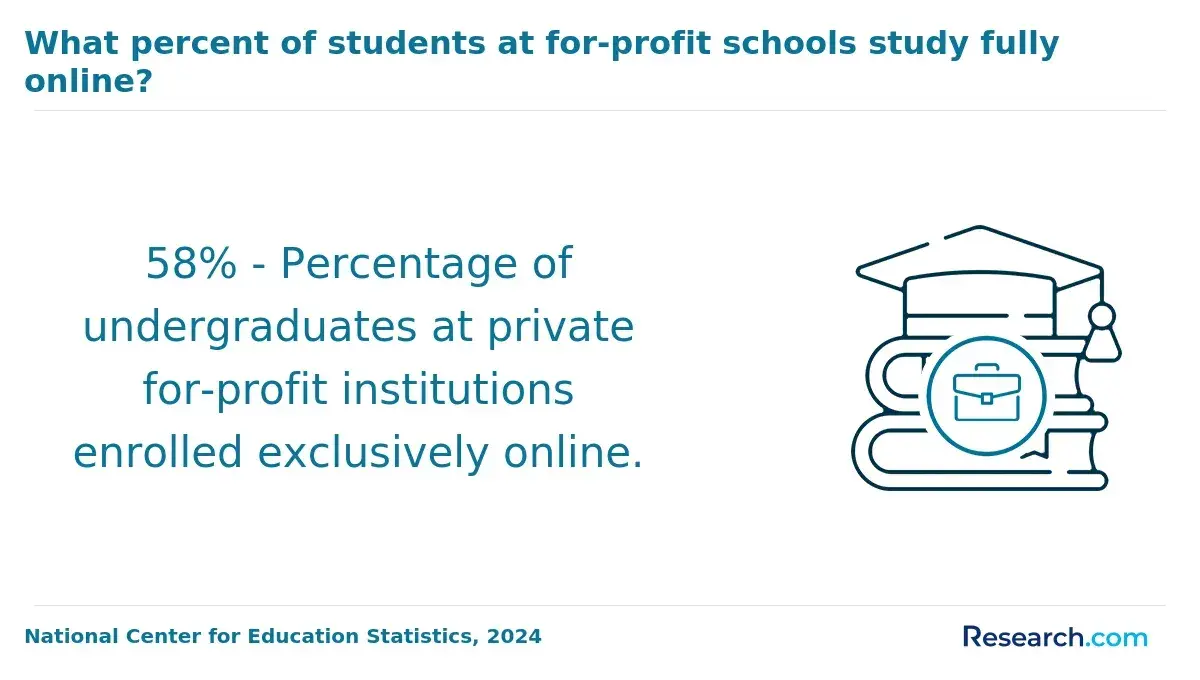
Transfer credit evaluation for marriage & family counseling programs has shifted from a routine administrative checkpoint to a strategic function integral to enrollment management and student retention. Institutions now conduct nuanced assessments of prior coursework, professional certifications, and military training through rigorous scrutiny of accreditation status, course content alignment, and learning outcomes. For example, a working professional transferring credits from a community college must weigh how many foundational psychology or human development courses will satisfy upper-division requirements at the receiving university, with the risk that counseling-specific credits may be limited due to licensure-related curriculum standards.
Programs frequently rely on technology-enabled articulation databases and credit-for-prior-learning (CPL) frameworks, increasingly endorsed by bodies like the American Council on Education, to streamline evaluations and enhance credit mobility. Still, the practical impact often includes tradeoffs such as restrictions on how many transferred credits count toward core competencies and caps tied to residency requirements. These constraints influence degree completion time and total educational costs, particularly for military-affiliated students or adult learners balancing professional duties, who might otherwise benefit from broader credit transfer options.
As of 2024, approximately 65% of counseling programs formally integrate CPL strategies, reflecting an institutional effort to accommodate diverse learner pathways and reduce barriers for degree completers. However, the variation in transfer policies - especially around counseling-specific coursework - necessitates early, informed academic planning to avoid unexpected credit denials. Realistically, students transferring from workforce training or alternative credit providers face additional scrutiny compared to those with traditional academic backgrounds, underscoring the importance of evaluating program compatibility and licensure implications before committing to a transfer pathway.
Which Alternative Credits Are Most Commonly Accepted by Marriage & Family Counseling Programs?
Acceptance of alternative credits in marriage & family counseling programs has become a strategic mechanism to enhance degree accessibility and completion, especially for adult learners managing complex schedules. Credit for prior learning (CPL) and military training credits are among the most widely recognized forms, reflecting the importance of veteran experience and workforce-relevant knowledge in these degrees. However, the practical benefit depends on institutional policies regarding accreditation, course equivalency, and residency requirements, which can limit the applicability of transferred credits and affect how quickly students progress. For example, a military-affiliated student may gain substantial credit for training but still face restrictions on upper-division credits, impacting program flexibility and overall time to graduation.
Many programs also evaluate standardized exams such as CLEP and DSST to accommodate demonstration of core competencies without repeating foundational coursework. Additionally, increasingly popular are workforce certifications and competency-based assessments that directly link to counseling skills demanded by employers. Transfer credit options for marriage & family counseling programs often include community college coursework and employer-sponsored learning, but outcomes vary widely due to differing acceptance of nontraditional credits. According to a 2024 Council for Adult and Experiential Learning report, nearly 70% of counseling programs now award some form of CPL, highlighting a significant shift but also underscoring the need for careful transfer planning to avoid credit loss.
Courses from providers aligned with ACE recommendations, such as Sophia Learning and Study.com, are becoming viable pathways, though students must balance affordability and transfer restrictions. Adult learners aiming to optimize their academic trajectory should evaluate how alternative credits contribute toward both degree requirements and professional licensure. Those seeking accelerated options may explore fast-track LPN programs online as complementary routes in healthcare contexts, but must weigh such options against program-specific policies to ensure smooth credit application and timely completion.
How Are Marriage & Family Counseling Schools Improving Transfer Pathways for Community College Students?
Reducing transfer friction has become essential in Marriage & Family Counseling programs as institutions respond to increasing community college enrollments and rising licensure demands. Articulation agreements that clearly define course equivalencies are now central, minimizing redundant coursework and credit loss, which recent data from the National Student Clearinghouse Research Center shows can reach as high as 25% without formal frameworks. However, the reality remains that not all general education and counseling courses translate equally, requiring detailed transcript evaluations and strategic credit acceptance policies to ensure smooth progression without compromising accreditation or licensure prerequisites.
To address adult learners' unique needs, many programs have implemented tailored advising models and dual-admission partnerships that help transfer students navigate complex curricula and state-specific clinical requirements more effectively. Prior learning assessment options add flexibility by recognizing relevant work or military experience, further accelerating degree completion. Yet differences in state licensing regulations and program-specific mandates mean students must carefully weigh transfer options, as assumptions about universal credit applicability often lead to unexpected delays or additional coursework. These adaptations generally improve academic momentum and accessibility, but the variability across institutions demands cautious, informed planning.
A community college transfer student pursuing marriage & family counseling shared that initial uncertainty about which credits would transfer caused significant frustration. Despite consulting multiple advisors, conflicting information about course equivalencies and licensure alignment complicated her path. It wasn't until a thorough articulation agreement review and personalized credit evaluation was completed that she gained cautious optimism, learning she could apply most of her core coursework while still needing a few targeted upper-division classes. This clarified pathway allowed her to plan enrollment strategically, balancing work commitments with the program's practicum sequence without losing momentum.
How Can Transfer Credits Help Marriage & Family Counseling Students Graduate Faster?
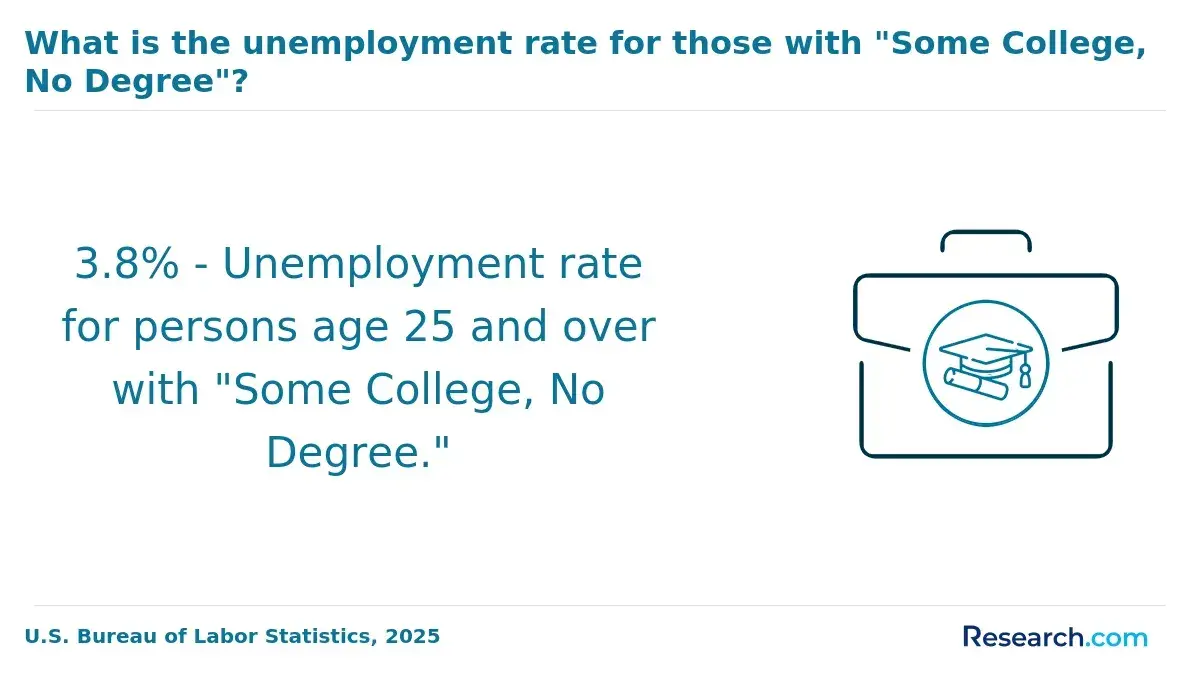
Transfer credit benefits for marriage & family counseling students hinge less on the mere accumulation of credits than on the institutional alignment of those credits with program-specific requirements. While accumulating 30 or more transferable credits can reduce time-to-degree by nearly a full academic year, as reported by the National Student Clearinghouse Research Center, students must navigate restrictions like credit duplication policies, residency mandates, and upper-division coursework expectations that can limit credit applicability.
For example, a working professional transferring credits from a community college might find general education credits accepted readily but encounter challenges converting specialized counseling courses without detailed syllabus equivalency reviews. This complexity means accelerated degree completion through transfer credits demands proactive planning around credit acceptance rates and course sequencing rather than an assumption of automatic acceleration.
Institutions have expanded articulation agreements, particularly with community colleges and military programs, improving pathways for adult learners and veterans to translate prior learning into academic credit. Incorporating prior learning assessments to acknowledge certifications and workforce experience further enhances flexibility, often reducing internship or practicum hour requirements.
However, licensure and certification standards in marriage & family counseling frequently require on-campus or supervised coursework that caps the extent of prior credit acceptance, necessitating strategic selection of programs with transparent policies. Working professionals and transfer students must weigh these factors carefully, balancing the potential savings in tuition and time with the realities of institutional rules and state licensure demands.
Those exploring options might consider well-established pathways found in online MHA programs as comparative models for transfer-friendly policies and degree completion support.
How Much Money Can Students Save Through Marriage & Family Counseling Transfer Credit Opportunities?
Strategies to reduce costs in marriage & family counseling programs through transfer credits depend heavily on institutional policies and student backgrounds, often requiring careful navigation to realize meaningful savings. Adult learners and military-affiliated students, for example, can leverage prior learning assessments and credit recognition for military training; these credits may shorten degree timelines by up to 30%, according to the National Student Clearinghouse Research Center's 2024 data. However, these benefits are often offset by residency requirements that mandate a proportion of coursework be completed directly at the degree-granting institution, as well as transfer credit caps and inconsistent equivalency evaluations that limit the total credits accepted toward core counseling competencies.
Beginning studies at lower-cost institutions and transferring foundational credits is another common approach, especially for students balancing work or family commitments, allowing them to reduce expenses before entering a bachelor's-level marriage & family counseling program. Even so, the variability of articulation agreements can lead to unexpected credit denials or credits counting only as electives, potentially prolonging time to degree completion. These factors make it essential for prospective students--including working professionals and degree completers--to conduct detailed credit evaluations and engage academic advisors early. Without this, anticipated tuition savings may not materialize, affecting both financial investment and career timeline alignment in fields increasingly shaped by practical experience and employer expectations.
How Are Marriage & Family Counseling Programs Supporting Military Students and Workforce Learners Through Transfer Credits?
Marriage & Family Counseling programs increasingly base credit transfer decisions on detailed evaluations of military training and professional certifications, rather than blanket acceptance policies. For military-affiliated students, credits assessed through American Council on Education (ACE) guidelines can shorten degree requirements, but variability across institutions means some may reject or limit application of such credits, extending time-to-degree and increasing financial strain. Working professionals with relevant licensure or documented workplace learning often access prior learning assessments (PLAs), yet the absence of standardized credit equivalencies for many counseling-related certifications still constrains how much credit can be awarded toward degree completion.
Clear articulation agreements linking community colleges, military education, and four-year counseling programs help mitigate credit loss during transfers, a practical factor directly impacting educational planning and cost-efficiency. According to a 2024 Government Accountability Office report, military students leveraging transfer credits and PLAs are 30% more likely to graduate within four years than those without such credit recognition, highlighting the substantial impact of flexible policies on academic outcomes. However, prospective students must carefully evaluate how transfer policies align with their prior learning and licensure goals to avoid surprises, as some institutions' inconsistency in credit acceptance may necessitate additional courses beyond expectations.
These evolving transfer credit practices reflect a growing recognition that prior nontraditional learning can contribute meaningfully to degree completion if institutions apply rigorous, transparent standards. For adult learners balancing employment and study, the ability to maximize applicable credits while meeting counseling program licensure requirements directly affects both accessibility and long-term career readiness. Navigating these nuances requires a strategic approach to institutional selection and academic advising to ensure efficient progress without compromising the depth of training necessary for employer and regulatory expectations in Marriage & Family Counseling careers.
What Transfer Credit Innovations Are Shaping the Future of Marriage & Family Counseling Education?
Transfer credit innovations in marriage & family counseling programs are reshaping degree accessibility and mobility for adult learners, military-affiliated students, and degree completers by streamlining credit evaluation and expanding recognition of prior learning. AI-assisted transcript evaluation tools have helped institutions achieve up to a 30% decrease in credit processing times, a key advancement for students navigating complex course equivalencies across diverse counseling curricula. However, this efficiency comes with challenges, including inconsistent adoption and occasional confusion over acceptance criteria, complicating transfer decisions and requiring students to engage more proactively in academic advising.
Credit for prior learning is increasingly acknowledged, particularly through competency-based education models that emphasize applied mastery over traditional coursework, aligning better with the practical demands of counseling roles. Statewide articulation agreements and digital credentialing platforms improve credit portability but face interoperability hurdles, underscoring a tension between expanding access and maintaining academic rigor.
These developments require careful planning by students as they weigh accelerated degree completion against the variability in institutional policies that can affect long-term professional readiness. Those exploring alternative pathways, including military and workforce credits, may find options like the ADN to FNP bridging model conceptually relevant for understanding integrative credit acceptance beyond counseling alone.
How Can Adult Learners Maximize Transfer Credits in a Marriage & Family Counseling Program?
Prioritizing transfer credit strategies for adult learners in marriage & family counseling programs requires a nuanced understanding of how institutions assess and cap transferable credits, often limiting acceptance to around 60 semester hours for bachelor's degrees. For example, a working professional transferring credits from both community college courses and military training must carefully navigate transcript evaluations to align prior learning with core counseling competencies, balancing the desire to accelerate time to degree against the potential need for additional coursework to meet accreditation standards such as CACREP.
Many programs increasingly recognize credit for workforce training and military experience, yet adult learners frequently encounter challenges translating experiential credits into licensure-track credit, underscoring the importance of maintaining detailed course materials like syllabi and proven learning outcomes for favorable transfer consideration.
Maximizing transfer credits for working professionals in marriage & family counseling involves strategic collaboration with academic advisors to map how transferred credits match degree requirements, particularly when flexible degree pathways exist that accommodate adult learners with diverse backgrounds. This planning helps avoid unexpected delays or extended educational costs due to residency rules or sequencing constraints. A 2024 report from the National Center for Educational Statistics highlights that nearly 40% of adult transfer students benefit from articulation agreements that streamline credit transfer and reduce redundant coursework.
Exploring alternative credit sources, including credit for prior learning assessments, supports expedited completion while ensuring the depth necessary for professional employability. For those pursuing advanced study, understanding the interplay between transfer policies and licensure requirements can inform decisions about programs like the online PhD counselor education and supervision, where balancing credit maximization with long-term academic flexibility is essential.
References
- Master of Science in Counseling/Marriage, Family and Child Therapy | University of Phoenix https://www.phoenix.edu/online-behavioral-sciences-degrees/marriage-family-child-counseling-masters-degree.html
- Military spouses need support in their educational journeys - EdNC https://www.ednc.org/perspective-missing-from-the-conversation-supporting-military-spouses-in-the-college-transfer-process/
- Traditional vs. Adult Learner Advising: Key Differences and Best Practices - ReUp Education https://reupeducation.com/resources/traditional-vs-adult-learner-advising-key-differences-and-best-practices/
- Increasing Community College Transfers: Progress and Barriers - Public Policy Institute of California https://www.ppic.org/publication/increasing-community-college-transfers-progress-and-barriers/
- Program Details: https://www.eastern.edu/academics/graduate-programs/ma-marriage-and-family-therapy-online
- The Evolving Role of Family Therapists | The Chicago School https://www.thechicagoschool.edu/insight/psychology/family-therapists-evolving-role-navigating-modern-relationship-challenges/
- Hard up for students, more colleges are offering college credit for life experience, or ‘prior learning’ https://hechingerreport.org/to-fill-seats-more-colleges-offer-credit-for-life-experience/
- Meet Adult Learners, and All Students, Where They Are https://www.jff.org/blog/meet-adult-learners-and-all-students-where-they-are/
- College Credit Transfer to Stretch Savings Further https://www.collegesavings.org/college-credit-transfer-to-stretch-savings-further
- How much do you really save by going to community college? https://www.savingforcollege.com/article/how-much-do-you-really-save-by-going-to-community-college
Other Things You Should Know About Marriage & Family Counseling
While transferring credits can accelerate degree completion, it often limits experiential coursework and specialized training critical for counseling competency. Many programs require in-person practicum or clinical hours that cannot be substituted by transfer credits, meaning students must still commit substantial time to these components. Prioritizing schools that balance transfer credit policies with rigorous on-site training ensures practical skills are not compromised by accelerated timelines.
Generous transfer credit policies may attract students seeking faster graduation, but this can lead to gaps in essential counseling theory and practice exposure. Adult learners should weigh the tradeoff between convenience and the depth of their preparation, especially since employer expectations in the counseling field emphasize hands-on experience and mastery of specific therapeutic methods. Opting for programs that maintain core counseling standards despite credit flexibility generally results in stronger long-term career outcomes.
Transfer credits can create variability in knowledge and skills among students because foundational courses completed elsewhere may differ significantly in rigor and focus. This inconsistency challenges programs' ability to standardize graduate competencies, impacting both licensure preparation and employer confidence. Students should critically assess the alignment of transferred coursework with the receiving program's curriculum to avoid educational gaps that could hinder professional readiness.
Working professionals must consider how transfer credits influence their remaining course load and practicum scheduling, as demanding work commitments require predictable and flexible program structures. Programs that accept substantial transfer credit but compress required fieldwork into short, intensive periods can increase stress and reduce learning efficacy. Choosing programs with well-paced integration of transfer credits and practical training better supports balancing employment and academic progress.