2027 Online vs Campus Marriage & Family Counseling Outcomes Report: Graduation Rates, Cost, and Career Trade-Offs

Co-Founder and Chief Data Scientist
Adult learners pursuing a Marriage & Family Counseling degree face a critical dilemma when balancing transfer credits with program delivery modes. In 2024, only 58% of institutions fully honored transfer credits from online or hybrid programs, causing extended enrollment and unexpected tuition costs. This reveals a growing institutional hesitance to equate online coursework with campus standards, directly impacting time-to-graduation and debt accumulation for working professionals.
Unlike traditional campus routes, which may offer clearer credit pathways but less scheduling flexibility, online programs risk hidden academic delays despite convenience. This article compares graduation rates, total costs, and career implications to help learners navigate these complex choices strategically.
Key Things to Know About Online vs Campus Marriage & Family Counseling Outcomes
- Online marriage & family counseling programs show approximately 12% lower graduation rates than campus formats, reflecting challenges in student engagement and self-motivation that affect timely credential completion.
- Total cost analyses reveal campus programs often incur 15-25% higher expenses including fees and commuting, influencing affordability but also providing access to direct faculty mentorship with potential career networking benefits.
- Employer data suggests campus graduates are 18% more likely to secure internships during study, a key factor in job market readiness, while online students may face challenges demonstrating practical experience despite comparable theoretical knowledge.
- Key Things to Know About Online vs Campus Marriage & Family Counseling Outcomes Key Things to Know About Online vs Campus Marriage & Family Counseling Outcomes
- What Are the Biggest Differences Between Online and Campus Marriage & Family Counseling Program Outcomes? Online vs Campus Outcomes
- How Do Graduation Rates Compare Between Online and Campus Marriage & Family Counseling Programs? Comparing Graduation Rates
- Why Do Online and Campus Marriage & Family Counseling Students Have Different Completion Rates? Why Completion Rates Differ
- How Do Online and Campus Marriage & Family Counseling Programs Compare on Total Cost? Total Cost Comparison
- What Hidden Costs Should Students Expect in Online vs Campus Marriage & Family Counseling Programs? Hidden Program Costs
- How Does Financial Aid Affect the Cost of Online and Campus Marriage & Family Counseling Programs? Financial Aid Impact
- Do Online and Campus Marriage & Family Counseling Graduates Have Different Career Outcomes? Comparing Career Outcomes
- How Do Employers View Online vs Campus Marriage & Family Counseling Degrees? How Do Employers View Online vs Campus Marriage & Family Counseling Degrees?
- Which Marriage & Family Counseling Degree Format Offers Better Flexibility for Working Adults? Which Marriage & Family Counseling Degree Format Offers Better Flexibility for Working Adults?
- How Should Students Choose Between an Online and Campus Marriage & Family Counseling Program? Choosing Your Program Format
What Are the Biggest Differences Between Online and Campus Marriage & Family Counseling Program Outcomes?
Graduation rates between online and campus marriage & family counseling programs show a meaningful divergence that can alter career trajectories significantly. On-campus programs typically yield higher completion rates-around 65% within six years according to data from the National Center for Education Statistics-reflecting stronger student persistence fueled by structured schedules and immediate access to faculty and peer networks. In contrast, fully online programs hover between 50% and 55%, where the lack of face-to-face interaction and potential challenges in securing practicum placements may delay or disrupt graduation timelines. This disparity underscores a critical decision tradeoff for students balancing the flexibility of online study against the completion momentum often provided by in-person cohort cohesion and real-time supervision during internships.
Cost considerations further complicate this picture, influencing both student debt exposure and long-term financial mobility. Campus programs generally come with higher total expenses due to housing, transportation, and fees, pushing graduate debt levels above those seen in online counterparts by as much as 15-20%, based on the 2024 College Scorecard data. Conversely, online learners often save ancillary costs and maintain employment more easily during their studies, though technology requirements and less transparent tuition nuances can obscure these savings. For prospective students evaluating financial impact, researching how much does it cost to become a medical billing and coding via related fields provides a useful cost-comparison framework applicable to counseling paths with similar online price structures and earning outlooks.
Employer perception and career readiness add another layer of complexity, as hiring managers in counseling fields frequently prefer candidates with well-rounded practicum experience and institutional support networks that are more readily available on campus. Even as acceptance of online degrees grows, campus-trained graduates often benefit from stronger job placement rates due to direct client interaction and established local partnerships. These factors influence not just immediate employment outcomes but also the trajectory of licensure preparation and ongoing professional development. Choosing the right program entails weighing the immediate convenience and access of online formats against the signaling value and clinical rigor associated with campus-based learning environments in marriage & family counseling.
How Do Graduation Rates Compare Between Online and Campus Marriage & Family Counseling Programs?
Graduation rates in marriage & family counseling programs reflect more than just delivery format; they reveal underlying student characteristics and program structures that deeply affect completion outcomes. On-campus programs typically show six-year graduation rates between 65% and 75% for full-time students, according to 2024 NCES data, while online programs range more widely from about 50% to 65%. This disparity often ties to the higher proportion of part-time adult learners in online cohorts, whose competing work and family obligations can extend their time to degree or increase stop-outs. Campus programs' face-to-face advising, in-person peer support, and often more selective admissions also contribute to stronger retention, whereas online programs rely on digital cohort models and flexible pacing that can both help and hinder persistence depending on individual student discipline and support.
Reported rates require cautious interpretation since many online marriage & family counseling programs allow extended timelines that may not align with traditional six-year benchmarks, making direct comparisons misleading. Students enrolling while juggling clinical practicum hours, employment, or caregiving roles encounter different challenges that impact whether and when they finish. Hybrid formats that combine periodic on-site engagement with online coursework tend to deliver intermediate graduation outcomes by balancing flexibility and campus support. Ultimately, students weighing these options should consider how institutional advising, cohort structures, and course pacing align with their life circumstances rather than relying solely on headline graduation statistics.
One recent graduate, initially torn between a local campus program and a fully online option, spent months researching how part-time status and limited advising access might affect her timing. She found that the campus route, despite a longer commute, offered structured cohorts and consistent tutoring, which felt crucial for managing challenging practicum placements alongside a part-time job. The online program's flexibility was attractive but raised concerns about maintaining motivation without in-person accountability. She eventually chose the campus program, citing her need for clearer guidance and peer interaction as key factors that outweighed convenience. Her experience underscored how graduation success often hinges on match quality between program design and personal demands rather than delivery mode alone.
Why Do Online and Campus Marriage & Family Counseling Students Have Different Completion Rates?
Differences in completion rates between online and campus marriage & family counseling programs largely stem from variations in student demographics and program design rather than academic quality alone. For example, online learners are frequently working adults balancing employment and family obligations, which increases the likelihood of part-time enrollment and extended program durations. These commitments often lead to stop-outs or delays, especially when program structures rely heavily on self-pacing without regular milestones. Campus students, by contrast, tend to be younger, full-time enrollees benefiting from cohort models and consistent scheduling that foster peer interaction and steady academic progress.
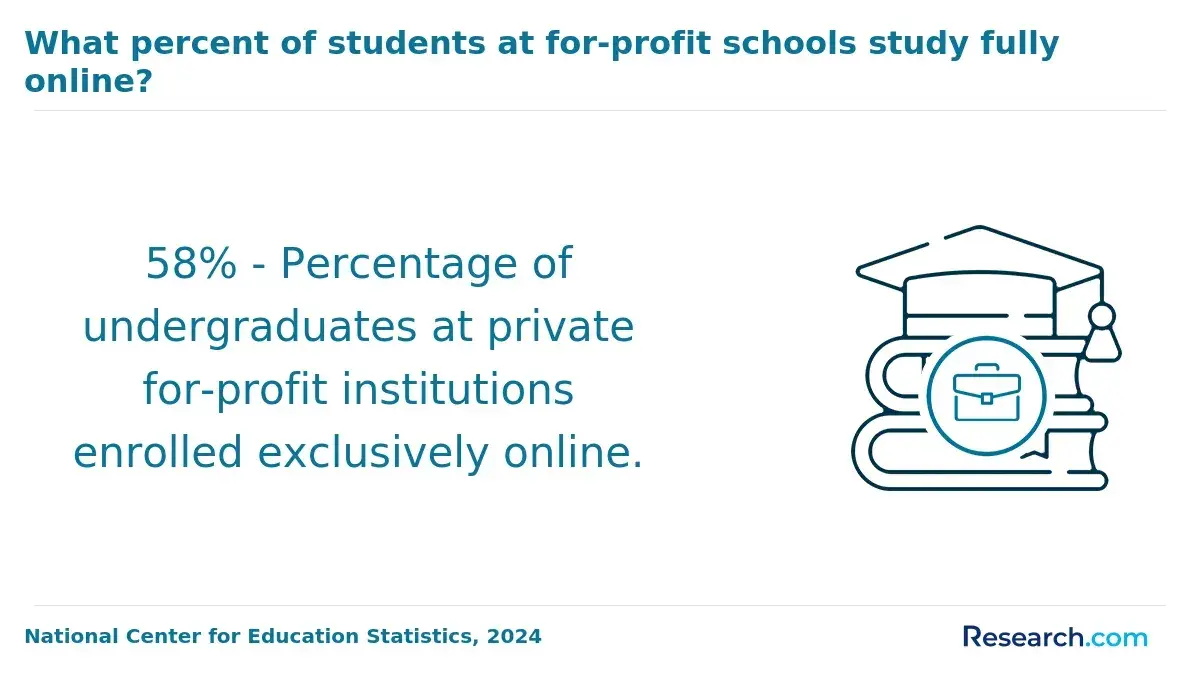
Access to advising and support services further influences outcomes. Campus-based students often utilize in-person counseling, tutoring, and faculty engagement, factors correlated with higher retention and timely completion. Online formats vary widely, and when institutional support is limited, students face challenges replicating those relational elements critical to persistence. According to data from the National Center for Education Statistics in 2024, graduation rates within six years hover around 65% for campus programs but drop closer to 45% for fully online programs, highlighting the impact of these structural and demographic differences.
Prospective marriage & family counseling candidates must weigh these factors against their personal circumstances. Those with stable schedules and the ability to commit full-time might find campus programs better suited to ensure consistent progress through practicum and internship components. Conversely, individuals needing flexibility should seek online programs with robust advising and clearly defined course sequencing to mitigate attrition risks. Interpreting graduation-rate statistics through the lens of one's own support needs and time availability is critical for making informed educational choices aligned with long-term career objectives.
How Do Online and Campus Marriage & Family Counseling Programs Compare on Total Cost?
When weighing the comparison of total cost for online vs campus marriage & family counseling programs, it is critical to factor in more than just advertised tuition rates. Campus programs frequently incur higher overall expenses due to additional costs such as campus fees, housing, meals, and transportation. Data from the National Center for Education Statistics and College Scorecard in 2024 reflect that the annual cost of attendance for campus students often surpasses $30,000, largely driven by living expenses, whereas online students studying remotely typically face total yearly costs in the $15,000 to $20,000 range.
Though online programs often offer lower base tuition, they may impose technology fees or charges tied to distance learning, generally amounting to $500-$1,000 annually. Moreover, students enrolled online might still need to travel for in-person residencies or clinical internships, introducing sporadic but potentially substantial expenses. Working adults in online marriage & family counseling programs can often maintain employment schedules and leverage employer tuition assistance, helping reduce indirect costs such as lost income or childcare, which also influences borrowing behavior and debt management.
Choosing between online and campus formats involves balancing these financial trade-offs alongside factors like program length, residency requirements, and access to campus resources. Prospective students who prioritize continuity in work and minimizing debt may find online programs more aligned with their circumstances. For those seeking more immersive networking or on-site support, the higher total costs of campus programs could be justified. Those exploring degree options might consider reviewing offerings at online self paced colleges to evaluate financial and scheduling fit within this landscape.
What Hidden Costs Should Students Expect in Online vs Campus Marriage & Family Counseling Programs?
Evaluating online versus campus Marriage & Family Counseling programs requires attention to often-overlooked ancillary costs that can shift the financial equation beyond base tuition. While online formats reduce commuting and housing expenses, they frequently charge technology fees-reported by the National Center for Education Statistics in 2024 as mandatory in approximately 65% of programs, ranging from $100 to $400 per semester-and add costs for specialized software and secure exam proctoring. Conversely, campus students face parking fees averaging $250 annually, commuting or relocation costs surpassing $1,000 per year, and higher living expenses near campuses, where monthly rent averages over $900. These tangible outlays can undermine perceived savings from the flexibility of online studies, especially when clinical placements require travel in either format, complicating budgeting and time management for working professionals. Additionally, campus schedules often demand fixed attendance, prompting some students to cut work hours or take unpaid leave, a factor cited by 45% of health-field campus students in a 2024 Department of Education survey as a significant financial strain.
These cost differences affect not only affordability but also realistic planning for program completion and career readiness. For students balancing employment and family responsibilities, unexpected expenses related to technology or on-site requirements can delay graduation or increase debt, while scheduling inflexibility may force career trade-offs that influence long-term earning potential. The calculus goes beyond sticker price, requiring a nuanced assessment of how indirect costs, logistical challenges, and work disruptions fit individual circumstances rather than assuming either delivery method is categorically less expensive or more convenient.
One recent graduate described initially favoring online programs to avoid commuting but was surprised by recurring technology fees and the need for an upgraded laptop and paid proctored exams, which added several hundred dollars each semester. Meanwhile, campus options involved anticipated costs like parking and housing, but what unsettled her most was the unpredictability of clinical site travel expenses and the risk of lost income from rigid class schedules. She reflected that the real comparison wasn't just tuition but how all these factors combined to shape her financial and professional capacity during the program.
How Does Financial Aid Affect the Cost of Online and Campus Marriage & Family Counseling Programs?
Financial aid dynamics decisively shape the net cost and borrowing needs for students pursuing marriage & family counseling degrees, with meaningful differences between online and campus formats. Campus enrollees often access institutional scholarships, assistantships, and grants that reduce out-of-pocket expenses significantly but usually require full-time enrollment and residency eligibility. For example, a full-time campus student might offset 20% of sticker tuition through these awards yet incur additional living and campus fees. These factors can influence the student's borrowing strategy and program pacing, especially as longer program durations common on campus may increase total costs despite aid.
Conversely, online students face limits accessing campus-specific aid yet benefit from employer tuition reimbursement programs and reduced non-tuition expenses like commuting and housing-critical considerations within student financial aid options for online and campus marriage & family counseling pathways. Employers reimburse nearly half of online counseling learners, reflecting workforce flexibility demands and enabling part-time study to minimize debt. Military and veteran benefits further shift the cost calculus, as online formats often accept broader VA benefits, impacting borrowing and completion timelines. Understanding these trade-offs is essential when comparing aid packages, tuition structures, and enrollment intensity to evaluate long-term affordability and program value relative to personal circumstances. For a broader perspective on program options, prospective students should also explore the best MHA programs, which illustrate similar financial aid patterns influencing net costs in related healthcare fields.
Do Online and Campus Marriage & Family Counseling Graduates Have Different Career Outcomes?
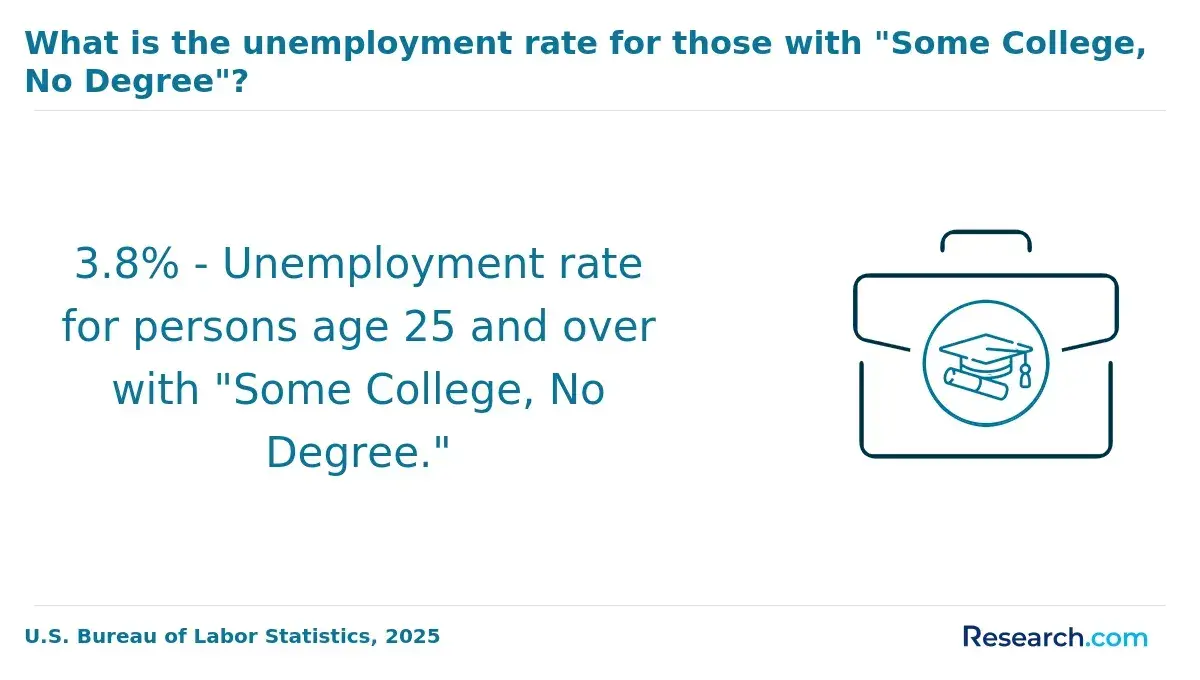
Employment outcomes for graduates of online and campus marriage & family counseling programs largely hinge on factors beyond delivery format, including institutional prestige, clinical placement quality, and licensing board standards. Data from 2024 sources show employment rates within six months post-graduation are close-around 72% for campus and 68% for online graduates-highlighting that access to local internships and fieldwork often drives licensure readiness and employer appeal more than whether coursework was completed online or in person. For example, a graduate from a well-established campus program may benefit from deep local networks and stronger internship pipelines that feed directly into regional hiring, whereas an online graduate may face limitations coordinating clinical hours in specific locales, potentially delaying certification.
Employer perceptions meanwhile still reflect nuanced biases shaped by networking opportunities and program reputation rather than modality alone. Some hiring managers prefer candidates whose transcripts and resumes indicate campus involvement due to presumed hands-on experience and peer collaboration, which can translate into enhanced professional contacts critical in counseling fields. Conversely, online programs often afford greater flexibility for working adults juggling careers and studies but might require proactive efforts to build meaningful professional relationships absent a physical campus environment. Licensing authorities also vary in their acceptance of virtual clinical hours, with stricter regions potentially extending the timeline for online graduates seeking full certification, adding another layer of complexity in career planning and mobility across jurisdictions.
Overall, choosing between online and campus marriage & family counseling programs involves assessing trade-offs related to scheduling flexibility, access to quality internships, and the presence of robust alumni networks. While online programs may reduce debt burden and better accommodate ongoing employment, graduates should anticipate possible challenges in establishing professional connections and meeting state-specific licensure demands. These practical distinctions underscore the importance of researching not only program accreditation but also clinical and career support infrastructure when selecting the educational path that aligns with one's long-term professional objectives.
How Do Employers View Online vs Campus Marriage & Family Counseling Degrees?
Employer evaluation of online versus campus marriage & family counseling degrees hinges less on the delivery method and more on clear indicators of program quality, such as accreditation by recognized bodies like the Commission on Accreditation for Marriage and Family Therapy Education (COAMFTE) and documented clinical experience. Hiring managers frequently emphasize verified practicum hours and internship outcomes, as these demonstrate real-world client interaction and applied skills essential for the profession. For example, a community mental health center may prioritize candidates with robust supervised clinical placements, regardless of whether their degree was earned online or on campus, recognizing that such experience directly correlates with job readiness and professional competence.
Despite growing acceptance of online credentials, some employers in smaller or traditional clinical settings still favor campus degrees for the immersive peer collaboration and face-to-face mentorship they offer, which are perceived to better prepare students for collaborative practice environments. Conversely, larger healthcare systems and agencies managing high caseloads increasingly see value in the flexibility and diversity of online program formats, which can broaden access and accommodate working professionals without sacrificing curriculum rigor. According to a 2024 National Association of Colleges and Employers survey, approximately 68% of employers hold no negative bias against candidates holding accredited online counseling degrees, provided that the credentials come from programs meeting established academic and clinical standards.
Candidates weighing online versus campus marriage & family counseling pathways should consider how their target employers assess program authenticity, the visibility of hands-on experience, and opportunities for networking or mentorship inherent in the program format. These factors often have a greater impact on long-term career traction than the modality alone, influencing licensure success, job placement, and ongoing professional development within diverse clinical settings.
Which Marriage & Family Counseling Degree Format Offers Better Flexibility for Working Adults?
Choosing between online and campus marriage and family counseling programs significantly impacts flexibility, especially for working adults juggling employment and personal responsibilities. Online formats offer greater scheduling control through asynchronous coursework, which helps students with variable shifts or caregiving duties manage progress without fixed class times. In contrast, campus programs often require attendance at scheduled lectures and in-person residencies, creating potential conflicts with full-time work and increasing commute-related time burdens. These differences influence persistence and graduation timing, as part-time pacing tends to be more common among online students, reducing dropout risks but potentially extending total enrollment costs and delaying entry into the workforce.
However, the need for in-person clinical practicum and internships complicates the picture, as both formats demand real-world, supervised experiences that are less flexible and frequently require physical presence. Online students may still face geographic constraints unless their programs partner with local agencies to facilitate placements. Campus formats may provide more immediate access to faculty mentorship and cohort networking, which can enhance peer support and professional connections, though at the expense of rigid scheduling. Balancing these trade-offs is essential when considering online marriage and family counseling programs flexibility for working adults, as not all online degrees eliminate the logistical demands tied to fieldwork and direct faculty interaction.
Employer attitudes increasingly favor remote degrees as valid qualifications, reinforcing the value of online formats in work-life balance decisions. The reality is that practical flexibility must be weighed alongside clinical requirements and access to mentorship to maintain continuity in career progression. Those seeking adaptability without sacrificing connection may also explore hybrid or evening options. For those comparing options, it may be useful to examine comprehensive degree pathways including hybrid schedules or explore related fields through resources on an online degree in exercise science to understand how flexibility features vary by discipline and program design.
How Should Students Choose Between an Online and Campus Marriage & Family Counseling Program?
Choosing between an online and campus marriage & family counseling program requires weighing the tangible impact of format on graduation outcomes and career readiness. Campus programs typically report a roughly 10% higher six-year graduation rate, reflecting greater student engagement and access to hands-on clinical experiences essential for licensure. This advantage translates into more consistent course sequencing and structured internship placements, which can be pivotal in meeting state certification requirements and employer expectations that emphasize supervised practical training.
Cost considerations extend beyond tuition; while online programs often reduce expenses related to commuting and housing by 20-30%, campus programs might offer more robust financial aid options and invaluable networking opportunities leveraging direct faculty contact. For working adults or caregivers, program flexibility and asynchronous coursework are critical, but these benefits must be balanced against potential challenges with persistence and opportunity costs tied to less immediate access to clinical mentorship, which remains highly valued by 70% of employers surveyed by the Council on Accreditation. Students should rigorously assess how each format aligns with their capacity for onsite participation and clinical hours, especially given the importance of meeting licensure standards.
Moreover, career trajectories in marriage & family counseling hinge on experiential learning that shapes skills and professional relationships; thus, evaluating program delivery in the context of employment realities is vital. Practical workforce considerations, such as the need for hands-on placements and peer collaboration, may outweigh the convenience of online formats in some regions. Those balancing work while pursuing degrees should also review regional accreditation and licensure demands carefully. Ultimately, informed decisions about online vs campus marriage & family counseling program outcomes must integrate academic rigor, cost, scheduling, and career mobility factors, similar to how one would analyze an athletic director salary in relation to career planning and industry expectations.
References
- Urban Institute Report Reveals Hidden Costs of Higher Education and Calls for Policy Response https://www.higheredtoday.org/2024/02/26/the-housing-and-food-gaps-in-thousands-of-dollars-comparing-student-budgets-and-policy-solutions-across-institutions/
- Online Master's in Marriage and Family Therapy https://onlinecounselingprograms.com/online-counseling-degrees/online-mft-masters-programs/
- MA in Marriage/Family Therapy (Marriage/Family Therapy) https://www.umassglobal.edu/academic-programs/ma-in-marriage-and-family-therapy
- Cost of Online College vs. In-Person | Touro University Worldwide https://www.tuw.edu/school-news/cost-of-online-college-vs-in-person/
- 7 Mistakes to Avoid in an Online Master's in Counseling https://www.counselingpsychology.org/articles/mistakes-masters-counseling/
- Best Online Master's In Marriage & Family Counseling 2025 https://www.psychology.org/rankings/best-masters-programs-in-family-counseling/
- Master of Science in Counseling/Marriage, Family and Child Therapy | University of Phoenix https://www.phoenix.edu/online-behavioral-sciences-degrees/marriage-family-child-counseling-masters-degree.html
- Online vs In-Person Therapy: Which Works Better? | Empower Counseling & Coaching https://empowercounselingllc.com/2025/10/08/online-vs-in-person-therapy-effectiveness/
- Best Online Marriage and Family Therapy Master’s Programs for 2025 https://www.onlinemastersdegrees.org/best-programs/counseling/marriage-and-family-therapy-mft/
- Program Details: https://www.eastern.edu/academics/graduate-programs/ma-marriage-and-family-therapy-online
Other Things You Should Know About Marriage & Family Counseling
Clinical practicum is essential in marriage & family counseling training, but it can vary significantly between formats. Campus programs often integrate in-person supervision and peer interaction, which fosters immediate feedback and skill-building in group settings. Online programs typically require students to secure local practicum sites independently, which may lead to variability in supervision quality and clinical exposure. Prospective students should weigh their comfort with self-managing practicum placements and assess whether their local area offers access to adequate clinical resources before choosing an online program.
Networking in campus settings is often more direct, with frequent face-to-face interactions among peers, faculty, and local providers, potentially leading to stronger professional contacts early on. Online students may find networking more challenging, relying heavily on virtual platforms that can limit spontaneous or deeper connections. Since many counseling careers depend on referrals and local professional relationships, students prioritizing regional career integration should consider the advantages of in-person networking opportunities in campus programs.
Online marriage & family counseling programs offer scheduling flexibility but often demand greater self-discipline, as students must balance asynchronous coursework with practicum responsibilities, which can create uneven workload peaks. Campus students contend with fixed schedules that provide structured time blocks, which might aid in maintaining consistent study habits but reduce flexibility. Working professionals juggling family obligations might prioritize online options for flexibility but should actively develop strong time-management strategies to avoid burnout and delays.
Accreditation status directly affects licensure eligibility and employer recognition, regardless of delivery format, but some states and employers remain skeptical of online degrees from non-accredited institutions. Students should prioritize programs accredited by recognized bodies like the Commission on Accreditation for Marriage and Family Therapy Education (COAMFTE) to ensure their degree meets licensure requirements and boosts employability. This consideration is often more critical than the choice between online or campus, as an accredited program can offset format limitations in professional acceptance.