2027 Marriage & Family Counseling Degree Oversupply or Undersupply? Student Volume vs Employer Demand

Co-Founder and Chief Data Scientist
Choosing to pursue a marriage & family counseling degree entails more than academic commitment-it requires evaluating whether the influx of graduates aligns with actual employer needs. Data from 2024 reveals a 12% annual increase in graduates against a comparatively modest 6% projected job growth in counseling roles nationwide. This divergence signals potential oversupply in some regions, intensifying competition and raising risks of underemployment for new professionals without advanced skills or licensure.
Additionally, geographic disparities further complicate outcomes, with urban centers showing stronger demand than rural areas. This article compares marriage & family counseling student volume with employer demand, job growth, industry needs, regional conditions, and skill gaps to assess sustainable opportunities versus rising competition.
Key Things to Know About Marriage & Family Counseling Graduate Supply and Employer Demand
- Graduate production in marriage & family counseling outpaces regional job openings by over 20%, suggesting localized oversupply that demands strategic geographic or specialization shifts for students seeking better placement odds.
- Employer surveys highlight a rising preference for candidates with integrated clinical skills beyond core counseling, indicating a gap that could disadvantage narrowly trained graduates in securing competitive roles.
- Extended licensure timelines and cost barriers delay workforce entry, meaning some graduates face prolonged unemployment or underemployment periods impacting return on educational investment and career momentum.
- Key Things to Know About Marriage & Family Counseling Graduate Supply and Employer Demand Key Things to Know About Marriage & Family Counseling Graduate Supply and Employer Demand
- Is There an Oversupply or Undersupply of Marriage & Family Counseling Graduates? Graduate Oversupply or Shortage
- How is Marriage & Family Counseling Degree Enrollment Changing? Degree Enrollment Trends
- How Many Marriage & Family Counseling Graduates Enter the Workforce Each Year? Annual Graduate Workforce Entry
- Does Job Growth Support the Rising Supply of Marriage & Family Counseling Graduates? Job Growth Versus Supply
- How Competitive is the Entry-Level Market for Marriage & Family Counseling Graduates? Entry-Level Market Competition
- Which Industries Have the Greatest Demand for Marriage & Family Counseling Graduates? Top Hiring Industries
- Where are Marriage & Family Counseling Graduates Most in Demand? Top Geographic Demand
- Which Marriage & Family Counseling Specializations and Degree Levels Face the Strongest Demand? Which Marriage & Family Counseling Specializations and Degree Levels Face the Strongest Demand?
- Are Employer Skill Gaps Affecting Demand for Marriage & Family Counseling Graduates? Are Employer Skill Gaps Affecting Demand for Marriage & Family Counseling Graduates?
- What is the Future Supply-and-Demand Outlook for Marriage & Family Counseling Graduates? Future Supply-Demand Outlook
Is There an Oversupply or Undersupply of Marriage & Family Counseling Graduates?
The current supply of marriage & family counseling graduates marginally exceeds employer demand on a national scale, largely driven by steady enrollment growth and a 5% increase in master's degree completions through 2023, according to IPEDS data. Despite this growth, job openings in the field are expanding at a slower rate of about 3% annually, creating heightened competition in metropolitan hubs such as California and New York where three to five candidates often vie for each entry-level role. This dynamic illustrates how regional hiring trends for marriage and family counseling professionals significantly influence workforce balance, with urban centers reflecting saturation that can extend job search times and necessitate advanced credentials or specialized clinical training. Graduates focusing on generalist master's degrees, in particular, face a more challenging landscape compared to those with doctoral degrees or specialized expertise in emerging subfields.
However, this apparent national oversupply masks pronounced undersupply in rural areas and niche specialties where employers struggle to find adequately licensed, experienced clinicians. State workforce surveys in the Midwest and Southern United States highlight persistent gaps for trauma-informed family counseling and culturally specific therapy services, signaling that program graduates aligned with these specializations enjoy stronger demand and less competition. The mismatch between graduate output and employer expectations partly stems from evolving regulatory requirements and integrated care models that prioritize advanced training beyond standard master's credentials. Prospective students should thus weigh regional hiring trends and specialization options carefully to navigate the supply-demand landscape effectively, a consideration echoed in choices about where to pursue degrees from institutions such as Chamberlain University that offer varied clinical emphases and pathway flexibility.
How is Marriage & Family Counseling Degree Enrollment Changing?
Enrollment trends in marriage & family counseling master's programs are rising steadily, driven largely by expanded online options and increased societal focus on mental health. However, this growth does not uniformly translate into reduced workforce shortages due to regional market disparities and employer emphasis on supervised clinical experience and cultural competence. For example, while some states with robust healthcare infrastructures absorb these graduates efficiently, others with less developed support systems face bottlenecks, intensifying competition among new professionals. National data from the National Center for Education Statistics in 2024 show moderate growth in master's program enrollment, underscoring the importance of evaluating local labor demand rather than relying solely on aggregate figures.
The shift toward online and hybrid formats has broadened access to marriage & family counseling education for non-traditional students, often balancing work and family, but it raises persistent questions regarding clinical training quality and employer readiness. Demographic diversification of the student body is notable, potentially enhancing cultural responsiveness in the field, yet it also requires programs to improve support structures to ensure equitable outcomes. Given that doctoral degree enrollments remain stable and less common, the profession prioritizes applied master's credentials, but this concentration may saturate some specializations if institution capacities and internship opportunities do not keep pace with student volume.
A current master's student in marriage & family counseling shared that their cohort size nearly doubled over two years due to the university's new online pathway, which attracted working professionals and geographically dispersed applicants. They appreciated the flexibility but expressed uncertainty about future job market conditions, noting classmates' nervousness about whether rising enrollment signals stronger hiring or stiffer competition without corresponding internship placements. This student observed that program administrators are responsive but balancing expansion with maintaining rigorous clinical practicum opportunities remains a palpable challenge, especially given employer preferences for hands-on experience.
How Many Marriage & Family Counseling Graduates Enter the Workforce Each Year?
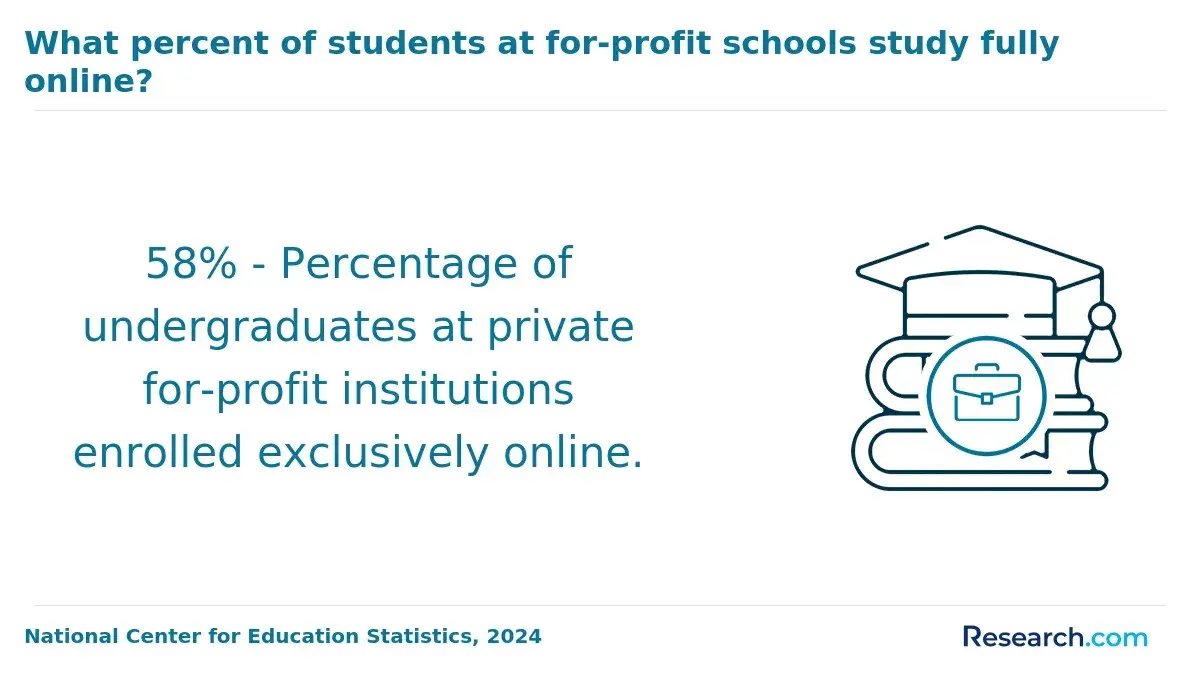
Evaluating whether the annual number of marriage & family counseling graduates signals an oversupply or undersupply requires more than tallying degree completions. Data from the National Center for Education Statistics and IPEDS indicate about 3,000 to 4,000 individuals finish relevant programs annually, but this figure alone overlooks critical workforce dynamics. Not every graduate seeks immediate employment in counseling roles; many delay entry due to licensure requirements involving supervised clinical hours, or pivot toward related fields such as social services or education. Consequently, interpreting graduate volumes without considering licensure pipelines, time-to-employment, and alternative career paths risks misestimating true labor market competition and demand.
State workforce data reveal that approximately 60% to 70% of graduates secure roles in marriage & family counseling within two years, highlighting a substantial transition lag and regional hiring variation. Urban centers typically offer more steady demand while rural areas may have fewer openings, producing geographic disparities that affect job prospects. Employers also weigh specialized clinical competencies and licensure status heavily, so not all graduates vie equally for available positions. Additionally, replacement demand and funding shifts for mental health programs modulate job availability annually, preventing a straightforward correlation between graduate output and employment opportunities.
For those weighing educational investments or workforce planning, understanding that the supply of new counselors aligns roughly with-but does not exceed-employer needs is vital. Misreading enrollment numbers as simple oversupply could undervalue how licensing hurdles and variable regional demand shape market absorption. In practice, graduates who navigate credentialing efficiently and show flexibility in location and employment settings improve their chances of securing roles, emphasizing that labor market entry is contingent on more nuanced factors than graduation data alone can capture.
Does Job Growth Support the Rising Supply of Marriage & Family Counseling Graduates?
Despite a projected 19% employment growth for marriage & family therapists through 2032 according to the U.S. Bureau of Labor Statistics, this expansion does not straightforwardly translate to ample job openings for the growing number of graduates. The supply of marriage & family counseling graduates has surged, particularly at the master's level, often outpacing localized demand. Many employers favor candidates with significant practical experience, internships, or state-specific licensure, limiting immediate employment opportunities for recent graduates who may lack these credentials. This dynamic underscores the risk of underemployment or delayed entry for new professionals, especially where regional demand does not align with graduate concentrations.
Regional demand for marriage & family counseling professionals varies considerably, influenced by geographic mismatches, differing state certification rules, and workforce replacement needs amid retiring clinicians. For example, urban areas may experience saturation while rural communities face shortages, complicating a one-size-fits-all hiring outlook. A graduate from a highly ranked program might still struggle to compete without specialized skills or geographic flexibility. Prospective students should weigh such factors carefully and consider how practical readiness and mobility affect job prospects, rather than relying solely on aggregate growth figures.
Increasing student volume highlights the importance of strategic educational choices, including exploring flexible learning options like a self paced bachelor's degree that can accommodate diverse career pathways or supplementary training. Ultimately, nuanced labor market analysis is critical for understanding whether the volume of marriage & family counseling graduates genuinely meets employer demand or contributes to regional imbalances within the profession.
How Competitive is the Entry-Level Market for Marriage & Family Counseling Graduates?
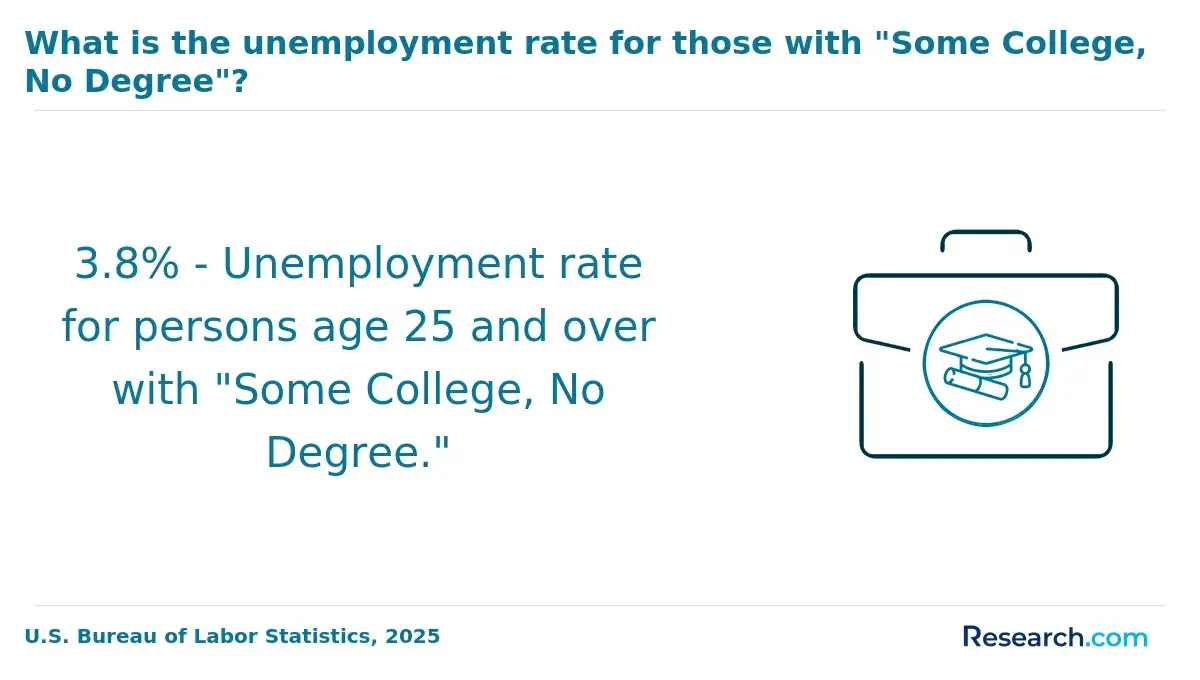
The entry-level job market for marriage & family counseling graduates in 2024 reflects a nuanced balance between steady demand and considerable competition. Labor data projects a 14% growth over the next decade, which outpaces average occupations but does not suggest an acute labor shortage. Still, rising graduate numbers fueled by expanding graduate programs have intensified competition, especially since many employers prioritize candidates with supervised clinical hours beyond degree completion. This dynamic means that while job openings exist, fully qualified candidates remain comparatively scarce.
Key factors shaping entry-level hiring competitiveness include:
- Applicant Volume: The growing number of graduates annually increases the candidate pool. Graduates should assess local program output and peer competition to set realistic job-search expectations.
- Experience Requirements: Many positions demand internships or practicum experience and often state licensure, which can take 2-3 years post-graduation, extending the pathway to full employment.
- Licensure Barriers: The timing and difficulty of obtaining required certifications affect hiring readiness, with some employers reluctant to consider candidates still in provisional licensing stages.
- Geographic Demand Variability: Urban areas typically offer more openings but attract more applicants, while smaller regions may have fewer roles but less competition.
- Workforce Specialization: Graduates compete not only with peers in marriage & family counseling but also with counseling professionals from related fields seeking similar entry-level roles.
- Underemployment Trends: Many entrants initially accept related roles outside their specialization, indicating a gap between immediate availability of ideal jobs and long-term career alignment.
- Licensing Process Duration: The standard 2-3 year period for completing supervised hours and passing exams adds a temporal hurdle that influences employer preferences and candidate patience.
A recent graduate recounted applying broadly across urban and suburban regions, encountering over 50 applicants per entry-level posting. Despite holding a relevant master's degree, repeated requests for extended practicum hours and licensure progress slowed callbacks. Early interviews in metropolitan centers ended without offers, prompting a pivot toward less competitive suburban clinics. This strategy resulted in tentative job prospects but underscored the importance of geographic flexibility and gaining additional supervised experience before securing full licensure and career stability.
Which Industries Have the Greatest Demand for Marriage & Family Counseling Graduates?
Demand for marriage and family counseling graduates concentrates in sectors where relational and systemic challenges are central to service delivery. Employer needs strongly align with industries offering both high-volume entry points and specialized advancement opportunities, although regional supply disparities affect hiring dynamics. For example, healthcare settings emphasize clinical proficiency and telehealth adaptability, whereas educational institutions seek counseling expertise integrated into student support services. Graduates must carefully evaluate job market volume, competition levels, and credential requirements across potential fields. Below are the industries generating the greatest employer demand based on regional employer demand for marriage and family counseling professionals:
- Healthcare Services: This sector leads demand due to expansive networks of outpatient centers, hospitals, and private clinics focused on mental health and family therapy. Entry roles often involve applying evidence-based therapeutic methods, with advancement linked to clinical specialization and licensure. Employers prioritize telehealth skills reflecting evolving service models.
- Social Assistance Agencies: Community organizations, youth services, and family support programs drive openings by addressing substance abuse, domestic violence, and reunification needs. Candidates with cultural competence and experience in trauma-informed care hold a competitive edge. Specialized certifications in social work practices enhance prospects.
- Educational Institutions: K-12 systems and higher education increasingly incorporate marriage and family counseling to support student well-being and family engagement. Positions range from school counselors to program coordinators, often requiring additional credentials in educational counseling frameworks.
- Rural and Underserved Areas: Despite limited overall job volume, these regions display persistent vacancy rates due to lower graduate supply. Professionals willing to work in these areas may access less competitive markets but should prepare for broader role scopes and potential resource constraints.
- Private Practice and Independent Counseling: Graduates with entrepreneurial interest find demand in establishing or joining private practices, though success depends on client base development and business acumen. Licensure and niche specialization in areas like couples therapy can improve marketability.
- Substance Abuse Treatment Centers: Facilities focusing on addiction recovery generate consistent demand for counselors with skills in family dynamics and relapse prevention. Certifications specific to substance abuse counseling are often required.
Graduates weighing these options must consider how degree output aligns with local employment opportunities, balancing higher competition in urban healthcare against greater need but fewer resources in some social assistance or rural settings. Understanding regional employer demand for marriage and family counseling professionals remains critical. Individuals exploring allied health or related pathways may also compare these trends alongside other fields, such as pursuing an online bachelor's in biology, which presents different labor market dynamics altogether.
Where are Marriage & Family Counseling Graduates Most in Demand?
National statistics on marriage & family counseling employment mask significant regional disparities shaped by local healthcare infrastructures, population density, and policy priorities. For instance, while states like California and New York report high volumes of counseling positions due to their large urban centers and extensive mental health provider networks, these markets also attract large numbers of graduates, intensifying competition for limited openings. A graduate relocating to a city such as Los Angeles must weigh salary prospects against high living costs and applicant saturation, which can diminish short-term employment returns despite a strong employer presence.
Conversely, emerging markets like Washington and Colorado present less crowded hiring landscapes, though these states offer fewer overall positions. Smaller metropolitan areas or rural regions often struggle with oversupply when local graduate programs outpace job creation, leading to underemployment or career stagnation for many practitioners. Employers in healthcare and social services increasingly seek candidates with specialized credentials or multicultural competencies, favoring those who can navigate diverse client populations and layered service settings, which adds another dimension to job accessibility beyond sheer vacancy counts.
Remote work options and interdisciplinary skills can partially offset geographical rigidity, yet the practical value of opportunities depends heavily on matching local demand profiles with individual expertise and credentialing. While metropolitan hubs typically feature broader and more varied roles, graduates targeting such markets should anticipate heightened competition and higher living expenses, making secondary markets viable for those prioritizing manageable workloads and regional stability over volume. According to 2024 BLS data, strategic geographic selection grounded in both employer density and workforce dynamics remains essential for optimizing career entry and sustainability in marriage & family counseling.
Which Marriage & Family Counseling Specializations and Degree Levels Face the Strongest Demand?
Demand in the field of marriage & family counseling is unevenly distributed across specialties and degree levels, reflecting specific employer needs rather than a broad market shortage or surplus. Employers prioritize practitioners who meet licensure standards-typically requiring a master's degree-while favoring specialized skills aligned with growing behavioral health trends. For example, a master's graduate specializing in trauma-informed care with licensure and certification in substance abuse counseling will find more opportunities in integrated health environments than a candidate focused solely on marital relationship counseling without additional credentials or clinical experience. Meanwhile, doctoral degree holders often access narrower markets oriented toward academia or high-level clinical supervision, where competition and experience expectations are substantially higher. This landscape underscores the importance of aligning educational investments with targeted skill sets and regional workforce demands. Below are key specialization and degree-level demand drivers supported by recent data from the U.S. Bureau of Labor Statistics and LinkedIn Workforce Insights.
- Master's Level Clinical Therapists: Master's degrees remain the minimum standard for licensure and employment in most states. Employers actively seek licensed professionals capable of meeting statutory requirements and providing approved clinical services.
- Child and Adolescent Therapy Specialists: There is elevated demand for counselors trained to work with younger populations, especially in regions with population growth such as the Southeast and West Coast, due to acute shortages reported by state workforce agencies.
- Trauma-Informed Practitioners: Counselors with certifications in trauma-informed care fill a growing niche responding to complex client needs, with increasing job postings reflecting integrated behavioral healthcare trends.
- Multicultural Competence Experts: Culturally responsive counseling skills are increasingly valued in diverse communities, enhancing employability in both public and private settings.
- Doctoral Degree Holders: PhD or PsyD credentials lead primarily to academic, research, and supervisory roles. These positions require substantial post-degree experience and face a more constrained labor market than entry-level clinical jobs.
- Combined Credential Candidates: Individuals holding licensure plus additional certifications, such as substance abuse counseling, typically enjoy a competitive edge due to their broader skill sets aligning with employer demands.
Are Employer Skill Gaps Affecting Demand for Marriage & Family Counseling Graduates?
Demand for marriage & family counseling graduates is less about an absolute shortage and more about a persistent gap between candidate qualifications and employer expectations. Hiring managers prioritize applied counseling experience, demonstrated proficiency with teletherapy platforms, advanced certifications, and the ability to navigate diverse cultural dynamics. Consequently, even regions showing strong regional demand for marriage & family counseling professionals often experience prolonged vacancies when candidates lack these attributes. For instance, a well-qualified candidate with limited exposure to digital client management tools may lose out to a peer with robust, practical teletherapy experience despite comparable academic credentials.
This misalignment between supply and demand skews perceptions of oversupply or undersupply in the workforce. Positions remain open not due to a lack of graduates but because many entry-level professionals fall short of clinical or technological competencies prioritized by employers. Differences in hiring criteria across states and healthcare settings further complicate competition among graduates, especially those without targeted internships or specialized training. For prospective students, selecting a program that integrates hands-on training and relevant certifications is vital. Some may also benefit from exploring pathways that combine counseling education with complementary fields, similar to accelerated options like 3 year PharmD programs, where condensed, practical training responds directly to employer skill demands.
Labor market data from LinkedIn and Lightcast underscore how employers evaluate candidates not solely by degree but by their readiness for real-world challenges, including communication skills and familiarity with regulatory standards. Navigating these criteria can improve employability and career sustainability in marriage & family counseling. Awareness of employer skill gaps in marriage & family counseling graduates enables students and current degree holders to make strategic choices, enhancing alignment with workforce needs through focused skill development and program selection.
What is the Future Supply-and-Demand Outlook for Marriage & Family Counseling Graduates?
Graduates in marriage & family counseling improve their job search outcomes most effectively through targeted strategies rather than broad, high-volume applications. For example, a recent graduate focusing applications on entry-level roles titled "mental health counselor" or "family therapist" within regions known for regional demand trends for marriage & family counseling professionals can avoid wasting effort on oversaturated urban markets. Tailoring resumes to closely match employer language and demonstrating relevant licensure, telehealth competencies, or supervised clinical experience significantly enhances their competitiveness, especially since many employers prioritize cultural competency and practical readiness in these choices.
Attention to timing and market demand data also impacts interview conversion rates; applying to roles shortly after posting and prioritizing industries like schools or community clinics where demand is stronger tend to yield better results. Conversely, graduates who use generic applications risk being filtered out early, missing chances to present specialized skills or to address regional supply shortages in underserved areas. Investing time in understanding supply-demand balance and focusing on roles aligned with their qualifications is critical amid growing graduate volumes and evolving employer expectations, as highlighted in the U.S. Bureau of Labor Statistics.
A strategic approach includes researching accredited programs with appropriate licensure support. Prospective students and graduates interested in optimizing their educational credentials may explore APA accredited online programs, which often emphasize practical readiness and reduce barriers, enhancing long-term employability in this competitive field.
References
- Program Details: https://www.eastern.edu/academics/graduate-programs/ma-marriage-and-family-therapy-online
- Verifying that you are not a robot... https://draudrey.net/2025/10/08/what-about-marriage-and-family-therapist-education-requirements/
- Marriage and Family Therapist Workforce Study 2022 - Family Therapy Magazine https://ftm.aamft.org/shifting-demographics-in-the-industry/
- Why get an MFT degree? | edX https://www.edx.org/resources/is-a-masters-in-mft-worth-it
- Too Few Graduates for Too Many Patients? - Gray DI https://www.graydi.us/blog/graydata/the-mental-health-gap-too-few-graduates-for-too-many-patients
- Online Master's in Marriage and Family Therapy https://onlinecounselingprograms.com/online-counseling-degrees/online-mft-masters-programs/
- Best Online Master's In Marriage & Family Counseling 2025 https://www.psychology.org/rankings/best-masters-programs-in-family-counseling/
- Master of Science in Counseling/Marriage, Family and Child Therapy | University of Phoenix https://www.phoenix.edu/online-behavioral-sciences-degrees/marriage-family-child-counseling-masters-degree.html
- ‘Unfinished Business’: What a study reveals about the lack of licensed mental health graduates https://ironrangetoday.com/2025/03/18/unfinished-business-what-a-study-reveals-about-the-lack-of-licensed-mental-health-graduates/
- MFT Job Outlook & Career Paths: 2026 Guide – Marriage Family Therapist https://www.marriagefamilytherapist.org/careers/jobs/
Other Things You Should Know About Marriage & Family Counseling
Program structure and clinical training opportunities vary widely across marriage & family counseling degrees, which significantly affects graduate readiness and employability. Students should prioritize programs that offer extensive supervised practicum hours and exposure to diverse client populations, as employers often emphasize hands-on experience and cultural competence. A program's reputation within local clinical networks can also influence job prospects more than national rankings, highlighting the importance of investigating local employer partnerships and alumni outcomes before enrollment.
The profession demands emotional resilience due to high caseloads and complex client dynamics, influencing career longevity and job satisfaction. Graduates unfamiliar with these stressors may face rapid burnout, affecting retention rates in early employment. Prospective students should consider whether their chosen program integrates self-care strategies and realistic workload expectations into its curriculum, as this preparation can improve long-term career sustainability and performance in high-demand job settings.
Licensure mandates vary by state and often include specific coursework, supervised hours, and exam components that not all degree programs fully cover. Graduates from programs not aligned with their state's licensure framework may face delays or additional costs in certification. Prospective students should prioritize enrollment in programs explicitly designed to meet their intended practice location's criteria to avoid barriers to timely licensure and employment.
Employers increasingly value candidates who can integrate knowledge from psychology, social work, and even healthcare navigation. Programs that incorporate interdisciplinary coursework or foster collaboration with related disciplines often produce graduates better equipped to address complex family dynamics and systemic issues. For students aiming for broader employment flexibility, choosing a degree path that emphasizes cross-disciplinary skills and networking opportunities is advisable for maximizing both employability and career adaptability.