2027 Marriage & Family Counseling Affordability by State: Where Students Pay the Most and Least

Co-Founder and Chief Data Scientist
Choosing between a marriage & family counseling program in-state with lower tuition but high living costs versus an out-of-state option with steep tuition yet cheaper housing creates a complex affordability puzzle. According to a 2024 National Center for Education Statistics report, student borrowing increased notably in states with high tuition but moderate living expenses, reflecting hidden costs that may outweigh advertised savings.
This trend indicates that students often underestimate total attendance costs when comparing programs solely on tuition. For marriage & family counseling students, these financial nuances critically influence long-term debt and career flexibility. This article examines state-by-state affordability to reveal where marriage & family counseling degrees are most and least accessible financially.
Key Things to Know About Marriage & Family Counseling Affordability by State
- States with lower published tuition often have higher living costs, which can offset savings; thus, students must evaluate total expenses beyond sticker prices when choosing marriage & family counseling programs.
- Out-of-state tuition premiums and limited access to in-state financial aid can elevate costs significantly, influencing graduates' debt profiles and potentially delaying workforce entry in counseling roles.
- Rising enrollment in online marriage & family counseling degrees reflects cost-access tradeoffs, but employer preferences for regionally accredited, campus-based education persist, affecting long-term career mobility and licensure.
- Key Things to Know About Marriage & Family Counseling Affordability by State Key Things to Know About Marriage & Family Counseling Affordability by State
- Which States Have the Most Affordable Marriage & Family Counseling Degree Programs? Most Affordable State Programs
- Which States Have the Highest Marriage & Family Counseling Degree Costs? Highest State Tuition Costs
- How Much Does a Marriage & Family Counseling Degree Cost by State? Degree Costs by State
- Why Does Marriage & Family Counseling Affordability Vary So Much Between States? State Affordability Variations
- How Do In-State and Out-of-State Tuition Rates Affect Marriage & Family Counseling Affordability? In-State vs. Out-of-State Rates
- How Does the Cost of Living Impact Overall Marriage & Family Counseling Affordability by State? Living Costs and Affordability
- Which States Offer the Best Value for a Marriage & Family Counseling Degree? Best Value State Degrees
- What Financial Aid and Scholarship Opportunities Can Reduce Marriage & Family Counseling Costs? What Financial Aid and Scholarship Opportunities Can Reduce Marriage & Family Counseling Costs?
- Are Online Marriage & Family Counseling Degree Programs More Affordable Than On-Campus Options? Are Online Marriage & Family Counseling Degree Programs More Affordable Than On-Campus Options?
- Is a Marriage & Family Counseling Degree Worth the Cost Based on Career Outcomes and ROI? Degree ROI and Outcomes
Which States Have the Most Affordable Marriage & Family Counseling Degree Programs?
States with more affordable marriage and family counseling degree programs often share a common approach to higher education funding and tuition policy that tangibly impacts student finances and degree completion trajectories. For example, Wyoming and South Dakota maintain lower in-state tuition partly because their public universities benefit from consistent legislative support and tax-based subsidies, enabling steady or reduced rates even as neighboring states raise costs. This dynamic means a student from within these states may avoid the significant out-of-state tuition premiums common elsewhere, a crucial factor for budget-conscious learners balancing education expenses with family and work responsibilities. When evaluating where to enroll, prospective students must weigh such residency-driven pricing alongside the long-term value of geographic proximity to affordable degree programs as a strategic cost-control measure.
The state rankings for lowest cost marriage and family counseling degrees reflect more than sticker price variance-they reveal infrastructural differences that shape financial aid availability and non-traditional student access. New Mexico, for instance, pairs competitive tuition with targeted financial aid initiatives that mitigate debt burdens specific to counseling students, reflecting policy priorities that promote educational accessibility in fields tied to regional health and social services demand. This interplay of tuition, aid, and program delivery options such as online degrees also intersects heavily with the practical realities of families and working professionals pursuing marriage and family counseling degrees. Strategic flexibility in program format, combined with state-level investment, thus influences not only initial enrollment decisions but also the likelihood of timely graduation and long-term career resilience in counseling roles.
Understanding these affordability nuances informs smarter comparisons and informed choices beyond basic cost rankings, especially in a field with growing demand across healthcare systems and community services. Students who factor in state tuition policies, residency provisions, and funding ecosystems benefit by choosing programs aligned with their financial constraints and life circumstances rather than chasing perceived prestige alone. For those researching degree options that fit tight budgets, considering related majors like healthcare administration majors may also reveal alternative pathways supported by similar state affordability structures. Ultimately, state-level cost disparities hold real consequences for enrollment patterns, student debt exposure, and career mobility within the counseling profession. Prioritizing these elements is essential for those comparing the most affordable marriage and family counseling degree programs by state.
Which States Have the Highest Marriage & Family Counseling Degree Costs?
States with the highest marriage & family counseling degree costs often combine elevated tuition rates with significant living expenses, creating a cumulative financial challenge that extends beyond sticker price. In areas like California and New York, public graduate tuition can exceed $14,000 and $20,000 respectively for in-state students, but when factoring in housing and transportation-often concentrated in dense urban settings-total annual costs can surpass $40,000. This dynamic limits the viability of out-of-state or relocation options for many prospective students, as some states and institutions lack reciprocal tuition agreements, and private programs typically demand even higher fees. Moreover, limited availability of affordable online or hybrid delivery in these expensive states restricts part-time study paths that might otherwise ease financial strain, forcing students to carefully weigh whether the premium investment aligns with their career trajectory and debt tolerance.
Institutional funding policies also exacerbate cost disparities, as states with less public support pass higher expenses to students, disproportionately affecting those without access to robust financial aid packages. The concentration of programs within private professional schools and urban areas reflects employer demand but reduces affordable options for students balancing economic constraints and practical considerations around residency and program format. For those comparing where to enroll, the difference between a $14,000 and a $35,000 annual tuition can mean the difference between manageable debt and long-term financial pressure, especially given that wage growth in counseling fields may not accelerate quickly enough to offset high upfront costs. As a result, geographic cost differences shape crucial decisions about pursuing the degree locally, seeking in-state tuition benefits, or prioritizing flexible learning models over campus prestige.
One student, initially drawn to a high-cost traditional program in Massachusetts, hesitated after uncovering the substantial tuition and living expenses paired with limited financial aid for out-of-state learners. They spent months researching in-state public alternatives and exploring hybrid programs that allowed retention of part-time employment. This comparative process revealed a tradeoff between the perceived prestige of the costly private school and the practical advantage of a more affordable state university with wider online offerings. Ultimately, the student's decision reflected a cautious balancing of long-term debt against flexible study options, illustrating how detailed cost analysis and program format considerations critically influence enrollment choices in this field.
How Much Does a Marriage & Family Counseling Degree Cost by State?
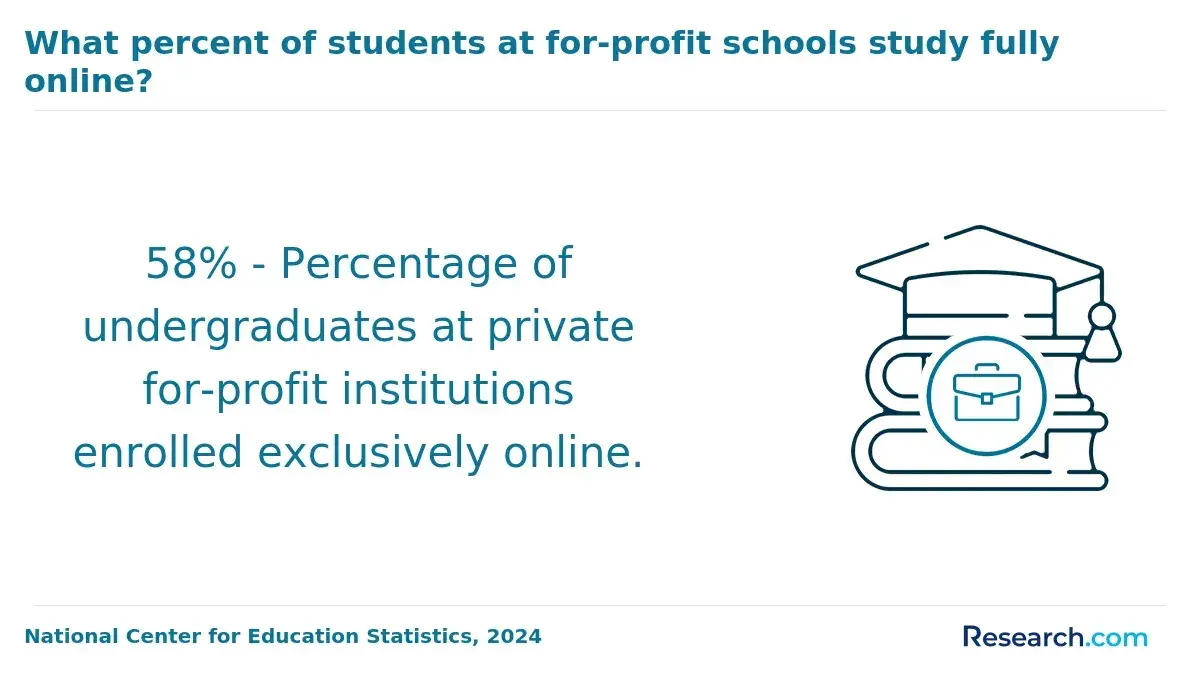
The cost of earning a marriage & family counseling degree can differ widely by state due to a combination of tuition structures, residency policies, and regional economic conditions. For instance, the 2024 data from the National Center for Education Statistics reveals that in-state tuition at public universities ranges from roughly $8,000 to $25,000 annually, with states like California and New York consistently on the higher end. Out-of-state students often face tuition rates two to three times higher, which can significantly increase overall program costs and influence decisions about whether to establish residency, pursue online alternatives, or seek private institutions.
Higher living costs in states with major urban centers or extensive counseling job markets often correlate with increased fees and expenses. However, these may be offset by greater employment opportunities and potentially higher starting salaries for graduates, creating a nuanced tradeoff. Conversely, more affordable states may offer lower sticker prices but pose challenges such as fewer specialized counseling programs, limited financial aid, or smaller local demand for counselors, potentially extending the time and cost required to recoup educational investments. Strategic consideration of these factors shapes borrowing needs, relocation feasibility, and long-term financial planning for students prioritizing both accessibility and career outcomes.
Why Does Marriage & Family Counseling Affordability Vary So Much Between States?
Affordability differences in marriage and family counseling program costs by state largely stem from the extent of public funding allocated to higher education and the resulting tuition strategies. States like Wyoming and New Mexico, which dedicate relatively higher funding per student, benefit from lower resident tuition that eases financial barriers for counseling students. By contrast, populous states such as California and New York face tighter budget conditions or prioritize other public sectors, shifting costs onto students and inflating tuition fees; this is further intensified by high local living expenses that amplify total education costs even when tuition is moderate. Such funding dynamics influence whether students can realistically access in-state programs or must consider out-of-state or online alternatives to manage expenses effectively.
The mix of public and private institutions also shapes affordability trends, with private colleges generally charging more and thus elevating average prices in states with a heavier private sector presence. Additionally, strong state-level financial aid targeting graduate programs can significantly offset these costs, influencing prospective students' decisions on where to enroll or whether to transfer during their studies. Enrollment demand plays a notable role, as programs in high-demand states balance expanded capacity or increased tuition to manage resources and waitlists, affecting long-term educational planning. According to the National Center for Education Statistics 2024 report, states with greater grant availability often see improved net affordability, a critical factor for budget-conscious learners comparing marriage and family counseling program costs by state.
These complex variations in tuition and aid availability also reflect broader workforce realities, including the growing need for mental health professionals in diverse regions. Students weighing options must consider how differences in institutional pricing and state policies impact not only upfront costs but also the feasibility of completing degrees timely and pursuing sustainable careers. For individuals exploring careers with practical healthcare applications, understanding how cost factors interact with program accessibility can guide decisions in tandem with labor market prospects, such as those in related fields like medical billing and coding jobs, which also demand careful cost-benefit evaluation in educational investments.
How Do In-State and Out-of-State Tuition Rates Affect Marriage & Family Counseling Affordability?
Residency-based tuition policies create significant financial disparities that directly shape students' decisions about pursuing a marriage & family counseling degree. Public universities commonly offer a 40% to 60% discount for in-state residents compared to out-of-state learners, a gap evident in the 2024 National Center for Education Statistics data showing average in-state tuition around $12,000 versus $28,000 for out-of-state graduate counseling programs. This difference forces candidates to weigh the immediate savings of in-state enrollment against potential relocation costs or limited program options if they remain restricted by residency requirements. Regional reciprocity agreements add nuance by permitting some reduced tuition rates across state lines, but these exceptions are neither comprehensive nor consistently accessible, requiring careful investigation when students consider out-of-state institutions.
The uniform tuition structures common among private and many online programs introduce predictability but often come with higher sticker prices exceeding $30,000 annually, eliminating residency as a cost factor. However, these programs may fall short regarding state licensure requirements critical to a counseling career, undermining the appeal of their flat rates. Financial aid availability and total cost of attendance-including housing and fees-interact with tuition differences to influence net affordability, making it essential for students to evaluate the full economic and regulatory picture rather than isolated tuition figures. Effective financial planning for marriage & family counseling students means balancing in-state advantages with long-term licensure and career mobility considerations.
An example of these challenges is a recent counseling graduate who moved to a neighboring state for school, initially paying out-of-state tuition without realizing that qualifying as a resident could take several semesters. The unexpected cost increase strained their budget and complicated financial aid eligibility. Reflecting later, the decision to attend a program with stronger licensing alignment justified the short-term premium but underscored how residency classifications and timing can sharply affect both cost and educational outcomes for counseling students navigating interstate enrollment options.
How Does the Cost of Living Impact Overall Marriage & Family Counseling Affordability by State?
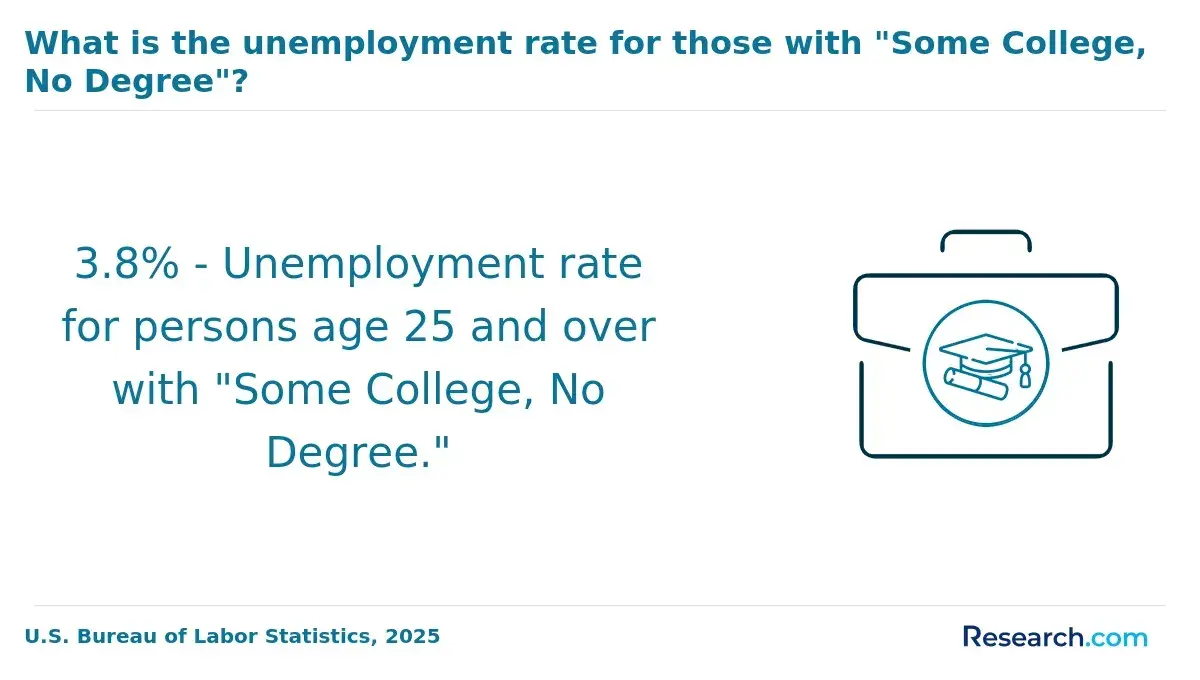
Evaluating marriage and family counseling cost of living by state reveals significant differences that extend beyond tuition fees to impact total educational expenses. For example, a student attending a program in New York faces monthly rents exceeding $2,000, with commuting and healthcare costs compounded by frequently rising inflation in utilities and services. In contrast, states like Arkansas offer substantially lower housing and transportation expenses, which can reduce reliance on loans or additional employment, thereby influencing enrollment decisions and the overall debt burden.
These variations affect how students balance in-person attendance and online learning options, as well as their strategies for scholarship sourcing and budget management. Areas with dense public transit may offset vehicle costs but increase daily transit fares, a factor that shapes the practical affordability of completing a degree. The impact of state living expenses on counseling degree affordability also intersects with local wage conditions and healthcare access, particularly for those managing mental health needs during training. Prospective students should carefully weigh these tradeoffs alongside tuition to avoid unexpected financial strain and optimize long-term career sustainability.
Budget-conscious learners exploring marriage & family counseling pathways must factor in these regional economic realities when planning their education trajectory. Comparing states requires attention to how living costs affect not only short-term expenses but also long-term outcomes like debt exposure and time to credential completion. Those seeking specialized programs might also consider related fields, such as an accelerated biology degree, to better align financial and professional priorities.
Which States Offer the Best Value for a Marriage & Family Counseling Degree?
Assessing the best value for a marriage & family counseling degree requires more than comparing tuition rates; students must consider how in-state tuition policies, overall cost of attendance, and local economic conditions intersect with outcomes like degree completion and early-career earnings. For example, Texas offers master's programs averaging around $7,500 in annual in-state tuition, fostering affordability without sacrificing graduation rates, which hover near 75% according to the College Scorecard 2024. This combination, along with a moderate cost of living, illustrates why cheaper sticker prices do not always equate to better value if students struggle to finish or face high living expenses that offset savings.
States differ widely in how public funding supports counseling programs and the availability of financial aid, both critical in shaping net costs. North Carolina's state investment sustains robust programs with practical training and median early-career salaries near $54,000, highlighting the importance of evaluating return on investment beyond simple tuition figures. Meanwhile, Florida's extensive public university network facilitates smoother transitions from bachelor's to master's degrees, which can reduce debt burdens; its graduates report average debt levels below the national median, according to IPEDS 2024. However, urban living costs and regional job markets must factor into decisions, as higher tuition or living expenses on the coasts can diminish apparent program quality's financial advantage.
For students weighing options, choices about relocating for residency-based tuition discounts or pursuing online alternatives remain crucial. Midwestern states might offer moderate tuition and living costs but often come with less workforce demand, which can impact job prospects post-graduation. Hence, a thorough analysis that accounts for the interplay between educational expenses, completion rates, and local employment landscapes offers a more functional lens than tuition alone when determining where a marriage & family counseling degree delivers genuine value.
What Financial Aid and Scholarship Opportunities Can Reduce Marriage & Family Counseling Costs?
Financial aid strategies significantly alter the financial accessibility of a marriage & family counseling degree, with stark contrasts depending on geography and enrollment status. Federal Pell Grants remain a cornerstone for need-based aid, covering a sizable portion of tuition for nearly 30% of graduate students in health-related fields, per the National Center for Education Statistics. However, access hinges on income thresholds and timely application, often requiring full-time enrollment, which can disadvantage part-time learners balancing work and study. For instance, a student in the Midwest might leverage regional tuition reciprocity agreements, substantially cutting out-of-state fees, whereas similar students elsewhere might face higher costs without such compacts.
State grants and institutional scholarships introduce additional complexity, as many emphasize merit or community-focused commitments, demanding consistent academic performance to maintain eligibility. Employer tuition reimbursements supplement these federal and state options, but the variation is pronounced-some employers only support coursework directly tied to current job roles, limiting utility for students seeking broader counseling competencies. Stacking financial aid sources is possible but often complicated by renewal criteria and residency requirements, which can shift from year to year and affect net expenses. Ultimately, students must navigate these intersecting policies carefully to optimize aid over the life of their program, balancing cost savings against realistic eligibility and program demands.
Are Online Marriage & Family Counseling Degree Programs More Affordable Than On-Campus Options?
Online marriage and family counseling degree affordability in the United States cannot be generalized as definitively lower than on-campus options because real costs hinge on multiple factors like residency-based tuition differences, institutional fee structures, and personal circumstances. For instance, while average online tuition rates may be 20-30% lower according to recent NCES data, students residing in states with limited financial aid for online learners can see this advantage diminish or vanish. Additionally, technology fees and necessary investments in hardware or software can offset some of the savings, especially for low-income students who lack reliable access to these resources.
Evaluating the cost comparison of on-campus versus online marriage and family counseling programs by state reveals important tradeoffs beyond sticker price. On-campus students often face substantial ancillary costs such as housing, commuting, and meal plans, which can significantly increase total expenses. Conversely, online students bypass many of these costs but may lose access to certain institutional grants or scholarships tied to physical enrollment. This dynamic is particularly relevant for working adults balancing employment and education, where the reduced opportunity cost of studying online-allowing continuous income-can improve affordability despite some hidden fees or reduced aid availability.
Given these complexities, budget-conscious students should carefully consider how program design, state residency policies, and personal technology readiness affect affordability and employability outcomes. Those seeking flexible routes might explore online direct entry MSN programs as a comparison for structure and cost patterns. Ultimately, individual circumstances determine whether an online marriage and family counseling program provides a meaningful financial advantage relative to on-campus alternatives.
Is a Marriage & Family Counseling Degree Worth the Cost Based on Career Outcomes and ROI?
The value of a marriage & family counseling degree is heavily influenced by geographic and institutional factors that affect both cost and employment prospects. For example, a student attending a public university in Texas may accrue substantially less debt than one enrolling in a private institution in California, altering the financial feasibility of the degree despite similar career outcomes. Given the median wage near $58,000 and a job growth projection of 16% through 2032 reported by the Bureau of Labor Statistics, employment opportunities are strong, but students must weigh those against debt burden and opportunity costs, including time spent completing licensure and ongoing continuing education.
When assessing marriage & family counseling degree career outcomes in the United States, differences in tuition, completion rates, and local demand critically shape return on investment. States like Massachusetts and Washington, known for higher graduation rates, may offer better long-term ROI by minimizing time to credential and enabling earlier workforce entry. Conversely, budget-conscious students might prioritize more affordable programs and growing regional demand in states such as Florida or Ohio to maximize net benefit.
Decision-makers should consider not only tuition but also program quality, geographic mobility, and alignment with professional goals to evaluate true value. Many prospective students evaluating introductory or foundational pathways research what is the easiest counseling degree to gauge coursework difficulty, transfer flexibility, and completion timelines before committing to a specialized master's track. Ultimately, nuanced consideration of costs beyond tuition, including debt impact and career pathways, enables a more practical understanding of whether a marriage & family counseling degree is financially and professionally worthwhile.
References
- 30+ MFT Scholarships & Resources to Help You Graduate with Less Debt https://www.onlinemastersdegrees.org/student-resources/marriage-and-family-therapy-mft/
- Does Medicare Cover Marriage Counseling? - Medicare.org https://www.medicare.org/articles/does-medicare-cover-marriage-counseling/
- How much does marriage counseling cost? | Headway https://care.headway.co/mental-health-resources/how-much-does-marriage-counseling-cost
- Inside MFT Programs Online with Financial Aid Options https://www.edumed.org/online-schools/marriage-and-family-therapy-mft-programs/financial-aid/
- scholarships for marriage and family therapy students https://campaigns.dmu.edu/Resources/yf1nDy/9AD298/scholarships__for__marriage-and__family-therapy__students.pdf
- Importance of Cost of Living | Goldwater Institute https://www.goldwaterinstitute.org/cost-of-living/
- Talking Points on Tuition Equity: Why States Should Offer In-State Tuition to All Residents | Catholic Legal Immigration Network, Inc. (CLINIC) https://www.cliniclegal.org/resources/state-and-local/talking-points-tuition-equity-why-states-should-offer-state-tuition-all
- How Much Is Family Counseling? Breakdown and Important Insights https://ccanorthtexas.com/how-much-is-family-counseling/
- College Affordability Still Out of Reach for Students with Lowest Incomes, Students of Color https://www.ihep.org/college-affordability-still-out-of-reach-for-students-with-lowest-incomes-students-of-color/
- Making sure you're not a bot! https://www.econstor.eu/bitstream/10419/95429/1/737808942.pdf
Other Things You Should Know About Marriage & Family Counseling
States with more complex or lengthy licensing pathways can increase the true cost of a marriage & family counseling degree beyond tuition alone. Additional supervised clinical hours, state-specific exams, and post-degree coursework often required in some states mean students must budget for more time and expenses before full licensure. When comparing affordability, students should consider how these regulatory demands impact the timeline to practice and potential lost income during extended training phases, not just sticker price.
Lower tuition states may initially seem affordable but pursuing a degree in regions with limited high-quality practicum sites or weaker program recognition can restrict hands-on learning and networking opportunities-key factors for employment. For students focused on securing competitive counseling jobs, investing in a program with stronger local clinical partnerships and employer alignment often outweighs marginal tuition savings. Prioritizing overall program value relative to career goals can avoid costly delays or relocations after graduation.
Even if tuition is more affordable in certain states, restricted or saturated job markets may limit graduates' employment prospects, effectively diminishing return on investment. Students need to evaluate regional demand for licensed marriage & family counselors and potential salary ranges alongside educational costs. In some cases, paying more for a degree in a state with a robust counseling job market and higher average wages may result in better financial outcomes long term.
States offering predominantly part-time or hybrid marriage & family counseling programs can provide flexibility for working students but may extend program length and total cost due to prolonged fee accrual. While such formats reduce immediate financial pressure, they might delay licensure and income generation. Students balancing affordability and timely graduation should carefully assess how program structure interacts with state requirements and personal circumstances to optimize both cost and career trajectory.