2027 Marriage & Family Counseling Student Debt Report: Borrowing, Monthly Payments, and Repayment Risk

Co-Founder and Chief Data Scientist
Marriage & family counseling programs often involve extended clinical hours and rigorous supervised internships, lengthening the time to degree completion compared to many other disciplines. This extended timeline, coupled with accreditation standards requiring intensive fieldwork, shapes borrowing patterns distinct from broader graduate student trends. According to a 2024 report by the Council for Accreditation of Counseling and Related Educational Programs, program lengths average around three years, influencing both the accumulated debt and entry timing into the workforce.
Additionally, the age distribution of students, often including mid-career entrants, suggests evolving workforce demands and the need for accessible financing options tailored to diverse educational paths within the field. This article examines borrowing, monthly payments, and repayment risk specifically for marriage & family counseling students, contextualizing debt within their professional and educational trajectories.
Key Things to Know About Marriage & Family Counseling Student Debt
- Marriage & family counseling students often face extended repayment windows due to moderate debt levels, creating a tradeoff between manageable monthly payments and prolonged financial obligations that affect long-term credit health.
- Employers increasingly value licensed professionals with minimal debt risk, meaning high student debt can delay licensure attainment and reduce competitiveness in securing roles within community mental health settings.
- Rising tuition trends and limited federal funding options lengthen time to degree completion, increasing total borrowing; this timing effect requires careful planning to avoid excessive cumulative debt burden before entering the workforce.
- Key Things to Know About Marriage & Family Counseling Student Debt Key Things to Know About Marriage & Family Counseling Student Debt
- How Much Student Loan Debt Do Marriage & Family Counseling Graduates Typically Have at Graduation? Average Studen Loan Debt
- What Factors Have the Biggest Impact on Marriage & Family Counseling Student Loan Debt? Student Debt Key Factors
- What Is the Average Monthly Student Loan Payment for Marriage & Family Counseling Graduates? Average Monthly Payment
- How Do Repayment Rates Compare Between Public and Private Institutions? Public vs. Private Institution Repayment Rates
- Do Online Marriage & Family Counseling Graduates Have Different Repayment Outcomes Than Campus-Based Students? Online vs. On-Campus Student Loan Repayment
- Which Industries Provide the Best Financial Return Relative to Borrowing Costs? Which Industries Provide the Best Financial Return Relative to Borrowing Costs?
- Does Student Debt Affect Which Jobs Marriage & Family Counseling Graduates Accept? Does Student Debt Affect Which Jobs Marriage & Family Counseling Graduates Accept?
- What Factors Increase Student Loan Repayment Risk for Marriage & Family Counseling Graduates? Loan Repayment Risk Factors
- How Can Marriage & Family Counseling Students Reduce Student Loan Debt While Earning Their Degree? Tips to Reduce Student Debt
- How Should Prospective Students Evaluate Borrowing Risk Before Enrolling? Evaluating Student Debt Risk
How Much Student Loan Debt Do Marriage & Family Counseling Graduates Typically Have at Graduation?
Graduates of marriage & family counseling degree programs typically graduate with student loan debt ranging from $40,000 to $70,000, according to 2024 data from the National Center for Education Statistics (NCES) and other higher education reports. This average student loan debt for marriage & family counseling graduates reflects not only the direct costs of these specialized master's programs but often incorporates balances carried over from undergraduate borrowing.
Such debt levels correspond with the longer program durations-usually two to three years-and the commonly moderate earning potential early in graduates' careers, which affects debt sustainability and repayment dynamics. Variations in borrowing are influenced by multiple factors, including the type of institution attended, with private programs generally presenting higher tuition charges than public ones, and out-of-state students facing steeper fees compared to in-state enrollees.
Availability of scholarships, grants, and other financial aid further alters the total debt accumulated. Additionally, part-time students, who frequently balance work and study to reduce borrowing, may extend their program length, thus spreading costs over a longer period but potentially increasing indirect expenses. These elements contribute significantly to the marriage & family counseling graduate borrowing amounts by program type, highlighting the complex relationship between enrollment choices and debt outcomes.
Given these debt levels, repayment challenges are common, especially considering the modest starting salaries typical in counseling fields. Many borrowers rely on income-driven repayment plans to manage monthly payments over extended periods, but substantial debt can still affect financial stability and career decisions beyond graduation. Prospective students should also explore cost-effective study options, including nursing online and other affordable pathways, to better align educational investments with realistic post-degree earnings and long-term affordability.
What Factors Have the Biggest Impact on Marriage & Family Counseling Student Loan Debt?
Student loan debt levels among marriage & family counseling students arise from a complex interplay of institutional factors and individual financial situations rather than any isolated cause. Borrowing patterns reflect how tuition pricing systems intersect with program length, enrollment format, aid availability, and post-graduation earning expectations.
To meaningfully grasp disparities in debt, it's essential to analyze these structural drivers alongside student behaviors within the broader financial ecosystem of counseling education.
- Institutional Pricing and Program Length: The cost structures of marriage & family counseling programs vary widely between public and private institutions, with private schools often charging nearly twice as much tuition, according to the National Center for Education Statistics 2024 data. Longer master's programs, which are typically necessary for licensure, compound borrowing by increasing both tuition costs and living expenses. This dual effect magnifies debt accumulation, especially when combined with enrollment in higher-priced private programs.
- Financial Aid Accessibility and Reliance on Loans: Students' ability to secure scholarships or grants greatly influences borrowing amounts. However, many marriage & family counseling students depend heavily on federal student loans, with approximately 65% utilizing this funding source based on the American Counseling Association survey. Limited aid options in smaller or specialized programs push students toward increased private borrowing, intensifying overall debt stakes.
- Enrollment Patterns and Program Flexibility: Full-time, on-campus programs generally necessitate upfront borrowing since students often cannot work while enrolled. In contrast, part-time or online alternatives can spread costs over a longer timeframe and allow concurrent income generation, potentially reducing reliance on loans. Yet extended completion timelines may elevate total debt through prolonged accrual of living expenses.
- Post-Graduation Income Prospects and Debt Repayment Capacity: Median salaries for licensed marriage & family therapists range from $55,000 to $60,000, but early-career wages can be notably lower, creating repayment challenges for students with high debt relative to expected earnings. Debt levels that exceed realistic income trajectories increase default risk and financial stress, influencing borrowing decisions during program selection.
Analyzing these factors collectively reveals how marriage & family counseling student loan debt balances the outcomes of institutional pricing, demographic enrollment trends, and shifting financial aid landscapes. For students navigating decisions about degree programs, these intertwined dynamics underscore the importance of aligning borrowing strategies with realistic post-degree employment and repayment outlooks.
Those interested in broader health care and counseling education trends may also consider exploring related fields like a PhD in nursing to understand comparative financing and workforce implications.
What Is the Average Monthly Student Loan Payment for Marriage & Family Counseling Graduates?
Recent data from the U.S. Department of Education and Federal Reserve show that graduates of marriage & family counseling programs typically encounter monthly student loan payments ranging from approximately $250 to $400. This scope reflects median borrowing levels of $30,000 to $60,000, repaid over a standard 10-year term under conventional federal loan parameters.
However, the average payments mask considerable variation shaped by enrollment patterns and repayment methods, with many borrowers experiencing payments below or above this range depending on their individual borrowing decisions and income profiles. The variation in monthly payments largely hinges on a few intertwined factors: total loan balance, interest rates generally fixed between 6% and 7%, and repayment plan selection.
Graduates who leverage income-driven repayment plans can see their payments reduced to a percentage of discretionary income, sometimes falling beneath $200 monthly for those earning entry-level counseling salaries. Conversely, higher debt burdens or opting for standard repayment terms often push monthly obligations toward or beyond the upper range, especially in regions or sectors where salaries lag. These dynamics underscore the critical interplay between debt management strategies and actual earnings, affecting graduates' financial stability and career flexibility post-completion.
A recent graduate shared how navigating admissions during a rolling process influenced her loan and repayment outlook. She initially hesitated to apply early due to uncertainties about prerequisite course timing and application requirements but decided to submit shortly before the deadline after seeking clarification from admissions counselors.
This delay condensed her decision window, limiting options to refinance or adjust borrowing strategically, which later shaped a tighter repayment plan with closer monthly obligations in the $350 range. Her experience highlights how timing and preparation during enrollment can have downstream effects on financial planning and stress levels once in repayment.
How Do Repayment Rates Compare Between Public and Private Institutions?
Data from the U.S. Department of Education's College Scorecard reveals notable disparities in loan repayment rates between graduates of public and private institutions offering marriage & family counseling degrees. Approximately 56% of graduates from public universities show progress toward loan repayment or full payoff within three years after leaving school, compared to about 47% among private institution alumni.
This gap highlights differing financial behaviors and outcomes that extend beyond surface-level institutional classifications, reflecting deeper structural and economic dynamics within higher education financing and borrower profiles. The disparity in repayment performance stems largely from varying tuition costs and resultant debt burdens. Public institutions typically charge lower tuition, which translates into smaller average loan balances and more manageable repayment obligations for their graduates.
Conversely, private schools, often associated with higher sticker prices, tend to leave students with heavier debt loads that can impede timely repayment. Post-graduate earning potential, influenced by institution-specific career placement success and program market reputation, also plays a critical role; graduates from public universities often achieve income levels sufficient to support steady loan servicing.
Additionally, access to income-driven repayment programs and loan forgiveness opportunities can differ by institutional affiliation and student demographics, further shaping repayment outcomes. These financial pressures intersect with socioeconomic backgrounds, as public universities frequently enroll a more diverse student body with distinct financial aid needs and repayment challenges.
Understanding these repayment trends is essential for evaluating the long-term financial implications of pursuing a marriage & family counseling degree. Students carrying higher debt loads are more likely to experience repayment stress, potentially delaying wealth accumulation and financial mobility. Moreover, consistent repayment success among graduates serves as an informal metric for assessing institutional value and accountability in effectively preparing students for sustainable career paths.
Prospective students should weigh these factors carefully, recognizing that loan repayment outcomes are not merely a function of degree attainment but also reflect the complex interaction of institutional finance structures, graduate earnings, and borrower support mechanisms.
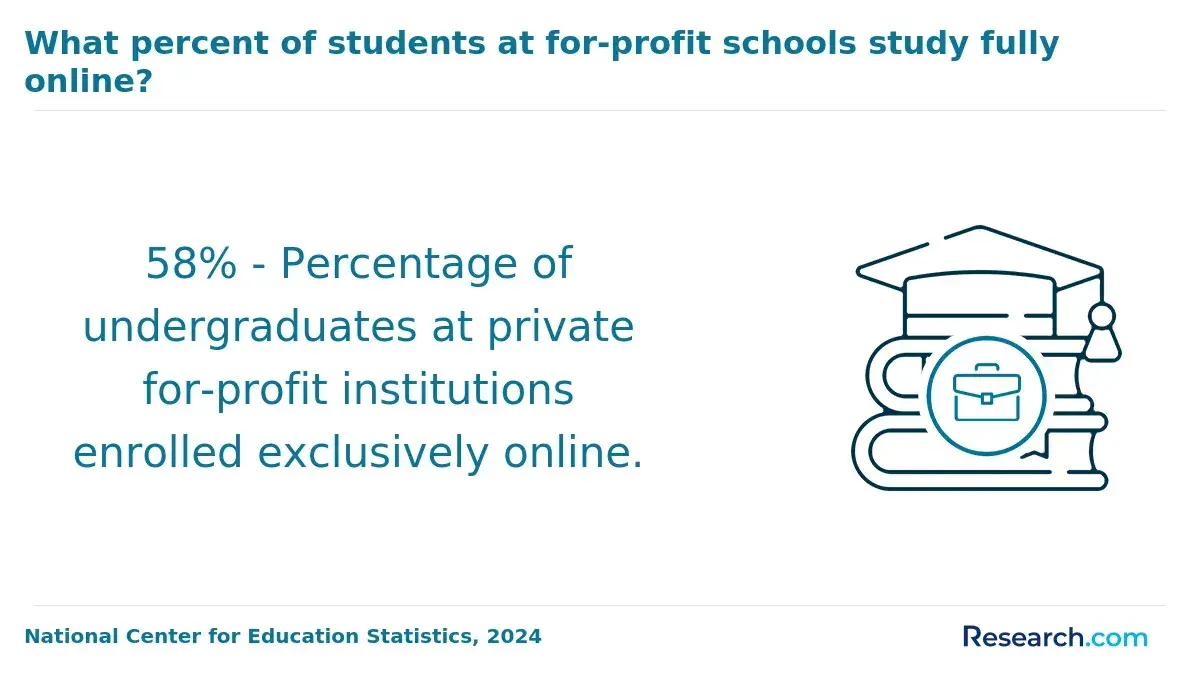
Do Online Marriage & Family Counseling Graduates Have Different Repayment Outcomes Than Campus-Based Students?
Recent data from government education reports and independent analyses show that graduates of public institutions in marriage & family counseling programs generally have higher student loan repayment rates than their private institution counterparts. For example, about 55% of graduates from public universities meet their repayment goals within three years, compared to roughly 42% at private schools.
These differences persist even when comparing students from campus-based and online programs, and the gap highlights structural variations in borrowing behavior and loan burden that shape repayment outcomes. Such repayment disparities underscore essential considerations for students weighing monthly student loan payments for campus vs online counseling students in this field.
The repayment rate differences largely stem from varying tuition costs, borrowing amounts, post-graduation earnings, and institutional factors. Public institutions tend to charge lower tuition, reducing debt loads and easing repayment pressures, while private schools often have 20-30% higher costs, compounded for online learners who may face premium or out-of-state fees.
Graduates from private institutions also face greater challenges in balancing debt against income, as employer perceptions and clinical placement opportunities can differ significantly between sectors, affecting initial salaries and job stability. These financial and labor market nuances drive longer-term repayment stress and influence how students evaluate program value and institutional accountability within marriage & family counseling education.
Understanding these dynamics is crucial in managing long-term financial mobility, particularly given the typical early career salary constraints in counseling fields. Students considering the costs and benefits of different programs should also explore alternative pathways such as the DNP online no clinicals options, which may offer varied cost structures and repayment profiles.
Recognizing how repayment performance varies by institution type and study mode enables more informed decisions about borrowing levels and career trajectories in marriage & family counseling and related health professions.
Which Industries Provide the Best Financial Return Relative to Borrowing Costs?
Financial return on investment for marriage & family counseling graduates varies notably across industries, reflecting differences not only in salary levels but also in typical student loan debt and career progression. Evaluating ROI requires examining how earnings potential aligns with borrowing amounts and how workforce demand influences employment stability and repayment capacity.
Rather than focusing solely on entry salaries, understanding these dynamics helps clarify which sectors offer sustainable pathways to manage educational debt effectively.
- Mental Health Outpatient Services: This sector often provides steady demand combined with median wages around $50,000 to $60,000, aligning well with common borrowing levels under $50,000 from accredited counseling programs. Career growth here tends to be gradual but stable, allowing manageable repayment schedules with relatively low risk of income volatility.
- Community and Social Service Agencies: These agencies offer moderate salaries, typically in the mid $40,000 to mid $50,000 range, but benefit from institutional stability and access to loan forgiveness programs. Employment in these settings supports consistent repayment despite a somewhat lower starting pay due to federal and state-backed income-driven repayment plans.
- Government Healthcare Roles with Loan Assistance: Positions within government healthcare systems often combine reliable employment with explicit student loan repayment support. Although initial salaries may not top private sector levels, the inclusion of loan repayment benefits effectively reduces borrower risk and accelerates debt reduction.
- Private Practice Settings: While specialized clinical or private practice roles have the potential for higher income, they frequently involve uneven earnings and high upfront costs such as licensure and office establishment. These financial realities increase repayment uncertainty and may extend the timeline for debt clearance despite eventual higher income ceilings.
- Nonprofit Counseling Programs: Graduates employed in nonprofit contexts typically face wage ceilings that limit salary growth, making fast debt repayment challenging. However, these roles can offer strong job security and sometimes access to loan programs tailored to public service professionals, partially offsetting lower pay.
According to recent data from the U.S. Bureau of Labor Statistics and Georgetown University's Center on Education and the Workforce, mental health and social services industries rank among the best in balancing educational debt and earnings for counseling graduates. This evidence underscores the importance of assessing both sector-specific income trajectories and repayment options when considering the financial viability of marriage & family counseling career paths.
Does Student Debt Affect Which Jobs Marriage & Family Counseling Graduates Accept?
Graduates carrying substantial student debt-often ranging between $30,000 and $60,000-tend to prioritize initial employment opportunities that offer more immediate financial stability, such as higher starting salaries or loan repayment benefits. This debt burden shapes how marriage & family counseling graduates assess job offers, frequently tipping the scales toward roles within larger institutions like hospitals or community health centers, which typically provide more competitive wages and structured repayment options.
According to the National Center for Education Statistics (2024), 42% of recent graduates in this field reported choosing jobs primarily based on salary or the availability of loan forgiveness programs, underscoring how debt repayment obligations strongly influence early career pathways beyond purely personal or professional interests. The presence of student debt also affects broader career behavior and decision-making dynamics.
Graduates with heavier debt loads often demonstrate less geographic flexibility, relocating to urban or higher-cost areas where counseling positions come with better compensation packages, despite potential personal or professional trade-offs. Conversely, those with lower debt levels might pursue roles in smaller private practices or nonprofit organizations that align more closely with their values but offer reduced financial returns.
Over time, these initial employment decisions influence long-term career trajectories, as the need for financial predictability can limit willingness to accept part-time or contract roles that might offer greater professional satisfaction but less consistent income. One recent graduate described the admissions experience as marked by uncertainty and calculated timing. With loan repayment looming, they delayed committing to any offer during the rolling admissions cycle until after comparing several program options and anticipating the financial aid notification schedule.
This pause, coupled with anxiety over balancing enrollment timing against looming debt payments, added a layer of pressure uncommon among peers without comparable borrowing obligations. Ultimately, securing a spot in a program known for robust loan forgiveness incentives alleviated this tension, confirming the critical role of financial strategy during the often unpredictable admissions process.
What Factors Increase Student Loan Repayment Risk for Marriage & Family Counseling Graduates?
Student loan repayment risk for marriage & family counseling graduates is shaped by a complex interplay of financial, educational, and labor market factors rather than a single cause. This risk emerges primarily from the balance between debt levels accrued during training and the income stability achievable after graduation.
Understanding these dynamics is essential for grasping why some graduates experience greater repayment challenges.
- Modest Median Salaries: The mental health sector offers relatively modest starting wages, with the median annual salary for marriage & family therapists around $54,000 according to the U.S. Bureau of Labor Statistics. Limited income constrains borrowers' ability to make significant loan payments, increasing the likelihood of prolonged repayment timelines or default risk.
- High Average Student Debt: Many graduates accumulate loan balances exceeding $40,000, which elevates monthly payment burdens. When combined with modest earnings, these debts can consume more than 10-15% of gross income, a level the Consumer Financial Protection Bureau associates with heightened financial stress and repayment difficulty.
- Employment Instability and Geographic Variability: Early career underemployment and part-time roles during licensure requirements disrupt income growth, while job opportunities concentrate in metropolitan areas. Graduates in less populated regions often face limited openings, reducing earning potential and complicating steady repayment.
- Complexity of Repayment Options: Navigating income-driven repayment plans and forgiveness programs demands financial literacy often lacking in new graduates. Confusion or poor planning can lead to missed benefits and exacerbate repayment burdens.
These factors collectively increase student loan repayment risks for marriage & family counseling graduates nationwide. As financial pressures mount, prospective students should evaluate borrowing levels against expected earnings and regional employment realities. Comparatively, fields like health information management demonstrate different financial outcomes, with resources detailing the bachelor of science in health information management salary offering useful salary benchmarks beyond counseling careers.
How Can Marriage & Family Counseling Students Reduce Student Loan Debt While Earning Their Degree?
Reducing student loan debt during a marriage & family counseling degree requires deliberate planning and strategic decision-making across academic and financial domains. Debt reduction hinges on financial awareness, academic efficiency, and leveraging institutional resources effectively throughout the educational journey.
Concrete strategies addressing enrollment choices, financial aid optimization, and program design can substantially diminish borrowing needs.
- Choose Public or In-State Institutions: Attending public or in-state schools typically lowers tuition fees compared to private or out-of-state options, directly reducing debt load. Given average borrowing in counseling programs often exceeds $40,000, this choice significantly impacts total loan amounts.
- Enroll Part-Time While Working: Combining part-time study with relevant counseling employment allows students to generate income while acquiring practical experience. This approach limits loan dependency by supplementing finances and may unlock employer tuition assistance, making it a pragmatic route for minimizing borrowing.
- Maximize Federal Grants and Scholarships: Actively pursuing grants and counseling-specific scholarships decreases loan reliance by supplementing or replacing borrowed funds. Data from the U.S. Department of Education indicates that students utilizing these aid sources can cut borrowing by up to 30%, highlighting the critical role of targeted financial aid in debt reduction.
- Consider Accelerated or Competency-Based Programs: These pathways shorten time to degree completion, limiting tuition and living expenses that contribute to debt. Although demanding, they reduce overall financial burdens and promote earlier workforce entry, decreasing cumulative loan requirements.
- Engage Early with Financial Advisors: Campus financial advisors provide tailored guidance aligning borrowing decisions with realistic post-graduation salaries, which average around $48,000 for entry-level counselors. This alignment minimizes repayment strain and long-term financial risk.
- Leverage Work-Study and Institutional Resources: Participating in work-study programs or employing on-campus financial support services can offset costs and reduce loan necessity. Such opportunities integrate earning potential within the academic schedule without compromising program progress.
- Research Program Options: Exploring program offerings that balance affordability and academic rigor helps avoid unnecessarily costly degrees. For example, students might investigate pathways through options like LPN programs easy to get into to contextualize manageable entry points into healthcare-related credentials that complement counseling roles.
Overall, these strategies contribute to essential financial planning behavior for marriage & family counseling student loan debt reduction strategies, emphasizing actionable steps over generic advice to optimize borrowing and sustainability throughout the degree program.
How Should Prospective Students Evaluate Borrowing Risk Before Enrolling?
Evaluating borrowing risk before enrolling in a marriage & family counseling degree program is crucial to understanding the long-term financial impact of student debt. Borrowing risk reflects the balance between total anticipated educational costs and realistic post-graduation earnings, which directly affects loan repayment feasibility.
Given recent data showing that graduates in counseling-related fields often face debt-to-earnings ratios exceeding 1.2, critical assessment of debt exposure and expected income is fundamental for informed enrollment decisions.
- Total Expected Debt Load: Prospective students should quantify all costs, including tuition, fees, and living expenses, to determine the full borrowing amount. This assessment clarifies debt magnitude and sets the baseline for repayment planning.
- Projected Salary and Regional Variance: Analyze median starting wages for marriage & family counselors in target locations since income can vary substantially, impacting repayment capacity. Bureau of Labor Statistics data suggests median annual pay around $50,000, but regional labor markets differ widely.
- Repayment Plan Affordability: Estimate monthly loan payments under federal or private repayment options and compare these against projected net income to evaluate sustainable debt service levels.
- Licensure-Related Delays: Account for time and costs required for licensure, including supervised clinical hours and exams, which may postpone earning potential and affect short-term cash flow.
- Institutional Outcomes Data: Review program graduation rates and job placement statistics to assess the likelihood of timely workforce entry, which directly influences return on investment.
- Sensitivity to External Risks: Consider risks such as interest rate fluctuations or labor market shifts that could heighten repayment challenges and extend debt duration.
References
- Is Rising Student Debt Harming the U.S. Economy? | Council on Foreign Relations https://www.cfr.org/backgrounders/us-student-loan-debt-trends-economic-impact
- Student Loan Forgiveness for Counselors: 5 Stellar Options https://www.studentloanplanner.com/student-loan-forgiveness-counselors/
- How Student Loan Debt Impacts Your College ROI https://www.lendkey.com/blog/student-loans/how-student-loan-debt-impacts-your-college-roi/
- Who got rich off the student debt crisis? - Reveal https://revealnews.org/article/who-got-rich-off-the-student-debt-crisis/
- How Does Student Debt Affect the Economy? https://www.pgpf.org/article/how-does-student-debt-affect-the-economy/
- Key Figures on Cost, Student Debt, & ROI at Public Universities - APLU https://www.aplu.org/our-work/4-policy-and-advocacy/publicuvalues/key-figures-on-cost-student-debt-amp-roi-of-public-universities/
- Delayed Dreams: How Student Loan Debt Shapes Family Formation and Homeownership Among Liberal Arts Graduates https://www.sciencepublishinggroup.com/article/10.11648/j.ijecs.20251005.12
- Federal Graduate Student Loan Changes Impacting MFTs - Detailed Summary with FAQs https://plus.aamft.org/federal-graduate-student-loan-changes-impacting-mftsdetailed-summary-with-faqs/
- Average Student Loan Payment [2026]: Cost per Month https://educationdata.org/average-student-loan-payment
Other Things You Should Know About Marriage & Family Counseling
Specialized marriage & family counseling programs often have higher tuition costs and longer clinical hour requirements, which can increase borrowing needs and monthly payments. However, these programs may better align with licensure requirements and employer expectations, potentially improving job placement rates and income stability. Students should prioritize programs that balance reasonable debt levels with strong career placement support in their chosen specialization to reduce repayment risk over time.
Part-time enrollment can spread out tuition payments, lowering immediate debt accumulation but prolonging time to graduation and delaying income generation. Full-time students may incur more debt upfront but can enter the workforce sooner, potentially easing monthly repayment burdens through earlier salary earnings. For many marriage & family counseling students balancing work or family, the longer timeline of part-time study increases cumulative borrowing costs and extends repayment periods, raising overall financial risk.
Clinical practicum requirements in marriage & family counseling programs are often unpaid but mandatory, meaning students must finance living expenses without income during these periods. This unpaid training increases reliance on loans, which can inflate total debt and monthly obligations post-graduation. Prospective students should factor in the length and intensity of practicum hours and plan for financial support strategies, as underestimating these costs can heighten repayment difficulty even if starting salaries appear modestly manageable.
Graduates with marriage & family counseling debt should generally prioritize federal income-driven repayment (IDR) plans if their initial salaries are low or variable, as IDR recalibrates payments to income and reduces default risk. However, those with stable and higher earnings might benefit more from aggressive repayment to minimize total interest paid over time. Evaluating cash flow realistically is crucial: overly aggressive repayment can strain finances and reduce flexibility, while IDR may increase total repayment length but offer necessary relief during early career stages.