2027 Marriage & Family Counseling Degree Program Availability Report: Which States and Schools Offer the Most Options

Co-Founder and Chief Data Scientist
The concentration of marriage & family counseling degree programs reflects evolving workforce demands and varied institutional commitments to mental health education. In 2024, the U. S. Bureau of Labor Statistics notes a projected 15% growth in counselor employment, which hinges on adequate local training capacity and program diversity. States with broader academic offerings tend to align with regional healthcare needs, providing flexible pathways that correspond to differing licensure requirements and community demographics. This distribution reveals underlying disparities in educational access and the degree to which states prioritize integrated training for this distinct profession. The report examines which states and schools provide the most options and explores the implications for workforce readiness and institutional focus.
Key Benefits of States and Schools That Offer the Most Marriage & Family Counseling Degree Program Options
- States with numerous marriage & family counseling programs often require students to navigate varied curriculum standards, resulting in potential credit transfer challenges and extending time to degree completion for some.
- Employers in regions with abundant program offerings tend to favor graduates from schools with specialized tracks, emphasizing the need for students to align their studies with local workforce demands.
- Greater program availability correlates with improved geographic access, but competitive admission can increase costs and delay enrollment timelines, influencing students' strategic choices about when and where to apply.
- Key Benefits of States and Schools That Offer the Most Marriage & Family Counseling Degree Program Options Key Benefits of States and Schools That Offer the Most Marriage & Family Counseling Degree Program Options
- Which States Offer the Most Marriage & Family Counseling Degree Programs? Top States
- Why Do Some States Have More Marriage & Family Counseling Programs Than Others? Marriage & Family Counseling Programs
- Which Colleges Offer the Largest Number of Marriage & Family Counseling Degree Options? Top Schools
- How Do Online Programs Improve Access in States With Limited Options? Online Program Access
- How Much Does Marriage & Family Counseling Program Tuition Vary by State? Marriage & Family Counseling Program Tuition
- How Does Marriage & Family Counseling Program Demand Affect Admissions Decisions? Program Demand
- How Do Marriage & Family Counseling Specialization Options Vary by Region? Specialization Options
- How Does Regional Employer Demand Affect Career Outcomes? Employer Demand
- What Factors Matter Most When Comparing Marriage & Family Counseling Programs Across States? Key Comparison Factors
- Which Regions May See the Fastest Growth in Marriage & Family Counseling Education? Fastest Growing Region
Which States Offer the Most Marriage & Family Counseling Degree Programs?
States with dense populations and established higher education infrastructures tend to offer the most marriage & family counseling degree programs. These regions often have extensive institutional networks that provide diverse academic levels and formats, supporting a wide spectrum of student needs and career trajectories. Labor market demand shaped by urban healthcare industries and social services also heavily influences program availability, aligning educational offerings with workforce requirements. Additionally, licensing regulations and partnerships with clinical sites play a crucial role in how programs develop locally.
- California: California leads in the number of marriage & family counseling programs, supported by its sizeable public and private university systems. Its diverse population demands a range of cultural competency specializations, and flexible delivery models including online and hybrid formats accommodate working students. The state's strong licensure framework incentivizes programs to maintain regional accreditation, enhancing graduate readiness in a competitive job market.
- New York: New York's concentration of programs benefits from its metropolitan hubs, which facilitate clinical partnerships and community-based training essential for practical skill-building. The proximity to large healthcare and social service clusters enhances experiential learning opportunities, allowing programs to tailor curricula to evolving counseling models and diverse populations.
- Texas: Texas offers a growing number of marriage & family counseling degrees driven by rapid population expansion and significant urban-rural diversity. Programs often emphasize culturally responsive counseling practices to serve immigrant and multiethnic communities, bolstering graduate career preparation. Its universities address state-specific workforce needs, ensuring student access to varied practicum placements and specialized tracks aligned with regional demands.
Although these states consistently top the lists for states with the highest number of marriage & family counseling degree programs, other regions show growing program presence, especially in flagship institutions within the Midwest and Southeast. However, limited internship availability and stringent practicum requirements in some states may restrict student enrollment capacity and graduate employability, which affects overall accessibility for specific populations.
Students evaluating programs should consider how geographic concentration reflects not only quantity but also alignment with local licensing standards and employer expectations. Such factors critically shape educational outcomes and practical readiness. For those seeking alternatives with fewer clinical demands, options like a DNP program without clinical hours may provide a distinct pathway worth investigating.
Why Do Some States Have More Marriage & Family Counseling Programs Than Others?
Variations in the number of marriage & family counseling degree programs across states closely reflect differences in higher education infrastructure and regional labor market demands. States with extensive public university systems and a larger concentration of research institutions tend to support more diverse and numerous degree offerings, particularly in specialized fields like counseling. This often correlates with state populations and urban centers that sustain ongoing demand for family therapists, which influences universities' decisions to develop or expand these programs. For instance, states with the most marriage & family counseling degree programs typically exhibit higher employment projections for mental health professionals, reinforcing sustained institutional investment in relevant academic offerings.
Key drivers behind this geographic disparity include state funding priorities, institutional research capacity, and the presence of healthcare or social service industry clusters that require counseling expertise. Universities in states prioritizing health-related workforce development receive more robust allocations and grant support, enabling them to maintain specialized curricula and clinical training partnerships essential for accreditation. At the same time, employer demand shapes program growth: regions with documented shortages of qualified family counselors experience stronger enrollment and program expansion, as confirmed by 2024 employment data from the Bureau of Labor Statistics highlighting states like Massachusetts and Washington. These systemic factors intertwine with licensing requirements and regional demographic needs, yielding substantial variation in program accessibility and scope across the country.
Such disparities have practical implications for student access and career alignment, prompting many institutions to incorporate flexible delivery formats, including online degrees, to reach underserved areas. The uneven geographic distribution of programs can limit local candidate pipelines unless supplemented by remote education options, an increasingly common response to bridging regional gaps in counseling workforce development. Prospective students should consider these structural and economic factors, alongside direct program quality, when evaluating where to pursue a specialized counseling degree, balancing the benefits of proximity to industry networks with the growing availability of accredited masters in hospital administration and related health service programs that support interdisciplinary collaboration.
Which Colleges Offer the Largest Number of Marriage & Family Counseling Degree Options?
The breadth of marriage & family counseling degree options at higher education institutions hinges more on factors such as institutional scale, funding, and academic infrastructure than solely on geographic location. Larger universities with substantial research activities and interdisciplinary frameworks frequently offer a wider array of specialized pathways, concentrations, and flexible delivery formats, including online and hybrid models. This capacity enables them to align programs closely with evolving licensure standards and employer expectations within the mental health field.
- Public research universities with comprehensive graduate schools: These institutions often provide the most diverse marriage & family counseling portfolios due to sizable faculty expertise across counseling psychology, human services, and health sciences. Their extensive research funding and community partnership networks facilitate specialized tracks like trauma-informed care and clinical supervision. For example, state flagship universities in California and Texas leverage robust practicum placements to enhance clinical readiness.
- Large multi-campus university systems: Systems such as the University of California and the State University of New York adapt their counseling programs to meet region-specific mental health workforce demands. By distributing campuses across urban, suburban, and rural settings, these systems offer variant curricula tailored to distinct populations, expanding program accessibility and cultural competence training opportunities.
- Private universities with focused specializations: Though generally offering fewer total counseling options, private institutions often concentrate on accelerated formats or niche areas, sometimes integrating theological perspectives for faith-based applications. Smaller faculty sizes limit program variety but may enhance student access to specialized mentorship within targeted career tracks.
- Institutions with interdisciplinary or human services faculties: Universities embedding counseling within broader human services, education, or health departments efficiently diversify program offerings by cross-listing courses and developing certificate options alongside degree pathways. This structure accommodates students pursuing both academic credentials and practical licensure requirements, reflecting a growing trend noted in recent higher education analyses.
According to 2024 research from prominent education analysts, public research universities typically support 30-40% more marriage & family counseling modalities compared to smaller colleges, highlighting the impact of institutional resources and program diversification strategies on academic availability and workforce alignment.
How Do Online Programs Improve Access in States With Limited Options?
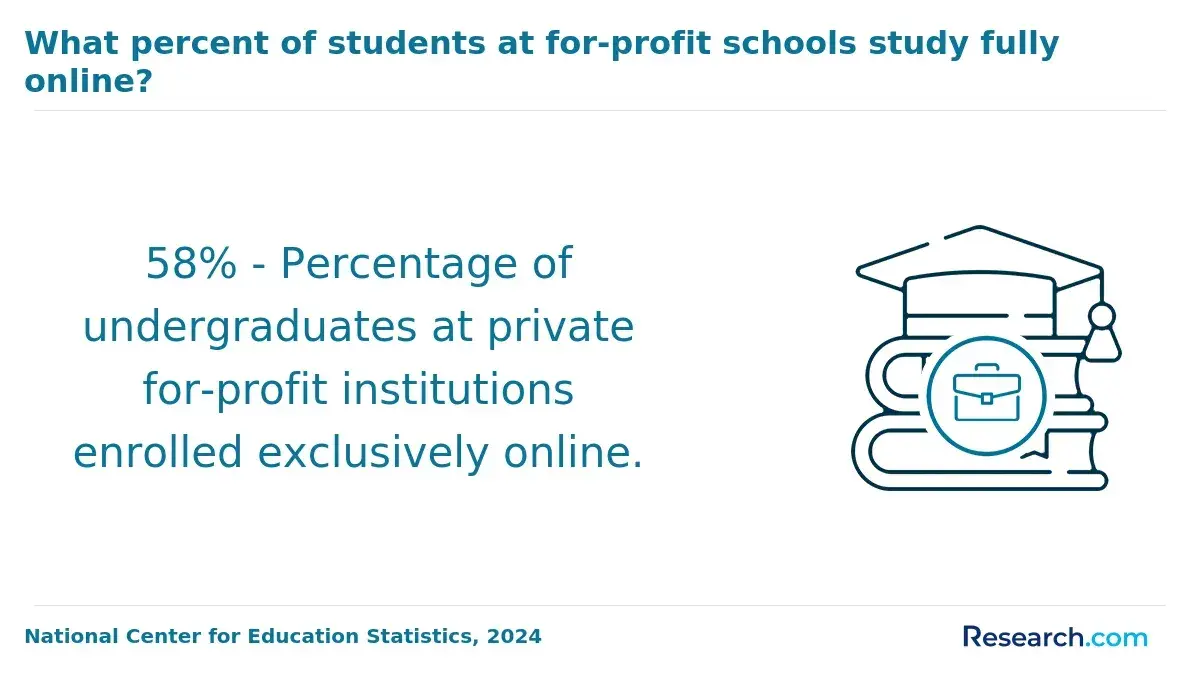
States with limited or no in-person marriage & family counseling degree programs often restrict prospective students' educational choices, forcing relocation or foregoing formal credentials altogether. Online programs circumvent these geographic barriers by providing comprehensive access to accredited curricula from institutions located anywhere in the country, thereby widening the educational pipeline for learners in underserved regions. Data from the National Center for Education Statistics in 2024 highlights that over 40% of counseling students now engage in distance education, reflecting the significant shift toward virtual enrollment that fills gaps where traditional programs are sparse or absent.
The flexibility of asynchronous course formats allows students to manage academic responsibilities alongside work and family commitments without physical presence constraints. This learning model, combined with cross-state enrollment policies, enables institutions to scale offerings beyond their immediate localities, decreasing dependence on nearby universities that may lack marriage & family counseling programs. Furthermore, the rising number of online programs meeting Council for Accreditation of Counseling and Related Educational Programs (CACREP) standards strengthens institutional legitimacy and ensures enrolled students receive education aligned with licensure requirements regardless of physical location.
These structural shifts not only enhance educational equity but also influence workforce supply by producing qualified graduates in areas historically underserved by local training options. In turn, this can mitigate regional shortages of licensed practitioners and foster inter-state competition among programs, compelling schools to innovate and expand their virtual offerings. As enrollment mobility increases, state boundaries become less relevant in determining access to quality marriage & family counseling education, reshaping both academic landscapes and workforce dynamics.
One graduate recalled encountering significant uncertainty during the rolling admissions cycle of an accredited online counseling program. Residing in a rural state without nearby options, the student hesitated initially, weighing the implications of online learning quality and licensure transferability. After receiving delayed confirmation of prerequisites and application status, the candidate leveraged the program's flexibility to begin coursework promptly once accepted, appreciating the ability to balance clinical internship requirements locally while completing theory modules remotely. This measured approach underscored how online access afforded critical timing and logistical advantages unavailable through traditional on-campus programs in their state.
How Much Does Marriage & Family Counseling Program Tuition Vary by State?
Marriage & family counseling tuition costs by state vary substantially due to differences in how public higher education is funded, the presence of private institutions, and residency-based pricing models. States with stronger public funding typically provide more affordable in-state tuition rates, which reduces barriers for local students but may limit access for out-of-state applicants who face significantly higher fees. Private programs, not receiving the same state subsidies, often set tuition based on market conditions and institutional priorities, which drives overall price variation beyond geographic trends. Understanding these regional differences in marriage & family counseling program fees requires recognizing that institutional type, state policy decisions, and operational cost structures jointly shape tuition rather than arbitrary price setting.
In-state tuition for public marriage & family counseling programs generally ranges from about $6,000 to $15,000 annually, with states such as Florida and Texas offering some of the most affordable options due to larger state university systems and lower regional costs. Conversely, Northeast and West Coast states typically have in-state tuition rates exceeding $15,000. For those attending out-of-state or private institutions, tuition can escalate two to three times in cost, commonly reaching $20,000 to over $40,000 per year. These disparities reflect funding formulas and market positioning rather than educational quality alone, so prospective students must carefully assess costs in relation to their residency, degree goals, and local licensure pathways. For an understanding of regional income impacts on career choices, consider reviewing data on psychiatric mental health nurse practitioner salary.
The implications of such tuition variation influence student decisions about program attendance and mobility between states, often dictating whether candidates prioritize cost, curriculum strength, or licensure alignment. Given that licensure requirements vary by state, selecting programs where tuition aligns with accessible credentialing routes and known employer demand permits better optimization of both financial and professional outcomes. These affordability disparities also affect demographic diversity and access in marriage & family counseling programs, reinforcing the importance of examining local versus national options when comparing academic opportunities across states.
How Does Marriage & Family Counseling Program Demand Affect Admissions Decisions?
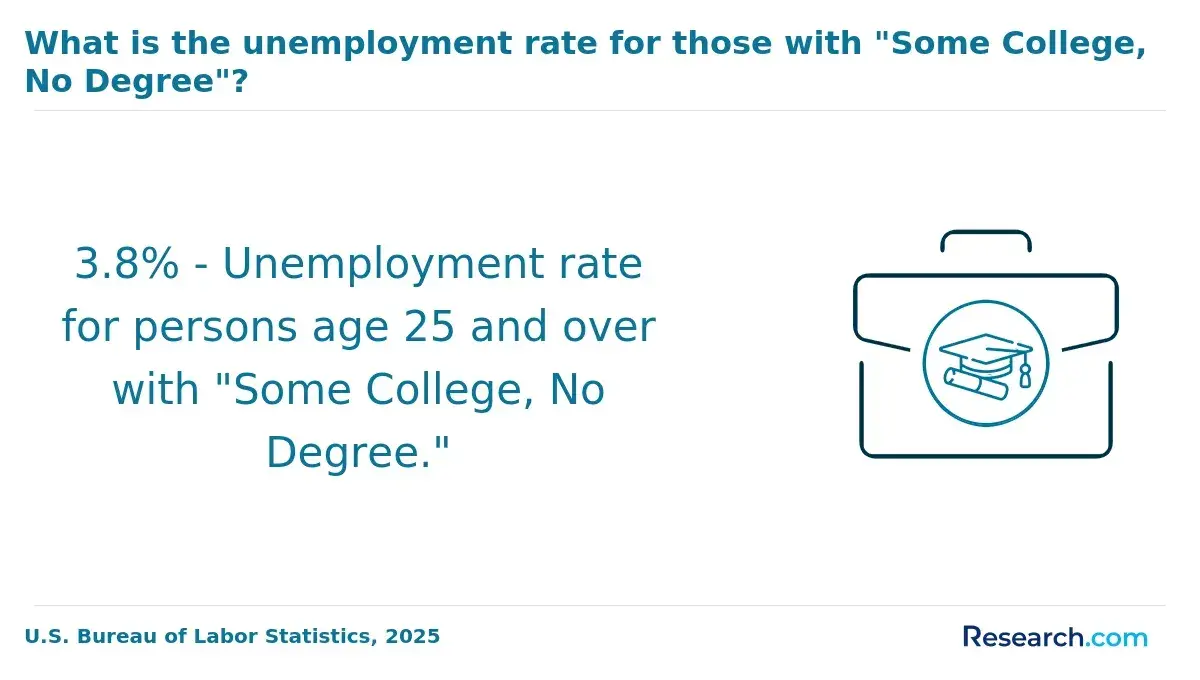
Rising interest in marriage & family counseling programs often forces institutions to tighten admission standards, making entry more competitive. As applications surge, schools tend to raise GPA thresholds, prioritize relevant clinical experience, and emphasize interpersonal skills during interviews to select the most qualified candidates. These shifts reflect an effort to maintain program quality despite constrained capacity, as programs cannot simply expand to accommodate all demand without risking academic rigor or compromising accreditation guidelines.
The push and pull between applicant volume and institutional limits hinge on factors like faculty availability, internship placements, and state licensure requirements, which collectively restrict student intake. Programs must also align admissions with current labor market needs, favoring candidates whose skills closely match employer expectations in mental health and family services. This dynamic leads to nuanced enrollment strategies balancing inclusivity with the practical necessity to produce graduates prepared for licensure and workforce challenges, often resulting in varied selectivity levels depending on regional supply and demand.
These enrollment pressures compel prospective students to refine their applications, often necessitating additional coursework or hands-on experience to remain competitive. At the same time, heightened selectivity can elevate program reputation but may limit access for individuals from less traditional backgrounds or underserved areas. Consequently, applicants should understand that demand-driven admissions not only shape acceptance chances but also influence the long-term diversity and geographic distribution of counseling professionals.
A graduate recalled applying during a period of intense competition when the program's rolling admissions created a tense wait between interviews and decisions. Initially hesitant to submit all required materials quickly, the candidate realized that delays could jeopardize their standing as spots filled. Ultimately, prompt preparation and persistence became crucial as the program's demand-driven selectivity meant even strong candidates faced uncertainty until final offers were made, underscoring how timing and thoroughness directly impact admission outcomes in high-demand counseling programs.
Distribution of Marriage and Family Therapy Programs by Institution Type in 2025

How Do Marriage & Family Counseling Specialization Options Vary by Region?
Specialization options in marriage & family counseling programs are strongly shaped by the economic priorities and industry presence of their regions. Areas with dense urban populations and well-developed healthcare and education sectors tend to offer programs focused on trauma-informed therapy, complex family systems, and culturally competent care. These specializations reflect local demands for clinicians capable of addressing intricate family dynamics and diverse client needs in settings such as hospitals, schools, and community agencies. Conversely, regions with less concentrated healthcare infrastructure often maintain broader, generalist counseling tracks that prioritize licensure flexibility over niche expertise, responding to workforce demands for versatile practitioners across varied service environments.
Key drivers of these regional disparities include dominant local industries, the research emphases of major universities, and established partnerships between employers and training programs. For example, in the Midwest and Northeast-where over 60% of accredited marriage & family counseling programs are located according to 2024 CACREP data-specializations commonly integrate systemic family therapy and adolescent counseling aligning with comprehensive regional workforce needs. These collaborations influence curriculum design to embed skills directly sought by regional employers, while state licensure mandates also determine the scope and depth of supervised clinical training. In contrast, states in the South and Mountain West prioritize foundational competencies, reflecting state licensure portability concerns and a more generalized mental health workforce demand.
These differences have tangible implications for students' career trajectories and geographic flexibility. Graduates from regions with specialized programs may find greater alignment with employers seeking advanced clinical skills, especially in urban or institutional settings, but potentially face narrower licensure portability if relocating. Those trained in more generalized programs may enjoy broader geographic applicability, though possibly at the cost of less targeted subfield expertise. Understanding the regional alignment between higher education offerings and labor market realities is therefore critical for prospective students aiming to optimize both employability and professional development in marriage & family counseling.
How Does Regional Employer Demand Affect Career Outcomes?
Regional employer demand significantly shapes job availability and early career pathways for graduates of marriage & family counseling degree programs. Areas with dense healthcare networks, comprehensive social services, and active community support tend to offer more abundant, varied openings and greater potential for practicum placements. This concentration of opportunities often correlates with higher starting salaries and faster wage growth, but the opposite holds true in regions with limited mental health infrastructure or smaller populations, where employment may be scarcer and career progression slower. Such dynamics underscore the impact of regional employer demand in marriage & family counseling careers on graduates' practical prospects.
The mechanisms behind these disparities include the clustering of employers within metropolitan hubs, regional partnerships between counseling programs and local agencies, and competitive wage offers driven by supply-demand imbalances. States with large urban centers-such as California, New York, and Texas-frequently exhibit employment concentrations and median wages for marriage & family counseling professionals above the national average, reflecting specialized hiring ecosystems and institutional connections that support workforce entry. These regional hiring dynamics emphasize how local labor market conditions influence graduates' access to internships, supervisory support, and licensure pathways essential for practice development.
Considering the impact of state job markets on marriage & family counseling employment means also weighing geographic mobility and emerging trends like remote work, which can alter traditional employer catchment areas. Graduates must balance the value of training in high-demand locales against personal relocation factors and recognize that smaller or rural areas, while limited in openings, may offer niche roles or distinct scopes of practice. For a nuanced understanding of program availability and earnings potential, prospective students should also explore related fields and alternative credentialing, such as accelerated SLP programs, which demonstrate similar regional market influences.
What Factors Matter Most When Comparing Marriage & Family Counseling Programs Across States?
Comparing marriage & family counseling degree program availability by state requires looking beyond mere program counts. State-level differences in licensure requirements, tuition costs, and specialization options significantly influence access to education and subsequent professional opportunities. These variations affect educational quality, affordability, and career outcomes in ways that prospective students must carefully evaluate. Regional workforce demands and program infrastructures play a decisive role in shaping the practical value of credentials earned in different states.
- Licensure Alignment: States have divergent licensing standards for marriage & family counseling, impacting program curricula and supervised clinical hours. Programs aligned closely with state mandates better prepare students for licensure exams and expedite credentialing, directly influencing employability and mobility.
- Accreditation and Program Quality: Programs accredited by recognized bodies such as COAMFTE typically provide curricula that meet national competency benchmarks. Graduates from accredited institutions show higher employment rates, a trend supported by the 2024 Council on Social Work Education survey indicating a 15% greater initial employment rate.
- Format and Delivery Flexibility: Availability of online, hybrid, or on-campus formats varies regionally, affecting accessibility for working professionals or those in rural areas. Programs offering diverse delivery modes can better support continuous education and fit varied student circumstances, a factor increasingly relevant as online alternatives gain traction alongside traditional pathways.
- Practicum and Internship Networks: Robust practicum placements embedded within statewide clinical networks enhance hands-on training quality. These experiences are essential not only for meeting licensure criteria but also for building professional networks that influence job placement and practical readiness.
- Cost and Financial Aid Options: Tuition rates and financial aid availability fluctuate across states, directly impacting student debt load and long-term financial viability. States with higher education subsidies or competitive aid packages can minimize economic barriers, making certain regions more attractive for those prioritizing affordability.
Regional differences in marriage & family counseling program admissions and infrastructure illustrate that students must weigh these multifaceted factors rather than rely solely on program counts or reputation. For individuals exploring flexible education routes, it is worth comparing marriage & family counseling programs with other health-related degrees, such as how can you get a speech pathology degree online, to understand broader trends in online program accessibility that may inform choice in counseling education as well.
Which Regions May See the Fastest Growth in Marriage & Family Counseling Education?
Growth in Marriage & Family Counseling education aligns closely with regions where employer demand, demographic expansion, and investments in higher education converge. Such expansion typically reflects broader economic development trends and workforce needs rather than isolated institutional efforts. Understanding which U.S. regions are positioned for the fastest growth requires analyzing population shifts, labor market demands, and university capacity enhancements in context.
References:
- Marriage and Family Therapist Workforce Study 2022 - Family Therapy Magazine https://ftm.aamft.org/shifting-demographics-in-the-industry/
- Building a Happy Home: Marriage Education as a Tool to Strengthen Families - Building a Happy Home: Marriage Education as a Tool to Strengthen Families - U.S. Congress Joint Economic Committee https://www.jec.senate.gov/public/index.cfm/republicans/2022/3/building-a-happy-home-marriage-education-as-a-tool-to-strengthen-families
- MA in Marriage/Family Therapy (Marriage/Family Therapy/PCC) https://www.umassglobal.edu/academic-programs/marriage-family-therapy-and-professional-clinical-counseling
- 13 Most Affordable MFT Programs in California for 2026 (Starting at $15K) - California MFT https://californiamft.org/mft-programs/most-affordable/
- The MFT Difference: Why Marriage and Family Therapy Works https://www.icftcolumbus.com/blog/the-mft-difference-why-marriage-and-family-therapy-works/
- What type of therapist is best for marriage counseling? | Brian Heydon - Kansas City therapist https://brianheydon.com/what-type-of-therapist-is-best-for-marriage-counseling/
- SECTION 5: MARRIAGE, COUPLE, AND FAMILY COUNSELING - CACREP https://www.cacrep.org/section-5-entry-level-specialty-areas-marriage-couple-and-family-counseling/
- The Growing Demand for Marriage and Family Therapists in the U.S. https://www.thechicagoschool.edu/insight/psychology/growing-demand-for-marriage-and-family-therapist/
- Why Marriage and Family Therapists Are in Demand | TUW https://www.tuw.edu/psychology/marriage-and-family-therapist-in-demand/
- MAC - Marriage, Couple, & Family Counseling https://www.mnu.edu/pgs/mac-marriage-couple-amp-family-counseling/
Other Things You Should Know About Marriage & Family Counseling
States with numerous marriage & family counseling degree programs often face competition for quality clinical placement sites. While having many options might seem advantageous, it can strain local practicum resources, limiting students' access to diverse client populations and hands-on training. Prospective students in crowded states should prioritize programs with established site partnerships and flexible placement arrangements to ensure robust clinical experience.
In 2027, choosing a highly ranked program in a dense market can offer prestige and networking but might lead to competitive clinical placements. Alternatively, a smaller program in a less saturated state might provide personalized attention and more accessible placements, but possibly fewer networking opportunities.
Given that marriage & family counseling licensure requirements vary widely by state, selecting a program in a state with broad reciprocity agreements can ease future mobility and employment flexibility. States with many programs often have complex or strict licensure paths, so students should verify how easily their degree and supervised experience will transfer to intended practice locations. Prioritizing programs aligned with target licensure jurisdictions improves long-term career options.
In states housing multiple marriage & family counseling degree options, students face the practical choice between accessibility-such as proximity or online offerings-and program quality or fit. While geography matters for hands-on training and networking, prioritizing program accreditation, faculty expertise, and internship quality typically outweighs convenience. When possible, students should seek programs that balance practical access with strong clinical training, even if it requires some additional travel or schedule flexibility.