2027 Best Accredited Online Energy Engineering Degree Programs: Compare Tuition, Admissions, and Career Outcomes

Co-Founder and Chief Data Scientist
Choosing an online energy engineering degree is difficult because "energy engineering" can mean power systems, renewables, sustainability, electrical engineering, mechanical systems, or energy management. The decision matters as utilities, manufacturers, and public agencies modernize infrastructure and adopt cleaner technologies.
The U.S. Bureau of Labor Statistics reported a $97,310 median annual wage for architecture and engineering occupations in May 2024, making program ROI worth careful review. This guide helps working adults, transfer students, and career changers compare accredited options by cost, admissions, flexibility, and outcomes.
Key Things You Should Know
- True fully online degrees titled "energy engineering" are uncommon, so many strong options are accredited online electrical, mechanical, environmental, or engineering management programs with energy, power, renewables, or sustainability coursework.
- For licensure-oriented engineering careers, ABET Engineering Accreditation Commission accreditation is more important than a school's marketing label; institutional accreditation alone may be enough for some graduate, policy, management, or sustainability roles.
- College Board's 2024-25 figures show average published tuition and fees of $11,610 for in-state public four-year colleges, $30,780 for out-of-state public colleges, and $43,350 for private nonprofit colleges.
Which Accredited Online Energy Engineering Degree Programs Offer the Best Overall Value?
The best overall value usually comes from a program that matches your target role, has the right accreditation, accepts transfer credits, and provides enough scheduling flexibility to finish without pausing work. Because energy engineering is interdisciplinary, the strongest choice is not always the program with the words "energy engineering" in the title.
For many undergraduates, the best-value path is an ABET-accredited online electrical or mechanical engineering degree with electives in power systems, renewable energy, thermodynamics, controls, or energy conversion. For current engineers, a graduate engineering, energy systems, or sustainability-focused program can be a better investment if it builds specialized knowledge without repeating undergraduate fundamentals. Students still comparing fields may also want to review Research.com's guide to the best degrees to get online to understand how online engineering compares with other high-ROI paths.
The table below summarizes common online energy-engineering-related program types. Use it to decide which category fits your goal before comparing individual schools.
| Program type | Best fit | Typical value advantage | Main limitation |
| ABET-accredited online bachelor's in electrical engineering | Students targeting power systems, grid modernization, controls, utilities, or PE-eligible engineering work | Strong alignment with energy infrastructure careers and engineering licensure pathways | Heavy math and lab requirements can make the program demanding online |
| ABET-accredited online bachelor's in mechanical engineering | Students interested in energy conversion, HVAC, thermal systems, manufacturing energy efficiency, or mechanical design | Broad engineering foundation with many energy-sector applications | Energy specialization may depend on electives or projects rather than the degree title |
| Online master's in energy systems, renewable energy, or sustainability engineering | Working engineers or STEM graduates seeking energy specialization | Shorter path to advanced energy coursework than a second bachelor's degree | May require an engineering or quantitative bachelor's background |
| Online engineering management or technology program with energy electives | Technicians, project managers, military learners, or professionals moving into operations leadership | Practical for students balancing work, supervision, and applied energy projects | May not satisfy PE licensure education expectations in every state |
| Online renewable energy, climate, or sustainability program outside engineering | Students targeting policy, consulting, ESG, planning, or program management roles | Accessible to non-engineers and often more flexible | Not a substitute for an engineering degree when employers require engineering credentials |
A common mistake is choosing the most energy-specific title without checking whether the curriculum supports the job you actually want. If your goal is engineering design, utility engineering, or licensure, prioritize accredited engineering depth. If your goal is energy policy, sustainability reporting, project coordination, or corporate energy strategy, a broader energy or sustainability program may offer better value.
What Accreditation Should Students Look for in an Online Energy Engineering Degree Program?
Accreditation is the quality-control signal that tells employers, licensing boards, and graduate schools that a program meets recognized standards. For online energy engineering students, there are two levels to check: institutional accreditation and programmatic accreditation.
Institutional accreditation applies to the college or university as a whole and is essential for federal financial aid eligibility, transfer credit evaluation, and general academic legitimacy. Programmatic accreditation is more specialized. For engineering bachelor's programs, ABET accreditation from the Engineering Accreditation Commission is the key credential to verify when you want a traditional engineering career path.
Use this checklist before applying, especially if the program is fully online or uses a nontraditional format:
- Confirm that the institution is accredited by a recognized institutional accreditor.
- Search ABET's public database for the exact program name, degree level, campus or online delivery designation, and accreditation dates.
- Ask whether online students complete the same assessed learning outcomes as campus students.
- Check whether required labs are online, on campus, in short residencies, or completed through approved local arrangements.
- If you plan to pursue Professional Engineer licensure, contact your state engineering board before enrolling because rules vary by state.
Do not assume that "accredited university" and "ABET-accredited engineering program" mean the same thing. A university can be institutionally accredited while a specific engineering program is not ABET-accredited. That distinction can affect licensure, employer screening, and graduate school options.
How Do Tuition Costs Compare Across Accredited Online Energy Engineering Degree Programs?
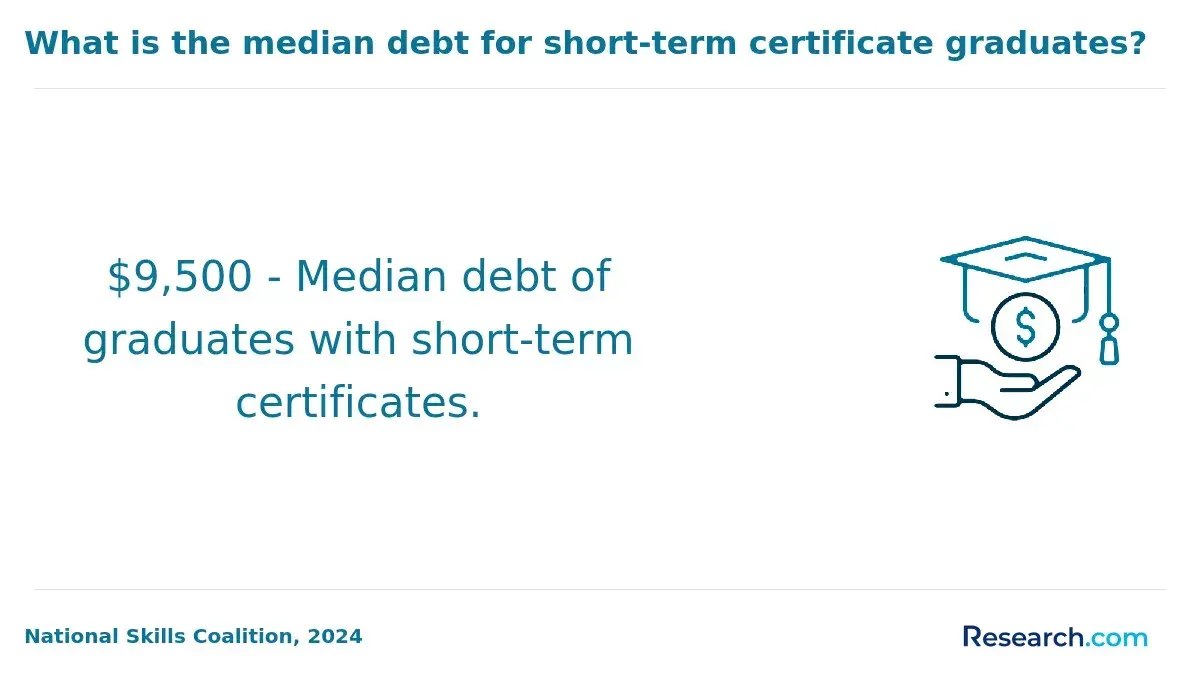
Tuition comparisons should focus on total cost, not just the advertised per-credit rate. Online energy engineering students may also pay technology fees, proctoring fees, lab-kit costs, software costs, residency travel, graduation fees, and higher tuition for upper-division engineering courses.
National pricing data gives useful context before you compare individual schools. College Board's 2024-25 published tuition and fee averages show how much sticker prices can differ by institution type:
- Public four-year in-state average published tuition and fees: $11,610.
- Public four-year out-of-state average published tuition and fees: $30,780.
- Private nonprofit four-year average published tuition and fees: $43,350.
These figures are not energy-engineering-specific, but they help you interpret whether an online program's sticker price is unusually low, moderate, or high. Students comparing engineering ROI with other fields can also review Research.com's overview of the highest paying majors to see why engineering programs often receive close cost-benefit scrutiny.
The table below shows the cost categories to request from each school. It is especially useful when comparing public, private, and online-only tuition models.
| Cost item | Why it matters | Question to ask |
| Tuition per credit | Engineering programs often require many credits, so small rate differences compound quickly | Is the online rate the same for in-state and out-of-state students? |
| Required fees | Technology, distance learning, lab, and course fees can change the real price | Which fees are mandatory for every online engineering student? |
| Transfer credit value | Accepted credits can reduce both cost and time to completion | How many technical, math, and general education credits will count toward the degree? |
| Lab or residency costs | Some online engineering programs require travel, equipment, or in-person intensives | Are there required campus visits, and what expenses are students responsible for? |
| Software and hardware | Engineering courses may require CAD, simulation, programming, or analysis tools | Are licenses included, discounted, or paid separately by students? |
| Time-to-degree risk | Course sequencing can delay graduation if prerequisites are missed | Are upper-division engineering courses offered every term or only once per year? |
The red flag is a program that looks affordable per credit but has limited course availability, strict prerequisite chains, or low transfer-credit acceptance. A slightly higher tuition rate can be the better investment if it helps you finish faster and avoid extra semesters.
How Competitive Is Admission to Accredited Online Energy Engineering Degree Programs?
Admission competitiveness varies widely because online energy engineering programs serve different populations. Bachelor's programs may admit first-year students, transfer students, military learners, and working adults, while graduate programs often expect an engineering, physics, mathematics, or closely related STEM background.
Engineering admissions are less about prestige alone and more about readiness for calculus, physics, chemistry, programming, circuits, mechanics, and upper-division design work. Some programs are open to a broad applicant pool but use prerequisite courses to determine whether students can progress into major coursework.
Compare admissions requirements using the table below. It shows what usually matters most for each type of applicant.
| Applicant type | Admissions factors to review | Best strategy |
| First-time bachelor's student | High school math preparation, science coursework, GPA, placement tests, and college readiness | Choose a program with strong advising and a clear first-year math sequence |
| Transfer student | Calculus, physics, chemistry, programming, and prior engineering credits | Request a course-by-course transfer evaluation before paying an enrollment deposit |
| Working adult without an engineering background | Prerequisites, bridge courses, and part-time options | Ask whether the school offers structured pathways into calculus and foundational engineering courses |
| Graduate engineering applicant | ABET or equivalent bachelor's background, GPA, technical prerequisites, recommendations, and statement of purpose | Match your prior coursework to the program's required energy, electrical, mechanical, or systems foundation |
| Career changer | Quantitative readiness, professional experience, and program fit | Consider whether a certificate, second bachelor's, or master's pathway best matches your target role |
Do not treat flexible admission as a sign of weak quality. Many online engineering programs are built for adult learners and may be accessible at entry while still requiring rigorous progression standards. The more important question is whether the program provides realistic support for students who need to refresh math or science skills.
Which Learning Formats Offer the Greatest Flexibility in Online Energy Engineering Degree Programs?
Flexibility is one of the main reasons students choose online energy engineering programs, but not all online formats work the same way. Engineering courses often include sequenced prerequisites, labs, team projects, proctored exams, and software-based assignments, so schedule design can affect graduation as much as tuition does.
The most flexible format depends on your work schedule, time zone, and learning style. Students exploring online education outside engineering can see how flexibility differs by field in Research.com's guide to game design schools online, where project-based learning and software access create different scheduling needs.
The table below compares common online learning formats and how they affect energy engineering students.
| Format | Flexibility level | Best for | Trade-off |
| Asynchronous online courses | High | Working adults, parents, military learners, and students in different time zones | Requires strong self-discipline and proactive communication |
| Synchronous online courses | Moderate | Students who benefit from live lectures, discussion, and immediate feedback | Class times may conflict with work shifts or family responsibilities |
| Hybrid or low-residency programs | Moderate | Students who can travel occasionally for labs, intensives, or design work | Travel costs and scheduling can reduce the convenience of online learning |
| Accelerated terms | High but intense | Students taking fewer courses at a time and moving quickly through each term | Advanced engineering courses can be difficult to compress |
| Part-time pathways | High over the long term | Professionals who need steady progress without leaving employment | Prerequisite sequencing may extend the calendar timeline |
A common mistake is assuming "fully online" means "study whenever you want." Before enrolling, ask how exams are proctored, when group meetings occur, whether labs require fixed times, and how often core engineering courses are offered.
What Student Support Services Improve Success in Online Energy Engineering Degree Programs?
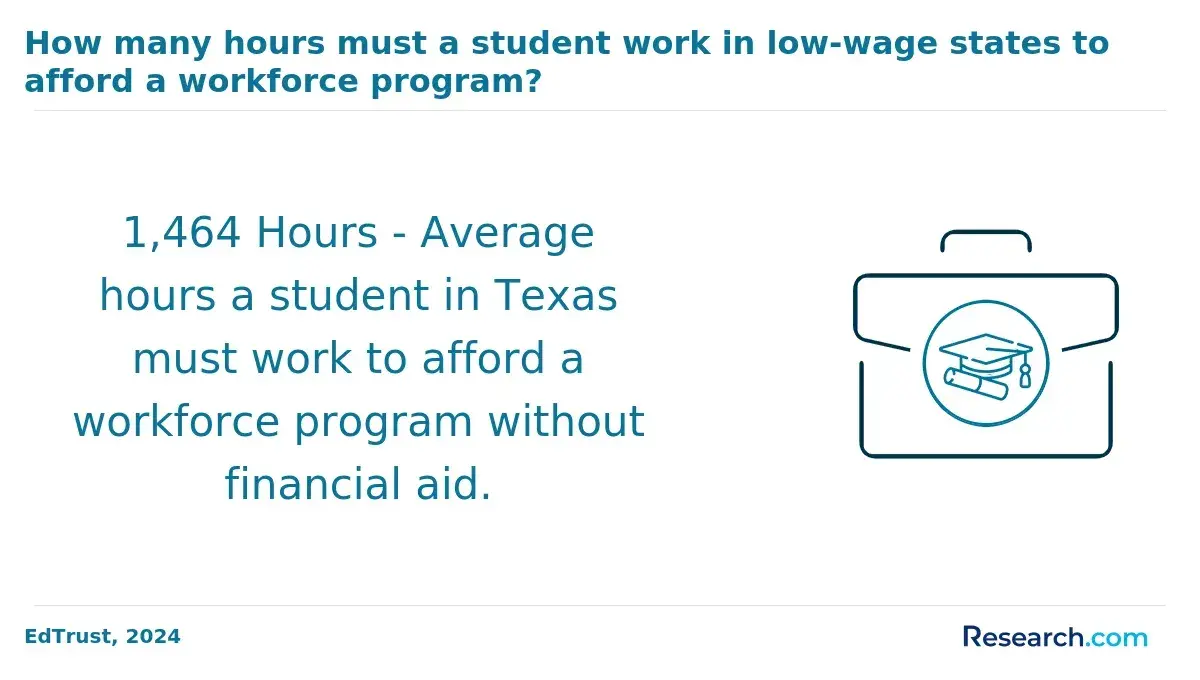
Student support can make the difference between enrolling in an online engineering program and actually finishing it. Energy engineering coursework is cumulative, so early gaps in calculus, physics, circuits, thermodynamics, or programming can create problems several terms later.
Look for support services that are built for online engineering students rather than general online learners. The most useful services typically address both academic difficulty and professional preparation.
- Engineering-specific academic advising that maps prerequisites, electives, labs, and graduation requirements across multiple terms.
- Online tutoring for calculus, differential equations, physics, chemistry, statistics, circuits, programming, and engineering mechanics.
- Faculty access through virtual office hours, discussion boards, recorded problem-solving sessions, or appointment-based support.
- Career services with energy-sector employer relationships, resume help, interview preparation, and internship or co-op guidance.
- Technical support for simulation software, remote labs, CAD tools, learning platforms, and proctored exams.
- Transfer credit counseling before enrollment so students do not lose credits unnecessarily.
- Peer interaction through project teams, professional society chapters, student clubs, or online study groups.
The red flag is a program that offers general advising but cannot answer engineering-specific questions about prerequisite bottlenecks, lab completion, ABET outcomes, or design projects. Ask to speak with an engineering advisor, not only a general admissions representative.
Which Financial Aid Options Are Available for Accredited Online Energy Engineering Degree Students?
Accredited online energy engineering students may qualify for many of the same financial aid options as campus students, but eligibility depends on the institution, enrollment status, degree level, academic progress, and individual circumstances. Start with the FAFSA if you are considering a degree-granting program at an eligible U.S. institution.
The 2024-25 maximum Federal Pell Grant was $7,395, which can meaningfully reduce net cost for eligible undergraduates. Graduate students generally have fewer grant options, so scholarships, employer tuition assistance, assistantships, and careful borrowing decisions become more important. If you are comparing affordability across online graduate fields, Research.com's guide to online masters human resources shows how cost structures can differ outside engineering.
Use the following aid sources as a practical checklist when comparing schools:
- Federal grants for eligible undergraduate students, including Pell Grants.
- Federal Direct Loans, with borrowing limits that differ for dependent undergraduates, independent undergraduates, and graduate students.
- Institutional scholarships for online, transfer, STEM, military, adult learner, or high-achieving students.
- State grants or workforce funds, especially for residents attending public institutions.
- Employer tuition reimbursement for workers in utilities, manufacturing, construction, energy services, government, or engineering firms.
- Veterans education benefits and military tuition assistance for eligible service members and veterans.
- Professional association scholarships connected to engineering, energy, power systems, sustainability, or women and underrepresented groups in STEM.
Compare financial aid offers by net price, not award size alone. A larger scholarship at a higher-priced school may still leave you paying more than a smaller award at a lower-cost public institution.
Which Career Outcomes Are Associated With Accredited Online Energy Engineering Degree Programs?
Online energy engineering degree outcomes depend on the degree level, engineering discipline, accreditation, experience, location, and whether the student has internships or prior technical work. The degree can support roles in utilities, renewable energy development, building systems, manufacturing, energy efficiency, consulting, grid technology, environmental compliance, and project management.
The BLS reported a $97,310 median annual wage for architecture and engineering occupations in May 2024. That figure is useful as a broad benchmark, but it does not mean every energy engineering graduate will earn that amount; salaries vary by role, region, employer, education level, and experience.
The table below connects common energy-engineering-related roles with the preparation that typically matters most.
| Career path | What the work may involve | Most relevant academic preparation |
| Power systems engineer | Grid reliability, power generation, transmission, distribution, protection systems, and utility planning | Electrical engineering with power systems, controls, circuits, and energy electives |
| Renewable energy engineer | Solar, wind, storage, microgrids, resource assessment, project design, and system integration | Electrical, mechanical, environmental, or energy systems engineering coursework |
| Energy efficiency engineer | Building audits, industrial efficiency, HVAC optimization, metering, modeling, and cost-saving recommendations | Mechanical engineering, energy systems, thermodynamics, building systems, and data analysis |
| Sustainability or energy analyst | Energy data tracking, emissions reporting, project evaluation, utility billing analysis, and policy support | Energy management, sustainability, engineering technology, statistics, and data tools |
| Project engineer or project manager | Coordinating energy projects, contractors, budgets, schedules, technical documents, and stakeholders | Engineering foundation plus project management, communication, and systems knowledge |
| Environmental or compliance engineer | Permitting, environmental systems, regulatory compliance, water-energy interactions, and impact reduction | Environmental, civil, chemical, or mechanical engineering with sustainability coursework |
Current hiring trends favor students who can combine engineering fundamentals with software tools, data analysis, energy modeling, automation, and communication skills. AI is also changing engineering workflows by speeding up documentation, modeling support, and data review, but employers still expect graduates to understand physical systems, safety, ethics, and design constraints.
How Do Online and Campus-Based Energy Engineering Degree Programs Compare?
Online and campus-based energy engineering programs can lead to similar academic goals when they share the same faculty standards, curriculum outcomes, accreditation, and assessment processes. The real differences usually involve labs, networking, schedule control, internship access, and how much structure a student needs.
The table below compares online and campus-based study across decision factors that matter most for energy engineering students.
| Factor | Online program | Campus-based program |
| Schedule | Often better for working adults and students who need location flexibility | More fixed class times but stronger routine and in-person accountability |
| Labs | May use remote labs, simulations, lab kits, local arrangements, or short residencies | Usually provides direct access to campus labs, equipment, and facilities |
| Networking | Depends on virtual events, group projects, employer sessions, and student initiative | Often easier through in-person clubs, labs, research groups, and career fairs |
| Internships | May be completed locally, which can help students already near energy employers | May benefit from established regional employer pipelines |
| Cost | Can reduce relocation and commuting costs, though online fees vary | May include housing, transportation, and campus fees but can offer more campus resources |
| Learning style | Works best for self-directed students who communicate proactively | Works best for students who want face-to-face instruction and structured routines |
Choose online if you need flexibility, already work in a technical role, or can build professional experience locally. Choose campus if you want daily access to labs, undergraduate research, in-person design teams, or a more traditional college experience.
How Should Students Choose the Best Accredited Online Energy Engineering Degree Program?
The best accredited online energy engineering degree program is the one that fits your target career, accreditation needs, budget, transfer situation, and schedule. A ranking can help you start, but it should not replace a program-by-program review.
Use this decision process before applying. It will help you compare affordability, flexibility, and long-term value without overemphasizing a single factor such as tuition or brand name. Students who are comparing faster online formats in other fields can also review Research.com's guide to accelerated psychology programs to understand the trade-offs that come with compressed timelines.
- Define your target role first, such as power systems engineer, renewable energy engineer, energy analyst, sustainability manager, or project engineer.
- Identify the required credential for that role by reviewing job postings, employer preferences, and state licensure rules when relevant.
- Verify institutional accreditation and, for undergraduate engineering licensure pathways, ABET programmatic accreditation.
- Request a written transfer-credit evaluation before enrolling, especially for calculus, physics, chemistry, programming, and engineering courses.
- Calculate total cost using tuition, fees, software, equipment, residencies, travel, books, and expected time to completion.
- Compare course schedules to your work and family obligations, paying close attention to labs, proctored exams, and prerequisite sequencing.
- Ask for outcome indicators such as graduation support, internship access, employer connections, career services, and alumni placement examples.
- Review student support for engineering-specific tutoring, advising, faculty access, and technical help.
- Compare financial aid offers by net price and borrowing requirement, not by scholarship headline amount.
- Choose the program that gives you the strongest credible path to completion and employment, not simply the cheapest or most selective option.
A good final test is this: if a school cannot clearly explain accreditation, labs, transfer credits, total cost, course availability, and career support, keep comparing. Energy engineering is too technical and too expensive to choose based on marketing language alone.
Other Things You Should Know About Energy Engineering
Possibly, but it depends on the program and your state. Many licensure paths require an ABET-accredited engineering degree, qualifying experience, and passing exam scores. Always verify requirements with your state engineering board before enrolling.
Expect substantial math, especially in engineering bachelor's programs. Calculus, differential equations, physics, statistics, and modeling are common. Graduate programs may also expect prior coursework in engineering analysis or quantitative methods.
No. Energy engineers may work in renewables, utilities, oil and gas, manufacturing, building systems, transportation, energy storage, consulting, or government. The field focuses on how energy is produced, converted, distributed, managed, and used efficiently.
A certificate can help professionals add energy expertise, but it usually does not replace an engineering degree for roles requiring engineering design authority, licensure eligibility, or deep technical preparation. It is best for upskilling or specialization.
References
- Sustainable Energy Engineering: Careers, Salary & Future Scope – fundaspring https://fundaspring.com/blogs/careers/sustainable-energy-engineering-career-guide
- Renewable Energy Engineering Online Degree Programs - Educating Engineers https://educatingengineers.com/online-engineering-schools/renewable-energy-engineering-degrees/
- Accreditations: What They Are and Why They Matter - The Renewable Energy Institute https://www.renewableinstitute.org/accreditations-what-they-are-and-why-they-matter/
- Clean Energy https://www.sustainabilitydegrees.com/careers/clean-energy/
- The Rise of Online Education and the Importance of Accreditation https://www.qahe.org/article/the-rise-of-online-education-and-the-importance-of-accreditation/
- Find Programs - ABET https://www.abet.org/accreditation/find-programs/
- Careers in Energy Engineering - What Are Your Professional Options? | Electrum https://electrum.pl/en/careers-in-energy-engineering-what-are-your-professional-options/
- Energy Degree Accreditation: What to Look For - EnergyDegrees.org https://www.energydegrees.org/resources/energy-degree-accreditation/
- Engineering Graduate Studies https://www.utoledo.edu/engineering/graduate-studies/energyengineering.html
- Accreditation of Higher Education Programmes (AHEP) https://www.engc.org.uk/education-and-skills/higher-education-programmes/