2027 Accredited Online Energy Engineering Degree Programs for Working Adults: Flexible, Part-Time, and Self-Paced Options

Co-Founder and Chief Data Scientist
Choosing an accredited online energy engineering degree while working full time means weighing flexibility, cost, accreditation, transfer credit, and career value at the same time. The decision matters because U.S. Energy Information Administration data shows renewable sources supplied roughly one-fifth of U.S. electricity generation in 2024, keeping energy systems, efficiency, grid modernization, and sustainability skills in demand.
This guide is for adults comparing flexible, part-time, and self-paced online options. You will learn how to evaluate program quality, workload, price, timelines, and career fit before committing.
Key Things You Should Know
- Choose an institution recognized by a U.S. Department of Education-recognized accreditor, and for engineering bachelor's programs, check whether ABET accreditation is required for your employer, PE licensure path, or state board goals.
- Working adults usually do best with part-time or asynchronous formats; a realistic workload is often 9 to 15 hours weekly for one graduate course or 15 to 25 hours weekly for two undergraduate technical courses, depending on math, labs, and project demands.
- Costs vary widely, but public four-year tuition benchmarks from College Board's 2024-25 data are $11,610 for in-state tuition and fees and $30,780 for out-of-state tuition and fees; transfer credit can shorten bachelor's completion by one to two years when a program accepts prior math, science, engineering, and general education credits.
What Is an Accredited Online Energy Engineering Degree Program and Why Does Accreditation Matter?
An accredited online energy engineering degree program is a college program delivered fully or mostly online that teaches students how to design, analyze, manage, and improve energy systems. Depending on the school, the degree may be called energy engineering, sustainable energy engineering, renewable energy engineering, energy systems engineering, power engineering, or mechanical, electrical, or environmental engineering with an energy concentration.
For working adults, the word online does not always mean the same thing. Some programs are fully asynchronous, some require live evening classes, and some include short campus residencies or proctored exams. The best fit depends on whether you need predictable deadlines, maximum flexibility, or a structured cohort.
Accreditation matters because it affects transfer credit, graduate school admission, employer recognition, financial aid eligibility, and, in some cases, engineering licensure. Institutional accreditation confirms that the college or university meets broad academic and administrative standards. Programmatic accreditation, especially ABET accreditation for many engineering bachelor's degrees, evaluates whether a specific engineering program meets discipline-level expectations.
The table below separates the main accreditation checks working adults should make before applying. This is important because a program can be online, legitimate, and useful but still not meet a specific licensing or employer requirement.
| Accreditation or approval type | What it tells you | Why working adults should care |
| Institutional accreditation | The college or university meets recognized academic and operational standards. | Usually required for federal financial aid, transfer credit, employer tuition assistance, and graduate admission. |
| ABET accreditation | An engineering or engineering technology program meets discipline-specific quality standards. | Often important for bachelor's-level engineering credentials and may affect the path toward Professional Engineer licensure. |
| State authorization | The school is allowed to deliver online education to students in your state. | Necessary if you live outside the school's home state and want to avoid enrollment or licensure complications. |
| Employer recognition | Your employer or target industry accepts the credential for advancement or tuition reimbursement. | Critical if your goal is promotion, reimbursement, or a move into energy engineering from operations, facilities, utilities, or project management. |
A common mistake is assuming that all accredited online engineering degrees are interchangeable. They are not. A master's program may be excellent for an experienced engineer but inappropriate for someone who still needs an ABET-accredited bachelor's degree for licensure. Before enrolling, ask the school directly how its accreditation supports transfer, licensure, employer reimbursement, and graduate study.
Which Flexible Energy Engineering Degree Formats Are Best for Working Adults: Part-Time, Full-Time, or Self-Paced?
The best format depends on your weekly availability, prior technical background, employer flexibility, and tolerance for deadlines. Energy engineering courses often involve calculus, physics, thermodynamics, electrical systems, data analysis, modeling software, and design projects, so the schedule must be realistic rather than merely convenient.
Adults comparing online formats should first understand how pacing affects workload and risk. The table below summarizes the most common formats and when each one tends to make sense.
| Format | Typical structure | Best for | Main trade-off |
| Part-time asynchronous | Courses have weekly deadlines but no required live class meetings. | Full-time workers who need evening or weekend study time. | Flexible, but falling behind can quickly affect technical courses. |
| Part-time synchronous | Live online classes meet at scheduled times, often in the evening. | Learners who want instructor interaction and a set routine. | Less flexible for rotating shifts, travel, caregiving, or overtime. |
| Full-time online | Students take a heavier course load each term. | Adults who can reduce work hours or use employer-supported study time. | Faster completion but higher weekly workload and burnout risk. |
| Self-paced or competency-based | Students move through material within term or program limits. | Motivated learners with strong math, science, or industry experience. | Requires discipline and may not be available for all engineering lab or design courses. |
| Hybrid online | Most coursework is online, with labs, exams, or residencies in person. | Students near campus or willing to travel occasionally. | Can improve hands-on learning but reduces geographic flexibility. |
Part-time study is usually the safest option for adults working 40 hours per week, especially in the first term. It gives you time to learn the online platform, test your math readiness, and see whether course deadlines fit your job and family schedule. Full-time study can make sense if you have strong academic preparation, predictable work hours, and a clear financial plan.
Self-paced study can be attractive, but it is not automatically easier. It works best when you already know how to manage long technical assignments without frequent reminders. If you need instructor feedback, peer discussion, or fixed due dates to stay on track, a structured asynchronous program may be a better choice.
Energy engineering is one of several career-oriented online pathways adults compare when researching the best degrees to get online, but it is more quantitative than many online majors. Choose it because the technical content fits your goals, not just because the delivery format appears flexible.
What Are the Admission Requirements for Accredited Online Energy Engineering Degree Programs?
Admission requirements depend on degree level. Online bachelor's programs usually focus on high school preparation, prior college credit, placement in math, and general admission standards. Online master's programs often expect a bachelor's degree in engineering, physics, mathematics, environmental science, or a related technical field, though bridge courses may be available for applicants missing prerequisites.
For bachelor's applicants, schools may review transcripts, GPA, college placement or prior calculus readiness, and transfer credits. For master's applicants, they may also request a resume, statement of purpose, recommendation letters, and proof of prerequisite coursework in calculus, physics, statistics, thermodynamics, circuits, or programming.
Use the following checklist before applying so you do not waste time on programs that cannot admit you without major prerequisite gaps:
- Confirm the degree level you actually need: bachelor's, master's, certificate, or engineering technology degree.
- Ask whether your previous math and science courses satisfy prerequisites or must be repeated.
- Check whether the program accepts associate degree credits, military training, industry certifications, or prior learning assessment.
- Request a preliminary transfer-credit review before paying an enrollment deposit.
- Ask whether any campus visits, proctored exams, labs, or synchronous sessions are required.
- Verify state authorization if you live outside the school's home state.
A frequent red flag is an admissions process that promises speed but avoids discussing prerequisites. Energy engineering is technical. If you have been away from school for several years, a program that offers math refreshers, tutoring, or a bridge pathway may be more valuable than one that simply admits you quickly.
Adults changing careers should also ask whether the curriculum assumes prior engineering experience. Some graduate energy programs are built for practicing engineers and may move too quickly for students coming from business, policy, construction management, or operations backgrounds without additional preparation.
How Much Does an Online Energy Engineering Degree Cost, and What Financial Aid Options Are Available?
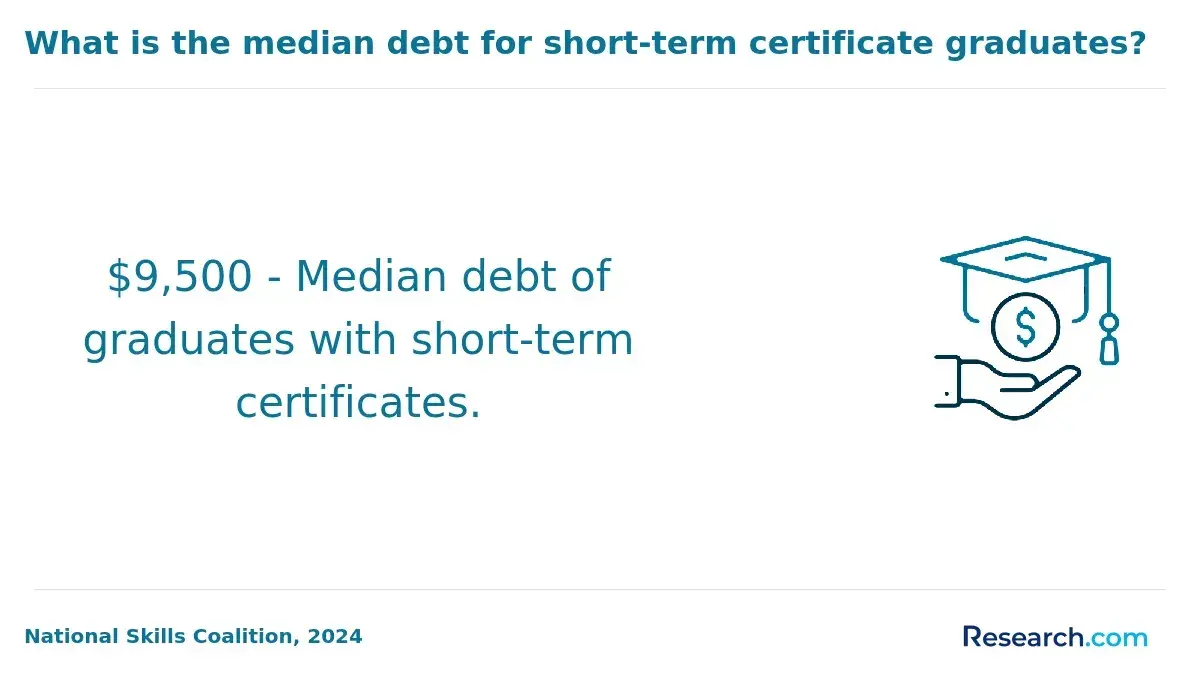
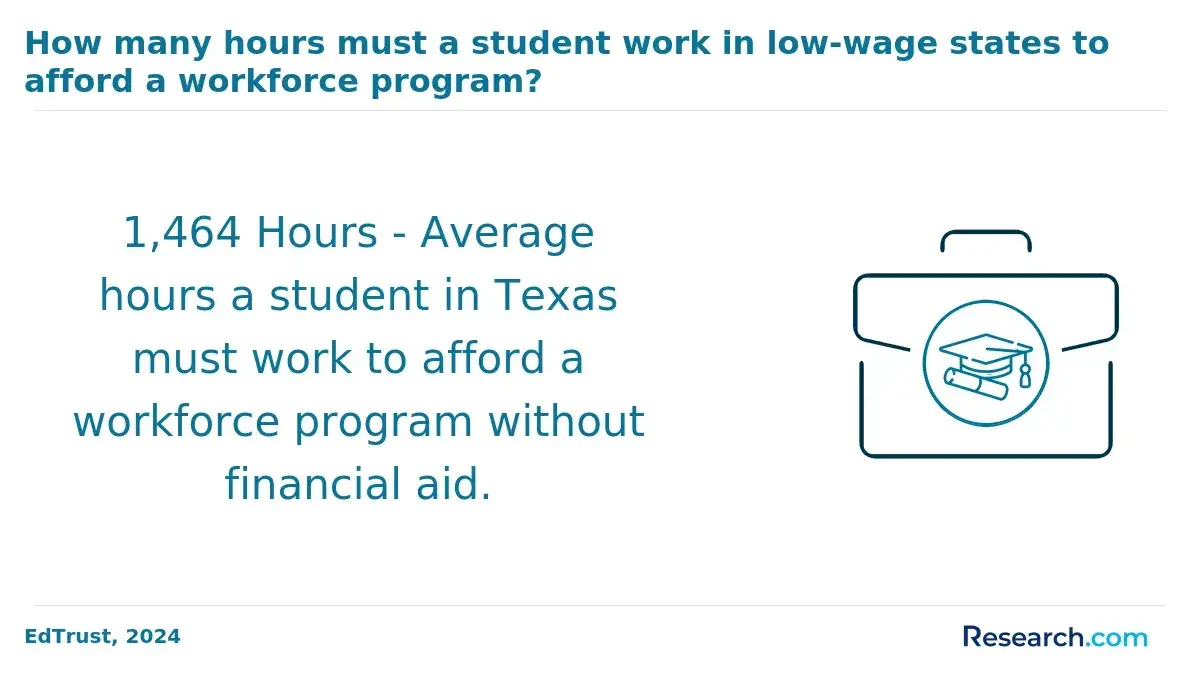
The cost of an online energy engineering degree depends on whether the school is public or private, undergraduate or graduate, in-state or out-of-state, and whether online students pay separate technology, proctoring, lab, or distance-learning fees. College Board's 2024-25 tuition benchmarks show how large the baseline difference can be between sectors, even before program-specific fees are added.
- $11,610: average published tuition and fees for in-state students at public four-year institutions in 2024-25
- $30,780: average published tuition and fees for out-of-state students at public four-year institutions in 2024-25
- $43,350: average published tuition and fees at private nonprofit four-year institutions in 2024-25
These figures are not energy engineering-specific tuition quotes, but they are useful guardrails. If an online program is far above these benchmarks, ask what additional value you receive, such as ABET accreditation, specialized labs, strong employer partnerships, advanced software access, or better transfer-credit acceptance.
Working adults should compare total cost, not just price per credit. The table below shows common cost items that are easy to overlook during program research.
| Cost factor | Why it matters | Question to ask |
| Tuition per credit | The largest direct cost for most students. | Is the online rate different from the campus rate? |
| Engineering or lab fees | Technical courses may require simulation tools, kits, or lab access. | Are these fees charged every term or only for selected courses? |
| Software and hardware | Energy modeling, CAD, programming, and data tools may require a capable computer. | Does tuition include licenses, cloud access, or student discounts? |
| Travel requirements | Hybrid labs or residencies can add airfare, lodging, and time off work. | Are any in-person sessions mandatory? |
| Time-to-completion | A cheaper per-credit program may cost more if it accepts fewer transfer credits. | How many credits can I transfer before enrollment? |
Financial aid options may include federal grants and loans for eligible degree-seeking students, employer tuition assistance, military education benefits, state grants, scholarships, payment plans, and graduate assistantships in limited cases. Complete the FAFSA if the school participates in federal aid programs, and ask your employer whether energy, sustainability, facilities, utilities, or engineering upskilling qualifies for reimbursement.
If salary growth is part of your return-on-investment calculation, compare energy engineering with other technical and business pathways rather than looking at tuition alone. Researching the highest paying majors can provide broader context, but your own ROI depends on prior experience, credential level, location, employer, and whether the program helps you move into higher-responsibility technical roles.
How Long Does It Take to Complete an Online Energy Engineering Degree, and Can Transfer Credits Help You Graduate Faster?
Completion time depends mainly on degree level, course load, transfer credit, and course availability. A bachelor's degree typically requires about 120 credits, while a master's degree often requires 30 to 36 credits. Working adults commonly extend the timeline by taking fewer courses per term, but transfer credits can significantly reduce the remaining workload.
The table below gives realistic planning ranges. Use it as a conversation starter with admissions and academic advising, not as a guarantee, because engineering course sequencing can affect how quickly you can move from prerequisite courses to advanced design work.
| Pathway | Typical learner profile | Common completion range | Schedule concern |
| Bachelor's with little transfer credit | Student starting near the beginning of the degree. | Four to six years part time. | Math and science prerequisites must be completed in sequence. |
| Bachelor's completion pathway | Student with an associate degree or substantial prior credits. | Two to four years part time. | Not all technical credits may transfer directly into engineering requirements. |
| Master's degree | Student with a related bachelor's degree. | 18 months to three years. | Capstone, thesis, or project courses may have fixed start dates. |
| Graduate certificate | Professional seeking focused energy skills. | Six months to 18 months. | Credits may or may not apply later to a master's degree. |
Transfer credit is one of the most powerful tools for reducing cost and time, but it is also one of the easiest areas to misunderstand. A school may accept credits toward total graduation requirements while still requiring you to complete core engineering courses in residence.
Before you choose an accelerated or transfer-friendly program, take these steps:
- Send official or unofficial transcripts for a course-by-course review before committing.
- Ask which credits apply to the major, not just to electives.
- Confirm the maximum number of credits you can transfer.
- Ask whether old math, physics, or engineering courses expire for prerequisite purposes.
- Check whether courses are offered every term or only once per year.
- Compare the projected graduation date with your work schedule and financial aid limits.
Acceleration works best when it does not compromise learning quality. Adults comparing energy programs can learn from how other online fields structure fast pathways, such as accelerated psychology programs, but engineering timelines are often constrained by prerequisites, labs, and design sequences.
What Should You Look for When Comparing Accredited Online Energy Engineering Degree Programs?
A good online energy engineering program should fit your goals, schedule, and academic background while meeting recognized quality standards. Flexibility matters, but it should not replace accreditation, curriculum depth, faculty access, and career relevance.
Use the following comparison steps to narrow your options. This sequence is especially useful if you are balancing several programs that all advertise online or flexible delivery.
- Verify institutional accreditation through a recognized accreditor and confirm whether ABET accreditation is available or necessary for your degree level and goals.
- Compare the curriculum against your target role, such as energy analyst, power systems engineer, sustainability engineer, building energy manager, or renewable project engineer.
- Ask whether courses are asynchronous, synchronous, self-paced, cohort-based, or hybrid.
- Review weekly workload expectations for technical courses before choosing full-time or part-time enrollment.
- Request written details on transfer credit, prior learning, prerequisite rules, and residency requirements.
- Compare total cost, including fees, software, hardware, books, proctoring, and travel.
- Review faculty qualifications, industry partnerships, capstone projects, and career support.
- Ask how online students access tutoring, advising, labs, library resources, and technical help.
The table below highlights common red flags and better alternatives. These issues are particularly important for adults who cannot easily recover from a poor enrollment decision because of work, family, and financial commitments.
| Red flag | Why it is risky | Better alternative |
| The school will not clearly explain accreditation. | You may face problems with transfer, aid, licensure, or employer recognition. | Choose a school that documents institutional accreditation and relevant programmatic accreditation. |
| "Flexible" is used without schedule details. | You may discover live meetings, fixed exams, or group projects after enrolling. | Ask for sample syllabi and weekly deadline patterns. |
| Self-paced courses have unclear completion limits. | You may lose access, delay graduation, or pay for repeated terms. | Request written policies on pacing, extensions, and maximum completion time. |
| The program focuses only on theory. | You may graduate without applied evidence for employers. | Look for modeling, design projects, case studies, labs, or capstones. |
| Transfer estimates are vague. | You may pay for courses you expected to avoid. | Get a degree audit before enrollment when possible. |
It can also help to compare how different online disciplines present affordability, support, and portfolio outcomes. For example, guides to game design schools online show how online program evaluation can include software access, project work, and student support-factors that also matter in technical energy programs.
What Career Opportunities and Salary Potential Can You Expect With a Energy Engineering Degree?
An energy engineering degree can support roles in renewable energy, power systems, building efficiency, industrial energy management, utilities, consulting, sustainability, manufacturing, and public-sector infrastructure. The degree is especially relevant for adults already working in facilities, construction, utilities, HVAC, environmental compliance, project management, or engineering technology who want to move into more analytical or design-focused positions.
Because "energy engineer" is not always a single standardized job category, salary comparisons usually rely on related engineering occupations. U.S. Bureau of Labor Statistics May 2024 wage data reported median annual wages above $100,000 for several relevant engineering roles, including mechanical, electrical, and environmental engineering occupations. That does not mean every energy graduate will earn that amount; pay depends on degree level, licensure, location, industry, experience, and job duties.
The table below connects common energy-related roles with the type of work they typically involve. Use it to decide whether a program's curriculum matches the job you actually want.
| Career direction | Typical responsibilities | Useful program features |
| Energy engineer | Analyze energy use, recommend efficiency improvements, evaluate systems, and support implementation projects. | Energy modeling, thermodynamics, building systems, data analysis, and capstone projects. |
| Renewable energy project engineer | Support solar, wind, storage, or distributed energy projects from design through deployment. | Power systems, renewable technologies, grid integration, project management, and electrical fundamentals. |
| Power systems engineer | Work on transmission, distribution, grid reliability, controls, and electrical infrastructure. | Electrical engineering depth, power electronics, protection systems, and simulation tools. |
| Building energy manager | Improve energy performance in commercial, industrial, or institutional buildings. | HVAC, controls, audits, building automation, energy codes, and measurement and verification. |
| Sustainability or decarbonization analyst | Measure emissions, evaluate energy strategies, and support corporate or public-sector sustainability goals. | Data analytics, lifecycle analysis, policy context, reporting, and energy economics. |
Current trends affecting these careers include grid modernization, electrification, battery storage, renewable integration, building-performance standards, and AI-supported energy analytics. Employers increasingly value professionals who can combine engineering fundamentals with data tools, communication, and practical implementation skills.
This degree may be worth it if it helps you qualify for technical roles, meet promotion requirements, or transition from hands-on operations into engineering analysis or project leadership. It may be a poor fit if you dislike quantitative coursework, need an immediate credential with minimal math, or want a program that avoids labs, modeling, and technical problem-solving.
How Can Working Adults Balance a Energy Engineering Degree With Full-Time Work and Family Responsibilities?
Balancing energy engineering coursework with full-time work requires a schedule that protects study time before the term starts. Technical classes are harder to "catch up" in than discussion-based courses because concepts build weekly. If you fall behind in calculus, circuits, thermodynamics, or modeling, later assignments become much more difficult.
A practical plan should account for work cycles, family responsibilities, commute time, overtime, and your current academic readiness. The goal is not to maximize credits immediately; it is to complete courses consistently without exhausting yourself.
Use these steps before your first term:
- Start with one technical course if you have been out of school for several years.
- Block recurring study periods on at least three days per week instead of relying on one long weekend session.
- Tell your family or household when you will be unavailable for coursework.
- Ask your employer about tuition assistance, flexible scheduling, or project alignment with your studies.
- Use tutoring early, especially for math-heavy courses, rather than waiting until exam week.
- Build a backup plan for travel, overtime, illness, childcare disruptions, or equipment problems.
Adults often underestimate the mental load of switching from work tasks to engineering problem sets. One way to reduce friction is to create a consistent weekly pattern: lecture review early in the week, practice problems midweek, project work on the weekend, and office hours before major deadlines.
Many working adults compare education options across fields before choosing a technical path. Programs such as an online masters human resources degree may have different reading, writing, and discussion rhythms, while energy engineering typically requires more quantitative practice and software-based assignments. Choose the workload style that matches your strengths and goals.
What Student Support Services and Online Learning Resources Should You Expect From a Energy Engineering Degree Program?
Strong student support is not a bonus for online energy engineering students; it is a completion factor. Working adults need fast access to advising, technical help, tutoring, and faculty communication because they often study outside normal business hours.
At minimum, an online energy engineering program should explain how remote students access the same academic infrastructure as campus students. Before enrolling, ask whether support is available during evenings or weekends, especially if you work standard daytime hours.
Look for these services when comparing programs:
- Dedicated academic advising for online engineering or adult learners
- Math, physics, statistics, programming, and engineering tutoring
- Faculty office hours offered online or by appointment
- Library access to engineering databases, standards, journals, and research guides
- Remote access to required software, simulations, virtual labs, or cloud desktops
- Career coaching for engineering resumes, technical interviews, internships, and employer outreach
- Disability accommodations and testing support for online learners
- 24/7 or extended-hours technical support for the learning platform, proctoring, and software access
The table below shows why these services matter specifically in energy engineering, where coursework often combines theory, software, and applied design.
| Support service | Why it matters in energy engineering | What to verify |
| Technical tutoring | Students may need help with calculus, circuits, thermodynamics, or modeling. | Whether tutors understand engineering content, not only general math. |
| Software access | Courses may require simulation, CAD, energy modeling, or programming tools. | Whether licenses are included and compatible with your computer. |
| Career services | Energy roles often require project examples and technical communication. | Whether online students receive resume, portfolio, and employer support. |
| Advising | Course sequencing affects graduation timelines. | Whether advisors can map part-time plans several terms ahead. |
A warning sign is a program that provides general online student support but no engineering-specific help. Energy coursework is specialized. If the school cannot explain how online students complete labs, use software, receive feedback, and get technical tutoring, keep comparing options.
Do Online Energy Engineering Degree Programs Include Internships, Practicums, or Other Hands-On Learning Requirements?
Many online energy engineering programs include applied learning, but the format varies. Some require internships, field experiences, lab kits, virtual labs, simulations, industry projects, design studios, or a final capstone. Others are designed for already-employed professionals and allow students to complete projects using workplace data or employer-approved case studies.
Hands-on learning matters because employers often want evidence that you can apply theory to real systems. In energy engineering, that may mean analyzing building energy use, modeling a renewable system, evaluating efficiency measures, estimating emissions reductions, or designing part of a power or thermal system.
Before enrolling, ask the school how applied requirements work for remote and working students:
- Are internships required, optional, or replaceable with a capstone?
- Can current employment count toward a practicum or applied project?
- Are lab activities virtual, in person, mailed as kits, or completed through partner sites?
- Do any required experiences occur during business hours?
- Who helps online students find internships or project sponsors?
- Are there travel costs, background checks, safety requirements, or equipment purchases?
The best online programs are transparent about these requirements before admission. A program with a short residency or supervised field component may still be a good choice if it provides valuable experience and enough notice to plan around work. The problem is not hands-on learning itself; the problem is discovering mandatory in-person obligations after you have already enrolled.
If you already work in a relevant setting, such as a utility, manufacturing plant, facilities department, construction firm, HVAC company, public agency, or sustainability office, ask whether your job can support course projects. That can make the degree more immediately useful while reducing the need to seek separate field placements.
Other Things You Should Know About Energy Engineering
Not always. Energy engineering is broader and may cover efficiency, power systems, fuels, buildings, storage, thermodynamics, and energy management. Renewable energy engineering usually focuses more directly on solar, wind, geothermal, storage, and grid integration.
Some energy analyst, sustainability, and energy management roles may accept related technical degrees or experience. However, engineering roles with design authority, licensure expectations, or the title "engineer" may require an engineering degree and, in some cases, a path toward Professional Engineer licensure.
They can be, especially when the school is properly accredited, the curriculum is rigorous, and students complete applied projects. Employers usually care more about accreditation, skills, experience, and performance than whether lectures were delivered online.
Refresh algebra, trigonometry, calculus basics, physics, spreadsheet analysis, and technical writing. If your program uses coding, CAD, or energy modeling software, ask for recommended preparation before the first term begins.
References
- Flexible Learning https://www.bcit.ca/flexible-learning/
- Top 120 Engineering Scholarships (December 2025) https://bold.org/scholarships/by-major/engineering-scholarships/
- Renewable Energy Engineering Online Degree Programs - Educating Engineers https://educatingengineers.com/online-engineering-schools/renewable-energy-engineering-degrees/
- Employer Tuition Assistance for Higher Education - Adult Students - Oklahoma State Regents for Higher Education https://okhighered.org/adult-students/tuition-assistance/
- Online 4th Class Power Engineering https://lakelandcollege.ca/programs-and-courses/energy/online-4th-class-power-engineering.html
- Bachelor's - Energy Engineering https://www.bircham.edu/bachelor-s-degree-energy-engineering.html
- Renewable Energy Degrees | LetsGoSolar.com https://www.letsgosolar.com/consumer-education/renewable-energy-degrees/
- What Flexible Learning Means for Students in Higher Education | Miller-Motte College https://www.miller-motte.edu/blog/general/what-flexible-learning-means-for-students-in-higher-education/
- Unleashing the Potential of Online Engineering Courses: Embracing Flexibility and Open Access - iLearn Engineering® https://www.ilearnengineering.com/online-engineering-courses/unleashing-the-potential-of-online-engineering-courses-embracing-flexibility-and-open-access
- Companies That Pay for Your Degree | ComputerScience.org https://www.computerscience.org/resources/companies-that-pay-for-college/