2027 Fastest Accredited Online Energy Engineering Programs: Accelerated Degrees and Completion Times

Co-Founder and Chief Data Scientist
Choosing the fastest online energy engineering degree is really a question of speed, accreditation, and fit. The U. S. Bureau of Labor Statistics reported a May 2024 median wage of $97,310 for architecture and engineering occupations, making time-to-degree an important career and cost decision.
This guide is for students comparing accredited online energy engineering, renewable energy, power systems, and energy technology pathways. You will learn which formats are genuinely accelerated, how transfer credits affect completion, and why prerequisites, course load, labs, and fieldwork can make an advertised timeline longer in practice.
Key Things You Should Know
- The fastest realistic path is usually a bachelor's-completion or master's program: students with major transfer credit may finish an energy-focused bachelor's in about 1 to 2 years, while many online energy engineering master's programs take about 1.5 to 3 years.
- Accelerated online formats often use 7.5-week or 8-week courses, year-round enrollment, or flexible pacing, but engineering prerequisites and sequential math, physics, circuits, thermodynamics, or power courses can limit how quickly students can move.
- Schools commonly allow substantial transfer credit toward bachelor's degrees, but institutional limits vary; some adult-focused programs may accept up to about 90 transfer credits toward a 120-credit degree, while engineering programs may be stricter about upper-division technical coursework.
Which Colleges Offer the Fastest Accredited Online Energy Engineering Programs?
The fastest accredited online energy engineering options are not always labeled exactly "energy engineering." Many legitimate programs use titles such as energy systems engineering, renewable energy and sustainability systems, power engineering, nuclear engineering technology, or electrical engineering with an energy systems emphasis. That matters because the fastest option for a working adult with previous college credit may be different from the fastest option for a first-time engineering student.
When comparing schools, focus on the credential type, accreditation, required credits, online format, and whether the timeline assumes transfer credit. Students who are still deciding between energy engineering and other practical online options may also want to compare the best degrees to get online before committing to a demanding engineering curriculum.
The table below summarizes accredited U.S. online or mostly online programs that are closely aligned with energy engineering career goals. Timelines are based on publicly advertised program structures and typical credit loads; actual completion may vary by transfer evaluation, course availability, prerequisites, and enrollment intensity.
| College | Online energy-related program | Credential level | Accreditation to verify | Typical fastest-fit student | Realistic completion window |
| Arizona State University Online | BSE in Electrical Engineering with electric power and energy systems coursework | Bachelor's | Institutional accreditation and ABET accreditation for the engineering program | Students seeking an ABET-accredited online engineering bachelor's with an energy/power pathway | About 4 years from scratch; shorter with accepted transfer credit |
| University of North Dakota | Online BS in Electrical Engineering with power and energy-related electives | Bachelor's | Institutional accreditation and ABET accreditation for the engineering program | Students who want a traditional engineering degree online and can complete any required labs or exams as scheduled | About 4 to 6 years depending on course load and transfer credit |
| Excelsior University | BS in Nuclear Engineering Technology | Bachelor's | Institutional accreditation and ABET Engineering Technology Accreditation Commission status | Adults with technical, military, nuclear, or prior college credit who need maximum transfer flexibility | Potentially 1 to 2 years with extensive transfer credit; longer from scratch |
| Penn State World Campus | Master of Professional Studies in Renewable Energy and Sustainability Systems | Master's | Institutional accreditation; program fit for engineering or energy-management goals | Students who already hold a bachelor's degree and want an interdisciplinary renewable energy credential | About 2 to 3 years for many working students |
| University of Maryland | Online Master of Engineering in Energy Systems Engineering | Master's | Institutional accreditation; graduate engineering school recognition | Engineers and technical professionals seeking a focused graduate energy systems credential | About 1.5 to 3 years depending on pace |
| University of Wisconsin-Madison | Online MS in Electrical Engineering: Power Engineering | Master's | Institutional accreditation; graduate engineering program reputation | Professionals in utilities, power electronics, renewable integration, or grid modernization | About 2 to 4 years for part-time working students |
For speed alone, a master's program or bachelor's-completion pathway is usually faster than a full ABET-accredited engineering bachelor's. For licensure flexibility, graduate school eligibility, and engineering job titles, however, an ABET-accredited engineering bachelor's may be worth the longer timeline.
How Long Does It Take to Complete an Accredited Online Energy Engineering Degree?
"Fastest" means the shortest credible path to graduation without sacrificing recognized accreditation or skipping required technical preparation. In online energy engineering, completion time depends less on the word "accelerated" and more on how many credits you bring, how many courses you can take per term, and whether the program requires sequenced engineering prerequisites.
The U.S. engineering curriculum is usually credit-heavy because students need math, physics, chemistry, computing, design, and discipline-specific engineering courses. This is why energy engineering bachelor's degrees are rarely as fast as nontechnical online majors, even when courses are offered in shorter sessions. Students comparing earning potential across majors can use lists of highest paying majors as context, but the faster route is not always the better engineering route.
The table below shows realistic completion ranges by starting point. Use it to estimate your own timeline before accepting an advertised "fast" completion claim.
| Starting point | Common online pathway | Typical credits remaining | Fast but realistic timeline | What can slow it down |
| No prior college credit | Full online engineering or engineering technology bachelor's | About 120 to 130 credits | About 4 years full time; 5 to 6 years part time | Calculus readiness, lab scheduling, physics sequence, and upper-division course rotation |
| Some college credit | Transfer into online energy, power, electrical, or engineering technology program | About 60 to 90 credits | About 2 to 3.5 years | Credits that transfer only as electives, missing prerequisites, or residency requirements |
| Associate degree completed | Bachelor's-completion program in energy technology, energy management, or engineering technology | About 30 to 60 credits | About 1 to 2 years | Mismatch between associate coursework and upper-division technical requirements |
| Bachelor's degree completed | Online master's in energy systems, renewable energy, power engineering, or sustainability systems | About 30 to 36 graduate credits | About 1.5 to 3 years | Part-time pacing, capstone timing, employer travel, or prerequisite bridge courses |
A shorter course term does not mean fewer hours of work. An 8-week engineering course often compresses the same assignments, exams, labs, and design work into half the calendar time, so taking two accelerated technical courses at once can feel like a full-time commitment.
How Do Accelerated and Competency-Based Online Energy Engineering Programs Work?
Accelerated online energy engineering programs work by changing the calendar, the credit-transfer model, or the pacing method. They do not remove the need to master engineering fundamentals. The best programs make the path faster by reducing idle time between courses, offering multiple start dates, and helping qualified students avoid repeating material they already know.
Competency-based education is less common in engineering than in business or general studies because engineering courses often require sequenced problem-solving, labs, design projects, and faculty evaluation. Still, some energy technology and applied science programs may use flexible pacing, prior learning assessment, or modular course design. Students familiar with other accelerated online fields, such as accelerated psychology programs, should expect engineering acceleration to be more constrained by prerequisites and technical labs.
The list below explains the formats that can shorten completion time and the trade-offs students should understand before enrolling.
- 7.5-week or 8-week courses: These can help students complete more terms per year, but each course is more intense and may require weekly problem sets, exams, simulations, or lab reports.
- Year-round enrollment: Summer and intersession courses can reduce time to graduation, especially for general education or elective requirements that are offered frequently.
- Stacked graduate certificates: Some master's programs let students complete an energy, power, or sustainability certificate first and apply credits toward the full degree later.
- Transfer-friendly bachelor's completion: This is often the fastest undergraduate route for adults with an associate degree, military technical training, or prior engineering technology coursework.
- Self-paced or competency-based elements: These may help students move faster through familiar material, but fully competency-based ABET engineering degrees remain uncommon.
The strongest candidates for accelerated engineering study are students who already have strong math skills, predictable weekly study time, and relevant transfer credit. Students who are changing careers from a nontechnical field may still succeed, but they often need a more traditional pace to build calculus, physics, and engineering foundations.
What Accreditation Should an Online Energy Engineering Program Have?
Accreditation is the safeguard that tells students, employers, graduate schools, and financial aid agencies that a program or institution has met recognized quality standards. For online energy engineering, there are two levels to check: institutional accreditation and, when relevant, programmatic engineering accreditation.
Institutional accreditation should come from an agency recognized by the U.S. Department of Education or the Council for Higher Education Accreditation. This is especially important for federal financial aid, credit transfer, and graduate admissions. Programmatic accreditation is most important when the degree is an engineering or engineering technology program that may affect licensure, professional credibility, or employer screening.
The table below shows the main accreditation categories and why each one matters when comparing fast online energy engineering options.
| Accreditation type | Applies to | Why it matters | Speed-related caution |
| Institutional accreditation | The college or university | Supports financial aid eligibility, credit transfer, and general degree recognition | A fast program from an unrecognized institution can create problems for employment or graduate study |
| ABET Engineering Accreditation Commission | Engineering bachelor's programs | Often important for engineering licensure pathways and employer confidence in technical preparation | ABET-accredited engineering degrees may have strict course sequences that limit acceleration |
| ABET Engineering Technology Accreditation Commission | Engineering technology bachelor's programs | Useful for applied technical roles, operations, testing, nuclear technology, and energy systems work | Technology degrees may not be treated the same as engineering degrees for every PE licensure board |
| Graduate institutional accreditation and school reputation | Master's programs in energy systems, power engineering, or renewable energy | Graduate energy programs are not always ABET-accredited, so institutional standing and curriculum fit become more important | A short master's may not replace an ABET-accredited bachelor's for licensure-sensitive engineering roles |
Before applying, verify accreditation directly through the school's official accreditation page and the accreditor's public database. A common mistake is assuming that "online," "accelerated," or "engineering-related" automatically means the program is ABET-accredited; it may not be, even at a reputable university.
How Can Transfer Credits and Prior Learning Shorten an Online Energy Engineering Degree?
Transfer credit is often the biggest factor in whether an online energy engineering degree can be completed quickly. A student entering with 60 applicable credits is in a very different position from a student starting with no calculus, physics, or engineering coursework.
Prior learning can also help, but engineering programs usually evaluate technical experience carefully. Military nuclear training, utility experience, industry certifications, and previous engineering technology courses may count in some programs, while other schools may apply them only as electives.
The following steps can help you shorten the degree without creating graduation delays later.
- Request an unofficial transfer review before applying, not after enrolling, so you can see which credits satisfy major, general education, prerequisite, and elective requirements.
- Ask whether upper-division engineering or technology credits must be completed at the university, because residency rules can limit how much time transfer credit actually saves.
- Confirm whether calculus, physics, chemistry, programming, circuits, thermodynamics, or statistics courses transfer as exact equivalents rather than general electives.
- Check whether prior learning assessment, military credit, employer training, or industry certifications can reduce free electives or technical electives.
- Build a term-by-term graduation plan with an advisor and identify courses offered only once per year, because missing one sequenced course can delay graduation by a full term or more.
The table below shows how transfer credit can change the calendar. These are planning ranges, not guarantees, because each school controls its own transfer policies.
| Accepted transfer credits | Approximate credits left in a 120-credit degree | Possible full-time timeline | Possible part-time timeline | Main risk |
| 0 credits | 120 credits | About 4 years | About 5 to 6 years | Engineering sequence must be completed from the beginning |
| 30 credits | 90 credits | About 3 years | About 4 to 5 years | General education may transfer, but technical prerequisites may still be missing |
| 60 credits | 60 credits | About 2 years | About 3 years | Associate degree may not align perfectly with the major |
| 90 credits | 30 credits | About 1 year | About 1.5 to 2 years | Residency rules and upper-division major requirements may prevent a one-year finish |
The fastest students usually combine high transfer applicability with steady year-round enrollment. The slowest surprises usually happen when students assume all credits will transfer, only to learn that technical courses are outdated, non-equivalent, or below the required level.
What Are the Admission Requirements and Start Dates for Accelerated Online Energy Engineering Programs?
Admission requirements vary by degree level and by how technical the program is. A bachelor's-completion energy technology program may admit students with an associate degree and technical work experience, while an engineering master's may require a bachelor's degree in engineering, physics, or a closely related discipline.
Accelerated programs often offer more frequent start dates than traditional programs, but engineering courses may still follow a fixed sequence. That means being admitted quickly is not the same as being able to take every required course immediately.
Expect schools to review several items that affect both admission and time to completion.
- Academic background: Bachelor's programs may require high school preparation or transfer coursework in algebra, precalculus, chemistry, and physics; graduate programs may require an engineering, science, or technical bachelor's degree.
- Math placement: Students who place below calculus may need prerequisite math courses, which can add one or more terms before major engineering courses begin.
- Official transcripts: Every prior college transcript is usually required for transfer evaluation, even if the student does not expect the credits to apply.
- Professional experience: Some energy systems, nuclear technology, or engineering management-oriented programs may value military, utility, manufacturing, or technical operations experience.
- Start dates: Online programs may offer fall, spring, summer, monthly, or 8-week starts, but upper-division engineering courses may not be available every session.
A strong admissions strategy is to apply early enough to receive a transfer evaluation, math placement decision, and degree plan before the intended start date. Rushing enrollment without this information can make a program look faster on paper while creating avoidable delays after classes begin.
How Much Does a Fast Online Energy Engineering Degree Cost, and Is Financial Aid Available?
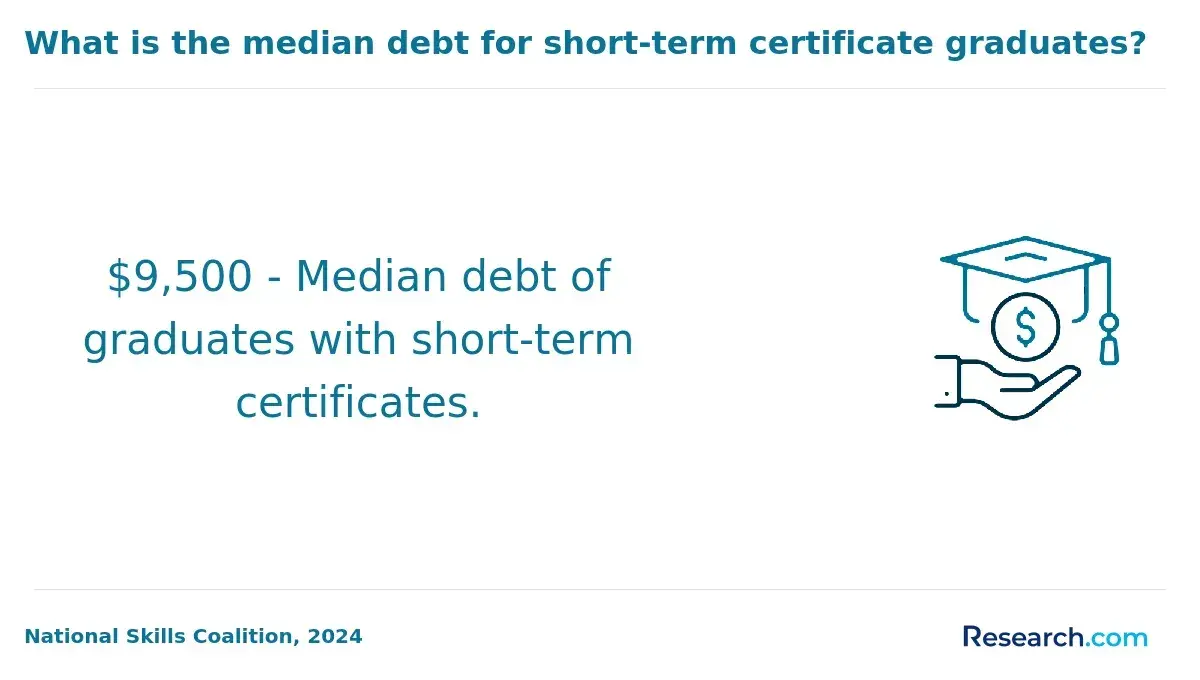
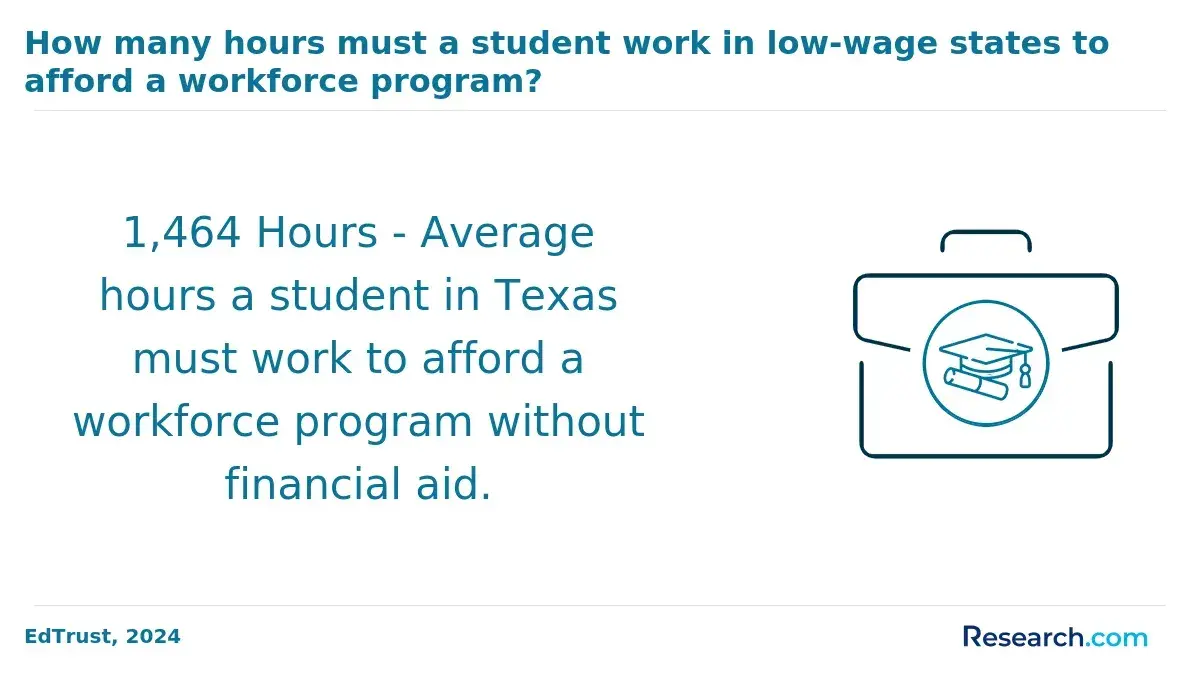
The cost of a fast online energy engineering degree depends on tuition per credit, number of credits remaining, transfer acceptance, fees, books, software, lab kits, and whether the student qualifies for employer tuition assistance or federal financial aid. Faster completion can reduce semesters of fees and opportunity cost, but it does not always reduce tuition if the program charges by credit.
College Board's 2024 pricing data shows average published tuition and fees of $11,610 for in-state students at public four-year institutions and $43,350 at private nonprofit four-year institutions for the 2024-25 academic year. Online engineering programs can fall above or below those averages, so students should compare the total degree cost after transfer credit rather than relying on tuition category alone. If cost is the main constraint, comparing other online graduate pathways, such as an online masters human resources program, can also show how engineering tuition and workload differ from nontechnical fields.
The table below breaks down the cost factors that most often change the real price of an accelerated energy engineering degree.
| Cost factor | How it affects total cost | Speed connection |
| Tuition per credit | Higher per-credit tuition increases total cost unless transfer credit reduces credits required | Fast completion saves time but may not lower tuition if all credits are still required |
| Transfer credit | Accepted credits can reduce the number of paid credits needed at the new school | This is often the biggest cost and timeline advantage for adult students |
| Fees and technology costs | Online, lab, proctoring, graduation, and software fees can add to tuition | Year-round enrollment may increase short-term cash flow needs |
| Books, software, and lab materials | Engineering courses may require specialized calculators, simulation tools, or lab kits | Compressed courses can require buying materials earlier and using them intensively |
| Employer tuition assistance | Utilities, manufacturers, energy companies, and government contractors may reimburse eligible coursework | Employer annual caps may favor part-time pacing over the absolute fastest route |
| Federal financial aid | Eligible students may use grants, loans, or work-study at accredited institutions | Enrollment intensity can affect aid eligibility and disbursement timing |
For 2024-25, the maximum Federal Pell Grant is $7,395 for eligible undergraduates. Graduate students are generally not eligible for Pell Grants, but they may qualify for federal loans, employer benefits, assistantships, military education benefits, or payment plans.
- Ask for a total program cost estimate based on your transfer evaluation, not a generic tuition page.
- Confirm whether online students pay in-state, out-of-state, flat-rate, or separate online tuition.
- Check whether accelerated terms affect refund deadlines, financial aid enrollment status, or employer reimbursement timing.
- Compare the cost of finishing faster against the risk of dropping or retaking an overloaded engineering course.
Can You Work Full Time While Completing an Accelerated Online Energy Engineering Degree?
Many students can work full time while earning an online energy engineering degree, but accelerated pacing makes workload management critical. Engineering courses are problem-heavy, and time demands can spike during exams, design projects, simulations, labs, and capstones.
A common planning mistake is treating an online course as easier because it has no commute. In reality, an accelerated 8-week engineering course may require several focused study blocks each week, and two technical courses at the same time can be difficult for students with overtime, travel, caregiving, or rotating shifts.
The table below compares pacing options for working adults. It can help you choose a schedule that is fast enough without becoming unrealistic.
| Enrollment pace | Typical course load | Best for | Completion impact | Main caution |
| Part time | 1 course per term | Full-time workers with family responsibilities or unpredictable schedules | Slower, but often more sustainable | May extend graduation and delay career transition |
| Moderate accelerated | 1 to 2 courses per 8-week session | Students with strong time management and predictable work hours | Can shorten the degree while preserving work-life balance | Technical courses may overlap in demanding ways |
| Full time year-round | Multiple courses each term, including summer | Students with reduced work hours, strong preparation, and clear support systems | Fastest for students without major transfer barriers | Higher burnout and course-withdrawal risk |
| Flexible or self-paced elements | Variable pace by course or module | Students with prior knowledge and disciplined independent study habits | Can speed up familiar material | Less common in rigorous engineering sequences |
Students working full time should ask advisors to identify the hardest courses in the plan, such as calculus, physics, circuits, thermodynamics, power systems, controls, or capstone design. Taking the most difficult technical courses one at a time may be slower, but it can prevent failed attempts that ultimately lengthen the degree.
Are Accelerated Online Energy Engineering Degrees Respected by Employers and Graduate Schools?
Accredited online energy engineering degrees can be respected by employers and graduate schools when the institution is recognized, the curriculum is rigorous, and the credential aligns with the role. Many employers care less about whether courses were online and more about whether the program built relevant skills in power systems, energy modeling, renewable integration, grid operations, efficiency analysis, controls, data analysis, and technical communication.
Respect depends heavily on degree type. An ABET-accredited online engineering bachelor's may carry different weight than a non-ABET energy studies degree, especially for jobs with "engineer" in the title or roles connected to professional engineering licensure. Engineering technology degrees can be excellent for applied technical, operations, testing, and energy systems roles, but they may not be interchangeable with engineering degrees in every setting.
Students should also understand the labor market context. BLS projections published for the 2023-33 period show mechanical engineers growing by 11%, a useful signal because many energy engineering jobs draw from mechanical, electrical, environmental, and industrial engineering skill sets. The number does not guarantee employment, but it shows why energy systems, efficiency, electrification, and infrastructure-related training remain relevant.
To judge employer and graduate-school acceptance, review the outcomes that matter for your goal.
- For engineering licensure, confirm whether the degree meets your state board's education requirements before enrolling.
- For graduate school, ask whether the program includes enough calculus-based engineering, physics, and technical design coursework for admission to the intended master's or doctoral program.
- For utility or renewable energy roles, compare the curriculum with job postings that mention power systems, energy storage, grid modernization, solar, wind, nuclear, controls, or building energy analysis.
- For career changers, look for projects, capstones, labs, portfolios, internships, or employer-sponsored assignments that demonstrate applied technical ability.
The safest approach is to choose the fastest program that still matches your target job requirements. A shorter degree that does not meet licensing, graduate admission, or employer screening expectations can become slower in the long run if you need additional coursework later.
How Should You Compare the Fastest Accredited Online Energy Engineering Programs?
To compare the fastest accredited online energy engineering programs, start with your end goal and work backward. The best program for a licensed engineering pathway may be different from the best program for a renewable energy analyst, nuclear operations technologist, utility project manager, or power systems specialist.
Online degree comparisons should be field-specific because the fastest path in one discipline may not translate to another. For example, rankings of game design schools online may emphasize portfolio development and software tools, while energy engineering comparisons must give more weight to accreditation, math sequence, technical labs, and engineering prerequisites.
Use the following questions to pressure-test any "fastest" claim before applying.
- Is the institution accredited by a recognized accreditor, and is the engineering or engineering technology program ABET-accredited if that matters for my goal?
- How many of my credits transfer into required categories, not just free electives?
- What is the fastest term-by-term plan the school will put in writing for my specific transcript?
- Are core technical courses offered every term, once per year, or only in a fixed sequence?
- Does the program require labs, proctored exams, site visits, internships, fieldwork, or capstone presentations that could affect my schedule?
- How many courses do successful working adults usually take per term in this program?
- Are online students charged separate tuition or fees, and how does year-round enrollment affect financial aid?
- Will this degree support my intended role, graduate program, certification, or licensure pathway?
The table below summarizes common mistakes and better alternatives. This is useful because most delays come from planning assumptions made before enrollment.
| Common mistake | Why it causes problems | Better approach |
| Choosing the shortest advertised timeline | The timeline may assume full-time study, maximum transfer credit, or ideal course sequencing | Request a personalized graduation plan before enrolling |
| Ignoring ABET status | The degree may not meet expectations for engineering licensure or certain engineering employers | Verify programmatic accreditation if you need an engineering credential |
| Assuming all credits transfer | Some credits may transfer only as electives or may not meet technical requirements | Review a course-by-course transfer evaluation |
| Overloading accelerated terms | Compressed engineering courses can increase withdrawal or retake risk | Take the most difficult technical courses one at a time when possible |
| Overlooking prerequisites | Missing calculus, physics, or programming can delay upper-division coursework | Complete prerequisite mapping before the first term |
| Forgetting career alignment | A fast energy-related degree may not qualify you for the role you want | Compare the curriculum with job postings, licensure rules, and graduate admissions standards |
The best decision is not simply the fastest school. It is the accredited program that gives you the shortest realistic route to the credential your career actually requires.
Other Things You Should Know About Energy Engineering
Fully online programs specifically titled energy engineering are uncommon. Students often choose ABET-accredited online electrical engineering, engineering technology, nuclear engineering technology, or related programs with energy, power, or renewable coursework.
Possibly, but requirements vary by state. Students interested in PE licensure should confirm whether the specific degree, accreditation type, exams, and work experience will satisfy their state engineering board.
Many programs use simulations, remote labs, lab kits, proctored exams, or occasional scheduled activities. Requirements vary, so students should ask whether any lab, field, or campus component is mandatory before enrolling.
A graduate certificate or online master's in energy systems, renewable energy, or power engineering is usually faster than earning a second bachelor's degree. However, students lacking engineering prerequisites may need bridge coursework.
References
- Links | ECLBS EU Council of Business Schools https://www.eclbs.eu/list
- Accreditation Bodies | Global Energy Skills https://www.globalenergyskills.com/global-accreditation-bodies
- Energy Degree Accreditation: What to Look For - EnergyDegrees.org https://www.energydegrees.org/resources/energy-degree-accreditation/
- Accreditations: What They Are and Why They Matter - The Renewable Energy Institute https://www.renewableinstitute.org/accreditations-what-they-are-and-why-they-matter/
- EPA-recognized Accreditation Bodies https://www.energystar.gov/partner-resources/products_partner_resources/third-party-cert/abs/epa-recognized-abs
- Accredited Online Courses: How to Pick Programs That Actually Count https://www.upskillist.com/blog/accredited-online-courses-how-to-pick-programs-that-actually-count/
- Fastest Online Engineering Degree Programs - Educating Engineers https://educatingengineers.com/degrees/fastest-online-engineering-degree-programs/
- Accreditation - ABET https://www.abet.org/accreditation/
- Engineering - Energy Engineering https://online.utoledo.edu/programs/energy-engineering/index.html
- Energy Systems Engineering https://www.uregina.ca/academics/programs/engineering/energy-systems-engineering.html