2027 Cheapest Accredited Online Energy Engineering Degree Programs That Accept FAFSA

Co-Founder and Chief Data Scientist
Finding an affordable online energy engineering degree is harder than it looks because "energy engineering" can mean renewable energy, power systems, sustainability engineering, or a related engineering major with energy electives. It matters now because the U.S. Bureau of Labor Statistics reported a $97,310 median annual wage for architecture and engineering occupations in May 2024, making degree cost a major ROI factor.
This guide is for students comparing accredited online programs that accept FAFSA and want to understand tuition, financial aid, transfer savings, accreditation, and career value before enrolling.
Key Things You Should Know
- The cheapest FAFSA-eligible online energy engineering options are often not labeled exactly "energy engineering"; many are renewable energy engineering, power systems, electrical engineering, mechanical engineering, or energy systems master's programs.
- For the 2024-25 aid year, the maximum Federal Pell Grant is $7,395, but FAFSA submission does not guarantee grant aid or full program funding.
- Accreditation matters as much as price: undergraduate engineering programs should be checked for institutional accreditation and, when relevant, ABET accreditation or a clear pathway toward engineering licensure.
Which Are the Cheapest Accredited Online Energy Engineering Degree Programs That Accept FAFSA?
The cheapest online energy engineering degree is usually the program with the lowest net cost after grants, transfer credits, and fees, not simply the lowest advertised tuition. Because fully online programs titled "energy engineering" are limited, students should also compare online renewable energy engineering, energy systems engineering, electrical engineering, mechanical engineering, and power engineering programs that prepare for energy-sector roles.
The table below summarizes affordable, FAFSA-participating online options that are commonly relevant to energy engineering goals. Tuition changes frequently, so use these figures as a comparison starting point and verify the current cost of attendance, fees, and federal aid participation with each school before applying.
| School | Relevant online degree | Degree level | Typical energy focus | Accreditation notes | FAFSA participation | Best-fit student |
| University of Massachusetts Lowell | Online MS in Energy Engineering | Master's | Renewable, nuclear, and energy systems engineering options may be available depending on the curriculum. | Institutionally accredited by NECHE; master's engineering programs are not always ABET-accredited | Yes, institutional federal aid participation should be verified for the specific program | Students who already have an engineering or technical bachelor's degree and want a lower-cost graduate energy credential |
| Oregon Institute of Technology | Online or hybrid renewable energy engineering-related pathway, depending on current delivery format | Bachelor's | Renewable energy systems, electrical power, and sustainable energy technology | Institutionally accredited; check current ABET status and online availability for the exact program | Yes, confirm program-level eligibility | Undergraduate students seeking an engineering-focused renewable energy degree and willing to verify residency or hybrid requirements |
| University of North Dakota | Online BS in Electrical, Mechanical, or Chemical Engineering with energy-related electives | Bachelor's | Power systems, mechanical systems, process systems, and energy infrastructure | Institutionally accredited; many UND engineering bachelor's programs have ABET accreditation, but verify the specific online major | Yes | Students who want a traditional engineering degree that can support energy-sector jobs |
| Arizona State University Online | Online BS in Electrical Engineering or a related engineering program | Bachelor's | Electric power, electronics, systems, and energy technology depending on electives | Institutionally accredited; verify ABET status for the exact online program | Yes | Students who want a large online engineering program with broad employer recognition and strong course availability |
| Penn State World Campus | Online renewable energy and sustainability systems graduate program | Master's | Renewable energy, sustainability planning, policy, and technical project context | Institutionally accredited; may be more sustainability-focused than engineering-licensure-focused | Yes | Working professionals who want energy-sector advancement but do not need a licensure-oriented engineering degree |
Students who are flexible about major names may find better options by comparing engineering-adjacent programs against broader lists of the best degrees to get online. This is especially useful if the goal is a high-value technical career rather than a degree title that says "energy engineering" exactly.
A practical ranking approach is to shortlist programs in this order: first, confirm institutional accreditation and FAFSA participation; second, confirm whether the curriculum matches energy-sector roles; third, compare total program cost after transfer credits and grants; and fourth, ask whether the degree supports licensure, graduate study, or employer requirements in your intended job market.
How Does FAFSA Eligibility Work for Online Energy Engineering Degree Programs?
FAFSA eligibility means the school participates in federal student aid programs and the student may be considered for federal grants, federal loans, and sometimes work-study. It does not mean every online program at that school is eligible, and it does not mean a student will receive enough aid to cover the full cost.
For online energy engineering students, the key issue is program-level eligibility. A university may accept FAFSA for degree-seeking students while excluding certain certificates, non-credit programs, continuing education courses, or short professional programs from federal aid.
Before assuming a program can be paid for with FAFSA-based aid, complete these checks with the school's financial aid office and admissions team:
- Confirm the institution is eligible to participate in Title IV federal student aid programs.
- Ask whether the exact online energy engineering, renewable energy, power systems, or engineering degree is aid-eligible.
- Verify whether you must be admitted as a degree-seeking student before aid can be awarded.
- Ask whether enrollment must be at least half time to receive the aid you are counting on.
- Request a written cost of attendance that includes tuition, fees, books, software, labs, travel, and technology expenses.
- Ask whether summer courses, accelerated terms, or online lab components affect aid disbursement.
The most common mistake is treating "FAFSA accepted" as the same thing as "affordable." FAFSA is an application gateway, not a discount. Your actual award depends on dependency status, income, enrollment intensity, academic progress, prior aid use, school cost, and whether you qualify for grants or only loans.
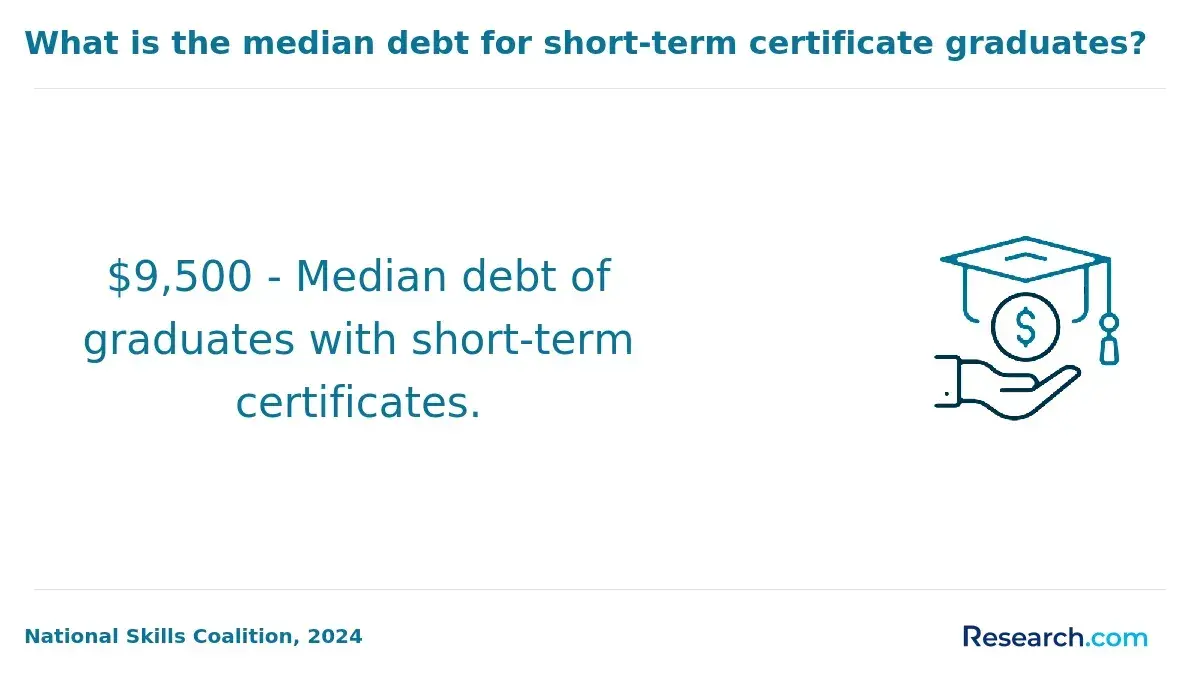
How Much Does an Online Energy Engineering Degree Cost After Financial Aid?
The real cost of an online energy engineering degree depends on tuition per credit, required credits, fees, transfer credits, grants, scholarships, employer aid, and whether the student borrows. The College Board's 2024 data showed average published tuition and fees of $11,610 for in-state students at public four-year colleges and $43,350 at private nonprofit four-year colleges, which illustrates why institutional type and residency rules can create large cost differences before aid is applied.
The table below shows how students should think about cost after aid. The point is not to assume these exact outcomes, but to understand which cost variables can change the final amount you pay or borrow.
| Cost factor | How it affects online energy engineering students | What to verify before enrolling |
| Tuition per credit | Engineering courses may cost more than general online courses because of labs, software, or upper-division technical instruction. | Ask for tuition by credit, not only a semester estimate. |
| Total credits required | Bachelor's programs usually require far more credits than master's programs, but transfer credits can reduce the remaining load. | Request a degree audit before committing. |
| Mandatory fees | Online, technology, engineering, lab, proctoring, and graduation fees can raise the total price. | Ask for all required fees in writing. |
| Grants and scholarships | Gift aid lowers out-of-pocket cost and borrowing, but eligibility varies by student and school. | Compare net price after grants, not just tuition. |
| Federal loans | Loans can make enrollment possible but increase long-term repayment obligations. | Estimate total borrowing before accepting the full loan amount. |
| Employer tuition assistance | Working adults in utilities, manufacturing, construction, or energy firms may receive reimbursement. | Ask whether your employer requires grades, service commitments, or approved majors. |
A useful rule is to compare programs by total completion cost. A higher-priced program that accepts more transfer credits may cost less overall than a cheaper-per-credit program that requires you to retake courses.
Students comparing affordability across fields may also want to review how energy engineering stacks up against the other highest paying majors. That broader comparison can help you decide whether an engineering-heavy pathway is worth the time, math preparation, and cost.
Which Affordable Online Energy Engineering Degree Programs Offer the Best Value?
The best value is usually a program that combines a manageable net price with credible accreditation, strong technical coursework, student support, and a curriculum aligned with the student's target role. The cheapest option can be a poor value if it lacks engineering rigor, has limited transfer acceptance, or does not support licensure or graduate admissions.
The table below compares common low-cost pathways by value rather than price alone. This can help you choose between a narrowly named energy program and a broader engineering degree with energy applications.
| Pathway | Typical value strength | Potential drawback | When it makes sense |
| Online MS in Energy Engineering | Shorter than a bachelor's degree for students who already hold a technical undergraduate degree | May not help students who need an ABET-accredited bachelor's degree for licensure | Best for engineers, technologists, or scientists seeking energy-sector specialization |
| Online BS in Electrical Engineering with power electives | Strong fit for grid modernization, renewable integration, utilities, and power systems | Math-intensive and may require labs or proctored exams | Best for students who want broad engineering career mobility |
| Online BS in Mechanical Engineering with energy electives | Relevant to HVAC, thermal systems, manufacturing energy efficiency, and mechanical design | May be less focused on renewables unless electives are available | Best for students interested in energy use in buildings, machines, and industrial systems |
| Online renewable energy engineering degree | Directly aligned with clean energy systems and sustainability-focused technical roles | Fewer fully online options may exist, and residency requirements may apply | Best for students committed to renewable energy technology |
| Online sustainability or energy policy master's | Useful for project management, planning, consulting, and policy roles | May not qualify as an engineering degree for technical engineering positions | Best for professionals who work around energy systems but do not need engineering licensure |
A more expensive program can be worth choosing if it has better transfer acceptance, stronger engineering accreditation, more flexible scheduling, career services for energy employers, or a curriculum that matches your target job. A lower-cost program makes more sense when it is accredited, accepts your prior credits, fits your schedule, and does not require excessive borrowing.
Are the Cheapest Online Energy Engineering Degree Programs Properly Accredited?
Accreditation is the first filter for any low-cost online engineering degree. At minimum, the institution should be accredited by a recognized institutional accreditor, because federal student aid, credit transfer, graduate admissions, and employer recognition often depend on it.
For bachelor's-level engineering programs, students should also check whether the specific program is accredited by ABET when licensure or engineering practice is part of the plan. ABET accreditation is especially important for students who may later pursue the Fundamentals of Engineering exam, Professional Engineer licensure, or engineering roles where employers prefer accredited engineering preparation.
Use the following steps to avoid accreditation mistakes:
- Search the school in the U.S. Department of Education's Database of Accredited Postsecondary Institutions and Programs.
- Confirm the school's institutional accreditor and current accreditation status.
- Check ABET's program database for the exact program name, campus, delivery format, and degree level.
- Ask the school whether the online version has the same accreditation status as the campus version.
- If you plan to seek PE licensure, contact your state licensing board before enrolling.
- Be cautious with programs that advertise "accredited" without naming the accreditor or accreditation scope.
One red flag is a school that promotes federal aid eligibility but avoids clear answers about program accreditation. FAFSA participation is not the same as engineering accreditation, and a legitimate aid-eligible school may still offer a program that is not the best fit for licensure-oriented engineering goals.
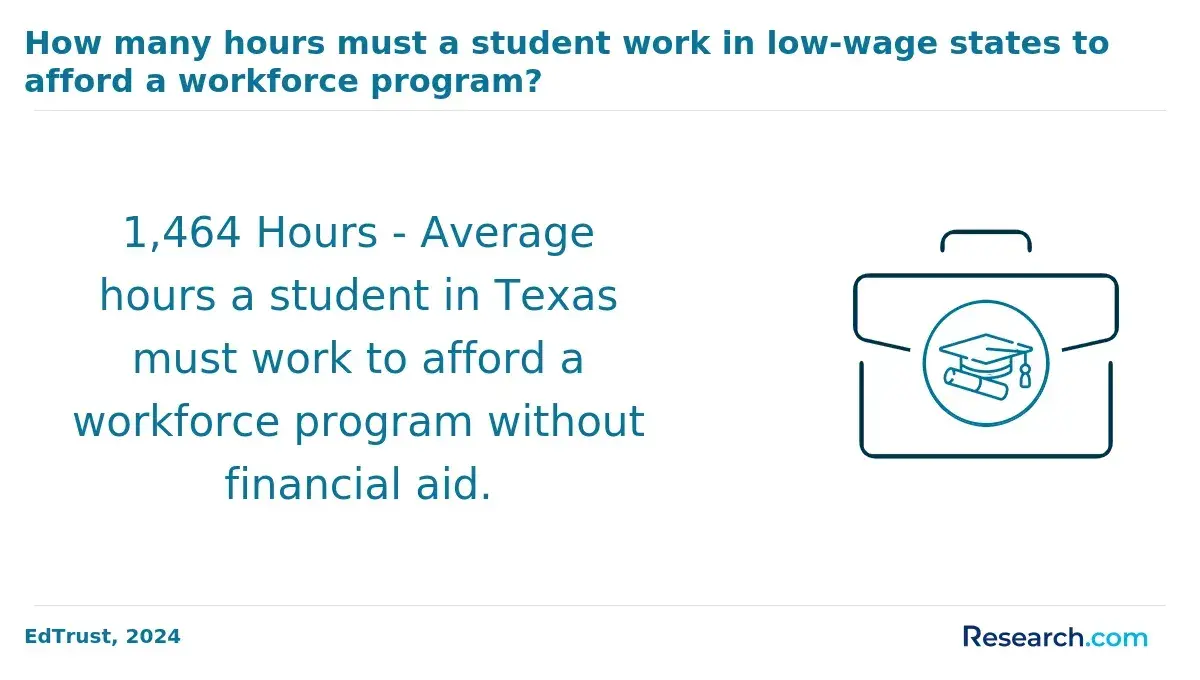
What FAFSA Grants and Federal Aid Can Pay for an Online Energy Engineering Degree?
FAFSA can connect eligible students to several types of federal aid, but the mix differs for undergraduate and graduate students. For the 2024-25 aid year, the maximum Federal Pell Grant is $7,395, which can significantly reduce cost for eligible undergraduates but usually will not cover the full cost of an engineering degree by itself.
These are the main FAFSA-related aid types online energy engineering students should understand before accepting an award package:
- Federal Pell Grant: Gift aid for eligible undergraduate students with financial need; it does not have to be repaid unless eligibility rules are violated.
- Federal Supplemental Educational Opportunity Grant: Campus-based grant aid for undergraduates with exceptional financial need, available only at participating schools with limited funds.
- Direct Subsidized Loan: Need-based undergraduate loan where the federal government generally pays interest during eligible in-school periods.
- Direct Unsubsidized Loan: Available to undergraduate and graduate students, but interest accrues while in school.
- Direct PLUS Loan: Available to eligible graduate students and parents of dependent undergraduates, subject to credit-related requirements.
- Federal Work-Study: Part-time employment funding that may be available, though online engineering students should ask whether remote or local placements exist.
Do not automatically accept every loan offered. Engineering programs can have strong long-term value, but borrowing should still be tied to a realistic completion plan, expected repayment, and career path. If a school's aid package relies heavily on loans, ask whether institutional scholarships, departmental awards, employer reimbursement, or payment plans can reduce borrowing.
How Do Transfer Credits Lower the Cost of an Online Energy Engineering Degree?
Transfer credits can be one of the largest cost savers for online energy engineering students, especially at the bachelor's level. General education, calculus, physics, chemistry, programming, and introductory engineering courses may reduce the number of credits you must pay for, but engineering departments often apply stricter rules to upper-division technical courses.
The table below shows where transfer credits usually help most and where students should expect closer review:
| Credit type | Cost-saving potential | Common limitation |
| General education courses | High, because many schools accept equivalent English, social science, humanities, and general electives | Some schools require minimum grades or specific distribution categories |
| Math and science prerequisites | High if calculus, physics, and chemistry match engineering-major requirements | Credits may be rejected if labs, sequence, or rigor do not align |
| Lower-division engineering courses | Moderate to high if completed at an accredited institution with comparable syllabi | Engineering departments may require syllabus review |
| Upper-division engineering courses | Lower, because schools often want advanced technical courses completed in residence | Residency rules may limit how many credits can transfer |
| Military or workforce training | Variable, but can help with electives or technical credits | Often reviewed case by case and may not replace core engineering courses |
Before choosing the cheapest advertised program, request a transfer evaluation from each school. A program that costs more per credit may still be cheaper if it accepts more of your prior coursework and shortens your time to completion.
This same transfer-credit logic applies across many online fields, from engineering to creative technology programs such as game design schools online. The lesson is the same: do not compare tuition until you know how many credits you actually need to complete.
Which Students Benefit Most From a Low-Cost Online Energy Engineering Degree With FAFSA?
A low-cost FAFSA-eligible online energy engineering degree is most valuable for students who need a recognized credential, can handle technical coursework, and have a realistic plan to reduce borrowing. It is especially useful for working adults in energy, utilities, manufacturing, construction, military technical roles, facilities management, or sustainability operations who want to move into more technical or higher-responsibility positions.
These students tend to benefit most from the low-cost online route:
- Transfer students: They may reduce total cost substantially if prior math, science, and general education credits apply.
- Working adults: Online delivery can reduce relocation and commuting costs while allowing continued income.
- Undergraduates eligible for Pell Grants: Grant aid can lower out-of-pocket cost before loans are considered.
- Employees with tuition assistance: Employer reimbursement can work alongside FAFSA-based aid if school and employer rules allow it.
- Students targeting energy-adjacent engineering roles: Electrical, mechanical, and systems engineering pathways can support energy careers even when the degree title is broader.
Students should be more cautious if they dislike advanced math, need extensive in-person support, are choosing the major only because it sounds high-paying, or need a program that directly qualifies for a specific state licensure pathway without confirming requirements. Cost savings do not help much if the program is a poor academic or career fit.
If you are still comparing online graduate pathways, it may help to look at how affordability and professional outcomes are discussed in other fields, such as online masters human resources programs. The decision principle is similar: the best program is the one that balances net cost, credential value, flexibility, and career relevance.
How Does the Cost of an Online Energy Engineering Degree Affect Career ROI?
Career ROI depends on how much you pay, how much you borrow, whether you finish, and whether the degree supports the roles you are targeting. The May 2024 BLS median annual wage of $97,310 for architecture and engineering occupations indicates that engineering careers can offer strong earning potential, but individual outcomes vary by discipline, experience, location, employer, and licensure status.
For energy engineering students, ROI is strongest when the curriculum connects to real labor-market needs such as grid modernization, renewable energy integration, energy efficiency, power electronics, building systems, industrial decarbonization, and utility infrastructure. Employers increasingly value engineers who can combine technical fundamentals with software tools, data analysis, project communication, and systems thinking.
Use the following ROI checklist before enrolling:
- Estimate total program cost after transfer credits, grants, scholarships, and employer aid.
- Estimate total borrowing, including interest that may accrue while enrolled.
- Compare the curriculum with job postings for roles such as energy engineer, power systems engineer, sustainability engineer, electrical engineer, mechanical engineer, facilities energy manager, or renewable energy project engineer.
- Ask whether the program offers career services, internship support, capstone projects, or employer-connected projects for online students.
- Check whether the program supports graduate school, licensure, or certifications relevant to your target role.
- Avoid borrowing up to the maximum available if a lower-cost enrollment plan would still let you graduate on time.
A more expensive program may have better ROI if it improves completion odds, supports licensure, has stronger employer recognition, or allows you to keep working while studying. A cheaper program may have better ROI if it is accredited, technically rigorous, and lets you graduate with little or no debt.
Students considering fast online pathways should also compare time-to-completion carefully. Lessons from accelerated psychology programs apply here too: finishing faster can reduce opportunity cost, but only if the pace is manageable and the credential meets your goals.
How Should Students Choose the Cheapest FAFSA-Eligible Online Energy Engineering Degree?
Choosing the cheapest FAFSA-eligible online energy engineering degree should be a structured comparison, not a search for the lowest tuition number. Start with accreditation and aid eligibility, then evaluate fit, cost, transfer credits, online format, and career outcomes.
Use this step-by-step process to narrow your list:
- Define your target role before choosing a major name, because "energy engineering" may point to electrical, mechanical, chemical, renewable, or sustainability systems pathways.
- Confirm institutional accreditation and, for engineering bachelor's programs, check whether ABET accreditation matters for your goals.
- Verify the exact online program is eligible for federal student aid, not just the university.
- Request a full cost of attendance that includes fees, materials, software, exams, travel, and graduation costs.
- Submit transcripts early and compare official transfer evaluations from multiple schools.
- Compare the net price after grants and scholarships, then calculate how much you would need to borrow.
- Ask how online labs, proctored exams, internships, capstones, and residency requirements work.
- Review course descriptions to ensure the curriculum covers the energy systems, power, renewables, or efficiency topics you need.
- Ask about outcomes for online students, including retention, graduation support, career services, and employer connections.
- Choose the program that gives you the best combination of credible credentials, manageable debt, flexibility, and career alignment.
The biggest red flags are vague accreditation claims, unclear fees, pressure to enroll before a transfer evaluation, no written confirmation of aid eligibility, and a curriculum that sounds energy-focused but lacks sufficient engineering depth. The best low-cost program should make its accreditation, costs, aid rules, and degree requirements easy to verify.
Other Things You Should Know About Energy Engineering
Yes, an online degree can support energy engineering careers if it is from an accredited institution and includes the technical coursework employers expect. For licensure-oriented engineering roles, confirm ABET status and state board requirements before enrolling.
Not always. Renewable energy programs may focus on solar, wind, storage, and sustainable systems, while energy engineering can also include power systems, thermal systems, efficiency, fuels, and industrial processes. Compare course requirements rather than relying on the title.
Some do. Engineering programs may require labs, exams, design projects, or short residencies. Always ask whether any in-person requirements apply and include travel costs in your budget.
Choose a bachelor's program if you need foundational engineering preparation or entry into engineering roles. Choose a master's program if you already have a relevant technical degree and want specialized energy expertise for advancement or career transition.
References
- Energy Systems Engineering https://www.uregina.ca/academics/programs/engineering/energy-systems-engineering.html
- Free Application for Federal Student Aid (FAFSA) | USAGov https://www.usa.gov/fafsa
- Important FAFSA Deadlines for 2025-2026 and 2026-2027 https://www.savingforcollege.com/article/fafsa-deadlines
- Solar Engineering Degree Programs | SurgePV https://www.surgepv.com/blog/solar-engineering-degree-programs
- Financial Aid For Online Colleges https://www.affordablecollegesonline.org/financial-aid/financial-aid-for-online-colleges/
- Applied Energy Engineering https://fh-ooe.at/en/degree-programs/applied-energy-engineering-bachelor
- Best Online Master’s in Mechanical Engineering Programs for 2025 https://www.onlinemastersdegrees.org/best-programs/engineering/mechanical-engineering/
- International Energy Engineering https://www.oth-aw.de/en/studies/study-offers/study-programmes/master/international-energy-engineering/
- Understanding Your Aid https://www.olin.edu/admission-financial-aid-afford/aid-scholarships
- Renewable Energy Engineering Online Degree Programs - Educating Engineers https://educatingengineers.com/online-engineering-schools/renewable-energy-engineering-degrees/