
2027 Different Types of Aviation Management Degrees and Their Salaries

Co-Founder and Chief Data Scientist
Choosing an aviation management degree is not just a question of “which school should I attend?” It is a career-planning decision that affects how quickly you can enter the field, what aviation roles you qualify for, how much debt you may take on, and whether you are prepared for airport, airline, safety, maintenance, dispatch, security, or executive work.
Aviation management programs combine business training with aviation-specific operations, regulations, safety systems, logistics, and leadership. They are designed for students who want to work in aviation without necessarily becoming pilots, as well as current aviation professionals who want to move into supervisory or strategic roles.
This guide explains the main aviation management degree types, common specializations, program lengths, accelerated and online options, typical costs, job outcomes, salary differences, and the factors that should guide your decision. Use it to compare degree levels realistically and choose the path that best fits your career goals, schedule, and budget.
Key Points About Different Types of Aviation Management Degrees and Their Salaries
- Associate degrees in aviation management typically lead to entry-level positions such as operations specialists or air traffic controllers with median annual salaries around $60,000, making them a more affordable and quicker path to employment in the aviation sector.
- Bachelor's degrees open doors to supervisory and management roles in airports and airlines, with salaries often ranging between $70,000 and $90,000 per year, reflecting the higher demand for advanced skills and broader responsibilities.
- Master's degrees in aviation management significantly enhance prospects for executive roles and strategic positions in aviation companies, with average earnings surpassing $110,000 annually and offering greater long-term career growth and leadership opportunities.
What Are the Different Types of Aviation Management Degrees Available?
Aviation management degrees are available at the associate, bachelor’s, master’s, and doctoral levels. The right option depends on whether you want entry-level operations work, a management-track role, senior leadership preparation, or research and policy expertise.
In general, shorter programs prepare students for operational support roles, while bachelor’s and graduate degrees build broader management, compliance, finance, safety, and leadership skills. Students comparing aviation programs should also look at accreditation, internship access, employer partnerships, transfer-credit policies, and whether the curriculum matches their target career path.
- Associate of Applied Science (AAS) in Aviation Management: An AAS is usually the most career-focused associate option. It emphasizes practical aviation operations, basic management, airport procedures, safety awareness, and regulatory foundations. It can be a good fit for students seeking entry-level airport, airline, ground operations, or fixed-base operator roles, or for those who want a lower-cost path before transferring into a bachelor’s program.
- Associate of Occupational Science (AOS) in Aviation: An AOS also focuses on workforce preparation but may place more emphasis on applied technical and regulatory knowledge. Students often study aviation systems, safety practices, compliance, and operational problem-solving. This degree may appeal to learners who want hands-on preparation and a direct route into aviation support or technical operations roles.
- Bachelor of Science (BS) in Aviation Management: A BS is one of the most common choices for students who want management-track aviation careers. It typically covers aviation law, airport and airline operations, safety, organizational behavior, finance, logistics, and decision-making in aeronautics. A BS may be better suited for students who want analytical, operations-heavy, or compliance-focused roles.
- Bachelor of Arts (BA) in Aviation Management: A BA usually combines aviation management courses with broader liberal arts study. Students may focus more on communication, ethics, global aviation issues, policy, and leadership. This option can work well for students interested in administration, customer experience, aviation policy, business development, or roles requiring strong communication across departments.
- Master's Degree in Aviation Management: A master’s degree is designed for professionals seeking advanced leadership, strategy, consulting, safety systems, supply chain, or executive-track roles. Coursework often emphasizes management theory, research, innovation, regulatory strategy, and complex organizational decision-making. It may be most valuable for students who already have aviation experience or a related bachelor’s degree.
Recent salary data show that aviation management graduates from reputable programs can earn competitive wages, with some median salaries reaching around $118,920. However, salary outcomes depend heavily on degree level, experience, employer, location, specialization, and whether the role is operational, technical, managerial, or executive. Students comparing options may also want to review college majors that are worth it to understand how aviation management fits into broader education and earnings decisions.
What Specializations Are Available in Aviation Management Degrees?
Aviation management is broad, so specialization matters. Airports, airlines, maintenance organizations, dispatch operations, safety departments, and security teams all require different skill sets. Choosing a concentration can help you build targeted expertise, qualify for internships in a specific area, and explain your career direction clearly to employers.
Before choosing a specialization, compare the coursework with actual job postings. Look for required skills such as regulatory compliance, scheduling, emergency planning, safety auditing, data analysis, customer operations, maintenance documentation, or leadership experience.
- Aviation Management: Airport Management: This specialization focuses on how airports operate day to day, including terminal operations, airside and landside coordination, safety compliance, facility planning, emergency response, concessions, and passenger services. It can lead to roles such as airport manager, airport operations supervisor, ground services coordinator, or facilities operations specialist.
- Aviation Management: Airline Management: Airline management emphasizes route planning, scheduling, revenue management, logistics, fleet utilization, marketing, customer relations, and organizational leadership. It is a strong option for students interested in airline operations manager, route planner, airline marketing manager, crew scheduling, or operations analysis roles.
- Aviation Management: Aviation Safety: Aviation safety focuses on risk management, regulatory compliance, accident prevention, safety management systems, incident response, and safety audits. Graduates may pursue roles such as aviation safety officer, safety analyst, airline safety manager, or compliance specialist.
- Aviation Management: Aviation Maintenance Management: This concentration connects aircraft systems knowledge with workforce supervision, maintenance scheduling, quality assurance, documentation, and regulatory compliance. It may be a good fit for students with technical aviation backgrounds who want to become maintenance managers, quality assurance supervisors, or technical operations managers.
- Aviation Management: Air Traffic Control and Dispatch Operations: This pathway centers on safe aircraft movement, operational coordination, flight planning, real-time communication, systems management, and specialized certification requirements. It can support preparation for roles such as air traffic controller or flight dispatcher, though students should verify certification, medical, age, and training requirements before enrolling.
- Aviation Management: Aviation Security Management: Aviation security management covers airport security systems, threat assessment, access control, emergency planning, crisis response, and counter-terrorism strategies. It can prepare students for roles such as airport security manager, security compliance officer, or emergency planning coordinator.
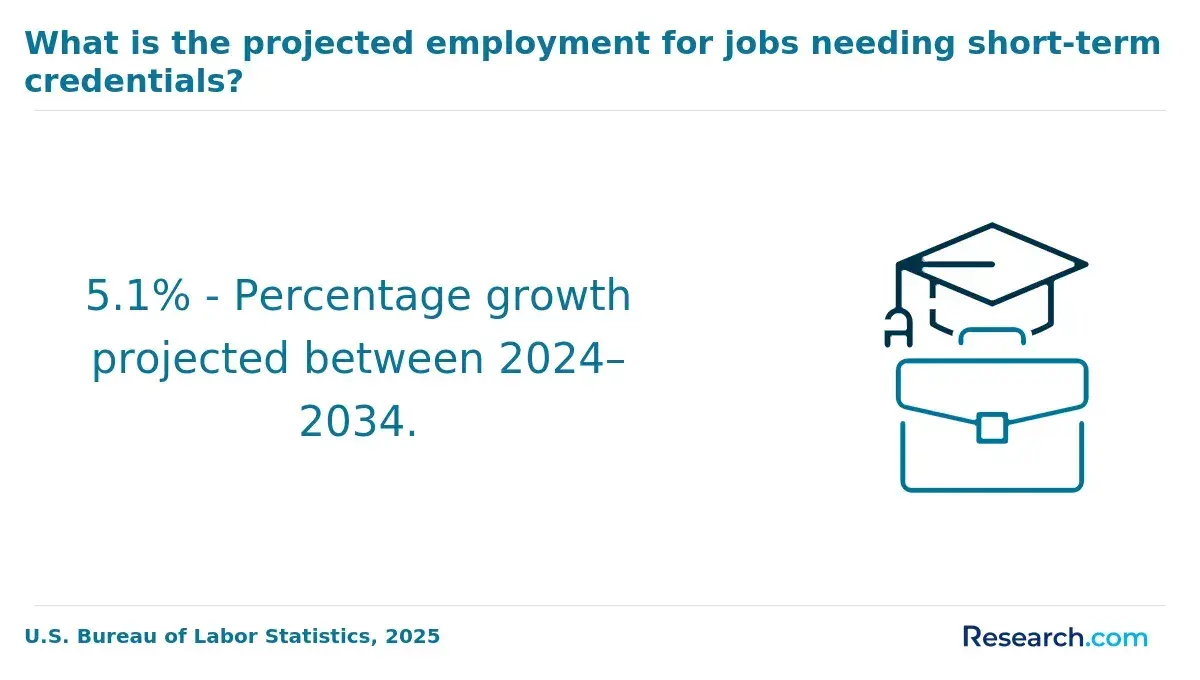
The best specialization is the one that connects directly to the work environment you want. Airport-focused students should prioritize operations and emergency management. Airline-focused students should look for scheduling, logistics, and revenue coursework. Students interested in risk reduction should compare safety and security concentrations carefully because they lead to different responsibilities. Short-term credentials can also supplement a degree; students building skills quickly may compare certificate programs that pay well without a degree alongside aviation coursework.
How Long Does It Take to Complete Each Type of Aviation Management Degree?
The time required to finish an aviation management degree depends on the degree level, enrollment status, transfer credits, prior aviation training, and whether the program runs on traditional semesters or shorter terms. Full-time students finish faster, while working adults often choose part-time or online formats that extend the timeline but make enrollment more manageable.
- Associate Degree in Aviation Management: An associate degree generally takes about two years of full-time study. Part-time students may need longer. Students who already hold relevant college credits, military training, or aviation-related coursework may be able to shorten the program if the institution accepts those credits.
- Bachelor's Degree in Aviation Management: A bachelor’s degree is typically a four-year program. Students who transfer from an associate program, bring AP credits, or qualify for aviation-related transfer credit may be able to reduce the time to three years. Online and hybrid formats can help students continue working while completing upper-division business and aviation courses.
- Master's Degree in Aviation Management: A master’s degree usually takes one to two years after the bachelor’s degree. Full-time or accelerated students may finish faster, while part-time students often take longer because they balance coursework with professional responsibilities. Some accelerated options can enable completion in as little as 12 months for highly motivated learners.
- Doctorate in Aviation Management: Doctoral programs usually take three to five years, depending on the research focus, dissertation requirements, enrollment status, and faculty approval process. These programs are less common and are generally intended for research, academic, senior policy, or high-level leadership goals.
Time-to-completion should be evaluated alongside cost and career value. A faster program is not automatically better if it limits internship access, reduces networking opportunities, or creates an unrealistic workload. A longer part-time program may be the stronger choice for students who need to keep working in the aviation industry while earning the credential.
Are There Accelerated Aviation Management Degree Programs?
Yes. Accelerated aviation management degree programs are available in the United States, but they are best suited for students who can handle a heavier academic pace. These programs may allow students to complete a bachelor’s degree in as few as three years or combine undergraduate and graduate study into a streamlined five-year path instead of the typical six or more years.
Common accelerated formats include 7.5- or 8-week courses, year-round enrollment, multiple start dates, online or hybrid delivery, and generous transfer-credit policies. Some programs also evaluate FAA certifications, military training, or previous aviation coursework. For example, students holding multiple FAA ratings may receive up to 45 transfer credits, which can significantly reduce the number of courses needed to graduate.
Accelerated programs can be useful for students who want to enter the workforce sooner, reduce total tuition exposure, or build on existing aviation credentials. They can also help working aviation professionals move into management roles more quickly. However, the trade-off is intensity: shorter terms often mean frequent assignments, compressed exams, less recovery time, and fewer opportunities to fall behind without consequences.
Before enrolling, ask the school how acceleration affects internship eligibility, credit transfer, financial aid timing, course sequencing, and access to faculty. Students should also confirm whether the accelerated format changes the total tuition, fees, or residency requirements.
Eligibility criteria often include satisfactory academic standing, a separate application for accelerated or dual-degree formats, and sometimes prior aviation experience or certification. Transfer partnerships with other institutions or military training can simplify credit evaluation, but students should request a written transfer-credit review before making a final decision.
Graduates with accelerated degrees often benefit from reduced tuition costs and earlier entry into aviation careers where median salaries range roughly between $90,000 and $150,000, depending on experience and positions.
One recent graduate described the accelerated experience this way: “The pace was intense from the start. Time management wasn't just helpful-it was essential. Balancing work and school felt like a full-time job beyond just attending lectures.” He said transfer credits for FAA certifications reduced his course burden and allowed him to focus on more complex management topics. The flexibility of online coursework and multiple start dates helped, but back-to-back assignments created real pressure. His takeaway was direct: “It demanded everything I had, but it truly accelerated my career trajectory.”
Are Online Aviation Management Degrees as Credible as Traditional Ones?
Online aviation management degrees can be as credible as traditional campus-based degrees when they come from properly accredited institutions, use the same academic standards, and provide access to relevant aviation coursework, faculty, and career support. Employers generally care more about the school’s reputation, accreditation, curriculum quality, and the graduate’s experience than whether every class was taken on campus.
Many online programs use the same curricula, assessment methods, and accreditation requirements as in-person programs. Research shows no significant difference in learning outcomes between online, accelerated, and traditional programs, with online students sometimes outperforming peers on standardized tests like the FAA Part 107 knowledge exam. Leading universities such as Embry-Riddle Aeronautical University and the University of Nebraska at Omaha require identical coursework and use instructors with substantial real-world aviation experience.
That said, students should not assume every online program is equal. The strongest online aviation management programs clearly explain accreditation, faculty credentials, internship options, transfer-credit policies, student support, and whether any practical components must be completed in person. Some programs include synchronous classes, while others are asynchronous. Some require internships or aviation experience, while others are designed for students entering aviation for the first time.
Employer recognition of online aviation management degrees has increased significantly, especially since the COVID-19 pandemic accelerated the adoption of remote learning. Graduates from accredited online programs report strong employment outcomes, with annual salaries typically ranging from $60,000 to over $120,000 depending on experience, location, and job role.
For credibility, students should verify three things before enrolling: institutional accreditation, aviation-relevant curriculum, and career outcomes. An online degree from a reputable, well-accredited school is usually a stronger choice than a poorly supported campus program with weak industry connections.
How Much Does Each Type of Aviation Management Degree Typically Cost?
Aviation management degree costs vary by degree level, public or private status, residency, online or campus format, fees, transfer credits, and whether the program includes aviation labs, flight-related costs, or certification preparation. Students should compare total program cost, not just annual tuition, because fees and credit requirements can change the real price significantly.
- Associate Degree in Aviation Management: Tuition usually ranges from $5,000 to $20,000 per year. Public community colleges often offer lower in-state rates, while technical institutes may cost more. This can be the most affordable starting point for students who want entry-level roles or plan to transfer into a bachelor’s program later.
- Bachelor's Degree in Aviation Management: Public universities may charge $8,000 to $18,000 annually for in-state students, while private or out-of-state institutions can reach $20,000 to $30,000 per year. Some online bachelor’s programs can be more affordable, with some as low as $5,220 annually. Students should ask whether online tuition is charged per credit, per term, or at a flat rate.
- Master's in Aviation Management: Graduate tuition generally falls between $15,000 and $35,000 total, with private universities often at the higher end. Online master’s programs may offer lower tuition, flexible payment plans, or formats that allow students to keep working while enrolled.
- Doctorate in Aviation Management: Doctoral programs are less common and typically charge between $20,000 and $50,000 total tuition, especially at research-focused schools. Full-time doctoral candidates may have access to research grants, fellowships, or teaching assistantships, but funding policies vary by institution.
Financial aid can include federal grants, federal loans, state aid, institutional scholarships, aviation or STEM scholarships, work-study, graduate assistantships, employer tuition reimbursement, and military or veteran education benefits. Students should complete aid paperwork early and ask each school for a full cost breakdown that includes tuition, fees, books, technology charges, residency rules, and transfer-credit evaluation.
A graduate of an aviation management program said careful planning made the degree more manageable. She used federal financial aid, applied for multiple scholarships, and chose a public university with reasonable in-state tuition to limit out-of-pocket costs. “Budgeting early and seeking advice on financial aid options were crucial steps,” she explained. Her experience highlights a practical lesson: the listed tuition matters, but the net price after aid, transfer credit, and school choice matters more.
What Jobs Can You Get with Each Type of Aviation Management Degree?
Aviation management job options depend on degree level, specialization, prior aviation experience, certifications, and employer requirements. An associate degree can help open entry-level operational roles, while a bachelor’s degree is more common for management-track positions. A master’s degree is usually most useful for senior leadership, consulting, policy, and specialized management roles.
Students who want a lower-cost starting point may also compare fast associate degree programs online before committing to a longer pathway.
- Associate degree in Aviation Management: Graduates typically pursue entry-level positions such as airport operations assistant, airline customer service agent, ramp supervisor, operations coordinator, or fixed-base operator support roles. These jobs may involve passenger flow, baggage coordination, ground operations, safety procedures, customer service, and communication between teams. They are often found at regional airports, airline offices, ground handling companies, and FBOs.
- Bachelor's degree in Aviation Management: A bachelor’s degree can support mid-level management and specialist roles such as airport manager, airline operations manager, FBO general manager, aviation safety officer, operations supervisor, compliance coordinator, or airline analyst. Responsibilities may include supervising staff, coordinating schedules, managing airport facilities, enforcing safety rules, tracking performance, and supporting regulatory compliance. According to the U.S. Bureau of Labor Statistics, transportation managers with this degree earned a median salary of $107,570 in 2023, with directors at major airports making $200,000 or more.
- Master's degree in Aviation Management: A master’s degree can help experienced professionals compete for roles such as airport director, aviation consultant, airline executive, director of operations, aviation policy analyst, senior safety leader, or corporate aviation manager. These positions often involve strategic planning, budgeting, regulatory affairs, organizational leadership, and major operational decisions. Graduates may work at corporate headquarters, international airports, government agencies, consulting firms, or large aviation organizations. Leading consultants and sales directors may earn salaries exceeding $175,000 annually.
Degree level alone does not guarantee a role. Employers may also look for aviation work experience, leadership history, internship performance, technical knowledge, safety training, FAA-related credentials, dispatch certification, security experience, or strong data and logistics skills. Students should use internships, part-time aviation jobs, and professional networking to make the degree more marketable.
How Do Salaries Differ by Aviation Management Degree Type?
Salaries in aviation management usually rise with experience, responsibility, employer size, and degree level. A higher degree can improve access to leadership roles, but it does not automatically produce a higher salary. Location, airport size, airline scale, technical specialization, union or government pay structures, and prior aviation experience can all affect earnings.
- Associate Degree in Aviation Management: Associate graduates usually qualify for entry-level roles such as airport operations assistant, dispatcher, ramp supervisor, or customer operations support. The average starting salary is around $47,831 per year, though it may range from $40,500 at the lower end to $59,500 for top earners. Pay may be higher in major metropolitan areas, large airports, or roles with shift differentials and operational responsibilities.
- Bachelor's Degree in Aviation Management: Bachelor’s graduates may pursue positions such as airport manager, operations supervisor, airline analyst, FBO manager, or safety coordinator. Entry-level salaries start near $38,912, rising to approximately $52,388 within five years, with average base salaries around $82,000 per year depending on location, employer size, and job function.
- Master's Degree in Aviation Management: Master’s graduates often move into senior management, consulting, operations leadership, or specialized roles. Salaries for management roles such as flight operations site manager can reach between $190,000 and $200,000 annually, especially in corporate aviation, large organizations, or major markets.
- Doctorate or Specialized Graduate Degrees: Doctoral or specialized graduate credentials are less common but may support academic, executive, policy, or research-focused careers. Compensation varies widely but generally ranks at the top end of the industry scale, depending on the specific role, employer, and institution.
Students should evaluate salary potential against total education cost. A lower-cost bachelor’s degree with strong internships and employer connections may deliver better return on investment than a more expensive program with limited aviation placement support. Those looking for affordable pathways can compare the best inexpensive online colleges while weighing accreditation, curriculum, and career services.
Is There High Demand for Aviation Management Degree Holders in the Job Market?
Demand for aviation management degree holders is supported by growth in air travel, workforce retirements, modernization of airport and airline operations, and the need for professionals who understand both aviation regulations and business operations. Airlines expanding fleets and adding routes need managers who can coordinate logistics, staffing, safety, compliance, customer operations, and cost control.
The U.S. Bureau of Labor Statistics forecasts thousands of new openings each year across aviation roles, including management and technical positions. Major U.S. and international hubs often provide the broadest range of opportunities because they operate at larger scale, but regional airports and emerging markets also hire as they expand services and modernize infrastructure.
Technology is also changing the labor market. Automation, artificial intelligence, and data analytics are increasingly used in passenger services, maintenance planning, scheduling, security, and operational decision-making. This creates demand for aviation professionals who can interpret data, manage technology-enabled workflows, and lead teams through process changes.
Salaries reflect this demand but vary by role and market. Entry-level aviation managers in the U.S. typically earn between $50,000 and $70,000, with experienced professionals earning more, especially in larger organizations. Graduates who combine aviation knowledge with leadership, analytics, safety, regulatory, or technical skills are often better positioned than those who rely on the degree alone.
What Factors Should You Consider When Picking a Type of Aviation Management Degree?
The best aviation management degree is the one that matches your target role, current qualifications, budget, schedule, and long-term career plan. Do not choose a degree level only because it sounds more advanced. Choose it because it prepares you for the jobs you actually want and provides a realistic return on your investment.
- Career Goals: Start with the role you want. Associate degrees can support entry-level operations work. Bachelor’s degrees are often better for management-track roles. Master’s degrees may be useful for senior leadership, consulting, strategy, or executive positions. Research job postings before enrolling so you know which degree employers commonly request.
- Salary Potential: Higher degree levels can improve earning potential, but results vary. Bachelor’s degree holders in aviation management usually earn between $50,000 and $80,000 annually, whereas master’s graduates can earn over $100,000 in senior or specialized positions. Compare potential salary gains with tuition, fees, time away from work, and debt.
- Time Commitment: Associate degrees typically take two years, bachelor’s degrees four years, and master’s degrees one to two years beyond the bachelor’s. Accelerated options may save time but require stronger time management. Part-time options may take longer but can be better for working adults.
- Program Specializations: Look for concentrations that match your career direction, such as airport management, airline marketing, aviation safety, maintenance management, dispatch operations, or aviation security. A focused specialization can help you compete for internships and early-career roles in a specific area.
- Eligibility and Prerequisites: Some advanced programs require a bachelor’s degree, aviation experience, professional certifications, or a minimum academic record. Programs tied to dispatch, air traffic control, maintenance, or flight operations may have additional requirements, so read admissions and certification details carefully.
- Accreditation and Reputation: Choose an accredited institution with aviation-relevant coursework and a credible reputation. Strong programs often have employer relationships, internship pipelines, alumni networks, and faculty with industry experience. Accreditation and reputation are especially important when comparing online programs.
- Cost and Financial Aid: Compare net price, not just tuition. Ask about scholarships, transfer credits, employer reimbursement, veteran benefits, fees, and whether prior aviation training can reduce the credit load.
- Internships and Industry Access: Aviation is relationship-driven. Programs with internships, airport partnerships, airline connections, and career placement support can provide an advantage that coursework alone cannot.
What Aviation Management Graduates Say About Their Degree and Salary
- Jamal: "Completing my bachelor's degree in aviation management opened so many doors for me in the airline industry. The comprehensive curriculum prepared me not only with technical knowledge but also with leadership skills that proved essential as I quickly advanced into a supervisory role. I love knowing that my education helps keep passengers safe and airports running smoothly every day. It's rewarding to see the direct impact of my work and feel confident about my career stability. I highly recommend this degree to anyone passionate about the aviation field."
- Maria: "After earning my master's in aviation management, I felt a profound shift in how I approach problem-solving and strategic planning within the industry. The program challenged me to consider global trends and sustainability, which has been invaluable in my role at an international airport. Personally, it gave me a sense of purpose and the tools to advocate for safer, greener aviation practices. The connections I made with faculty and peers opened up unique opportunities I never expected. My education has truly transformed my professional trajectory."
- David: "Graduating from a specialized aviation management program designed for military veterans was a life-changing experience. It helped me transition smoothly into civilian life and into a rewarding career managing airport operations. The blend of practical training with management theory provided a strong foundation for leadership roles, and the community of fellow graduates offers ongoing support and mentorship. I take pride in contributing positively to my local community by improving airport efficiency and safety. This degree gave me the confidence and skills to succeed in a competitive industry."
Other Things You Should Know About Aviation Management Degree Programs & Salaries
Internships are crucial for aviation management degrees in 2027, offering practical experience in the industry. Some programs mandate internships for graduation, providing opportunities in airlines, airports, or aviation companies, essential for career readiness and networking within the aviation sector.
To enroll in an aviation management degree program in 2027, students typically need a high school diploma or equivalent, with coursework in mathematics and physics recommended. Some programs may also require standardized test scores, such as the SAT or ACT, and English proficiency for international applicants.
References
- Why Does Selecting the Right Aviation Training Course Matter? https://www.frankfinn.com/blog/why-does-selecting-right-aviation-education-course-matter
- Bachelor of Science in Aviation Business Administration https://erau.edu/degrees/bachelor/aviation-business-administration
- Career Planning: Choosing the Right Aviation Program https://www.careerroo.com/magazine/career-planning-choosing-the-right-aviation-program/
- Is Aviation Management a Smart Career Choice? https://www.evergladesuniversity.edu/blog/aviation-management-career-guide/
- Aviation Management - UITM in Rzeszow https://en.uitm.edu.eu/undergraduate-programmes/aviation-management/
- Aviation Management BS, Aviation Management Specialization https://catalog.acalog.cwu.edu/preview_program.php
- What are the Highest-paying aviation jobs globally in 2025? - AviationCV Blog https://blog.aviationcv.com/top-10-highest-paying-aviation-jobs/
- How to Choose the Right Aviation Course for Your Career Goal https://avisacademy.com/how-to-choose-the-right-aviation-course-for-your-career-goals/
- Aviation manager https://www.unisq.edu.au/study/career-finder/aviation-manager
- Lewis University | Aviation & Transportation Department https://www.lewisu.edu/academics/aviation/management/


