
2027 What Prerequisites Do You Need for an Aviation Management Degree? Entry Requirements, Credits & Eligibility Rules

Co-Founder and Chief Data Scientist
Many prospective students find the prerequisite requirements for aviation management degrees confusing due to varying criteria across institutions. Data indicates nearly 30% of applicants lack the necessary foundational credits, which can delay admission or progression.
This article clarifies key prerequisites, including general education credits and relevant work experience, helping candidates plan their academic path strategically. By outlining typical credit requirements and eligibility parameters, students can confidently prepare for successful admission into aviation management.
Key Things to Know About the Prerequisites for a Aviation Management Degree
- Most programs require completion of foundational courses in mathematics, economics, and basic aviation principles, ensuring students meet core knowledge standards before advancing.
- A minimum GPA of 2.5 to 3.0 is typically expected for eligibility, reflecting academic competence and readiness for specialized aviation management studies.
- Applicants often need 24 to 30 transferable credits, including communication and management courses, alongside demonstrated skills in problem-solving and teamwork relevant to the aviation industry.
Do Aviation Management Programs Require Specific High School Prerequisites?
Aviation management programs typically do not require specific high school prerequisites, though requirements vary by institution and program type. Many programs strongly recommend certain subjects to help students prepare for the coursework and succeed academically.
Students interested in aviation management degree 2027 options should consider these recommendations carefully to build a strong foundation. The most commonly suggested high school subjects include:
- Mathematics: Algebra and geometry develop analytical and problem-solving skills essential for understanding aviation operations, financial management, and logistical planning.
- Physics: Basic physics knowledge, particularly in aerodynamics and mechanics, supports comprehension of aircraft functionality and safety principles.
- English and Communication: Proficiency in writing and verbal communication is critical for management roles, enabling effective report writing and coordination across teams.
- Economics or Business Studies: Introductory courses provide insight into market forces and organizational management, which are central to aviation business operations.
While these high school prerequisites for aviation management degree 2027 programs are often recommended rather than mandatory, students with backgrounds in these areas tend to perform better academically.
For instance, a 2023 study by the Aviation Accreditation Board International found that students with prior math and science training completed foundational coursework approximately 15% faster. Eligibility criteria primarily focus on general college admission standards such as minimum GPA and standardized test scores rather than specific high school credits.
Prospective students exploring accelerated pathways may also find value in one year master degree programs to advance their qualifications swiftly after completing undergraduate studies.
What College-Level Prerequisites Are Required Before Starting a Aviation Management Degree?
Preparing for an aviation management degree involves meeting specific college-level prerequisites that ensure students are academically ready and can smoothly progress through the program. These foundational courses build essential skills and knowledge needed for success in the field.
Below are the most common prerequisite courses required for aviation management degree entry requirements in 2027.
- Introductory aviation courses: These courses provide a broad overview of the aviation industry, familiarizing students with its operations, terminology, and career pathways, which forms the basis for more specialized study.
- Statistics: Understanding statistics is vital for analyzing data and operational metrics critical to aviation management, helping students make informed decisions and manage complex systems.
- Writing and communication: Developing strong writing skills prepares students to produce clear reports, proposals, and professional communications essential for managerial roles.
- Science courses: Lab sciences or physics courses support comprehension of technical aviation issues like aircraft systems and safety protocols, which, although less commonly mandatory, enhance technical understanding.
Meeting these college prerequisites for aviation management degree 2027 is crucial, as accredited programs emphasize these foundational subjects to ensure students handle regulatory standards and management challenges effectively.
Students interested in advancing their careers may also explore related certificate programs that pay well to complement their degrees.
How Many Credits Can You Transfer Into a Aviation Management Degree?
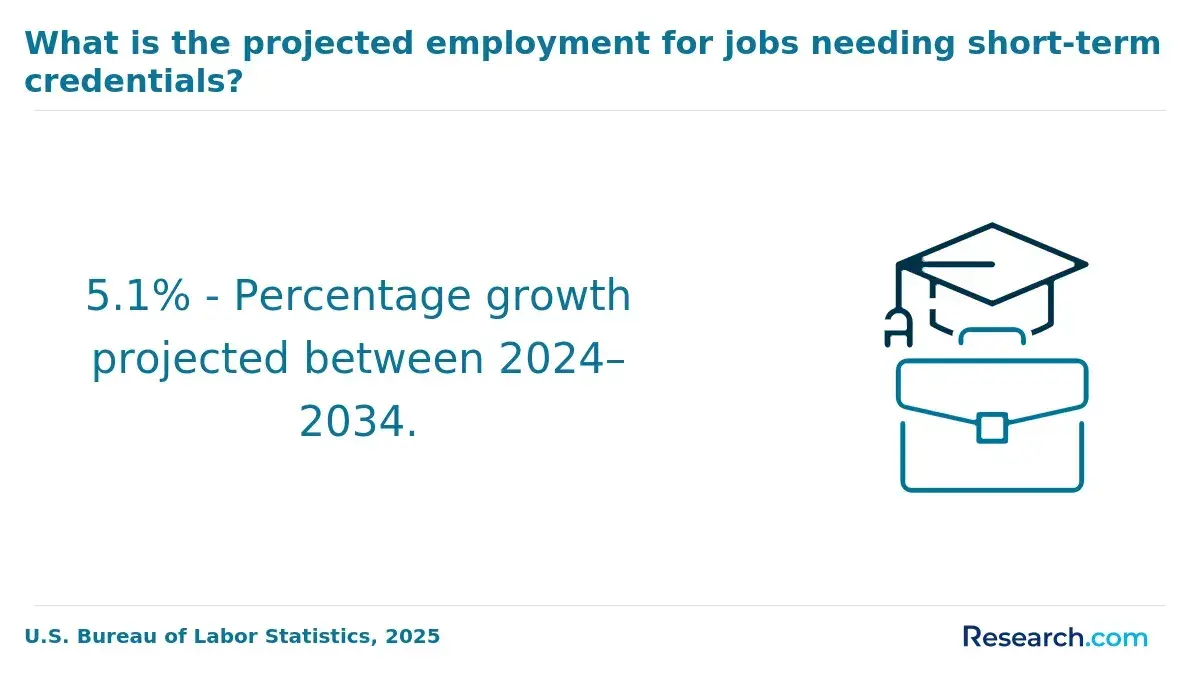
Typically, students can transfer between 30 and 60 semester credits toward an aviation management degree, though limits vary significantly depending on the institution's policies, accreditation standards, and program structure.
Many universities restrict transfer credits to about two-thirds of the total required credits, which often equals around 80 credits for a 120-credit bachelor's degree. Transferability depends largely on whether previous coursework was completed at accredited schools and matches the undergraduate level of the aviation management program.
Additionally, institutions usually require a minimum grade of 'C' in courses submitted for transfer and enforce residency rules, often requiring at least 30 credits to be completed directly at the degree-granting institution.
Transfer credits aligning with the aviation management core subjects, such as aviation law or airport operations, tend to be accepted more readily than unrelated electives.
Most schools disallow credits from pass/fail classes, remedial coursework, or courses taken more than ten years ago. Students should thoroughly review specific institutional policies in advance to avoid delays or credit loss.
When I spoke with a student enrolled in an aviation management degree program, she shared her experience navigating credit transfers. She found the process daunting at first, needing to gather detailed syllabi and transcripts to prove course relevance.
"It was a relief when core aviation subjects transferred smoothly, but I did face setbacks with some electives," she reflected. Her careful preparation and communication with advisors ultimately eased the transition and helped preserve much of her previous academic progress.
Breakdown of Private Fully Online For-profit Schools

Most aviation management degree programs have moved toward test-optional or test-free admissions policies, reducing reliance on SAT or ACT scores. However, some competitive programs and public universities, especially those offering merit-based scholarships, may still require these standardized test results.
States like Texas and California sometimes continue to use test scores for admissions or scholarship qualification within their public university systems. Many institutions have shifted away from mandatory testing, viewing it as a limited indicator of an applicant's overall potential and readiness for aviation management studies.
Instead, admissions committees often prioritize a student's high school GPA, particularly in relevant subjects such as math and science. Prerequisite courses like physics, calculus, or introductory aviation topics can also strengthen applications.
Additional components such as essays, letters of recommendation, and portfolios that showcase leadership or critical thinking skills are frequently considered.
These varied criteria provide a more comprehensive picture of a candidate's preparedness for the challenges specific to aviation management education and future careers.
Success in an aviation management degree program relies on a set of key skills that prepare students for both academics and industry demands. These abilities help students grasp complex concepts, meet program standards, and build a career in aviation management effectively.
Below are the essential skills to develop before enrollment:
- Foundational academic abilities: Strong skills in math and English support understanding aviation regulations, financial management, and clear communication, which are critical for coursework and professional practice.
- Technical and software competencies: Familiarity with tools such as Microsoft Excel and aviation-specific software is necessary for data analysis, operations tracking, and resource management.
- Analytical and problem-solving skills: These enable students to navigate logistical challenges, safety concerns, and strategic decisions essential to aviation management roles.
- Communication skills: Proficiency in both writing and speaking allows future managers to interact effectively with teams, regulators, and stakeholders.
- Field-specific readiness: Knowledge of aviation laws, safety protocols, and airport operations offers a competitive edge in program success and career preparedness.
When I asked a recent graduate about the essential skills needed before enrolling, he emphasized how daunting the initial step felt. "I struggled at first with the amount of technical detail and regulations I had to master," he shared.
He described spending extra hours mastering aviation software and brushing up on statistical analysis to meet program expectations.
"What helped most was committing early to improving my communication skills - explaining complex ideas clearly became crucial in group projects and presentations."
His experience highlighted that beyond academic readiness, persistence and adaptability were vital for launching a successful aviation management education.
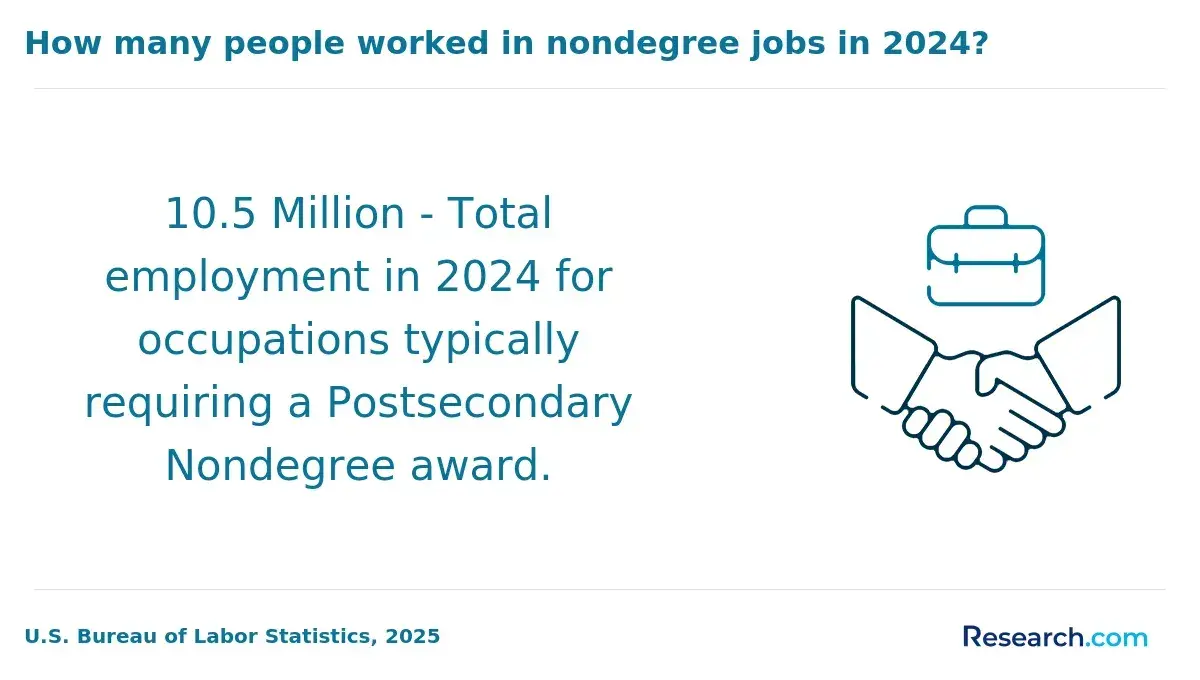
Professional experience requirements for admission to aviation management degree programs differ widely based on the institution, program level, and area of focus.
Undergraduate programs typically admit students directly from high school without demanding prior work experience, though internships or related aviation exposure can enhance an application.
Graduate programs, particularly specialized master's degrees, often prefer or require applicants to have between one and three years of relevant experience in fields like airline operations, airport management, or aviation logistics.
Executive and part-time formats usually target industry professionals and commonly mandate prior roles within the aviation sector.
Programs value professional experience because it equips students with practical insights, making them better prepared for rigorous coursework that emphasizes leadership and analytical skills. Admissions committees see experience in areas such as flight dispatch, air traffic control, or aviation safety as indicators of a candidate's potential for success.
However, applicants without relevant professional backgrounds may still gain admission if they demonstrate strong academic qualifications or complete preparatory bridge courses. This reflects a competitive yet diverse applicant pool where experiential knowledge often complements formal education.
Online aviation management degree programs require specific technology standards to ensure students can fully participate in coursework and interact seamlessly within a virtual environment.
These prerequisites reduce technical issues that might disrupt learning and uphold the aviation industry's emphasis on precision and safety.
- Computer specifications: Students need a computer with at least a dual-core processor and 8 GB of RAM to efficiently run aviation-related software and multimedia content. Adequate storage is necessary for handling large files and simulations essential to coursework.
- Reliable internet connection: High-speed internet is critical for accessing video lectures, live webinars, and interactive tools that are fundamental in aviation management education. Interruptions can negatively impact comprehension of complex industry concepts.
- Learning management system familiarity: Proficiency with platforms like Blackboard, Canvas, or Moodle is often required. These systems host course materials, assignments, and assessments vital to the learning process.
- Software proficiency: Skills in Microsoft Office Suite or Google Workspace are crucial for preparing reports, presentations, and other assignments integral to aviation management studies.
- Digital literacy: The ability to navigate online resources and solve common technical problems independently ensures students maintain focus on course content. This aligns with the sector's high standards for attention to detail and technological competence.
Meeting these requirements is especially important given the evolving required technical skills for aviation management students in 2027 and beyond. Those seeking efficiency in their advanced education may also explore the shortest master degree programs as an option.
According to the Aviation Accreditation Board International, over 85% of online aviation management students identify reliable technology as pivotal to their academic success.
International applicants to aviation management programs often encounter additional prerequisites compared to domestic students, reflecting the need to verify academic credentials and language proficiency.
Below are the most common prerequisites international students should expect.
- Academic Transcripts: Applicants must submit official transcripts evaluated for U.S. equivalency. This evaluation confirms that previous education meets the entry requirements of the aviation management program.
- English Language Proficiency: Most institutions require proof of proficiency through exams like TOEFL or IELTS. Sufficient language skills are crucial for understanding technical coursework and participating actively in class.
- Standardized Test Scores: Some programs ask for SAT or ACT scores to assess readiness for undergraduate aviation studies, though requirements vary by institution.
- Financial Documentation: Proof of sufficient funding is necessary to comply with visa regulations and to demonstrate the ability to support studies and living expenses in the U.S.
- Student Visa and Immigration Compliance: Securing an F-1 student visa is mandatory, which involves submitting evidence of admission, financial support, and intent to return home after studies.
- Prerequisite Coursework: Certain aviation management programs may require prior study in math, physics, or business-related courses to ensure foundational knowledge.
Students exploring enrollment trends will find that adhering to these eligibility rules facilitates smoother admission processes.
Exploring pathways through flexible programs such as a best accredited universities online with no application fee offers insights into balancing education with professional commitments.
According to the Aviation Accreditation Board International (AABI), about 60% of aviation management programs require at least two science or technical prerequisites, highlighting a more specialized entry path compared to typical university admissions.
General university admission requirements for aviation degrees
- Minimum GPA standards - Most universities set a baseline GPA requirement, typically between 2.5 and 3.0, to assess academic readiness for degree programs.
- English language proficiency - Applicants often need to provide standardized test scores such as TOEFL or IELTS to demonstrate language skills necessary for coursework.
- General education coursework - Prospective students must complete foundational classes in areas like humanities, social sciences, and basic mathematics before advancing to specialized study.
Program-specific prerequisites for aviation management programs 2026
- Sector-relevant coursework - Programs frequently require completion of prerequisite classes in mathematics, physics, or technical subjects related to aviation operations or logistics, ensuring students have essential technical knowledge.
- Practical experience and skills assessment - Some programs value internships or work experience in aviation settings, portfolio submissions, or aptitude tests that assess analytical and problem-solving abilities.
- Additional course requirements - Students lacking specific science or math credits may be required to take extra courses either before or during their first year, which can extend academic timelines.
Because of these additional requirements, applicants should plan accordingly to avoid delays in enrollment or increased course loads.
Students interested in related career opportunities may also explore types of jobs you can pursue after trade school that intersect with aviation fields.
Students generally must pay for prerequisite courses before applying to an aviation management program. These foundational classes, including introductory aviation, math, or business, are often required to confirm eligibility. When taken at the same university offering the aviation degree, tuition typically aligns with standard rates.
Many students choose community colleges instead, benefiting from significantly lower costs-averaging about $3,500 yearly versus $10,000 or more at four-year institutions, based on NCES data.
Online courses also serve as alternatives, with prices varying widely from free auditing options to several hundred dollars for verified certificates.
To reduce expenses, students frequently transfer credits from community colleges or accredited online providers, cutting both tuition and study time at their target university. Scholarships and financial aid geared toward aviation or STEM fields are valuable resources to offset fees.
Some programs allow prerequisite waivers or competency tests, enabling students to bypass additional courses and fees. Thoroughly researching credit transfer rules and exploring funding opportunities can greatly minimize upfront costs associated with prerequisite coursework.
What Graduates Say About the Prerequisites for Their Aviation Management Degree
- Lenny: "Getting into the aviation management degree program was a straightforward process once I completed all the prerequisite courses, which gave me a solid foundation to build on. The cost was reasonable compared to similar programs, averaging around $20,000 per year, making it a worthy investment for the opportunities it opened. Since graduating, the degree has significantly boosted my career, allowing me to step confidently into leadership roles within the airline industry."
- Nikki: "Reflecting on my journey, fulfilling the prerequisites was a bit challenging but essential for grasping the complexities of aviation management. The overall cost, while not negligible, was manageable through scholarships and financial aid, averaging about $18,000 annually. This degree has profoundly impacted my professional path, providing me with the strategic insights necessary for advanced roles in airport operations."
- Blair: "The aviation management degree program was demanding at first, especially meeting the prerequisite requirements, but it was well worth the effort. With tuition hovering around $22,000 per year, I viewed the cost as an investment rather than an expense. Professionally, this degree has elevated my credibility and opened doors to executive positions I hadn't imagined possible. "
Other Things You Should Know About Aviation Management Degrees
No. FAA safety or airport certifications are not admission requirements for most aviation management degrees. Entry is usually based on a high school diploma or equivalent, minimum GPA, and official transcripts. Professional certifications may help in later internships or jobs, but they are not required to enroll.
Some aviation management programs may require specific placement or entrance exams related to math or English proficiency. These tests assess whether students possess the foundational skills necessary for successful study, especially in technical subjects.
Requirements vary by institution, so checking individual program guidelines is important.
For an Aviation Management degree in 2027, candidates typically need to have a high school diploma or equivalent. Meeting minimum GPA requirements and successfully completing certain foundational courses in math and science can also enhance eligibility.
- Bachelor of Aviation (Management) | UNSW Sydney https://www.unsw.edu.au/study/undergraduate/bachelor-of-aviation-management
- Essential Skills You’ll Learn in Aviation and Airport Management Programs - Travel Learning Hub https://travellearninghub.com/essential-skills-youll-learn-in-aviation-and-airport-management-programs/
- Aviation Management, Bachelor https://www.studyinpoland.pl/en/programme
- Frequently asked questions | MRU https://www.mtroyal.ca/ProgramsCourses/FacultiesSchoolsCentres/Business/Programs/BachelorofAviationManagement/FAQs.htm
- Qualification regulations for the Bachelor of Aviation Management https://www.massey.ac.nz/about/university-calendar-and-regulations/qualification-regulations/bachelor-of-aviation-management/
- Bachelor of Science in Aviation Management (B.Sc. AVM) https://www.udst.edu.qa/academic/our-colleges/college-business/bachelor-science-aviation-management-bsc-avm


