
2027 Self-Paced Online Architecture Degree Master's Programs

Co-Founder and Chief Data Scientist
Choosing a self-paced online architecture master’s program is not just a scheduling decision. It can affect licensure preparation, portfolio development, software access, debt, and whether employers or licensing boards recognize the credential. The format can work well for working professionals, career changers, military-affiliated students, parents, and international learners who cannot relocate or attend studio sessions at fixed times.
The appeal is clear: self-paced study gives students more control over when they watch lectures, complete design work, and move through assignments. Recent data shows that enrollment in online architecture graduate programs increased by 35% between 2018 and 2023, reflecting growing demand for flexible graduate pathways. Still, architecture is a studio-heavy field, so flexibility should never be confused with low intensity. Students need discipline, strong digital design skills, reliable technology, and careful verification of accreditation.
This guide explains how self-paced online architecture master’s programs work, what admission standards to expect, how long completion may take, what the curriculum usually includes, how accreditation affects licensure, what costs and aid options to evaluate, and what career outcomes graduates may pursue.
Key Benefits of Self-Paced Online Architecture Degree Master's Programs
- Self-paced online architecture master's programs allow working professionals to balance studies with career and personal commitments, enhancing time management without sacrificing academic rigor.
- These programs enable accelerated skill acquisition, letting students customize their learning speed to quickly develop competencies relevant to evolving industry demands.
- Access to global networking is expanded through diverse cohorts and virtual collaborations, fostering international connections essential for modern architectural practice.
What Are Self-Paced Online Architecture Master's Programs, and How Do They Work?
Self-paced online architecture master’s programs are graduate degrees that let students complete much of their coursework asynchronously instead of attending live classes at set times. Students typically access recorded lectures, readings, critiques, design briefs, software demonstrations, discussion boards, and project submission portals through a learning management system.
The format is built for flexibility, but it is not casual. Architecture graduate work often requires long design cycles, technical drawing, model development, research, writing, and critique-based revision. A strong program gives students freedom over their weekly schedule while still enforcing academic standards, project milestones, and faculty feedback.
- Course delivery: Students usually work through modules that include lectures, assigned readings, design exercises, quizzes, and studio submissions. Deadlines may be broad, but most programs still require steady progress.
- Studio and critique format: Online studios may use recorded presentations, digital pin-ups, annotated drawings, video critiques, peer reviews, and portfolio submissions. Some programs also include optional or required live reviews.
- Faculty access: Students communicate with instructors through email, discussion forums, virtual office hours, video feedback, and critique notes. Before enrolling, applicants should ask how often faculty provide design feedback and whether critiques are individual or group-based.
- Pacing options: Students may accelerate during lighter work periods or slow down when professional or family obligations increase. This flexibility is valuable, but students still need a realistic weekly study schedule.
- Difference from cohort programs: Cohort-based programs move students through courses together on a fixed calendar. Self-paced programs provide more independence, which can be an advantage for disciplined learners and a drawback for students who need frequent external structure.
- Credential recognition: Recognition depends on the institution and program accreditation, not simply on whether the program is online. Students should verify institutional accreditation and, when licensure is a goal, whether the degree meets relevant professional education requirements.
Approximately 35% of architecture graduate students choose flexible online formats, which signals rising interest in programs that can accommodate professional and personal responsibilities. Students comparing graduate formats may also find it useful to look at cost patterns in other flexible degree markets, including programs described as affordable online MBA options, while remembering that architecture has its own studio, software, and accreditation considerations.
What Are the Eligibility and Admission Requirements for a Architecture Master's Program?
Admission requirements for an online architecture master’s program depend on the degree type, the applicant’s academic background, and whether the program is intended for professional licensure preparation, advanced specialization, or career development. Applicants should read requirements carefully because a master’s in architecture for students with a pre-professional architecture background may differ from a program designed for applicants from other fields.
- Bachelor’s degree: Most programs require a bachelor’s degree in architecture or a closely related field. Some accept applicants from other disciplines but may require prerequisite coursework in design, drawing, construction, architectural history, environmental systems, or digital media.
- Academic record: Many schools expect a minimum undergraduate GPA, typically around 3.0 on a 4.0 scale. A lower GPA may not automatically disqualify an applicant if the rest of the application is strong.
- Portfolio: Architecture programs often place significant weight on a portfolio. It should show design thinking, technical ability, process work, visual communication, and the applicant’s role in each project.
- Statement of purpose: Applicants usually submit an essay explaining their academic interests, professional goals, reasons for choosing the program, and readiness for self-paced graduate study.
- Recommendation letters: Programs commonly request two to three letters from professors, supervisors, or design professionals who can speak to the applicant’s discipline, creativity, technical skill, and capacity for graduate work.
- Test scores: Some programs request GRE or, less commonly, GMAT scores, while others make testing optional or waive it for experienced applicants. Students should confirm the current policy before spending time or money on an exam.
- Professional experience: Practitioner-focused programs may prefer applicants with work experience in architecture, design, planning, construction, engineering, or related fields. Experience can strengthen an application, especially when paired with a clear portfolio.
- English proficiency: International applicants may need to submit English language proficiency scores if their prior education was not completed in English.
A strong application connects the applicant’s background to the program’s curriculum. Students should not reuse a generic essay for every school. Instead, they should show why the program’s design focus, faculty expertise, online structure, and accreditation status fit their goals.
Applicants also need to plan financially before applying. Students comparing low-cost accredited online options may review resources such as the cheapest online colleges that accept FAFSA, while confirming that any architecture program under consideration meets the professional standards they need.
What Is the Minimum GPA Requirement for a Architecture Master's Program?
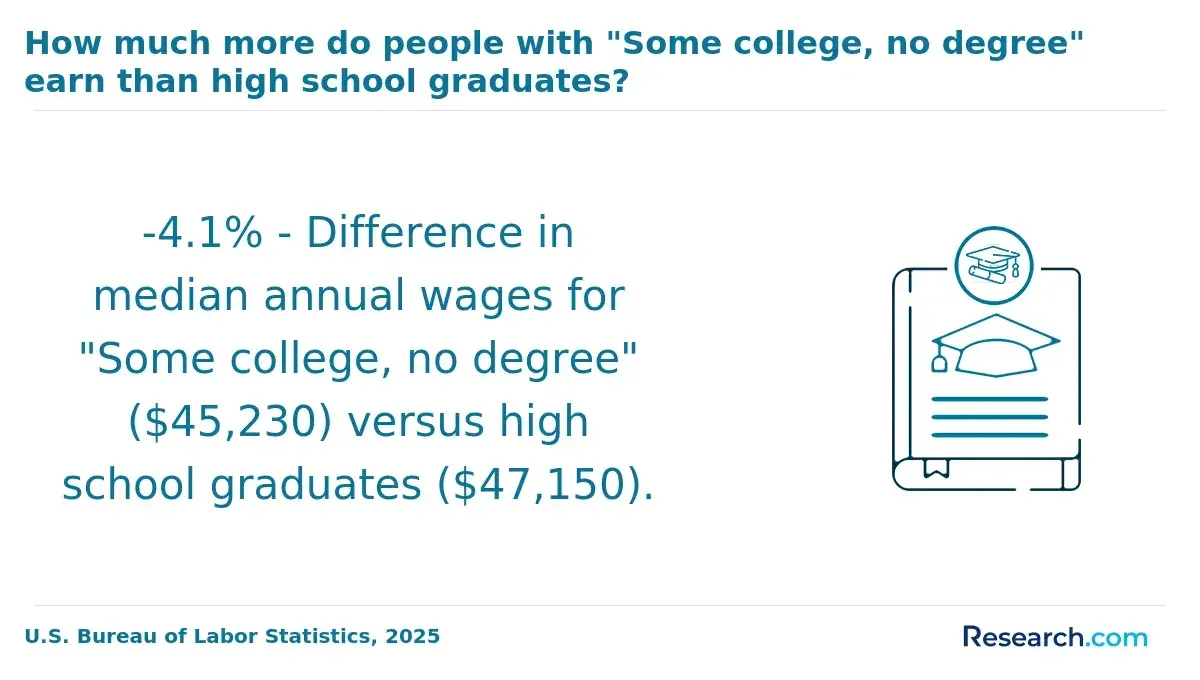
The common minimum GPA for architecture master’s applicants is at least a 3.0 GPA on a 4.0 scale, but admissions decisions are usually broader than a single number. Architecture schools often review GPA alongside studio performance, portfolio quality, design potential, recommendation letters, work experience, and the applicant’s statement of purpose.
- Typical benchmark: A 3.0 GPA on a 4.0 scale is often used as a baseline for regular admission. Meeting it does not guarantee admission, and falling below it does not always end an application.
- Program selectivity: More competitive programs may expect stronger academic performance, especially in design studios, architecture history, structures, environmental systems, or other major-related coursework.
- Portfolio weight: A strong portfolio can help offset a lower GPA if it demonstrates design maturity, technical growth, research ability, and clear visual communication.
- Conditional admission: Some schools may offer conditional admission, provisional admission, bridge coursework, or a certificate pathway for applicants who show promise but do not meet the standard GPA threshold.
- Recent academic improvement: Admissions committees may view an upward grade trend favorably, especially if the applicant performed well in advanced design, technical, or writing-intensive courses.
- Professional experience: Relevant work in design firms, planning offices, construction, visualization, sustainability, or project management can strengthen the case for admission.
Applicants with a GPA below the stated minimum should contact admissions staff before applying. A short conversation can clarify whether the school considers exceptions, what supporting evidence matters most, and whether additional coursework would improve the applicant’s chances.
One professional who pursued an online architecture master’s degree shared that his undergraduate GPA fell short of typical benchmarks. He said, “I worried my application wouldn’t be taken seriously, but the admissions counselors encouraged me to highlight my extensive design portfolio and project management background.” He later enrolled through a conditional pathway, showing why applicants should not assume that GPA alone determines the outcome.
How Long Does It Take to Complete a Self-Paced Online Architecture Master's Program?
Most self-paced online architecture master’s programs take between 18 months and three years to complete. The actual timeline depends on the degree structure, required credits, studio sequence, enrollment intensity, transfer credit policies, and how much time a student can realistically devote to design work each week.
- Full-time study: Students who take heavier course loads and complete studios in sequence generally finish faster. This option works best for learners who can protect substantial weekly time for studio assignments and revisions.
- Part-time study: Part-time enrollment is often more practical for working professionals. It can reduce stress and improve work quality, but it may extend the time to graduation.
- Prior academic background: Students with a bachelor’s degree in architecture may have a shorter pathway than career changers who need foundational design or technical prerequisites.
- Transfer credits: Some schools accept relevant graduate coursework from accredited institutions. Policies vary, and credits may expire after a certain period.
- Portfolio or prior learning review: A few programs may evaluate professional work or prior learning, but students should not assume that experience will reduce credit requirements unless the school states this clearly.
- Required residencies: If a program includes in-person intensives, labs, or reviews, scheduling those components can affect the timeline.
- Maximum completion limit: Students should confirm the program’s maximum allowed timeframe, typically five to seven years, so they do not risk losing credits or needing to reapply.
The fastest option is not always the best option. Architecture projects often improve through critique, iteration, and reflection. Students should choose a pace that allows them to build a strong portfolio, not merely finish quickly.
Before enrolling, ask the program for a sample degree plan for full-time and part-time students. Students weighing architecture against other high-return fields may also compare broader degree outcomes using resources on highest paying bachelor’s degrees, while keeping in mind that graduate architecture outcomes depend heavily on licensure path, location, specialization, and portfolio quality.
What Core Courses and Curriculum Are Typically Included in a Architecture Master's Program?
An architecture master’s curriculum usually combines design studio, theory, history, technology, research, professional practice, and a culminating project. In an online self-paced format, students should pay close attention to how studio courses are delivered, how critiques work, and whether the curriculum supports their intended career path.
- Design studios: Studio courses are central to architecture education. Students develop design proposals, drawings, models, visual narratives, and presentations while receiving critique from faculty and peers.
- Architectural theory and history: These courses help students understand architecture’s cultural, social, environmental, and historical contexts. They also strengthen design reasoning and written analysis.
- Research methods: Graduate students learn how to frame design questions, evaluate precedents, use evidence, and connect research to design decisions.
- Building technology: Coursework may cover structures, materials, construction systems, environmental systems, building performance, and technical integration.
- Digital design and representation: Programs commonly include digital modeling, visualization, building information modeling, parametric tools, rendering, and portfolio development.
- Professional practice: Students study project delivery, ethics, contracts, firm operations, client communication, code awareness, and the professional responsibilities of architects.
- Electives and specializations: Many programs offer focused study in sustainable design, urban planning, digital fabrication, historic preservation, housing, resilience, adaptive reuse, or computational design.
- Capstone, thesis, practicum, or comprehensive exam: Most programs end with a major project that demonstrates the student’s ability to integrate theory, research, technical knowledge, and design execution.
Recent data from the National Architectural Accrediting Board indicates that over 60% of master’s programs now provide flexible online learning, expanding access for students who cannot attend a traditional campus schedule.
When comparing curricula, students should look beyond course titles. A course called “Advanced Studio” may differ substantially across programs. Review sample syllabi, faculty work, software requirements, studio expectations, and examples of student capstones when available. Students who want to compare flexible degree options in this field can also review the best online architecture programs as part of a broader program search.
A professional who transitioned careers after earning her online master’s in architecture said the self-paced format required strong time management, especially while balancing work commitments. She noted that theoretical study and hands-on projects strengthened her design thinking. “The capstone project was particularly rewarding,” she recalled, “because it forced me to apply everything I’d learned in a tangible way. It felt like the moment when the pieces truly came together.”
What Accreditation Standards Should a Architecture Master's Program Meet?
Accreditation is one of the most important factors in choosing an architecture master’s program. It affects degree legitimacy, federal financial aid access, credit transfer, employer confidence, and—most importantly for many students—licensure eligibility.
- Institutional accreditation: The college or university should hold recognized institutional accreditation from an accreditor acknowledged by the U.S. Department of Education. This indicates that the institution meets broad standards for academic quality, governance, student support, and financial stability.
- NAAB programmatic accreditation: The National Architectural Accrediting Board (NAAB) is the key accreditor for professional architecture degrees in the United States. Students who plan to become licensed architects should confirm whether the specific degree program, not just the university, is NAAB-accredited.
- Licensure relevance: Licensure boards in many states mandate a degree from an NAAB-accredited school to qualify for licensing exams. Requirements vary by jurisdiction, so students should verify rules with the state licensing board where they intend to practice.
- Online format review: Students should confirm that accreditation applies to the online or self-paced delivery format if the institution offers multiple versions of the degree.
- Verification sources: Prospective students should check accreditation through the accreditor’s directory, the school’s official accreditation page, and reliable databases such as the Council for Higher Education Accreditation (CHEA).
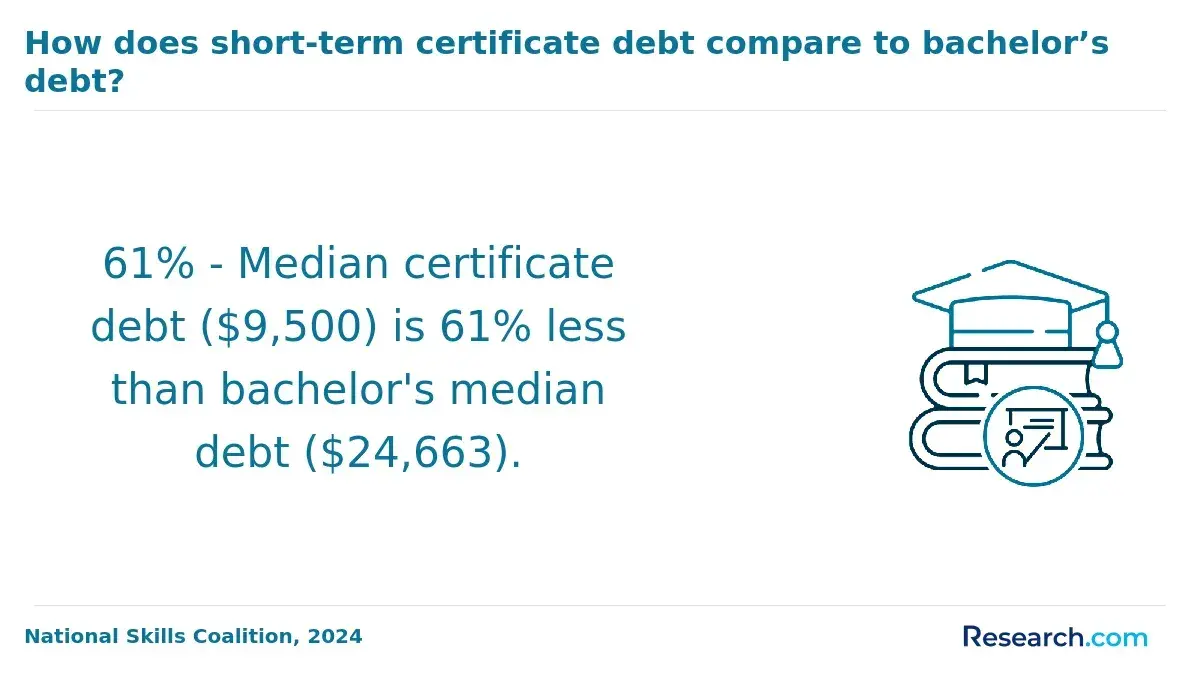
- Risk of unaccredited programs: Degrees without appropriate accreditation may not be accepted by licensing boards, employers, graduate schools, or financial aid programs. Lower tuition is not a bargain if the credential does not support the student’s goals.
Recent studies show nearly 85% of architecture-related U.S. job listings prefer or require candidates with degrees from NAAB-accredited programs. For students seeking licensure or long-term mobility, accreditation should be verified before application, not after enrollment.
How Much Does a Self-Paced Online Architecture Master's Program Cost?
The cost of a self-paced online architecture master’s program varies widely by institution type, residency status, credit requirements, technology fees, software access, and whether the program includes in-person components. Students should calculate total cost, not just tuition.
- Tuition: Per-credit tuition for architecture master’s programs typically ranges from $500 to over $1,500. Public universities may offer lower rates for in-state students, while private institutions often charge the same tuition regardless of residency.
- Fees: Online students may still pay technology fees, student service fees, graduation fees, portfolio review fees, or studio-related fees.
- Software and hardware: Architecture students may need design software, rendering tools, cloud storage, external drives, a high-performance computer, and peripherals such as a drawing tablet or large monitor.
- Materials: Even online students may need printing, model-making supplies, books, digital fabrication services, or presentation materials.
- Residency costs: If the program requires campus visits, workshops, reviews, or labs, students should budget for travel, lodging, meals, and time away from work.
- Opportunity cost: A self-paced format can let students keep working while enrolled, which may reduce income disruption compared with a full-time campus program.
- Time-to-degree impact: Accelerating can reduce the number of terms in which fees are charged, but taking too many courses at once may hurt studio quality or increase stress.
Before committing, students should request a full cost sheet that includes tuition, mandatory fees, estimated software and materials, residency expenses, and any additional charges. They should also ask whether tuition is locked for the program duration or subject to annual increases.
What Financial Aid and Scholarship Opportunities Are Available for Architecture Master's Students?
Architecture master’s students may fund their degree through a combination of federal aid, institutional scholarships, assistantships, employer support, professional association awards, and private scholarships. The best approach is to build a funding plan early because scholarship deadlines often come before admission or enrollment deadlines.
- Federal financial aid: Students enrolled in an eligible accredited program may complete the Free Application for Federal Student Aid (FAFSA) to determine federal aid options. Graduate students commonly rely on federal loans, and eligibility rules depend on enrollment status and institutional participation.
- Institutional scholarships: Universities may offer merit-based, need-based, diversity-focused, portfolio-based, or program-specific scholarships for architecture graduate students.
- Assistantships and fellowships: Some programs offer teaching, research, or administrative assistantships. These may provide tuition support, stipends, or both, though availability can be more limited for fully online students.
- Professional association funding: Architecture organizations, design foundations, community groups, and industry partners may sponsor scholarships for students focused on sustainability, urban design, housing, preservation, or public-interest design.
- Employer tuition assistance: Students working in architecture firms, engineering companies, construction firms, planning agencies, or design-related roles should ask whether their employer offers tuition reimbursement or professional development funding.
- Payment plans: Some schools allow students to spread tuition across installments, which can reduce short-term cash pressure but does not lower total cost.
- Loan caution: Students should compare projected debt with realistic salary expectations, licensure timelines, and local job markets before borrowing heavily.
Students should contact the financial aid office before enrolling and ask which aid options apply to self-paced online students specifically. They should also confirm minimum enrollment requirements, satisfactory academic progress rules, and whether taking fewer courses affects aid eligibility.
Some students compare funding models across online graduate fields to understand how aid packages differ. For example, a student researching interdisciplinary counseling or community design interests might also review an online master’s MFT affordability resource, while recognizing that architecture programs have distinct studio, software, and accreditation costs.
How Do Self-Paced Online Architecture Programs Deliver Instruction and Support Student Learning?
Self-paced online architecture programs deliver instruction through digital platforms, recorded content, virtual critique tools, cloud-based collaboration, and structured feedback cycles. The strongest programs combine flexibility with clear expectations so students do not feel isolated or unsure about their progress.
- Learning management systems: Platforms such as Canvas, Blackboard, and Moodle organize lectures, readings, assignments, rubrics, discussion boards, grades, and announcements.
- Recorded lectures and demonstrations: Students can replay lectures, software tutorials, and technical demonstrations as needed, which is especially useful for complex modeling or visualization tasks.
- Digital studio submissions: Students may upload drawings, models, renderings, diagrams, videos, written narratives, and process documentation for critique.
- Faculty feedback: Feedback may come through annotated files, recorded critiques, written notes, video meetings, or discussion threads. Applicants should ask about typical response times and critique frequency.
- Peer review: Online programs often use structured peer critique to help students develop design judgment and communication skills.
- Virtual office hours: Even in asynchronous programs, access to live or scheduled faculty support can be important when students are stuck on a design or technical problem.
- Library and research support: Remote students should have access to digital journals, architecture databases, citation help, and research librarians.
- Career and licensure advising: Quality programs help students understand portfolio development, internship pathways, professional networking, licensure steps, and job search strategies.
- Student discipline: Self-paced learning requires weekly planning. Students should set internal deadlines ahead of official deadlines to allow time for revisions.
Prospective students should ask programs to describe a typical online studio week. A clear answer should include how content is delivered, when work is due, how critiques happen, and how students get help. General rankings of the best online schools can help identify institutions with strong online infrastructure, but architecture applicants must still verify program-specific accreditation and studio support.
What Career Outcomes and Professional Opportunities Does a Architecture Master's Degree Unlock?
An architecture master’s degree can support entry into professional practice, advancement into leadership, specialization in emerging design areas, or preparation for research and teaching. The value of the degree depends on accreditation, portfolio strength, work experience, licensure progress, location, and the student’s chosen specialization.
- Architectural practice: Graduates may pursue roles in architecture firms, design studios, multidisciplinary engineering firms, planning agencies, or construction-related organizations.
- Project leadership: With experience, graduates may move into project manager, design lead, studio coordinator, or firm leadership roles.
- Specialized design areas: A master’s degree can help students focus on sustainable architecture, urban development, historic conservation, healthcare design, housing, resilience, digital fabrication, computational design, or building performance.
- Urban and community-focused work: Graduates may work in planning, public-sector design, community development, transportation-oriented projects, or nonprofit design initiatives.
- Research and academia: The degree can support doctoral study, research roles, teaching appointments, or work with policy and design organizations.
- Licensure pathway: For students who intend to become licensed architects, the degree’s accreditation status and state requirements are critical. A master’s degree alone does not automatically confer licensure.
- Salary and employment outlook: The U.S. Bureau of Labor Statistics projects steady growth in architect employment, with median annual salaries near $82,000. Actual earnings vary by location, experience, licensure, firm type, and specialization.
- Online credential recognition: Employers generally focus on accreditation, portfolio quality, technical skills, and experience. A self-paced online degree from a reputable accredited program can be competitive, but students should evaluate alumni outcomes and employer connections.
Students should choose a program that helps them build a strong portfolio and a credible professional network. In architecture, the degree matters, but the work students can show often matters just as much.
What Technology Requirements and Digital Skills Are Needed for a Self-Paced Online Architecture Program?
Technology readiness is essential in a self-paced online architecture master’s program. Students need hardware powerful enough for design software, reliable internet, comfort with digital collaboration, and the ability to manage large visual files.
- Computer specifications: A modern computer with at least an Intel i5 or comparable processor, 16GB RAM, and a dedicated graphics card is essential for advanced design software. Students working with rendering, BIM, or large models may need stronger specifications.
- Internet connection: A stable internet connection of 25 Mbps or higher supports streaming lectures, downloading files, uploading project submissions, and participating in video critiques.
- Core software: Common tools include AutoCAD, Revit, Rhino, SketchUp, and Adobe Creative Suite. Students should confirm whether licenses are included, discounted, or paid separately.
- File management: Architecture students handle large files. Reliable cloud storage, external backup drives, naming conventions, and version control habits can prevent lost work.
- Visualization tools: Some courses may use rendering engines, virtual reality tools, environmental simulation platforms, or building information modeling workflows.
- Digital presentation skills: Students must be able to present drawings, diagrams, models, and design narratives clearly in digital formats.
- Collaboration tools: Online students may use shared boards, video platforms, cloud folders, markup tools, and project management apps for group work and critique.
- Technical support: Programs should provide orientation, help desk access, software tutorials, library support, and guidance for troubleshooting common platform issues.
Before classes begin, students should test required software, update hardware if needed, set up backups, and create a weekly file management routine. Technical problems can quickly become academic problems when studio deadlines are involved.
What Graduates Say About Their Self-Paced Online Architecture Master's Degree
- : "Choosing a self-paced online architecture degree was essential for me because I needed the flexibility to manage my full-time job while studying. The affordable tuition allowed me to invest in my education without incurring significant debt, which was a huge relief. Since completing the program, I've been able to transition smoothly into architectural design consulting, a field I'm truly passionate about. — Lennon"
- : "What stood out most about the self-paced online architecture master's program was the ability to tailor my learning schedule around my family commitments. The cost-effectiveness compared to on-campus alternatives meant I could pursue advanced training without compromising our financial stability. This degree opened doors for me to advance in urban planning, significantly enriching my professional trajectory. — Forest"
- : "I was initially drawn to the self-paced online architecture degree because it offered the chance to balance study and travel without sacrificing quality. The reasonable program fees made it accessible, which was important as I was changing careers and starting fresh. This qualification has already paved the way for new opportunities in sustainable architecture, and I feel confident about my future in the industry. — Leo"
Other Things You Should Know About Architecture Degrees
Yes, most 2027 self-paced online Architecture master's programs are eligible for federal financial aid. To qualify, students typically must enroll at least half-time and complete the FAFSA. Eligibility depends on the program's accreditation and the student's financial situation.
Admission requirements for 2027 self-paced online Architecture master's programs typically include a bachelor's degree in architecture or a related field, academic transcripts, a statement of purpose, a portfolio showcasing design work, and letters of recommendation. Some programs may also require a minimum GPA or standardized test scores.
A self-paced online architecture master’s can support preparation for the NCARB Architect Registration Examination (ARE), which has six divisions, and for state-specific licensure rules. The degree alone does not grant licensure; candidates must still complete required experience hours and meet the licensing board’s education standards.
References
- Architecture MArch https://www.ucl.ac.uk/prospective-students/graduate/taught-degrees/architecture
- Architecture https://akademiata.pl/en/offer/master/architektura/
- Master of Architecture https://the-bac.edu/academic-programs/master-of-architecture
- Finding Scholarships https://www2.daad.de/deutschland/stipendium/datenbank/en/21148-scholarship-database/
- Find Online Master of Architecture Degree Programs https://teach.com/online-ed/design-degrees/online-masters-architecture/
- Advice on funding your architectural studies https://www.riba.org/learn/become-an-architect/funding-your-studies/
- What careers can you do with an architecture degree? | University for the Creative Arts https://www.uca.ac.uk/blogs/careers-with-an-architecture-degree/
- 928 Master's Degree Architecture Scholarships available https://www.hotcoursesabroad.com/study/international-scholarships/all/Postgraduate/architecture/cid/98/c1/scholarship86.html
- Master of Architecture https://arch.iit.edu/programs/m-arch
- Fully Funded Master's Programs in Architecture | ProFellow https://www.profellow.com/fellowships/fully-funded-masters-programs-in-architecture/


