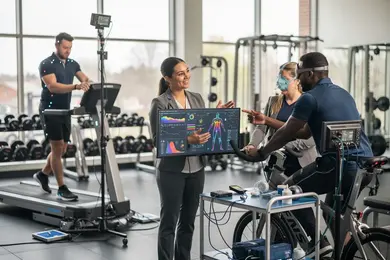
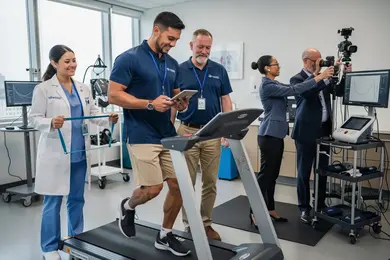
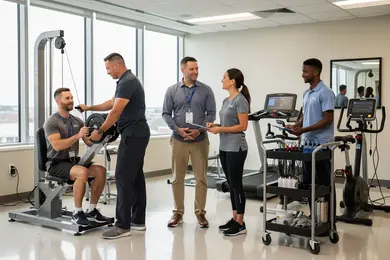
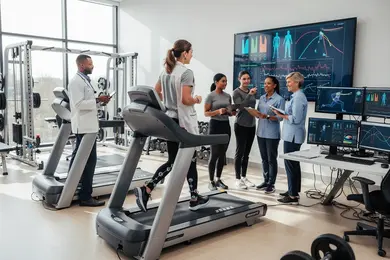
2027 Exercise Science Degree Completion Rates by Format: Online, Hybrid, and Campus Programs Compared

Co-Founder and Chief Data Scientist
A prospective student faces a critical choice when deciding how to complete an exercise science degree: online, hybrid, or traditional campus programs. Each format offers different demands on time management, access to resources, and interaction with faculty and peers. Balancing work, family, and study commitments often influences this decision, yet the ultimate impact on program completion receives less attention. Understanding these dynamics is crucial for making an informed choice.
Completion rates vary significantly across delivery methods, reflecting factors like student engagement, instructional quality, and support services. Employers also weigh program completion and hands-on experience differently depending on format. This article compares online, hybrid, and campus completion rates, examines the key factors influencing student success, and explores how prospective students can select the format that best aligns with their educational and career objectives.
Key Things to Know About Exercise Science Degree Completion Rates by Format
- Online exercise science programs show roughly 15% lower completion rates than campus counterparts, reflecting challenges in self-motivation and limited hands-on lab access essential for skill mastery.
- Hybrid formats boost retention by blending flexibility with face-to-face engagement, enabling improved understanding of applied biomechanics, which correlates with stronger career readiness.
- A 2024 study found campus-based students have higher completion linked to immersive clinical opportunities; this suggests program format impacts not just graduation but also practical competence.
- Key Things to Know About Exercise Science Degree Completion Rates by Format Key Things to Know About Exercise Science Degree Completion Rates by Format
- How Do Completion Rates Compare Across Online, Hybrid, and Campus Exercise Science Programs? Completion Rate Comparison
- What Factors Have the Greatest Impact on Exercise Science Degree Completion? Degree Completion Factors
- Which Exercise Science Degree Format Is Hardest to Complete? Completion Difficulty
- How Does Each Exercise Science Learning Format Affect Student Success? How Does Each Exercise Science Learning Format Affect Student Success?
- How Does Enrollment Status Affect Exercise Science Completion Rates? How Does Enrollment Status Affect Exercise Science Completion Rates?
- Can Transfer Credits Improve Exercise Science Degree Completion? Transfer Credits
- What Student Support Services Improve Exercise Science Completion Rates? Student Support Services
- How Do Exercise Science Completion Rates Affect Career Outcomes? Impact on Career Outcomes
- How Should Students Choose the Best Exercise Science Learning Format? Choosing the Best Format
- What Are the Long-Term Pros and Cons of Each Exercise Science Learning Format? Learning Format Pros & Cons
How Do Completion Rates Compare Across Online, Hybrid, and Campus Exercise Science Programs?
Completion rates across online, hybrid, and campus exercise science programs offer a window into student outcomes but should not be taken as direct proxies for program quality. These rates largely reflect the profiles and circumstances of enrolled students rather than solely institutional effectiveness. For example, students in campus programs may have fewer external distractions and more structured support, contributing to higher graduation rates, but this advantage intertwines with who chooses these programs and how they engage with them. Thus, interpreting exercise science degree completion rates by program format requires understanding the broader student experience behind each statistic.
Variations in completion rates often hinge on factors like work commitments, course load intensity, and the extent of scheduling flexibility afforded by each format. Fully online students typically juggle more responsibilities outside school, making consistent progress challenging, while hybrid learners balance both in-person and remote demands, leading to moderate completion outcomes. Campus students usually benefit from immediate access to faculty and campus services, which can help mitigate obstacles. However, success is not guaranteed by format alone; it often depends on how well students match their learning styles and life situations with program demands, as demonstrated by those who thrive in flexible online settings versus others who excel in structured campus environments.
When prospective students compare online, hybrid, and campus exercise science graduation rates, they should weigh these figures alongside their personal preferences, available study time, and career objectives. For instance, someone balancing full-time work might find programs similar to online NP programs appealing due to their adaptability, despite lower average completion rates. Conversely, those seeking immersive learning might prefer campus formats despite scheduling constraints. Recognizing that no format universally guarantees success helps students make informed choices aligned with their unique goals and circumstances, ensuring their likelihood of finishing the degree remains as high as possible.
What Factors Have the Greatest Impact on Exercise Science Degree Completion?
Degree completion rates in exercise science depend on more than just a student's motivation; they hinge on a complex interplay of personal circumstances, academic integration, and program-specific features. Success requires balancing external responsibilities, accessing effective institutional support, and engaging meaningfully with experiential learning components. Recognizing which factors carry the most weight can help students choose the best learning environment and develop strategies to persist toward graduation. Key influences on completion rates include the following:
- Academic and social integration: Strong connections with faculty and peers significantly boost persistence, particularly in campus-based programs where face-to-face engagement is most accessible. Students who actively participate in study groups or campus activities tend to stay motivated and graduate on time. Building these relationships remotely requires intentional effort and institutional facilitation in online or hybrid settings.
- Balance of external life commitments: Many exercise science students juggle work or family obligations, especially those in online programs that attract part-time learners. These external demands can reduce focus and available study time, lowering completion chances unless flexible schedules and personalized advising are available. Proactively managing workload and asking for institutional support are remedies to this common barrier.
- Program delivery format and engagement opportunities: The practical nature of exercise science necessitates hands-on labs and internships, which are easier to access in campus or hybrid formats. Fully online programs without sufficient experiential learning risk disengagement and higher attrition. Choosing formats that blend virtual coursework with real-world practice can improve relevance and completion rates.
- Institutional support resources: Access to tutoring, advising, and mental health services correlates strongly with success across all formats. Students enrolled in schools offering comprehensive support systems are more likely to complete their degrees, highlighting the importance of institutional commitment to student services regardless of delivery mode.
- Student engagement with course content and peers: Active learning strategies and interactive assignments enhance commitment to the program, especially in hybrid settings where students benefit from both in-person and virtual interaction. Passive online consumption without community building increases isolation, undermining persistence.
- Financial stability and affordability: Economic pressures often force students to reduce their course loads or pause studies. Programs with transparent costs and options for financial aid help reduce dropout risk. Exploring options among no application fee online colleges may aid in easing upfront financial burdens.
- Student self-regulation and time management skills: Particularly critical for online learners, the ability to organize study schedules, meet deadlines, and maintain consistent effort strongly predicts progression. Those lacking these skills benefit from targeted training and coaching early in their programs.
Which Exercise Science Degree Format Is Hardest to Complete?
Completion rates for exercise science degrees vary notably by delivery format, with traditional campus-based programs demonstrating higher persistence compared to online or hybrid options. According to the National Center for Education Statistics in 2024, campus programs in health-related fields average graduation rates near 65-70% within six years. In contrast, fully online formats report significantly lower completion, closer to 40-50%, reflecting challenges tied to reduced hands-on learning and social connection. Hybrid programs fall between these extremes at about 55-60%, often balancing flexibility with some in-person elements, though not fully replicating the immersive campus experience. This data underscores how the structure and learning environment directly influence persistence in a discipline reliant on experiential and kinesthetic training.
The hands-on requirements of exercise science, including movement labs and clinical practice, make entirely online study inherently more difficult to sustain, often impacting motivation and skill mastery. Campus programs offer real-time feedback and access to specialized equipment that support student progress, while hybrid formats aim to mitigate online attrition by integrating face-to-face opportunities. However, individual circumstances such as work commitments or family responsibilities can complicate persistence regardless of format, emphasizing the need for personalized decision-making. For example, a working adult might struggle to maintain momentum in an exclusively online program without immediate peer or instructor engagement, illustrating how format suitability depends on learner context as much as program design.
One graduate recounted choosing a hybrid exercise science degree after initially enrolling fully online, finding the remote format's lack of clinical interactions disheartening as deadlines loomed. The switch introduced campus visits and hands-on workshops that renewed engagement, but balancing in-person attendance with a day job required adjustments. She described moments of hesitation over meeting lab requirements and was relieved when structured in-person sessions clarified expectations, allowing her to regain confidence. Her experience highlights how navigating the practical realities behind formats-beyond convenience or flexibility-can determine whether students ultimately persist through the program.
How Does Each Exercise Science Learning Format Affect Student Success?
Student success in exercise science programs hinges less on the learning format alone and more on how well the format fits a student's personal learning style, time availability, and outside obligations. For example, a working parent requiring flexible hours might thrive in a carefully structured online program, while another student may need consistent face-to-face interaction to stay motivated. Recognizing these distinctions helps clarify why completion rates differ significantly across formats. According to 2024 data from the National Center for Education Statistics, campus-based programs show higher degree completion rates than fully online formats, with hybrid options often bridging the gap.
- Engagement through direct interaction: On-campus formats excel at fostering motivation through in-person communication with instructors and peers. This dynamic is crucial for students who benefit from real-time feedback and collaborative learning, which often leads to higher persistence and degree completion.
- Flexibility for non-traditional students: Fully online programs provide scheduling adaptability best suited for those juggling work, family, or other responsibilities. However, decreased live interaction can result in feelings of isolation, making it harder for some students to maintain steady progress without strong self-discipline and external support.
- Support systems availability: Access to academic advising, tutoring, and mental health services tends to be more immediate and tangible on campus. Online programs that invest in robust virtual support structures with live help and peer forums perform better at mitigating dropout risks linked to reduced social engagement.
- Accountability via hybrid models: Combining remote coursework with scheduled in-person sessions helps students stay accountable while balancing flexibility. Hybrid learners often report greater community connection and a structured pace, both linked to better retention compared to purely online peers.
- Alignment with individual learning styles: Students who prefer hands-on or experiential learning typically fare better in campus or hybrid settings where practical labs and physical assessments are easier to access and supervise.
- Resource access disparities: Campus environments usually offer immediate access to exercise science labs, fitness centers, and equipment, directly impacting skill acquisition. Online students may face limitations unless the program includes coordinated in-person practicums.
- Time management challenges: Online students must often master self-directed study routines to avoid falling behind. Those lacking strong organizational skills or external motivators tend to struggle more in this environment, impacting course completion.
How Does Enrollment Status Affect Exercise Science Completion Rates?
Enrollment status is one of the most important factors influencing degree completion in exercise science programs, but its impact varies significantly depending on a student's personal circumstances rather than just the number of courses undertaken. Full-time students generally have higher completion rates, yet part-time enrollment remains a practical choice for many balancing work or family commitments. Understanding the nuanced ways enrollment status affects progress helps students make informed decisions aligned with their unique situations. Below are key considerations prospective students should weigh when choosing their enrollment pace.
- Time availability and focus: Full-time enrollment allows students to dedicate consistent hours to coursework and practical exercises crucial in exercise science, which often requires hands-on learning. Students with fewer outside responsibilities benefit most, sustaining momentum that drives timely completion.
- Balancing responsibilities: Part-time students frequently juggle work, family, and other obligations, limiting their study time and potentially elongating program length. Recognizing this can help such students select flexible program formats or hybrid options designed to support these demands.
- Engagement and support: Campus programs, where full-time enrollment predominates, often provide more frequent face-to-face interaction with faculty and peers. This heightened engagement enhances retention and skill development, advantages less accessible to online part-time students without structured support systems.
- Self-motivation and discipline: Part-time and online students must exercise strong self-regulation to maintain progress without the external accountability found in full-time or on-campus settings. Prospective students should honestly assess their capacity for independent work before choosing a part-time path.
- Completion outcome disparities: According to recent data from the National Center for Education Statistics, full-time students in exercise science programs achieve degree completion rates approximately 25% higher than part-time peers, reflecting the challenges of managing multiple roles simultaneously.
- Program format alignment: Hybrid models, which blend online flexibility with scheduled in-person sessions, can mitigate some barriers for part-time students by fostering interaction and practical engagement. These options may particularly benefit those needing adaptability without sacrificing academic rigor.
- Career and earning implications: Employers in health and fitness value completed degrees alongside practical skills. Delayed completion due to part-time status may affect career trajectories and earning potential, urging students to weigh enrollment choices carefully in light of their long-term goals.
Prospective students should also consider pathways toward advanced degrees, such as the doctorate of healthcare administration, that build on foundational exercise science knowledge for broader career prospects.
Can Transfer Credits Improve Exercise Science Degree Completion?
Transfer credits can shorten the time and reduce the cost of earning an exercise science degree by eliminating redundant coursework. Students entering programs with previously earned credits have about a 20% higher chance of graduating within six years, according to a 2024 report from the National Center for Education Statistics. This advantage is notable in exercise science because many foundational courses-such as anatomy, physiology, and kinesiology-are common across institutions, allowing students to progress faster through advanced material.
Yet, not all transfer credits equally contribute to this accelerated timeline. The value of transferred coursework depends heavily on how well the credits align with specific program requirements and learning outcomes. For example, a student who completed general education and introductory exercise science courses at a community college or through military training may find those credits readily accepted, which can reduce their remaining course load. However, if transferred credits do not closely match the program's competency standards, the student might still need to complete additional courses, negating much of the potential time savings.
Hybrid and online exercise science programs typically have more flexible policies regarding transfer credits compared to traditional campus-based programs. This flexibility often benefits working adults or those with prior professional or academic experience, enabling them to leverage previous education efficiently. In contrast, campus programs can have more stringent credit evaluations, which may delay progression if key credits are denied or require substitution.
Prospective students should approach transfer credits strategically by obtaining an official credit evaluation before enrollment. Comparing the number of transferable credits with the program's degree requirements and carefully mapping out the remaining coursework against their personal time commitments helps clarify whether transfer credits will meaningfully shorten their path. For instance, a student with substantial prior training may graduate a semester or more early if most credits are accepted, whereas others may see little to no change in completion time.
Ultimately, transfer credits can be a valuable factor in boosting degree completion rates in exercise science, but they represent just one element in a complex set of academic and personal considerations influencing student success.
What Student Support Services Improve Exercise Science Completion Rates?
Student support services are a key determinant in whether exercise science students complete their degrees, particularly across differing delivery formats. Completion rates are linked not only to the availability of resources but also their relevance and accessibility to the student's unique needs. For instance, fully on-campus students may benefit from in-person contact, whereas online learners require digital engagement strategies to foster persistence. The following support services have been shown in 2024 research to most strongly influence degree completion:
- Personalized Academic Advising: Early and consistent advising helps students set realistic goals and navigate academic requirements effectively. Data from the National Student Clearinghouse reveal students with proactive advising see up to a 15% increase in graduation rates, highlighting its importance across all formats.
- Accessible Tutoring Services: Both in-person tutoring for campus learners and virtual tutoring for online students improve content mastery and confidence. Timely academic support helps prevent small challenges from becoming barriers to progression.
- Mental Health Resources: The availability of counseling and wellness programs, especially through telehealth for online students, addresses stressors that can undermine persistence. Institutions with robust mental health support report stronger retention.
- Career Counseling and Planning: Career services that engage students early guide them in linking coursework to employment opportunities, reinforcing motivation to complete the degree. This is crucial for hybrid students balancing multiple commitments.
- Peer Mentoring and Community Building: Social integration fosters accountability and belonging, key predictors of persistence. Campus programs rely on face-to-face mentoring, while online platforms must replicate this through virtual cohorts and structured check-ins.
- Flexible Communication Channels: Hybrid students benefit when advisors and support staff offer multiple modes of contact, acknowledging complex scheduling challenges and enhancing responsiveness.
One online exercise science student recalled hesitating early in their program after struggling to manage coursework around a demanding job schedule. Their persistence improved dramatically after engaging with a virtual tutoring program paired with weekly check-ins from a dedicated advisor familiar with working adult learners. The combination of academic help and tailored communication created a sense of accountability that felt both supportive and practical, bridging the isolation often felt in online settings. This nuanced experience underscores how integrated, modality-aware support services, rather than isolated resources, most effectively promote completion.
How Do Exercise Science Completion Rates Affect Career Outcomes?
Completion of a bachelor's degree in exercise science markedly affects both immediate job prospects and long-term career pathways. Data from recent educational workforce analyses reveal that graduates from online, hybrid, or campus programs typically experience enhanced employment opportunities and higher earnings than those who leave their studies incomplete. These outcomes are highly influenced by the degree format's completion rates, with campus and hybrid programs generally yielding better success metrics. Below are key ways that completing an exercise science degree impacts career outcomes.
- Stronger employment prospects and earnings tied to degree completion: Students who graduate with a bachelor's degree in exercise science often secure jobs in fitness management, physical therapy assistance, and sports training at higher rates than non-completers. The U.S. Bureau of Labor Statistics indicates a median wage premium of approximately 15-20% for degree holders in this field. Those who persist through graduation gain critical credentials that open doors to roles requiring formal qualifications, especially in competitive local markets.
- Format-dependent completion rates influence career trajectories: Campus-based programs boast the highest completion rates, benefiting learners through structured schedules and direct faculty interaction, which enhances readiness for entry and mid-level positions. Hybrid formats balance flexibility with moderate completion success and can suit working students, while online formats often face lower completion rates that may delay entry into the workforce or prolong time to competence, limiting short-term competitiveness.
- Graduate-level education and certifications become more accessible upon completion: Completing the exercise science degree increases the likelihood of enrollment in advanced programs such as master's degrees or specialized certifications. This progression can accelerate promotions and income growth, especially in health sciences fields where further credentials amplify professional opportunities. Graduates from campus or hybrid tracks are more likely to continue their education in a timely manner.
- Completion influences long-term career resilience and adaptability: Holding a degree provides a foundation of knowledge and credentials that support career shifts within the health and fitness sector. Persistence through to graduation signals to employers a candidate's commitment and ability to meet demanding standards. However, actual career success also depends on practical experience, continuous skill development, and local labor market conditions.
For students evaluating program options, understanding how exercise science degree completion and career success are intertwined is essential. Those aiming to maximize their growth should consider how differences in completion rates by program format may affect their individual plans. Investigating data on impact of online and campus completion rates on exercise science careers offers a grounded perspective to align educational choices with realistic professional goals. Additionally, exploring resources such as bioinformatics degree salary and jobs can provide insights into related health science career earnings and trajectories that parallel those in exercise science.
How Should Students Choose the Best Exercise Science Learning Format?
Selecting the best exercise science degree format for student success hinges on a pragmatic assessment of personal circumstances, motivation, and program demands. National research from 2024 indicates that students juggling full-time work or caregiving responsibilities exhibit greater degree completion rates in hybrid or online formats, while campus programs show slightly better retention overall. Prospective students must weigh tradeoffs between flexibility, engagement, and hands-on learning. Below are key factors to consider when choosing between online, hybrid, or campus exercise science programs.
- Flexibility versus Structure: Students with demanding schedules often benefit from the flexible pacing of online or hybrid formats, which can accommodate work and family obligations. In contrast, campus programs offer more rigid schedules and structured environments, which may help those needing external accountability to stay on track.
- Hands-on Training Requirements: Exercise science relies heavily on practical skills and facility access, making campus programs advantageous for immersive, direct experiences. Hybrid models attempt to bridge this gap by blending in-person labs with remote instruction, while fully online options may require creative workarounds or additional local arrangements.
- Peer Interaction and Support: Engagement with classmates and instructors is crucial for motivation and skill development. Campus settings foster spontaneous collaboration and networking, whereas online formats can feel isolating without deliberate effort, contributing to slightly higher attrition, according to 2024 education data.
- Technological Proficiency and Access: Success in online and hybrid programs demands a baseline of digital literacy and reliable internet access. Students uncomfortable with technology or facing connectivity issues may struggle and should consider whether campus attendance better supports their learning.
- Motivation and Self-Discipline: Independent learners who can self-regulate are more likely to thrive in online environments. Those who require more direct supervision and routine may find campus settings necessary to maintain consistent progress and completion.
- Career Goals and Employability: For students prioritizing experiential learning and networks critical to local job markets, campus programs provide direct pathways. However, online degrees, including specialized options like online APA accredited PsyD programs, demonstrate growing acceptance when aligned with targeted career plans.
- Prior Academic Preparedness: Students with strong foundational knowledge tend to adapt better to hybrid or online formats, reducing dropout risk. Those needing more foundational support might benefit from structured, in-person environments to build essential skills effectively.
What Are the Long-Term Pros and Cons of Each Exercise Science Learning Format?
Long-term outcomes for exercise science degrees vary significantly across online, hybrid, and campus learning formats, affecting completion rates and career readiness. Recent 2024 research from the National Center for Education Statistics highlights clear distinctions in persistence and employability linked to each format. Students must weigh factors such as hands-on experience, flexibility, and support to choose the pathway best suited to their lifestyle and goals. Here are key considerations to keep in mind.
- Skill Development and Hands-On Practice: Campus programs excel by providing direct access to labs and mentoring, resulting in stronger practical skills vital for exercise science careers. Hybrid formats offer some in-person labs, aiding skill mastery, whereas fully online formats risk insufficient hands-on experience unless supplemented by robust virtual simulations or partnerships.
- Completion Rates and Persistence: Studies show campus students have the highest completion rates, followed closely by hybrids that blend flexibility with engagement. Fully online learners often face higher dropout rates due to isolation and limited interaction, making self-discipline and institutional support critical.
- Flexibility and Accessibility: Online programs provide unmatched scheduling freedom, ideal for working adults or those with family responsibilities. Hybrid models balance flexibility with structured contact hours, while campus formats require fixed schedules and commuting, which may deter some students.
- Networking and Career Opportunities: Traditional campuses foster peer connections and faculty mentorship, enhancing job prospects. Hybrid programs offer moderate networking through periodic in-person sessions, but fully online students may experience fewer direct opportunities unless the institution actively facilitates virtual networking.
- Cost and Financial Considerations: Campus programs usually involve higher tuition and commuting expenses, whereas online options often reduce living costs but may require investment in technology. Hybrids typically fall in between, with mixed cost factors depending on campus visit frequency.
- Time Management and Motivation: Online learners benefit from flexible pacing but must possess strong self-motivation and time management skills to avoid delays. Hybrid students gain some structured milestones aiding motivation, while campus students benefit from a routine environment that supports consistent progress.
- Long-Term Career Readiness: Evidence indicates campus and quality hybrid graduates generally report better preparedness for professional demands in exercise science, attributed to hands-on and social learning. Fully online pathways require additional self-driven skill development and networking efforts to achieve similar outcomes.
References
- Online Exercise Science Degrees https://mycollegeguide.org/online-exercise-science-degrees/
- Exercise Science and Kinesiology Transfer Major AA https://programs.scciowa.edu/current/pathways/health/exercise-science/exe-aa.aspx
- Master of Science in Exercise Science and Integrated Wellness – Online https://bastyr.edu/programs/master-science-exercise-science-and-integrated-wellness-online
- Find your match: Sport Science or Exercise Science https://hfpa.co.za/news/latest/find-your-match-sport-science-or-exercise-science
- My experience as a Sport & Exercise Science student https://wrexham.ac.uk/blog/posts/my-experience-as-a-sport-and-exercise-science-student/
- BS in Exercise Science https://www.hartford.edu/academics/schools-colleges/enhp/academics/department-of-health-sciences/bs-exercise-science.aspx
- Nashville State Opens Pathways to Exciting Careers in Exercise Science and Sports & Leisure Management https://www.nscc.edu/news/nashville-state-opens-pathways-to-exciting-careers-in-exercise-science-and-sports-and-leisure-management.php
- Exercise Science and Kinesiology Degrees (2026 stats) … https://www.edsmartdata.com/degrees/exercise-science-and-kinesiology/
- How Fitness Improves Academic Performance: Why Every School Needs a Fitness Curriculum https://sports2science.com/blog/how-fitness-improves-academic-performance-in-schools
- Exercise Science Transfer Pathway https://www.lsc.edu/degrees/exercise-science-transfer-pathway-as/
Other Things You Should Know About Exercise Science
Yes, the absence of hands-on lab experience in fully online programs can lower completion rates for some students. Exercise science relies heavily on practical, physical assessments and biomechanical skills that are harder to replicate virtually. Programs that offer limited or no in-person lab sessions may cause students to struggle with mastering key competencies, leading to increased dropout or extended time to graduate. For those prioritizing timely completion and skill mastery, hybrid or campus-based formats that incorporate structured lab components tend to provide a more supportive learning environment.
Workload pacing plays a crucial role in degree completion, especially in exercise science with its mix of theory and practice. Online programs often offer flexible scheduling but require strong self-discipline, which some learners lack, increasing noncompletion risks. Hybrid and campus formats generally provide more structured time commitments through scheduled classes and labs, helping students regulate their study pace effectively. For students who struggle with self-motivation, formats with built-in accountability are recommended to improve completion odds.
Employer perceptions can subtly influence student commitment to completion, especially in fields like exercise science that emphasize practical skills. While acceptance of online degrees is growing, some employers still favor hybrid or campus graduates due to confidence in their in-person training and hands-on proficiency. This potential bias may discourage students in fully online programs, affecting their persistence. Students should weigh employer network access and practical skill development opportunities alongside format flexibility when deciding, as this tradeoff impacts both motivation and career outcomes.
Certain student demographics show differing completion success based on program format. For example, working adults balancing jobs and family often complete online programs more successfully due to flexible timing. Conversely, recent high school graduates or students seeking immersive experiences tend to finish campus or hybrid formats at higher rates, benefiting from peer interaction and direct instructor feedback. Prospective students should assess their lifestyle, learning preferences, and support needs carefully; prioritizing flexibility drives success for some, while others require structured environments to persist and graduate.