2027 Remote Jobs You Can Get With an Elementary Education Master's Degree

Co-Founder and Chief Data Scientist
Consider a working adult with a master's degree in elementary education weighing whether remote jobs can offer genuine career mobility without mandatory classroom presence. Many roles marketed as "flexible" often require active teaching licenses, hybrid schedules, or intensive technical skills, limiting truly location-independent options.
According to a 2024 National Center for Education Statistics report, only 12% of graduate-level elementary educators hold positions that allow fully remote work, reflecting employer caution toward distance-based instruction. This signals a labor-market environment where advanced credentials alone don't guarantee remote eligibility, especially without supplementary certification or specialized skills.
This article examines realistic remote career paths available to those holding an elementary education master's degree, helping readers discern viable opportunities aligned with employer expectations and current workforce trends.
Key Things to Know About Remote Jobs You Can Get With a Elementary Education Master's Degree
- Many remote roles, like curriculum design and educational consulting, require active teaching licensure, limiting purely online positions; this tradeoff necessitates balancing credential renewals with flexible work ambitions.
- A 2024 National Center for Education Statistics report shows 23% growth in virtual tutoring jobs for master's holders, highlighting employer demands for specialized pedagogy experience even remotely.
- Programs spanning 18-24 months tend to increase access but raise opportunity costs; longer durations can deter midcareer candidates seeking immediate entry into remote education roles.
What Remote Jobs Can You Get With a Elementary Education Master's Degree?
Graduates with a master's degree in elementary education face a nuanced landscape when pursuing remote job opportunities, as many traditional teaching roles remain tied to in-person certification requirements and district-specific licensure. However, roles such as online teaching or tutoring for K-6 students are increasingly viable, with employers valuing expertise in curriculum development and differentiated instruction that this degree provides.
Hiring managers often seek candidates who combine pedagogical skill with technological fluency, yet many remote teaching positions demand prior classroom experience, limiting entry for those lacking a strong track record in education delivery. The distinction between fully remote and hybrid roles is critical, as some educational institutions require occasional onsite presence for coordination and compliance, influencing job search strategies for prospective candidates.
Remote teaching and education roles with elementary education master's degree credentials extend beyond classroom instruction into areas like curriculum coordination, instructional design, and educational consulting, where specialized knowledge of elementary standards meets growing demand for virtual content creation. These positions often entail collaboration with school districts or ed-tech firms and may involve complex project management, data analysis, and client-facing responsibilities that necessitate advanced communication skills.
According to the U.S. Bureau of Labor Statistics, the employment of postsecondary online instructors is projected to grow by 13% over the next decade, underscoring a sector trend that echoes opportunities at lower grade levels, but the need for relevant experience and demonstrated remote work competency remains a barrier for some job seekers. Professionals must weigh these factors when deciding whether to pursue purely instructional roles or pivot toward design and administrative functions.
For graduate degree holders considering flexibility and career pivots, remote job opportunities linked to an elementary education master's degree also intersect with pathways enhancing leadership capabilities, such as virtual program management and school coordination. These roles require blending organizational leadership with educational expertise and may leverage credentials beyond teaching licensure, sometimes prompting individuals to explore complementary credentials like online MBA programs to boost competitiveness.
Understanding these workforce dynamics and the operational expectations of remote education employers is vital for career changers and online job seekers targeting sustainable, location-independent employment outside conventional classroom settings.
Which Industries Hire Remote Professionals With a Elementary Education Master's Degree?
Remote roles for professionals with a master's degree in elementary education are concentrated primarily in industries where advanced pedagogical knowledge intersects with digital delivery and curriculum expertise. Educational technology companies represent a significant hiring sector, valuing these graduates for their ability to design and implement engaging, research-based digital learning tools, a field that has seen a 25% growth in remote instructional design roles since 2022, according to the EdTech Industry Association.
Conversely, traditional K-12 teaching positions largely remain tethered to physical classrooms due to certification mandates and the necessity of in-person interaction, limiting remote opportunities. Meanwhile, sectors such as tutoring services and instructional coordination increasingly depend on graduate-level understanding of child development and instructional differentiation delivered remotely, although these roles often require comfort with data analysis and virtual collaboration platforms, which may guide professionals toward specialized skill development beyond their degree.
Choosing to work in nonprofit education programs, government agencies, or publishing can broaden remote work options, but these roles tend to emphasize research, policy analysis, and content evaluation rather than direct instruction, potentially altering career advancement trajectories and skill relevance. Employers weigh the degree's applicability differently depending on industry focus, with some sectors prioritizing direct classroom experience while others seek data-driven curriculum innovation and strategic communication abilities.
Understanding these nuances is critical for professionals balancing location flexibility against long-term career goals, as remote roles outside traditional schools often come with a tradeoff of reduced direct instructional influence but expanded opportunities in leadership or design. Regions with higher broadband connectivity also shape availability of such positions, reinforcing geographic disparities within remote work viability.
One remote professional with an elementary education master's reported initial challenges navigating application processes where employers' definitions of remote work varied widely—some roles labeled remote required hybrid attendance or local licensure, which conflicted with personal flexibility needs. She adjusted by tailoring her applications toward educational technology firms and national tutoring services, highlighting her technical competencies alongside pedagogical expertise, which improved interview callbacks.
Her experience underscores the importance of differentiating industries that value the master's degree as a foundation for innovation and digital instruction versus those maintaining traditional onsite expectations, reflecting a strategic approach necessary for securing genuinely location-independent roles.
What Are the Highest-Paying Remote Jobs for Elementary Education Master's Degree Graduates?
Remote roles that capitalize on a master's degree in elementary education tend to reward those who can leverage specialized knowledge beyond traditional classroom teaching, with positions in instructional coordination and curriculum development offering the strongest earning potential. These roles often require expertise in designing and assessing educational programs and typically involve leadership or strategic advisory responsibilities, which many employers associate with higher pay grades.
However, advancing into such positions demands demonstrated proficiency in digital literacy and virtual collaboration tools, as well as the ability to produce measurable educational outcomes remotely. According to the U.S. Bureau of Labor Statistics, median salaries for traditional elementary educators remain steady, but remote roles focused on curriculum and instructional strategy can significantly exceed those figures when combined with sector-specific skills.
Educational consulting provides another route but usually entails a tradeoff between remote flexibility and occasional travel to client sites, often influencing income potential and work-life balance considerations. Moreover, licensing and in-person requirements continue to limit fully remote accessibility for many customary teaching or school administrative roles, positioning alternative paths like tutoring or niche instructional work as viable but generally less lucrative options.
Experienced remote tutors with advanced certifications may achieve competitive hourly rates, particularly in contexts requiring bilingual instruction or specialized subject matter expertise. Yet, competition in these segments is intensifying, and long-term career growth relies heavily on expanding one's digital skill set and securing contracts with national or tech-driven organizations prioritizing scalable distance learning delivery.
Opportunities that combine academic credentials with technical acumen and consultative experience are increasingly favored by employers seeking to innovate in remote education. Navigating these roles realistically involves understanding that pay disparities often reflect geographic adjustments, contract scope, and employer expectations related to leadership and impact. For graduates weighing remote career paths, prioritizing roles that blend instructional design with strategic program leadership is essential to unlocking the highest earning potential, although this trajectory requires sustained professional development and adaptability to evolving digital education environments.
Can You Get a Remote Job With a Elementary Education Master's Degree and Little or No Experience?
Securing a remote job with an elementary education master's degree and limited experience requires navigating specific constraints, notably state licensure and demonstrated practical skills. According to the U.S. Bureau of Labor Statistics, while roughly 14% of education-related roles have embraced remote or hybrid formats, many traditional teaching positions remain predominantly onsite due to certification mandates and the interactive nature of classroom work. For candidates with little experience, employers prioritize evidence of classroom management or instructional abilities often gained through student teaching or internships. These practical components can outweigh degree level alone, especially for entry-level remote careers for elementary education graduates where self-motivation and clear digital communication are essential.
Remote roles available to early-career elementary education master's holders commonly include tutoring, curriculum design, educational consulting, or instructional development. In such roles, the ability to use educational technology and present a portfolio of creative lesson plans can compensate for the lack of formal teaching experience. However, licensure requirements can significantly narrow options, directing some candidates toward non-teaching remote education jobs where certification is not mandatory.
Recent graduates or career changers should realistically appraise these factors, acknowledging that consistent skill development in virtual classroom management and content creation is critical to advancing in the remote education workforce.
Those evaluating flexible career paths with an elementary education background might also consider complementary fields; for example, pursuing a cybersecurity masters online can broaden remote employment prospects in education technology sectors. Understanding these cross-disciplinary opportunities alongside the expectations outlined by hiring managers can guide strategic decisions to enhance employability rather than relying solely on the academic credential.
What Skills Do Employers Look for in Remote Candidates With a Elementary Education Master's Degree?
Remote roles for candidates with a master's degree in elementary education require a distinct blend of advanced academic knowledge and practical remote work skills. Employers prioritize candidates who demonstrate independent problem-solving abilities, strong professional writing, and proficiency with digital collaboration platforms like Google Classroom or Zoom. Ownership of projects—from lesson planning to student assessment—is critical, often evidenced through portfolios or capstone projects that showcase real-world application of educational theory alongside effective virtual communication and time management.
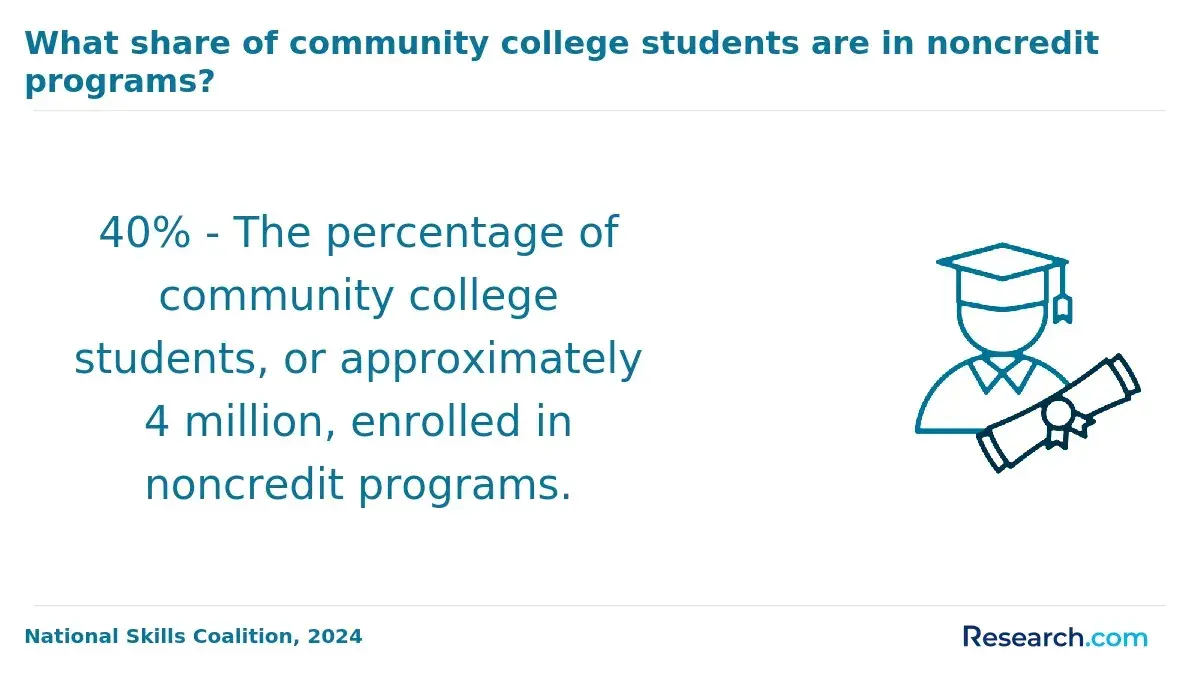
Data from the National Skills Coalition indicates that written communication skills have accounted for over 40% of recent growth in remote education job demands, underlining the importance of clear, concise interaction in distributed teams.
However, holding a master's degree alone does not guarantee remote readiness. Many candidates face challenges such as limited hands-on exposure to asynchronous communication, educational technologies specific to virtual classrooms, or fully understanding remote-specific roles outside traditional teaching frameworks. Licensing requirements and compliance standards may further restrict how and where remote work can be performed, introducing nuances not always addressed in graduate programs.
Additionally, new graduates often compete with professionals who have direct remote experience, making practical, demonstrable digital fluency and self-directed work habits decisive in hiring.
One educator pursuing remote opportunities shared that during interviews, employers probed deeply into how she managed her time across multiple virtual initiatives and collaborated across digital platforms under minimal supervision. While confident in her curriculum development expertise, she initially hesitated over questions about her experience with asynchronous feedback methods and setting boundaries between work and personal coordination remotely. The gradual trust earned after offering detailed examples from her practicum and credential projects eased her concerns, illustrating that employers weigh both demonstrated competencies and adaptive mindset when assessing remote candidate fit.
How Can a Elementary Education Master's Degree Help You Qualify for Remote Leadership and Management Roles?
Holding an elementary education master's degree can distinctly position candidates for remote leadership roles that demand comprehensive skills in strategic communication and distributed team coordination. Unlike traditional in-person supervision, remote management requires proficiency in digital collaboration tools and the ability to foster trust and accountability across locations through asynchronous communication.
For example, a remote curriculum coordinator must not only oversee program implementation but also analyze data to ensure measurable outcomes without direct daily contact, highlighting the importance of project ownership and cross-functional decision-making embedded in graduate-level training.
Employers increasingly seek candidates with an elementary education graduate degree who understand compliance management, budgeting, and conflict resolution tailored for virtual settings. These competencies differentiate candidates adept at navigating the practical challenges of managing educational initiatives remotely from those with purely classroom-focused expertise.
Working adults and career changers exploring remote management careers with elementary education graduate degree credentials should weigh how well programs integrate digital leadership techniques alongside traditional pedagogical instruction, recognizing this blend as critical to meeting real-world employer expectations.
While the credential strengthens candidacy, it does not guarantee placement, particularly without demonstrable experience managing remote teams or mastering educational technologies. Decisions to pursue this degree should consider alternatives such as a 2 year construction management degree online when relevant, examining how program focus and skills align with long-term remote leadership ambitions.
Ultimately, the degree's practical value is grounded in its capacity to prepare individuals for roles requiring nuanced judgment, precise communication, and effective remote program direction rather than classroom instruction alone.
Can You Work as a Freelance Consultant With a Elementary Education Master's Degree?
Freelance consulting with a master's degree in elementary education is feasible but requires careful positioning to overcome industry-specific challenges. Unlike technology or business sectors, education consulting projects—especially in elementary education—tend to be tightly controlled by school districts or agencies that favor established partnerships.
For example, a consultant focusing on digital classroom tools might compete against firms contracted directly by districts, making direct client acquisition difficult without referrals or a specialized niche. Remote work adds another layer of complexity, as consultants must demonstrate effective virtual collaboration alongside foundational education expertise to meet client expectations.
Credibility in this space often hinges on more than the degree alone. Successful consultants usually supplement their master's credentials with project management, instructional design certifications, or documented outcomes in curriculum development to establish authority beyond traditional teaching. The sector's regulatory environment also limits consulting roles where formal teaching licenses don't suffice, making it important to distinguish advisory services from licensed educational practice. Given that education budgets and projects fluctuate seasonally, consultants should prepare for income variability and consider how to build a pipeline balancing stable contracts with opportunity-driven work.
Data from the U.S. Bureau of Labor Statistics in 2024 notes an 8% growth in remote educational consulting, signaling some expanding demand but alongside ongoing competition and structural constraints. Choosing between freelance consulting and traditional employment requires weighing control against risk: freelance roles demand entrepreneurial skillsets, deliberate network-building, and clear service differentiation, particularly to guard against scope creep or compliance issues. Those unable or unwilling to navigate these tradeoffs may find more consistent outcomes pursuing contract or full-time roles within established educational organizations.
Where Can You Find Legitimate Remote Jobs for Elementary Education Master's Degree Holders?
Remote job opportunities for holders of an elementary education master's degree are often concentrated within specialized education employers, nonprofit organizations, and academic institutions rather than generalized job boards. Applicants must navigate significant competition and verify that employers offer genuine full-remote roles rather than hybrid or location-restricted positions—a common screening hurdle.
For instance, school districts expanding remote tutoring or curriculum development services may require state-specific licensure or cross-state credential validation, limiting eligibility despite a relevant degree. Data from the U.S. Bureau of Labor Statistics reveals that remote roles in education-related fields grew by 18% since 2021, highlighting increased demand but also signaling a more saturated candidate pool.
Leveraging professional associations, alumni networks, and education-centered platforms is crucial to access validated listings and avoid scams or misleading postings promising vague flexibility. Hiring entities in consulting firms, education technology companies, and government education programs often favor candidates who demonstrate clear remote work experience and verified credentials.
Practical job searches involve assessing employer reviews, scrutinizing role descriptions for explicit telecommuting policies, and prioritizing postings from nationally or regionally recognized education organizations. The tradeoff is a narrower set of accessible remote roles tied to licensure and employer reputation, requiring intentional, research-informed approaches to secure meaningful, stable remote employment aligned with an elementary education master's degree.
What is the Salary Potential for Remote Professionals with a Elementary Education Master's Degree?
Salary potential for remote professionals with a master's degree in elementary education reflects a broad spectrum influenced by job function, location, certification status, and specific expertise. According to the U.S. Bureau of Labor Statistics, the median annual wage for elementary school teachers is approximately $65,000, but remote roles such as curriculum specialists or instructional coordinators often yield salaries ranging from $50,000 up to $85,000. Notably, remote instructional coordinators with advanced knowledge in digital learning tools or assessment design typically command the upper salary tier, underscoring how specialized skills combined with remote work trends shape compensation more than the degree alone.
Employers increasingly weigh professional licensure and actual experience heavily when determining pay, especially in virtual education settings. Those without valid state certification usually face narrower opportunities limited to tutoring or curriculum development, which generally translate to lower earnings. Additionally, experience with virtual education platforms and educational technology can result in salary premiums of 10 to 20 percent above baseline figures. The practical reality for many is balancing the flexibility of remote work against the tradeoff of potentially lower pay if key qualifications or specialized skills are absent.
For career changers or remote job seekers evaluating the salary potential for remote elementary education professionals, it's critical to understand how these variables interplay. Opportunities are growing in areas requiring digital pedagogy expertise rather than classroom certification alone, reflecting a shift noted among the most versatile masters degrees in today's labor market. Understanding these nuances allows professionals to make informed decisions that align with realistic earnings expectations tied firmly to evolving employer demands and remote work structures.
What is the Long-Term Career Outlook for Remote Jobs Requiring a Elementary Education Master's Degree?
The long-term viability of remote jobs requiring a master's degree in elementary education depends heavily on navigating evolving industry expectations and regulatory landscapes. While the U.S. Bureau of Labor Statistics projects a 5% employment growth for elementary and secondary teaching roles through 2034, this figure mainly reflects traditional, in-person positions.
Remote teaching roles are expanding but often constrained by state-specific licensure requirements that limit geographic flexibility. Professionals must therefore balance the appeal of remote work with these regulatory tradeoffs, often seeking roles that emphasize curriculum development or instructional coordination rather than direct classroom instruction.
Technological fluency and continuous skill development will increasingly shape employer expectations in remote education, making adaptability a core competency for career progression. The growing investment in virtual K-12 education infrastructure signals a shift toward hybrid and fully online models, which creates opportunities but also demands expertise in digital platforms and virtual pedagogy.
For graduate educators exploring sustainable remote roles, recognizing these dynamics complements practical decision-making around specialization and leadership pathways. Those assessing flexible career options may find value in resources like the fastest online cyber security degree programs, reflecting a broader trend toward tech skills that bolster education careers focused on digital environments and data security.
What Do Graduates Say About Working Remotely With a Elementary Education Master's Degree?
- Jaime: "After completing my master's in elementary education, I quickly realized that many remote job openings valued practical experience and demonstrated skills over formal licensure. I focused on building a portfolio of lesson plans and digital classroom management techniques, which helped me land a remote curriculum development role. It's been a strategic pivot that offers flexibility, though I'm aware that without classroom licensure, certain traditional teaching roles remain out of reach."
- Enzo: "Transitioning into remote work post-graduation was both a blessing and a challenge. Employers often emphasized certifications related to educational technology and internships more than the degree itself, pressing me to continually upskill. While salary growth can be modest without hands-on teaching licenses, the ability to work from home and balance life commitments made the trade-off worthwhile for me."
- Rowan: "Completing my degree in elementary education prepared me well in theory, but entering the remote workforce revealed a competitive landscape where many candidates juggled multiple teaching certificates or extensive in-classroom experience. I found that focusing on niche roles like remote tutoring and educational content creation gave me a practical foothold. Navigating this path required some patience and careful career choices, but it's been an insightful journey understanding the real-world expectations of remote employers."
Other Things You Should Know About Elementary Education Degrees
A master's in elementary education can support remote curriculum writer, instructional designer, and online lesson developer roles. Employers often ask for experience with standards-based planning, learning management systems such as Canvas or Blackboard, and 2 to 5 years of classroom teaching before hiring for these positions.
Essential technology skills for remote jobs include proficiency in learning management systems, virtual classroom software, and digital communication tools. Understanding platforms like Google Classroom or Zoom, and mastering online collaboration apps, is crucial for effectively delivering lessons and engaging with students in 2027.
References
- Using an MEd to Propel Your Education Career https://www.onlinemastersdegrees.org/careers/education/
- Online Teaching Jobs | Elevate K-12 https://www.elevatek12.com/online-teaching-jobs/
- What Jobs Can You Do with a Master's Degree of Education https://creditsforteachers.com/what-types-of-jobs-you-can-do-with-a-masters-degree-of-education/
- MS in Education Careers | Neumann University https://www.neumann.edu/academics/grad/master-of-science-in-education/careers
- High-Paying Master's in Elementary Education Jobs | University of Bridgeport https://www.bridgeport.edu/news/high-paying-masters-in-elementary-education-careers/
- Second Careers For Teachers: Remote Work from Home https://teachercareercoach.com/second-careers-for-teachers/
- Master's in Early Childhood Education Job Outlook | CUNE https://www.cune.edu/news/masters-early-childhood-education-jobs
- Best Jobs for Teachers Who Don’t Want to Teach https://www.educationdegree.com/resources/alternative-jobs-for-teachers/
- What Can I Do With a Teaching Degree (Besides Teach)? https://www.alleducationschools.com/blog/what-can-i-do-with-a-teaching-degree-besides-teach/