2027 Internship, Practicum or Clinical Requirements for Elementary Education Master's Programs

Co-Founder and Chief Data Scientist
Facing an 800-hour clinical practicum requirement can derail many graduate students balancing full-time work and family responsibilities, especially when school placements are scarce. Recent 2024 data from the National Center for Education Statistics reveals a 12% increase in time-to-completion delays for Elementary Education master's candidates due to internship bottlenecks. This delay reflects a structural mismatch between program requirements and actual school capacity, forcing students to weigh extended study times against licensure progress. Navigating these practical hurdles demands careful program selection and planning. This article examines the internship, practicum, and clinical training demands across Elementary Education master's programs to help students align choices with career goals and constraints.
Key Things to Know About Internship, Practicum or Clinical Requirements for Elementary Education Master's
- Extended practicum hours increase classroom readiness but often require balancing with current work schedules, pushing some students to delay program completion or reduce course loads.
- Employers prioritize candidates with diverse clinical experiences, revealing a shift toward valuing demonstrated adaptability in varied classroom settings over traditional credential benchmarks.
- Programs demanding onsite internships pose access challenges for remote learners, limiting geographic flexibility and necessitating early planning around transportation or relocation costs.
What Is the Difference Between an Internship, Practicum, and Clinical Placement?
Field experiences within Elementary Education master's programs represent distinct professional preparations rather than interchangeable academic milestones. Choosing between an internship, practicum, or clinical placement influences the type and intensity of responsibilities assumed, supervision levels, and the weight these experiences carry in licensure and employment decisions. For example, graduates focused on rapid classroom deployment must prioritize experiences that offer substantial autonomy and workload akin to full-time teaching.
- Internship: Internships are immersive, extended placements where candidates take on direct classroom management and instructional duties with significant autonomy under supervisory guidance. These placements typically last a semester or longer, simulating near-professional workloads, which employers and licensing authorities increasingly regard as essential proof of readiness to lead independently in school settings.
- Practicum: Practica tend to be shorter, emphasizing observation paired with limited teaching tasks supervised closely by mentor teachers. These placements focus on skill development through guided reflection and feedback rather than full instructional responsibility, often involving moderate scheduling commitments relative to internships.
- Clinical Placement: Often conflated with practica but distinguished by a stronger emphasis on research-based observation and targeted skills application, clinical placements usually feature close academic oversight and structured teaching interventions. These experiences are measured more by hours than duration and prioritize refining specific instructional competencies in more controlled educational environments.
Operationally, internships demand direct accountability for lesson planning and classroom outcomes, making them pivotal for licensure pathways that require demonstrable independent practice. In contrast, practica and clinical placements serve primarily as developmental phases concentrated on building instructional techniques under direct supervision. Reflecting workforce priorities, a 2024 study from the National Center for Education Statistics found that 78% of elementary education programs identify internships as the most critical field experience to secure employment, whereas only 54% assign similar value to practica.
Academic programs coordinate these placements with local schools through faculty supervision and mentor collaboration, but the division between observation and practice remains a key factor. Internships align closer to actual teacher workloads, practica offer scaffolded exposure, and clinical placements introduce evidence-based instructional refinement. For career changers and licensure-focused students, understanding these distinctions in supervision, responsibility, and recognition is crucial for aligning graduate training with professional goals. Those evaluating the clinical placement requirements for elementary education master's degrees should also consider how these components integrate with licensure expectations and local employment standards.
Graduate students balancing work or other commitments may find practica or clinical placements more feasible initially, but should weigh this against the increased professional credibility internships confer. Integrating experiential insights with strategic program selection-potentially including options for online degrees in AI-can support navigating evolving educational landscapes and workforce demands.
What Internship or Practicum Requirements Do Elementary Education Master's Programs Have?
Internship and practicum requirements in elementary education master's programs represent distinct pathways for developing professional competence rather than mere academic formalities. Their differing structures reflect tradeoffs in time commitment, practical exposure, and scheduling complexity that directly influence student progression and readiness to manage real classroom demands.
- Internship Requirement Structure: Elementary education internships typically span between 100 and 300 hours, integrated across one or more semesters with an emphasis on immersive, supervised teaching practice. These placements demand considerable coordination with school districts and often coincide with heavier academic loads, imposing scheduling challenges for working professionals or career changers. The extended nature of internships usually results in richer exposure to diverse student needs but can prolong time-to-degree completion.
- Practicum Requirement Structure: Practicums generally involve more focused, shorter-term teaching assignments embedded within coursework, requiring fewer but intensive hours of observation and direct engagement. Despite offering increased scheduling flexibility, many programs still mandate in-person attendance, which may limit accessibility for non-traditional students. Data from the National Center for Teacher Quality in 2024 indicates that graduates completing over 200 practicum hours correlate with higher early retention rates in K-6 education, emphasizing how comprehensive practicum demands improve classroom readiness and employability.
How Many Clinical Hours Are Required for Elementary Education Master's Programs?
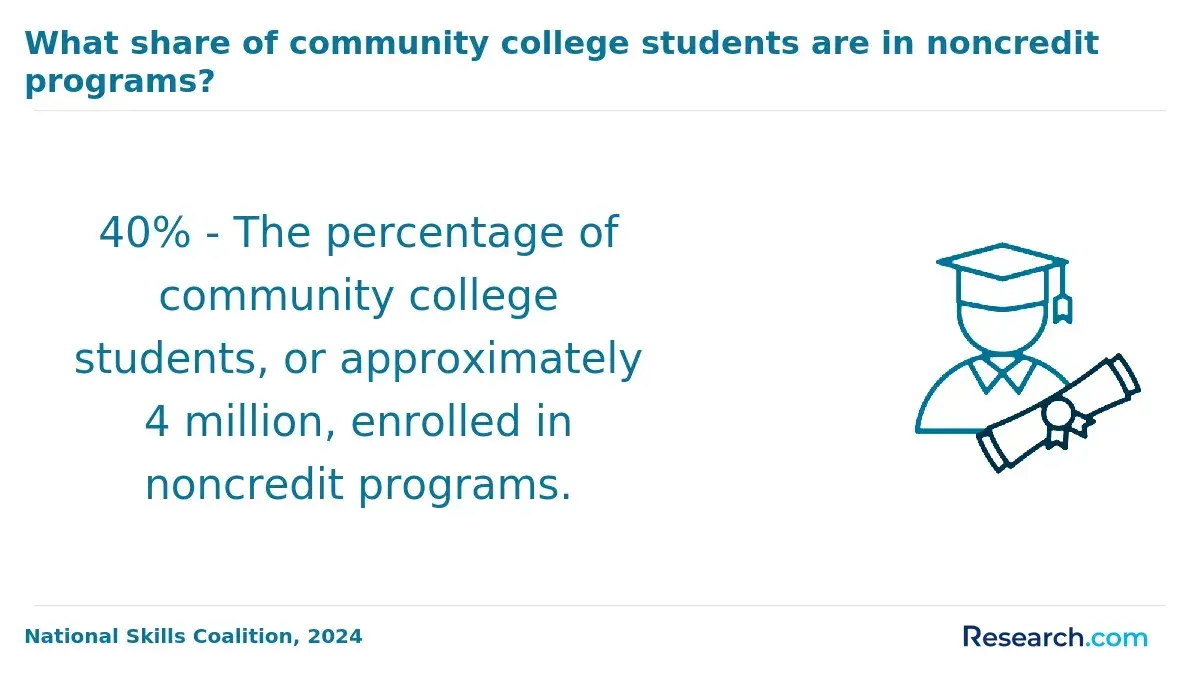
Clinical hour requirements for elementary education master's programs are heavily influenced by state licensure mandates and accreditation standards, resulting in significant variation typically between 300 and 600 hours. According to the National Center for Education Statistics, around 65% of programs now require at least 500 supervised hours, reflecting a push toward more extensive, semester-long field experiences designed to build discipline-specific competencies such as classroom management and student assessment. These requirements can create real scheduling and workload challenges, especially for working professionals balancing employment and family, as a high hourly demand may prolong program completion or limit course sequencing flexibility. Furthermore, the quality and diversity of placements mandated by accreditation bodies often restrict placement availability, meaning students might face delays if local schools are oversubscribed or if timing does not align with course progression. Ultimately, these clinical experiences, while critical for employability and readiness, require prospective students to weigh whether the increased time commitment fits their personal and professional circumstances without jeopardizing graduation timelines.
One recent graduate shared how the unpredictability of placement availability complicated her application timeline; initially hesitant to commit due to uncertainty about clinical hour scheduling, she delayed enrollment until late in the admissions cycle. When she finally secured a practicum placement that matched her work schedule, it brought relief but also compressed her remaining coursework, intensifying the final semester workload. This experience underscored the importance of understanding how clinical hour demands intersect with program structure and highlighted the need for adaptable planning during the often rolling admissions process.
How Are Internship Placements Assigned in Elementary Education Master's Programs?
Internship placements in elementary education master's programs are usually managed through formal partnerships between universities and local or regional K-12 districts, with program coordinators facilitating site approvals and student matching. Rather than students independently securing placements, many institutions implement a structured assignment process where student preferences-such as grade level or teaching specialty-are balanced against site availability and accreditation requirements. Clearance checks and demonstrated foundational competencies often influence which placements students qualify for, embedding institutional oversight to ensure compliance with program standards. This approach reflects typical clinical placement assignment criteria in elementary education graduate studies, ensuring alignment with both district needs and university expectations.
The reliance on university-district collaboration for placements, cited in a 2024 National Center for Education Statistics report identifying 78% of accredited programs employing such partnerships, carries notable tradeoffs. While centralized matching can improve access to approved, high-quality sites, it may restrict flexibility, delay placement when demand outpaces openings, and limit exposure to diverse classroom settings-especially for students constrained by geography or employment obligations. Negotiating specialized placements or preferred districts often requires early, proactive communication with program staff, as institutional policies and employer expectations create boundaries around scheduling and site selection. For adult learners or career changers, these dynamics can significantly impact program pacing and practical readiness, underscoring the importance of understanding the internship placement process when evaluating degrees or transfer options. Those interested in complementary fields might also explore alternatives like marriage and family therapy online programs that offer different clinical placement models.
Can Working Adults Complete Internships Part-Time?
Internship opportunities within elementary education master's programs often hinge on program design, which strongly influences the feasibility of part-time participation for working adults. Cohort-based placements typically require continuous, full-time engagement to maintain consistent supervision and align with accreditation standards. Conversely, programs allowing self-arranged internships or partnered employer sites may offer staggered schedules, though these are less common and usually depend on established relationships with school districts willing to accommodate reduced hours. State licensure requirements and university policies often limit the extent of scheduling flexibility, as clinical experiences demand sustained, immersive practice to meet competency benchmarks.
The practical consequences for employed students include constrained placement availability and potential scheduling conflicts that can necessitate extending program duration. Students securing flexible or remote-approved internship sites gain a notable advantage by balancing work and practicum hours more smoothly, yet they remain a minority due to supervisory and observation challenges. According to the National Center for Education Statistics in 2024, only about 38% of full-time employed elementary education graduate students reported access to part-time clinical options, underscoring the limited nature of this accommodation. Those pursuing part-time routes should anticipate tradeoffs such as less frequent classroom immersion and increased demands on time management and self-motivation, factors that can influence both preparation quality and eventual employability.
One working adult pursuing an elementary education master's hesitated to accept a full-time internship placement upon receiving a rolling admissions offer because maintaining full work hours was critical for family support. After several conversations with program advisors, the student secured a part-time placement at a nearby school willing to supervise fewer hours weekly, though this extended their program by an additional semester. This arrangement alleviated immediate financial concerns but demanded careful coordination between work shifts and classroom responsibilities, demonstrating the real-time negotiation many face when balancing licensure requirements with ongoing employment.
Do Internship Hours Count Toward Professional Licensure Requirements?
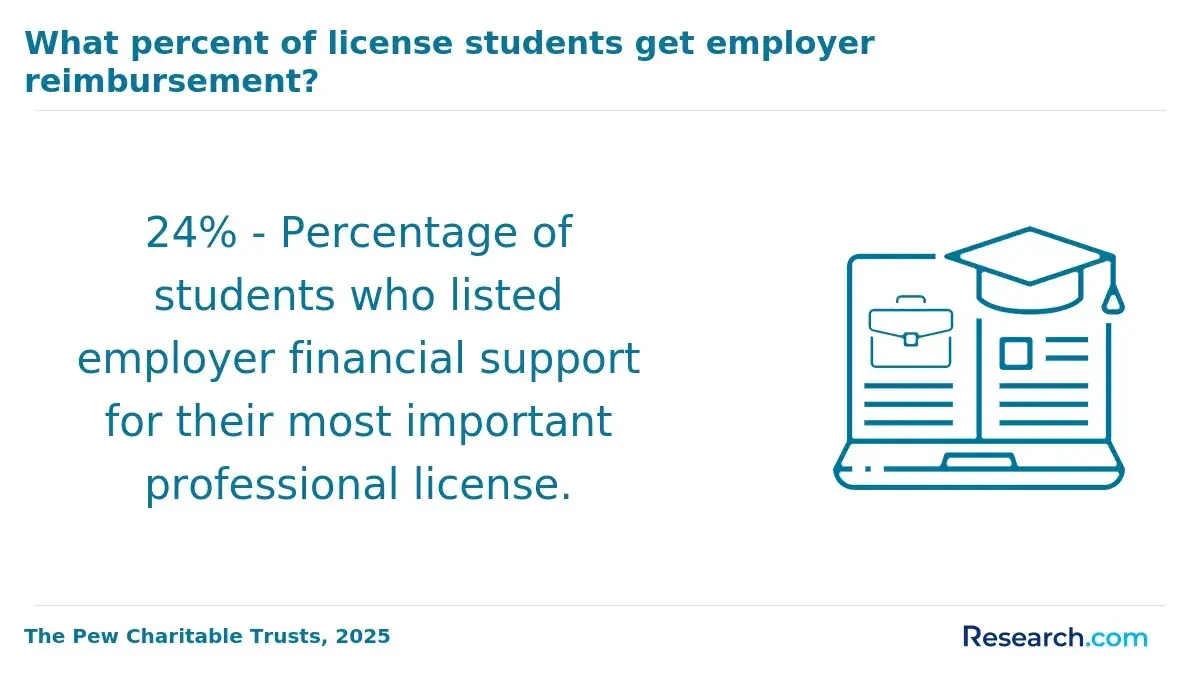
Internship hours in elementary education master's programs commonly count toward professional licensure requirements when they meet specific standards set by state licensing boards and accrediting bodies. These standards typically demand that hours be supervised by certified educators, thoroughly documented, and adhere to clearly defined clinical hour requirements for elementary education teaching license eligibility. Approximately 85% of state education departments accept such supervised practicum or internship hours from accredited programs as part of the clinical experience, though definitions of "supervised" vary significantly. Some states require active classroom teaching under direct supervision, while others permit observation and assisting roles, provided evidence can verify these activities. Alignment of internship activities with approved fieldwork criteria is essential to ensure these hours contribute to licensure pathways and do not require supplementary clinical experiences.
When internship hours do not meet these criteria or originate from programs lacking recognized accreditation, students risk delayed graduation or extended timelines before qualifying for licensure exams. For example, a candidate entering from a non-accredited program may need to complete additional hours, potentially impacting early career entry and increasing total program costs. These disparities underscore the practical necessity for prospective students, including career changers and working professionals, to evaluate how their program's internship hours align with state-specific requirements. Given employer demand for readiness proven through recognized clinical experience, this alignment can influence employability within elementary education fields. For those exploring alternative pathways, resources on certificate jobs that pay well may provide useful adjunct career options.
How Are Internship or Practicum Experiences Evaluated?
Evaluation of internship or practicum performance in elementary education master's programs hinges on a blend of supervisor observations, competency benchmarks, and reflective tasks aligned closely with program outcomes. Supervisors, often seasoned educators or university field instructors, provide structured feedback through standardized rubrics assessing lesson planning, instructional delivery, and classroom management. This feedback combines qualitative insights and quantitative scores to identify strengths, skill gaps, and areas needing immediate improvement. Reflective essays and portfolios supplement supervisor reports by capturing candidate self-awareness and responsiveness to challenges in authentic teaching environments, shaping a more nuanced appraisal beyond raw performance data.
However, evaluation consistency can be highly variable due to differing mentor expertise and placement contexts, impacting reliability and fairness in measuring candidate readiness. For example, uneven supervision quality or limited classroom responsibilities may underrepresent a candidate's true capabilities, potentially triggering remediation or delaying progression despite underlying competence. A 2024 national survey by the Council for the Accreditation of Educator Preparation confirms that 87% of programs prioritize direct supervisor assessments as pivotal, underscoring their critical role in determining licensure eligibility and employment prospects. Consequently, understanding these evaluation dynamics is vital for students balancing practicum demands with personal and professional obligations, as the outcomes strongly influence not only degree completion but also initial effectiveness and longevity in the elementary education workforce.
What Challenges Do Students Face During Graduate Internships or Clinicals?
Graduate internships or clinicals in elementary education programs represent critical junctions where academic expectations collide with workplace realities. These placements often extend program durations or strain students' capacity to maintain employment and personal obligations. The disparity between program-supplied supervision and on-site expectations frequently exposes students to unpredictable teaching environments and uneven mentorship quality.
- Time Management Strain: Many graduate students balance course loads with work and family commitments, yet clinical hours are rigid and intensive. This imbalance can lead to fatigue, delayed program completion, or compromised performance both academically and in the classroom.
- Placement Availability Limitations: Suitable school placements are geographically and logistically constrained, forcing some students to accept distant or inconvenient sites that increase commute times and reduce overall time for study and self-care.
- Supervision Inconsistency: Access to experienced mentors varies widely; some programs offer robust coaching, while others leave students with minimal guidance, resulting in uneven readiness for licensure and professional responsibilities.
- Emotional and Cognitive Load: Novice educators face anxiety managing diverse classrooms without extensive practice, often compounded by pressures to demonstrate immediate competence in behavior management and lesson execution.
- Transportation and Scheduling Conflicts: Aligning clinical hours with student, school, and personal schedules can be complex, particularly for working professionals, leading to stress or missed requirements.
- Performance Evaluation Pressure: Evaluations during these internships directly impact licensure eligibility and perceived employability, intensifying stress and necessitating high adaptability in varied school cultures.
A 2024 report from the National Center for Education Statistics highlights that over 60% of graduate students in teaching programs experience significant time management stress related to practicum demands, underscoring the systemic nature of these challenges. Awareness of these factors is crucial for prospective students-especially career changers and working professionals-when selecting and navigating elementary education master's programs.
Do Internships Improve Job Placement After Graduation?
Internship experiences within elementary education master's programs enhance job placement by signaling practical classroom readiness and reducing employer risk during hiring. Recruiters often view candidates with supervised internships as better prepared for immediate instructional responsibilities since they have already navigated classroom dynamics and curriculum demands. This hands-on exposure frequently opens access to internal hiring networks or referrals, which can be decisive in competitive job markets. The National Center for Education Statistics reports that graduates completing supervised internships are 27% more likely to secure teaching roles within their first year, illustrating how internships elevate candidate profiles in tangible ways while aligning closely with employer expectations. For students evaluating elementary education degrees, understanding whether transfer credits reduce the cost of an elementary education degree programs can also impact overall affordability during the internship phase, which often comes with opportunity costs.
Despite these advantages, internships do not guarantee job placement and their value varies significantly based on program quality, geographic region, and school district needs. Some internships lack sufficient mentorship or role alignment, limiting their workforce transition benefits despite the time investment. In saturated or rural job markets, even robust clinical experiences may not translate into employment advantages due to limited openings or mismatched licensure requirements. Career changers and working professionals should weigh tradeoffs carefully, especially considering how the impact of transfer credits on tuition fees for elementary education master's degrees influences educational costs alongside unpaid or low-paid internship commitments. Evaluating program components in the context of local hiring trends and licensure pathways is critical for realistic career planning. Those interested in blending financial considerations with educational goals might explore options like affordable online masters in finance to diversify skill sets and income potential while completing education credentials.
How Can Students Choose a Program That Matches Their Career Goals and Schedule?
Choosing an elementary education master's program involves navigating specific constraints around schedule and career goals, where mismatches often result in delayed graduation, diminished job readiness, or limited specialization opportunities. Understanding how program structures, practicum requirements, and delivery formats impact both feasibility and career alignment is essential for making an informed decision.
Career Outcome Alignment: Evaluate if the program's clinical experiences and coursework directly support your target teaching roles or specialization areas. Programs vary in practicum intensity and focus, which shapes long-term employability and skill relevance.
Flexible Practicum Scheduling: Look for programs allowing evening, weekend, or asynchronous practicum options to accommodate full-time employment. A 2024 National Center for Education Statistics report highlights that 67% of graduate education programs now offer hybrid or part-time practicum models, reflecting growing demand for adaptable schedules.
Delivery Format and Pacing: Part-time and predominantly online programs can ease balancing work and study but may extend time to completion. Understand the tradeoffs between faster, full-time paths and extended, flexible options.
Credit Transfer and Prior Experience: Some programs waive practicum hours based on prior teaching or relevant fieldwork, reducing workload and accelerating graduation potential. Confirm policies upfront to avoid surprises.
Geographic Placement Constraints: Programs with local school partnerships or placement assistance help minimize commute and logistic challenges, which is critical for students balancing employment or family responsibilities.
Employer Relevance: Assess how regional employers value specific program pathways, especially those emphasizing rigorous clinical components, as this affects hiring prospects and career advancement.
For working professionals or career changers, selecting from among degree programs for working adults frequently requires balancing the intensity of fieldwork and employment demands. Thoughtful evaluation of these factors enables alignment of program selection strategies for elementary education master's credentials with realistic scheduling and professional goals.
What Graduates Say About Internship, Practicum or Clinical Requirements for Elementary Education Master's
- Jaime: "During my master's in elementary education, I realized that relying solely on my degree wasn't enough to stand out in a saturated job market. Faced with competing candidates who had stronger portfolios and extensive practicum hours, I decided to focus on building a digital teaching portfolio during my internship. This strategic choice ultimately led to multiple interview offers, even though I had to accept a lower starting salary initially due to lacking licensure."
- Enzo: "I encountered a significant constraint in balancing my clinical placement with part-time work, which delayed licensure completion. I chose to leverage the program's flexibility and sought remote teaching opportunities that valued my internship experience over formal credentials. As a result, I secured a position within six months, but noticed a slower trajectory in salary growth and advancement until I finalized additional certifications."
- Rowan: "After finishing the master's program, I faced a tough decision between pursuing licensure immediately or gaining more practical experience through extended practicum placements. Opting for the latter meant competing against certified teachers for certain district roles, which was challenging. However, this hands-on approach allowed me to pivot into educational technology support, which better matched my skills and career goals despite the initial uncertainty."
Other Things You Should Know About Elementary Education Degrees
Many elementary education master's programs schedule internships late in the curriculum, which often means a heavier workload during the final semesters. This timing can compress coursework, student teaching, and capstone projects into a narrow window, creating stress and limiting opportunities for reflective practice. Prospective students should prioritize programs that integrate field experience earlier or spread it out to better balance academic demands and teaching practice, especially if they are working or have family commitments.
Supervisor expertise and involvement vary widely and can significantly shape the practical learning environment. Programs relying heavily on part-time or adjunct supervisors may offer inconsistent mentoring, which impacts skill development and confidence. Students should seek programs with structured supervisor training and clear evaluation criteria, as well-supported mentorship correlates strongly with stronger classroom readiness and improved references from placement sites.
For career changers, exposure to diverse classroom settings including urban, rural, and special education environments can deepen adaptability and broaden skill sets. However, some programs limit placements to standard elementary settings to streamline licensure. Those aiming for long-term flexibility in their career should prioritize programs offering varied field experiences, which enhance practical versatility but may extend internship durations or add travel-related challenges.
References
- Elementary Education Degree https://www.muw.edu/education/uncategorized/elementary-education-degree/
- Tips - Wikipedia https://en.wikipedia.org/wiki/Tips
- Masterâs Degree in Teaching https://www.towson.edu/coe/departments/teaching/
- Elementary Education (K–6) & Teacher of Students with Disabilities https://catalog.georgian.edu/graduate/school-education/master-arts-teaching-ma/elementary-education-k6-teacher-students-disabilities/
- Master of Education (M.Ed.) Major in Elementary Education https://mycatalog.txstate.edu/graduate/education/curriculum-instruction/elementary-education-med/
- TIPS - Tłumaczenie na polski - bab.la https://pl.bab.la/slownik/angielski-polski/tips
- Education https://www.cameron.edu/education/beyond-the-classroom/internship-opportunities
- tips – Wikisłownik, wolny słownik wielojęzyczny https://pl.wiktionary.org/wiki/tips
- Elementary Education Master’s Degree Online | University of Phoenix https://www.phoenix.edu/online-education-degrees/elementary-teacher-education-masters-degree.html
- The Essential Role of Internships and Practical Experience in Education https://uniboardhub.com/blog/the-role-of-internships-and-practical-experience-in-education