2027 Industry Demand for Elementary Education Master's Graduates: Job Outlook & Hiring Trends

Co-Founder and Chief Data Scientist
The demand for master's graduates in elementary education reflects growing complexity in classroom roles and district compliance. Employers increasingly seek candidates with specialized credentials, leadership readiness, data analysis skills, and proficiency in educational technologies aligned with state licensure mandates. For career changers or working professionals, especially those balancing tight budgets, accredited online programs offer flexibility that aligns with employment schedules while supporting portfolio development and applied projects.
The National Center for Education Statistics highlights sustained enrollment among adult learners in online graduate education, underscoring a shift toward accessible, asynchronous study models. This article examines key hiring trends and credential expectations to help readers assess if advanced study fits their career and financial priorities.
Key Things to Know About Industry Demand for Elementary Education Master's Graduates
- Master's graduates face increased demand for specialization in areas like inclusive classrooms, requiring advanced pedagogical skills that shift hiring toward multi-certified candidates with demonstrated adaptive teaching strategies.
- Employers prioritize candidates with credentials aligned to evolving state standards, signaling a move away from generalist roles toward positions emphasizing data-driven literacy and social-emotional learning expertise, affecting long-term career stability.
- The surge in accredited online program enrollment, rising 15% in 2024 per national education data, expands access but compels adult learners to balance program intensity against career reentry timing and financial constraints.
What is the current job outlook for elementary education master's graduates?
The current job outlook for elementary education master's graduates reveals a labor market shaped more by credential specificity and practical skill sets than by sheer volume of openings. Employers increasingly prioritize candidates who demonstrate leadership readiness and tech proficiency within increasingly complex instructional environments.
This nuanced reality means graduates must navigate varied demands-from licensure mandates to regional budget realities-when positioning themselves for competitive roles beyond traditional classroom teaching.
- Industry Demand Concentration: Hiring activity often centers on roles like curriculum specialists and instructional coaches rather than general classroom positions. Districts seeking master's-level educators expect these candidates to contribute to instructional design and teacher development initiatives, limiting openings to applicants with specialized pedagogical expertise.
- Credential Requirements: A master's degree may be necessary but not sufficient in many states where extended licensure and endorsements are mandatory. These certification hurdles can delay entry into preferred roles or affect salary tiers, underscoring the importance of understanding state-specific credential pathways alongside degree completion.
- Technology Proficiency: Elementary education master's graduates who demonstrate competence with digital instructional tools and hybrid learning models find improved employability. Districts adapting to remote or blended formats increasingly list tech fluency as a baseline hiring criterion, especially for roles supporting curriculum integration and teacher training.
- Regional Variability: Urban and suburban school systems with greater funding for instructional improvement show stronger demand for master's graduates in leadership capacities. Conversely, rural areas often face stagnant or shrinking posts due to budget constraints, influencing where job seekers can realistically expect advancement opportunities.
- Career Mobility and Salary Implications: Graduates targeting district-level consultant or coordinator positions typically encounter slower but steadier salary growth compared to classroom teachers, reflecting the tradeoff between expanded responsibility and bureaucratic salary structures. Longevity in advanced roles often hinges on continuous professional development beyond the master's credential.
For candidates weighing career shifts or evaluating accessible programs, these insights into employment trends for elementary education master's degree holders clarify that success depends heavily on strategic credential stacking and cultivating technology skills aligned with district priorities. Adult learners balancing affordability with ROI might also consider flexible pathways such as an online MBA to complement education expertise with leadership fundamentals valued in education administration.
Which industries hire the most elementary education master's graduates?
The demand for graduates with a master's in elementary education is shaped by specific workforce demands, regulatory requirements, and sector-specific operational complexities rather than generalized employment growth alone.
Distinct industries prioritize master's-level expertise to fulfill roles that emphasize curriculum sophistication, leadership, research literacy, and stakeholder engagement.
- Public K-12 Education: This sector remains the primary employer for elementary education master's graduates due to increasingly rigorous performance standards and state compliance mandates. Districts favor advanced credentials for roles involving curriculum development, specialized instructional leadership, and mentorship, reflecting regulatory frameworks that elevate hiring criteria beyond basic teaching qualifications.
- Private and Charter Schools: These institutions seek educators with master's degrees to manage both classroom instruction and administrative duties, valuing skills in differentiated instruction and technology integration. Operational complexity and evolving pedagogical models drive demand for professionals who can navigate multifaceted roles combining teaching innovation with leadership responsibilities.
- Educational Consulting and Publishing: Graduates find opportunities leveraging pedagogical expertise to design, evaluate, and scale instructional materials, professional development, and assessment tools. Employers in this space emphasize research literacy and the ability to translate classroom knowledge into broadly applicable educational solutions, demanding strong analytical skills.
- Nonprofit Education Advocacy: Roles in program coordination, grant writing, and policy analysis require advanced understanding of educational equity and effective stakeholder engagement. These positions prioritize critical thinking and leadership under resource constraints, reflecting the sector's focus on systemic change rather than direct classroom instruction.
- Higher Education and Research Institutions: Master's graduates contribute to studies on child development, pedagogy, and program effectiveness, where familiarity with research methodologies and data interpretation is essential. These roles link academic preparation closely with evidence-based practices, offering pathways aligned with research-driven education initiatives.
What are the most common job titles for elementary education master's degree holders?
Job titles tied to elementary education master's graduates reveal employer priorities in balancing classroom proficiency with expanded instructional and leadership roles. Schools and districts typically parse hires by credentials and experience, where holding a master's distinguishes candidates for more specialized or supervisory duties beyond entry-level teaching.
For example, while a master's degree can enhance compensation within elementary classroom roles, it also functions as a prerequisite for positions that integrate curriculum design, intervention strategies, or administrative responsibilities.
- Elementary School Teacher: The most direct use of a master's in elementary education centers on classroom roles, often with expectations for lesson planning adaptation and formative assessment. Employers may offer higher salaries or specialized teaching licenses to candidates with advanced degrees, though the role remains rooted in applied pedagogy rather than policy or management.
- Curriculum Specialist: These coordinators leverage graduate-level training to develop and refine instructional materials, mediating between standardized requirements and classroom realities. This role typically signals a shift towards analytical and collaborative skill sets valued by districts aiming to improve educational outcomes system-wide.
- Literacy Coach: Dedicated literacy roles often require additional certification but capitalize on master's graduates' expertise to deliver targeted intervention and professional development. Literacy coaches usually work in smaller groups or one-on-one settings, emphasizing evidence-based strategies to address learning gaps.
- Educational Administrator: Titles like assistant principal mark entry into leadership pipelines, where a master's credential combined with classroom experience is a baseline. These positions balance operational oversight with regulatory compliance and staff supervision, often limiting remote work options due to their managerial nature.
- Special Education Coordinator: Managing programs for students with disabilities demands specialized knowledge and the administrative finesse that a master's program provides. Employers seek these candidates to ensure adherence to legal frameworks alongside customized instructional planning.
One recent master's graduate described the job search as a process of decoding employer language. Though initially focused on elementary teacher roles, she discovered adjacent titles like instructional coordinator and literacy coach aligned closely with her skills in curriculum analysis and small-group facilitation.
She noted, "Some postings required certifications I didn't have, which steered me toward curriculum roles that valued my master's coursework more directly." This nuanced understanding helped her prioritize positions that offered both career growth and practical use of her qualifications rather than defaulting to general teaching openings where advanced degrees sometimes yielded limited differentiation.
How does the salary for elementary education master's graduates compare to other advanced degrees?
Salary comparisons for elementary education master's graduates reveal a labor market shaped by stable, regulated pay scales rather than competitive market forces seen in other advanced degree fields. Unlike STEM or business sectors that often reward specialized skills and negotiable contracts, elementary education pay usually aligns with district salary schedules and teaching licenses, producing predictable but generally lower earnings over time.
- Industry Premium: Advanced degrees in STEM, healthcare, or business attract higher salaries reflecting direct market demand and private sector competition. Elementary education master's salaries are constrained by public funding and collective bargaining, limiting upward pay adjustments despite growing responsibilities.
- Role Specialization: Elementary education careers focus on classroom teaching within public systems, where licensure is mandatory and mobility is geographic and institutional dependent. Other degrees may lead to roles with broader skill applicability and higher salary ceilings in various industries.
- Credential Signaling: A teaching license is often more critical than the degree alone in determining compensation and job placement within elementary education. In contrast, many advanced degrees in fields like business emphasize the credential itself as a signal of expertise and earning potential across diverse employers.
- Geographic Variation: Salaries for elementary education master's graduates reflect regional funding levels and union strength, resulting in less pronounced location-based pay gaps compared to fields with national or global hiring competition.
- Advancement Ceiling: Pay progression for elementary education masters holders tends to plateau within district salary schedules, whereas careers stemming from other advanced degrees often offer incremental raises linked to performance, market needs, and leadership roles.
- Return-On-Investment Tradeoff: While elementary education offers steady employment with benefits and clear career pathways, the median salary benchmarks for elementary education master's degree holders usually trail those linked to degrees fueling higher paying sectors. Students should weigh these tradeoffs against their personal priorities and life circumstances.
For those exploring options, comparing elementary education master's salary trajectories with alternatives like criminal justice online programs highlights differences in market responsiveness, flexibility, and earning potential that impact long-term career decisions.
What hiring trends are shaping demand for elementary education master's talent?
Hiring for elementary education master's graduates increasingly demands specialized competencies that extend beyond foundational teaching skills. Employers favor candidates who can integrate advanced problem-solving directly into classroom settings, reflecting an expectation that master's training equips educators with nuanced instructional strategies and adaptable curriculum expertise.
- Credential Signaling: Districts place strong emphasis on the alignment between graduate coursework, certifications, and current regulatory frameworks. This compliance not only affects qualification eligibility but also impacts salary scales and advancement pathways, making credential strategy a critical consideration for candidates.
- Leadership Readiness: Roles now frequently require preparation for leadership functions such as curriculum development or instructional coaching. Master's graduates with targeted leadership experience or coursework often gain a competitive edge for positions involving mentorship or program direction.
- Technical Specialization: Proficiency in educational technology is no longer optional. Mastery over digital platforms for lesson planning, assessment, and hybrid learning environments is a distinct hiring advantage, ensuring educators sustain instructional quality amid evolving delivery formats.
- Collaboration Skills: Employers increasingly value cross-functional communication abilities, expecting master's holders to navigate interactions with parents, administrators, and support teams effectively. These interpersonal skills can differentiate candidates in competitive hiring contexts.
- Classroom Impact Focus: Beyond theory, hiring agents seek evidence of applied expertise in differentiated instruction and inclusion strategies that address diverse learner needs. Master's programs that emphasize practical classroom efficacy tend to correlate with stronger job market positioning.
These trends illustrate a hiring landscape in which elementary education master's graduates must present a multifaceted profile combining regulatory compliance, leadership potential, technological fluency, and collaborative acumen to align with employer demands and sustain career progression.
What skills and specializations are most in demand for elementary education master's roles?
Employers hiring master's graduates in elementary education prioritize advanced competencies that extend beyond foundational teaching skills, reflecting the complex demands of today's classrooms and school systems.
Graduate-level expectations increasingly involve leadership in curriculum adaptation, data-driven instruction, and compliance with inclusivity requirements.
- Differentiated Instruction: Mastery in tailored teaching methods is critical, enabling educators to address diverse student abilities and backgrounds. Candidates skilled in this area often fill roles involving individualized education programs (IEPs) and collaboration with special education teams, which can lead to coordinator or specialist positions.
- Educational Technology Integration: Expertise in digital tools and platforms is essential as schools adopt hybrid and remote learning environments. Graduates who can implement and assess technology-enhanced instruction help schools modernize teaching approaches and sustain student engagement.
- Assessment Literacy: The ability to collect, analyze, and apply both formative and summative data to adjust instruction improves student outcomes and accountability. This often opens pathways to instructional coaching and curriculum development roles beyond direct classroom teaching.
- Leadership and Communication: Strong skills in conflict resolution, stakeholder collaboration, and team leadership prepare graduates for administrative responsibilities. Schools value educators who can navigate policy implementation and mentoring, moving beyond traditional classroom roles.
- Certification and Specialization Fit: Employers prefer candidates with recognized certifications or specializations that demonstrate advanced elementary education teaching strategies for career advancement. These credentials align with evolving standards and can improve prospects in competitive job markets.
These skills shape hiring decisions by matching candidate capabilities with current educational challenges and advancement potential. For budget-conscious adult learners evaluating affordable, accredited online programs, understanding these employer priorities can inform choices that balance program cost, flexibility, and practical ROI.
Notably, many working professionals consider how their master's training supports transitions into specialized roles, sometimes intersecting with fields like clinical mental health counseling. This can expand career trajectories beyond traditional teaching, reflecting a growing trend toward interdisciplinary skill acquisition.
How do employers describe the value of elementary education master's graduates?
Employers often frame the value of elementary education master's graduates not simply through the credential itself but via the practical skills and outcomes these candidates demonstrate within classroom and broader school settings.
Hiring decisions frequently weigh how advanced training translates into addressing real instructional challenges and leadership demands rather than relying on degree possession alone.
- Instructional Expertise: Graduates are expected to design and implement differentiated strategies that target diverse learning needs effectively. Their ability to apply research-based interventions directly influences student performance, especially in under-resourced or achievement-gap contexts.
- Applied Problem-Solving: Employers prioritize candidates who have demonstrated outcome-oriented classroom innovations, such as improved literacy rates or technology integration, rather than those with purely theoretical knowledge. Practical evidence from graduate projects or practicum work often weighs heavily in evaluations.
- Leadership Readiness: Master's-level preparation that emphasizes collaboration, mentorship, and data-driven action research aligns with district priorities for teacher leaders who can support curriculum development and foster professional learning communities.
- Credential Utility: Many districts tie advanced degrees to salary scales and specialized roles, but the degree alone is insufficient. Hiring committees look for proven instructional effectiveness and contributions to school-wide goals beyond credentials when considering promotion or specialized coaching posts.
- Cross-Functional Communication: Effective articulation of pedagogical approaches with administrators, parents, and support staff distinguishes master's graduates from bachelor's-level candidates, particularly in schools navigating new standards or reform initiatives.
An elementary education master's graduate recalled during a mid-year hiring cycle how a district explicitly questioned her about the measurable impact of her graduate practicum, emphasizing the need for candidates to illustrate how advanced coursework translated into tangible student outcomes. Despite holding a master's degree, she found that the interview panel was less impressed by her academic record than by the detailed literacy intervention plan she presented, which demonstrated both practical skills and responsiveness to their district's priorities.
She noted that leadership potential was evaluated informally through scenarios rather than credentials alone, underscoring a hiring environment where adaptability and evidence-based impact outweighed academic achievement in isolation.
What ROI do elementary education master's graduates typically see from their degree investment?
Return on investment for elementary education master's graduates extends beyond immediate salary gains. Real-world ROI reflects how advanced credentials influence career mobility, licensure compliance, and financial recovery given the degree's demands and market shifts.
For example, a teacher pursuing a master's online to meet mandatory licensure updates may see delayed salary increases but secures eligibility for district leadership roles unavailable without the credential.
- Tuition and Affordability: Programs with lower costs and online flexibility minimize upfront expenses and reduce income lost from time away work, crucial for adults balancing ongoing employment.
- Licensure Mandates: Many districts require a master's for advancement; without the degree, teachers risk stagnation despite experience, limiting access to salary increases tied to certification.
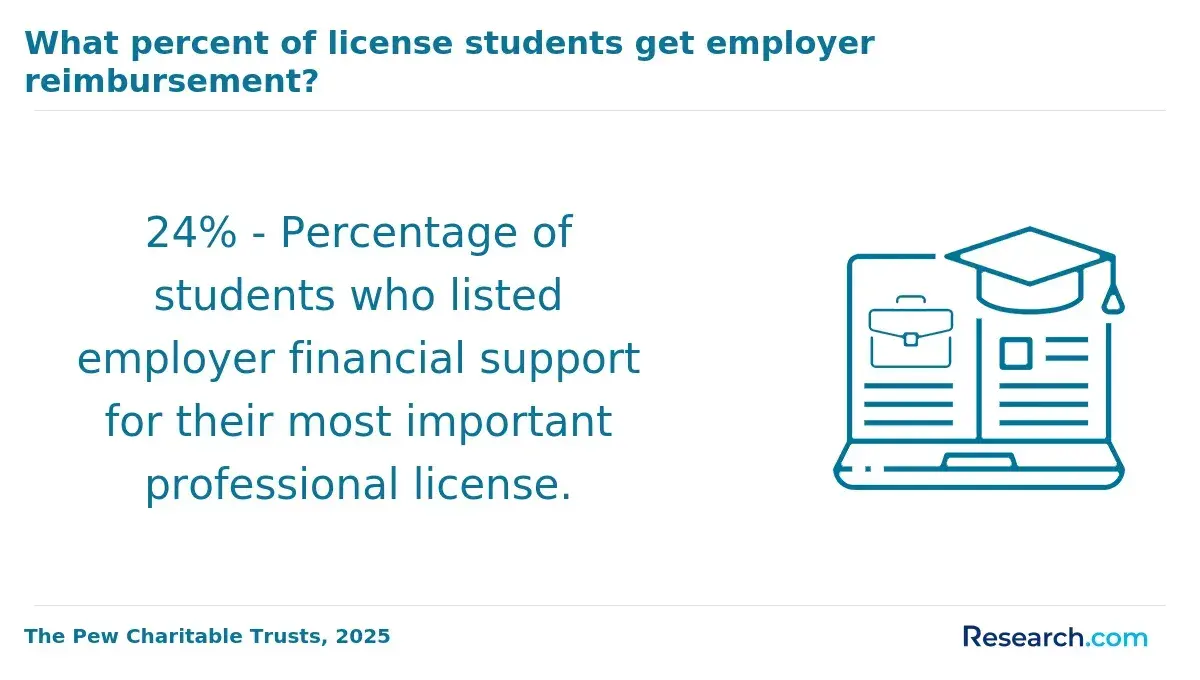
- Employer Tuition Support: Access to reimbursement programs or district-funded professional development lowers net costs, making the degree financially viable and signaling employer investment in the employee's growth.
- Hiring Dynamics: Regional shortages or policy-driven demand for credentialed teachers improve job security and broaden placement options, but market fluctuations require strategic program selection aligned with current certification pathways.
- Opportunity Cost: Time spent studying represents foregone earnings and potential delayed financial returns, so programs with accelerated or part-time online formats better align with career sustainability.
This nuanced evaluation underscores that the ROI for elementary education master's graduates depends heavily on program cost structures, employer policies, licensure requirements, and local job market conditions rather than simple salary comparison.
What job search and hiring strategies work best for elementary education master's candidates?
In today's competitive job market for elementary education master's candidates, superficial application volume no longer suffices. Hiring managers increasingly prioritize candidates who demonstrate how their graduate-level skills translate into specific, measurable contributions in real school environments.
Unlike generalist job seekers, those who tailor their strategies to match district priorities and employer expectations achieve better access to preferred roles. For example, districts often filter applicants by evidence of leadership in curriculum design or data-driven intervention projects rather than just coursework completion. This causes a strategic divide between candidates who show differentiated competencies and those who remain within broad credential pools.
- Credential Positioning: Explicitly highlight specialized coursework, certifications, or research that aligns with elementary curriculum development or student assessment. This signals preparedness for advanced instructional roles beyond standard teaching duties.
- Portfolio Evidence: Develop a detailed portfolio containing curriculum projects, case studies of student engagement, or leadership in intervention programs. Such artifacts help translate theoretical graduate skills into verifiable accomplishments valued by hiring committees.
- Employer Targeting: Focus applications on districts that emphasize competency-based hiring and embrace master's graduates with differentiated experience. Understanding district priorities allows candidates to navigate employer screening filters more effectively.
- Interview Preparation: Prepare scenario-based answers that demonstrate data-driven decision-making and inclusive teaching strategies. This aligns with district needs for adaptable educators who can measure impact on student outcomes.
- Timing Applications: Schedule submissions around district budget cycles and consider substitute teaching roles for continuous exposure. Maintaining visibility during off-peak hiring periods can increase future chances of selection.
Budget-conscious career changers should weigh these aspects carefully when researching affordable, accredited online programs. Flexibility and ROI remain critical, especially for those balancing current employment and advanced study. For those exploring technical alternatives, programs such as a cheapest mechanical engineering degree online offer different career trajectories but emphasize similar principles of aligning graduate training with labor-market demand.
Effective hiring strategies for elementary education master's graduates require not just formal qualifications but strategic framing of skills in line with evolving district expectations and functional classroom realities.
How will future trends like AI and automation affect hiring for elementary education master's graduates?
AI and automation increasingly reshape hiring demand for elementary education master's graduates by emphasizing augmentation over replacement. Employers seek candidates who move beyond basic digital literacy to demonstrate nuanced technical fluency, able to integrate AI-driven tools that enhance classroom management and personalized learning without sacrificing professional judgment.
For example, a school district may prioritize a master's graduate who can interpret learning analytics to tailor instruction rather than one who only follows preprogrammed lesson plans.
- Changing Skill Requirements: Candidates must combine foundational pedagogy with digital tool mastery. This shift favors graduates who critically assess how emerging technologies align with developmental appropriateness and equity rather than simply operate them.
- Automation-Resistant Tasks: Routine administrative work is increasingly automated, putting a premium on educators' abilities to lead instructional design and human-centered decision-making that AI cannot replicate.
- Employer Screening Priorities: Hiring processes now weigh evidence of ongoing tech credential updates and practical experience with educational data systems to gauge career resilience amid evolving trends.
- Cross-Functional Collaboration: Graduates are expected to work closely with IT staff, administrators, and families within digital workflows, reflecting heightened demand for collaborative competencies in multi-stakeholder environments.
- Ethical Oversight: Master's-level teaching roles require vigilance ensuring AI tools respect student privacy and promote equitable access, highlighting an expanded scope of professional responsibility.
This evolving landscape means elementary education master's degree holders must strategically position their expertise to remain competitive. Those balancing instructional expertise with strategic use of data and technology demonstrate greater career resilience amid shifting hiring realities shaped by the impact of AI and automation on elementary education jobs.
Students exploring program options should also consider online human resource management masters programs that offer insight into organizational dynamics within educational institutions.
What Do Graduates Say About Industry Demand for Elementary Education Master's Graduates?
- Jaime: "Balancing a full-time job and family commitments meant I had very limited time for additional certifications after completing my Elementary Education master's program. I chose a program with integrated internships because I knew hands-on experience would matter most, and it paid off when I landed a classroom assistant role right away. However, I noticed that without a state licensure, some schools were hesitant to offer me a lead teaching position, so I'm now weighing whether to pursue that credential despite the extra workload."
- Enzo: "After switching careers midstream, budget constraints pushed me toward an accelerated Elementary Education master's track focused heavily on practical skills rather than theory. My main decision was to prioritize programs that offered portfolio development and remote practicum options to enter the workforce faster. This approach landed me a support role in an elementary school district, but I've found that moving up without licensure means I need to keep building specialized skills to stay competitive."
- Rowan: "The workload of the Elementary Education master's program was intense, and I decided to focus on remote internships to accommodate my part-time schedule. While this flexibility allowed me to complete the degree and build a digital portfolio, I found that many employers still heavily value in-classroom experience, which limited the types of roles I could apply for initially. It's informed my ongoing career strategy: gaining more classroom hours to supplement my academic credentials and better match employer expectations."
Other Things You Should Know About Elementary Education Degrees
While a master's degree can boost content expertise, some districts require additional responsibilities, such as mentoring or curriculum development, raising workload beyond teaching hours. This can increase stress and time demands, particularly in under-resourced schools. Prospective students should evaluate whether their districts recognize the degree for advancement without overburdening them and consider how program content prepares them for these extra roles.
Graduates targeting teaching positions in K-6 classrooms benefit more from programs that emphasize hands-on, classroom management, and instructional strategies over purely theoretical research. Conversely, those inclined toward curriculum design, policy, or leadership roles may find research-focused programs advantageous. Your career trajectory should guide this choice, balancing immediate employability with long-term professional growth.
Licensure reciprocity varies significantly between states, and not all master's programs align with every state's certification requirements. Graduates intending to move should prioritize programs offering broad or multi-state licensure preparation to avoid redundant coursework. Ignoring this can delay re-entry into teaching or reduce employability outside your initial location, so check program alignment carefully if flexibility to relocate matters.
References
- What Jobs Can You Do with a Master's Degree of Education https://creditsforteachers.com/what-types-of-jobs-you-can-do-with-a-masters-degree-of-education/
- Effective Hiring Strategies for Schools and Teachers 2025 https://impactteachers.com/blog/recruitment-education-strategies-2025/
- Teacher Hiring and Selection https://livehandbook.org/k-12-education/workforce-teachers/teacher-hiring/
- 5 Teacher Recruitment Strategies to Attract Top Candidates - Edustaff https://edustaff.org/blog/teacher-recruitment-marketing-strategies-how-to-get-teachers-to-apply/
- Is MS in Elementary Education the Right Path?| University of Bridgeport https://www.bridgeport.edu/news/is-a-masters-in-elementary-education-the-right-path/
- The Future of Teacher Recruitment: Trends in International Education https://www.iss.edu/blog/insights/the-future-of-teacher-recruitment-trends-in-international-education
- Teaching Degree ROI Guide: The Return on Investment You Can Expect with a Degree in Education https://www.educationdegree.com/articles/return-on-investment-guide-to-education-degrees/
- How a Master's Degree in Education Can Transform Your Teaching Career https://learn.neumann.edu/neuperspectives/how-a-masters-degree-in-education-can-transform-your-teaching-career
- Is Grad School Worth It? A Comprehensive Return on Investment Analysis - FREOPP https://freopp.org/whitepapers/is-grad-school-worth-it-a-comprehensive-return-on-investment-analysis/
- What You can Do with a Master’s in Elementary/Middle School Education - Graduate Programs for Educators https://www.graduateprogram.org/blog/what-you-can-do-with-a-masters-in-elementary-middle-school-education/