2027 Online Elementary Education Master's Curriculum Breakdown: Core Courses & Specializations

Co-Founder and Chief Data Scientist
Curriculum design in online elementary education master's programs directly shapes a graduate's workforce readiness and professional distinction. Employers increasingly seek candidates with targeted certifications and specialization depth aligned with evolving K-6 classroom demands choice. Programs emphasizing emerging themes like digital literacy or inclusive education boost employability but may impose heavier course loads or sequencing challenges.
Conversely, overly narrow focuses risk limiting adaptability amid shifting district priorities or policy changes. This article critically examines how curriculum frameworks, core courses, and specialization pathways influence certification alignment, workload management, and positioning within an adaptive elementary education workforce landscape.
Key Things to Know About Online Elementary Education Master's Curriculum
- Core coursework often balances pedagogy and subject-specific content, but emphasizing one limits depth in the other; graduates must weigh this tradeoff against their targeted teaching environments.
- Employers increasingly seek specialization credentials alongside master's degrees, reflecting a shift toward niche expertise in areas like literacy or special needs, impacting hireability and role fit.
- Program length and credit load influence total cost and time-to-completion; 2024 data show accelerated tracks boost entry to the workforce faster but may reduce mastery breadth, affecting long-term adaptability.
What Core Courses Are Included in an Online Elementary Education Master's Program?
Core coursework in online elementary education master's programs often signals how rigorously a program equips candidates to meet the nuanced demands of modern classrooms and evolving workforce standards. These foundational classes are not merely academic checkboxes but form a structured pathway through theoretical grounding and applied skills that many employers expect before specializing.
Balancing a substantial workload, candidates must navigate these core requirements carefully to sustain momentum toward advanced content areas and leadership roles.
- Educational Psychology: This course lays essential groundwork in understanding the cognitive, social, and emotional developmental phases of children ages 5-12. Mastery here supports educators in crafting responsive instructional strategies that consider motivation and behavior, a competency linked by the National Center for Education Statistics (2024) to improved teacher effectiveness in early grades.
- Curriculum Development and Instructional Strategies: Focused on the design and implementation of curriculum aligned with Common Core or state standards, this course ensures that candidates can translate standards into differentiated practices that accommodate diverse learning needs. It underpins much of the practical application expected in classroom leadership roles.
- Assessment and Data-Driven Decision Making: Emphasizing both formative and summative assessments, this course teaches future educators to interpret student performance data critically. Studies such as the 2024 Teacher Workforce Report show that graduates coming from programs with strong data literacy tend to be more effective in adjusting instruction to boost student outcomes.
- Classroom Management and Inclusive Practices: This course addresses the operational skills teachers need to maintain classroom environments that are both respectful and supportive of diverse learners, including those with special needs. Cultural competency and proactive behavior management strategies are key components, reflecting employer demands for educators who can foster equity and engagement.
- Research in Education or Action Research: Encouraging educators to engage with current educational research, this course promotes ongoing reflective practice and evidence-based decision-making. Proficiency here supports advanced specialization and leadership roles, ensuring instructional approaches remain aligned with evolving pedagogical insights.
These core courses, central to any online elementary education master's core curriculum, collectively serve as the backbone for advancing into specialized fields such as literacy intervention, STEM education, or special education leadership. Understanding the sequencing demands and intellectual investment required can help candidates better plan their academic trajectory to meet real professional expectations.
For those balancing work and study, this coursework represents a significant commitment yet yields competencies valued across education systems. A growing share of programs are also embedding digital literacy and remote teaching strategies within these core requirements, acknowledging shifting modes of instruction. Prospective students should weigh these foundational offerings against their career goals and the operational realities of teaching today.
Those seeking to accelerate their qualifications may consider exploring the easiest EdD programs for pathways that balance expedited completion with robust curriculum coverage, though the tradeoff often involves intense workload concentration.
What Specializations Are Available in Online Elementary Education Master's Programs?
Choosing a specialization in an online elementary education master's program is a strategic decision that shapes both the depth of expertise gained and subsequent employability. Specializations can directly impact workload intensity, state licensure options, and alignment with school district priorities, making it essential for candidates, especially working professionals, to evaluate how concentrations influence practical preparation and long-term role flexibility.
- Literacy and Reading Instruction: This specialization addresses the acute need for advanced literacy skills, with programs emphasizing diagnostic reading assessments and targeted interventions. Given that a 2024 National Center for Education Statistics report found nearly 65% of fourth graders fail to reach proficient reading levels, educators trained here are positioned to fill critical gaps as reading specialists or literacy coaches, though this path often demands intensive practicum involvement.
- STEM Education: Specializing in STEM integrates science, technology, engineering, and math into elementary curricula, focusing on project-based learning and lab components. While this enhances marketability in schools prioritizing STEM, candidates must navigate challenges related to securing appropriate hands-on teaching placements and managing technical instructional demands that not all online programs can facilitate equally.
- Special Education: Increasing mandates for inclusive classrooms drive demand for this concentration, which gears educators toward supporting diverse learners with disabilities. It requires extensive clinical hours in specialized settings and careful attention to differing state certification requirements, adding complexity to program selection for those seeking licensure in special education.
- Curriculum Development and Educational Leadership: Targeting experienced educators, these tracks emphasize applied research and leadership internships over direct practicum work. They prepare graduates for roles such as instructional coordinators or administrators, offering flexibility but limited direct classroom practice, which may affect those aiming for immediate classroom-based positions.
Can Students Choose Electives Outside Their Specialization?
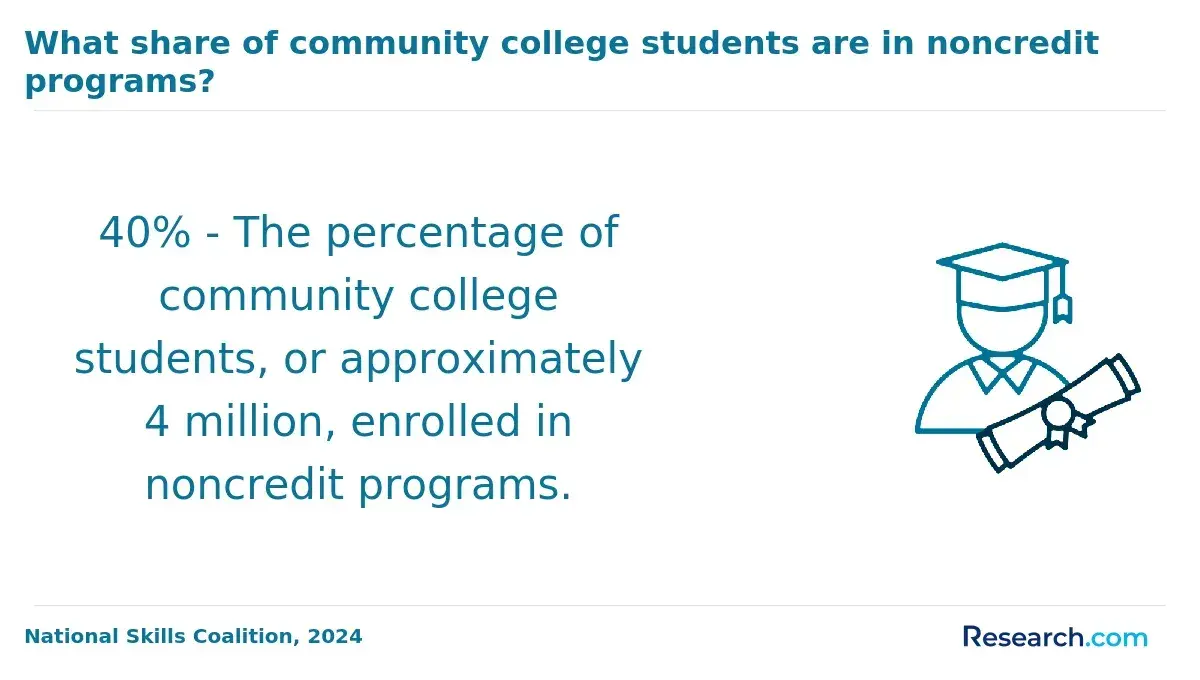
Elective selection in online elementary education master's programs is tightly guided by curriculum design and institutional policies, which often prioritize foundational coursework within the chosen specialization. Students typically encounter limitations through credit caps on non-core classes, prerequisite sequences that must be completed in order, and the need for advisor approval to ensure coursework aligns with program goals.
Course availability and cohort scheduling constraints further restrict elective flexibility, since many programs aim to streamline progression toward licensure or certification requirements. According to the 2024 National Center for Education Statistics, only about 38% of these programs offer options for cross-specialization electives, illustrating that such flexibility is the exception rather than the norm.
Opting for electives outside a student's specialization can expand interdisciplinary skills but also risks diluting the concentration that many employers seek in elementary education candidates. This tradeoff may extend degree completion time if prerequisites lengthen pathways or if the electives do not satisfy core requirements, potentially delaying entry into the workforce.
Employers and licensure bodies often emphasize depth of knowledge in primary content areas, so elective choices should be strategic rather than exploratory to maintain alignment with job market expectations. For instance, a student with a literacy focus selecting electives in technology integration might enhance instructional adaptability but should be prepared for additional coursework demands and careful academic planning to avoid prolonging program duration.
One student recalled navigating a rolling admissions cycle while deciding whether to pursue electives outside their leadership specialization. Facing uncertainty about seat availability and prerequisite sequencing, they hesitated to finalize their course plan until after admission was confirmed.
The student later described relief upon receiving advisor guidance that clarified how select electives could complement their focus without compromising timely graduation. This experience highlighted the importance of early, informed planning and the challenge of balancing elective curiosity against strict program structures in online elementary education master's studies.
How Are Online Elementary Education Master's Courses Delivered?
Online elementary education master's programs primarily rely on asynchronous learning modules, where students engage with prerecorded lectures, readings, and assignments on schedules that accommodate working professionals and career changers. However, these programs often integrate scheduled synchronous sessions to foster live interaction, supporting discussion, group collaboration, and direct faculty access.
This blended model, common in virtual learning methods for elementary education master's programs, shapes student engagement by balancing flexibility with the need for real-time participation. Time management emerges as a critical factor given the mixed pacing demands. Students must self-regulate asynchronous components while also committing to synchronous meetings that simulate in-person engagement.
The challenge for many lies in aligning these requirements with professional and personal obligations, which can affect consistent progress and deepen the importance of program structure in maintaining regular interaction. A 2024 report by the National Center for Education Statistics notes that approximately 78% of graduate education programs integrate asynchronous with synchronous elements, underscoring this trend toward hybrid course design.
This delivery approach presents a tradeoff: flexibility facilitates access but can reduce active engagement if live participation is limited, potentially impacting skill development and readiness for classroom realities. Programs that embed practical field experiences alongside virtual instruction help mediate this risk by connecting theory to supervised practice, essential for licensure and effective teaching.
Prospective students evaluating these models should carefully consider how delivery formats influence workload, interaction quality, and ultimately their ability to meet both academic and employer expectations. For those researching degree options, including comparisons with fields like psychology, resources such as online master's in psychology can offer relevant perspective on effective program structures.
Which Core Classes Are Considered the Most Challenging?
Core courses in online elementary education master's programs that pose the greatest challenges typically require mastery of abstract concepts and practical application under pressure. Educational research methods stand out because students must not only interpret complex qualitative and quantitative data but also synthesize findings to inform classroom decisions, a skill set that combines theoretical rigor with high cognitive demand.
Curriculum design is equally taxing, as it demands balancing pedagogical theory, assessment strategies, and compliance with diverse academic standards, all while producing detailed lesson plans that withstand critical evaluation and tight deadlines. These structural demands-ranging from methodological sophistication to time-sensitive deliverables-distinguish the most difficult courses from those focused more on content acquisition or reflective practice.
Performance in these core classes has significant consequences for students' academic trajectory and career readiness, as employers often associate success in such rigorous coursework with resilience and practical competence. For example, students juggling full-time jobs frequently report that research methods courses require extensive time beyond standard readings, forcing them to rearrange work schedules or delay concentration-specific electives.
According to a 2024 report from the National Center for Education Statistics, nearly 42% of graduate students in education identify research methodology as their most strenuous course, underscoring the consistent burden this content places across programs. Navigating these demands successfully not only affects progression within the degree but also signals preparedness to manage classroom challenges and evidence-based instruction in future teaching roles.
One student recounted hesitating to submit applications early in the rolling admissions cycle due to uncertainty about their readiness for the research-intensive curriculum. They waited until completing additional statistics prerequisites before applying, concerned that rushing admission without that foundation would undermine their ability to handle the workload.
The delay was stressful but ultimately provided time to build confidence, alleviating some anxiety about tackling the program's toughest classes once enrolled. This cautious approach illustrates the strategic timing and preparation considerations prospective students weigh amid online elementary education master's admissions and course demands.
Do Online Elementary Education Master's Programs Require Internships or Practicums?
Online elementary education master's programs often mandate internships or practicums, but these experiential requirements differ widely depending on accreditation standards, specialization tracks, and program delivery models. Many accredited degrees embed hands-on teaching through supervised practicum hours in local schools to ground theoretical learning in realistic classroom contexts, with around 78% requiring some in-person fieldwork as reported by the National Center for Education Statistics.
Some programs, particularly those aimed at working professionals or career changers, may integrate flexible practicum options such as virtual classroom observations or simulations to balance practical exposure with remote accessibility. Understanding the elementary education master's practicum requirements is essential, as these components are frequently structured to satisfy licensure prerequisites and ensure graduates' preparedness for elementary teaching roles.
The presence or absence of mandated internships significantly impacts students' scheduling flexibility and professional readiness. Working adults often face challenges arranging onsite practicum placements, and programs vary in how they support local partnerships or provide alternative experiential formats.
Graduates from programs incorporating substantial practicum experience generally report higher confidence and accelerated transition into teaching positions, whereas those without such requirements may encounter extended on-the-job training and delayed career progression. For prospective students weighing these factors, the tradeoff between practical immersion and program convenience influences time-to-completion and networking opportunities within the education sector.
Those evaluating degree options might also consider adjacent fields; for example, exploring the cheapest online human resources degree has become a relevant comparison for specialization-focused learners assessing curriculum structure and workload demands.
Which Courses Are Required for Professional Certification Exams?
Universities design online elementary education master's curricula to correspond closely with the competencies tested on state licensure exams, ensuring candidates meet both accreditation requirements and professional standards. Core courses typically address foundational domains such as pedagogy, child development, classroom management, assessment strategies, and curriculum planning, each mapped to specific exam content areas.
Programs accredited by recognized bodies intentionally align course learning outcomes with the frameworks established by licensing agencies, often incorporating components like formative assessment and inclusive practices to reflect evolving certification expectations. This deliberate mapping supports candidates in acquiring the precise knowledge and skills necessary for licensure, rather than pursuing a more generic or exploratory coursework approach.
The practical impact of course selection on certification pathways is significant, as omitting or substituting key classes can delay exam eligibility or necessitate additional preparatory work outside the program. For instance, a student bypassing a focused course in assessment methods may struggle to meet the state's performance standards or require supplementary test-prep workshops, postponing entry into certified teaching roles.
Such tradeoffs extend beyond timing; insufficient alignment with exam domains can undermine confidence and practical readiness, especially given the increasing inclusion of performance-based evaluations in many states. According to data from the National Center for Education Statistics in 2024, programs that maintain rigorous, content-aligned coursework demonstrate higher first-attempt pass rates on certification exams.
Do Specialization Requirements Extend Graduation Timelines?
Specialization requirements within online Elementary Education master's programs are typically layered onto a base of core curriculum credits, often increasing the total credits beyond the usual 30-36 needed for program completion. These specializations entail designated prerequisite sequences and restrict elective substitutions to ensure focused skill development, which can elongate the academic timeline depending on course availability and pacing.
For instance, programs with mandatory practicum hours or capstone projects aligned specifically to a specialization can create bottlenecks, as students must complete particular courses in order before advancing. While some specializations may fit into the standard two-year framework if courses are offered regularly and students follow prescribed scheduling, many encounter delays due to the inflexibility of specialized course sequences and limited accelerated offerings.
In practice, these structural factors often translate to real-world tradeoffs such as prolonged enrollment or heavier term workloads. Data from the National Center for Education Statistics indicates that pursuing a specialization in education can extend graduation time by roughly 15% to 25%, commonly resulting in one to two additional semesters.
For example, a student focusing on literacy instruction may face additional methodology classes and fieldwork that are only available in certain terms, limiting the ability to graduate on the shortest schedule or balance professional responsibilities effectively. This delay can postpone entry into new roles or salary advancement, requiring careful consideration of whether the specialization's long-term value offsets immediate timing and workload challenges.
Ultimately, the sequencing constraints and credit demands embedded in specialization tracks shape not just the academic journey but also the timing of workforce integration in Elementary Education careers.
How Do Elementary Education Specializations Affect Career Opportunities?
Specializations within online elementary education master's programs serve as clear signals to employers, indicating focused competencies beyond generalist training. Recruiters often interpret a candidate's coursework, applied projects, and technical skills in areas such as literacy, STEM, or special education as direct evidence of readiness for specific instructional challenges.
This targeted expertise addresses employer demand for educators who can fulfill niche roles like inclusive classroom support or digital learning integration. According to the National Center for Education Statistics, candidates with such specializations experience approximately 15% higher job placement rates in preferred districts, reflecting the market's responsiveness to specialization-aligned credentials and the role-specific hiring pipelines that form around these skills.
Incorporating such specialization considerations is essential when assessing the impact of elementary education certificates on job opportunities. However, choosing specialization entails tradeoffs that affect career flexibility and entry-level eligibility. While a focused credential can open pathways to roles like curriculum coordinator or instructional coach, it may also limit prospects in districts where broader skill sets or fluctuating funding priorities favor generalists.
For example, a teacher specialized in STEM education might find confined opportunities if transitioning to general elementary settings or relocating to regions with limited STEM funding. Conversely, professionals without specialization might access a wider variety of classroom positions but face competitive disadvantages for advanced roles demanding targeted expertise.
Prospective students, especially working professionals or career changers, should weigh such implications alongside regional labor conditions and could also consider complementary credentials like a bachelor in human services to expand applicable career outcomes.
How Should Students Compare Online Elementary Education Master's Curriculum?
Comparing online elementary education master's curricula requires evaluating concrete tradeoffs rather than preferences alone. Differences in curriculum composition and sequencing materially affect a student's preparedness for job demands, ability to balance coursework with work, and alignment with certification requirements.
Understanding these factors helps prospective students make more informed choices about programs suited to their career goals and personal constraints.
- Core Curriculum Composition: Assess how much of the program focuses on foundational knowledge versus specialized content. Programs with a well-rounded core prepare candidates broadly, while those emphasizing niche areas target specific competencies, influencing the versatility of career paths post-graduation.
- Depth of Specialization: Evaluate the availability and rigor of specializations such as literacy, STEM integration, or special education. A deep specialization can enhance expertise but may limit flexibility if career shifts or broader classroom roles are anticipated.
- Elective and Flexibility Options: Look for programs that offer electives or customizable coursework, allowing students to tailor learning to evolving professional interests or needs. Flexible course offerings can improve satisfaction and applicability but might extend time-to-completion.
- Delivery Format and Scheduling Structure: Consider asynchronous versus synchronous models and the presence of accelerated terms. Working professionals often benefit from asynchronous courses and summer offerings that facilitate workload balance.
- Fieldwork and Practicum Integration: Compare how programs embed practicum or student teaching components. Programs with structured, supervised field experiences aligned to current elementary education standards support practical skills and employability.
- Certification Alignment: Verify whether the curriculum meets state licensing requirements and accreditation standards such as CAEP. Proper alignment reduces hurdles in professional credentialing and classroom entry.
- Course Progression and Sequencing: Review how courses build upon each other to scaffold knowledge. Logical sequencing promotes mastery and prevents overload, enhancing retention and confidence during the program.
A 2024 U.S. Department of Education study found that 67% of employers in K-6 education prioritize competency in differentiated instruction and digital literacy. For those looking for budget-conscious options, reviewing resources like cheap online general studies degree programs can offer insight into balancing cost with educational value when planning graduate education pathways.
Understanding these nuances is essential for students evaluating online elementary education master's program comparison, especially for working professionals and career changers aiming to integrate studies with practical outcomes and long-term employability.
What Graduates Say About Online Elementary Education Master's Curriculum
- Jaime: "Completing the core courses and specialization in elementary education gave me a clearer understanding that licensure isn't the only path forward. While some districts still prioritize certified teachers, I found that building a strong portfolio through internships and demonstrated classroom management skills opened doors to instructional assistant and curriculum support roles. The program's flexibility allowed me to enter the workforce sooner, even if salary growth has been slower without official certification."
- Enzo: "My experience was shaped by the realities of a competitive job market. Although the specialization prepared me well, I realized many employers favor candidates with in-classroom experience beyond the online coursework. I chose to pursue additional certifications and volunteer work in local schools, which ultimately made a significant difference during hiring. The program's emphasis on practical strategies helped me tailor my applications, but advancing without licensure has required strategic career pivots."
- Rowan: "After finishing the elementary education program, I appreciated the option to work remotely in tutoring and educational consulting, which wouldn't have been possible in traditional classroom roles. This flexibility was crucial for me as I balanced family commitments. However, I also learned firsthand how employers in formal school settings often prioritize formal teaching credentials over online degrees alone. The program gave me valuable pedagogical insights, though I'm still evaluating whether to pursue licensure for long-term advancement."
Other Things You Should Know About Elementary Education Degrees
Most 2027 online elementary education master’s programs require either a capstone project or a thesis in the final term, usually worth 3 to 6 credit hours. Capstones often include lesson-plan research, a classroom intervention, or portfolio defense, while theses usually require faculty approval and formal presentation.
Many online programs include research methodology courses emphasizing data analysis and educational theory, which can seem disconnected from daily teaching challenges. While foundational for evidence-based practice, excessive focus on abstract research reduces time spent on practical classroom management or culturally responsive teaching strategies. Prospective students should weigh programs offering applied research projects tied to real classroom interventions to ensure actionable skills that meet employer expectations.
Given the growing demand for tech-savvy educators capable of blending digital tools with pedagogy, programs integrating technology training throughout core courses provide a competitive edge. Graduates from such curricula tend to demonstrate practical proficiency that aligns with modern classroom realities and district priorities, enhancing employability. Conversely, programs with minimal tech integration may require supplemental training later, delaying readiness and increasing costs for working students.
References
- High-Paying Master's in Elementary Education Jobs | University of Bridgeport https://www.bridgeport.edu/news/high-paying-masters-in-elementary-education-careers/
- What Can You Do with a Master’s in Education? https://www.pointloma.edu/resources/education/what-can-you-do-masters-education
- Master of Education (Elementary Education) https://www.ualberta.ca/en/graduate-programs/master-of-education-elementary-education.html
- Elementary Education Master's DegreeOnline https://www.baypath.edu/academics/graduate-programs/elementary-education-msed-eds/
- Elementary Education Master’s Degree Online | University of Phoenix https://www.phoenix.edu/online-education-degrees/elementary-teacher-education-masters-degree.html
- Elementary Education, MAT (Online) https://programs.tcnj.edu/graduate/elementary-education-mat-online
- Master of Education (MEd) in Elementary Education - Online Program https://online.worcester.edu/programs/education/med-elementary-education/
- Master's Degree: How Long Does It Take? https://creditsforteachers.com/masters-degree-how-long-does-it-take-a-complete-guide-for-teachers/
- What Type of Online MEd Degree Should You Pursue? https://www.onlinemastersdegrees.org/student-resources/education/types-of-degrees/
- Elementary Education / Curriculum and Instruction, MSE https://www.ucmo.edu/academics/programs/masters-degrees/elementary-education-curriculum-and-instruction-mse-51-721/index.php