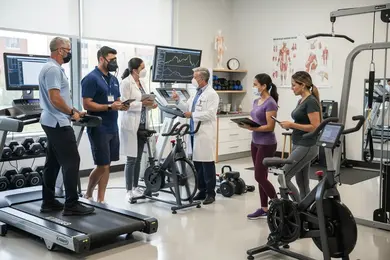
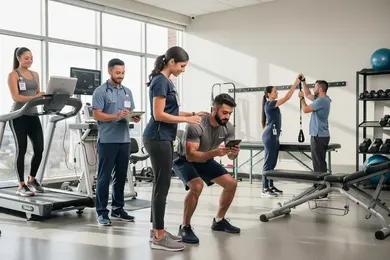
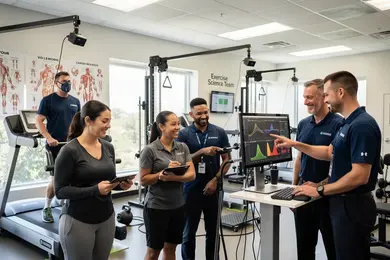
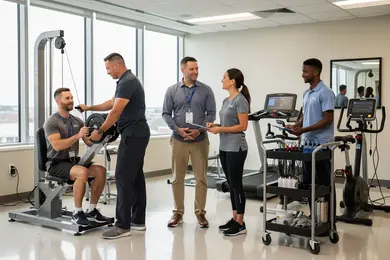
2027 Top Industries Hiring Exercise Science Graduates: Demand, Pay, and Growth Trends

Co-Founder and Chief Data Scientist
Imagine a recent graduate with a degree in exercise science facing the challenge of selecting a career path among numerous industries. Each sector offers different roles, compensation levels, and growth prospects, making it essential to assess where skills and education align best with labor market demands. Knowing which industries actively recruit exercise science graduates can help prioritize job searches and guide further skill development, ensuring better employment outcomes.
Understanding salary variations across sectors reveals the financial tradeoffs graduates must consider, while recognizing which fields are expanding fastest indicates long-term opportunities and stability. Employers' expectations also shift with industry trends, affecting required qualifications and competencies. This article examines the industries that hire the most exercise science graduates, identifies the highest-paying sectors, outlines where job growth is strongest, explores evolving employer demands, and offers insight on how students can align their abilities with the most promising career paths.
Key Things to Know About the Top Industries Hiring Exercise Science Graduates
- Healthcare and fitness sectors employ over 60% of exercise science graduates as of 2024, indicating concentrated demand yet intensifying competition for roles focused on clinical rehabilitation and corporate wellness.
- The strongest salary growth-averaging 7% annually-occurs in personalized health technology and performance analytics industries, signaling a shift toward data-driven exercise science applications.
- Emerging trends reveal expanding employer demand in remote telehealth and virtual coaching, requiring graduates to adapt skills beyond traditional settings to sustain long-term career advancement.
- Key Things to Know About the Top Industries Hiring Exercise Science Graduates Key Things to Know About the Top Industries Hiring Exercise Science Graduates
- Which Industries Hire the Most Exercise Science Graduates? Top Industries
- Which Industries Offer the Highest Salaries for Exercise Science Graduates? Highest Salaries
- Which Industries Have the Fastest Growth for Exercise Science Careers? Growth Trends
- Which Employers Commonly Recruit Exercise Science Graduates? Top Employers
- Which Skills Are Most In Demand Across Exercise Science Industries? In-Demand Skills
- How Do Career Paths Differ Across Industries for Exercise Science Graduates? Career Paths
- How Do Industry Trends Affect Future Opportunities for Exercise Science Graduates? Industry Trends
- How Can Students Prepare for High-Demand Exercise Science Industries? Career Preparation
- How Do Different Exercise Science Degree Programs Prepare Students for Industry Careers? How Do Different Exercise Science Degree Programs Prepare Students for Industry Careers?
- Which Industry Is the Best Fit for Your Exercise Science Career Goals? Which Industry Is the Best Fit for Your Exercise Science Career Goals?
Which Industries Hire the Most Exercise Science Graduates?
Graduates with exercise science degrees frequently find their skills in strong demand across several core industries. As of 2024, data from the U.S. Bureau of Labor Statistics highlights that healthcare and fitness remain the primary employers, though sectors like education and emerging specialized fields also show meaningful opportunity. These industries recruit in high numbers because the expertise of exercise science professionals directly supports growing public and individual health priorities. Below are the main industries consistently hiring exercise science graduates.
- Healthcare Sector:The healthcare industry employs many exercise science graduates as physical therapy assistants, clinical exercise physiologists, and rehabilitation aides. This sector's growth is fueled by an aging population and rising chronic health conditions, which increase demand for specialized rehabilitation and preventive care programs tailored by exercise science experts.
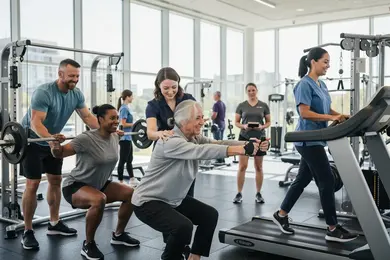
- Fitness and Wellness:Commercial gyms, wellness centers, and fitness studios recruit graduates to serve as personal trainers, fitness instructors, and wellness coaches. This industry appeals to those interested in preventive health and lifestyle improvement, with approximately one-third of exercise science graduates beginning their careers here due to the widespread consumer focus on fitness and active living.
- Education and Athletics:Educational institutions from K-12 schools to universities hire exercise science professionals as athletic trainers, sports coaches, and physical education educators. Additionally, colleges offer research and teaching positions, providing diverse pathways for graduates interested in academia or athletic performance development.
- Corporate Wellness Programs:Increasingly, businesses implement wellness initiatives to boost employee health and productivity, employing exercise science graduates to design and manage these programs. This sector is especially attractive for those seeking roles that blend health promotion with organizational impact in a workplace environment.
- Specialized Sports Medicine and Public Health:Emerging niches such as sports medicine clinics and community health organizations are expanding career options. These settings combine clinical practice with population health strategies, presenting dynamic opportunities for graduates aiming to influence broader public health outcomes.
Balancing specialty, geography, and economic circumstances affects demand, yet the healthcare and fitness industries robustly anchor employment for exercise science professionals. For those evaluating options, the variety across these sectors ensures a range of practical and rewarding career paths that align with both clinical expertise and wellness promotion. Prospective students interested in allied health should also consider related fields, as seen in resources highlighting nursing schools easy to get into, which help expand employment opportunities beyond traditional exercise science roles.
Which Industries Offer the Highest Salaries for Exercise Science Graduates?
Salary disparities among industries employing exercise science graduates arise primarily from differences in job complexity, required qualifications, and market demand for specialized skills. Fields emphasizing clinical expertise and regulated environments often offer higher pay, reflecting the advanced knowledge and responsibilities involved. Conversely, sectors with more accessible entry points and less formal certification requirements typically provide lower median wages but offer greater flexibility. Navigating these tradeoffs is essential for graduates aiming to optimize their earning potential. Below are key industries that provide the strongest salary incentives for exercise science professionals.
- Healthcare and Clinical Rehabilitation: This sector commands the highest salaries due to the critical role exercise science professionals play in patient recovery and chronic disease management. Positions such as clinical exercise physiologists and rehabilitation specialists require advanced credentials and clinical skills, often within hospitals or outpatient care centers. Recent data from the U.S. Bureau of Labor Statistics shows median annual wages around $64,000, with top earners exceeding $85,000.
- Sports Performance and Athletics: Professionals supporting professional or collegiate athletes, including strength and conditioning coaches and performance analysts, earn competitive salaries typically near $60,000. Compensation varies widely by the level of competition and employer prestige. Success in this field depends heavily on networking and demonstrable athlete performance improvements, making it a challenging but potentially rewarding career path.
- Corporate Wellness and Telehealth: Emerging as growth sectors, these industries blend exercise science with technology and holistic health promotion. Though starting salaries are moderate, increased demand for data-driven health interventions is expected to raise earning potential significantly. Professionals with skills integrating digital health tools and wellness programming stand to benefit as these markets mature.
- Fitness and Wellness Centers: These roles, including personal trainers and wellness coordinators, generally offer lower salaries around $40,000 to $50,000 due to high availability and less stringent regulation. Earnings can improve with additional certifications or advanced degrees, but wage ceilings in this sector remain comparatively modest.
A practical example involves a graduate choosing between a hospital-based clinical exercise physiologist role versus a corporate wellness coordinator position. While the clinical role offers a median salary notably higher and better benefits, it demands extensive certification and experience with medical populations. The corporate role provides a lighter credential burden and more flexible hours but generally less financial reward. Understanding these distinctions helps reconcile the top salary trends in exercise science careers with individual career goals and lifestyle preferences.
Aside from these industry choices, those considering alternatives should also assess opportunities in related health fields. For instance, the growing accessibility and demand for medical coding jobs salary highlight how adjacent certifications can complement exercise science credentials, enhancing long-term earning prospects in healthcare administration roles.
Which Industries Have the Fastest Growth for Exercise Science Careers?
When evaluating career paths, understanding industry growth is essential for identifying where long-term job stability and advancement are most feasible. Industries expanding rapidly often offer higher demand for specialized skills, better salary potential, and evolving roles that can keep pace with innovations and shifting workforce needs. For exercise science graduates, pinpointing the sectors with accelerated growth highlights where their expertise will be most valued amid changing healthcare, technology, and wellness landscapes. Below are key industries projected to experience notable expansion for exercise science professionals.
- Outpatient Care Centers: Driven by an aging population managing chronic conditions like diabetes and heart disease, outpatient facilities are growing nearly 10% annually. These centers emphasize prevention and rehabilitation outside hospital settings, creating increasing demand for roles centered on physical therapy and exercise prescription.
- Corporate Wellness Programs: As employers adopt health initiatives to reduce medical expenses and boost productivity, the corporate wellness sector is expanding swiftly. Exercise science graduates play pivotal roles designing fitness assessments and tailored wellness strategies that align with organizational goals and employee needs.
- Fitness Technology Industry: The rise of wearable devices and personalized exercise apps fuels an 8%+ growth in tech-enabled fitness services. Professionals skilled at interpreting health data and integrating exercise science principles into digital platforms are sought after to develop innovative training solutions.
While hospitals and traditional clinical environments remain important, graduates should recognize the dynamic shifts toward outpatient, corporate, and technology-driven settings that offer broader, interdisciplinary careers. These sectors reflect the evolving demands of healthcare delivery, wellness investment, and consumer engagement, varying by location and specialization but consistently signaling higher growth.
After graduating with an exercise science degree, one individual initially pursued clinical rehabilitation but soon noticed local outpatient clinics rapidly hiring specialized practitioners. Hesitant about leaving a familiar hospital environment, they nonetheless accepted a role at an outpatient facility focused on chronic disease management. Within months, they observed how patient progress relied heavily on exercise interventions tailored to individual needs, validating the sector's potential. This experience eased their uncertainty and highlighted the importance of adapting to growth areas to secure meaningful, sustainable positions.
Which Employers Commonly Recruit Exercise Science Graduates?
Grasping which types of employers typically recruit exercise science graduates enables students to strategically tailor their academic focus, seek relevant internships, and position themselves effectively in the job market. Recruitment trends vary considerably depending on one's specialization within exercise science, regional job markets, and shifting industry demands. For instance, graduates interested in clinical rehabilitation may find more opportunities in healthcare settings, while those drawn to athletic performance could target sports organizations. Recognizing these patterns early supports informed decision-making about certifications and practical experience needed to meet employer expectations.
The following categories highlight organizations that most frequently hire exercise science professionals, based on recent 2024 labor data from the U.S. Bureau of Labor Statistics and industry research.
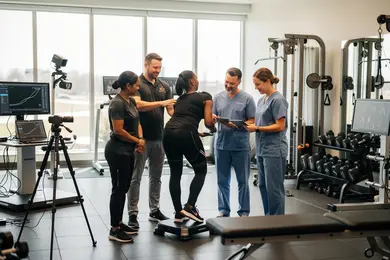
- Healthcare Providers: Hospitals, outpatient rehabilitation centers, and physical therapy clinics rely heavily on exercise science graduates to develop therapeutic exercise plans that facilitate patient recovery and prevent future injury. Roles here often include rehabilitation specialists and clinical exercise physiologists, where graduates apply scientific principles to improve patient outcomes in medically supervised settings.
- Fitness and Wellness Facilities: Commercial gyms, boutique training studios, and community wellness centers are prominent employers due to the growing public emphasis on preventive health and personalized fitness. Graduates typically work as personal trainers, group fitness instructors, or wellness coaches, where client engagement and behavior change strategies are key for sustained health improvements.
- Educational Institutions: Schools and universities employ exercise science graduates as strength and conditioning coaches, athletic trainers, or health educators. These roles involve training student-athletes or promoting lifelong fitness habits, blending instructional skills with exercise science expertise to support diverse populations.
- Sports Organizations: Professional and collegiate teams increasingly seek exercise science experts to optimize athlete performance and manage injury risk. Positions may include performance analysts or sports conditioning coaches, requiring graduates to integrate biomechanics, physiology, and sport-specific knowledge to enhance competitive outcomes.
- Research and Public Health Agencies: Government health departments and independent research bodies value exercise science skills for designing studies and community programs addressing chronic disease prevention and physical activity promotion. These employers provide pathways for graduates interested in influencing population health through evidence-based strategies and policy advocacy.
Which Skills Are Most In Demand Across Exercise Science Industries?
Core career skills maintain their value across industries because they address fundamental challenges related to human health, performance, and well-being. In exercise science, these skills enable graduates to adapt to diverse professional environments such as clinical rehabilitation, sports performance, corporate wellness, and research. Employers consistently seek candidates who combine deep scientific knowledge with the ability to communicate, problem-solve, and leverage evolving technologies. This blend supports long-term career adaptability in a field experiencing rapid shifts, including the rise of telehealth and digital fitness solutions. Below are key skills that employers prioritize across exercise science industries.
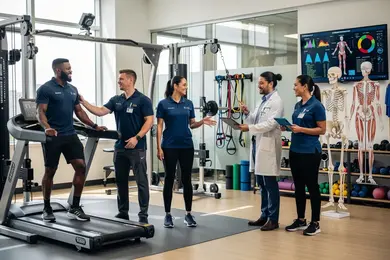
- Scientific Expertise: Mastery of anatomy, physiology, and biomechanics is essential for accurate exercise testing, prescription, and program development. Developing this knowledge through coursework and lab work creates a foundation for roles in healthcare, sports training, and wellness program design, supporting career flexibility across sectors.
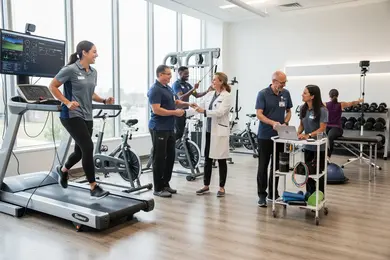
- Data Analysis Proficiency: The ability to interpret physiological metrics from devices like metabolic carts and heart rate monitors is increasingly critical. Practical experience with data collection and statistical tools during internships or research projects helps students support evidence-based practice and research initiatives valued by employers.
- Communication Skills: Effectively educating and motivating clients, patients, and interdisciplinary teams requires strong verbal and written communication. This skill can be honed through client interactions, presentations, and team collaboration, enabling graduates to bridge clinical knowledge with practical application in diverse settings.
- Technological Fluency: Familiarity with electronic health records, fitness technologies, and emerging telehealth platforms is a growing requirement. Students who engage with digital tools in experiential learning or certification programs increase their employability in modern healthcare and wellness environments.
- Problem-Solving Ability: Crafting customized exercise programs for varied populations demands critical thinking and adaptability. Developing this competency through case studies and real-world scenarios enhances graduates' effectiveness in addressing unique client needs and shifting industry demands.
- Leadership and Teamwork: Employers value graduates who can lead initiatives and collaborate across clinical, corporate, and research settings. Leadership roles in student organizations or group projects provide practical opportunities to build these skills, which support career growth and workplace effectiveness.
- Certified Emergency Preparedness: Credentials such as CPR and Certified Strength and Conditioning Specialist (CSCS) certification distinguish candidates in competitive job markets. These certifications demonstrate commitment to safety and specialized competence, broadening professional opportunities.
According to recent data from the National Strength and Conditioning Association and the U.S. Bureau of Labor Statistics, over 70% of employers in exercise science-related fields now explicitly request a combination of technical knowledge, communication, and data analysis skills. This blend supports success across healthcare, sports performance, and wellness industries.
Top technical and interpersonal skills for exercise science careers remain integral as the field evolves. Prospective and current students should integrate these competencies into their education and practical experiences to maintain market relevance. For those exploring further credentials, a fastest online master's in healthcare administration can enhance managerial capabilities alongside exercise science expertise.
How Do Career Paths Differ Across Industries for Exercise Science Graduates?
Choosing an industry after earning an exercise science degree can shape your career trajectory as much as the degree itself. Different sectors value distinct skill sets, credentials, and career ambitions, leading to varied professional experiences and advancement patterns. For example, clinical roles often emphasize certifications and formal education, while sports settings may reward networking and personal branding more heavily. Understanding these nuances helps graduates align their professional decisions with their long-term goals. Here are key ways career paths diverge across industries for exercise science graduates:
- Advancement Structure: Healthcare tends to have clear, credential-driven pathways where acquiring advanced degrees or certifications like physical therapy can accelerate promotion. In contrast, sports and fitness careers often lack formal ladders, relying more on personal initiative and reputation to gain leadership roles.
- Salary Growth: Entry-level earnings vary significantly, with healthcare roles starting near $60,000 annually and corporate wellness beginning around $55,000, often leading to six-figure salaries. The sports and fitness sector usually offers lower starting pay, roughly $40,000, but top-tier professionals affiliated with elite teams may surpass $75,000.
- Job Stability: Healthcare positions generally benefit from steady demand and institutional support, fostering longer career longevity. Conversely, sports-related roles can be more volatile, influenced by market trends and sponsorships, affecting job security.
- Professional Development: Healthcare employers often provide structured opportunities for continuing education and upskilling, supporting specialization. Corporate wellness is rapidly evolving, encouraging innovation and adaptability, while sports careers frequently depend on ongoing certifications and networking.
- Work Environment: Clinical settings usually involve routine patient-centered responsibilities with regulatory oversight, appealing to those preferring stable schedules. Sports and fitness jobs often demand flexible hours and dynamic, client-facing interactions, suiting individuals drawn to varied daily tasks.
- Occupational Mobility: According to a 2024 National Strength and Conditioning Association report, only about 25% of exercise science graduates in sports secure leadership within five years, highlighting competitive advancement. Healthcare and corporate wellness show more predictable mobility tied to formal qualifications and growing industry demand.
- Industry Growth: Corporate wellness is expanding rapidly with a 20% annual growth rate, creating new leadership and program development roles. Healthcare maintains steady growth based on demographic trends, while the sports sector's growth is less consistent, influenced by economic fluctuations and public interest.
How Do Industry Trends Affect Future Opportunities for Exercise Science Graduates?
Industry trends directly impact where exercise science graduates find opportunities and which skills employers prioritize. Over time, shifts in healthcare policy, technology, and consumer interests reframe the landscape of available roles and their compensation. For graduates entering the workforce today, understanding these evolving patterns is crucial to positioning themselves in fields with sustainable demand. According to the U.S. Bureau of Labor Statistics and the American College of Sports Medicine's 2024 reports, employment for exercise science-related professionals is projected to grow significantly faster than the average for all occupations, emphasizing expanding needs in both healthcare and wellness sectors. Key trends influencing future opportunities include the following:
- Aging Population Growth:The increasing proportion of older adults drives demand for rehabilitation specialists, cardiac rehab professionals, and clinical exercise physiologists skilled in managing chronic conditions. Graduates will benefit from focusing on certifications that align with geriatric care and chronic disease prevention.
- Telehealth Integration:Advancements in remote monitoring and virtual care platforms enable exercise science practitioners to extend services beyond clinics, increasing flexibility and patient reach. Familiarity with digital health tools and data analytics will become essential for competitive candidates.
- Corporate Wellness Expansion:As organizations invest more in employee health, specialists capable of designing and implementing workplace injury prevention and performance programs are sought after. Experience in program development and outcome measurement can set applicants apart in this rapidly growing segment.
- Sports Performance Analytics:Data-driven approaches in athletic training create niche roles requiring analytical competencies combined with exercise science expertise, especially for youth and adaptive sports populations. Building skills in sports technology and interdisciplinary collaboration offers a pathway into these specialized markets.
One graduate shared how adapting to these trends shaped their career path. Initially uncertain about pursuing a traditional clinical role, they found opportunities in corporate wellness after noticing growing employer interest in employee fitness programs. By investing time in certifications related to telehealth and data management, they secured a position designing remote monitoring plans for a large company's health initiative. The ability to pivot quickly and embrace emerging technologies was pivotal in transforming apprehension into career stability and growth.
How Can Students Prepare for High-Demand Exercise Science Industries?
Success in high-demand exercise science industries depends on more than academic accomplishments alone. Recent 2024 labor statistics highlight that hands-on experience such as internships or clinical practicums greatly increases employability, outperforming standalone academic credentials. Effectively preparing for these careers means combining practical training with targeted skill development tailored to fast-growing sectors like rehabilitation, corporate wellness, and sports performance. Below are key strategies students should adopt to become competitive, versatile candidates.
- Practical Experience: Engage in internships or supervised clinical practicums early to gain real-world insights and demonstrate job readiness. Employers in rehabilitation clinics and sports science research centers particularly value candidates with documented hands-on experience.
- Specialized Certifications: Obtain certifications from authoritative bodies such as the National Strength and Conditioning Association (NSCA) or the American College of Sports Medicine (ACSM). These certifications distinguish candidates and offer continual education to keep pace with evolving industry standards.
- Technology Proficiency: Develop skills with emerging tools like wearable fitness trackers, motion analysis software, and telehealth platforms. Familiarity with these technologies is increasingly important in sectors focused on rehabilitation and corporate health initiatives.
- Interdisciplinary Collaboration: Participate in research projects or collaborate with healthcare professionals to enhance critical thinking and communication skills. These competencies are crucial for roles demanding coordination across clinical and performance settings.
- Leadership Development: Assume leadership roles in student organizations or community fitness programs to demonstrate managerial potential and commitment. Such experience can differentiate candidates in a competitive market.
- Career Networking: Use tailored career counseling and attend industry conferences or job fairs to build connections with employers in fast-growing exercise science fields. Proactive networking aligns with labor market trends favoring rehabilitation and preventive health care services.
- Targeted Educational Choices: Select coursework and experiences aligned with industries showing the greatest demand and salary potential, helping to streamline job placement post-graduation. For example, pursuing the best BCBA programs can offer specialized knowledge valuable in behavioral and rehabilitation settings.
Combining these strategies balances academic achievement with practical experience, continuous learning, and proactive planning essential for preparing for high-demand exercise science careers over the long term.
How Do Different Exercise Science Degree Programs Prepare Students for Industry Careers?
Different exercise science degree programs prepare students for diverse industry careers by emphasizing varied educational experiences tailored to distinct professional paths. According to a 2024 report by the National Center for Education Statistics, programs that include strong clinical and practical components, such as internships and supervised fieldwork, show a 30% higher job readiness rate across healthcare, sports performance, and wellness sectors. This evidence underpins the critical role of hands-on learning in enhancing career preparation for graduates. Below are key factors prospective students should compare when evaluating how well different exercise science degree programs prepare them for industry careers.
- Practical Experience: Programs offering clinical practicums, internships, or community-based projects provide real-world exposure that improves adaptability and job placement. Students should assess the availability and quality of hands-on learning opportunities to align with their career goals.
- Curriculum Breadth: Some programs integrate interdisciplinary coursework-merging exercise science with nutrition, psychology, and technology-better equipping graduates for emerging roles in corporate wellness and digital health industries. Evaluating curriculum diversity helps identify programs that prepare for industry versatility.
- Accreditation Status: Accreditation by recognized bodies like CAAHEP ensures program quality and can influence employer perception and career growth. Comparing accreditation can signal a program's commitment to rigorous standards and market relevance.
- Degree Level Focus: Bachelor's degrees emphasize foundational sciences and introductory labs for entry-level roles, while master's and doctoral programs incorporate advanced biomechanics, research methods, and certifications essential for clinical and academic careers. Understanding these distinctions guides students to the right level for their aspirations.
- Industry Alignment: Programs closely connected to healthcare, sports performance, or wellness industries typically tailor coursework and practical experiences to sector-specific demands, influencing employment outcomes. Prospective students should consider how well the program aligns with their targeted industry.
- Certification Preparation: Inclusion of pathways for professional certifications enhances employability and salary potential in specialized roles. Students may evaluate whether a program supports nationally recognized certifications relevant to their chosen field.
- Research Integration: Advanced degrees often emphasize research skills and biomechanics knowledge, which are crucial for roles in clinical exercise physiology and academia. Prospective students interested in these paths should prioritize programs with strong research components.
Given these tradeoffs, students eyeing different exercise science degree career preparation should critically assess how well a program's structure matches their intended industry and personal learning preferences. For those seeking specialized advanced training, exploring interdisciplinary and research-focused curricula is crucial. Notably, programs combining applied skills with theoretical foundations align better with employer demands in an evolving labor market. Those interested in further graduate education may also find value in options like a masters in forensic psychology online for complementary expertise and career flexibility.
Which Industry Is the Best Fit for Your Exercise Science Career Goals?
Determining the best industry for your exercise science career hinges more on your individual priorities than on universal rankings. Consider two graduates with identical degrees: one values stable employment with clear certification pathways and chooses healthcare for its structured advancement and consistent $58,000 median salary; the other prioritizes entrepreneurial freedom and rapid growth and selects fitness, knowing income variability depends on clientele and certifications. Preferences such as specialization interests, earning expectations, work environment, lifestyle, and the type of impact you want to make will shape this decision. A 2024 survey from the National Association of Colleges and Employers highlights that career advancement and work-life balance are among the top factors graduates weigh when selecting an industry.
To make an informed choice, students should research employer demands, projected sector growth, essential skills, internship availability, and career trajectories while honestly assessing their strengths and passions. For example, those aiming for research-centric roles in sports performance may need advanced degrees and should consider variability in pay alongside industry affiliation. Ultimately, successful careers in exercise science arise from aligning personal goals with industry realities, not merely chasing the highest salary or fastest growth. Data from the U.S. Bureau of Labor Statistics affirms stable healthcare roles and expanding corporate wellness sectors as key employers, yet diverse paths remain viable with proper preparation.
References
- Guide to a Career in Exercise Physiology and Exercise Science https://www.myhealthcareer.com.au/exercise-career/
- ESSA's career guide for Accredited Exercise Scientists https://www.essa.org.au/Web/Web/Resources/Tools-and-templates/ESSA-AES-Guide.aspx
- What Can You Do with an Exercise Science Degree? https://www.cune.edu/news/what-can-you-do-exercise-science-degree
- Careers in Exercise Science – Jobs, Salaries, and Growth Opportunities https://www.pickmyuni.com/student-resources/careers-in-exercise-science-123
Other Things You Should Know About Exercise Science
While academic credentials set the foundational knowledge, employers increasingly prioritize candidates with hands-on experience due to the applied nature of exercise science roles. Internships, clinical practicums, and certifications often outweigh purely theoretical coursework in hiring decisions. Graduates should actively seek opportunities that offer real-world exposure to improve job prospects and better adapt to employer expectations.
Clinical positions often involve more rigorous certification requirements and potentially higher workloads due to direct patient care, but they may offer more stable salaries and professional advancement. Corporate wellness roles may provide improved work-life balance and less stress but tend to offer lower pay and less clear career progression. Graduates should weigh personal values-such as job stability versus flexibility-when targeting their job search.
Some exercise science sectors, like sports performance and corporate wellness, can be more susceptible to economic fluctuations, affecting job security and growth opportunities. In contrast, healthcare-related industries tend to show steadier demand thanks to ongoing public health needs. Prioritizing industries with resilient demand profiles helps mitigate the risk of layoffs or stagnant career development during downturns.
Investing in niche certifications can accelerate entry and advancement within specialized fields but limits flexibility if market conditions shift. Foundational credentials provide a versatile base that unlocks a wider range of positions across industries, albeit sometimes with slower initial career traction. From a strategic perspective, obtaining broad certifications first and then specializing allows adaptation to evolving job markets and better long-term resilience.