2027 How to Become a Mental Health Counselor in Washington DC: Education Requirements & Certification

Co-Founder and Chief Data Scientist
Becoming a mental health counselor in Washington, DC is a licensing decision, a graduate school decision, and a career-fit decision all at once. The District has strong need for behavioral health professionals across schools, hospitals, community agencies, government-adjacent organizations, private practices, and substance use treatment settings, but the path is not quick. You will need graduate education, supervised clinical experience, an exam, and a clear understanding of DC’s professional counseling rules before you can practice independently.
This guide is for prospective counseling students, career changers, out-of-state counselors considering DC practice, and graduate students planning their supervised experience. It explains the education requirements, licensure steps, financial aid options, in-demand specializations, salary factors, work settings, and practical choices that can affect your timeline, cost, and long-term career options.
Quick Answer: Is Washington, DC a Good Place to Become a Mental Health Counselor?
- Yes, Washington, DC can be a strong market for mental health counselors because demand for behavioral health services extends across schools, clinics, hospitals, nonprofits, and community-based organizations.
- The reported average annual salary for mental health counselors in DC is approximately $81,747, though actual earnings depend on licensure status, specialization, employer type, experience, and whether you work in private practice or a salaried role.
- The path requires serious preparation: a qualifying graduate degree, at least 60 semester hours of graduate-level coursework, supervised clinical experience, a national exam, and approval from the District of Columbia Board of Professional Counseling.
- DC is especially suited to counselors interested in culturally responsive care, trauma work, substance use treatment, school-based services, and community mental health because the city serves highly diverse populations with varied needs.
- Academic requirements for mental health counselors in Washington, DC
- Financial aid options for counseling students in Washington, DC
- Licensure steps for mental health counselors in Washington, DC
- License reciprocity and the Counseling Compact in Washington, DC
- Counseling credentials and certifications to consider in DC
- Mental health counseling specializations with strong local demand
- Mental health counselor salary in Washington, DC
- Demand for mental health counselors in Washington, DC
- How substance abuse counseling fits into mental health counseling in DC
- Common workplaces for mental health counselors in Washington, DC
- How difficult is it to become a counselor in Washington, DC?
- Professional development and continuing training in Washington, DC
- MFT versus mental health counselor licensure in Washington, DC
What are the academic requirements to become a mental health counselor in Washington, DC?
To become a licensed mental health counselor in Washington, DC, you need more than an interest in helping people. The academic pathway is designed to make sure future counselors understand human development, diagnosis, ethics, counseling theory, assessment, multicultural practice, crisis response, and supervised clinical work before they practice independently.
In practical terms, the academic sequence usually starts with a bachelor’s degree, continues with a qualifying master’s or doctoral degree, and includes supervised fieldwork through a practicum or internship. Your graduate program matters because missing coursework or credit-hour requirements can delay licensure.
| Academic requirement | What it means for applicants | Decision tip |
| Bachelor’s degree | DC does not require a specific undergraduate major for this first step, but psychology, social sciences, human development, sociology, or related coursework can help prepare you for graduate counseling study. | If you are still in college, choose courses that build writing, research, statistics, human behavior, and interpersonal communication skills. |
| Master’s or doctoral degree | Your graduate degree should be in counseling or a closely related field and must come from a school recognized by the U.S. Department of Education or the Council on Higher Education Accreditation. | Before enrolling, ask the program to show how its curriculum maps to DC licensure requirements. |
| Minimum graduate credits | DC requires at least 60 semester hours of graduate-level coursework. If your degree has fewer credits, you may need additional approved coursework after graduation. | A lower-credit program may look cheaper at first but can cost more later if you must add courses. |
| Practicum or internship | You must complete supervised, direct counseling experience as part of your education. This gives you structured practice with clients under professional oversight. | Ask where students are placed, how placements are secured, and whether evening or weekend options exist if you work full time. |
| Supplemental coursework | If your degree does not include all required content areas or credit hours, post-degree courses may be necessary. | Keep syllabi and course descriptions. They may be needed if the board reviews your academic record. |
| Transfer credit review | Graduate work from related fields such as psychology or social work may be considered, but board approval is not automatic. | Do not assume every counseling-adjacent course will count. Confirm before relying on it for licensure. |
| Alignment with national counseling standards | DC’s education expectations reflect common professional norms, which can help if you later consider licensure in another jurisdiction. | If mobility matters to you, compare DC requirements with the rules in any state where you may eventually practice. |
The strongest academic choice is usually a program that clearly prepares students for professional counseling licensure, includes the required clinical training, and offers advising specific to DC. If you are comparing programs, look beyond program title and tuition. Review accreditation, credit total, internship support, faculty expertise, exam preparation, and graduate outcomes.
Are there financial aid programs for mental health counselors in Washington, DC?
Yes. Counseling students in Washington, DC may be able to reduce graduate school costs through scholarships, fellowships, veterans-focused awards, school-based aid, employer tuition benefits, and general financial aid. Because counseling licensure requires graduate-level education and supervised experience, cost planning should begin before you enroll, not after you receive your first tuition bill.
The following aid options were identified for students pursuing counseling-related training:
- NBCC Foundation Minority Fellowship Program (MFP): This program offers up to $15,000 to master’s and doctoral students who plan to serve underserved populations, including groups such as youth, older adults, or military families.
- John Edelman Scholars Scholarship: This award provides five $10,000 scholarships each year for student veterans preparing for mental health counseling careers, connecting graduate support with the need for veteran mental health care.
- NBCC Foundation Dr. Nicholas Vacc Scholarship: This $5,000 award supports doctoral students in CACREP-accredited counseling programs who are focused on research, assessment, or advancement of the counseling profession. Applicants must be Chi Sigma Iota members and hold NCC certification.
- General and demographic-based scholarships: Students may also find awards tied to background, service commitments, mental health advocacy, community work, or professional goals. Award amounts commonly reach into the thousands.
For a broader look at the profession and how to begin the path, Research.com also offers a guide on how to start as a licensed mental health counselor. Use that kind of career planning resource alongside financial aid research so you understand both the credential requirements and the costs attached to them.
| Cost factor | Why it matters | What to ask before enrolling |
| Tuition and fees | Graduate counseling programs can vary widely in total cost, especially when a program requires 60 semester hours. | What is the total program cost, including fees, clinical placement costs, technology fees, and graduation fees? |
| Credit-hour gaps | A program with fewer required credits may not satisfy DC’s academic expectations without extra coursework. | Does the program meet DC’s 60 semester hours requirement without additional classes? |
| Internship logistics | Clinical placements can affect commuting, work schedules, and income if you must reduce paid employment. | Are placements arranged by the school, or must students find their own? |
| Loan repayment | Debt can be difficult to manage during the early supervised-experience years, especially in a high-cost area. | Do graduates commonly qualify for loan repayment, public service pathways, or employer tuition support? |
| Scholarship renewability | A one-time award helps, but renewable funding can have a much larger impact. | Is the award renewable, and what GPA, enrollment, or service requirements apply? |
Financial aid can lower the cost of entry, but it does not remove the need for long-term planning. Counselors may still face student loan debt, unpaid or lower-paid training periods, and the financial pressure of living and working in Washington, DC. The chart below highlights financial challenges that can continue after graduation.
What is the licensure process for mental health counselors in Washington, DC?
Independent counseling practice in Washington, DC requires licensure through the District of Columbia Board of Professional Counseling. The process confirms that you have the required education, supervised clinical experience, examination record, and documentation to provide professional counseling services.
The licensure process is best understood as a sequence. Completing steps out of order, choosing the wrong graduate program, or failing to document supervision properly can slow down your application.
| Licensure step | DC requirement or process | Why it matters |
| Complete graduate education | Earn a master’s or doctoral degree in counseling or a related field from an accredited school. The program should include at least 60 semester hours and cover required counseling content. | Your degree is the foundation for licensure eligibility. Missing credits or content may require additional coursework. |
| Complete supervised experience | For LPC licensure, complete 3,500 hours of supervised clinical work over 2 to 5 years. This includes at least 200 hours of direct supervision, with 100 hours provided one-on-one by a Licensed Professional Counselor in DC. | Supervised experience is where you develop clinical judgment, documentation habits, ethical decision-making, and practical client-care skills. |
| Pass the required exam | Pass the National Counselor Examination (NCE), a standardized 200-question test covering core counseling knowledge and skills. | The exam is a formal measure of readiness and is required before independent practice approval. |
| Submit application materials | File the application with the $85 fee. Supervisors must provide sealed verification of your supervised hours. | Incomplete or poorly documented supervision records are a common source of licensing delays. |
If you are still choosing a graduate school, compare curricula carefully. A program that looks convenient may not be the best choice if it lacks clinical placement support, does not provide 60 semester hours, or cannot explain how its courses satisfy DC’s counseling requirements. You can begin your search with Research.com’s list of the best clinical mental health counseling graduate programs and then verify licensure alignment directly with each school.
Is there license reciprocity for mental health counselors in Washington, DC?
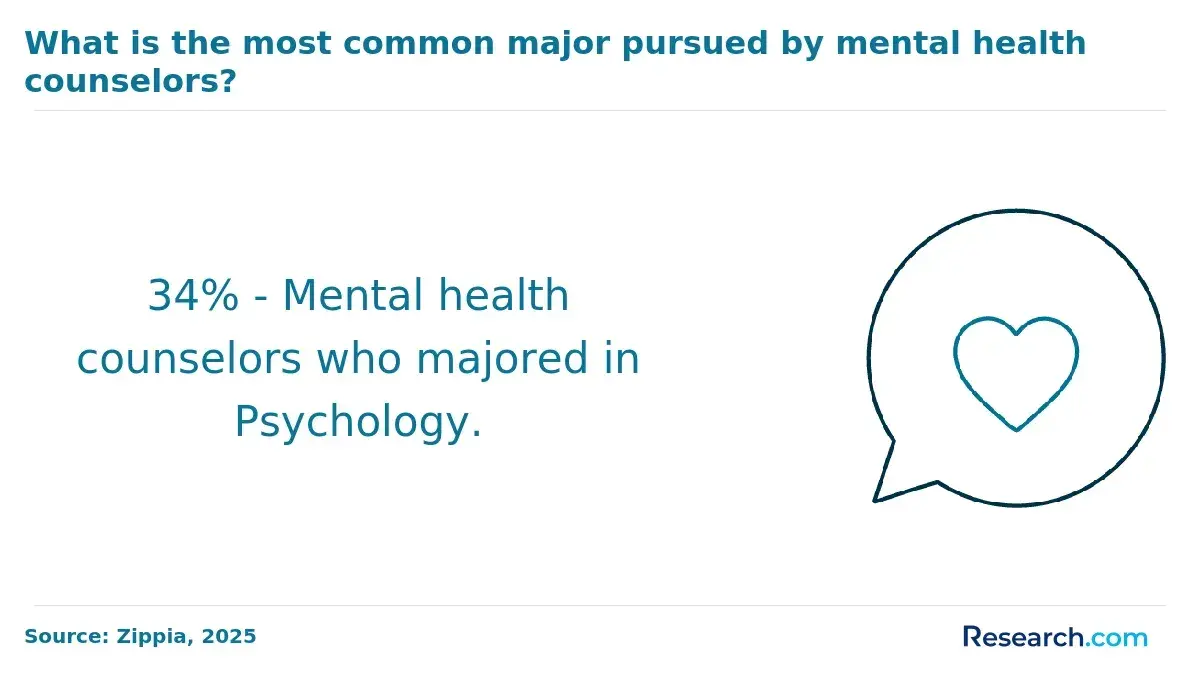
Washington, DC participates in the Counseling Compact, which can make cross-jurisdiction practice easier for eligible licensed professional counselors. Reciprocity does not mean anyone can practice in DC automatically. It means qualified counselors from participating jurisdictions may have a streamlined route to practice privilege if they meet Compact rules and follow DC requirements while serving clients in the District.
- Counseling Compact participation: DC is part of the multi-state Counseling Compact, which is designed to improve license portability among member jurisdictions.
- Active home-state license: Your primary license must be current, valid, and in good standing. That home license remains the basis for Compact eligibility.
- Privilege to practice: Eligible counselors still need to request authorization, complete the required process, pay applicable DC-specific fees, and receive approval before providing services in Washington, DC.
- DC rules still apply: While practicing in the District, you must follow local professional standards, legal requirements, and ethical obligations.
- Member-state limitation: As of 2025, 37 states plus DC are part of the agreement. Counselors from non-member states cannot use the Compact pathway.
- Non-Compact pathway: If your home jurisdiction is not part of the Compact, you must pursue full licensure through DC’s Board before practicing independently in the District.
The most important practical step is verification. Before relocating, accepting DC clients through telehealth, or advertising services in the District, confirm whether your home jurisdiction participates, whether your license qualifies, and whether your Compact privilege has been approved.
What counseling certifications can you get in Washington, DC?
In counseling, the word “credential” can refer to different things: a legal license, a state certification, or a national professional certification. These are not interchangeable. A license determines whether you may practice independently under DC law. Certifications can demonstrate additional competence, support specialization, or help with hiring, but they do not replace licensure when licensure is required.
| Credential | Type | Who it may fit | Key requirements listed |
| Licensed Professional Counselor (LPC) — Washington, DC Board of Professional Counseling | State license | Counselors who want to provide independent professional counseling services in DC. | A master’s degree in counseling or a related field, supervised clinical experience of about 3,500 hours over several years, and a national counseling examination requirement. Verify current exam instructions directly with the Board before applying. |
| Certified Addiction Counselor (CAC) — DC Health Regulation & Licensing Administration | State addiction counseling credential | Professionals who want to focus on substance use treatment in rehabilitation programs, hospitals, outpatient clinics, or integrated behavioral health settings. | Available in CAC I and CAC II levels, with education and supervised experience expectations that vary by level. |
| Certified Clinical Mental Health Counselor (CCMHC) — National Board for Certified Counselors (NBCC) | National certification | Licensed or license-track counselors who want an advanced clinical credential recognized beyond a single employer. | Requires NCC certification, 60 graduate credits, 3,000 hours of post-graduate clinical experience, and passing the NCMHCE. |
The right credential depends on the work you want to do. If your goal is independent counseling practice in DC, focus first on LPC eligibility. If you plan to work with addiction, co-occurring disorders, or treatment programs, explore the CAC path. If you want a national clinical credential after building experience, the CCMHC may support your professional profile.
What types of counseling specializations are in demand in Washington, DC?
Washington, DC’s counseling needs are shaped by a dense urban population, high-pressure professional environments, student mental health concerns, economic inequality, trauma exposure, substance use challenges, and culturally diverse communities. Specialization can help counselors build deeper expertise and become more competitive for specific roles.
| Specialization | Why it matters in DC | Typical settings | Good fit for counselors who... |
| Clinical mental health counseling | Many clients seek help for anxiety, depression, life transitions, workplace stress, grief, and emotional distress. | Private practices, outpatient clinics, hospitals, community agencies, telehealth platforms. | Want a broad clinical foundation and flexibility across multiple populations. |
| Trauma and PTSD counseling | DC serves populations affected by trauma, including veterans, refugees, survivors of violence, and clients experiencing complex stressors. | Veteran-serving organizations, community clinics, trauma programs, hospitals, crisis services. | Are prepared for emotionally demanding work and want training in evidence-based trauma approaches such as EMDR or somatic therapy. |
| Substance abuse and addiction counseling | Substance use and co-occurring mental health conditions often require integrated care rather than isolated treatment. | Rehabilitation centers, hospitals, outpatient treatment programs, community health organizations. | Want to support recovery, relapse prevention, harm reduction, and dual-diagnosis treatment. |
| Marriage and family therapy | Relationship stress, parenting challenges, divorce, family conflict, and work-life pressure can create strong demand for relational care. | Family therapy practices, community agencies, private practice, counseling centers. | Prefer working with couples, families, and relational systems rather than only individual clients. |
Graduate certificates can help counselors deepen expertise without completing a second full degree. If you are comparing options, Research.com’s guide to the best online graduate counseling certificate program can help you explore additional training formats.
How much do mental health counselors typically earn in Washington, DC?
The reported average annual salary for mental health counselors in Washington, DC is approximately $81,747. That figure is a useful benchmark, but it should not be treated as a guaranteed outcome. Counselor income varies based on experience, credentials, employer, specialization, caseload, reimbursement model, and whether the counselor is in private practice or employed by an organization.
| Salary factor | How it can affect earnings | What to consider |
| Experience level | New counselors and those still accumulating supervised hours often earn less than fully licensed clinicians with several years of practice. | Ask employers how compensation changes after full LPC licensure. |
| Work setting | Hospitals, schools, nonprofits, government-related programs, private practices, and telehealth companies may use different pay structures. | Compare salary, benefits, supervision support, schedule flexibility, and caseload expectations together. |
| Specialization | Expertise in trauma, substance use, child and adolescent therapy, or other high-need areas may improve competitiveness for certain jobs. | Specialization can help, but additional training costs should be part of your ROI calculation. |
| Licensure and credentials | Credentials such as LPC, CCMHC, or CAC can open roles that are not available to less-credentialed applicants. | Licensure is often the biggest career inflection point, especially for independent practice. |
| Private practice versus salaried work | Private practice can offer higher upside for some counselors but also includes business costs, client acquisition, insurance billing, and income variability. | Do not compare gross private-practice revenue with salaried income without subtracting overhead and unpaid administrative time. |
| Population and funding source | Community-based roles may rely on grant funding, public reimbursement, or nonprofit budgets, while private-pay settings may operate differently. | Mission-driven roles can be meaningful, but ask about workload, supervision, benefits, and burnout prevention. |
For a wider view of compensation possibilities tied to counseling graduate education, you can review Research.com’s guide to the highest paying jobs with a masters in counseling. Use salary data as one input, not the only one. A role with slightly lower pay but strong supervision, manageable caseloads, and licensure support may be the better early-career choice.
Are mental health counselors in demand in Washington, DC?
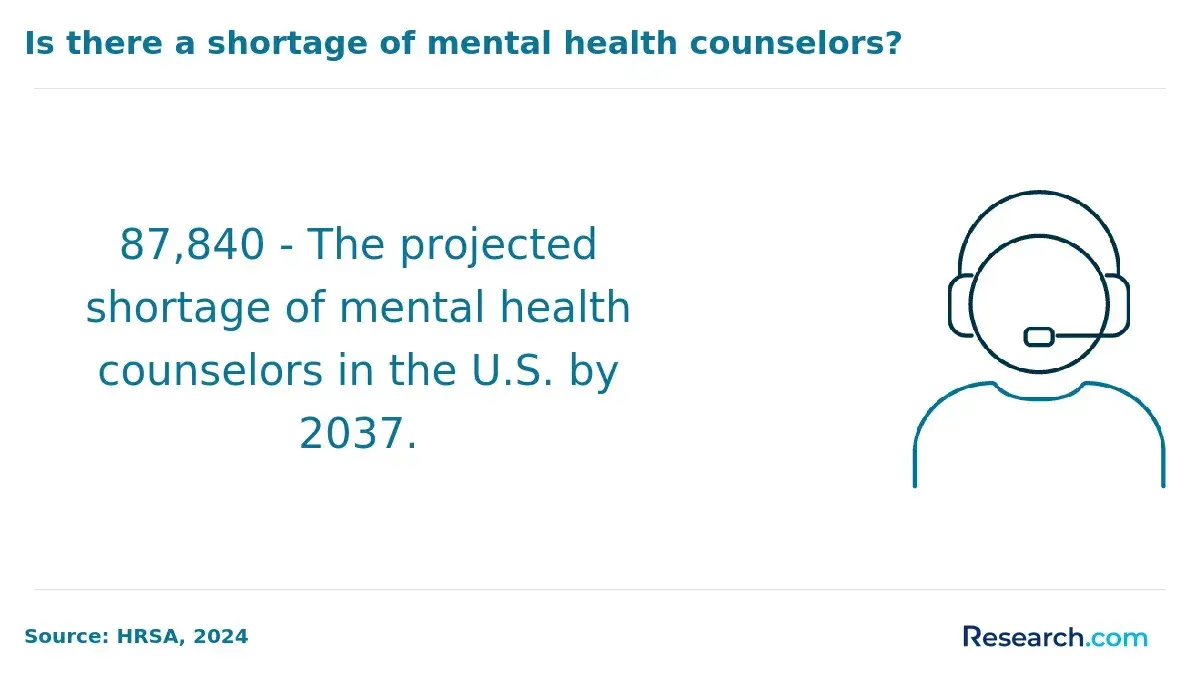
Yes. Demand for mental health counselors in Washington, DC is supported by a broad need for care across anxiety, depression, trauma, substance use, student mental health, relationship stress, and community behavioral health. National provider shortages and local access gaps also contribute to the need for qualified professionals.
- Service demand is broad: Counselors are needed in clinics, schools, hospitals, nonprofits, community programs, and private practices.
- Culturally responsive care is important: DC’s population includes people with different racial, cultural, linguistic, socioeconomic, professional, and immigration backgrounds. Counselors who can work respectfully across differences are especially valuable.
- High demand can improve options: In shortage conditions, licensed counselors may have more ability to compare roles, negotiate benefits, request flexible schedules, or choose specialized settings.
- Need does not eliminate competition: Desirable jobs may still require strong clinical references, specialization, licensure progress, and experience with specific populations.
A counselor working in Washington, DC described the job search as a process that required persistence and flexibility. She explained that networking, remaining open to different settings, and prioritizing a workplace committed to cultural awareness helped her find a community clinic role where the work felt both clinically meaningful and professionally developmental.
That experience reflects an important reality: demand creates opportunity, but the best role is not always the first one available. New counselors should evaluate supervision quality, caseload expectations, workplace culture, documentation demands, safety protocols, and advancement pathways before accepting an offer.
How Does Substance Abuse Counseling Integrate with Mental Health Counseling in Washington, DC?
Substance use counseling and mental health counseling frequently overlap in Washington, DC because many clients experience co-occurring concerns, such as substance use alongside trauma, depression, anxiety, housing instability, family conflict, or legal stress. Effective care often requires collaboration among counselors, physicians, social workers, case managers, peer specialists, and community agencies.
For mental health counselors, this means addiction knowledge is not optional in many settings. Even counselors who do not specialize exclusively in substance use may need to screen for substance-related concerns, understand referral pathways, coordinate care, and recognize when a client needs a higher level of treatment. Counselors who want to focus more deeply on this area can review Research.com’s guide on how to become a substance abuse counselor in Washington DC.
| Integrated care issue | Why it matters | Professional response |
| Co-occurring disorders | Clients may present with both mental health symptoms and substance use concerns. | Use careful assessment, coordinate referrals, and avoid treating one issue as unrelated to the other. |
| Ethical scope of practice | Not every counselor is trained to provide specialized addiction treatment. | Seek supervision, additional training, or referral support when a client’s needs exceed your preparation. |
| Interdisciplinary treatment | Substance use care may involve medical treatment, case management, family support, and recovery services. | Communicate with the care team while following confidentiality rules and client consent requirements. |
| Regulatory expectations | Addiction treatment settings may have distinct documentation, safety, and program standards. | Stay current with DC rules, employer policies, and professional ethics. |
Where do mental health counselors typically work in Washington, DC?
Mental health counselors in Washington, DC work in settings that reflect the city’s mix of healthcare institutions, universities, schools, community organizations, government-related services, and private behavioral health practices. The best setting for you depends on your preferred population, tolerance for administrative demands, need for supervision, schedule preferences, and long-term career goals.
| Work setting | What counselors often do | Examples mentioned | Best fit for counselors who... |
| Healthcare systems and hospitals | Provide assessment, crisis support, treatment planning, brief counseling, discharge planning, or outpatient therapy in collaboration with medical teams. | MedStar Health hires counselors for inpatient and outpatient services. | Want interdisciplinary work and can manage fast-paced clinical environments. |
| Schools, colleges, and universities | Support students dealing with emotional, behavioral, developmental, crisis, and adjustment concerns. | The George Washington University employs counselors to support student wellness and clinical needs. | Are interested in student mental health, prevention, crisis response, and developmental issues. |
| Community mental health and social service agencies | Serve children, families, underserved communities, clients with substance use concerns, and people facing complex social needs. | BrightPoint Wellness Center is one local organization referenced for this type of work. | Value mission-driven practice and are prepared for complex cases and resource constraints. |
| Private practice | Provide individual, group, couples, or family therapy, often with more control over niche, schedule, and client mix. | Independent and group practices across DC. | Want autonomy and are willing to manage business, billing, marketing, and compliance responsibilities. |
| Telehealth services | Offer counseling remotely to clients who meet legal and clinical eligibility for virtual care. | Telehealth platforms and hybrid practices serving DC clients. | Want flexibility but can maintain privacy, documentation, crisis protocols, and jurisdictional compliance. |
Across all settings, employers increasingly expect counselors to provide evidence-informed, client-centered, culturally responsive care. The chart below shows top-paying industries for substance abuse, behavioral disorder, and mental health counselors.
Is it challenging to become a mental health counselor in Washington, DC?
Yes. The career can be rewarding, but the path is demanding. Prospective counselors should be prepared for graduate school, supervised clinical hours, exam preparation, licensing paperwork, emotionally complex client work, and the financial realities of training in a high-cost city.
| Challenge | What it looks like | How to reduce the risk |
| Graduate education requirement | You need a qualifying graduate degree with at least 60 semester hours. | Choose a program that clearly prepares students for DC licensure and provides transparent curriculum mapping. |
| Lengthy supervised experience | DC requires 3,500 hours of supervised clinical work, typically completed over 2–5 years. | Clarify supervision availability, documentation procedures, and whether supervision is included or costs extra. |
| Licensing exam and paperwork | You must pass a national exam and submit a complete application with verified supervision records. | Track hours from the beginning and keep copies of all forms, contracts, and supervisor credentials. |
| Cost of living | Housing, transportation, tuition, and loan repayment can create pressure during the training years. | Compare total program cost, seek scholarships, consider employer support, and budget for lower-paid early roles. |
| Complex client needs | Counselors may work with trauma, addiction, crisis, poverty, family instability, or limited access to care. | Choose placements with strong supervision, team support, and clear crisis protocols. |
| Burnout risk | High caseloads, secondary trauma, and administrative demands can affect well-being. | Build consultation, boundaries, manageable scheduling, and personal mental health support into your career plan. |
| Continuing obligations | Licensure is not the end of professional responsibility. Documentation, continuing education, renewals, and ethics remain ongoing. | Treat professional development as part of the job, not an optional extra. |
The path is challenging, but it is manageable with planning. Students who choose the right program, document supervision carefully, seek strong mentorship, and specialize thoughtfully are better positioned for long-term success. If your interest is specifically addiction care, Research.com’s guide to earning a substance abuse counselor degree may help you compare that route with general mental health counseling.
What Are the Opportunities for Professional Growth and Continued Training in Washington, DC?
Washington, DC offers strong professional development opportunities because of its concentration of universities, healthcare organizations, nonprofits, advocacy groups, conferences, policy organizations, and clinical training providers. Counselors can use this environment to build advanced skills, find mentors, develop referral networks, and stay current with emerging clinical practices.
- Specialized workshops: Training in trauma treatment, addiction counseling, ethics, telehealth, assessment, family systems, multicultural counseling, and crisis response can strengthen practice.
- Professional networking: Local roundtables, continuing education events, and clinical communities can help counselors identify jobs, supervision options, and referral partners.
- Advanced credentials: Certifications such as addiction credentials or national clinical certifications can support specialization and advancement.
- Leadership pathways: Experienced counselors may move into supervision, program management, training, policy work, private practice ownership, or clinical director roles.
- Ongoing licensure readiness: Continued training helps counselors meet renewal expectations, improve documentation, and respond to changing practice standards.
For a practical explanation of how professional preparation connects with DC licensure, see Research.com’s guide on how to become a therapist in Washington DC.
How Do MFT and Mental Health Counselor Licensure Requirements Differ in Washington, DC?
Mental health counseling and marriage and family therapy are related but distinct professional paths. Both can involve therapy and client care, but their training focus, scope, supervision expectations, and licensure rules are not the same. Choosing between them should depend on the type of clinical work you want to do.
| Path | Primary clinical focus | Typical client work | Best fit if you want to... |
| Mental health counselor | Individual mental health, emotional functioning, diagnosis, treatment planning, coping skills, and clinical counseling interventions. | Individuals, groups, and sometimes families dealing with anxiety, depression, trauma, grief, stress, substance use, and adjustment issues. | Build a broad counseling practice across clinical mental health settings. |
| Marriage and family therapist | Relational systems, couple dynamics, family patterns, communication, parenting, and systemic factors affecting mental health. | Couples, families, and individuals viewed through relational and systemic frameworks. | Focus your clinical identity on relationship and family-system work. |
If you are deciding between these two routes, compare graduate curricula, practicum settings, supervision rules, exam requirements, and the legal scope of practice for each license. Research.com’s guide to MFT license requirements in Washington DC provides more detail for readers considering the marriage and family therapy path.
What Mental Health Counselors in Washington, DC Say About Their Careers
-
: "
"Counseling in DC has given me more than job stability. The variety of clients, cultures, and community needs keeps the work meaningful, and I appreciate being in a city where mental health conversations are taken seriously." – Holly
"
-
: "
"This city pushes you to grow. You see resilience, inequity, political pressure, and personal struggle up close, and that changes how you understand both your clients and yourself as a clinician." – Angelo
"
-
: "
"One advantage of practicing in Washington, DC is the access to learning. Conferences, peer discussions, and research-based training have helped me keep developing long after graduate school." – Walton
"
Related Articles for Nearby Cities
- 2027 How to Become a Mental Health Counselor in Baltimore, MD: Education Requirements & Certification
- 2027 How to Become a Mental Health Counselor in Richmond, VA: Education Requirements & Certification
- 2027 How to Become a Mental Health Counselor in Philadelphia, PA: Education Requirements & Certification
- 2027 How to Become a Mental Health Counselor in Norfolk, VA: Education Requirements & Certification
- 2027 How to Become a Mental Health Counselor in Virginia Beach, VA: Education Requirements & Certification
- 2027 How to Become a Mental Health Counselor in Chesapeake, VA: Education Requirements & Certification
- 2027 How to Become a Mental Health Counselor in Pittsburgh, PA: Education Requirements & Certification
- 2027 How to Become a Mental Health Counselor in Newark, NJ: Education Requirements & Certification
- 2027 How to Become a Mental Health Counselor in Jersey City, NJ: Education Requirements & Certification
- 2027 How to Become a Mental Health Counselor in New York City: Education Requirements & Certification
Common Mistakes to Avoid Before Becoming a Mental Health Counselor in DC
| Mistake | Why it can hurt you | Better approach |
| Choosing a graduate program based only on convenience | A convenient program may not meet DC’s 60 semester hours requirement or required content areas. | Ask for a written licensure-alignment chart before enrolling. |
| Assuming online programs automatically qualify | Online format does not guarantee licensure eligibility, clinical placement support, or DC approval. | Verify accreditation, curriculum, practicum requirements, and state authorization. |
| Ignoring supervision details | DC requires 3,500 hours of supervised clinical work, including specific supervision expectations. | Confirm who can supervise you, how hours are recorded, and whether supervision is individual or group. |
| Focusing only on salary | A higher-paying early job may offer weak supervision, excessive caseloads, or poor licensure support. | Evaluate supervision, benefits, workload, documentation expectations, and growth opportunities together. |
| Waiting too long to plan for specialization | Specialized roles may require targeted coursework, internships, certificates, or supervised experience. | Use graduate electives and field placements to build experience in trauma, addiction, school-based services, or family work. |
| Assuming reciprocity is automatic | The Counseling Compact has eligibility rules, participation limits, and approval steps. | Confirm your home license status, member-state eligibility, and DC privilege requirements before practicing. |
Questions to Ask Before You Commit to This Career Path
- Does the graduate program meet DC’s academic requirements without extra coursework?
- How does the school help students secure practicum and internship placements in or near Washington, DC?
- Will I be able to afford tuition, fees, commuting, books, exam costs, and lower-paid supervised experience years?
- What populations do I want to serve: students, veterans, families, trauma survivors, clients with substance use concerns, or general outpatient clients?
- Do I prefer a structured workplace such as a hospital or agency, or do I eventually want the autonomy of private practice?
- How will I protect my own mental health while doing emotionally demanding work?
- If I may move later, how portable will my education, license, and supervised experience be?
References:
- American Counseling Association. (n.d.). A closer look at the mental health provider shortage. Counseling.org. Retrieved 8 July 2025.
- Counseling Degree Guide. (n.d.). Washington DC counseling license requirements. Counselingdegreeguide.org. Retrieved 8 July 2025.
- D.C. Policy Center. (n.d.). D.C. voices: D.C. schools ramped up mental health resources during the pandemic. How well do these services address student needs? Dcpolicycenter.org. Retrieved 8 July 2025.
- KFF. (n.d.). Mental health and substance use state fact sheets | District of Columbia. Kff.org. Retrieved 8 July 2025.
- US Bureau of Labor Statistics. (2024). Occupational employment and wage statistics: Substance abuse, behavioral disorder, and mental health counselors. Bls.gov. Retrieved 8 July 2025.
- Washington Psychological Wellness. (n.d.). Common challenges to mental health care access. Washington-psychwellness.com. Retrieved 8 July 2025.
- WHC Clinics. (n.d.). Challenges in psychotherapy and mental rehabilitation. Whcclinics.com. Retrieved 8 July 2025.
- Zencare. (n.d.). Commitment challenges therapists in Washington DC | Find Washington DC therapists. Zencare.co. 8 July 2025.
- ZipRecruiter. (n.d.). Clinical mental health counseling salary in Washington, DC. Ziprecruiter.com. Retrieved 8 July 2025.
Key Insights
- The fastest path is not always the best path. Choose a graduate program that clearly satisfies DC’s 60 semester hours requirement and supports practicum or internship placement.
- Licensure planning should start before graduate school. DC requires a qualifying degree, 3,500 hours of supervised clinical work over 2 to 5 years, at least 200 hours of direct supervision, a national exam, and a complete application.
- Salary depends on more than location. The reported DC average of approximately $81,747 is useful, but your actual income will depend on licensure, setting, specialization, experience, and employment model.
- Specialization can improve career direction. Trauma, substance abuse and addiction counseling, clinical mental health, and family-related services are especially relevant in Washington, DC’s counseling landscape.
- Reciprocity requires verification. DC participates in the Counseling Compact, but eligible counselors still need approval to practice and must follow DC’s professional rules.
- The work is meaningful but demanding. Strong supervision, realistic financial planning, ethical practice, continuing education, and burnout prevention are essential for a sustainable counseling career in Washington, DC.
Other Things You Need to Know About Becoming a Mental Health Counselor in Washington, DC
The DC Board of Professional Counseling, under the Department of Health, issues the Licensed Professional Counselor license. Applicants submit education, supervised experience, and exam records through the board’s licensing process. The board also sets renewal rules and continuing education requirements for active license holders.
Washington, DC requires licensed mental health counselors to complete 40 hours of continuing education every two years. Of these, 6 hours must be in ethics, and all hours must be pre-approved by the DC Board of Professional Counseling to ensure compliance.
In Washington, DC, aspiring mental health counselors must complete 3,300 hours of supervised work experience, with at least 1,000 hours in direct client contact and 100 hours of face-to-face supervision, to obtain licensure by 2027. This practical training is crucial for developing effective counseling skills.